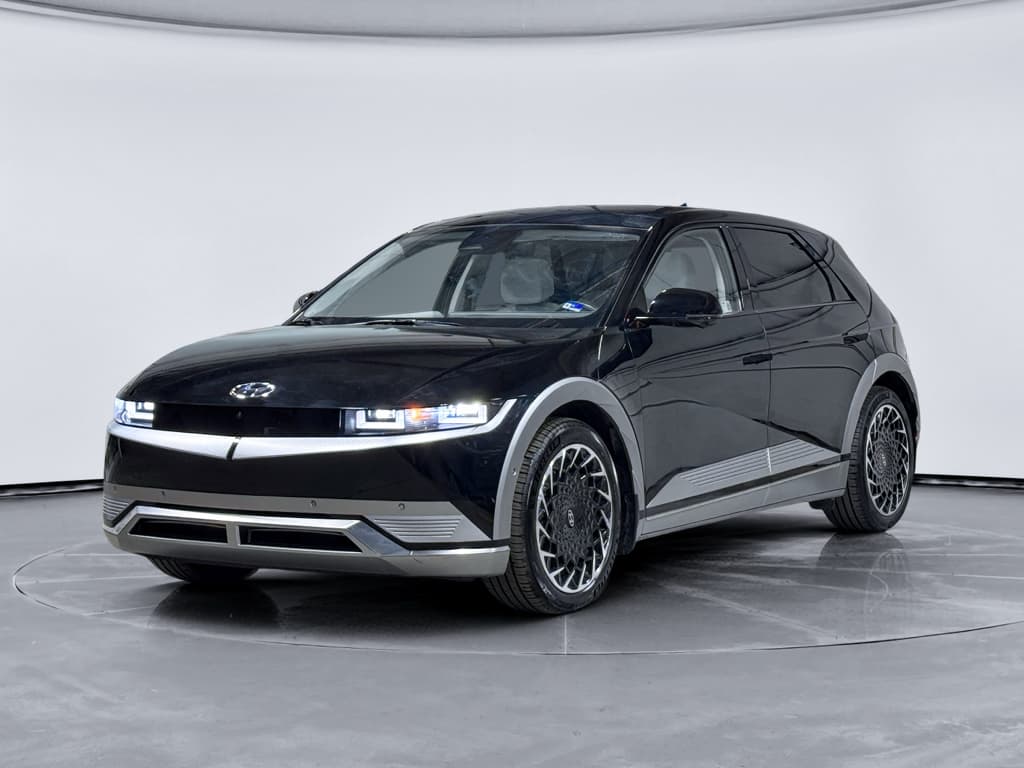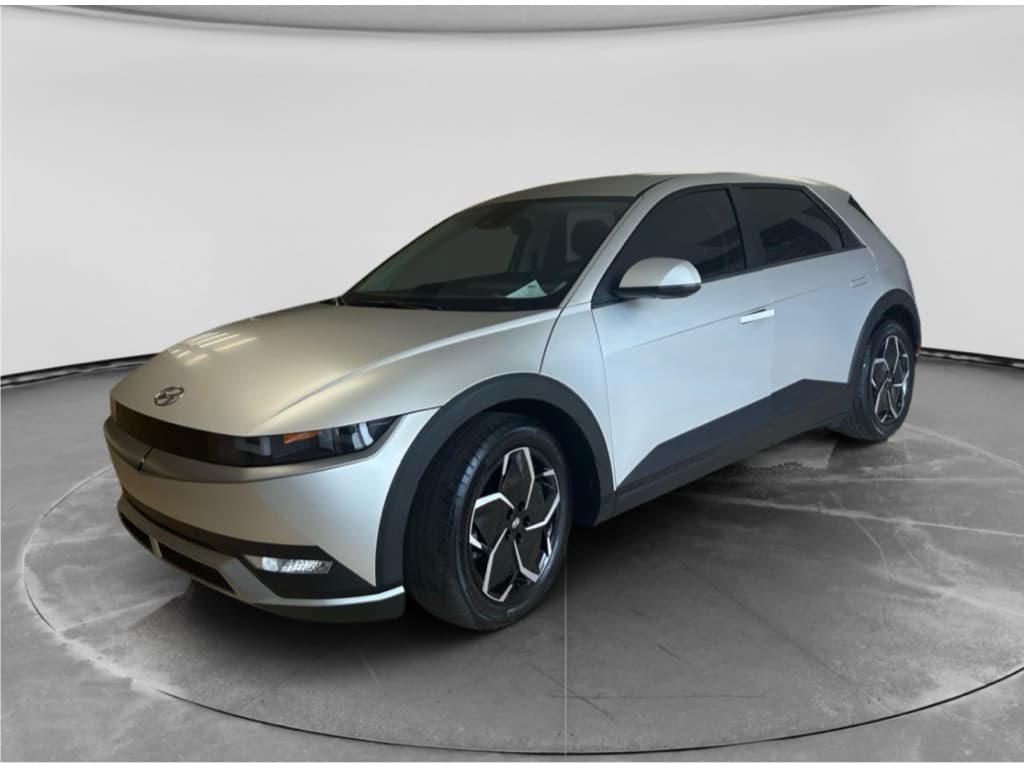
If you own, or are thinking about buying, a Hyundai IONIQ 5, the big question is what happens when the factory warranty runs out. Hyundai IONIQ 5 after warranty costs can look very different from a gas SUV, but that doesn’t mean they’re zero. The key is understanding where EVs save you money, where they can surprise you, and how to stack the odds in your favor, especially if you’re shopping used.
Good news for IONIQ 5 owners
How long the Hyundai IONIQ 5 warranty actually lasts
Before you worry about life after coverage, you need to know exactly what coverage you have. Hyundai’s warranty is one of the strongest in the industry, and that matters a lot for a vehicle that’s still relatively new on U.S. roads.
Hyundai IONIQ 5 factory warranty overview (U.S.)
Key Hyundai IONIQ 5 warranty coverages that affect long-term ownership costs.
| Coverage | Typical Term (whichever comes first) | What it covers |
|---|---|---|
| New Vehicle Limited Warranty | 5 years / 60,000 miles | Most non-wear components, electronics, interior, body hardware |
| Powertrain Warranty | 10 years / 100,000 miles (original owner) | Electric drive motor, reduction gear and other major drivetrain parts |
| EV Battery Warranty | 10 years / 100,000 miles (capacity & defects) | High-voltage battery pack, subject to capacity and defect terms |
| Corrosion Perforation | 7 years / unlimited miles | Rust-through of body panels |
| Roadside Assistance | 5 years / unlimited miles | Towing, lockout, jump-start and related roadside help |
Always confirm coverage details for your specific model year, trim, and state, this table is a general guide.
Second owners may get less coverage
For most IONIQ 5 owners, the real "after warranty" moment is when the 5-year / 60,000‑mile new vehicle limited warranty expires. Past that point, major electronics, infotainment, HVAC hardware and many convenience features are no longer covered, even though the battery and drive motor may still be under Hyundai’s longer-term EV warranties.
What really changes when your IONIQ 5 warranty ends
Costs that usually don’t spike overnight
- Routine maintenance like tire rotations and cabin filters stays predictable.
- Brake wear is typically low on EVs thanks to regenerative braking.
- Battery and electric motor may still be covered under Hyundai’s longer EV warranties.
Costs that can start to matter more
- Out-of-pocket repairs for sensors, electronics and infotainment glitches.
- Suspension components and bushings as the vehicle ages and miles add up.
- Higher-cost items like HVAC or power liftgate failures without warranty backup.
In the years right after warranty, your IONIQ 5 is still a relatively modern EV, but every repair quote hits you directly instead of the manufacturer. That’s why upfront battery health, service history and accident records matter so much if you’re buying used, those are your best predictors of what you’ll spend later.
Where IONIQ 5 owners typically save vs. gas SUVs
Track costs starting before warranty ends
Expected Hyundai IONIQ 5 maintenance costs after warranty
EVs don’t need oil changes, spark plugs, timing belts or exhaust work, that’s where the Hyundai IONIQ 5 really shines on long-term costs. Once your warranty expires, most of your routine spending will center on tires, brakes, fluids, and inspections.
Typical post-warranty maintenance items for Hyundai IONIQ 5
Common recurring items you should budget for once your basic warranty ends. Costs are rough U.S. retail estimates and will vary by region and shop.
| Item | Suggested interval | Typical cost range (USD) | Notes |
|---|---|---|---|
| Tire rotation | Every 6,000–8,000 miles | $35–$80 | Helps even out wear; heavier EVs are hard on tires. |
| New tires (set of 4) | 25,000–45,000 miles depending on driving | $800–$1,400+ | Performance trims and larger wheels cost more. |
| Cabin air filter | Every 15,000–30,000 miles | $40–$120 | DIY is usually easy if you want to save. |
| Brake service (pads/cleaning) | Inspect annually; pads often last 60k+ miles | $150–$450 | Regenerative braking means pads can last much longer than on gas cars. |
| Coolant service (battery/drive unit) | Check per manual, roughly 10 years/100,000 miles | $250–$600 | Interval depends on model year and coolant type. |
| Alignment check | When tires wear unevenly or after impacts | $120–$200 | Helps extend tire life on a heavy EV. |
| Key battery replacement | Every few years as needed | $10–$30 | Small but annoying if you don’t plan ahead. |
These are ballpark service ranges; ask local EV‑friendly shops or dealers for specific quotes.
Maintenance budgeting rule of thumb
If you’re cross-shopping a gas SUV, you’ll notice what’s missing from the list: no engine oil, no transmission flushes, no spark plugs, no timing belt, and no emissions components. Over a 5–8 year span, those avoided services can easily outweigh the higher price you might pay for tires on a heavier EV.
Repairs to watch for on an older IONIQ 5
Hyundai IONIQ 5 reliability has generally been solid so far, but the oldest U.S. models are just now moving into the post-warranty window. That’s when real-world data starts to surface on what actually fails and what it costs to fix.
Common post-warranty repair areas on IONIQ 5
Most are electronics and wear items, not the battery or motor.
Infotainment & screens
Modern EVs live and die by their screens. Out of warranty, failed touchscreens, digital clusters or audio units can cost hundreds to over a thousand dollars to replace, depending on parts and labor.
HVAC & heat pump
Heat pumps and HVAC systems are critical to comfort and range. Issues can be pricey, especially if refrigerant lines or electronic valves are involved.
Steering & suspension
As miles add up, control arms, bushings and shocks can wear. Heavier EV weight means you’ll want to listen for clunks and watch for uneven tire wear.
ADAS and sensor repairs can be pricey
The smart move is to consider your IONIQ 5’s electronics as a real cost center once warranty coverage ends. A thorough pre-purchase inspection, including a scan for stored trouble codes, can reveal early warning signs on a used vehicle.
Battery health, warranty, and replacement risk
The high-voltage battery is the single most expensive component in your Hyundai IONIQ 5, and the part most shoppers worry about. Hyundai’s EV battery warranty helps, but it doesn’t erase all risk, especially many years down the road.
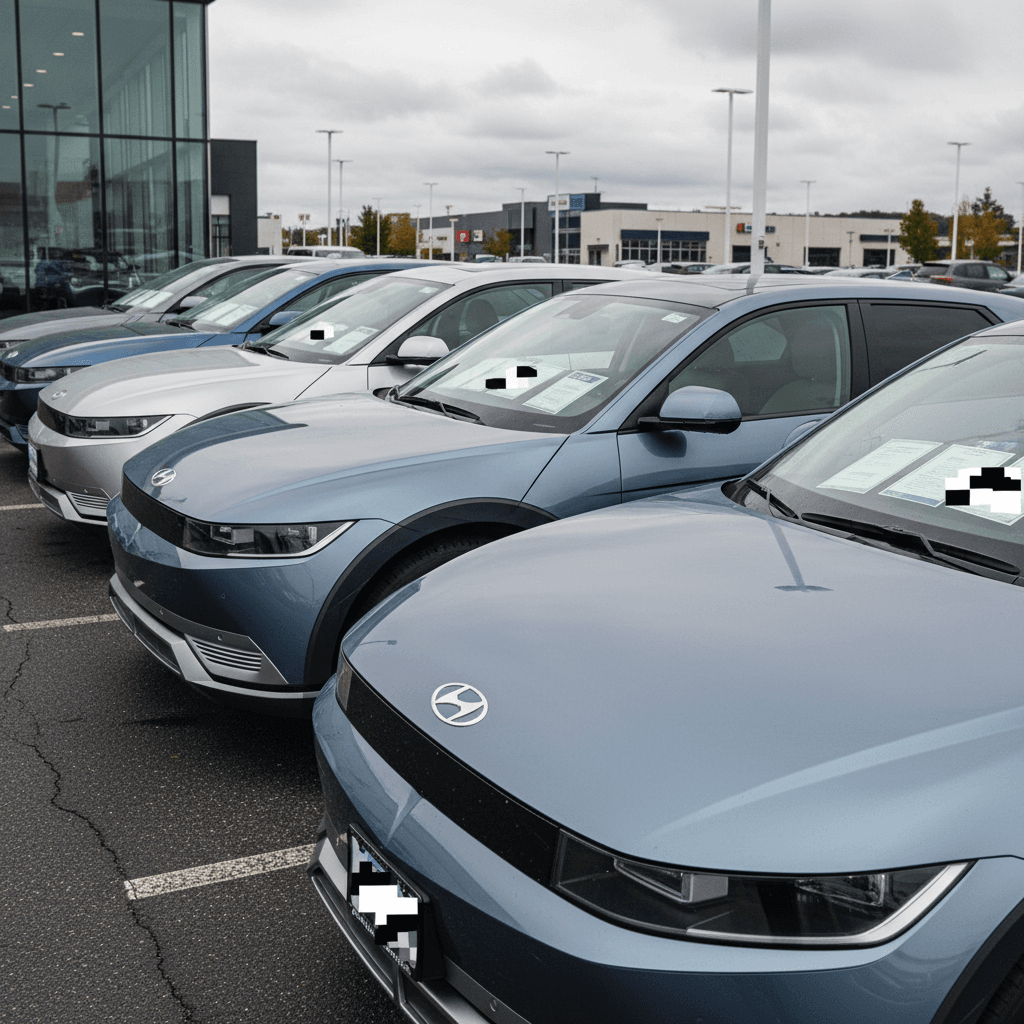
- Hyundai typically warrants the IONIQ 5’s battery for 10 years / 100,000 miles against defects and excessive capacity loss.
- That means many owners are still under battery coverage long after the basic 5‑year warranty expires.
- Once you’re past the battery warranty window, a full pack replacement could cost many thousands of dollars, even if prices continue to fall as EVs scale up.
- In practice, most well‑cared‑for packs lose range gradually, not suddenly. How you charge and drive matters more than the calendar alone.
How to reduce long-term battery risk
If you’re shopping for a used IONIQ 5 that’s closer to the end of its battery warranty, this is where independent testing becomes critical. At Recharged, every EV gets a Recharged Score Report with verified battery health and real‑world range estimates so you’re not guessing how much life is left in the pack.
Insurance, registration and other ownership costs
Warranty status doesn’t change your registration fees or taxes, but it can indirectly influence your insurance and total cost of ownership as the IONIQ 5 ages.
Beyond maintenance: Other Hyundai IONIQ 5 after-warranty costs
These line items live in your budget even when nothing breaks.
Insurance
EVs like the IONIQ 5 can cost more to insure than some gas cars, largely because of higher repair bills for high-tech components. As the vehicle depreciates, premiums may ease, but repair complexity still matters.
Registration & fees
Some states charge extra registration fees for EVs to make up for lost gas-tax revenue. Those policies are changing regularly, so it’s worth checking your state DMV site.
The upside: once your IONIQ 5 is paid off, your major ongoing cost buckets are electricity, insurance, registration, and maintenance. For many households, electricity plus maintenance still comes in well under what they were paying for gasoline and traditional service on a comparable SUV.
Hyundai IONIQ 5 depreciation and resale value
Depreciation is often the largest single cost of owning any new vehicle, and the IONIQ 5 is no exception. Early EVs took a depreciation hit because technology was moving fast and tax credits kept shifting. As the market matures and used EV demand climbs, values are stabilizing, but you should still plan around it.
- The steepest depreciation usually hits in the first 3–4 years, while the vehicle is still under most of its factory warranty.
- After that, values tend to fall more gradually, assuming the battery remains healthy and the car has a clean accident history.
- Feature changes (like longer-range batteries or major design refreshes) can push older models down faster, but can also make them attractive bargains on the used market.
- A well-documented service history and a strong battery test report can put your IONIQ 5 at the top of the market when it’s time to sell or trade.
How Recharged can help on resale
Ready to find your next EV?
Browse VehiclesHow buying a used IONIQ 5 changes the math
If you’re not the original owner, you’re stepping into the middle of this cost curve. You might be buying a 3–5‑year‑old Hyundai IONIQ 5 that’s just approaching the end of its basic warranty but still has several years of battery coverage left. That can be a sweet spot, as long as you buy carefully.
Upside of buying used
- Previous owner already absorbed the steepest depreciation.
- Basic bugs and recalls are likely already addressed.
- You may still have years left on the battery warranty.
Risks to manage
- Shorter remaining warranty coverage on electronics and powertrain.
- Unknown charging habits that could affect battery health.
- Hidden accident or flood damage on poorly documented vehicles.
Why battery data matters on used IONIQ 5s
At Recharged, you can browse used Hyundai IONIQ 5 listings with upfront Recharged Score Reports, financing options, trade‑in offers, and nationwide delivery. That gives you a much clearer picture of likely after-warranty costs before you sign anything.
Quick checklist: Controlling IONIQ 5 after-warranty costs
IONIQ 5 after-warranty cost control checklist
1. Know your remaining coverage
Confirm exactly when your 5‑year/60,000‑mile limited warranty, powertrain coverage, and battery warranty expire. If you’re buying used, ask for documentation from Hyundai or a dealer.
2. Get a battery health report
Whether you already own the car or are shopping used, get independent battery diagnostics so you’re not guessing about range and capacity as the vehicle ages.
3. Budget for high-odds items
Set aside money for tires, alignment, occasional brake service and minor electronics fixes. Those are far more common than full battery replacements.
4. Prioritize clean history vehicles
Avoid IONIQ 5s with major accident, flood or salvage titles. Hidden damage can lead to recurring electrical and sensor problems that are expensive to chase down.
5. Use gentle charging habits
Limit daily DC fast charging when you can, avoid sitting at 100% charge for long periods, and keep the car out of extreme heat when parked. Those habits help your battery age gracefully.
6. Consider total cost, not just repairs
Compare your electricity and maintenance costs against your old gas vehicle. Even if a single repair bill stings, the long-term math may still favor the IONIQ 5.
FAQ: Hyundai IONIQ 5 after-warranty costs
Frequently asked questions about Hyundai IONIQ 5 after-warranty costs
The bottom line on Hyundai IONIQ 5 after-warranty costs
When you add it all up, Hyundai IONIQ 5 after-warranty costs look favorable compared with a similar gas crossover, especially if you factor in fuel savings and the lack of engine and transmission service. The real wild cards aren’t oil changes or spark plugs; they’re electronics, sensors and, much further down the road, battery health. If you pay attention to how the car has been driven and maintained, and you insist on real battery data for any used IONIQ 5 you consider, you stack the deck in your favor.
If you’re exploring a used IONIQ 5, Recharged can help you do exactly that. Every vehicle on our marketplace includes a Recharged Score Report with verified battery health, transparent pricing, and EV‑specialist support from start to finish. You can finance, trade in your current car, or get an instant offer and have your next EV delivered to your driveway, without guessing what it will cost to live with after the warranty clock runs out.