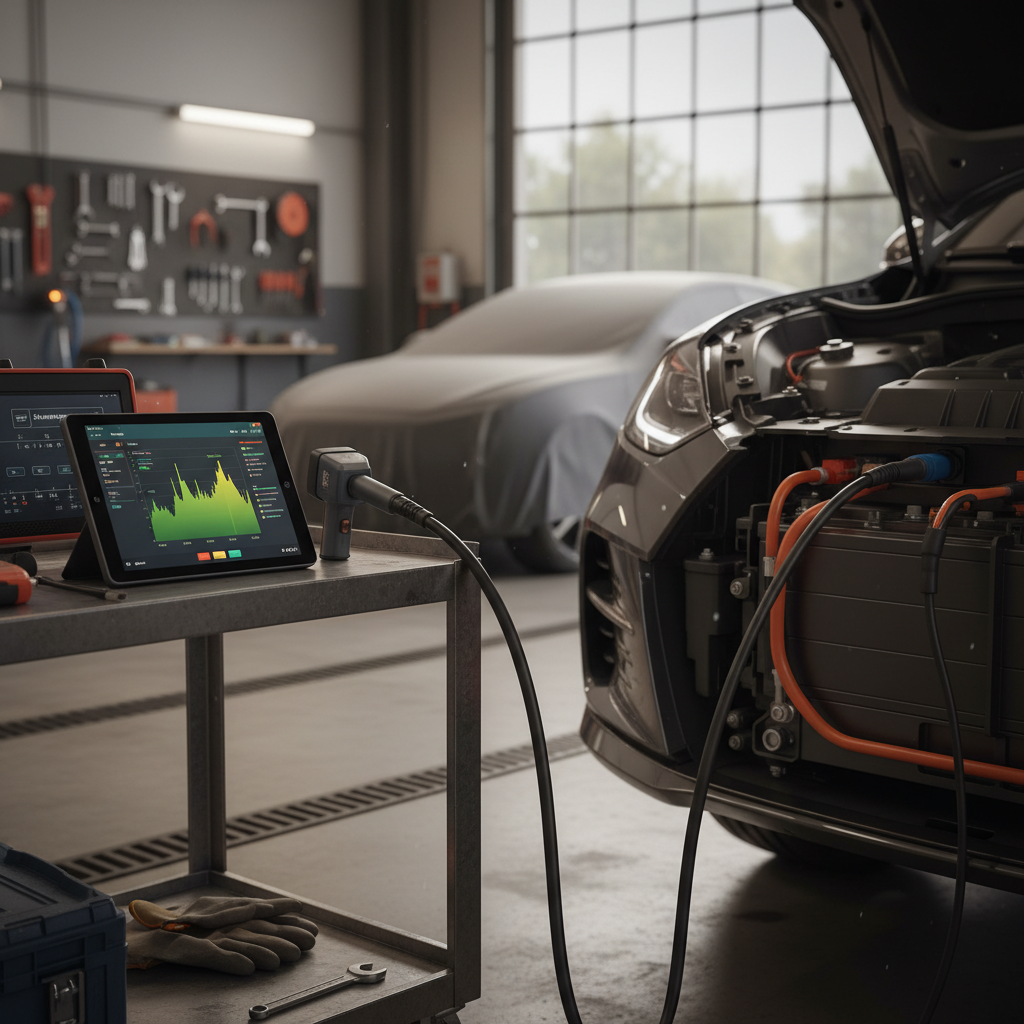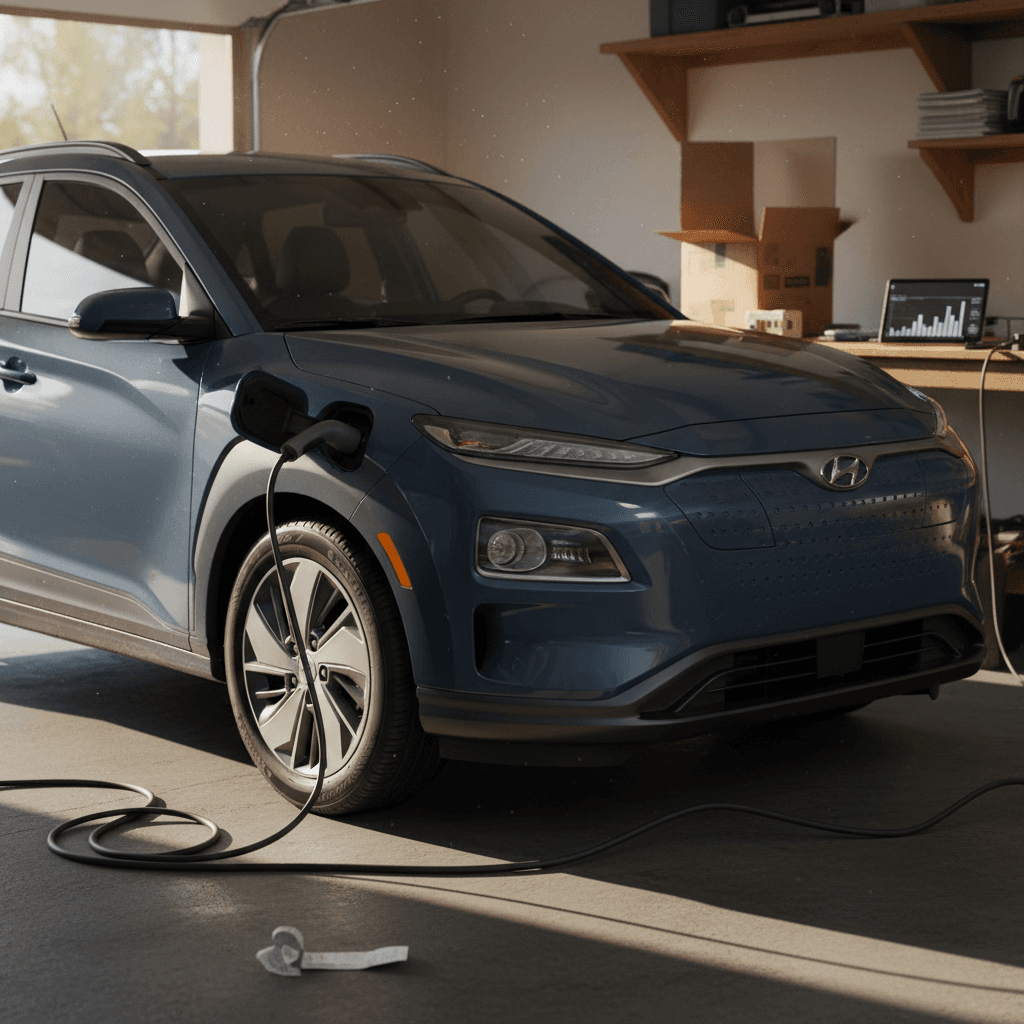
If you’re eyeing a used EV and keep circling back to the 2022 Hyundai Kona Electric, you’re probably asking one big question: what’s the real 2022 Hyundai Kona Electric reliability rating? On paper, it’s a compact crossover with great range, a long warranty, and Hyundai’s improving quality record. In the real world, the story is a little more nuanced: mostly solid, with a few recurring trouble spots you absolutely need to understand before you buy.
Quick verdict
Overview: How Reliable Is the 2022 Kona Electric?
2022 Kona Electric Reliability Snapshot
Step back from the noise and the 2022 Kona Electric lands in a comfortable middle ground. It’s more dependable than the earliest Kona EVs that were hit with high‑profile battery recalls, and most owners report years of trouble‑free driving. But the model hasn’t achieved the near-appliance reliability of something like a Toyota hybrid. Think of it as a well‑engineered EV wrapped around an economy‑car electrical architecture that’s occasionally out of its depth.
The short answer for shoppers
How Major Rating Sites Score the 2022 Kona EV
You’ll notice a pattern when you comb through owner reviews: people love how the Kona Electric drives and what it costs to run, but they’re less thrilled about its reliability and dealership experience.
2022 Hyundai Kona Electric Reliability & Owner Ratings
How big review and owner‑feedback sites score the 2022 Kona Electric as of 2024–2025.
| Source | Overall Owner Score | Reliability Sentiment | Key Takeaway |
|---|---|---|---|
| Kelley Blue Book (consumer reviews) | ~4.3 / 5 | Reliability rated weakest area | Owners rave about value and range; a minority report repeated electrical or charging‑related issues. |
| Owner forums (KonaEV communities) | Generally positive | Scattered 12‑V and charging complaints | Most posts are about normal use and mods; problem posts skew toward 12‑volt drains and warning lights. |
| Industry dependability studies (Hyundai brand) | Above average | Improving year over year | Hyundai as a group has moved into the upper tier for overall dependability, especially powertrains. |
Scores focus on owner satisfaction and perceived reliability; exact scales and methodologies vary by source.
How to read these scores
Most Common 2022 Hyundai Kona Electric Problems
Every model has its “greatest hits” on the complaint charts. For the 2022 Kona Electric, the themes are far less catastrophic than the early‑run battery recalls, but they’re still worth taking seriously, especially if you’re shopping used out of warranty on some components.
Top 2022 Kona Electric Problem Themes
What shows up most often in complaints and owner forums
1. 12‑Volt Battery Drain
The single most talked‑about issue. Some owners report repeated dead 12‑V batteries, often after the car sits for a few days or when connected services stay active.
2. Charging/“Check EV System” Warnings
Intermittent warnings, failure to go into drive, or onboard chargers that stop mid‑session, often traced back to software updates or 12‑V health.
3. Infotainment & Camera Glitches
Freezing head units, black rearview cameras, Bluetooth dropouts. Annoying more than dangerous, but still frequent enough to notice.
There are also scattered reports of HVAC issues, sensor misbehavior, and the occasional stubborn dealer visit where the tech can’t reproduce the problem. None of these rise to the level of a systemic safety defect, but together they explain why owners don’t rate the Kona Electric as a bulletproof appliance, even if they’d buy one again.
Battery Health & High-Voltage System Reliability
If you followed EV news a few years ago, you probably remember headlines about Kona Electric battery fires and a sweeping recall. The good news for 2022 shoppers: that storm largely passed before your model year was built. Hyundai revised battery production and software management after the 2019–2020 issues, and 2022 cars benefit from those changes.
- The 2022 Kona Electric uses a 64‑kWh lithium‑ion pack paired with a 201‑hp motor and front‑wheel drive.
- Real‑world range stays strong into higher mileage when the pack is cared for, many owners still see mid‑200s miles per full charge in mixed driving.
- Documented high‑voltage battery failures on 2022 models are rare compared with the earlier recall‑affected years.
Battery warranty safety net
That doesn’t mean you can ignore battery health. Fast‑charging the car daily, baking it in extreme heat, or running it down to 0% regularly will still accelerate wear. But as reliability stories go, the high‑voltage pack in the 2022 Kona Electric is not the boogeyman it was in the earliest model years.
12-Volt Battery Drain & Electrical Gremlins
The much smaller 12‑volt battery, the one that powers accessories and wakes up the big pack, is where Kona Electric owners see the most drama. A healthy 12‑V battery is boring; a weak one turns the car into a very expensive paperweight.
Typical symptoms owners report
- Car won’t "start" (go into READY), even though the main battery is charged.
- Dash lights flicker or throw a generic “Check EV System” warning.
- Remote features (like Blue Link) act flaky or stop working.
- Repeated need to jump‑start the car after it sits for a few days.
Likely underlying causes
- Parasitic draw from telematics or a module that doesn’t fully sleep.
- Short drives that don’t give the DC‑DC converter time to recharge the 12‑V.
- Undersized OEM battery that ages out in 2–3 years instead of 4–6.
- Occasional software issues that require an update or module reset.
Why the 12‑V matters so much on an EV
If you’re buying a used 2022 Kona Electric, do this 12‑V check
1. Ask for 12‑V battery age and replacement history
A factory 12‑V that’s 3–4 years old is on borrowed time. A documented, recent replacement is a quiet reliability win.
2. Scan for historic fault codes
A good pre‑purchase inspection will read stored DTCs. Repeated low‑voltage or DC‑DC converter codes hint at deeper issues than a tired battery.
3. Test quiescent current draw
A shop familiar with EVs can measure how much current the car pulls when “asleep.” Excessive draw points to a parasitic drain that will keep eating batteries.
4. Verify software is up to date
Hyundai has issued software updates that improve charging logic and module sleep behavior. Make sure any outstanding campaigns are done.
Other Notable Issues and What They Feel Like
Beyond battery‑related quirks, the 2022 Kona Electric shares a few foibles with its gas‑powered siblings and other Hyundai EVs. Most are more annoying than dangerous, but if you’re sensitive to squeaks, flickers, or random warnings, you’ll want to know what might show up.
- Infotainment freezes or reboots: You’re cruising along, CarPlay drops, the screen goes black, and then the system slowly restarts. It usually resolves on its own but can happen more in extreme heat or cold.
- Intermittent rearview camera glitches: The screen may stay black when you shift into reverse or show a “camera unavailable” message. Turning the car off and on often restores it, but chronic cases may need a module replacement.
- HVAC performance complaints: A few owners report weak heat in cold weather or AC that struggles in very hot climates, sometimes solved by software, sometimes by component replacement.
- Suspension and tire wear: Like most small crossovers, the Kona Electric isn’t allergic to potholes. Bent wheels, alignment issues, and inside‑edge tire wear show up in cars that live rough urban lives.
Listen with the radio off
Recalls, TSBs & Warranty Coverage
One of the quiet advantages of choosing a 2022 rather than an early Kona Electric is that most of the big recalls happened before your model year hit showrooms. That said, every used EV is only as good as its paperwork, so you want to confirm that any applicable campaigns and service bulletins have been addressed.
What protects you on a 2022 Kona Electric
Paper shields that matter as much as metal ones
Factory recalls & TSBs
Hyundai issues recalls for safety defects and technical service bulletins (TSBs) for known issues that aren’t strictly safety‑related. Dealers can run your VIN to confirm completion.
Before buying, ask for a printout of all completed and outstanding campaigns.
Warranty coverage on a used 2022
In the U.S., a 2022 Kona Electric originally came with:
- 5‑yr/60,000‑mile basic warranty
- 10‑yr/100,000‑mile powertrain for first owner
- 8‑yr/100,000‑mile EV battery warranty (transferable)
If you’re the second owner, expect reduced or time‑limited coverage, but the battery warranty usually still applies.
Do not skip the VIN check
How the 2022 Kona Electric Compares to Other EVs
Reliability isn’t absolute; it’s relative. The 2022 Kona Electric competes with cars like the Chevy Bolt EUV, Nissan Leaf Plus, VW ID.4, and early Tesla Model 3s and Ys on the used market. All of them are juggling first‑ or second‑generation EV tech with fast‑moving software updates and evolving charging ecosystems.
2022 EV Reliability Comparison (High Level)
How the 2022 Kona Electric generally stacks up against common used‑EV options.
| Model | General Reliability Picture | Biggest Concern | Notable Strength |
|---|---|---|---|
| Hyundai Kona Electric (2022) | Above‑average mechanical reliability; moderate nuisance issues | 12‑V battery drains, minor electrical glitches | Strong range for the size, long battery warranty, great value used |
| Chevy Bolt EV/EUV (’22) | Solid overall; pack redesign after earlier recalls | Lingering perception of old battery‑recall issues | Excellent efficiency and DC‑fast‑charge speeds |
| Nissan Leaf Plus (’22) | Mechanically simple and robust | Shorter range, CHAdeMO fast‑charging limitations | Very low used prices and low running costs |
| VW ID.4 (’21–’22) | Mixed early reliability; improving with software | Infotainment lag, software bugs, some 12‑V issues | Spacious interior and comfortable ride |
| Tesla Model 3/Y (’21–’22) | Strong drivetrain reliability; panel and trim hit‑or‑miss | Build quality variability, service access | Supercharger access, strong OTA updates |
This table is based on owner reports, warranty structures, and known issue patterns as of early 2026, not a single official index.
Where the Kona Electric lands
Used 2022 Kona Electric Buying Checklist
Reliability is partly about design and partly about how the last owner treated the car. You can’t change the former, but you can absolutely screen for the latter. Use this checklist to tilt the odds in your favor when you’re shopping for a 2022 Kona Electric.
Pre‑purchase inspection checklist for a 2022 Kona Electric
1. Pull a full history report
Confirm there are no branded titles, flood damage, or repeated insurance claims. EVs and floodwater do not mix.
2. Verify recall and software campaign completion
Ask the seller for a dealer printout or service history showing that all EV‑related campaigns and updates are current.
3. Get a proper battery health report
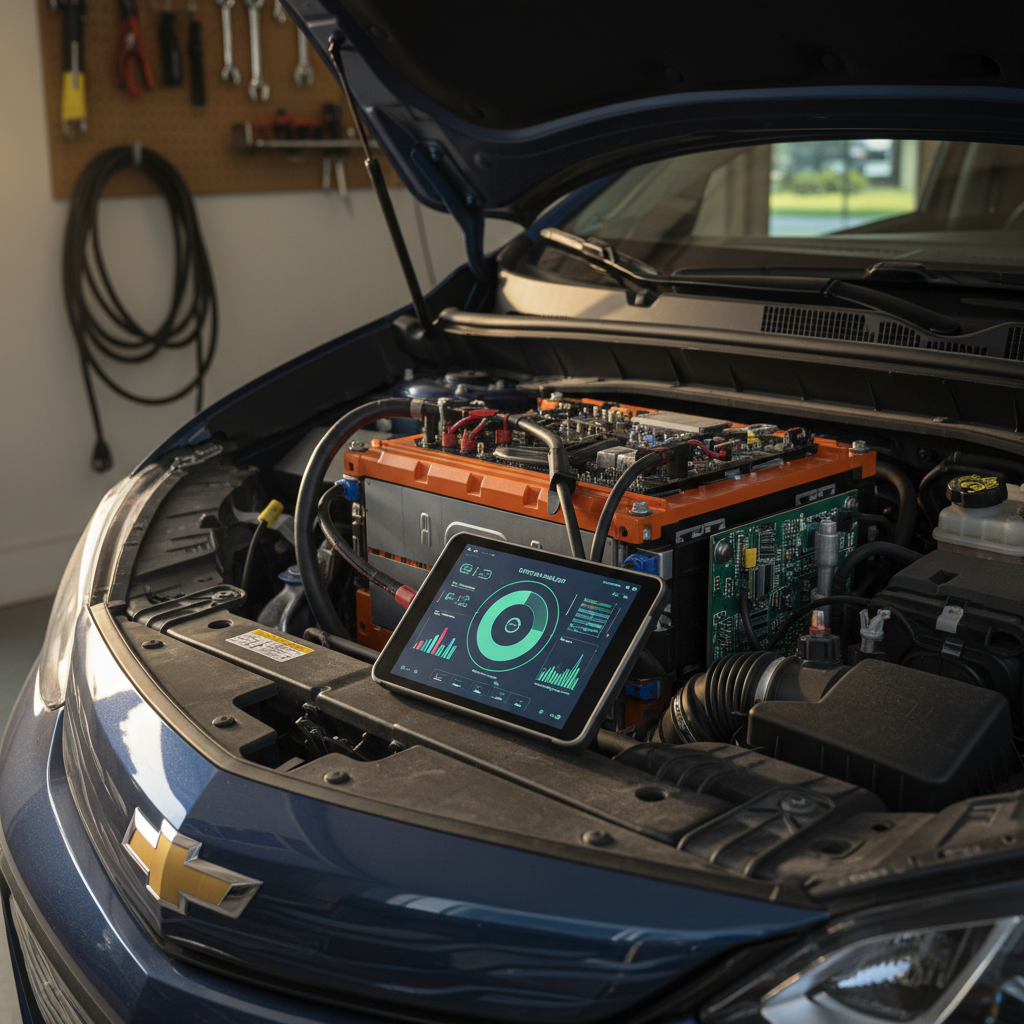
A generic OBD scan isn’t enough. Use a specialist service, like the <strong>Recharged Score</strong>, that measures state of health (SoH), cell balance, and charging behavior on the high‑voltage pack.
4. Test drive from cold start
Pay attention to warning lights, startup messages, and how the car behaves after sitting overnight. 12‑V issues often show up first thing in the morning.
5. Fast‑charge and Level 2 test, if possible
Plug into a DC fast charger and a Level 2 unit to see if the car starts and maintains a session without random interruptions or fault codes.
6. Check 12‑V battery age and voltage
Look for a recent, branded‑battery replacement and confirm resting voltage. A weak or original 12‑V on a 2022 car is an inexpensive but important fix.
7. Inspect tires, brakes, and suspension
Uneven tire wear, shudder under braking, or clunks over bumps hint at alignment or suspension issues that can follow a hard life on bad roads.
8. Confirm remaining factory warranty
Have a Hyundai dealer or specialist confirm what’s left of the basic, powertrain, and battery warranties based on in‑service date and mileage.
How Recharged Evaluates 2022 Kona Electric Reliability
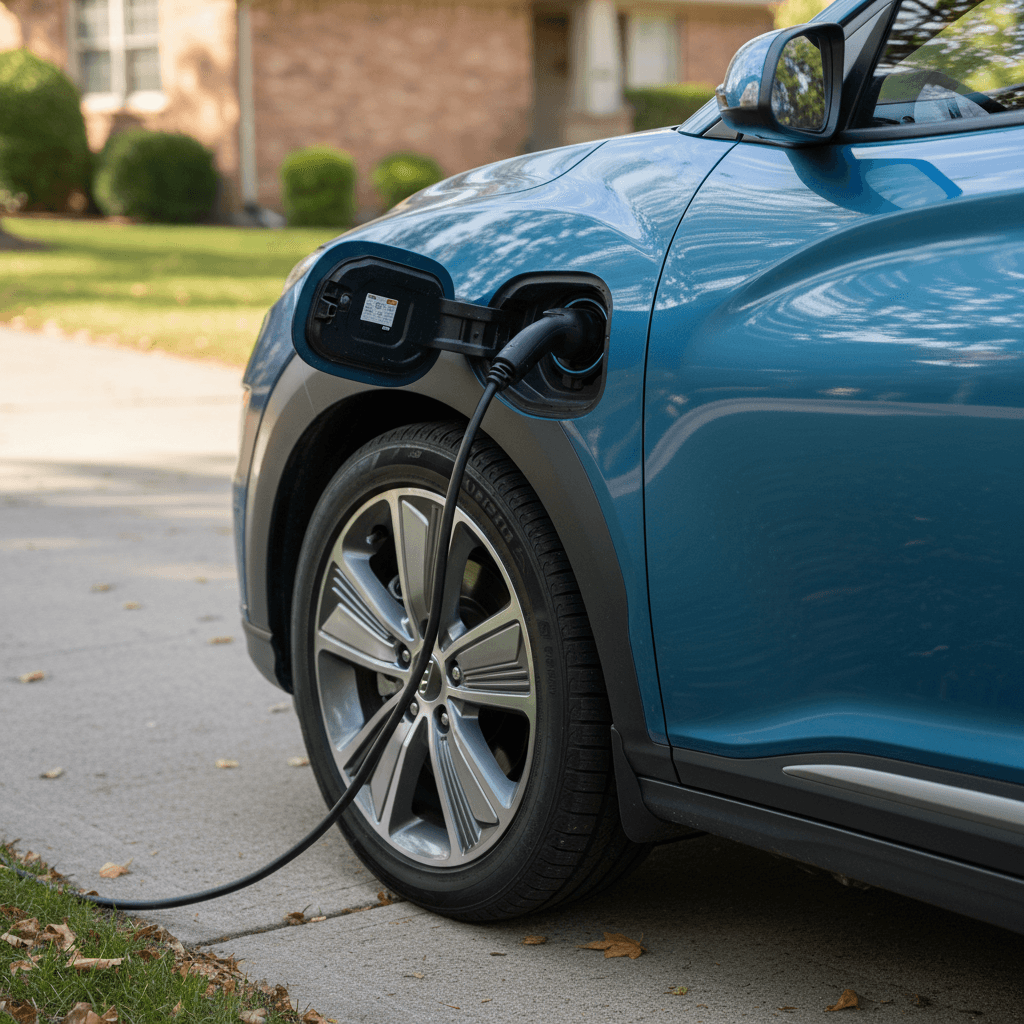
At Recharged, we don’t rely on a single star rating or a gut feeling. Every 2022 Kona Electric we list goes through a structured evaluation focused on the very issues owners talk about most: battery health, charging behavior, and electrical stability.
Inside the Recharged Score for a 2022 Kona Electric
How we turn raw data into a reliability picture
High‑voltage battery diagnostics
We use advanced tools to check state of health, pack balance, charge/discharge behavior, and temperature management, not just the dashboard guess.
Charging & 12‑V system checks
Our specialists test Level 2 and (where possible) DC fast charging, inspect the 12‑V battery, and look for signs of parasitic drain or past low‑voltage events.
Road test & feature verification
We road‑test every Kona EV, verify driver‑assist and infotainment features, and scan for historic fault codes before assigning a Recharged Score.
Ready to find your next EV?
Browse VehiclesWhy this matters for you
FAQ: 2022 Hyundai Kona Electric Reliability
Frequently asked questions about 2022 Kona Electric reliability
Bottom Line: Should You Trust a 2022 Kona Electric?
Viewed coldly, the 2022 Hyundai Kona Electric is a well‑sorted second‑generation effort: the early, scary battery issues are mostly history, real‑world range is excellent for the size, and serious failures are rare. The tradeoff is a steady background hum of smaller electrical quirks that can trip up inattentive owners and under‑prepared dealers. If you go in with clear eyes, armed with a battery health report, a fresh or tested 12‑V, and proof of completed software updates, the Kona Electric rewards you with a thrifty, cheerful EV that punches above its price.
If you’d rather not decode reliability on your own, consider finding a 2022 Kona Electric that’s already been through a Recharged Score evaluation. You’ll see exactly how its battery, charging hardware, and everyday reliability stack up before you ever plug it in at home, and that’s the kind of confidence a five‑star review can’t quite capture.