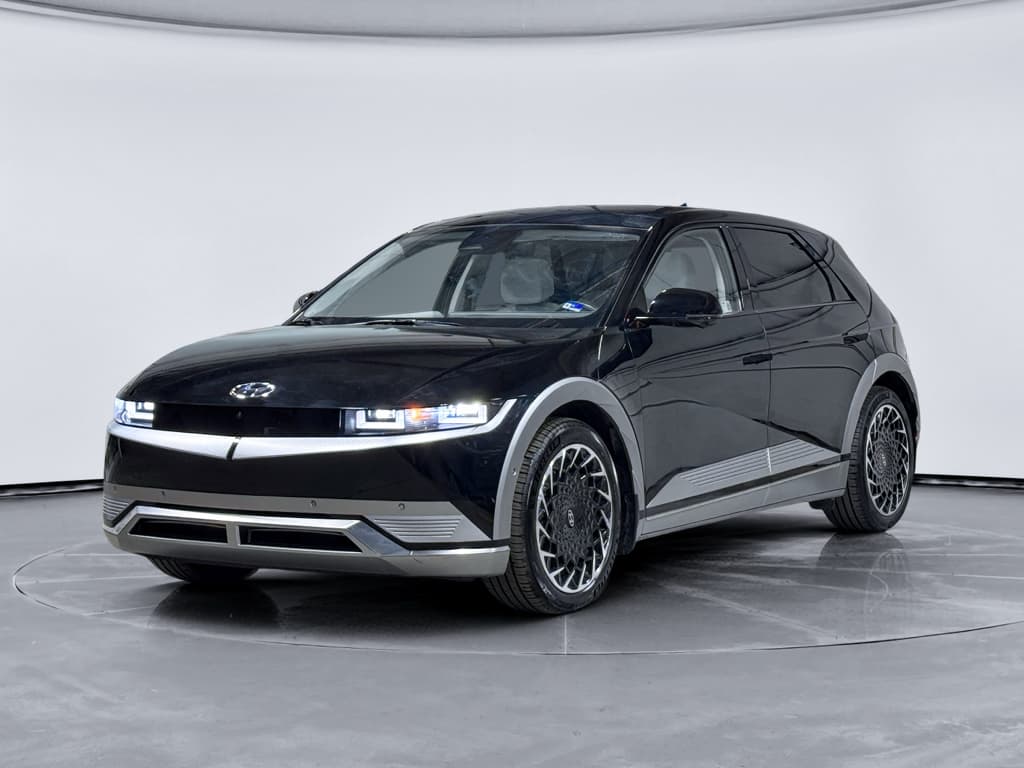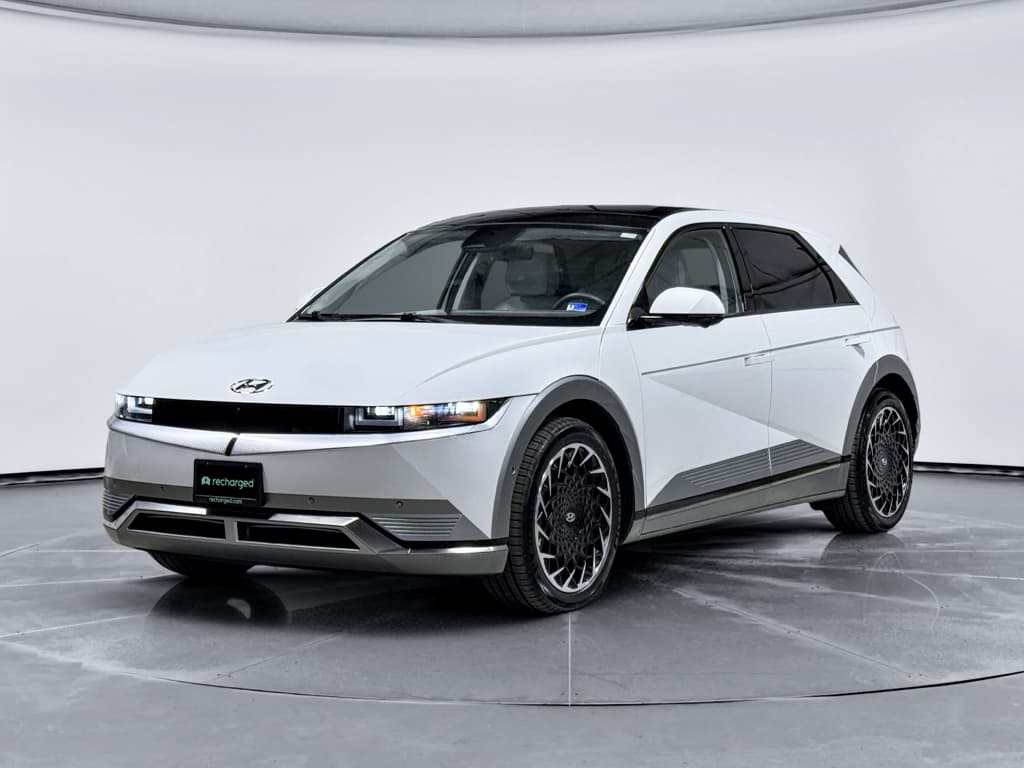
If you’re shopping for an electric car, Hyundai’s promise of a 10‑year/100,000‑mile EV battery warranty is probably one of the first things that caught your eye. It sounds generous, and it is, but the details matter, especially if you plan to keep the car a long time or you’re looking at a used Ioniq or Kona Electric.
Quick take
Hyundai’s 10‑Year EV Battery Warranty: The Basics
For U.S. buyers, Hyundai wraps its electric models in what it bills as “America’s Best Warranty,” which includes a high‑voltage battery warranty of 10 years or 100,000 miles, whichever comes first. That coverage sits alongside a 5‑year/60,000‑mile new‑vehicle limited warranty and a 10‑year/100,000‑mile powertrain warranty for many components.
- Coverage term: 10 years / 100,000 miles from the original in‑service date
- Applies to: high‑voltage traction battery and, on many models, related EV components
- Region‑specific: U.S. terms differ from Europe or Asia, so always confirm local details
- Separate from: 12‑volt accessory battery, tires, and wear items
Always read the fine print
Which Hyundai EVs Get 10‑Year Battery Coverage?
Hyundai now sells a broad mix of hybrids, plug‑in hybrids (PHEVs) and battery‑electric vehicles (BEVs). For U.S. shoppers, the 10‑year/100,000‑mile battery warranty generally applies to the high‑voltage packs in these vehicles when new:
Typical Hyundai Models With 10‑Year EV Battery Coverage (U.S.)
Always double‑check your specific model year and trim in the warranty booklet.
Battery‑Electric (BEV)
- IONIQ 5
- IONIQ 6
- Kona Electric
High‑voltage traction battery and key EV components are typically covered for 10 years/100,000 miles.
Plug‑in Hybrids (PHEV)
- Santa Fe Plug‑in Hybrid
- Tucson Plug‑in Hybrid
- Legacy Ioniq Plug‑in
PHEV battery packs also fall under long‑term high‑voltage coverage on most recent models.
Conventional Hybrids (HEV)
- Sonata Hybrid
- Elantra Hybrid
- Tucson Hybrid
Hybrids typically get strong battery coverage as part of Hyundai’s electrified powertrain warranty, though terms can differ slightly from BEVs.
Older models and special cases

What the 10‑Year Hyundai EV Battery Warranty Actually Covers
Hyundai’s EV battery warranty is designed to protect you from defects in materials or workmanship, plus excessive loss of usable capacity. In plain English: if the pack fails prematurely, or its capacity drops below a defined threshold while you’ve stayed within the rules, Hyundai pays to repair or replace it.
- Repair or replacement of the high‑voltage battery pack if it fails due to a manufacturing defect within 10 years/100,000 miles
- Coverage for labor and parts for qualifying battery repairs at an authorized Hyundai dealer
- Coverage for some related high‑voltage components (such as the electric motor, power electronics or on‑board charger) under a parallel EV component warranty on many models
- Capacity or “State of Health” guarantees, often around a 70% minimum, for eligible claims, depending on market and model year
Think in terms of capacity, not just failure
Battery Degradation: How Much Capacity Loss Is Covered?
Every lithium‑ion EV battery loses some capacity over time. Hyundai, like other automakers, builds that into its warranty. Many recent Hyundai warranty documents specify that the high‑voltage battery will be repaired or replaced if its capacity falls below a set threshold (commonly around 70% of original capacity) during the 10‑year/100,000‑mile window.
Hyundai EV Battery Degradation: What’s Typical?
Warranty doesn’t guarantee zero degradation
How Hyundai’s EV Battery Warranty Compares to Other Brands
Hyundai leans on its warranty as a competitive weapon, and in the EV space, it works. Many rivals offer 8 years/100,000 miles of high‑voltage battery coverage. Hyundai stretches that to 10 years while matching the 100,000‑mile ceiling on many models.
Hyundai EV Battery Warranty vs Key Competitors (U.S.)
Representative coverage for high‑voltage batteries on popular EVs. Always check the latest official documents for exact terms.
| Brand | Example EV | Typical Battery Warranty (time) | Mileage Limit | Capacity Guarantee (approx.) |
|---|---|---|---|---|
| Hyundai | IONIQ 5 | 10 years | 100,000 miles | Often ~70% |
| Hyundai | Kona Electric | 10 years | 100,000 miles | Often ~70% |
| Nissan | Ariya | 8 years | 100,000 miles | Around 70% on many trims |
| Ford | Mustang Mach‑E | 8 years | 100,000 miles | Around 70% on many trims |
| VW | ID.4 | 8 years | 100,000 miles | Around 70% on many trims |
Hyundai typically beats or matches mainstream rivals on EV battery coverage length.
Where Hyundai stands out
Buying a Used Hyundai EV: Does the 10‑Year Battery Warranty Transfer?
The 10‑year EV battery warranty is most generous for the original owner, but Hyundai has steadily improved transferability on newer models. In many recent cases, the remaining portion of the high‑voltage battery warranty does carry over to subsequent private owners, as long as the vehicle wasn’t used for excluded purposes like certain commercial or livery use.
If you’re buying a used Hyundai EV
- Ask the dealer or seller for the in‑service date so you can calculate how much of the 10 years remain.
- Confirm whether the car was ever used for commercial or fleet purposes, this can limit or void long‑term coverage.
- Request a copy of the warranty booklet for that exact model year, or pull it from Hyundai’s website.
Certified vs. non‑certified used
Hyundai’s Certified Pre‑Owned (CPO) program often extends powertrain coverage and may clarify high‑voltage battery terms, but non‑certified used vehicles can still retain the factory battery warranty.
Because rules change over time, verify coverage by VIN with a Hyundai dealer before you sign anything.
How Recharged handles Hyundai warranties
What Can Void Your Hyundai EV Battery Warranty?
Like any vehicle warranty, Hyundai’s EV coverage comes with strings attached. You don’t have to baby the car, but you do have to avoid abuse and follow the basics laid out in the owner’s manual.
Common Ways Owners Can Jeopardize Battery Coverage
Skipping required maintenance or inspections
If Hyundai specifies battery or cooling‑system checks at certain intervals and those are consistently ignored, the company can argue that neglect, not a defect, caused the failure.
Unauthorized modifications to the high‑voltage system
Aftermarket “range extender” hacks, tampering with battery management software, or non‑approved repairs to the pack or wiring can all jeopardize your warranty.
Severe misuse or abuse
Consistently operating the vehicle outside its design limits, for example, towing far beyond rated capacity or driving through deep water that floods the battery pack, can void coverage on related damage.
Using the vehicle in excluded roles
Certain commercial uses (like some ride‑share, taxi, or delivery applications) may change warranty terms. If you’re using a Hyundai EV for business, confirm coverage in writing.
Ignoring warning lights and continuing to drive
If the car clearly tells you there’s a high‑voltage fault and you keep driving until something fails catastrophically, Hyundai can claim owner negligence.
Warranty is not insurance
How to Protect Both Your Warranty and Your Battery
The good news: the same habits that keep your Hyundai EV battery healthy also keep you solidly within warranty guidelines. None of this requires a lab coat, just a bit of discipline.
Simple Habits That Keep Your Hyundai Battery (and Warranty) Happy
You don’t have to be perfect; you just have to be consistent.
Charge in the middle, not at the extremes
For daily driving, try to live between 20% and 80% state of charge when practical. Save 100% charges for road trips, and avoid leaving the pack at 0% for long periods.
Use DC fast charging strategically
Hyundai’s 800‑volt platforms charge impressively fast, but constant DC fast charging adds heat and wear. Mix in Level 2 home or workplace charging whenever you can.
Limit extreme temperature exposure
Parking in shade or a garage helps. In brutal heat or deep cold, the car will use more energy to protect the pack, let it do its job and don’t defeat thermal protections.
- Keep software up to date so the battery management system (BMS) has the latest calibrations.
- Respond promptly to high‑voltage or battery‑related warning lights, schedule service instead of pushing through.
- Document maintenance and charging behavior if you’re worried about a marginal pack; paper trails help in edge‑case claims.
How Recharged Evaluates Used Hyundai EV Batteries
Factory warranties are only half the story in the used market. When you’re looking at a 5‑year‑old Kona Electric or Ioniq 5, you care less about what the brochure promised on day one and more about how the battery is performing today.
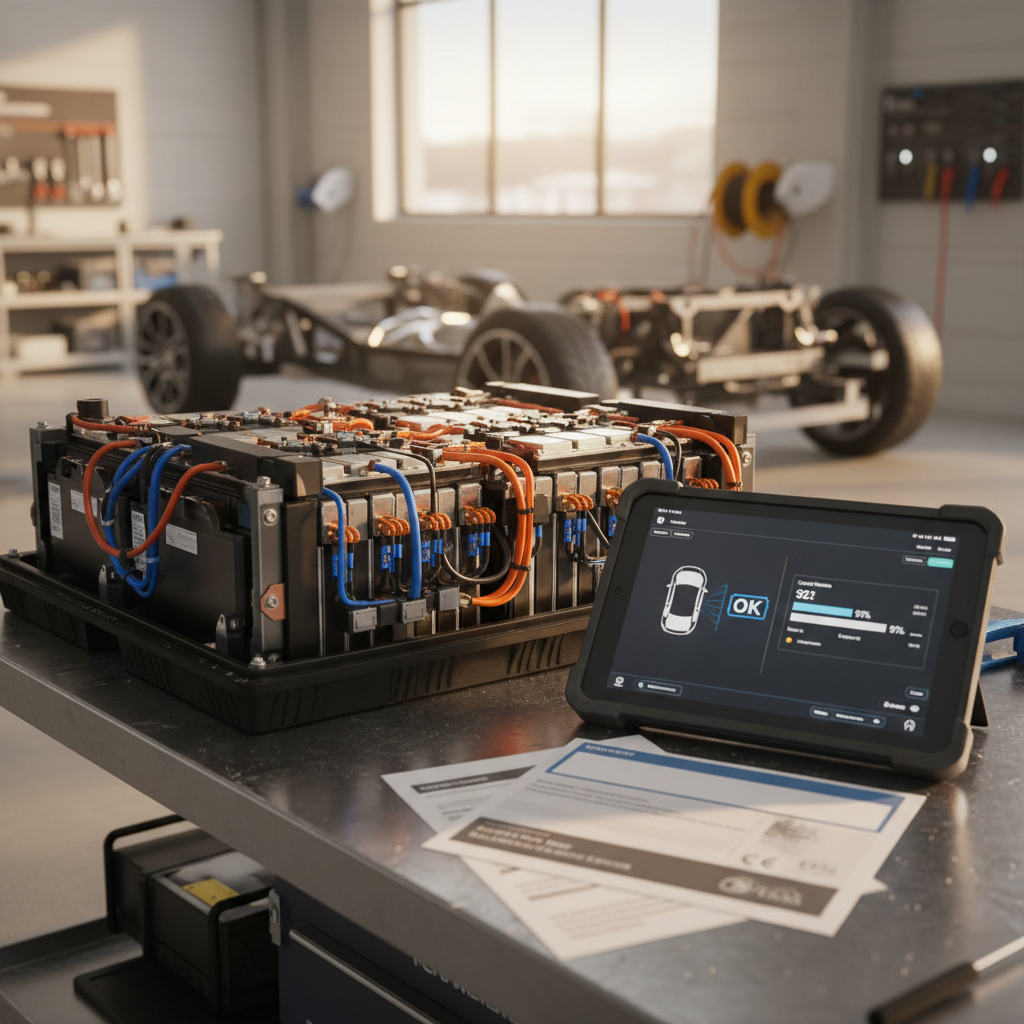
The Recharged Score battery health check
Every EV on Recharged, including Hyundai models, comes with a Recharged Score that summarizes real‑world battery health, not just odometer miles.
- State of Health (SOH) estimate vs. the original pack
- Charging history and fast‑charging exposure where data is available
- Range performance under standardized test drives
Putting warranty and data together
Our specialists map that battery health data against the original Hyundai 10‑year warranty so you see both: how much coverage time is likely left and how much usable capacity the pack still delivers.
If you’re trading in or consigning a Hyundai EV, we also use this data to arrive at transparent, fair market pricing, no guessing, no hand‑waving.
Why this matters for you
FAQ: Hyundai 10‑Year EV Battery Warranty
Frequently Asked Questions
The Bottom Line on Hyundai’s 10‑Year EV Battery Warranty
Hyundai’s 10‑year/100,000‑mile EV battery warranty is more than a marketing line, it’s one of the strongest long‑term protections in the mainstream EV market. It helps de‑risk ownership for first buyers and, when properly documented and transferred, can make a used Ioniq or Kona Electric far more attractive than rivals with shorter coverage.
But a warranty is only half the equation. You still need to know how healthy the battery is today and how the previous owner treated it. That’s where independent diagnostics and transparent reporting matter. Every Hyundai EV sold through Recharged comes with a Recharged Score battery health report, verified remaining factory coverage where applicable, and EV‑specialist support that walks you through the fine print before you commit.
If you’re considering a Hyundai EV, new or used, the 10‑year warranty is a real asset. Pair it with good charging habits and clear, third‑party battery data, and you’ve got exactly what most shoppers want from an electric vehicle: performance you can enjoy today and confidence that the battery will keep up for years.