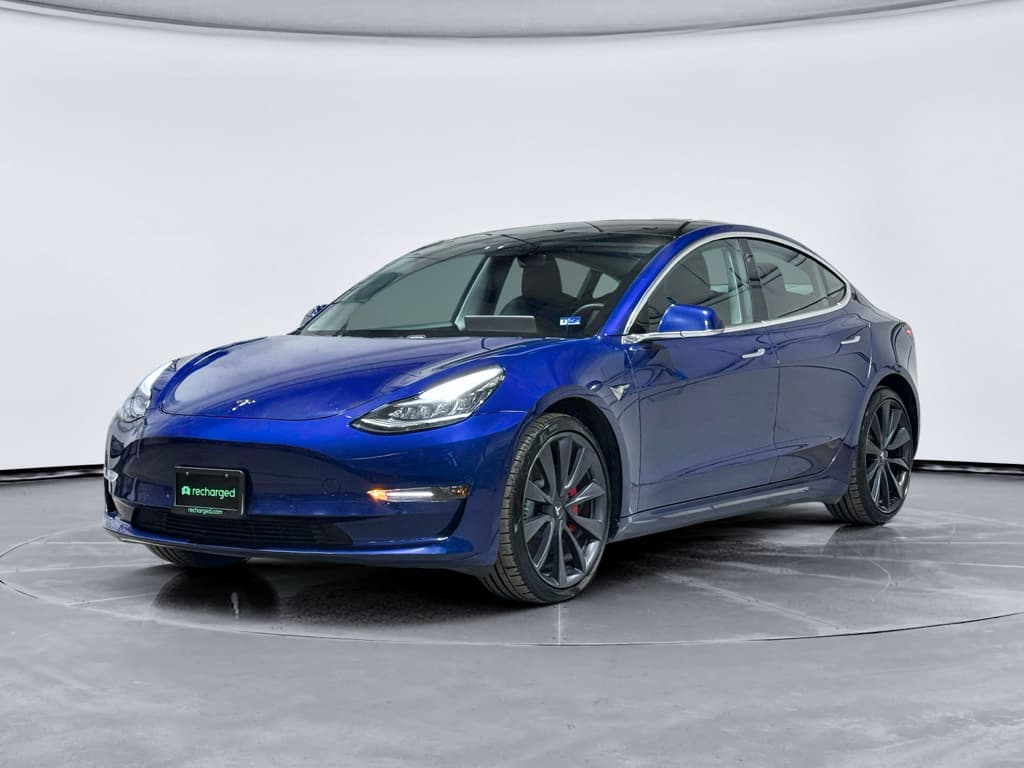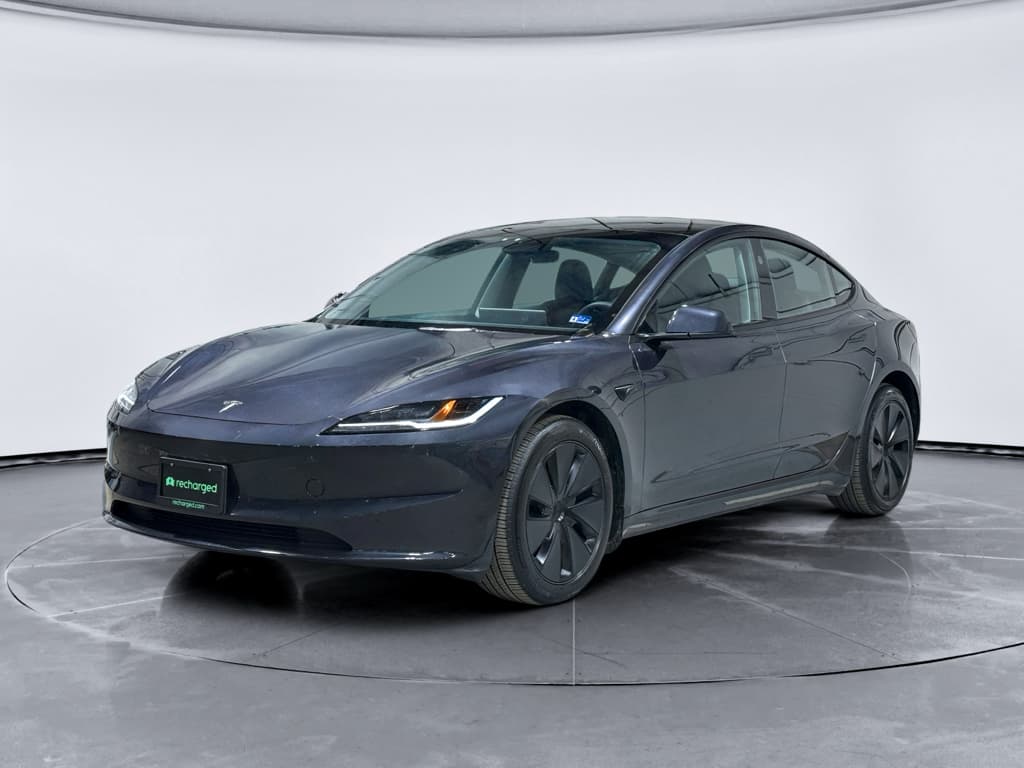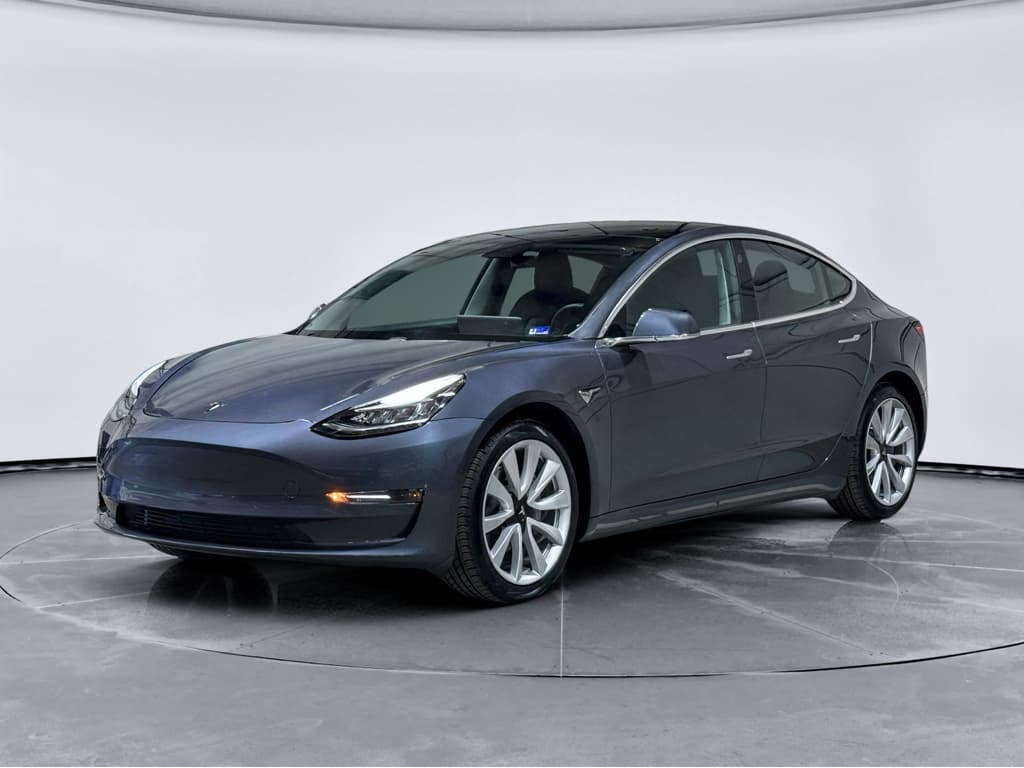
If you’re shopping for a used Tesla, the 2022 Model 3 sits in a sweet spot: it’s new enough to feel modern, old enough to be affordable, and it still benefits from Tesla’s huge software and Supercharger advantages. This 2022 Tesla Model 3 buying guide walks you through trims, range, battery health, pricing, common issues, and the smartest way to buy one used, especially if you want transparent data rather than taking a seller’s word for it.
Quick take
Why the 2022 Model 3 is a used-EV sweet spot
2022 Tesla Model 3 at a glance
By 2022, the Model 3 was no longer a first-generation experiment. Tesla had already iterated on build quality, heat pump efficiency, and software, and the car benefitted from years of over-the-air updates. At the same time, aggressive price cuts on new Teslas since 2023 pushed used 2022 prices sharply down, so you’re not paying the early-adopter premium anymore.
- Modern hardware: Heat pump and updated interior like later Model 3s, without being the newest (and priciest) refresh.
- Mature software: Most bugs and UI changes have been through several update cycles.
- Big depreciation already taken: Many 2022 cars have lost close to half of their original MSRP, making them compelling value on a dollars-per-mile-of-range basis.
- Plenty of supply: 2022 was a strong sales year for Tesla, so you’ll see lots of options on the used market.
Watch for expectations gap
2022 Tesla Model 3 trims and key specs
Every 2022 Model 3 shares the same basic body, minimalist interior, and 15-inch center screen, but the three trims behave like three different cars in the real world. Understanding them is the foundation of any smart 2022 Tesla Model 3 buying guide.
2022 Model 3 trims compared
Core specs you should know when scanning used listings. Exact numbers can vary slightly with wheel size and software updates, but this is the right order of magnitude.
| Trim | Drivetrain | 0–60 mph (approx.) | EPA range when new | Battery size (usable, est.) | Typical wheels |
|---|---|---|---|---|---|
| RWD | Single-motor RWD | ~5.8 s | ~272 mi | ~60 kWh | 18" Aero |
| Long Range AWD | Dual-motor AWD | ~4.2 s | ~334–358 mi | ~75 kWh | 18" or 19" |
| Performance AWD | Dual-motor AWD | ~3.1 s | ~315 mi | ~75 kWh | 20" |
Always cross-check the VIN and original window sticker when possible; sellers sometimes mislabel trims.
How to confirm the trim
Which 2022 Model 3 trim is right for you?
Match your driving style and climate to the right configuration
RWD – value play
Best if you:
- Drive mainly in cities or suburbs
- Live in a mild climate
- Want lower purchase price and insurance
Downside: Less range headroom for winter or road trips.
Long Range – all‑rounder
Best if you:
- Do frequent highway driving
- Want comfortable winter range margin
- Plan regular road trips
This is the sweet spot for most used buyers.
Performance – enthusiast pick
Best if you:
- Prioritize acceleration and handling
- Don’t mind slightly less range
- Accept pricier tires and wheels
Think of it as an electric M3 alternative.
Range, battery and real-world efficiency
EPA numbers tell part of the story, but what matters within a few years of production is how a 2022 Model 3 behaves in the real world, and how much its battery has actually aged. A healthy 2022 car will still deliver excellent range, but you should assume some degradation and seasonal swings.
2022 Model 3 range: EPA vs real world
Approximate ranges for a healthy battery. Adjust downward if you live in extreme climates, drive fast, or mount wider/stickier tires.
| Trim | EPA combined when new | Typical highway range @ 70 mph (mild weather) | Realistic winter highway range (cold climates) |
|---|---|---|---|
| RWD | ~272 mi | ~220–240 mi | ~170–200 mi |
| Long Range AWD | ~334–358 mi | ~270–300 mi | ~210–240 mi |
| Performance AWD | ~315 mi | ~240–260 mi | ~190–220 mi |
These are directional; always look at the current usable capacity and your own driving pattern.
How much degradation is normal?
Battery health checklist for a 2022 Model 3
Check the battery warranty window
Most 2022 Model 3s still have several years of high-voltage battery and drive-unit coverage left. Confirm the original in-service date to know exactly how much remains.
Look at the displayed full-charge estimate
With the pack around 90–100% (or extrapolated from 80–90%), check the car’s indicated range. A Long Range car consistently showing barely 280 miles at 100% suggests heavier degradation.
Review DC fast-charging history if available
Repeated daily DC fast charging can accelerate wear. At Recharged, this usage pattern is part of the <strong>Recharged Score</strong> battery report, so you’re not left guessing how the car was used.
Compare odometer to degradation
10% loss at 80,000 miles is a very different story than 10% loss at 20,000. High miles with modest degradation can actually be a good sign of a thermally stable pack.
Check for software-limited packs
Some early RWD cars in other years used larger packs limited by software. For 2022 U.S. cars, most RWD packs are true ~60 kWh units, but always verify specs instead of relying on rumors.
Where Recharged changes the game
Used 2022 Model 3 pricing and depreciation
Thanks to Tesla’s aggressive new-car price cuts and shifting brand sentiment, the 2022 Model 3 has already taken much of its depreciation hit. For a used buyer in 2026, that’s welcome news, as long as you don’t overpay for scarce options or misunderstood trims.
Typical 2022 Model 3 price bands (early 2026, U.S.)
Approximate retail asking-price ranges for clean-title cars with average mileage. Local markets and option mixes can move individual cars above or below these bands.
| Trim | Lower band (higher miles/basic spec) | Middle band (typical car) | Upper band (low miles/high spec) |
|---|---|---|---|
| RWD | ~$17,000 | ~$19,000–$21,000 | ~$23,000+ |
| Long Range AWD | ~$20,000 | ~$22,000–$25,000 | ~$27,000+ |
| Performance AWD | ~$22,000 | ~$25,000–$27,000 | ~$28,000+ |
Use these as directional ranges, not quotes. Exact pricing depends on condition, miles, software, and regional demand.
How much has it depreciated?
Great-value scenarios
- Long Range with 18" wheels and no cosmetic mods
- Higher-mileage car with strong battery data and full service records
- Well-priced RWD for commuters who rarely road-trip
Potential value traps
- Performance car with repeated track use and tired 20" tires
- Cars with salvage or rebuilt titles but only vague repair stories
- Overpriced RWD advertised as "Long Range" or with unclear trim info
What to check before you buy a 2022 Model 3
A used 2022 Tesla Model 3 doesn’t have oil changes or timing belts to worry about, but it does have its own inspection checklist. You’re buying both a car and a connected device, so you need to look at hardware, software, and connectivity together.
Essential pre-purchase checklist
1. Confirm trim, options and Autopilot level
From the center screen, confirm whether the car is RWD, Long Range, or Performance, and which driver-assistance features are active (Autopilot, Enhanced Autopilot, or Full Self-Driving). Those options materially affect value.
2. Inspect exterior for panel gaps and paint
2022 cars are better than early Model 3s, but panel alignment and paint quality can still vary. Look especially at trunk alignment, bumper-to-quarter-panel transitions, and any mismatched paint that might signal bodywork.
3. Check tires, brakes, and suspension
Performance trims often eat through tires faster. Uneven wear can indicate poor alignment or curb hits. Take the car on a test drive over rough pavement to listen for suspension clunks.
4. Test all doors, windows, and trunk/frunk
Check that the power trunk opens/closes smoothly, the frunk seal isn’t torn, windows auto-index correctly, and door handles operate consistently. Sticky or misaligned parts can hint at prior damage.
5. Scan for warning lights and error messages
On the main display, check for any alerts relating to the battery, motor, Autopilot cameras, or safety systems. Some errors can be software glitches; others are expensive hardware issues.
6. Verify charging behavior
If possible, plug into a Level 2 charger and make sure the car charges at the expected speed. Ask the seller about their typical charging routine and whether they’ve had any charging-related errors.
Be careful with salvage or "cosmetic only" cars
Software, Autopilot and subscriptions
On a 2022 Model 3, software is a major part of the value proposition. Two cars that look identical on a lot can differ by thousands of dollars in driver-assistance capability and ongoing subscription costs.
Know your driver-assistance level
These are software features, not hardware trim names
Basic Autopilot
Included on most 2022 cars:
- Traffic-aware cruise control
- Lane-keeping assist on highways
- Requires active supervision
No extra purchase needed if already active.
Enhanced Autopilot (EAP)
Optional package:
- Autopark and Summon (where supported)
- Navigate on Autopilot for highway interchanges
- More capable, but still Level 2 assistance
Full Self‑Driving (FSD) Capability
Most controversial and expensive:
- Traffic light and stop sign control in some regions
- Access to FSD Beta software where available
- Value is highly debated in the used market
Don’t pay twice for FSD
- Check the "Software" tab on the center screen to see exactly which packages are active.
- Ask whether the seller pays for Premium Connectivity (live traffic, streaming) and whether you’ll need to start a new subscription.
- Remember that software features rarely add dollar-for-dollar resale value. Buy them if you truly want them, not because you think they’ll always command a premium.
Charging experience: home and road trips
One of the biggest reasons to consider a 2022 Tesla Model 3 over other used EVs is the charging ecosystem. The car uses Tesla’s NACS port, integrates tightly with the Supercharger network, and plays increasingly well with third-party stations, especially as more networks add NACS plugs.
Home charging
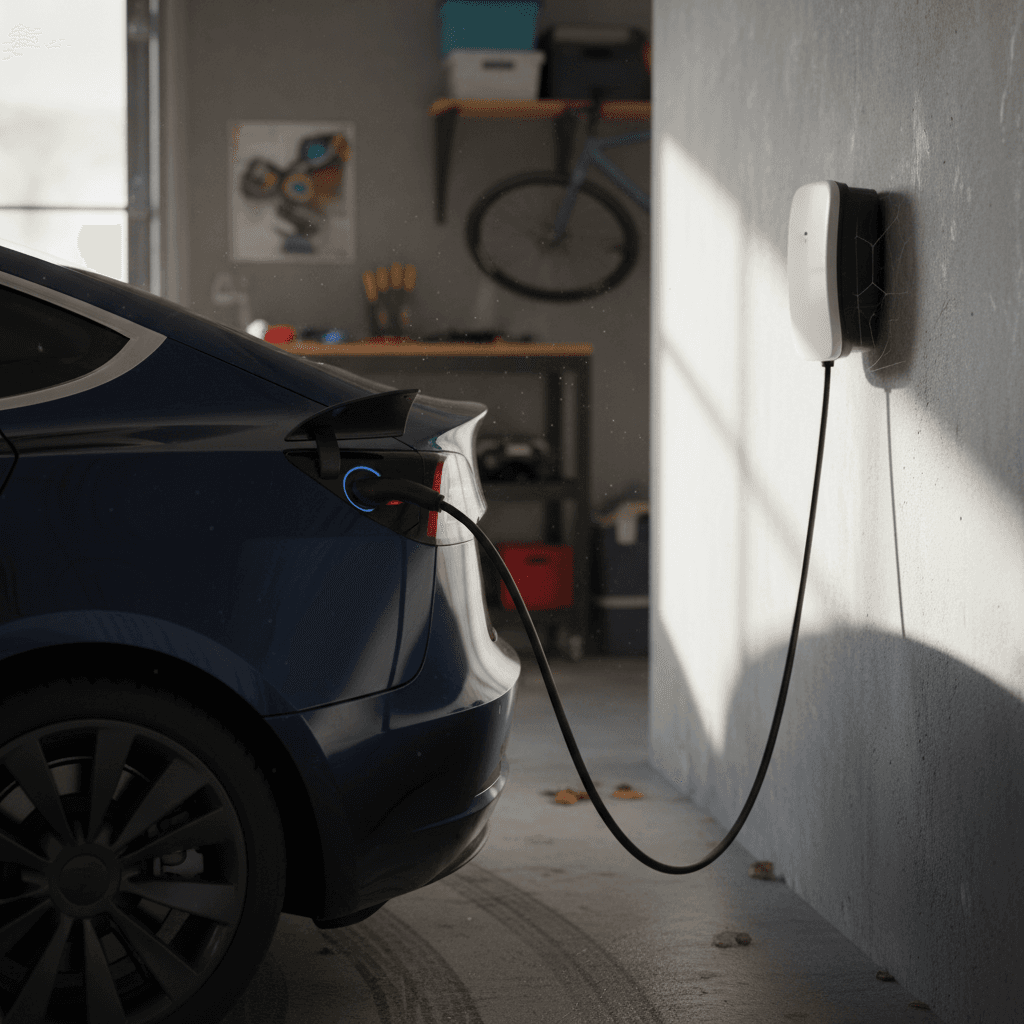
- Level 2 (240V) is ideal, adding roughly 25–40 miles of range per hour depending on trim.
- The 2022 Model 3 can use a Tesla Wall Connector or a NACS-compatible third-party Level 2 charger.
- If you’re in a rental or condo, confirm your electrical options before you buy the car.
If you don’t have reliable overnight charging, make sure public options near you are strong enough to fill the gap.
Road trips and public DC fast charging
- Seamless access to Tesla Superchargers with built-in routing and preconditioning.
- Good compatibility with many third-party DC fast chargers via adapters as NACS rolls out.
- Long Range cars offer the most relaxed stop spacing; Performance gives up some range for speed and wheel size.
A 2022 Long Range Model 3 remains one of the easiest used EVs for cross-country travel.
Plan your real routes, not just your fantasies
Ownership costs and reliability
Day-to-day, a 2022 Model 3 is inexpensive to run, electricity cost per mile is low, there’s no engine oil, and regenerative braking stretches pad and rotor life. But you should also go in with clear eyes about common complaints and what tends to wear first.
Where 2022 Model 3s save you money, and where they don’t
Most of the pain points are predictable if you know where to look
Running costs
- Electricity usually beats gasoline on costs per mile.
- Fewer fluids and filters than a gas sedan.
- Brake wear is low thanks to regeneration.
Maintenance and wear
- Tires are the big recurring expense, especially on Performance models.
- Cabin and HEPA filters, wiper blades, and brake fluid still need periodic attention.
- Road rash on low front bumper and rocker panels is common.
Common owner complaints
- Rattles or squeaks from trim and interior panels.
- Occasional software glitches or camera-calibration issues.
- Wind noise and road noise higher than some luxury sedans.
Safety and crash performance
How Recharged helps with a used 2022 Model 3
Buying a 2022 Tesla Model 3 from a random private seller or traditional dealer often means you’re negotiating over an opaque battery and unknown software history. Recharged exists to flip that script for used EVs.
What you get with a 2022 Model 3 from Recharged
Data, transparency, and EV-specific support from start to finish
Recharged Score battery report
Every vehicle includes a Recharged Score Report that measures battery health, charging behavior, and expected range. You’re not just guessing whether the car will still feel like a 300‑mile EV in a few years.
Fair pricing, financing, and trade-ins
Recharged benchmarks pricing against the broader market, offers financing, and can give you an instant offer or arrange consignment for your current vehicle, with a fully digital process if you prefer.
Nationwide delivery & EV‑specialist support
Whether you buy online or visit the Recharged Experience Center in Richmond, VA, you get EV‑specialist guidance, a smooth digital transaction, and nationwide delivery options.
Ready to find your next EV?
Browse VehiclesMake your 2022 Model 3 a confident purchase
FAQ: 2022 Tesla Model 3 buying guide
Frequently asked questions about buying a 2022 Model 3
Bottom line: should you buy a 2022 Model 3?
If you want a used EV that still feels cutting-edge in 2026, a well-chosen 2022 Tesla Model 3 is hard to beat. The RWD trim offers approachable pricing, the Long Range delivers true road-trip capability, and the Performance scratches the sport-sedan itch, all while plugging into one of the best charging ecosystems on the road.
The key is not just finding a 2022 Model 3, but finding the right one: the right trim for your routes, a battery with documented health, and software features that match your expectations. If you’d rather not decode all of that alone, browsing Recharged’s inventory of used Teslas, with Recharged Score battery reports, fair market pricing, and EV‑specialist guidance, can turn a risky used purchase into a confident upgrade to electric.