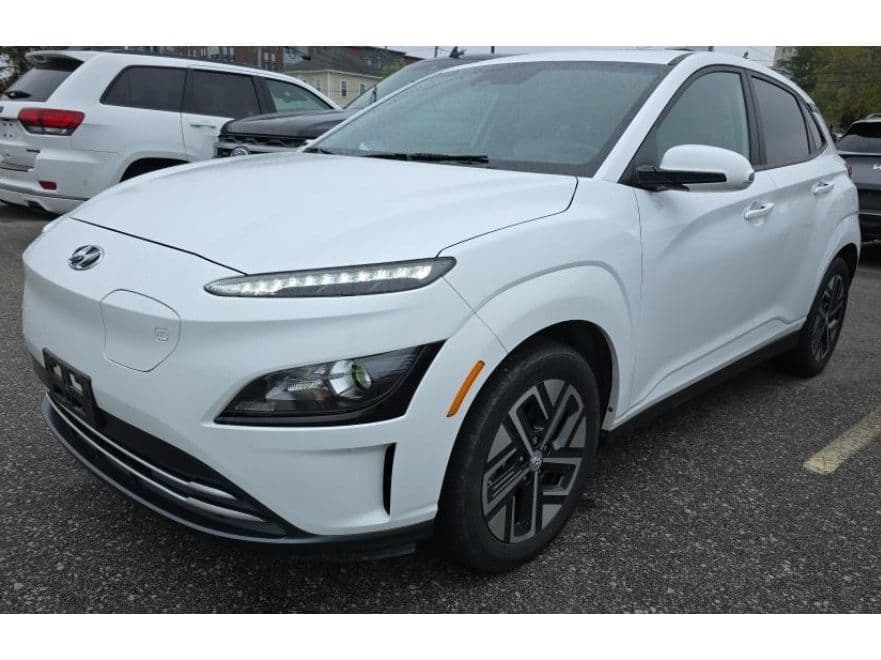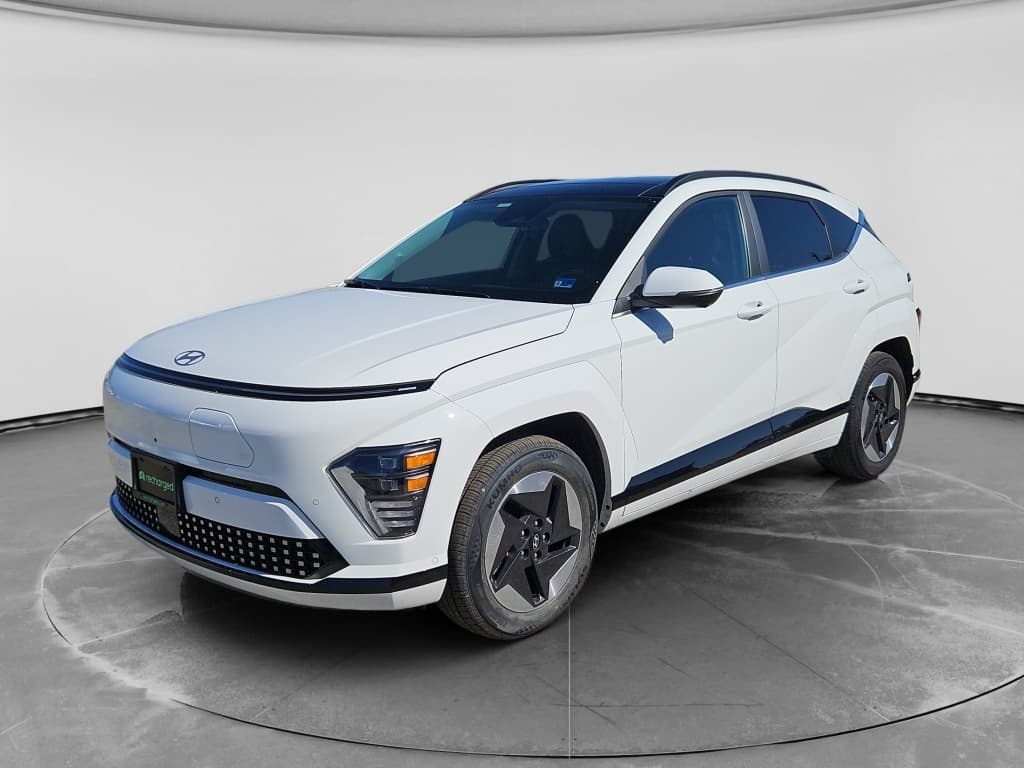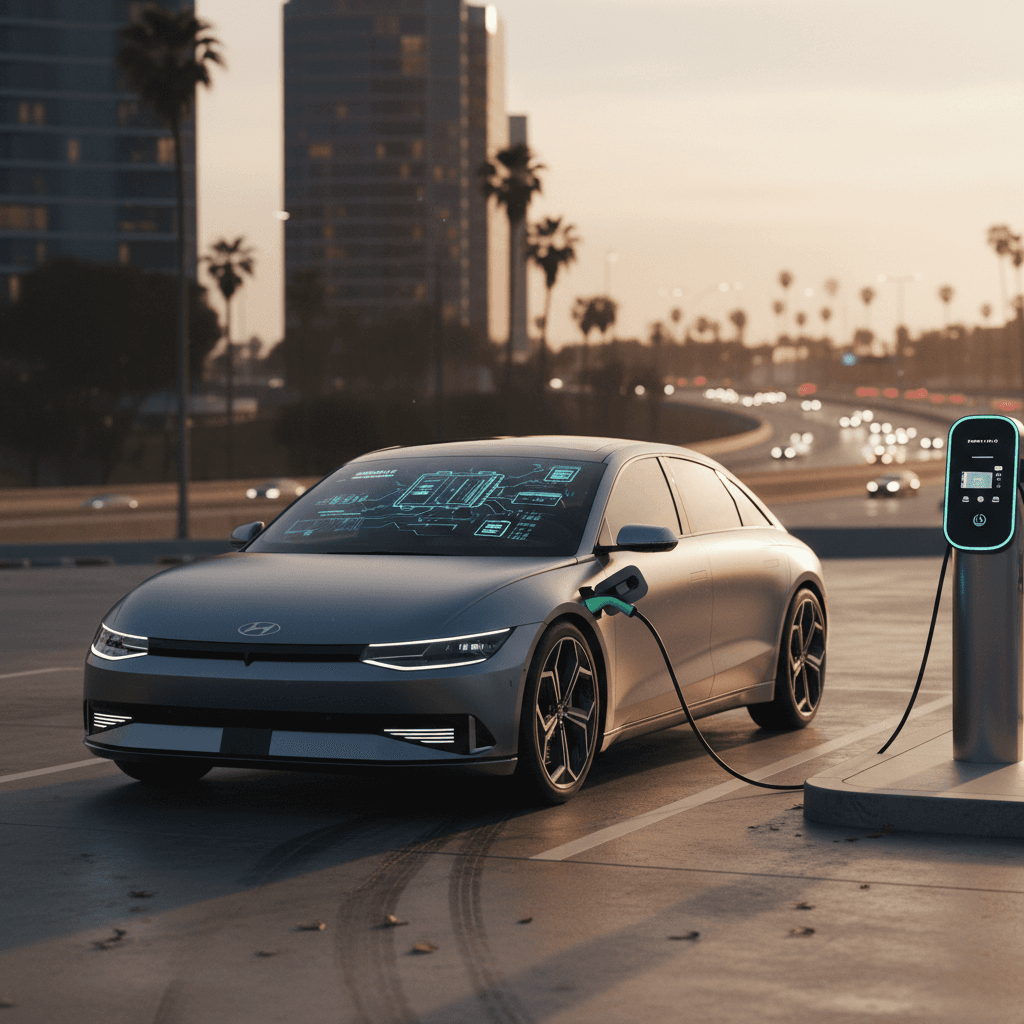
If you’ve been searching for information on Hyundai electronic systems, you’re really asking one thing: how good is the tech inside Hyundai’s modern electric cars, and what does it mean for you as an owner or buyer of a used EV? From the battery and inverter to the digital cockpit and safety sensors, electronics are what make a Hyundai EV feel fast, safe, and smart, or frustrating.
What “Hyundai electronic” really means
Hyundai electronic systems: why they matter
In a gasoline car, the engine does most of the heavy lifting. In a Hyundai EV or hybrid, the electronic systems are the star of the show. They control how smoothly the car accelerates, how quickly it charges, how confidently it steers itself in traffic, and even how the cabin feels to sit in. When you’re buying used, understanding Hyundai’s electronic tech is just as important as understanding mileage and tire wear.
Hyundai EV electronics at a glance
Those numbers are impressive on paper. But they matter to you because they translate into everyday benefits: shorter charging stops on a road trip, better battery longevity, smoother driver-assistance, and fewer dealer visits as over‑the‑air (OTA) updates fix bugs and add features in the background.
Inside Hyundai’s EV electronics architecture
Hyundai’s latest EVs, think Ioniq 5, Ioniq 6, and their cousins from Kia and Genesis, ride on the Electric Global Modular Platform, or E‑GMP. This isn’t just a skateboard with a battery. It’s a tightly integrated electronic platform that ties together the high‑voltage system, motors, inverters, onboard charger, and all the low‑voltage electronics that run safety, comfort, and infotainment.
High-voltage side (the muscle)
- Battery pack: large lithium‑ion pack, usually 58–77 kWh or more on today’s Hyundai EVs.
- Inverter & motor: converts DC from the battery into AC for the motor, then back again for regenerative braking.
- Onboard charger: handles AC charging from home or public Level 2 stations.
- DC fast-charge hardware: manages 400V and 800V fast charging and protects the pack from damage.
Low-voltage side (the brains)
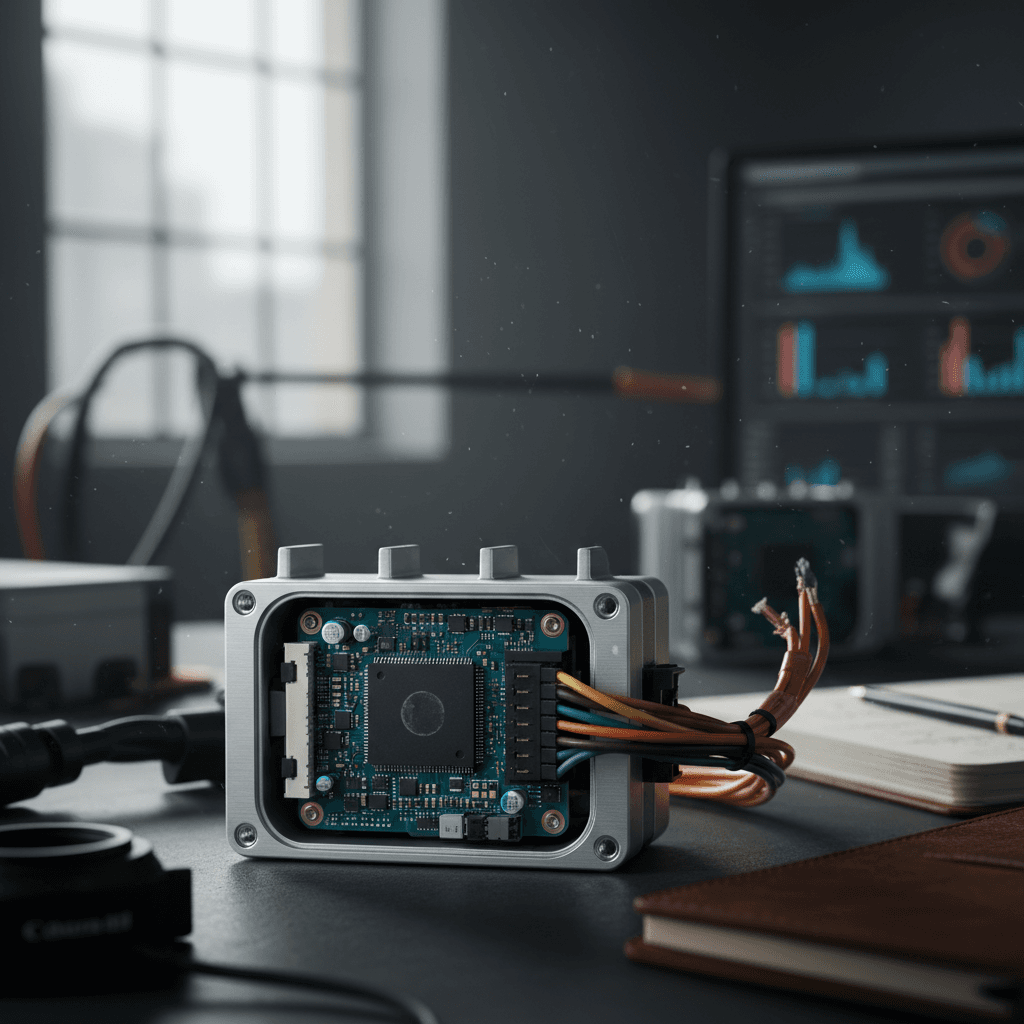
- Zone controllers: regional control units for front, rear, and cabin systems to simplify wiring.
- ADAS controllers: dedicated computers for radar, camera, and ultrasonic sensors.
- Infotainment unit: runs navigation, audio, apps, and Hyundai’s connected services.
- Body & comfort ECUs: oversee lighting, seats, HVAC, power doors, and more.
Tip for shoppers
Battery and charging electronics on Hyundai EVs
The most critical part of any Hyundai electronic system in an EV is the high‑voltage battery and its supporting hardware. Hyundai’s E‑GMP models use a flat, structural battery pack under the floor, managed by a dedicated battery management system (BMS) that constantly monitors cell voltage, temperature, and current flow.
- Fast charging electronics: E‑GMP packs are designed for 800V charging but can also work on 400V chargers, using the car’s electronics to boost voltage so you still get rapid charging on most DC stations.
- Bi‑directional power: Many Hyundai EVs support vehicle‑to‑load (V2L), letting you power tools, camping gear, or even another EV using built‑in inverters and outlets.
- Thermal management: Electric pumps, valves, and controllers route coolant through the pack and motors to keep temperatures in a healthy range, which protects performance and extends battery life.
- Regenerative braking: Brake‑by‑wire electronics blend friction brakes with motor braking so you can recapture energy while still enjoying smooth, predictable stops.
Cold‑weather reality check
Safety, ADAS and driver-assistance electronics
Hyundai has been aggressive about loading its vehicles with electronic driver-assistance features. Under the Hyundai SmartSense umbrella, you’ll see systems like Highway Driving Assist, Lane Keeping Assist, Forward Collision‑Avoidance Assist, Blind‑Spot Collision‑Avoidance Assist, and more. All of these rely on a network of cameras, radar units, ultrasonic sensors, and powerful processing.
Key Hyundai electronic safety systems
These acronyms show up on spec sheets, here’s what they actually do for you.
Highway Driving Assist (HDA)
Combines adaptive cruise and lane centering to keep you in your lane and at a safe distance. Think of it as a very smart cruise control, not self‑driving.
Blind‑Spot Collision‑Avoidance
Uses side radar to watch your blind spots, warns you if a vehicle is there, and can brake or steer to avoid a collision in some situations.
Forward Collision‑Avoidance
Front camera and radar scan the road for cars, pedestrians, cyclists, and sometimes cross‑traffic, then warn and automatically brake if you don’t react.
On newer models, you’ll also see Level 2 ADAS marketing language. That simply means the electronics can control steering and speed simultaneously in defined conditions, but you must keep your eyes on the road and hands ready. The underlying electronic architecture is doing the hard work: fusing sensor data, recognizing lane markings and obstacles, and constantly cross‑checking for faults so a backup controller can step in if needed.
Don’t outsource your driving
Infotainment, connectivity and Hyundai’s digital cockpit
Open the door of a recent Hyundai EV and you’re greeted by a wall of screens. Underneath those pixels is a serious stack of electronics. Hyundai is rolling out a new Connected Car Navigation Cockpit (ccNC) Hyundai, like most automakers, is moving quickly toward the software‑defined vehicle (SDV). Instead of dozens of isolated electronic control units, new architectures use a few high‑performance computers, such as Hyundai’s High‑Performance Vehicle Computer (HPVC), to coordinate everything from powertrain to infotainment and ADAS. For you, the owner, that means more over‑the‑air (OTA) updates that can improve charging curves, tweak steering feel, update maps, add apps, and patch security vulnerabilities without a dealer visit. Hyundai has already begun rolling out broad OTA capability, and future models will lean even harder on this, with more of the car’s behavior controlled by software instead of hard‑wired electronics. No automaker is immune to electronic gremlins, and Hyundai is no exception. When you’re evaluating a used Hyundai EV or hybrid, it pays to understand the kinds of issues that can crop up, and how serious they really are. Most are fixable, but they can be expensive out of warranty. Frozen screens, Bluetooth drops, and navigation crashes usually trace back to software. OTA updates or dealer reflashes often help, but in rare cases a head‑unit replacement is needed. Like many EVs, Hyundai models rely heavily on a small 12V battery for control electronics. A weak 12V can trigger a blizzard of warning lights and strange behavior even when the high‑voltage pack is healthy. Front radar or camera sensors used for ADAS can get misaligned after minor impacts or windshield replacement, leading to error messages and disabled features until recalibrated. Occasional incompatibility with some public chargers can show up as failed sessions or slow speeds. Often the fix is a software update, for the car, the charger, or both. When you’re standing in front of a used Hyundai Ioniq or Kona Electric, it can be hard to see the invisible electronics that will make or break your ownership experience. Here’s a practical checklist you can work through in 20–30 minutes, even if you’re not an engineer. Use the car’s own displays to check estimated range at a full charge and compare it to the original EPA estimate. Better yet, get a third‑party battery health report, Recharged provides this as part of our Recharged Score so you’re not guessing. If possible, plug into both a Level 2 AC charger and a DC fast charger. Confirm that the car starts charging promptly, displays realistic charge times, and doesn’t throw errors. On a safe road, test adaptive cruise, lane‑keeping, blind‑spot alerts, and parking sensors. Make sure there are no persistent warnings about camera or radar visibility. Pair your phone, stream audio, use navigation, switch drive modes, and adjust EV settings. You’re looking for lag, random reboots, or options that don’t work as advertised. Check the settings menu or ask the seller when the last OTA or dealer software update was applied. A car that’s been kept current is usually a car that’s been cared for. Look under the dashboard and in the trunk for aftermarket electronics like hard‑wired dash cams or audio gear. Sloppy installations can cause electrical gremlins later. Ready to find your next EV? Hyundai’s electronic systems are sophisticated enough that you really want an expert on your side, especially with high‑voltage batteries and the maze of control units behind those big screens. That’s where Recharged comes in. If you take one thing away from this guide, let it be this: Hyundai electronic systems are the heart of every modern Hyundai EV. The battery, inverters, ADAS controllers, and digital cockpit do far more than add gadgets, they define how quickly you charge, how safe you feel in traffic, and how long the car will stay enjoyable to own. Do that, and “Hyundai electronic” stops being a vague buzzword and becomes your roadmap to finding a used Hyundai EV that fits your life, your budget, and your appetite for technology, without unwanted surprises once it’s in your driveway.Try before you buy
Software-defined vehicles and OTA updates
Why OTA matters on a used Hyundai EV
Common Hyundai electronic issues to watch
Typical electronic pain points on modern Hyundais
Infotainment glitches
12‑volt battery problems
Sensor misalignment
Charging communication faults
Why diagnostics matter
How to inspect Hyundai electronics when buying used
Hyundai EV electronics checklist for used buyers
1. Check battery health and range
2. Test AC and DC charging
3. Exercise all ADAS features
4. Live in the infotainment system
5. Scan for software updates
6. Inspect for DIY wiring
What Recharged checks for you
Why buy a used Hyundai EV through Recharged?
Data, not guesswork
Support from EV specialists
FAQ: Hyundai electronic EV systems
Frequently asked questions about Hyundai electronics
Key takeaways for Hyundai EV shoppers