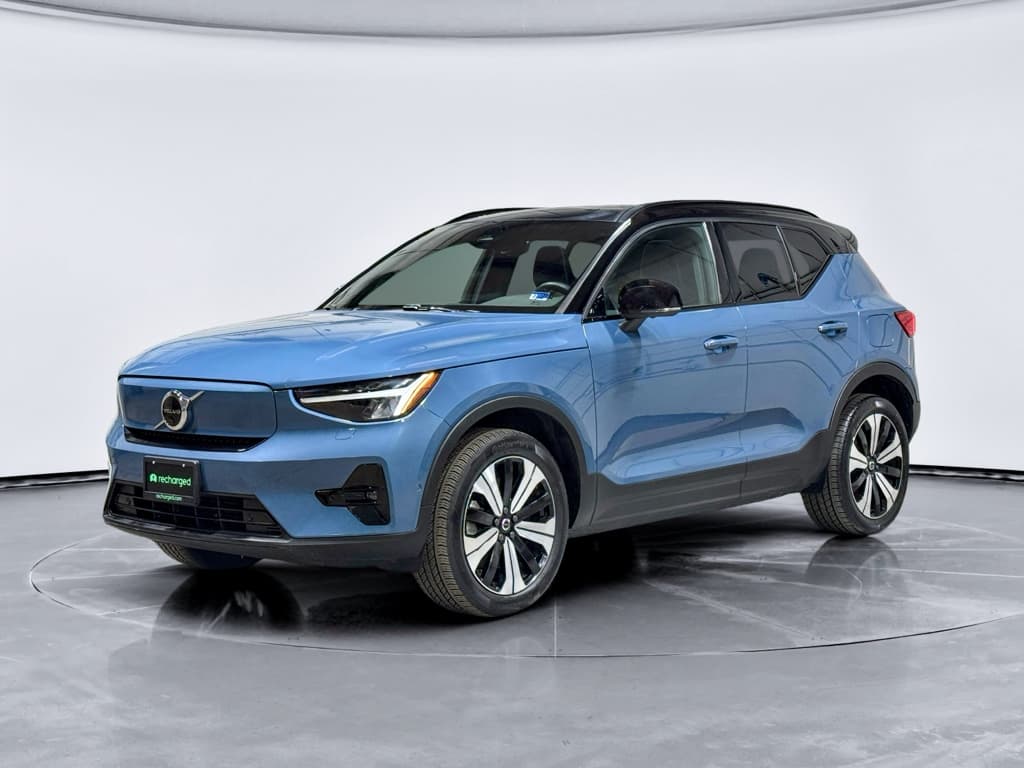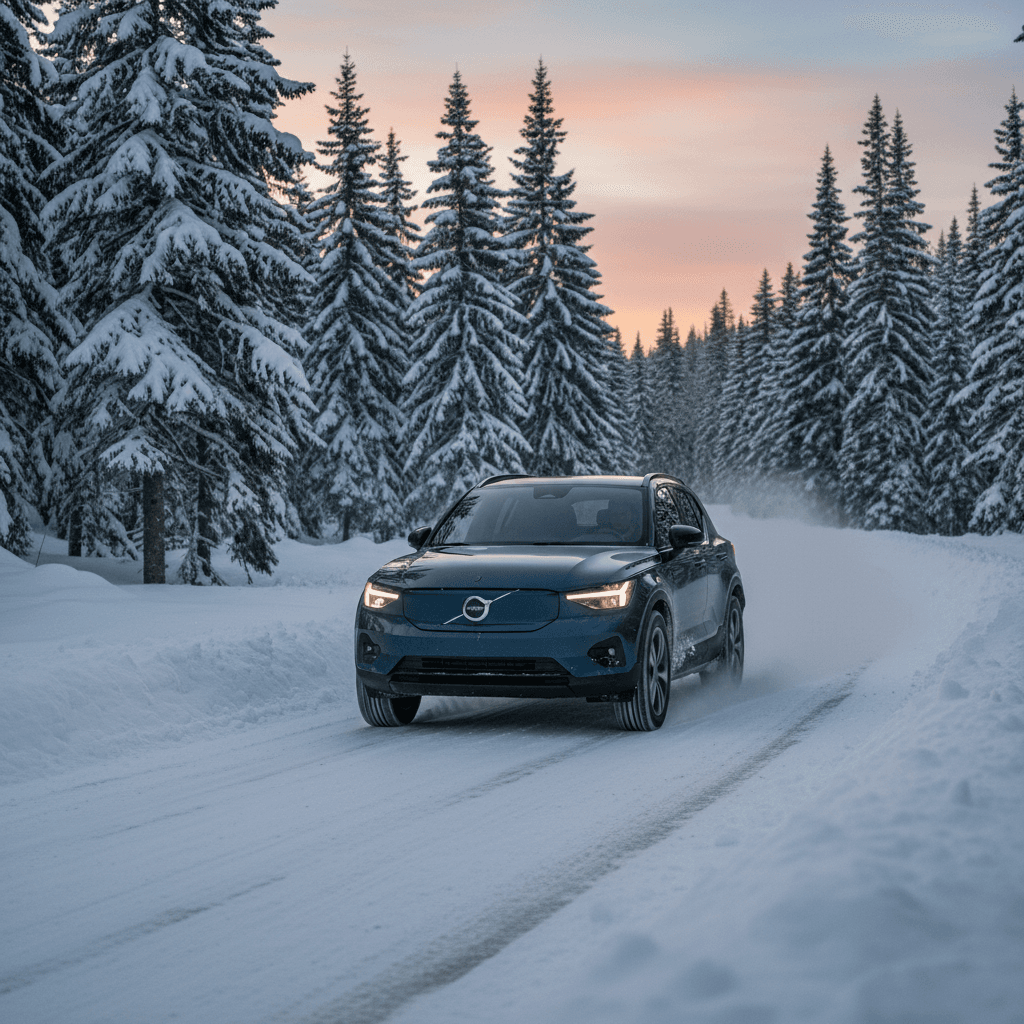
If you live where roads turn white for months at a time, you’re probably asking a very specific question: is the Volvo EX30 best for snow and ice, or should you be looking at something else? The answer is nuanced. The EX30 can be an excellent winter EV when it’s set up correctly, but not every configuration performs the same, and cold weather exposes a few clear trade‑offs you’ll want to understand before you buy.
Nordic roots, real‑world reality
Volvo EX30 in snow and ice: big picture
EX30 winter strengths and weaknesses at a glance
Where this small Volvo shines, and where it compromises, once the temperature drops
Winter strengths
- Excellent traction from responsive stability and traction control on ice.
- Quick cabin heat and strong defrost performance.
- Available AWD Twin Motor with rear‑biased torque split for confidence in snow.
- Compact size makes it easy to place on narrow, snowy roads and in city parking.
Winter weaknesses
- Range drops substantially in deep cold, often into the ~170–190 mile band in mixed use.
- Low ride height and modest ground clearance limit deep‑snow capability.
- Single‑motor RWD needs a careful right foot on slick surfaces.
Who it fits
- Drivers who prioritize traction and safety tech over maximum winter range.
- Commuters with predictable daily mileage and good charging access.
- Shoppers in snowbelt cities looking for a small, easy‑to‑park EV with serious winter tuning.
If your winters are mostly plowed streets, slush, and packed snow, the EX30’s traction systems and quick‑heating cabin make it feel every bit like a modern Volvo. If you regularly drive long distances in sub‑freezing temps, you’ll need to plan around the car’s winter efficiency penalty and be honest about your daily range needs.
Which Volvo EX30 is best for snow and ice?
The EX30 is sold in several configurations, but from a winter‑driving perspective you’re mainly choosing between rear‑wheel drive (Single Motor) and all‑wheel drive (Twin Motor), plus the upcoming EX30 Cross Country variant. Here’s how they stack up in snow and ice.
Volvo EX30 trims ranked for winter duty
How the key EX30 variants compare for snow and ice use.
| Rank for winter | EX30 variant | Drivetrain | Why it scores where it does |
|---|---|---|---|
| Best | Twin Motor AWD (Performance or Ultra) | AWD | Full‑time dual‑motor traction, rear‑biased torque split, strong stability control tuning for slippery surfaces. |
| Best for deep snow (when available) | EX30 Cross Country | AWD | Similar powertrain with extra ride height and winter‑oriented tuning; better for unplowed roads and ruts. |
| Good, but driver‑dependent | Single Motor Extended Range (RWD) | RWD | Surprisingly capable with proper winter tires, but demands more finesse on ice and in steep or unplowed areas. |
| Least ideal | Single Motor Standard Range (RWD) | RWD | Same winter behavior as other RWD trims but with less range headroom in cold weather. |
AWD, tires, and ground clearance matter more for winter than pure power or 0–60 times.
Quick recommendation
How the EX30 actually handles on snow and ice
Volvo invited journalists to drive the EX30 on snow‑covered back roads and frozen lakes in northern Sweden, and the takeaways line up closely with what early owners in Finland, Canada, and the northern U.S. report: this car has been tuned with low‑grip surfaces in mind.
EX30 winter handling characteristics
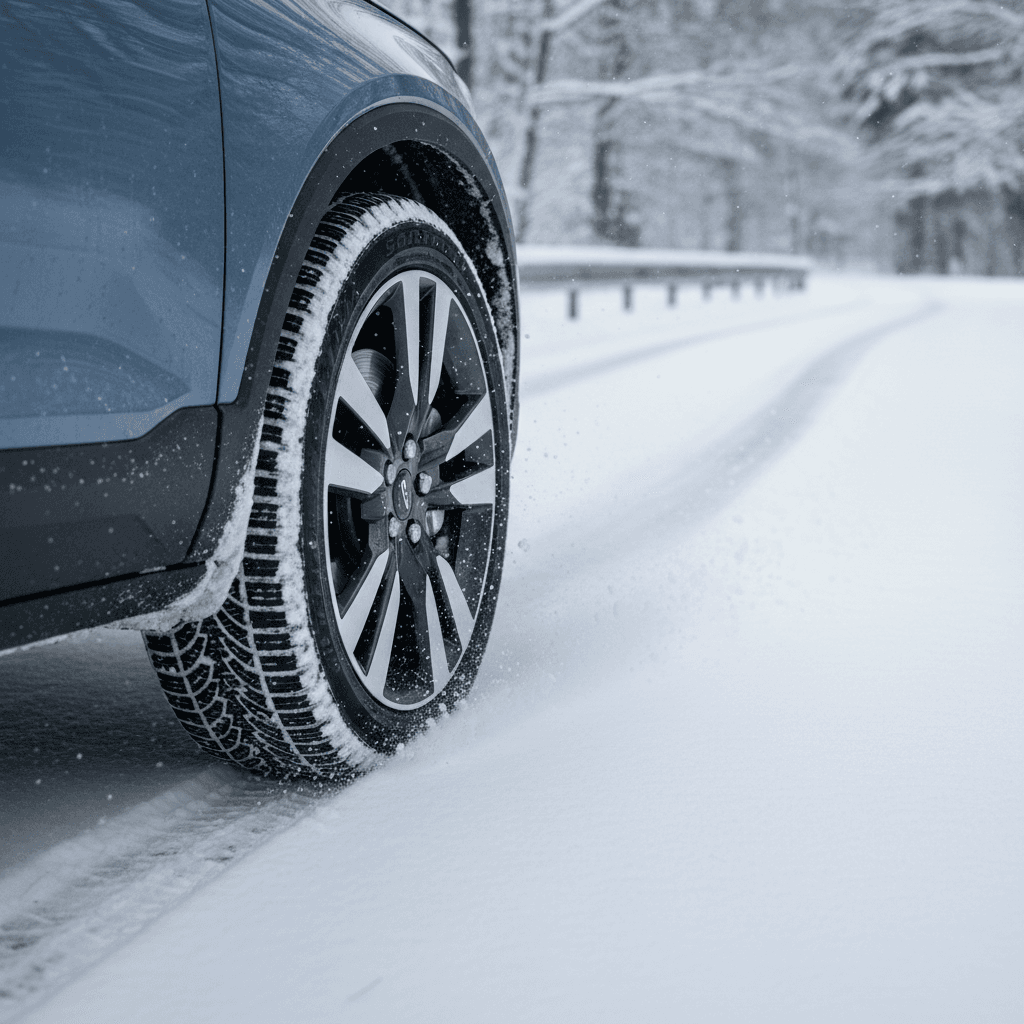
On ice tracks, reviewers highlight how quickly stability control steps in to straighten the car if you provoke it, and how predictable the EX30 feels once you adapt to the instant torque of an EV. Owners who run proper winter tires in Nordic climates often describe the EX30 as an "excellent winter car", but they’re also quick to note that tires make or break the experience. On all‑season rubber, there’s no software magic that can fully compensate for a lack of mechanical grip.
Remember ground clearance
Winter range: what you should really expect
Where the EX30 catches many new owners off guard is cold‑weather range. Like most compact EVs with relatively small battery packs, it takes a big efficiency hit in freezing conditions, and that effect is magnified if you do lots of short trips where the cabin has to be reheated again and again.
Typical real‑world Volvo EX30 range in winter
Ballpark winter ranges based on mixed reviews and long‑term tests, assuming proper tires, normal highway speeds, and temperatures around 20–30°F (‑6 to ‑1°C).
| Scenario | Conditions | Approx. observed winter range |
|---|---|---|
| City / suburban mix | Frequent stops, heated cabin, 20–32°F | ~170–190 miles on a full charge |
| Mostly highway | 70–75 mph, steady cruise, 20–30°F | ~160–210 miles depending on wind and elevation |
| Deep cold & short trips | Below 10°F with constant preheating and short hops | Can drop close to ~150 miles effective range or less |
These are estimates to help with planning, not guarantees, your actual range will depend on speed, terrain, wind, tire choice, and how much you use the heater.
Range vs. safety
If you routinely run 180–200 mile winter day trips with limited charging on the way, the EX30 may feel tight. If your typical day is 40–80 miles with home or workplace charging, its winter efficiency hit is more of a planning exercise than a deal‑breaker.
Must‑have winter setup for your EX30
Regardless of drivetrain, the single biggest factor in whether a Volvo EX30 is truly best for snow and ice is how you equip it. A carefully set‑up rear‑drive EX30 on studless winter tires will out‑perform an AWD EX30 on worn all‑seasons every single time.
Essential winter checklist for any Volvo EX30
1. Install true winter tires
In regions with consistent snow or ice, swap to dedicated winter tires (studless or studded where legal). Volvo itself recommends winter tires whenever there’s a risk of snow or ice. All‑season tires are a compromise and behave like summer tires once it gets very cold.
2. Consider smaller wheels
If your EX30 has large 20‑inch wheels, downsizing to 18s with taller sidewalls can improve winter grip and ride comfort in potholes and ruts. Narrower tires also cut through slush and deep snow more effectively.
3. Use preconditioning
Whenever your EX30 is plugged in, use the app or schedule to preheat the cabin and battery before you leave. This improves comfort, helps efficiency, and can preserve more usable range on frigid mornings.
4. Protect the braking system
Snow and ice can build up around brakes and suspensions. Rinse off heavy slush when you can, and occasionally do a few moderate friction‑brake stops to keep the system clean, especially if you rely heavily on one‑pedal driving.
5. Build in range buffer
In deep winter, treat the EX30’s EPA range as optimistic. Plan charging with at least a 20–30% buffer for highway trips, and assume more frequent top‑ups if you’re running the heater hard.
6. Carry winter essentials
Pack a compact shovel, gloves, warm blanket, phone charger, and traction aids (like sand or recovery boards). The EX30’s traction control is helpful, but physics still win if you’re stuck in heavy snow.
Best drive modes and settings for bad weather
The EX30 doesn’t have a dedicated "Snow" button in every market, but its drive‑mode logic and stability control are tuned with low‑grip conditions in mind. How you configure the car makes a real difference in how secure it feels when the weather turns.
AWD Twin Motor: Use Performance for full traction
- Performance mode keeps both motors engaged and delivers a rear‑biased torque split. On snow and ice, that gives you better pull away from stops and more predictable power delivery out of corners.
- Pair it with Creep enabled so the car eases forward like an ICE vehicle when you lift off the brake, this can make low‑speed maneuvers on ice more intuitive.
- If the surface is extremely slick, be gentle with the accelerator; the car’s systems will cut power if it senses too much wheelspin, which can feel abrupt if you’re aggressive with your right foot.
RWD Single Motor: Smoothness over speed
- Stick with Normal mode for predictable throttle response. Avoid heavy launches that can break rear traction, especially on hills or polished urban ice.
- Many owners prefer low or medium one‑pedal strength in icy conditions so deceleration feels more like an engine‑braking ICE car; this can reduce abrupt weight transfer that unsettles the rear axle.
- Whenever possible, let the car straighten out before applying strong acceleration. On RWD in particular, steering and heavy throttle at the same time is a recipe for sideways moments.
Don’t fully defeat safety systems
Does the EX30 Cross Country do better in winter?
The EX30 Cross Country builds on the standard car with extra ground clearance, protective cladding, and winter‑oriented tweaks. If you regularly face unplowed rural roads, rough snow berms at driveway exits, or rutted ski‑town streets, that extra ride height can be the difference between gliding through and plowing snow with your front bumper.
Standard EX30 vs. EX30 Cross Country in winter
Where the rough‑road variant earns its keep once the snow piles up
Standard EX30
- Best on plowed city and suburban streets.
- Lower ground clearance can high‑center in deep or crusty snow.
- Still excellent traction and braking on packed snow and ice with the right tires.
EX30 Cross Country
- Extra ground clearance for deeper ruts and driveway berms.
- More underbody and body‑side protection from ice chunks and road debris.
- Ideal if you live on poorly maintained roads or frequently visit mountain areas.
Who should consider Cross Country
How safe is the Volvo EX30 in winter conditions?
Safety is the EX30’s main card in cold weather. Under the skin you get an array of systems, anti‑lock brakes, stability control, traction control, and Volvo’s latest driver‑assist tech, all tuned to help you stay in control when surfaces get slick.
Winter safety systems working behind the scenes
What’s quietly helping you when the road turns to packed snow or glassy ice
Electronic stability control
Traction control
Driver‑assist features
Volvo built its reputation on safety in bad weather, and the EX30 keeps that tradition alive. It doesn’t change the laws of physics, but it gives average drivers a lot more margin when they make small mistakes on winter roads.
As with any EV, weight helps you here and hurts you there: the EX30’s battery mass pushes its center of gravity low and increases grip on snow, but it also means more momentum if you overcook a downhill corner. The best safety gear is still a cautious driver.
Buying a used EX30 as a snow car: what to check
If you’re shopping the used market and want an EX30 specifically for winter duty, a little homework up front can spare you unpleasant surprises once the temperature drops. This is where a data‑driven inspection, especially around battery health and tires, really pays off.
Used EX30 winter‑focused inspection checklist
1. Confirm AWD vs RWD and tire type
Don’t assume an EX30 is AWD because it looks like an SUV. Verify the drivetrain, and check whether the car comes with a second set of wheels for winter tires. A used Twin Motor with a dedicated winter wheel set is a strong find in snowy regions.
2. Review real‑world winter range
Ask the seller how far they comfortably drove on a charge in January, not July. If you’re buying online, look for range discussions in the listing or ask for screenshots of past trips in cold weather to calibrate your expectations.
3. Check underbody and suspension for corrosion
In salt states, inspect the suspension arms, brake lines, and underbody for rust or excessive corrosion from winter road treatments. This is good practice with any used EV, not just the EX30.
4. Evaluate battery health
Cold weather temporarily reduces range, but long‑term degradation is a separate question. A <strong>Recharged Score</strong> report uses battery diagnostics to show you the pack’s true health so you’re not guessing how much winter range you’ll have in a few years.
5. Inspect seals, lights, and defrost systems
Make sure door and hatch seals are intact, all exterior lights work, and the front and rear defrosters clear glass quickly. In a winter car, visibility is as important as traction.
6. Plan your charging strategy
Before you commit, map out where you’ll charge in winter. If you’ll rely on public stations, look for dense fast‑charging coverage near your routes. If you’ll charge at home, budget for a Level 2 setup so you can start most mornings at or near full, even when it’s well below freezing.
How Recharged can help
Ready to find your next EV?
Browse VehiclesFAQ: Volvo EX30 on snow and ice
Common questions about Volvo EX30 winter performance
Bottom line: is the EX30 a good winter EV?
If your definition of "best for snow and ice" is secure traction, strong safety tech, and confidence on plowed but slippery roads, the Volvo EX30 absolutely belongs on your short list. Volvo’s winter tuning, the availability of AWD, and quick‑heating climate control make it feel at home in the conditions the brand is famous for handling well.
If, instead, you’re chasing maximum winter range or deep‑snow off‑road ability, the EX30 is less of a slam dunk. Its compact battery means significant range loss in freezing weather, and its ground clearance keeps it happiest on roads someone has already driven before you.
The sweet spot is clear: an AWD EX30 (or EX30 Cross Country) on true winter tires, backed by reliable home or workplace charging. Set up this way, it’s not just capable in snow and ice, it feels like the kind of quietly competent winter tool Volvo has been building for decades.
If you’re weighing the EX30 against other winter‑ready EVs, Recharged can help you compare real‑world range, battery health, and pricing across multiple used options, then deliver the right one to your driveway, no snow‑day dealership visit required.