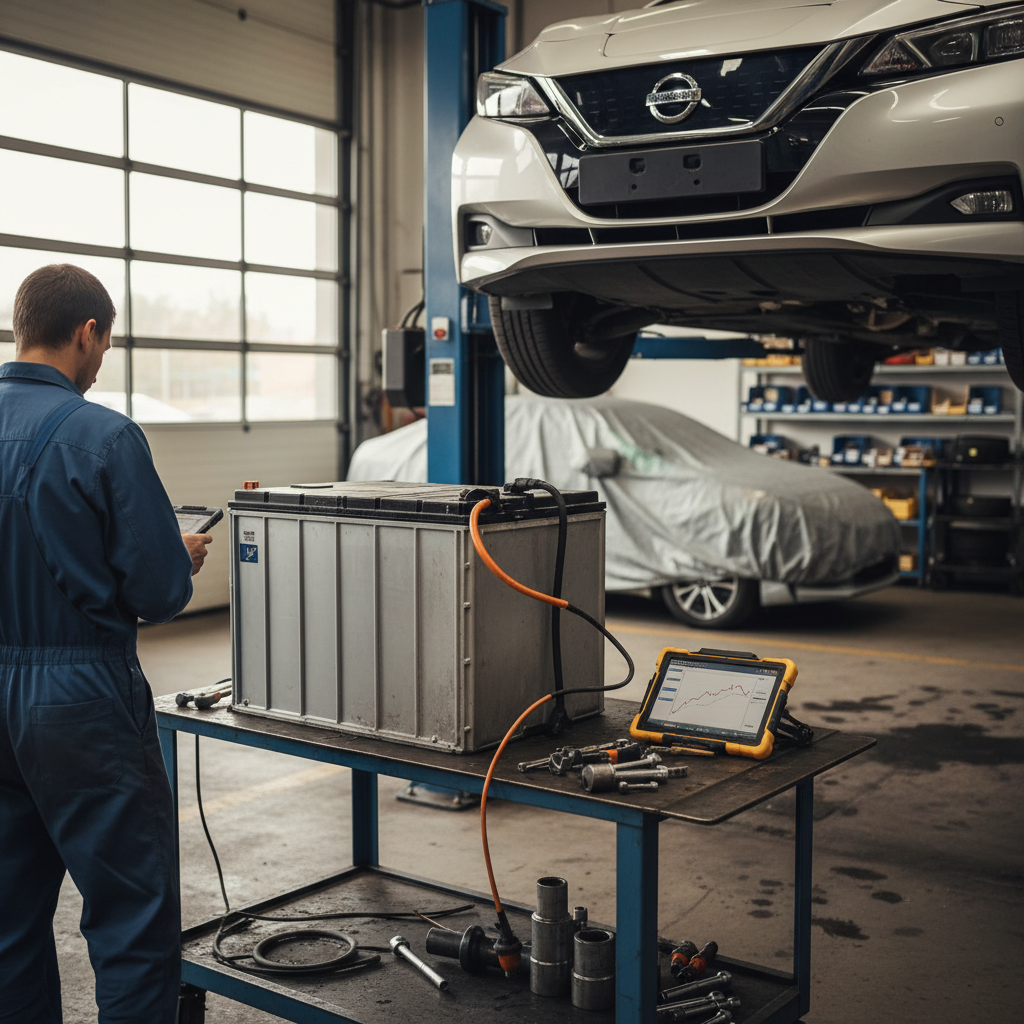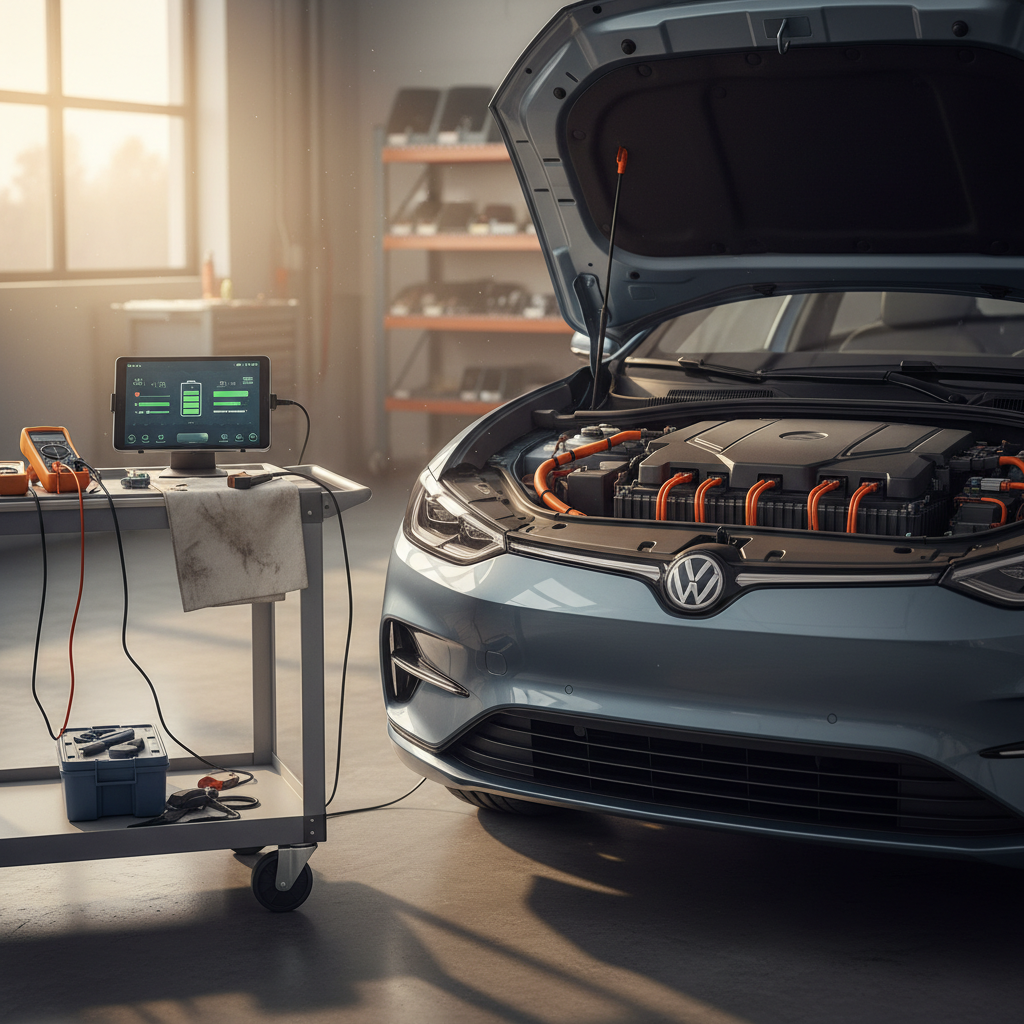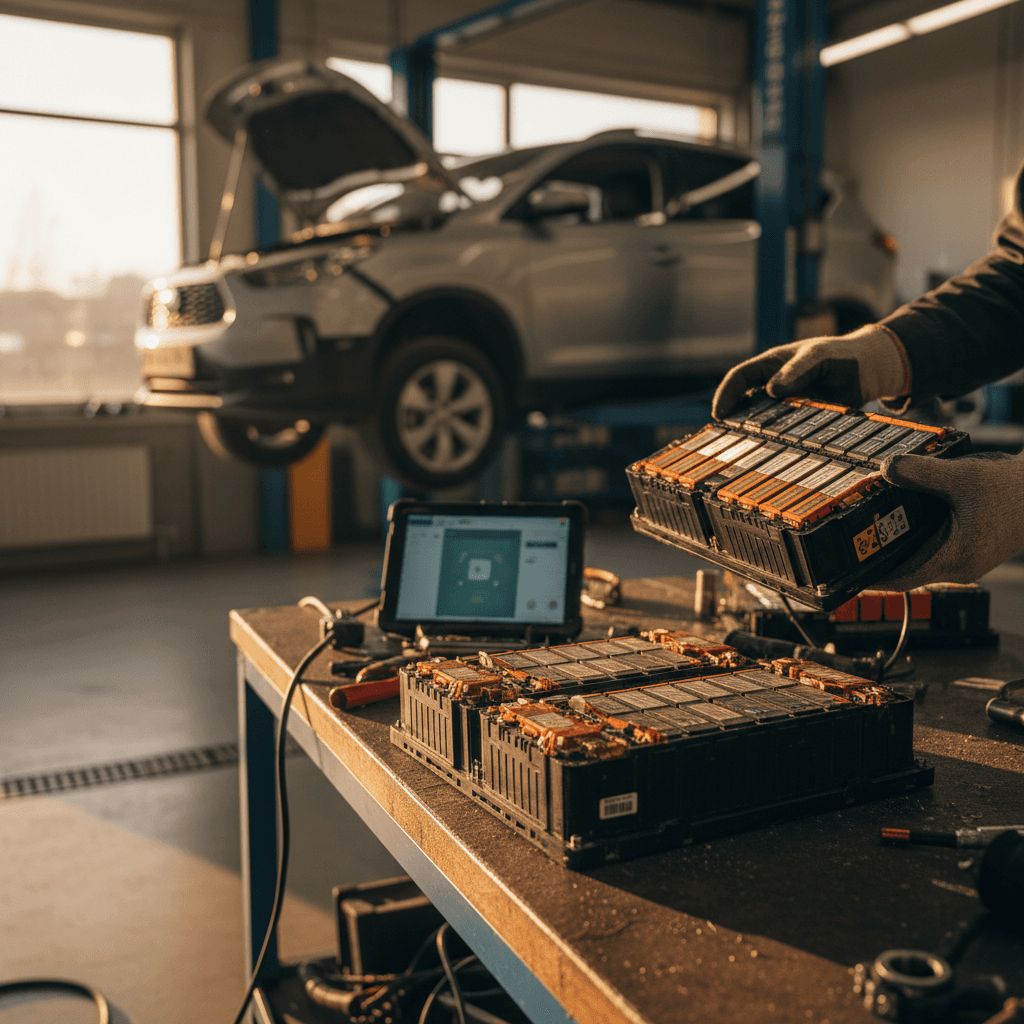
You type “hybrid vehicle repair near me” into your phone and suddenly you’re drowning in dealer ads, generic tire shops, and a handful of places that claim to be “battery experts.” Meanwhile your dash is lit up like Times Square and you’re wondering who you can actually trust, and how much this is going to hurt.
Good news for hybrid owners
Why “hybrid vehicle repair near me” feels confusing
Hybrid ownership lives at an awkward intersection. A hybrid is not exotic enough to demand a boutique race shop, but it’s also not just another Camry with a battery in the trunk. That’s why your search results are a jumble of dealerships, national chains, independent garages, and traveling “battery guys” with a Google Voice number.
- Dealerships lean on the factory logo and warranties, but often at the highest hourly labor rate.
- Independent shops may be brilliant on brakes and suspension, but only some have genuine hybrid training and high-voltage safety gear.
- Mobile hybrid specialists can be lifesavers for battery work, yet they’re largely unregulated and quality varies wildly.
- National chains offer convenience, but many still treat hybrid diagnostics as “plug in a scanner and shrug.”
The real risk isn’t the battery, it’s misdiagnosis
How hybrid vehicle repair differs from regular car service
Under the sheetmetal, a hybrid is two cars in one: a conventional gasoline powertrain and an electric drive system sharing duties. That double act changes how you think about repair and who you trust to do it.
Hybrid vs regular car repair at a glance
Same oil and tires, very different voltage
What’s mostly the same
- Fluids: engine oil, coolant, brake fluid still matter.
- Brakes & suspension: shocks, control arms, bushings wear as usual.
- Tires & alignment: hybrids are usually heavier, so rotation and proper inflation are even more important.
What’s different (and specialized)
- High-voltage battery pack: expensive but long-lived; often 8–10 year / 100,000–150,000 mile coverage.
- Inverter & DC/DC converter: power electronics that require specialized diagnostics.
- Regenerative braking system: the brake pedal feel and hardware are tied into the hybrid system.
A quick rule of thumb
Common hybrid repairs and what they cost in 2025
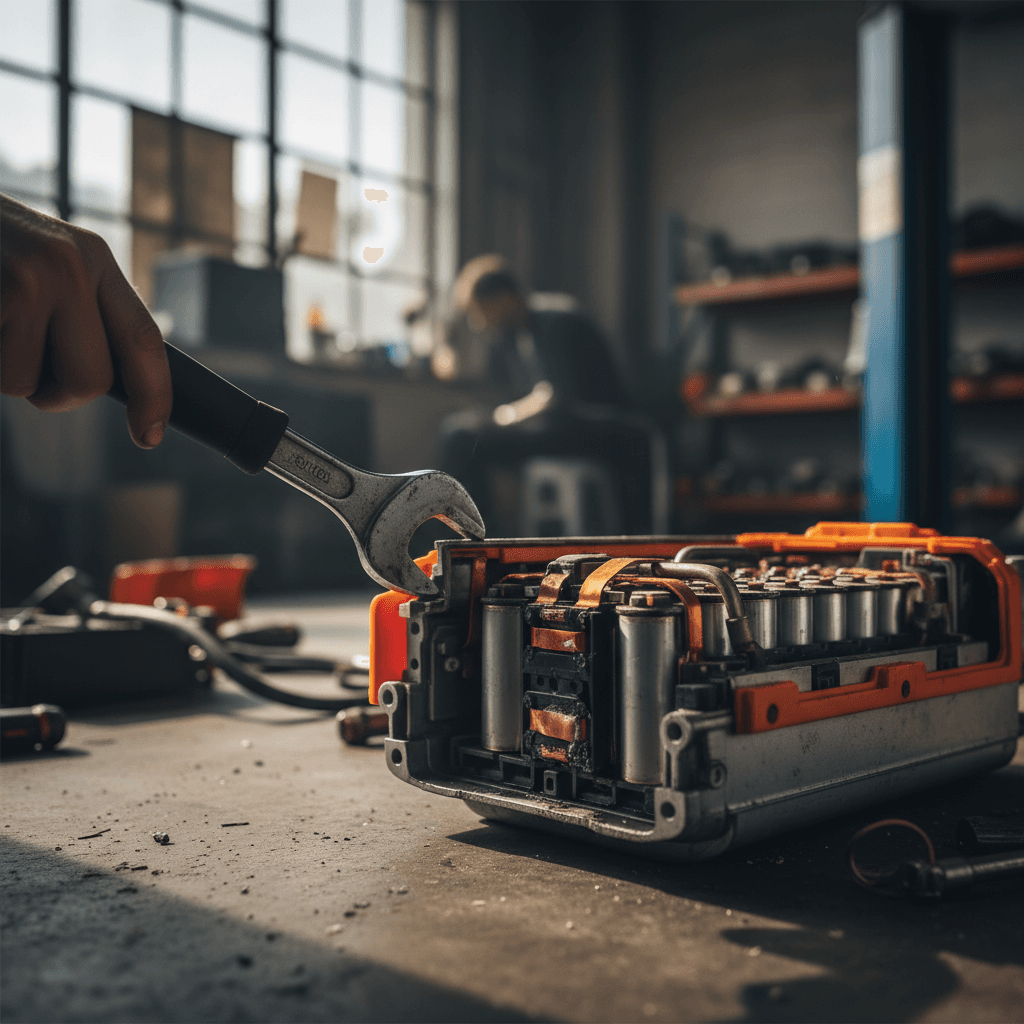
Let’s talk numbers. When you search for hybrid repair near me, you’re really asking two questions: “Can they fix it?” and “Can I afford it?” Here’s what typical hybrid repairs look like in 2025 across the U.S.
Typical hybrid repair costs in 2025 (U.S.)
Actual prices vary by region and model, but these ranges will keep you in the right ballpark.
| Repair | Typical Cost Range | Notes |
|---|---|---|
| Diagnostic scan & inspection | $150 – $300 | Expect to pay more for real hybrid expertise, less for a generic code read. |
| 12V auxiliary battery | $250 – $600 | Same idea as a regular car; some hybrids hide the 12V battery in odd places. |
| Hybrid cooling fan / pump | $400 – $900 | Often the true villain behind “hybrid system” warning lights and overheating packs. |
| Brake service (pads & rotors) | $350 – $900 | Regenerative braking means pads can last 80,000+ miles, but rust and age still win eventually. |
| Inverter or DC/DC converter repair | $1,500 – $4,000 | Electronics are expensive; used or refurbished units can lower the bill. |
| Hybrid battery reconditioning | $800 – $2,000 | Often restores 70–90% performance for a few more years, good for high‑mileage commuters. |
| Hybrid battery replacement (standard hybrid) | $2,000 – $6,000 | Most common replacements fall on the lower half of this range when using refurbished packs. |
| Plug‑in hybrid battery replacement | $3,500 – $8,000+ | Bigger lithium packs mean bigger checks; think RAV4 Prime or Outlander PHEV. |
Dealer quotes tend to land at the top of each range; independent hybrid specialists often sit in the middle.
Hybrid batteries last longer than the internet thinks
Do not DIY hybrid high-voltage work
Where to go: dealer vs independent vs mobile hybrid specialist
1. Dealership service department
- Best for: in-warranty cars, recalls, complex software updates.
- Pros: factory training, OEM parts, access to latest technical bulletins.
- Cons: highest labor rates; service advisors sometimes default to “replace the battery” to save time.
2. Independent hybrid-savvy shop
- Best for: out-of-warranty cars, value-conscious owners, repeat maintenance.
- Pros: lower rates, more flexible on refurbished parts, often more willing to actually diagnose.
- Cons: you must verify their hybrid credentials; not every “we work on all makes” shop truly does.
3. Mobile hybrid battery specialist
- Best for: battery reconditioning or replacement on older hybrids.
- Pros: they come to you, often the cheapest path to keeping an older Prius or Camry Hybrid on the road.
- Cons: quality and warranties vary; check reviews carefully and insist on written terms.
How most owners actually do it
How to evaluate a hybrid repair shop near you
Since you can’t see inside a technician’s skull, you judge a hybrid shop by its habits. The best ones all do the same things: they train continuously, they talk plainly, and they’re not afraid of second opinions.
Hybrid repair shop checklist
1. Ask how often they work on hybrids
You want to hear something like, “We see Priuses all week,” not “Yeah, we had one in last year.” Brands like Toyota, Honda, Ford, Hyundai, and Kia should sound familiar to them.
2. Look for hybrid certifications & equipment
Ask whether their techs have hybrid or EV-specific training and if they have insulated gloves, HV safety procedures, and OEM-level scan tools.
3. Request a written diagnostic plan
Before approving major work, ask for a written estimate that separates diagnosis, parts, and labor. A serious shop will test rather than simply swapping expensive parts.
4. Check reviews that mention hybrids specifically
Scroll past the generic “great service!” and look for stories from hybrid owners: Prius, Camry Hybrid, Accord Hybrid, RAV4 Hybrid, Escape Hybrid and so on.
5. Ask about parts options (new vs refurbished)
For big-ticket items like batteries and inverters, a good shop will explain OEM, aftermarket, refurbished, and used options, with pros, cons, and warranties.
6. Confirm warranty on hybrid work
You’re looking for at least 12 months/12,000 miles on parts and labor for major repairs; more is better, especially on battery work.
Search smarter, not just closer
Signs your hybrid needs repair, not just maintenance
Hybrids are very good at quietly masking problems until they suddenly aren’t. The gasoline engine can cover for a weak battery; the electric motor can quietly paper over a tired engine. Pay attention to the little tells.
- Frequent or persistent “Check Hybrid System,” “EV System,” or red triangle warnings.
- Engine running more often than usual, especially at stoplights or on gentle hills.
- Noticeably worse fuel economy over a few tanks with no change in driving habits.
- Rough transitions between electric and gas power, shuddering, or surging.
- Cooling fans behind the rear seats or cargo area roaring loudly more often.
- A hybrid that refuses to go into EV mode, even with a warm engine and gentle throttle.
- Brake pedal feels wooden, grabby, or inconsistent, especially at low speeds.
Don’t ignore hybrid warnings
How to save money on hybrid repairs: strategy and warranty
The cheapest repair strategy is the boring one: keep up on maintenance, use quality parts, and let the warranty do its job before you reach for your wallet.
Four smart ways to keep hybrid repair costs in check
A little planning beats a big surprise bill
1. Know your hybrid warranty dates
Most hybrid components carry at least an 8-year/100,000-mile warranty; some states and brands extend that to 10 years/150,000 miles.
Put those dates in your calendar. If a warning light pops up near the end of coverage, get it documented at a dealer immediately.
2. Use refurbished where it makes sense
Refurbished hybrid batteries often cost 30–70% less than brand new, especially for common models like the Prius, Camry Hybrid, and Accord Hybrid.
They’re ideal if you plan to keep the car another 3–5 years, not 15.
3. Buy time with reconditioning
Battery reconditioning can restore much of a tired pack’s performance at a fraction of full replacement cost.
It’s not magic, but it can buy a few more reliable years for a high-mileage commuter.
4. Get clear financing if you need it
For bigger jobs, many shops offer financing, and some owners use personal loans or credit lines.
If you’re already thinking about your next car, it might be time to ask whether putting that money into a newer hybrid or EV makes more sense.
When repair costs and vehicle value collide
Hybrid repair and buying a used hybrid or EV
The best time to think about repair bills is before you buy the car that generates them. A clean hybrid with verified battery health is one of the most economical ways to drive in 2025. A mystery‑history hybrid with warning lights artfully cleared five minutes before the test drive is not.
If you’re shopping locally
- Pay for a pre‑purchase inspection at the same kind of shop you’d use for hybrid repairs later.
- Ask them to scan the hybrid system for stored or pending codes, check the cooling system, and inspect the battery compartment for corrosion or water intrusion.
- Walk away from sellers who resist an independent inspection. They’re telling you more than the scan tool ever could.
If you’re shopping online with Recharged
- Every vehicle comes with a Recharged Score Report that includes verified battery health, so you’re not guessing about the most expensive component.
- Pricing is benchmarked against the fair market, including expected maintenance and repair costs.
- EV‑specialist support can help you decide whether that older hybrid is a smart long‑term play or whether a newer EV might pencil out better once you factor in repairs, financing, and fuel.
Why battery health reporting matters
Ready to find your next EV?
Browse VehiclesHybrid repair near me: FAQ
Frequently asked questions about hybrid vehicle repair
The bottom line on hybrid vehicle repair near you
Hybrids aren’t fragile science experiments; they’re workhorses with some very clever hardware. If you pair your car with the right shop, most of your interaction with the service world will be about tires, fluid changes, and the occasional brake job, not nightmare battery bills.
When the big repairs do show up, your job is to slow the process down: get a proper diagnosis, compare dealer and independent quotes, and consider refurbished or reconditioned options where they make sense. And if the numbers stop adding up on an older hybrid, remember you’re not married to the car. With a marketplace like Recharged, you can see verified battery health, fair pricing, and real ownership costs on your next hybrid or EV, before you ever see a warning light.