You can drive a hybrid for years with almost no drama, until a warning light pops up and the service advisor shrugs. If you’ve ever heard “we don’t really work on hybrids,” you already know why it pays to find a hybrid certified mechanic near me before something big (and expensive) breaks.
Hybrid tech is mainstream now
Why you need a hybrid‑certified mechanic (not just “any” shop)
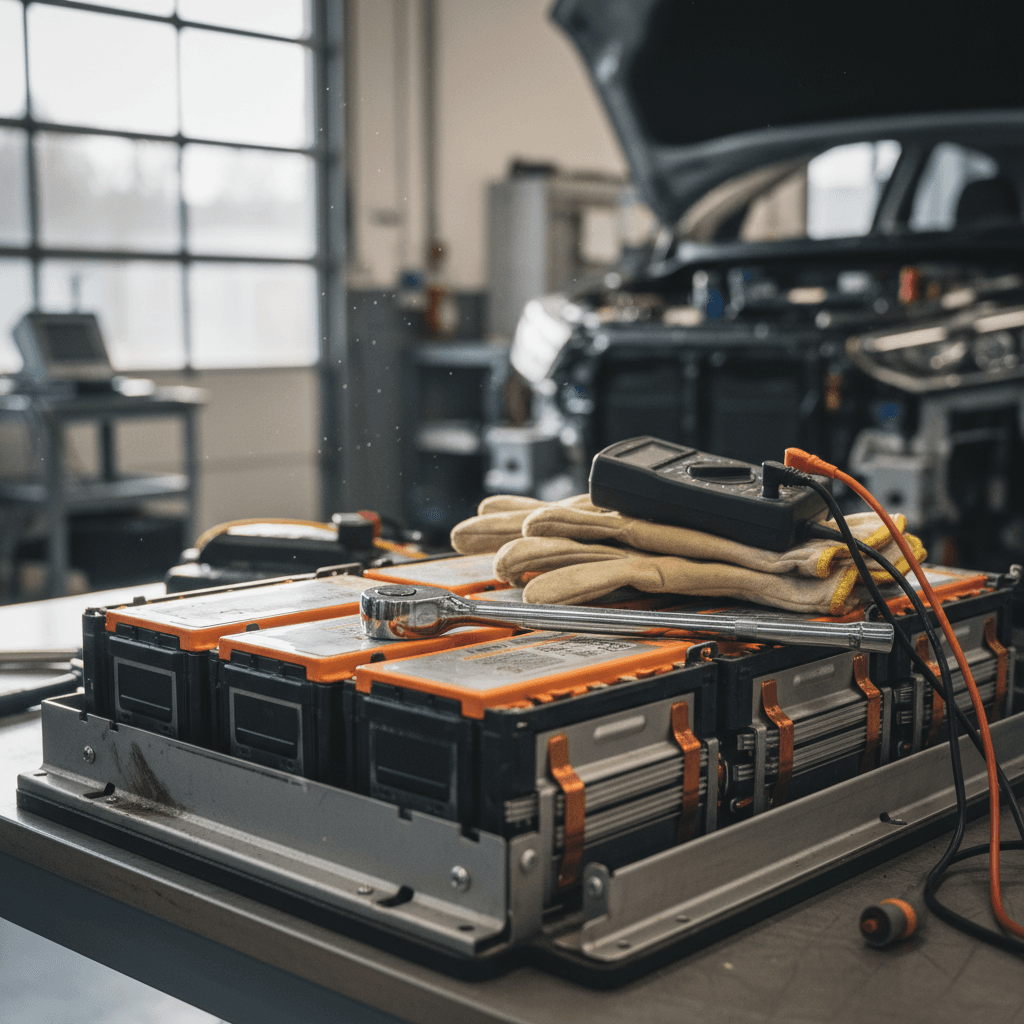
Under the hood, your hybrid still has a gasoline engine, oil, filters, and brake pads. Any competent general shop can handle that. But hybrids also pack a high‑voltage battery, inverters, DC‑DC converters, and complex software. These systems live at hundreds of volts, levels that can injure someone who doesn’t know what they’re touching, and that can turn a simple mistake into a four‑figure repair.
- High‑voltage safety procedures and insulated tools are non‑negotiable
- Misdiagnosis can lead to unnecessary battery or inverter replacement
- Software updates and calibrations are often required after repairs
- Some repairs require manufacturer‑level scan tools and service information
High voltage is not a YouTube project
What “hybrid certified” actually means
There’s no single government‑issued "hybrid mechanic" license in the U.S., so you have to read between the lines. When a shop calls itself hybrid certified, you’re looking for a combination of technician certifications, OEM training, and real‑world experience.
Core certifications that really matter
Use these as your short list when you evaluate a shop
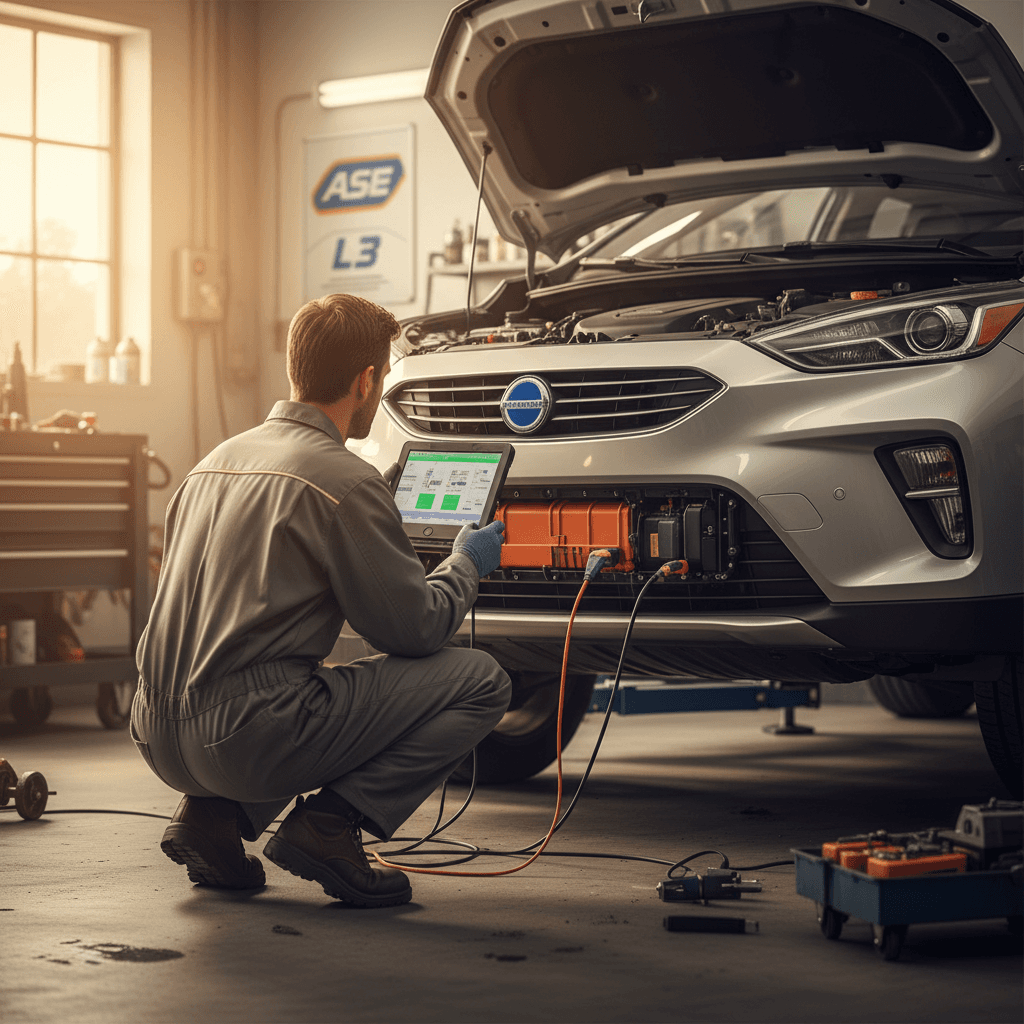
ASE L3 (Light‑Duty Hybrid/Electric Vehicle Specialist)
This is the gold standard independent certification for hybrid and EV techs. It builds on standard engine and electrical ASE tests and focuses on high‑voltage systems, batteries, and safety.
OEM factory training
Look for documentation or signage that the shop has attended Toyota, Honda, Ford, or other OEM hybrid training. Dealer techs typically complete brand‑specific hybrid courses as part of their path.
Hybrid‑specific shop tools
Insulated tools, class 0 electrical gloves, non‑contact voltage testers, and a high‑end scan tool that can access hybrid control modules are all signs you’re in the right place.
How to verify certifications in 60 seconds
How to find a hybrid‑certified mechanic near me
The phrase you type into a search bar, hybrid certified mechanic near me, is only the starting point. From there, you want to quickly filter the results down to shops that actually live and breathe hybrid repair, not just list it on a directory profile.
Four reliable ways to find a hybrid specialist
Stack these methods to build a shortlist you can trust
1. Use smart online searches
Try combinations like “Prius hybrid mechanic near me,” “Accord Hybrid battery replacement,” or “ASE L3 hybrid shop.” Read recent reviews and look for specifics: hybrid batteries, inverters, or high‑voltage work actually completed.
2. Lean on owner forums and groups
Make, model, and region‑specific forums (PriusChat, brand subreddits, Facebook owner groups) are goldmines for real experiences. When multiple locals recommend the same shop for hybrid work, pay attention.
3. Check dealer and OEM resources
Your brand’s dealer locator will show franchise stores, which are required to have hybrid‑trained techs. Even if you prefer independents, a dealer quote gives you a baseline price and repair plan.
4. Look for “hybrid” in the shop’s DNA
Some independents market themselves primarily as hybrid or EV specialists. Their websites highlight hybrid battery services, brake regen diagnostics, and inverter replacements, those are the places worth calling first.
Your 5‑step shortlist for a hybrid mechanic
1. Confirm they routinely service your exact model
Ask how often they see cars like yours, “We work on Prius and Accord Hybrids every week” is the kind of answer you want, not “we’ve done a couple.”
2. Verify hybrid or EV certifications
Look for ASE L3, OEM hybrid training, and proof of recent coursework. Certificates should be no older than a few years; technology moves fast.
3. Ask what high‑voltage safety procedures they follow
Listen for mentions of lockout/tagout, orange cables, insulated tools, and clearly defined steps before disconnecting the pack.
4. Request a sample repair story
Have them walk you through a recent hybrid issue they diagnosed and fixed, what the symptoms were, what tests they ran, and how they verified the fix.
5. Compare estimates in writing
Get written estimates from at least two shops (dealer and independent). The cheapest quote isn’t always the best, but wildly low or vague pricing is a warning sign.
Dealer vs. independent hybrid shops
When a dealer makes sense
- Warranty work on the hybrid system or battery pack.
- New models (first 2–3 years) where software updates and campaigns are evolving quickly.
- Complex electrical faults that require factory engineering support.
- Recalls or technical service bulletins specifically mentioning the hybrid system.
Dealers usually have the most up‑to‑date software and factory tools, plus direct access to engineering teams. The trade‑off is higher labor rates.
When an independent hybrid specialist shines
- Out‑of‑warranty repairs on hybrids more than 5–6 years old.
- Hybrid battery replacement, reconditioning, or module‑level repairs.
- Brake, suspension, and maintenance work where the hybrid system is involved but not failing.
- Owners watching every dollar on a higher‑mileage hybrid.
Labor rates are typically lower and parts options wider: new OEM, refurbished, or used packs, depending on your plans for the car.
A quick note for EV shoppers
Ready to find your next EV?
Browse VehiclesCommon hybrid repairs and what they cost in 2025
The big fear with hybrids is always the battery bill. The reality in 2025 is more nuanced. Many hybrids go well past 150,000 miles before a pack fails, and when they do, you now have multiple repair paths.
Hybrid repair cost snapshot for 2025 (U.S.)
Typical hybrid repair scenarios and cost ranges (2025)
These are ballpark U.S. numbers to help you sanity‑check quotes. Exact pricing will depend on brand, region, and parts choice.
| Repair | What it involves | Typical cost (parts + labor) | Notes |
|---|---|---|---|
| Hybrid battery replacement – standard hybrid | Replacing the main high‑voltage pack on vehicles like Prius, Camry, Accord, CR‑V | $2,400–$6,000 | Lower end for refurbished packs, higher for new OEM at dealers |
| Plug‑in hybrid battery replacement | Larger 8–15 kWh pack on models like RAV4 Prime or Outlander PHEV | $3,500–$8,000+ | More cells and more labor; often still under warranty |
| Battery cooling fan or pump | Cleaning or replacing cooling components that keep the pack at a safe temperature | $300–$900 | Often caught early if you service the car regularly |
| Inverter or DC‑DC converter repair | Diagnosing and replacing high‑voltage power electronics | $1,200–$4,000 | Varies widely; OEM remanufactured units can save money |
| Brake service on a hybrid | Pads/rotors plus regen‑aware bleeding and system checks | $350–$900 | Brakes last longer on hybrids thanks to regeneration |
| 12‑volt battery replacement | Low‑voltage battery that wakes the hybrid system | $200–$500 | Still critical, if it dies, the hybrid system can’t start |
Always ask your mechanic for a written estimate with parts and labor broken out.
Beware of “too good to be true” battery prices
Key questions to ask before you book
A five‑minute phone call can tell you almost everything you need to know. Here are questions that separate genuine hybrid pros from pretenders.
Ten questions every hybrid owner should ask
1. How many hybrids do you work on each week?
You’re looking for a specific number or range, not “we see them sometimes.”
2. Which tech will be working on my car, and what are their credentials?
Ask for names and certifications, ASE numbers, OEM training, and particularly any hybrid/EV‑specific courses.
3. Do you follow documented high‑voltage safety procedures?
They should mention safety checklists, lockout/tagout, and insulated tools without you prompting them.
4. What scan tools and service information do you use?
OEM or high‑end aftermarket tools that can talk to hybrid control modules are a must.
5. Do you offer new, remanufactured, and refurbished battery options?
Having options lets you match the repair to the car’s age, mileage, and your budget.
6. What warranty do you provide on hybrid parts and labor?
For batteries, 1–3 years is common. Make sure you know who pays labor if a warranty claim happens.
7. How do you communicate during a complex diagnostic?
Good shops send photos, scan tool screenshots, or short videos to keep you in the loop.
8. Can you show me a sample hybrid repair invoice (with personal info redacted)?
A detailed invoice proves they do this work regularly, and lets you see how they describe and bill hybrid repairs.
9. Will my old parts be available to inspect after the repair?
This helps you verify what was replaced and gives you a chance to ask questions.
10. Do you road‑test and re‑scan after repairs?
Final verification is crucial with complex hybrid systems; shortcuts here often lead to return visits.
Red flags to avoid when choosing a hybrid mechanic
- The shop says, “We don’t have the scan tool for hybrids, but we’ll try anyway.”
- They quote a high‑voltage repair but can’t explain the diagnostic steps they’ll take.
- No visible safety equipment or procedures around high‑voltage components.
- They push only the cheapest option with a very short or vague warranty.
- Reviews mention repeat visits for the same hybrid issue or cars sitting for weeks waiting on a diagnosis.
Walk away if they guess
How hybrid service differs from EV service
Hybrids and plug‑in hybrids sit between traditional gas cars and full battery EVs. That’s good news for you, more shops can work on them, but it also means you need a mechanic who understands both sides of the powertrain.
Hybrid & plug‑in hybrid service
- Combines gas and electric, engine, transmission, fuel system, plus high‑voltage battery and motors.
- Maintenance still includes oil changes, spark plugs, coolant, and sometimes transmission service.
- Unique wear patterns (e.g., brakes rusting from lack of use, engine running cold more often).
- Hybrid battery is smaller than a full EV’s, but lives in a harsh thermal environment.
Full EV service
- No engine, no oil changes, focus is on battery pack, drivetrain, cooling, and software.
- More emphasis on charging behavior, DC fast‑charging habits, and battery health trends.
- Fewer moving parts but higher dependency on clean software updates and good charging habits.
- Specialized diagnostics for battery degradation and high‑power electronics.
If you’re starting to think about going fully electric, working with technicians who understand both hybrids and EVs can make that transition smoother. Platforms like Recharged bake in battery health diagnostics and expert guidance so you can buy a used EV with your eyes wide open.
Frequently asked questions about hybrid‑certified mechanics
Hybrid mechanic FAQs
Bottom line: Finding the right hybrid‑certified mechanic near you
Hybrids have earned their reputation for durability, but when they do need attention you want more than a generalist guessing at high‑voltage systems. Start with a targeted search for a hybrid certified mechanic near me, then apply the filters you’ve just learned: look for ASE L3 or OEM hybrid training, verify that hybrids are a core part of the shop’s workload, and get clear, written estimates with solid warranties.
Think of a good hybrid mechanic as part of your long‑term ownership plan, just like reliable home or healthcare pros. And if your next step is moving from a hybrid to a full EV, remember that Recharged can help you shop smarter, with verified battery health reports, transparent pricing, financing, and nationwide delivery, so the most complicated part of your new car is how quietly it pulls away from the curb.