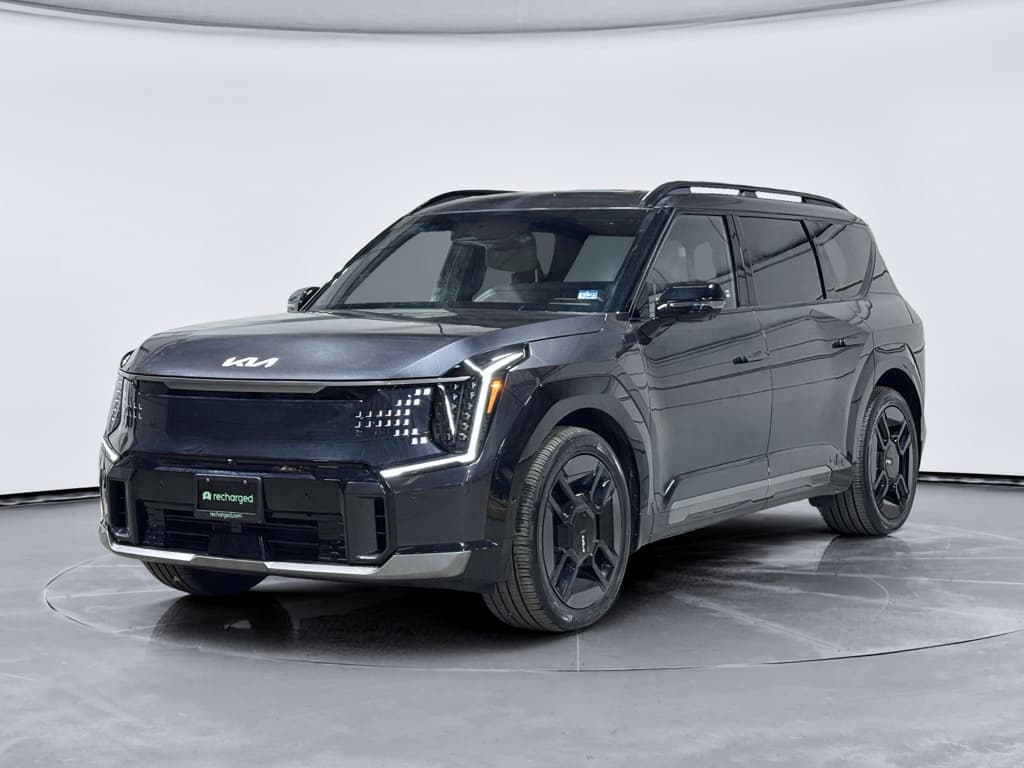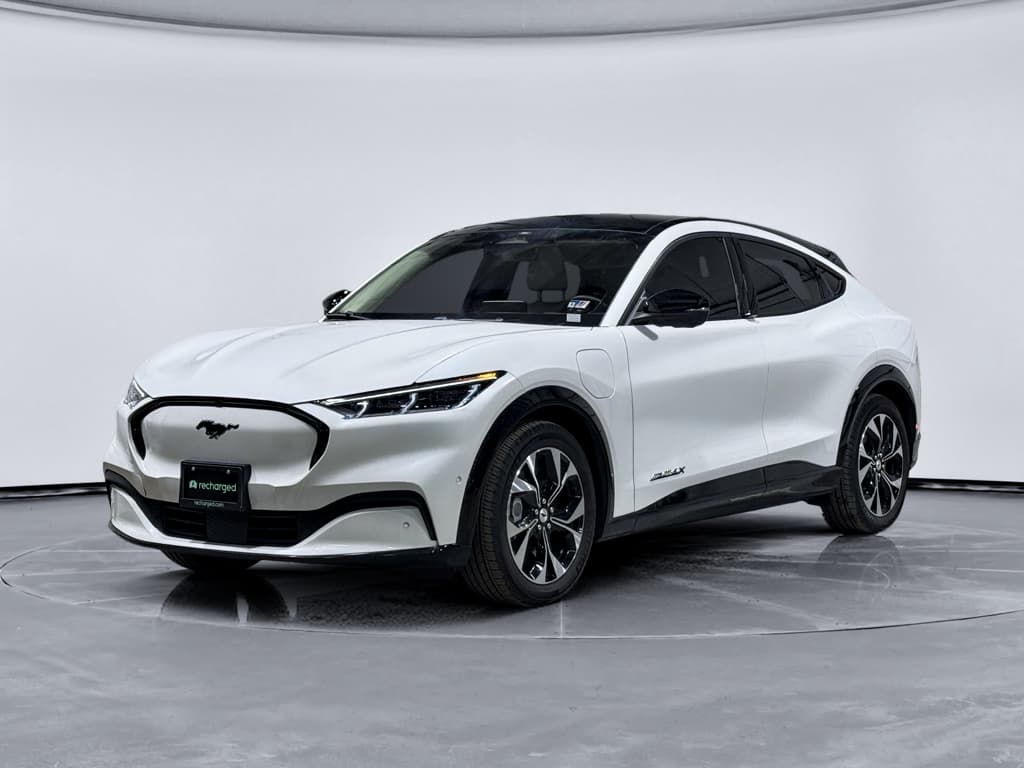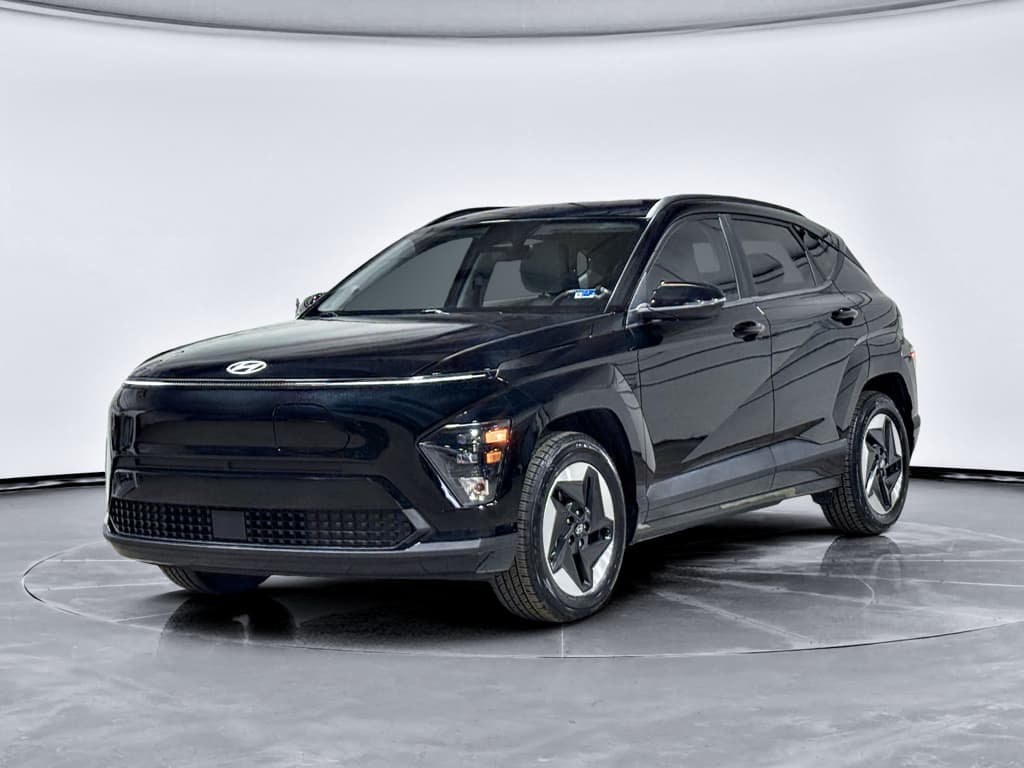
If you’ve just made the jump to an electric car, winter can feel like a pop quiz you didn’t study for. Temperatures drop, your range estimate shrinks, charging slows down, and suddenly you’re wondering how to **winterize your electric car** so it behaves predictably instead of surprising you on a cold Monday morning.
Good news for EV drivers
Why winterizing your electric car matters
Cold weather affects three things that matter to you every day: **range, charging speed, and traction**. Most modern EVs lose somewhere in the neighborhood of 15–35% of their rated range once temperatures dip below freezing, and really frigid days can shave off more. That’s not battery damage, it’s temporary, temperature‑driven behavior, but it can ruin a commute or road trip if you’re not ready for it.
Winterizing isn’t about buying a trunk full of gadgets. It’s mostly about a short **setup checklist** and a few new routines: using preconditioning, setting smart charging schedules, choosing the right tires, and parking thoughtfully. Do those things, and your EV becomes just as winter‑capable as your old gas car, only quieter and cheaper to run.
What to expect from your EV in winter
How cold weather really affects range and charging
1. The battery is less efficient cold
Lithium‑ion cells are like athletes: they perform best when warmed up. In cold temps, the chemistry inside your battery slows, internal resistance goes up, and the pack can’t deliver energy as freely. Your car protects itself further with thermal management, which also uses power.
The result: you use more energy per mile, so the same kWh translates into fewer miles of range.
2. Heating the cabin takes real energy
In a gas car, you get cabin heat from engine waste heat. An EV has to create heat using electricity. Crank the cabin temp, and you’ll see your predicted range fall, especially at highway speeds where you aren’t getting as much benefit from regenerative braking.
That’s why winter driving is all about using heat strategically, still comfortable, just not wasteful.
Don’t confuse range loss with battery damage
Quick checklist to winterize your electric car
5-minute winter EV prep checklist
Enable scheduled departure or preconditioning
Set your car or app to warm the cabin and battery while still plugged in before you leave in the morning.
Adjust your “mental” range
Plan on roughly 20–30% less range once temps are consistently below freezing, and avoid arriving at chargers with under 10–15% if you can.
Check tire type and pressures
If you see real snow and ice, consider winter or all‑weather tires and set pressures to the door‑jamb spec; cold air lowers PSI.
Update apps and charging plan
Update your vehicle and charging apps, add a backup network, and save winter‑friendly stations with good amenities.
Tidy cables and charge port
Clean around the charge port, inspect cables, and stash a small brush or towel so snow and ice don’t interfere with charging.
Step 1: Optimize battery health for winter
Battery care is the foundation of winterizing your electric car. You’re juggling two goals at once: **keep enough charge on tap for cold‑weather range**, and **avoid habits that hurt long‑term battery health**.
Winter battery habits that actually help
Simple changes that make your EV calmer and more predictable in the cold
Keep charge in a healthy band
In winter, try to keep your battery between 30% and 80–90% for daily driving. Don’t panic if you occasionally go higher or lower, but living in this middle band makes the car happier in cold weather and gives you a cushion for sudden range drops.
Precondition while plugged in
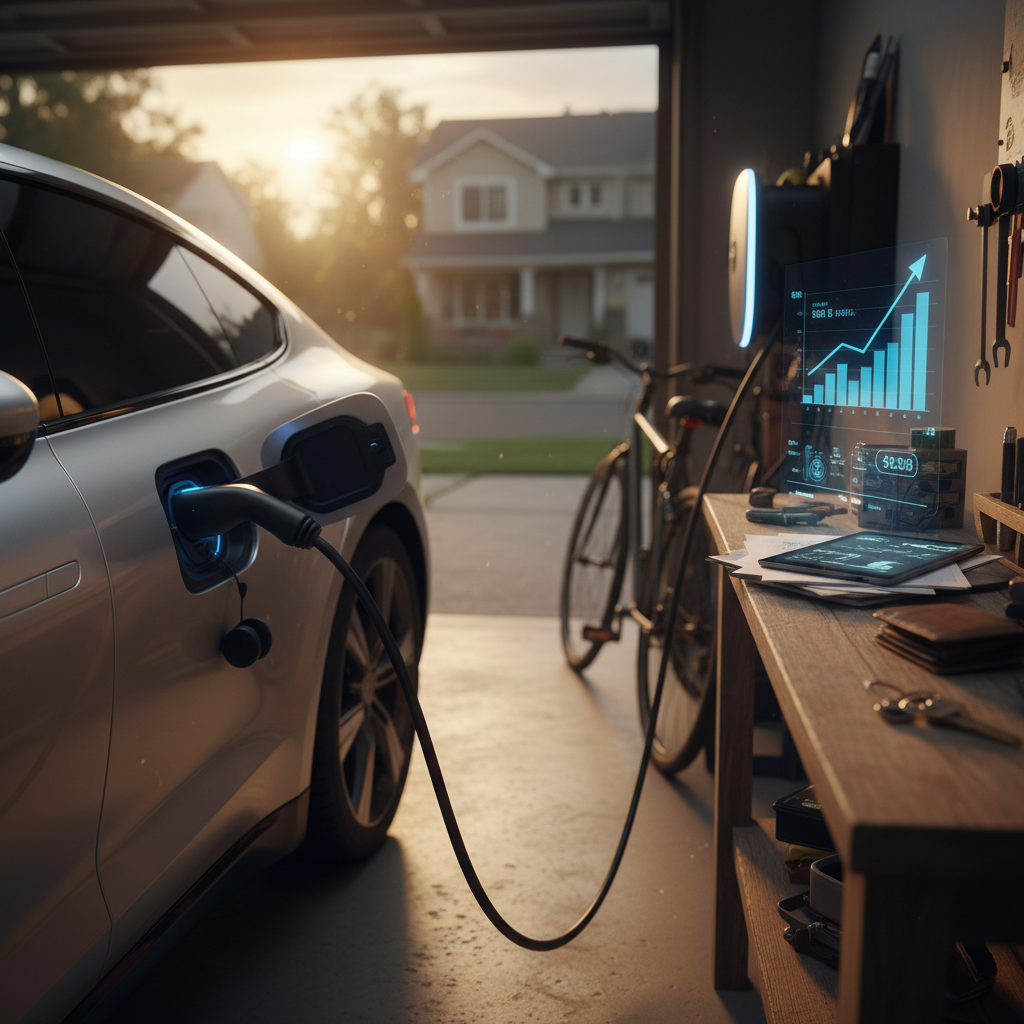
Use your app or the in‑car menu to warm the cabin and battery while the car is still on the charger. That way, grid power does the heavy lifting and you start your drive with a warm pack and a full range estimate.
Use fast charging thoughtfully
Cold batteries charge slower at DC fast chargers, and the car may burn extra energy heating the pack. For short hops around town, rely on Level 2 home or workplace charging, and save DC fast charging for trips where it really matters.
Pro tip: Don’t fear 100%, just time it
Step 2: Set up smarter winter charging habits
Charging is where winter catches many new EV owners off guard. The car that filled quickly on a mild fall day can feel sluggish at the same fast charger when it’s 10°F with a frozen pack. A few changes to your routine can make charging in winter feel ordinary again.
- If you can, use **Level 2 home charging** overnight so the battery stays warmer from recent use and charges at a gentler rate.
- Turn on **scheduled charging** so the car finishes charging just before you leave; the pack will be closer to its ideal temperature.
- On road trips, **navigate to the charger in your car’s built‑in nav** so it can precondition the pack on the way (many EVs do this automatically).
- Avoid arriving at a DC fast charger with less than **5–10%** in deep cold; the car may limit power to protect the pack, stretching out your stop.
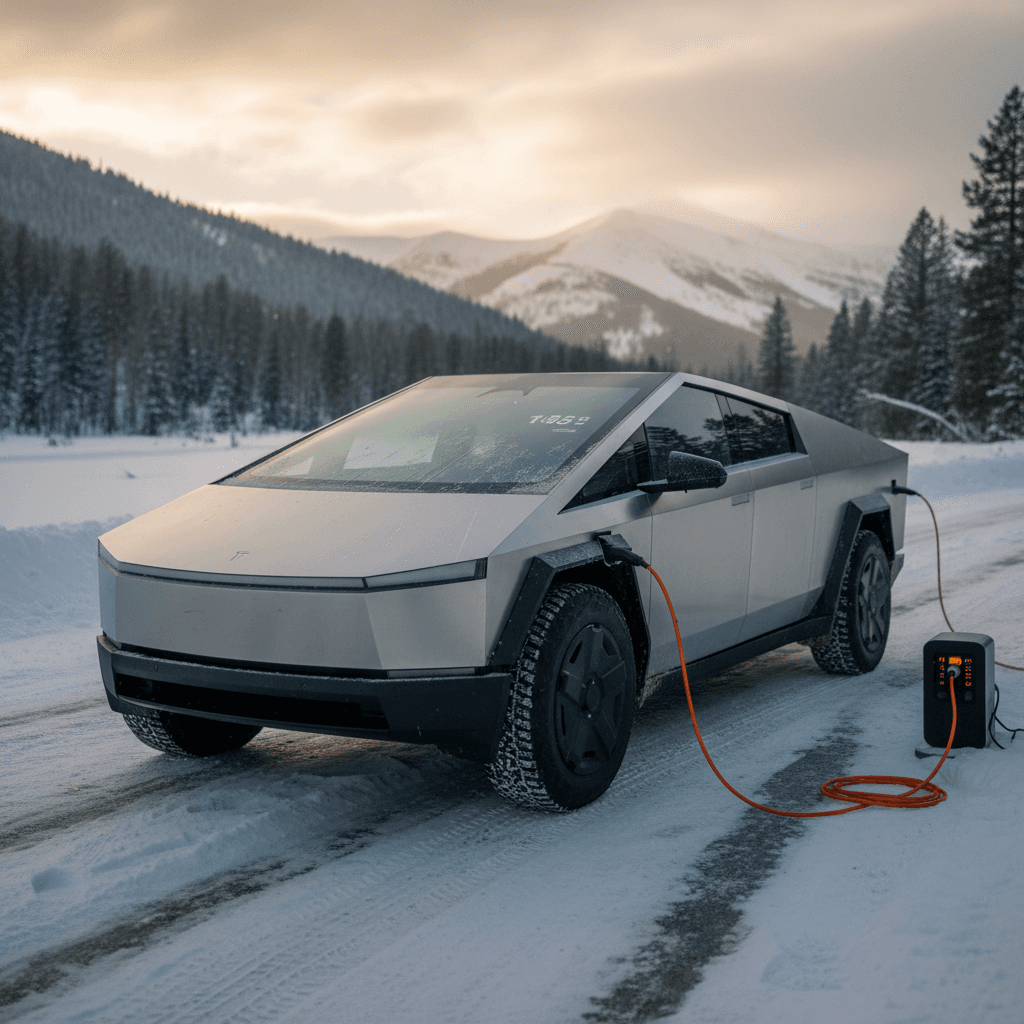
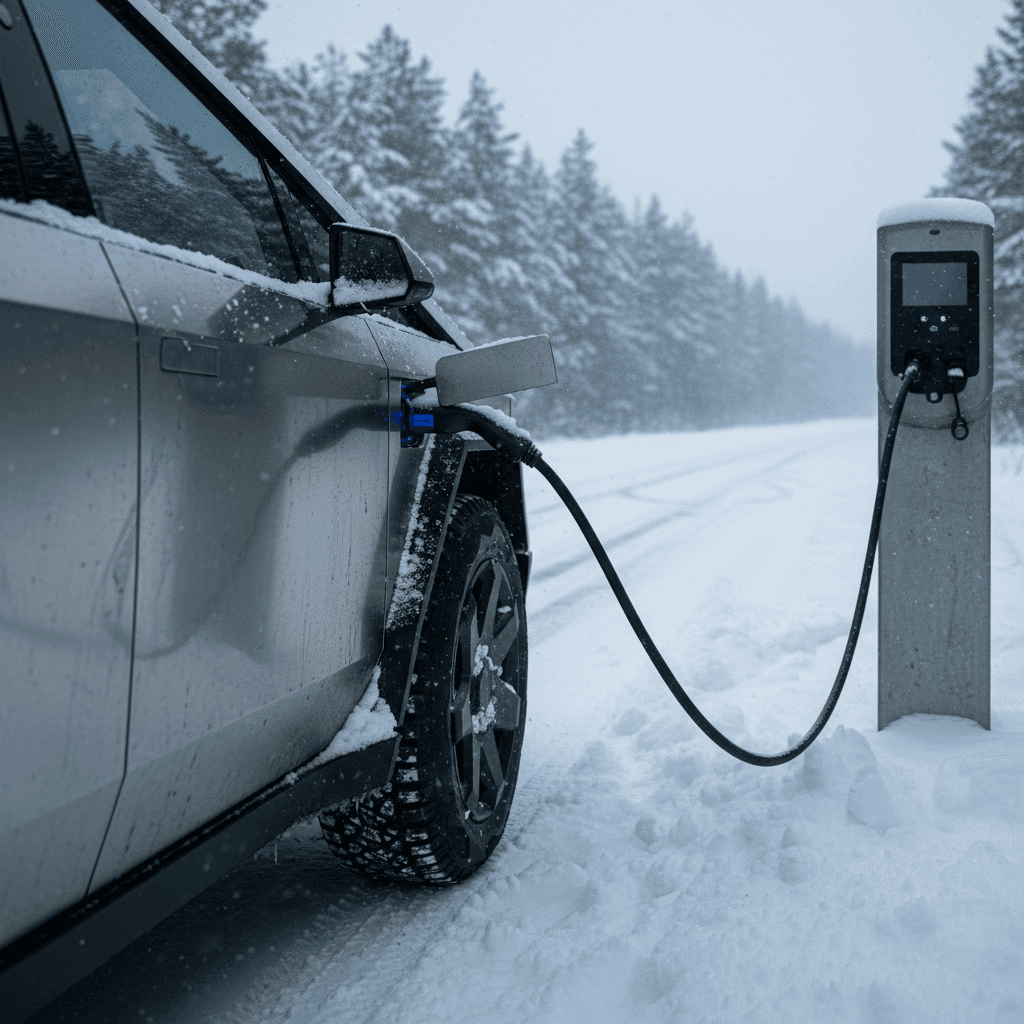
- At home, if your cord or connector lives outside, knock off ice and snow gently before plugging in so latches can fully engage.
Watch for frozen cables and ports
Step 3: Tires, grip, and braking for snow and ice
Electric cars are heavy and deliver instant torque, which is great for traction, until you’re on ice. Winterizing your EV means thinking about **tires and stopping distance**, not just batteries and range.
Choosing the right tires for your winter
Match your rubber to your climate, not someone else’s Instagram feed
Dedicated winter tires
If you live where roads stay icy or snow‑packed for weeks, full winter tires offer the best grip and confidence. They shorten stopping distances dramatically but may reduce efficiency a bit.
All‑weather tires
In mixed climates, cold rain, occasional snow, clear pavement, “all‑weather” tires with the three‑peak mountain snowflake (3PMSF) rating can be a great compromise between traction and efficiency.
All‑season tires
If snow is rare and your roads are plowed quickly, quality all‑season tires can be enough. Just drive more gently in the few truly bad days and consider skipping optional trips when it’s icy.
Don’t ignore tire pressures
Also remember that **regenerative braking behaves differently on slick surfaces**. Many EVs automatically reduce regen when it’s cold or when wheels slip, so the car may coast more than you’re used to. Give yourself extra following distance and get in the habit of gentle, early braking.
Step 4: Use climate controls the smart way
Staying warm is non‑negotiable. The trick is to use your EV’s climate system in a way that keeps you comfortable without throwing away range. This is where your car’s hardware, heat pump vs. resistive heater, really shows up, but the habits are the same either way.
Lean on seat and wheel heaters
Heated seats and steering wheels sip power compared with blasting hot air through the whole cabin. Set the cabin temperature a bit lower, say 66–70°F, and let the seat heater do the heavy lifting. You’ll feel just as warm with less hit to range.
Preheat before you unplug
Start cabin preheating 10–20 minutes before you leave, while the car is still plugged in. You step into a warm cabin, the windows are defrosted, and your traction battery didn’t pay for any of that warmth. Many EVs let you schedule this automatically for weekday mornings.
Small tweaks, big comfort
Step 5: Plan winter trips with realistic range
Daily commuting in winter is straightforward once you build a routine. Road trips take a bit more planning, especially in regions where chargers are farther apart. The goal isn’t perfection; it’s avoiding the kind of nail‑biting arrival that makes you swear off winter EV travel.
Simple planning rules for EV winter road trips
Use these rules of thumb as a starting point, then adjust based on your specific car and climate.
| Condition | What to assume | How to plan |
|---|---|---|
| Cold but above freezing (32–45°F) | ~10–20% less range | Plan legs at 75–80% of your usual comfortable distance. |
| Below freezing (15–32°F) | ~20–35% less range | Plan for 65–75% of rated range and arrive with 10–20% charge. |
| Deep cold (0–15°F) | ~35–45% less range (or more) | Shorten legs further, use in‑car nav to precondition, and avoid pushing below 15% unless you know the route well. |
| Heavy snow / headwinds | Additional drag and heater use | Treat it like the next colder band: assume another 5–10% hit to range. |
These guidelines are intentionally conservative so you have a buffer for headwinds, traffic, or colder‑than‑expected temps.
Build in “warm” stops
Before a long winter drive, it’s worth checking that your charging networks and payment methods are sorted. Apps like PlugShare or your vehicle’s own route planner can show which stations tend to be reliable in your area. If you’re driving a used EV you just bought, consider a shakedown trip, a shorter winter drive with one planned fast‑charge stop, before a long holiday journey.
Step 6: Protect your EV when it’s parked or stored
A lot of winter “breakdowns” aren’t dramatic failures; they’re cars that sat for a week in sub‑zero temps with a nearly empty battery and woke up cranky. Protecting your EV when it’s parked is part of winterizing, especially if you travel or leave a second car sitting for long stretches.
- Whenever possible, **park indoors or under cover**. Even an unheated garage keeps wind and frost off the car and helps the battery stay a bit warmer.
- If you’ll leave the car for more than a few days, park it with **40–70% state of charge** and, if safe to do so, leave it plugged in so the car can manage itself.
- Avoid storing your EV for weeks at **very low state of charge (<20%)** in bitter cold; that’s when low‑voltage support systems can slowly drain the pack.
- Brush snow and ice off gently, especially around doors, the charge port, and cameras. Avoid hot water, which can refreeze into a sheet of ice.
- If you use portable charging gear, store cables off the ground when not in use so they don’t freeze into snowbanks or ice puddles.
What about long-term storage?
Winter tips if you’re shopping for a used EV
Shopping for a used EV when there’s snow on the ground can actually be an advantage: you get to see how the car behaves in the conditions you care about most. It’s also a good moment to look closely at **battery health, thermal management, and tires**, the three big winter performance pillars.
Cold-weather questions to ask about a used EV
These clues tell you how the car will behave when the temperature drops
How’s the battery, really?
Ask for a recent battery health report. With Recharged vehicles, you’ll get a Recharged Score Report that shows verified battery health, so you can see how much capacity remains and how that might affect winter range.
Does it have a heat pump?
Many newer EVs offer an efficient heat‑pump system instead of (or in addition to) resistive heat. A heat pump can reduce winter range loss and make preconditioning more efficient, especially in moderate cold.
What tires and wheels are included?
Find out whether the car comes with a dedicated winter wheel‑and‑tire set or just all‑seasons. That can save you hundreds of dollars and a big chunk of time before the first storm of the season.
How was it charged and stored?
Ask about the previous owner’s habits: mostly home Level 2, or constant DC fast charging? Garaged or always outside? A car that lived on gentler charging and saw indoor parking will usually have a happier battery in cold weather.
Where Recharged fits in
Ready to find your next EV?
Browse VehiclesWinter EV questions, answered
Frequently asked questions about winterizing an electric car
Key takeaways: A calm approach to winterizing your EV
Winter in an electric car feels different at first because the car is honest with you about every watt it uses. Once you understand what’s happening, and put a few routines on autopilot, it stops being stressful and starts feeling like just another season.
- Expect some temporary range loss in the cold; plan around it instead of fearing it.
- Use **preconditioning and smart charging schedules** to start every drive with a warm cabin and battery.
- Match your **tires** and driving style to your climate so traction and stopping distance aren’t a question mark.
- Keep your EV **plugged in when you can**, especially during deep cold snaps or long stretches of parking.
- If you’re buying used, look closely at **battery health and winter equipment**, and lean on tools like the Recharged Score to see past the odometer.
Do those things, and your electric car won’t just survive winter, it’ll quietly, confidently conquer it. And when you’re ready for your next EV, especially a used one, consider starting your search with Recharged, where battery health, fair pricing, and real‑world usability, including winter performance, are part of the conversation from day one.