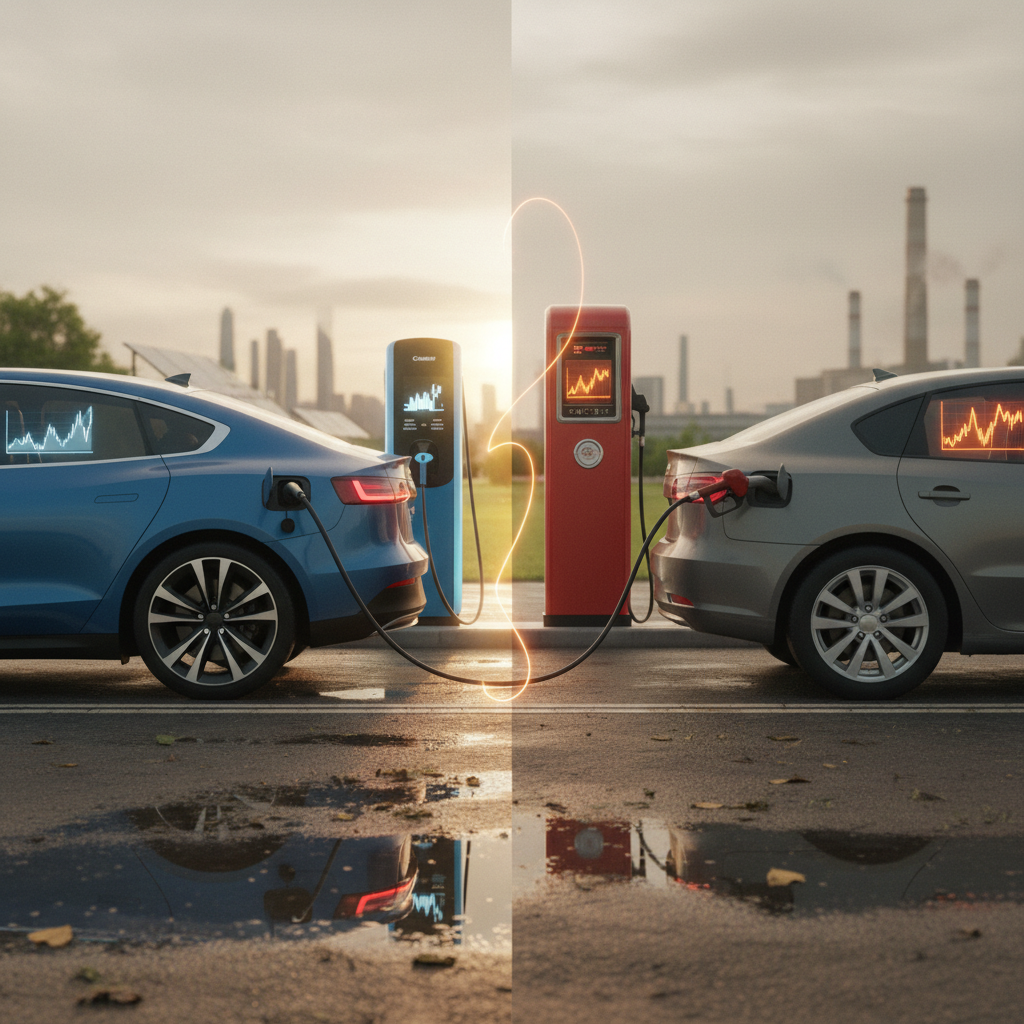
If you drive an electric vehicle or hybrid and you’re not sure how to use regenerative braking, you’re leaving free range on the table. Regen is one of those quietly brilliant EV tricks: used well, it makes your car smoother, more efficient, and easier on the brakes. Used poorly, it just feels grabby and weird. Let’s fix that.
Quick definition
What is regenerative braking, really?
In a gas car, every time you hit the brake pedal, you’re turning motion into heat. All that energy you just spent getting the car up to speed vanishes into your brake rotors. In an EV or hybrid with regenerative braking, the story changes: when you slow down, the electric motor flips roles and becomes a generator. Instead of wasting that energy, the car captures a chunk of it and feeds it back into the battery.
Why regen is worth learning to use
The key idea is simple: your EV is constantly deciding how much of your slowing-down is handled by the motor (regen) and how much by the conventional friction brakes. Your job is to drive in a way that lets the car lean on regen as much as possible without being a nuisance to everyone behind you.
How regenerative braking works under the skin
1. Lift off the accelerator
When you ease off the accelerator, the power electronics tell the motor to resist rotation instead of adding torque. That resistance creates a braking force at the wheels.
At the same time, the motor is now acting like a generator, sending current back through the inverter into the battery pack.
2. Add the brake pedal
Press the brake and the car layers in more regen first, then blends in friction brakes as needed. This is called blended braking.
If you slam the pedal in a panic stop, the car will prioritize friction brakes and stability control over regen; safety comes first, not energy savings.
Most EVs and many plug-in hybrids let you choose how aggressive that initial regen feels when you lift off the accelerator, light glide, medium, or heavy “one‑pedal” style. Understanding and choosing the right setting is the difference between a car that feels natural and one that makes your passengers queasy.
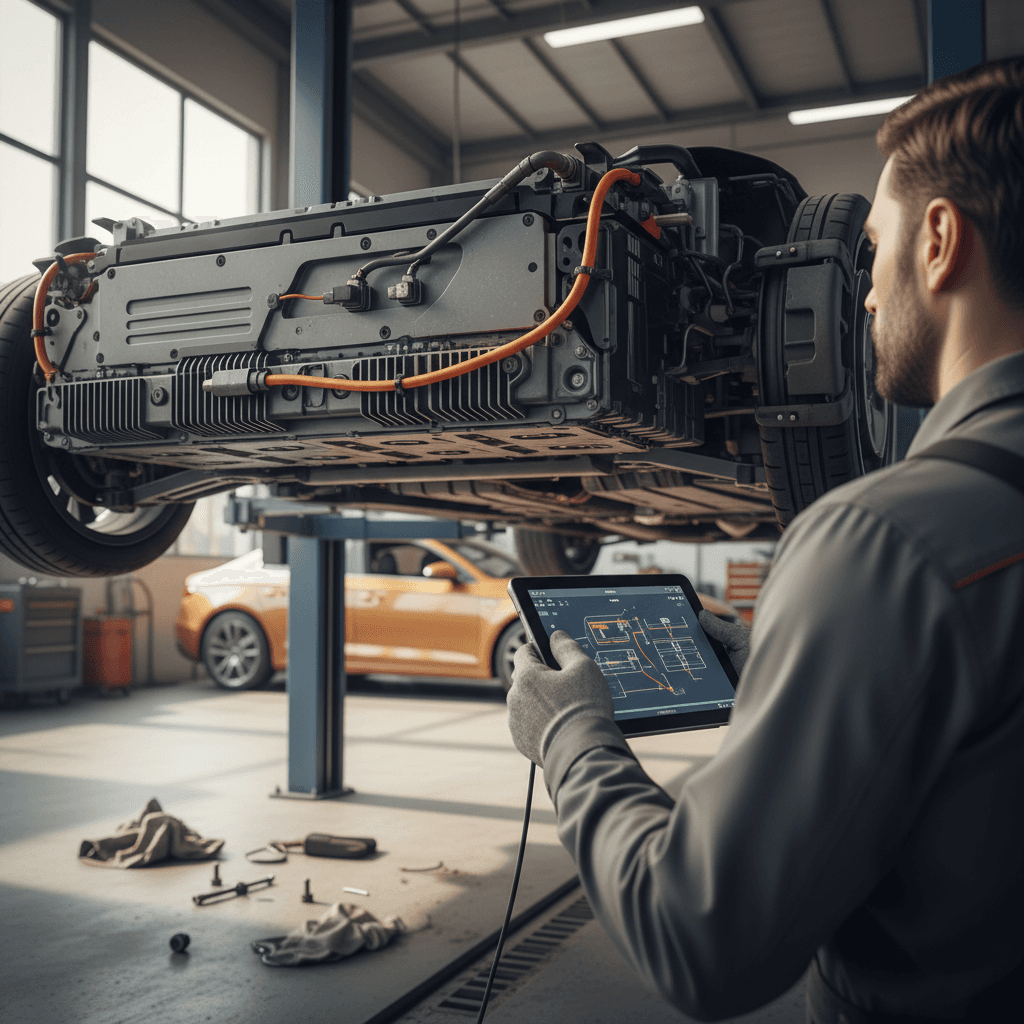
Why using regen actually matters
Three big payoffs from mastering regen
This isn’t just a party trick, it changes how the car lives with you.
More real-world range
Over thousands of miles, letting the car harvest energy every time you slow down adds up. In stop‑and‑go or urban driving, smart regen use can effectively give you a noticeable bump in usable range without changing your battery.
Lower maintenance costs
Because the motor does much of the slowing, brake pads and rotors last longer. Fewer brake jobs over the life of the car mean lower running costs, especially attractive if you’re buying a used EV.
Smoother, calmer driving
Regen rewards anticipation. You start lifting earlier, time lights, and brake less abruptly. The result is a drive that feels smoother and more premium, regardless of whether your badge says Tesla, Hyundai, Ford, or Nissan.
Where Recharged fits in
How to use regenerative braking in different vehicles
Manufacturers all believe they’ve built the Goldilocks of regen systems, which means every car is a little different. The core principles are the same, but the knobs and buttons move around.
Typical regenerative braking controls by vehicle type
Exact controls vary by model, but this gives you a realistic starting point.
| Vehicle type | How regen is controlled | What you’ll feel |
|---|---|---|
| Tesla, Polestar, most modern EVs | Drive mode menu: choose low/standard/strong or one‑pedal | Strong lift‑off slowing, car can come nearly to a stop without touching the brake |
| Hyundai/Kia, some Nissan, VW | Paddles behind steering wheel plus drive mode settings | Tap left paddle to add more regen "on demand" as you slow |
| Ford, GM, many others | Drive mode plus separate one‑pedal or "L" mode | Normal Drive feels like a light ICE car; turning on one‑pedal adds strong decel |
| Hybrids (Prius, RAV4, etc.) | Mostly automatic via brake pedal, sometimes an extra "B" or "L" gear | Lift‑off feels gentle; press brake smoothly for more regen, full pedal adds friction |
Always confirm specifics in your owner’s manual, but here’s how most cars let you control regen.
Hybrids vs full EVs
Step-by-step: how to use regenerative braking every day
Everyday habit loop for better regen
1. Turn on or increase regen (safely)
In a low‑traffic area, select a medium or strong regen mode or one‑pedal drive if your car offers it. Give yourself a few drives to adapt before cranking it to max.
2. Practice lifting earlier, not harder
Pick a familiar stop sign. Instead of waiting and braking, lift off the accelerator sooner and let regen slow you. Aim to come to a smooth halt using mostly lift‑off plus light brake pedal at the very end.
3. Watch your energy display
Most EVs show a bar or gauge that swings one way when you’re using power and the other when you’re recovering it. Treat it like a game: keep that bar in the regen zone as you slow down.
4. “Feather” the accelerator
One‑pedal driving is all about nuance. A little pressure reduces regen and keeps you gliding; fully off the pedal gives you maximum slowing. Your right foot becomes both accelerator and primary brake.
5. Use the brake pedal like a scalpel
The brake pedal is still there for emergencies and fine control. Press smoothly; the car will add more regen first, then friction. Stabbing at the pedal wastes energy and makes passengers miserable.
6. Review after a week
After a few commutes, check your average efficiency or range estimates. You should see calmer driving, fewer abrupt stops, and often a noticeable improvement in miles per kWh.
Fine‑tuning your regenerative braking settings
Finding the right regen setting is like choosing steering weight: too light feels vague, too heavy feels like a workout. Here’s how to dial it in without turning every commute into a science project.
Choose the right regen level for your driving
You don’t have to use max regen all the time for it to be useful.
City & stop‑and‑go
Best choice: Medium to strong regen or one‑pedal.
Lots of lights and low speeds mean plenty of chances to harvest energy. Strong regen lets you modulate speed mostly with your right foot and use the brake pedal sparingly.
Highway cruising
Best choice: Light regen.
On the highway, you’re mostly maintaining speed. Heavy regen here just makes the car feel twitchy. Light regen plus gentle coasting works better and keeps traffic flow smoother.
Hilly or mountain roads
Best choice: Strong regen, but watch battery level.
Descending long grades is where regen shines. Just remember: when the battery is nearly full, the car will reduce regen and rely more on friction brakes, so adjust your expectations and your following distance.
Good news: you can’t really "overuse" regen
Regen vs coasting: when to use which
There’s a bit of folklore that says you should always use regen, all the time. That’s not quite right. Sometimes the most efficient thing you can do is…nothing at all.
When regen is your friend
- Approaching a known stop: Red light, stop sign, toll booth, traffic jam, lift early and let regen do the heavy lifting.
- Descending hills: Use regen to control speed without riding the brakes; you’ll see energy flowing back into the pack.
- Managing speed in traffic: Small lifts off the accelerator to shave 3–5 mph are perfect regen moments.
When coasting is better
- Timing a green light: If you think the light will change by the time you arrive, a gentle coast may avoid a full stop entirely, which is always more efficient than stopping and starting.
- Free‑flowing highway: On a slight downhill, a light coast keeps you at speed with minimal energy use.
- Maintaining momentum: If you’ll need that speed a moment later, scrubbing it off with regen just means you’ll have to spend energy to regain it.
A simple rule of thumb
Using regenerative braking in rain, snow, and mountains
Regen is fundamentally just controlled deceleration at the driven wheels, which means traction still matters. Modern stability systems are very good at managing this, but you should know how your car behaves at the margins.
Adjust your regen habits to conditions
Same physics, less grip.
Wet roads
Most EVs will automatically limit aggressive regen on slippery surfaces, but you can help by choosing a milder mode. Avoid abrupt lift‑off mid‑corner; do your slowing in a straight line before the turn, just as you would in a gas car.
Snow & ice
Dial regen down to low in heavy snow or on ice and leave extra distance. Sudden, strong deceleration at one axle can unsettle the car, especially on mixed‑traction surfaces. Smooth, early lifts are your friend here.
Long downhill grades
On extended descents, use strong regen plus a lower gear mode if your car offers it. Keep an eye on battery state of charge; as it approaches full, expect the car to gradually reduce regen and lean more on the friction brakes.
Don’t rely on regen alone in low grip
Common regen mistakes to avoid
- Cranking regen to maximum on day one and scaring passengers with jerky stops. Start at medium and work up.
- Tailgating because you “trust one‑pedal.” Regen doesn’t cheat physics; leave proper following distance.
- Expecting full regen with a full or very cold battery. If lift‑off suddenly feels weaker, the car is protecting the pack.
- Riding the brake pedal lightly while also pressing the accelerator. You’re confusing the car’s brain and wasting energy.
- Treating regen like a gimmick and never experimenting with the settings. A few days of deliberate practice can transform how the car feels.
The one thing regen can’t fix
Regenerative braking FAQ
Regenerative braking: your top questions answered
Closing thoughts: make the car work for you
Learning how to use regenerative braking isn’t about obsessing over graphs on your dash; it’s about letting the car do more of the work. Once you get comfortable lifting earlier, feathering the accelerator, and choosing the right regen level for the moment, the whole driving experience changes. The car feels calmer, more composed, and, quietly but relentlessly, more efficient.
If you’re already in an EV, spend the next week paying attention to when regen kicks in and how far you can go on a charge when you lean into it. If you’re still shopping, look at how different models handle regen and one‑pedal driving, right alongside range and price. At Recharged, every used EV comes with a transparent Recharged Score battery health report and EV‑specialist support, so you can find a car whose driving character, including its regenerative braking, fits you, not the other way around.