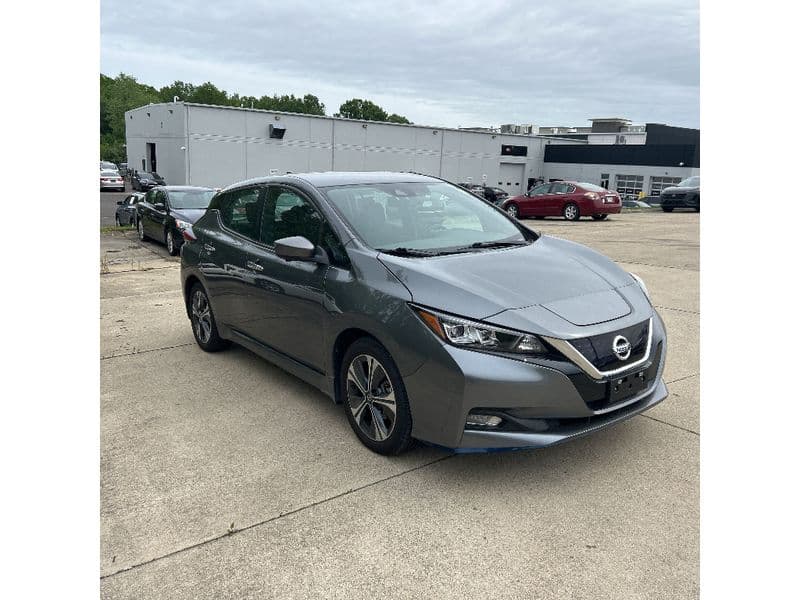
If you own a Nissan Leaf, you’ve probably heard the horror stories about resale value. That makes the question “What’s the best place to sell my Nissan Leaf?” more than just curiosity, it’s the difference between leaving thousands on the table or putting that money toward your next car.
Quick answer
Why the best place to sell your Nissan Leaf matters
The Leaf is one of the most affordable used EVs on the road, but it’s also one of the hardest-hit by depreciation. Many five‑year‑old Leafs have lost well over half of their original MSRP. That’s bad news when you bought new, but it can be good news if you bought used and are now trading up. Where you sell it determines how much of that remaining value you actually see.
Nissan Leaf resale snapshot (2024–2026 data)
Why this is different from a gas car
How Nissan Leaf resale value really works in 2025–2026
Why Leafs depreciate so hard
- Early tech penalty: Older Leafs lack liquid battery cooling, so many packs lost capacity faster than later EVs.
- Limited fast charging: CHAdeMO DC fast charging is being phased out in favor of CCS and NACS, shrinking long‑trip usefulness.
- New EV price wars: Aggressive discounts and tax credits on new EVs push used prices down, especially for older tech.
Why they’re still easy to sell
- Great commuter cars: For short daily drives, a Leaf is cheap to run and pleasant to live with.
- Low entry prices: Shoppers see them as an affordable gateway into EV ownership.
- Tax-credit sweet spot: Many used Leafs qualify for the federal used EV credit, which can effectively raise what a dealer or marketplace can pay.
In other words, your Leaf may be worth more than the scary depreciation headlines suggest, but only if you present it to buyers who understand EVs and can verify its battery health. That’s the lens we’ll use as we look at each place you can sell.
Main places to sell a Nissan Leaf, compared
Where should you sell your Nissan Leaf? At-a-glance comparison
Use this table to see how the major selling channels stack up on price, speed, effort, and EV expertise.
| Option | Typical Price vs. Private Sale | Time & Effort | EV / Battery Expertise | Best For |
|---|---|---|---|---|
| Dealer trade-in | Lowest (often thousands less) | Very low | Low to medium | Buying something else the same day and only caring about convenience |
| Instant-offer car sites | Low to medium | Low | Low to medium | Quick sale without stepping into a showroom |
| Private sale (DIY) | Highest potential | High | Depends on buyer | Maximizing every dollar and comfortable handling the process yourself |
| EV-specialist marketplace (e.g., Recharged) | High, often near private-sale money | Low to medium | High | Owners who want strong pricing, EV‑savvy buyers, and help showcasing battery health |
No single option wins on every metric. The best place to sell your Leaf depends on your priorities for price, convenience, and how EV‑savvy your buyer is.
A smart strategy
Dealer trade-in: fast and simple, but usually the lowest
Trading your Leaf in at a Nissan or multi‑brand dealer is the path of least resistance. You hand them the keys, sign some papers, and your Leaf becomes yesterday’s problem. In return, you accept that you’re probably getting the lowest price for the car, especially if it’s an older Leaf with a shrinking battery and CHAdeMO fast charging.
- One trip, one transaction: roll your Leaf into the same deal as your next car purchase.
- Tax advantage in some states: trading in can reduce taxable price on your new car, partly offsetting the low offer.
- Dealers often undervalue EVs, especially Leafs, if they don’t understand battery health or have trouble reselling CHAdeMO cars.
- You have almost no control over how the car is marketed or who it goes to next.
Watch out for this common mistake
Instant online offer sites: convenient middle ground
Instant‑offer sites and national car‑buying services promise a quick online quote and fast pickup. You enter your VIN, mileage, and a few condition questions, upload photos, and receive an offer that’s usually good for several days. On a mainstream gas car, these offers can be competitive. On a Leaf, they’re often better than dealer trade‑ins but still shy of what a well‑presented EV can bring.
Instant-offer sites: pros and cons for Leaf sellers
Know when these services make sense, and when to look elsewhere.
Advantages
- Speed: Many sales close in a day or two.
- Convenience: Pickup from your driveway in many areas.
- Simple paperwork: They handle title, payoff, and registration.
Trade-offs
- Leaf “penalty”: Algorithms may be conservative on older EVs.
- Limited EV nuance: They may not pay extra for great battery health.
- Reinspection risk: Offer can drop after in‑person inspection.
Tip for getting the best instant offer
Private sale (list-it-yourself): top dollar with more work

If your priority is squeezing out every last dollar, selling your Nissan Leaf privately is hard to beat, especially if it still has strong battery health and relatively low miles. You control the asking price, the description, and who you sell to. But you also take on the work and risk that dealers and instant‑offer companies normally absorb.
Checklist: what private buyers look for in a Leaf
1. Honest, detailed range information
Share what you actually see for daily commuting and highway drives, not just the original EPA number. Mention climate, terrain, and whether you use climate control heavily.
2. Proof of battery health
Screenshots from LeafSpy, a third‑party inspection, or a professional report like the <strong>Recharged Score</strong> give buyers confidence they’re not inheriting a tired pack.
3. Transparent charging history
Explain where and how the car was charged, mostly home Level 2? Frequent DC fast charging? This matters with Leaf chemistry and early packs.
4. Clear photos and records
Walk‑around exterior and interior photos, tire tread, charge port, and infotainment. Include maintenance invoices and any warranty work.
5. Straight talk on limitations
Buyers who understand what they’re getting, range, lack of CCS/NACS fast charging, winter performance, are more likely to stay happy and complete the deal.
Know your risk tolerance
EV-specialist marketplaces like Recharged: balanced “best of all”
Between lowball trade‑ins and high‑effort private listings sits a newer option: EV‑specialist marketplaces. Recharged is built around used electric vehicles only, which changes both how your Leaf is evaluated and how it’s marketed. Instead of treating battery health as a mystery, it becomes the star of the show.
What an EV-focused marketplace can do for your Leaf
How Recharged is different from a generic used-car platform.
Verified battery health
EV-savvy buyers
Flexible ways to sell
How a Recharged sale typically works
- Start online with your VIN, photos, and basic condition details.
- Get a data-backed offer range informed by current Leaf market data and your battery’s health.
- Choose to sell outright, trade in, or consign, depending on how much time vs. money you want to invest.
- Recharged handles marketing, nationwide buyer interest, and paperwork, and can arrange pickup or delivery in many cases.
Why this often beats other options
- Higher ceiling than instant-offer sites: Buyers see trusted diagnostics, not just an odometer number.
- Less hassle than DIY: You’re not fielding late‑night messages or screening buyers yourself.
- Transparent pricing: The same Recharged Score that reassures buyers also makes your Leaf easier to price fairly.
Where Recharged fits best
Ready to find your next EV?
Browse VehiclesShould you sell your Leaf now or wait?
Timing matters more for a Leaf than for many other used cars. Battery‑only range and charging standards are evolving fast. That means today’s decent‑range commuter can look dated quickly if you hold it too long, especially if the battery is already down a bar or two.
Sell now or wait? How to decide
Use these guidelines to think about timing, not just price.
Selling sooner makes sense if…
- You’ve already lost 1–2 capacity bars and winter range is getting tight.
- You’re moving to longer commutes or more highway miles than the car can comfortably support.
- You want to take advantage of strong used-EV incentives before they change again.
Waiting might be okay if…
- Your Leaf still shows all 12 capacity bars and comfortably covers your daily driving.
- You’ve already absorbed the worst of the depreciation and don’t need to free up equity immediately.
- You plan to keep it as a low‑cost city or second car even after buying something else.
Think in terms of total cost, not just resale
How to get more for your Nissan Leaf, anywhere you sell
7 steps that reliably boost Nissan Leaf resale value
1. Get a real battery health check
Battery condition is everything on a Leaf. Tools like LeafSpy or a professional diagnostic, such as the <strong>Recharged Score battery health test</strong>, help you price the car correctly and defend that price with data.
2. Fix simple, high-ROI issues
Replace worn wiper blades, burned‑out bulbs, and inexpensive trim pieces. A basic detail and a fresh cabin filter can make the car feel years newer to a buyer.
3. Gather every record you can
Service receipts, recall work, tire and brake invoices, even charging‑equipment receipts tell a story of a car that’s been cared for, not neglected.
4. Charge to a reasonable level for showings
Avoid showing the car at 5% state of charge. Aim for 60–80% so buyers can take a decent test drive and see realistic range estimates on the dash.
5. Be upfront about fast-charging limitations
If your Leaf uses CHAdeMO, make that clear and position it honestly as a commuter or city car. Buyers who need cross‑country road trips should probably be looking at other EVs anyway.
6. Know your numbers before you talk price
Check trade‑in, private‑party, and retail pricing for similar Leafs, then adjust up or down for battery health and mileage. Going in blind is how sellers get talked down unnecessarily.
7. Use photos that highlight EV-specific details
Include shots of the charging port, included charging cables, dash range display, and battery screen, not just generic exterior angles.
Step-by-step: choosing the best place to sell your Leaf
Pick your best-selling path
If you value maximum convenience
Get dealer trade‑in quotes from at least two stores, ideally including a Nissan dealer.
Pull instant offers from 1–2 online car‑buying services for comparison.
If one of those numbers feels acceptable and you’re buying something else today, take the best net deal and move on.
If you want strong price with less hassle
Get a battery health check or <strong>Recharged Score Report</strong> so you know where you stand.
Request an offer or consignment evaluation from Recharged or another EV‑specialist marketplace.
Compare that net to your best dealer/instant‑offer quote. If it’s meaningfully higher, but you don’t want to run your own listing, this is often your sweet spot.
If you want absolute top dollar and don’t mind work
Collect your battery report, photos, and service records first.
Research pricing for Leafs with similar mileage and state‑of‑health, then price yours competitively rather than unrealistically high.
List on one or two major classified sites, screen buyers carefully, and be prepared to handle test drives, inspections, and paperwork.
Frequently asked questions about selling a Nissan Leaf
Nissan Leaf selling FAQ
Bottom line: where should you sell your Nissan Leaf?
If you just want your Leaf gone tomorrow and don’t mind leaving money on the table, a dealer trade‑in or instant‑offer site will happily take it off your hands. If you’re willing to hustle for every last dollar, a well‑run private sale can still bring the highest price, provided you can explain battery health clearly and manage the process safely.
For many owners, though, the best place to sell a Nissan Leaf in 2025–2026 is an EV‑specialist marketplace like Recharged. You get EV‑savvy pricing, a professionally documented battery report, national exposure to the right buyers, and help with financing and paperwork, often for a net result that looks a lot like private‑sale money with dealer‑level convenience.
If you’re ready to explore your options, gather your VIN, mileage, and a few photos, then get quotes from a dealer, an instant‑offer site, and Recharged. Seeing the side‑by‑side numbers will make your next step obvious, and you’ll know you chose the best place to sell your Nissan Leaf for your priorities, not someone else’s.