If you’re wondering how to sell a Volkswagen ID. Buzz, you’re not alone. Early owners are discovering that this quirky electric van is lovable, but its resale value is a moving target in a cooling EV market. The good news is that with the right pricing, prep, and sales channel, you can still exit your Buzz without feeling like you left thousands on the table.
Quick take
Why Selling Your VW ID. Buzz Is Tricky Right Now
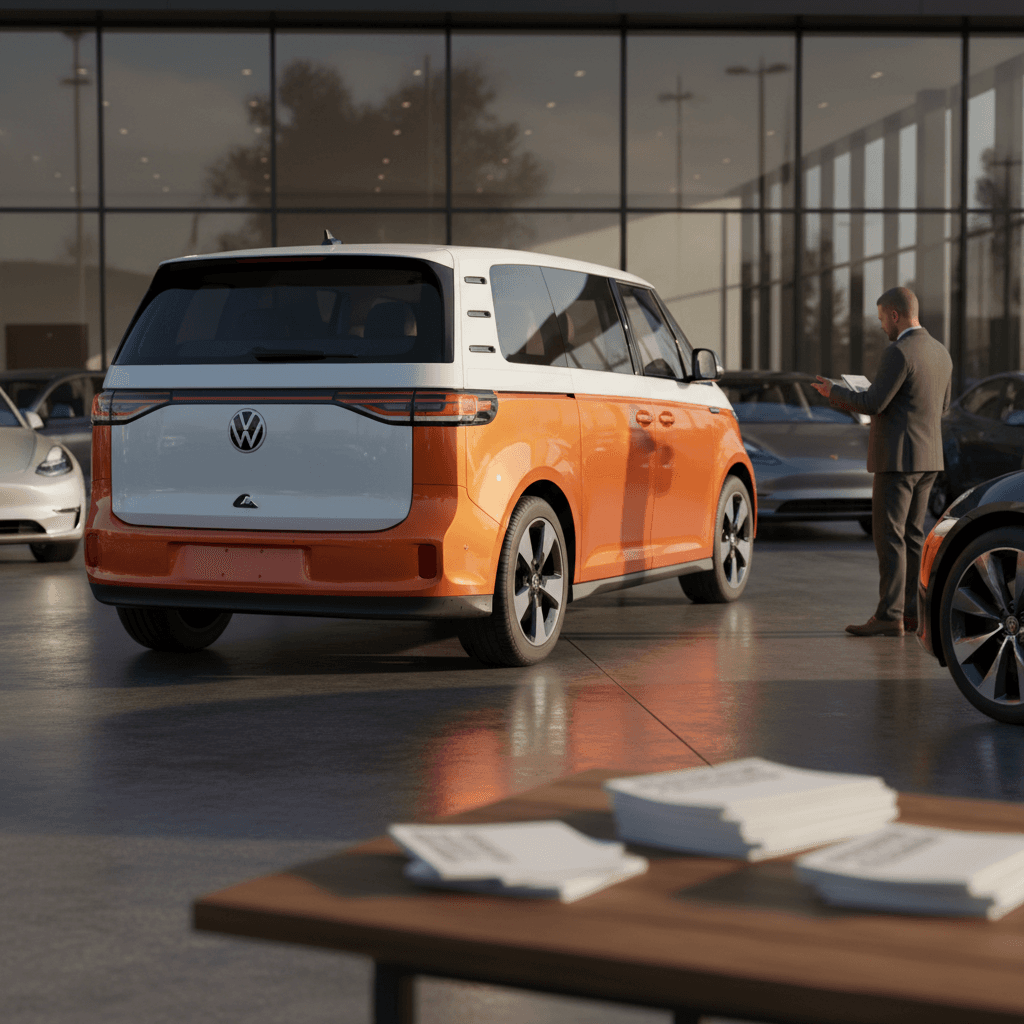
Volkswagen priced the ID. Buzz like a premium SUV, but early U.S. demand has been lukewarm. Typical MSRP lands in the low‑to‑mid $60,000s, and dealer incentives plus soft overall EV demand have already pushed nearly‑new values down. Early used‑market data shows significant “first‑year depreciation” for low‑mile Buzz vans bought near sticker.
VW ID. Buzz Market Snapshot (Early U.S. Used Data)
Reality check on expectations
Decide How to Sell Your Volkswagen ID. Buzz
Before you detail the van or snap a single photo, decide how you want to sell. The right channel depends on your priority: top dollar, fastest exit, or the least hassle.
Main Ways to Sell a VW ID. Buzz
Match the sales channel to your goals, risk tolerance, and timeline.
Dealer Trade‑In
Best for: Convenience, rolling equity into your next car.
- Fastest and simplest path.
- Lower price than private sale.
- Can hide some negative equity.
Use this if you’re already buying or leasing something else and don’t want strangers test‑driving your Buzz.
Instant Offer / EV Marketplace
Best for: Fair price with less hassle.
- Online appraisal, quick firm offers.
- Some handle pickup and payoff.
- Price often between trade‑in and private sale.
Recharged can provide an instant offer or consign your ID. Buzz to our EV‑focused marketplace so you tap into nationwide demand.
Private Sale
Best for: Maximizing sale price.
- Highest potential value.
- More time, more effort.
- You manage showings, test drives, and paperwork.
This works well if you’re patient, comfortable screening buyers, and your van is well‑specced and clean.
Use more than one option
Research What Your ID. Buzz Is Worth
Because the VW ID. Buzz is still new to the U.S. and sold in relatively small numbers, pricing guides don’t have years of data to lean on. That makes your homework even more important. Think of this as triangulation: you’re not looking for one magic number, you’re building a realistic price band.
Key Pricing Sources for Your VW ID. Buzz
Use multiple tools and real listings to pin down a realistic value range.
| Source | What It Gives You | How to Use It | Watch‑Outs |
|---|---|---|---|
| Online appraisal tools (Edmunds, KBB, CarEdge) | Trade‑in and private‑party ranges | Enter your trim, options, mileage, and ZIP | Early data on ID. Buzz may lag behind real‑world market moves. |
| Live listings (Cargurus, Autotrader, dealer sites) | Asking prices on comparable vans | Search by year, trim, mileage, and region | Asking isn’t getting, actual sale price is usually lower. |
| Auction results (Bring a Trailer, Cars & Bids) | True transaction prices | Look at sale date, mileage, and equipment | One crazy high or low sale doesn’t set the whole market. |
| Specialist EV marketplaces (like Recharged) | Realistic EV‑specific pricing | Filter for similar range, age, and battery health | EV‑heavy sites may price more rationally than hype‑driven auctions. |
Combine guide values with live ads and actual transaction offers.
Set a pricing band, not a single number
- Note your van’s in‑service date and mileage, these drive both price and remaining warranty coverage.
- Confirm your exact trim (Pro S, 1st Edition, 4MOTION, etc.) and major options like two‑tone paint or upgraded wheels.
- Check if your ID. Buzz is affected by any recalls; getting those addressed before sale makes buyers more confident.
- Look up payoff amount if you have a loan so you know your minimum acceptable number.
Prep Your ID. Buzz Like a Pro
Clean, well‑documented EVs sell faster and closer to asking price. The ID. Buzz’s playful interior, big glass area, and two‑tone paint show every fingerprint and scratch. Give buyers the sense that your van has been loved, not just used.
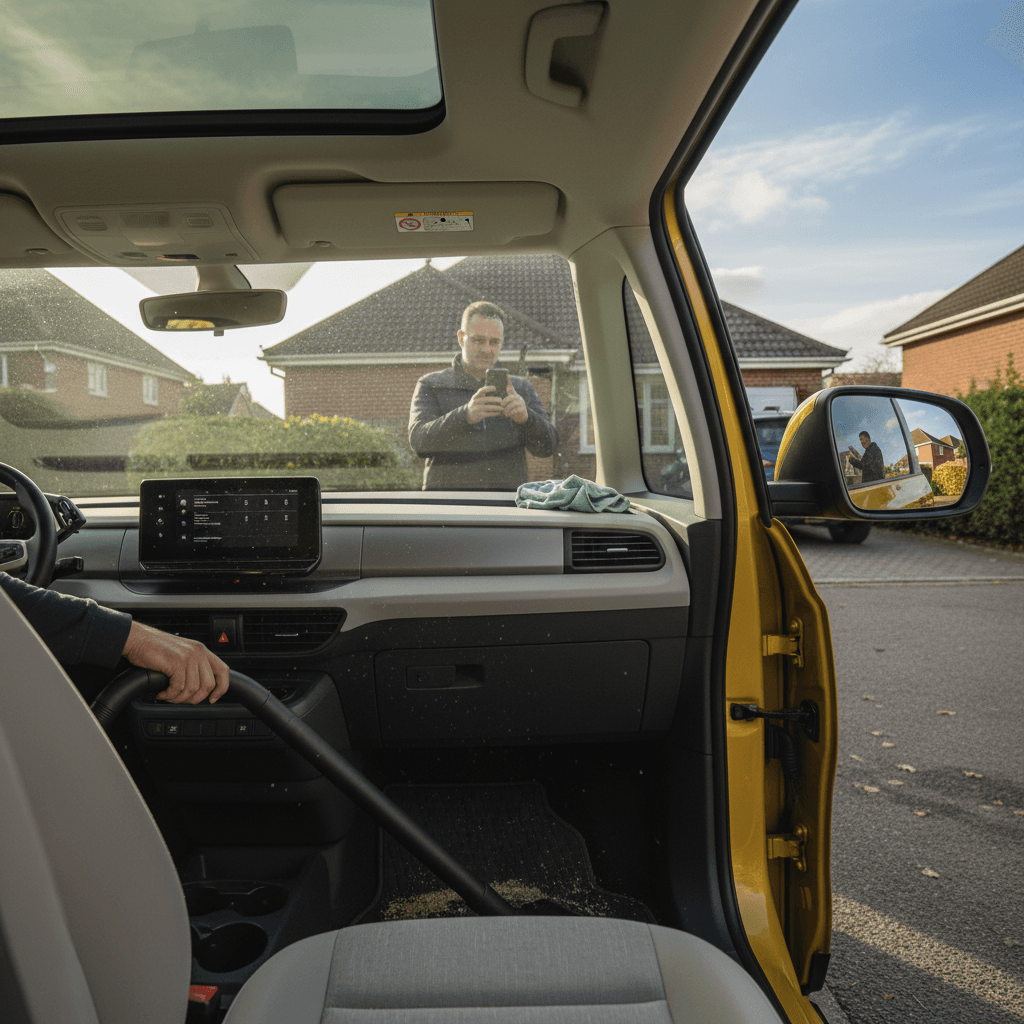
Pre‑Sale Prep Checklist for Your VW ID. Buzz
1. Deep‑clean inside and out
Vacuum every surface, steam‑clean carpets if needed, and wipe high‑touch areas around the steering wheel, screens, and door pulls. Consider a professional detail for swirl‑prone two‑tone paint.
2. Fix the obvious stuff
Replace worn wiper blades, burned‑out bulbs, and missing trim caps. Address any warning lights before you list; unexplained dash lights are deal‑killers for EV shoppers.
3. Gather service records
Print or download service history, recall documentation, and tire receipts. Organized paperwork signals that you’ve cared for the van and makes buyers more comfortable paying a strong price.
4. Address smells and wear
Neutralize pet, smoke, or food odors. Touch up scuffed plastic if you can do it cleanly. Many families look at the ID. Buzz as a people‑mover, so interior condition matters a lot.
5. Charge to a buyer‑friendly state of charge
For showings and test drives, keep the battery at 60–80%. That shows realistic range on the display and avoids range‑anxiety during the test drive.
6. Prep two key sets and accessories
Find both key fobs, any cargo accessories, charging cables, and floor mats. Selling “complete” can be the difference between your van and a similar Buzz down the street.
How Recharged helps here
Ready to find your next EV?
Browse VehiclesBattery Health: The Make‑or‑Break Factor
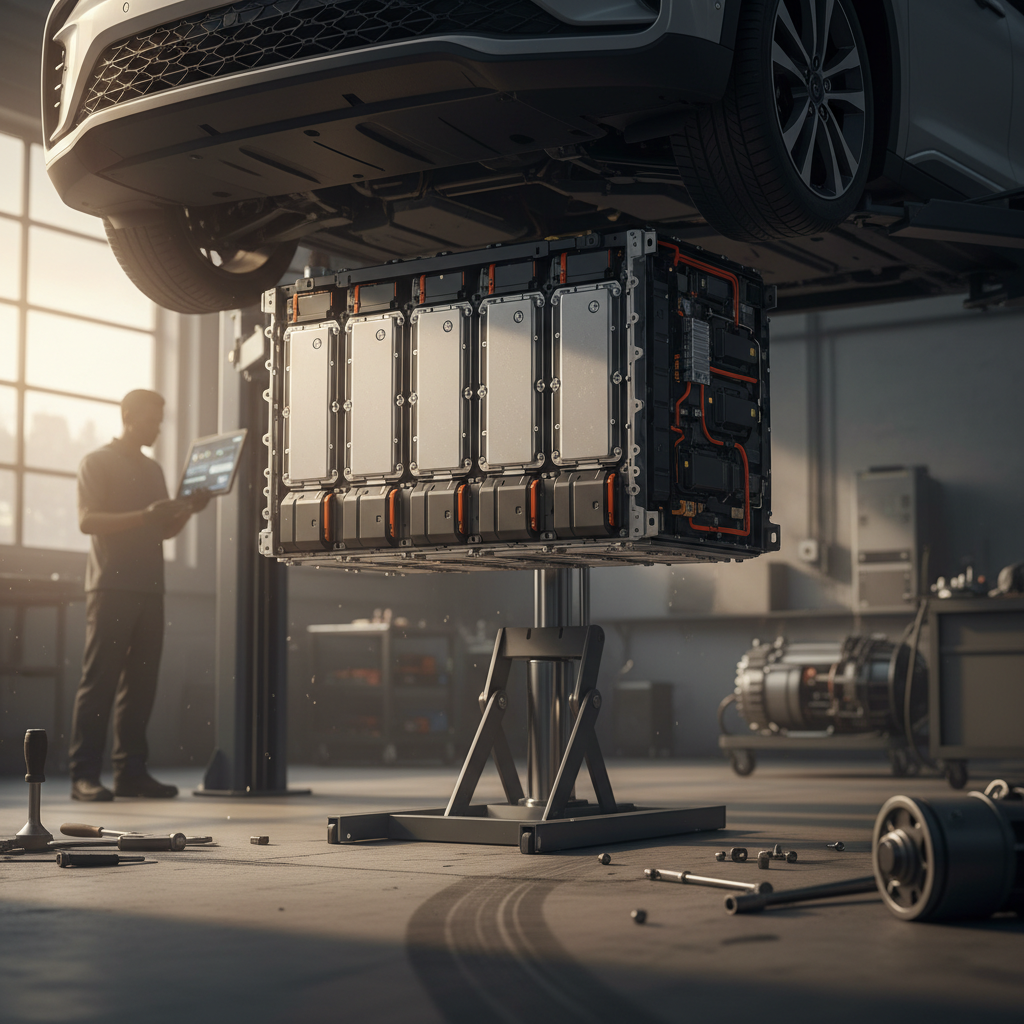
With any used EV, and especially a large, heavy van like the ID. Buzz, buyers worry about the battery. Volkswagen backs the high‑voltage pack for 8 years or 100,000 miles with a promise of at least 70% of original usable capacity over that period. That’s reassuring, but serious buyers will still want a clearer picture of how your specific pack is doing.
1. Understand your remaining warranty
Look up your in‑service date, the day the van was first sold or leased. Subtract that from 8 years, and you’ll know how much factory battery coverage a second owner gets. A Buzz that’s two years old with 18,000 miles and six years of warranty left is far more attractive than a similar‑mileage van that’s already five years into coverage.
2. Provide real battery‑health evidence
Generic “no issues” claims don’t cut it with savvy EV shoppers. They want data:
- Recent screenshots of range at a known state of charge (for example, 80% charge showing 185 miles in normal conditions).
- DC fast‑charging behavior, does it still ramp up to expected speeds?
- An independent battery‑health report, like the Recharged Score, which quantifies usable capacity and charging performance.
Turn battery anxiety into a selling point
Create a Listing That Actually Sells
Most used‑car listings are terrible: dark phone photos, vague descriptions, and no EV‑specific info. That’s your opportunity. A well‑written, transparent listing can justify a higher price and screen out tire‑kickers before they ever message you.
- Shoot photos in soft daylight with the van clean and parked away from clutter.
- Show all four corners, both sides, front and rear three‑quarter views, wheel close‑ups, and detailed interior shots.
- Include clear photos of the main infotainment screen, driver display showing range and state of charge, and seat wear areas.
- Be honest about flaws, rock chips, curb rash, interior stains, so serious buyers don’t feel ambushed in person.
What to Include in Your ID. Buzz Listing Description
Answer the questions serious EV shoppers will ask anyway.
The basics
- Year, trim, drivetrain (e.g., 2025 ID. Buzz Pro S, RWD or 4MOTION).
- Mileage and in‑service date.
- Exterior/interior colors, wheel size, seating configuration.
- VIN so buyers can run reports.
Battery & charging details
- Estimated real‑world range you see at 80–90% charge.
- Home charging setup (Level 2, charging speed, cable included?).
- DC fast‑charging habits and any issues.
- Mention that the 8‑year/100,000‑mile battery warranty transfers, if still in effect.
History & condition
- Number of owners and accident history.
- Service records and recent maintenance.
- Tire brand and remaining tread.
- Any open recalls already addressed.
Skip the hype, stick to facts
Test Drives, Paperwork, and Getting Paid
Once the phone starts ringing, it’s tempting to rush, especially if you’re already shopping for your next vehicle. Slow down just enough to protect yourself. You’re selling a high‑value electric van with complex electronics, treat the transaction like a real business deal.
Safe, Smooth Sale Steps for Private ID. Buzz Deals
1. Pre‑screen buyers
Ask simple questions via text or messaging: Are they pre‑approved or paying cash? Do they understand it’s an EV and what range they should expect? Serious buyers won’t mind.
2. Meet in a safe, public place
Use a bank parking lot or police‑station “safe exchange” area during daylight. Bring a friend. Keep the key fobs with you until you’re in the van for the test drive.
3. Control the test drive
Start as the driver to demonstrate controls, regen modes, and how charging information displays. Then swap seats in a low‑traffic area. Limit drives to a pre‑planned loop.
4. Handle payoff and title correctly
If you still owe money, contact your lender ahead of time for their exact payoff process. For cash deals, use a bank cashier’s check and, ideally, close the transaction at the bank so funds and documents can be verified on the spot.
5. Sign a bill of sale and release of liability
Use your state’s recommended bill‑of‑sale format. Immediately file a release of liability or notice of transfer with your DMV so tickets and accidents don’t follow you.
6. Remove digital traces
Before handing over the keys, factory‑reset infotainment, remove your profile from any connected apps, delete home/work navigation shortcuts, and unpair your phone.
Never cut corners on payment
When to Sell Your VW ID. Buzz
Timing can matter almost as much as mileage. The ID. Buzz entered the U.S. market just as EV incentives were shifting and buyers became more price‑sensitive. On top of that, Volkswagen has paused imports for the 2026 model year, with an updated version expected for 2027. Those dynamics cut both ways.
Reasons to sell sooner
- Depreciation is front‑loaded. The biggest dollar losses typically happen in the first two to three years.
- Warranty is a selling tool. The more factory coverage you can pass along, the easier the sale.
- EV tech moves quickly. If a longer‑range, lower‑priced rival arrives, today’s values can slide further.
Reasons to hold a bit longer
- Limited supply and rarity. The ID. Buzz is still unusual on U.S. roads; some buyers will pay for that.
- 2026 gap year. With no new 2026 U.S. models, a clean used Buzz may look appealing to shoppers who don’t want to wait for 2027.
- Personal usage value. If you love the van and use all the space, the utility you get may outweigh short‑term price swings.
A practical rule of thumb
FAQ: How to Sell a Volkswagen ID. Buzz
Common Questions About Selling a VW ID. Buzz
Bottom Line on Selling Your VW ID. Buzz
Selling a Volkswagen ID. Buzz in 2025–2026 isn’t as simple as plugging your VIN into a pricing guide and hoping for the best. The van launched into a volatile EV market, and early depreciation has been steeper than many buyers expected. But if you choose the right sales channel, price based on real data, present a clean and well‑documented van, and back it up with credible battery‑health proof, you can still exit your Buzz on your terms.
If you’d rather not juggle pricing tools, tire‑kickers, and paperwork, an EV‑focused partner can take most of that burden off your shoulders. Recharged was built to make buying and selling used EVs simple and transparent, from Recharged Score battery diagnostics to expert guidance on offers, trade‑ins, and nationwide delivery. However you choose to sell, approach your ID. Buzz like the valuable asset it is, and you’ll be far more likely to walk away satisfied with the deal.