Trying to figure out how to sell a used electric car in 2026 can feel intimidating. EV prices have swung wildly, tax credits have changed, and everyone seems nervous about batteries. The good news: with a bit of planning, and the right proof of battery health, you can still sell your EV confidently and avoid leaving thousands of dollars on the table.
The used EV market has reset
Why selling an electric car feels different in 2026
1. EVs depreciate differently
Across the market, battery-electric vehicles have lost around 55–60% of their value after five years, noticeably more than many gas cars. That sounds grim when you’re the seller, but it also means your car is now priced where mainstream used‑car shoppers start paying attention.
Instead of fighting that reality, your job is to show why your specific car is worth more than the average: clean history, strong battery, and proof to back it up.
2. Battery health matters more than mileage
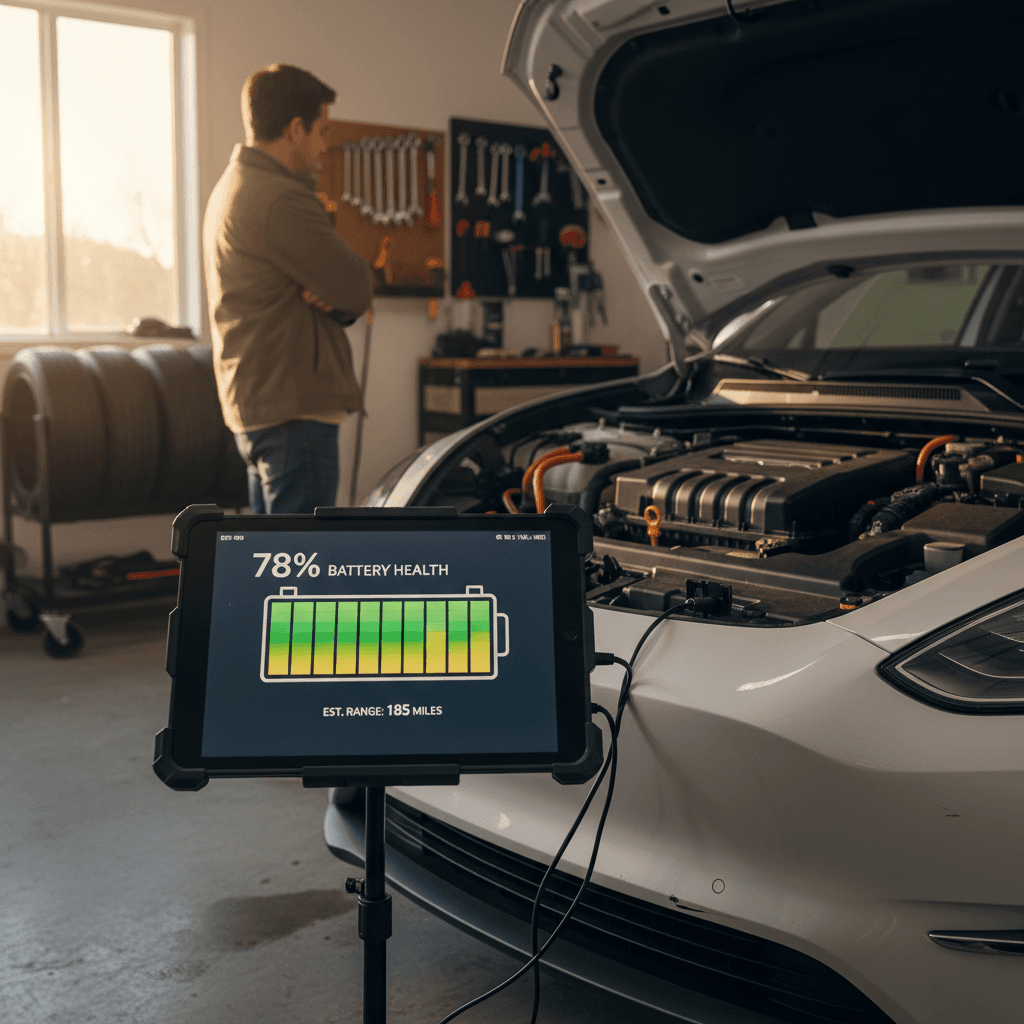
A 70,000‑mile Tesla or Leaf can still be a great buy if the pack is healthy, while a low‑mile car that sat at 100% charge all summer can look worse. Buyers know this now. They’ll ask about state of health (SoH), fast‑charging habits, and whether you parked in a garage.
That’s why a verified battery report, like the Recharged Score you get when you sell through Recharged, often carries more weight than the odometer.
Reality check on values
Step 1: Decide how you want to sell your used electric car
Before you wash the car or take a single photo, decide where you want to sell. Your choice affects how much money you get, how fast you sell, and how much hassle you’re willing to tolerate.
Main ways to sell a used electric car
Pick the balance of price, speed, and effort that fits you
Dealer trade‑in
Best for: Convenience and speed.
- Rolls into your next purchase or lease.
- Minimal paperwork and no strangers at your house.
- Usually the lowest payout, especially for EVs the dealer doesn’t understand.
Private‑party sale
Best for: Maximizing price.
- You set the price and negotiate directly.
- More work: photos, listings, messages, test drives.
- Requires safe handling of payment and title.
Online EV marketplace
Best for: Getting EV‑savvy buyers without doing everything yourself.
- Platforms like Recharged specialize in used EVs.
- Battery health reports and pricing tools built‑in.
- Options for instant offers, consignment, and nationwide buyers.
Match method to your personality
Step 2: Time the market for better EV prices
Why timing matters when you sell a used EV
Seasonality still matters. EV interest usually peaks in the spring, when tax refunds land and road‑trip season is coming. Winter can be tougher because cold‑weather range stories scare casual shoppers. If you have flexibility, aim to list your car between late March and early June.
Cold‑weather listing? Adjust your strategy
Step 3: Get your EV, and its battery, ready to sell
Pre‑sale checklist for your used EV
1. Pull service and charging history
Gather maintenance records, software update notes, and any warranty repairs. If you have logs from apps like Tesla, MyHyundai, or third‑party services showing gentle fast‑charging habits, keep those handy. Buyers love a well‑documented EV.
2. Get a real battery health report
Whenever possible, get a <strong>professional battery diagnostic</strong> rather than relying only on the in‑car range guess. Recharged, for example, produces a <strong>Recharged Score Report</strong> that measures battery state of health and charging behavior, exactly what serious buyers want to see.
3. Fix small, obvious issues
Replace worn wiper blades, top up washer fluid, fix cheap cosmetic dings, and clear warning lights you can address reasonably. With used EVs already under price pressure, a few visible issues can give buyers excuses to demand big discounts.
4. Clean inside, outside, and screens
Detail the car, vacuum thoroughly, wipe fingerprints off touchscreens, and clean the charge port area. A spotless interior and a tidy charge cable send a strong signal that you’ve taken care of the car.
5. Update software and reset personal data
Make sure the car is on the latest stable software version, then review the settings menu for personal data. Before you hand over the keys, plan to remove home and work addresses, Bluetooth devices, and any stored garage codes.
6. Organize all EV‑specific accessories
Gather the mobile charge cable, adapter sets (J1772, NACS, CCS if you have them), and any wall‑charger documentation you’re including. A complete kit can be the difference between your listing and a nearly identical car down the street.

Step 4: Set a smart asking price for your used electric car
Pricing a used EV is trickier than pricing a gas car, because guides often lag behind fast‑moving market realities. Think of published values as your starting map, not the gospel.
Tools to price your used electric car
Use several sources, then adjust for battery health, options, and real‑world EV demand in your area.
| Pricing source | What it gives you | EV‑specific caveats |
|---|---|---|
| Online price guides (KBB, Edmunds, etc.) | Baseline trade‑in and private‑party values | Can lag fast EV price drops or rebounds by months. |
| EV‑focused marketplaces (like Recharged) | Live listings and recent sold prices on similar EVs | Best feel for what buyers actually pay this month. |
| Local dealer offers | Real number you can walk away with today | Often conservative if dealer is nervous about EVs. |
| Auction data & classifieds | Sense of how long cars sit and what moves fast | Requires more digging, but shows real‑world behavior. |
Start with the data, then trust your car’s condition and documentation to justify the final number.
Build your price from the ground up
- Aim to price your car within a tight band of similar EVs in your region, then use photos and battery reports to justify why yours is the best of the bunch.
- Leave a little room, maybe $500–$1,000, for negotiation on common models; niche EVs may require more flexibility.
- If your EV’s battery health is significantly better than average, you can usually push toward the high end of the range.
- If it’s below average or the car is older with limited fast‑charging speed, your best move may be to lead with a very fair price and sell on honesty.
Step 5: Create a listing that highlights what EV buyers care about
The best used‑EV listings don’t just say "one owner, clean, runs great." They answer the specific questions shoppers have about range, charging, battery health, and software, before the buyer has to ask.
Anatomy of a strong used‑EV listing
What to show and say to earn buyer trust
1. Photos that tell the EV story
- Full exterior from multiple angles, including charging port door open.
- Close‑ups of infotainment screen showing rated range at a known state of charge.
- Shot of charge cable, adapters, and any wallbox you’re including.
2. Battery and charging details up front
- State battery health or recent diagnostic results in the first paragraph.
- Note typical daily range and your longest recent trip.
- Mention home charging setup and how often you DC fast‑charge.
3. Transparency about flaws
- List any cosmetic dings, curb rash, or glass chips.
- Call out remaining factory or extended warranty coverage.
- If range has reduced, say so and price accordingly, savvy shoppers respect honesty.
Sample description you can adapt
Step 6: Handle test drives, payment, and paperwork safely
Once the listing is live, the job shifts to screening buyers and closing safely. With any high‑value transaction, your goal is to protect yourself while still being reasonably accommodating.
Safe test drives for an EV
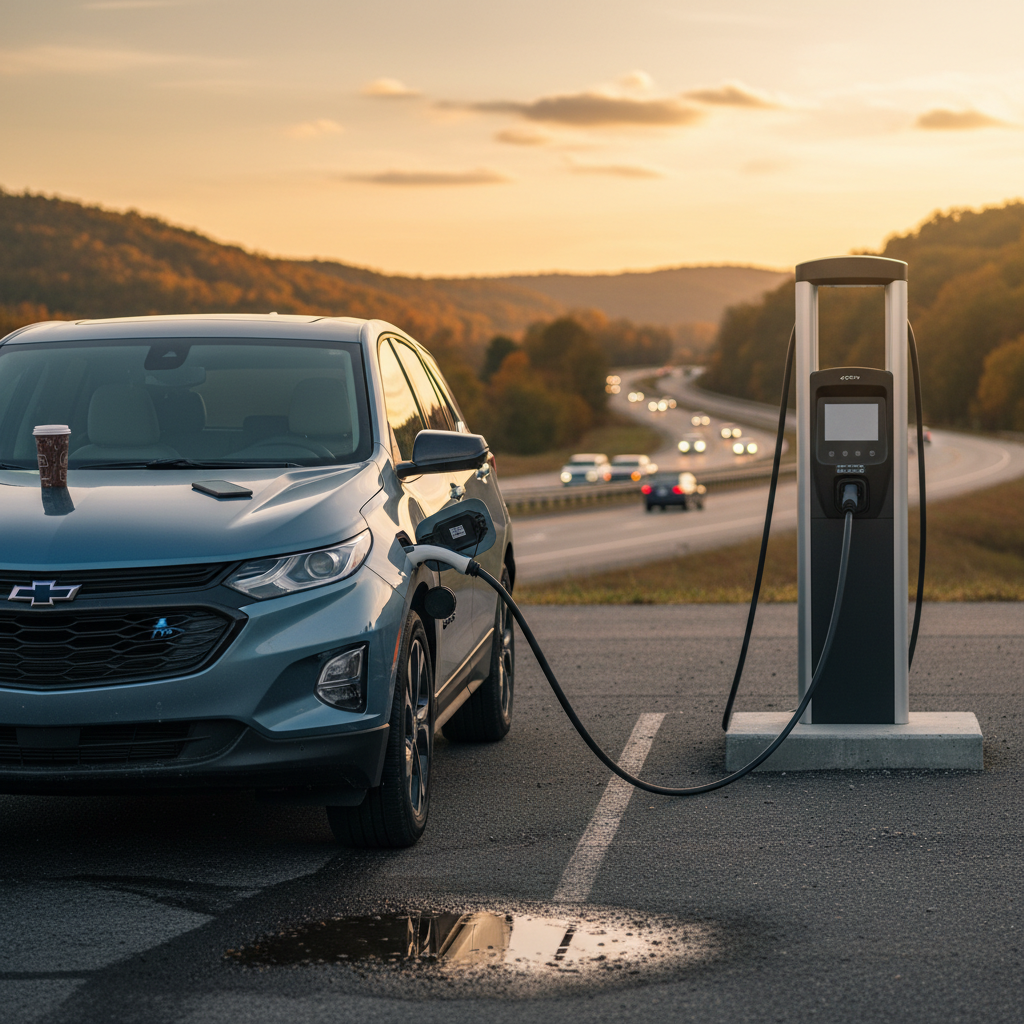
- Meet in a public, well‑lit place, ideally near a charger so the buyer can see charging in action.
- Check the buyer’s driver’s license and snap a photo before anyone drives.
- Ride along on the drive so you can explain regen modes, one‑pedal driving, and charging screens.
- Start with enough charge for a meaningful test (40–70%) but not a full 100%.
Getting paid and finalizing the sale
- For private sales, stick to cashier’s check verified at the issuing bank, a wire transfer, or handling the transaction at the buyer’s bank.
- Draw up a simple bill of sale with VIN, mileage, price, and "as‑is" language as allowed in your state.
- Sign the title exactly as instructed, remove plates if required in your state, and cancel or transfer insurance once the deal is complete.
- For online marketplaces like Recharged, many of these steps, payment processing, title work, pickup, are handled for you.
Watch for common scam red flags
How Recharged can simplify selling your used EV
If all of this sounds like a lot, you’re not wrong. Selling any modern car is work; selling an electric one adds a layer of technical questions about batteries, charging, and software. That’s exactly the problem Recharged was built to solve.
Why many owners choose Recharged to sell a used EV
Transparent battery data, fair pricing, and less hassle
Verified battery health
Data‑driven pricing support
Flexible ways to sell
Ready to find your next EV?
Browse VehiclesLocal support, digital experience
Frequently asked questions about selling a used electric car
Your top questions, answered
Key takeaways: How to sell a used electric car the smart way
- Accept that EV depreciation has already happened; focus on winning the today market, not yesterday’s prices.
- Choose a selling path, dealer, private, or EV marketplace, that fits how much time, risk, and hassle you’re comfortable with.
- Invest a little effort in preparation: clean the car, fix obvious issues, and gather records and accessories.
- Make battery health the star of your story. A verified battery report is often worth more than another thousand miles on the odometer.
- Price competitively using multiple data points, then use photos and documentation to stand out from similar listings.
- Handle test drives and payment cautiously, or lean on a platform like Recharged to simplify logistics and paperwork.
You don’t have to be an EV expert, or an extrovert negotiator, to sell a used electric car well. If you’re honest about condition, smart about timing, and deliberate about how you present your car’s battery and charging story, you can attract serious buyers and walk away feeling good about the deal. And if you’d rather have expert help and a battery report that speaks for you, Recharged is built to make that next step as straightforward as plugging in overnight.