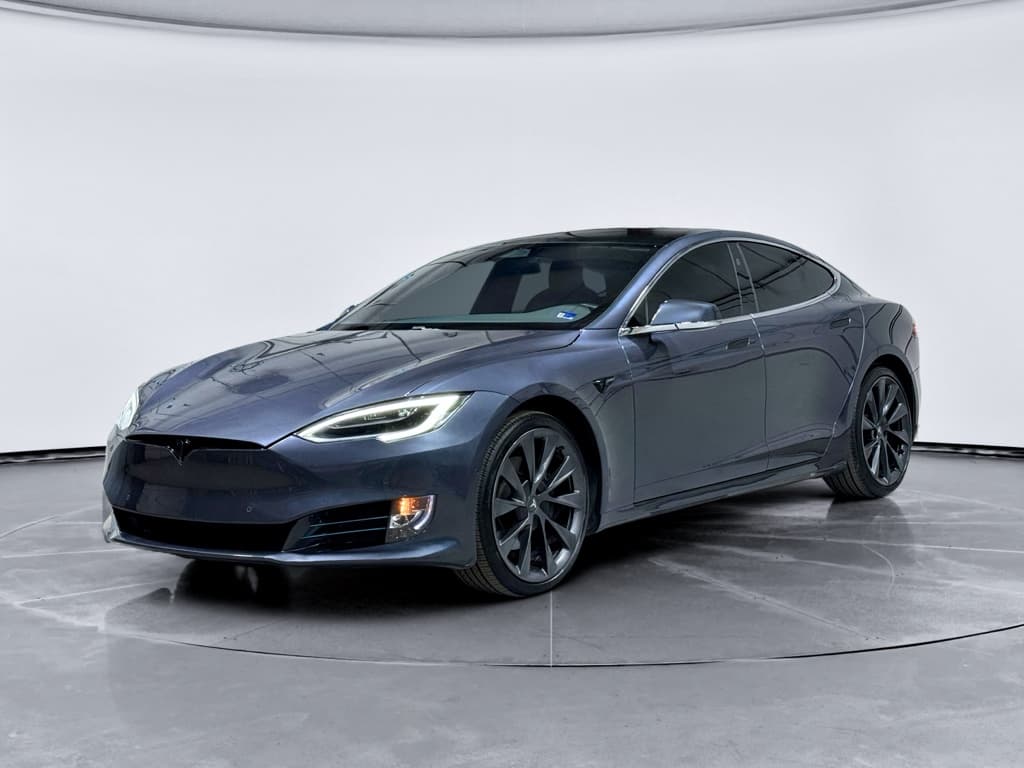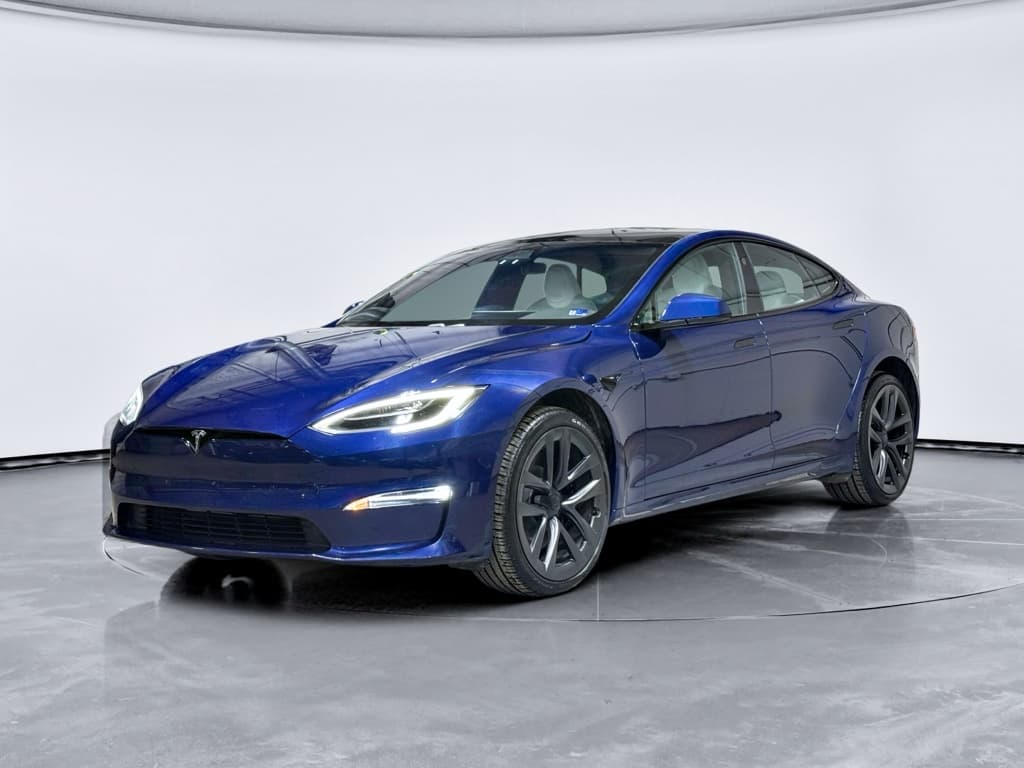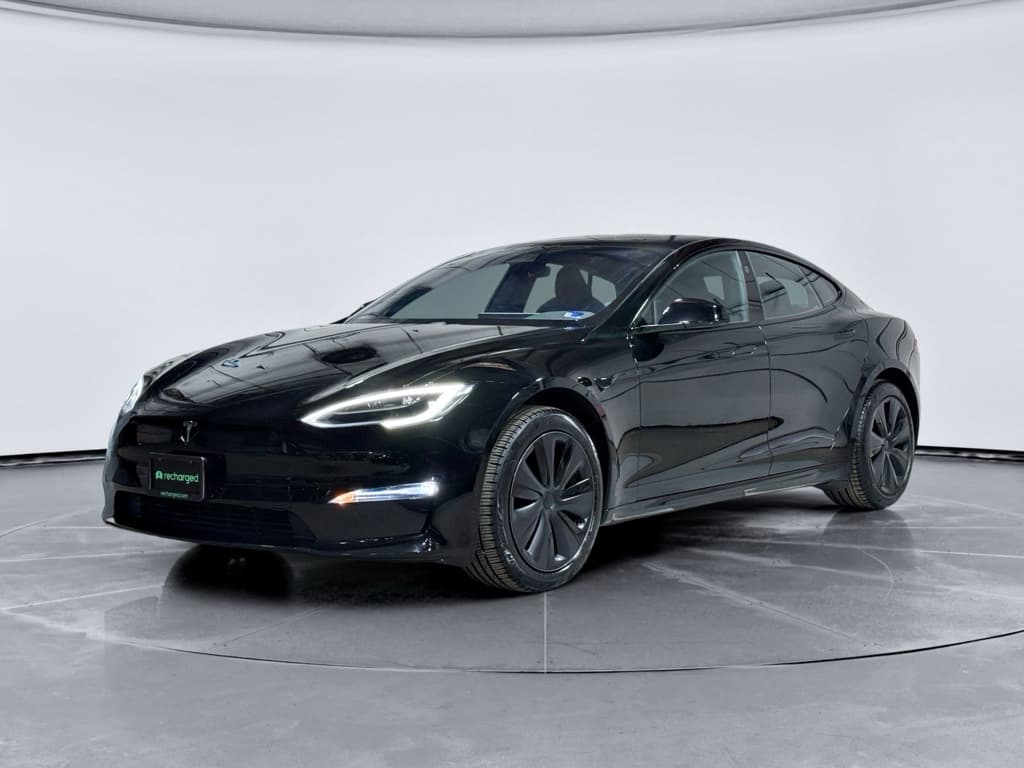
If you’re driving an older Tesla Model S, you’ve probably noticed headlines about falling EV resale values and wondered what that means for your Model S trade in value. The truth is, trade‑in offers for Teslas have come down sharply since the pandemic peak, but that doesn’t mean your car is worthless. With the right prep and strategy, you can still squeeze thousands more out of your S when you’re ready to move on.
Context: a changing used EV market
How much is my Tesla Model S worth right now?
Every Model S is different, but you can think in ballpark ranges. In early 2025–2026 data, a brand‑new 2025 Model S shows trade‑in values roughly in the high‑$50,000s to low‑$80,000s, depending on configuration and condition. At the other end of the spectrum, early cars from the mid‑2010s can trade in for well under $20,000, sometimes closer to the low‑teens for high‑mileage examples.
Tesla Model S value snapshot (recent U.S. data)
Those numbers are averages, not promises. Your actual offer could sit above or below them based on mileage, options, service history, accident reports, and battery health. The fastest way to get a sense of where you stand is to gather your VIN, mileage, and trim details and compare instant offers from multiple sources, not just Tesla’s own trade‑in tool.
Why Tesla Model S trade-in values have fallen
If you’re shocked by how low some offers are compared with what you paid, you’re not alone. Used Tesla Model S prices and trade‑ins have taken some of the largest percentage hits in the industry over the last couple of years. Several forces are pushing values down at once:
What’s dragging down Model S trade‑in values?
Four big forces shaping your offer today
1. Price cuts on new Teslas
When Tesla slashes new Model S pricing, used values almost always follow. A brand‑new car becoming cheaper makes your older one look less attractive to dealers and shoppers.
2. Faster EV depreciation
Upscale EVs, especially older long‑range sedans like the S, have seen steeper five‑year depreciation than many gas luxury cars. That’s partly tech‑obsolescence and partly changing incentives.
3. More competition
Rivals from Mercedes, BMW, Porsche, Hyundai, Kia and others crowd the luxury EV space. More choices pushes down what dealers are willing to pay for an older S.
4. Inventory build‑ups
Studies show a surge of Teslas coming back as leases end and owners trade out of older tech. When dealer lots are full of used Teslas, trade‑in bids get more conservative.
Don’t take early lowball offers personally
Key factors that drive Model S trade‑in value
Under the hood of any trade‑in offer is a simple question: how quickly can the buyer resell your Model S, and at what price, without getting burned? Here’s what they look at most closely.
What buyers scrutinize on a Tesla Model S
Model year & trim
Later years, Long Range and Plaid trims, and high‑demand options (like Full Self‑Driving, premium audio, larger wheels) generally command higher trade‑in values, though software features don’t always translate dollar‑for‑dollar.
Mileage & usage pattern
A 2018 Model S with 40,000 miles will be valued very differently than the same year with 120,000 miles. Frequent DC fast charging can also make buyers more cautious about battery wear.
Battery health & range
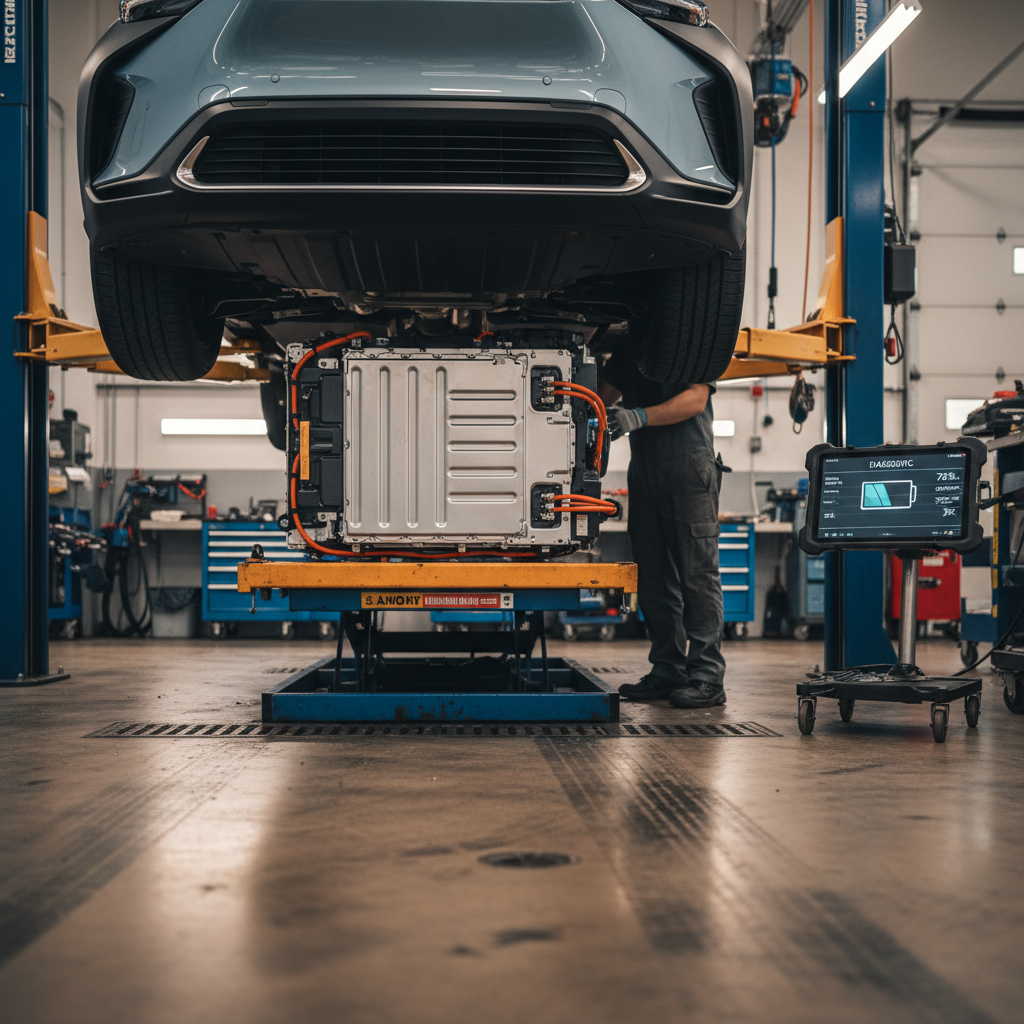
Real‑world range and state‑of‑health are crucial. If your car still delivers range close to original specs, that can support a stronger offer. Noticeable degradation, especially below about 80% of original range, puts downward pressure on price.
Accident & title history
Clean CARFAX/AutoCheck reports, no structural damage, and no branded title (salvage, rebuilt, lemon, flood) are worth real money. Prior major damage or airbag deployment can slash trade‑in bids.
Cosmetic & interior condition
Curb rash, paint flaws, cracked glass, worn seats, or smoke/odor issues all show up in the offer. Trade‑in buyers mentally subtract what they’ll spend on reconditioning plus a margin for surprise repairs.
Software & service history
Staying current on recalls, service bulletins, and routine maintenance reassures buyers. Documentation showing regular care, including tire rotations and suspension inspections, helps, even on EVs.
Battery proof can be a value booster
Typical Tesla Model S trade-in ranges by model year
Exact numbers will depend on your mileage, trim, and condition, but here’s a directional snapshot using recent U.S. retail and appraisal data. Think of these as **ballpark trade‑in ranges** a mainstream dealer might land in, not formal valuations.
Approximate Tesla Model S trade-in value ranges (U.S., early 2025–2026)
Assumes average mileage for age, clean title, and normal wear. High mileage, accidents, or heavy battery degradation can push you below these ranges; standout condition can push you above.
| Model year | Typical retail listing range | Likely dealer trade‑in band* | Notes |
|---|---|---|---|
| 2025 | $70,000 – $95,000 | $57,000 – $80,000 | Nearly new, low miles; trade‑in heavily influenced by latest Tesla pricing moves. |
| 2022–2023 | $55,000 – $80,000 | $45,000 – $65,000 | Still in current‑gen territory; big spread between base AWD and Plaid. |
| 2018–2020 | $28,000 – $55,000 | $22,000 – $40,000 | Where many trade‑ins are landing; condition and battery health matter a lot. |
| 2016–2017 | $18,000 – $30,000 | $13,000 – $22,000 | Older tech and more visible wear; some trims trading in the mid‑teens. |
| 2012–2015 | $12,000 – $22,000 | $8,000 – $16,000 | Early cars; values highly sensitive to battery state, MCU upgrades, and accident history. |
These are directional estimates only. Always get live offers based on your specific VIN and history.
Important disclaimer
How dealers and Tesla calculate your Model S trade‑in offer
Traditional dealer or used‑EV buyer
- Start with auction & retail data: Tools like Manheim, Black Book, KBB and internal sales history show what similar Model S units are actually selling for, wholesale and retail.
- Adjust for your specifics: Year, trim, mileage, options, color, battery reputation, title history, plus local demand for Teslas in your region.
- Subtract reconditioning & risk: Detailing, wheels, glass, tires, software updates, minor repairs and an extra cushion for what they can’t see yet.
- Add profit margin: Dealers typically build in a spread between what they pay you and what they expect to retail the car for.
Tesla’s own trade‑in offer
- Highly centralized pricing: Tesla relies on centralized valuation models, transaction data and auction expectations. The offer may be less flexible than a local dealer’s.
- Conservative on older cars: For aging or high‑mileage Model S vehicles, Tesla will often bid low and send them straight to auction rather than retailing them.
- Strong on convenience: The upside is a friction‑light, single‑stop experience when ordering a new Tesla, but usually not the top dollar available.
- Limited haggling: There’s rarely much room to negotiate beyond the algorithm’s number.
Where Recharged fits in
Trade-in vs selling your Model S: Which pays more?
Most Tesla owners considering a trade have three real options: trade in to Tesla or a dealer, sell directly to a used‑EV specialist such as Recharged, or sell privately. Each comes with a different mix of price, effort, and risk.
Your main options for exiting a Tesla Model S
Higher price usually means more work, unless you use a specialist marketplace.
1. Trade in to Tesla or dealer
- Pros: Fast and simple; tax savings in many states because trade‑in value reduces taxable price of the new car; one set of paperwork.
- Cons: Often the lowest dollar amount; little flexibility; offers can be especially soft on older or high‑mileage Model S units.
2. Private‑party sale
- Pros: Highest potential sale price if you’re patient and market the car well.
- Cons: Time‑consuming; you handle advertising, test drives, titles, payoff; more risk around fraud and chargebacks; some buyers shy away from older EVs without battery reports.
3. Specialist used‑EV marketplace
- Pros: Offers tailored to EVs; better understanding of Tesla demand; help with paperwork and payoff; can blend trade‑in and consignment options.
- Cons: Price may sit between dealer trade‑in and private‑party values, not always matching the top private number.
Don’t forget sales‑tax savings
7 steps to maximize your Tesla Model S trade-in value
You can’t control the entire market, but you can control how your Model S looks on paper and in person. Here’s a focused checklist to tighten up your offer before you ask anyone to put a number on the car.
Pre‑trade checklist for higher Model S offers
1. Pull your vehicle history reports
Download your CARFAX or AutoCheck and your Tesla service history. Make sure basic info (mileage, title status, number of owners) is accurate. If a minor accident was repaired properly, be prepared to explain and show receipts.
2. Document battery health & range
Take clear photos of your current rated range at 100% and note your typical charging habits. If possible, use an independent battery diagnostic or a service like Recharged’s <strong>Recharged Score</strong> to provide a formal health report.
3. Catch up on easy maintenance
Address simple items before appraisal: replace worn wiper blades, fix windshield chips, clear warning lights, and rotate or replace tires if they’re near the wear bars. A car that feels “ready to retail” gets better numbers.
4. Detail inside and out
A professional‑level wash, clay and wax, plus a deep interior clean, can make your Model S look a full grade better. Remove personal items, minimize odors, and touch up small paint flaws where reasonable.
5. Gather both keys, chargers, and accessories
Missing key fobs, mobile connectors, or floor mats mean instant deductions. Put everything that came with the car in the trunk or frunk before your appraisal so the buyer sees a complete package.
6. Time your trade strategically
You’ll generally see stronger bids when used Tesla demand is hot in your region (tax‑refund season, before winter in cold‑weather states, or when local incentives change). Big price cuts on new Model S units often push trade‑ins lower shortly after.
7. Shop more than one offer
Get quotes from Tesla, at least one local dealer, and at least one used‑EV specialist. When you have three or more numbers in hand, you understand your car’s true market range and can negotiate, or decide to sell a different way.
Leverage competing offers
How Recharged handles Tesla Model S trade-ins
Recharged was built around one idea: used EVs, especially cars like the Model S, deserve their own playbook, not just a gas‑car template. That changes how your trade‑in is evaluated and how much transparency you get along the way.
What to expect when you trade in a Tesla Model S with Recharged
Built specifically for used EV owners
Verified battery health with Recharged Score
Every eligible Model S gets a Recharged Score report with verified battery diagnostics and range insights. Instead of guessing, we show you and the next owner exactly how the pack is performing, and we price the car accordingly.
Fair market pricing, not guesswork
We benchmark your VIN against real‑world used EV sales, not just broad book values. That helps us keep offers aligned with what Model S shoppers are actually willing to pay today.
EV‑specialist support
Our team lives in the EV world. If you’re not sure whether to trade, consign, or take an instant offer, an EV specialist can walk you through scenarios, including how your current loan payoff and local taxes affect the math.
Flexible ways to exit your Model S
Recharged offers financing for your next EV, trade‑in, instant offer or consignment options, and nationwide delivery. You can start and finish the whole process digitally or visit our Experience Center in Richmond, VA.
Ready to find your next EV?
Browse VehiclesIf you’re shopping your Model S around, you can use Recharged as another data point, either for an instant offer or as a place to list your car with expert help. The stronger your battery health and service history, the more that EV‑specific approach tends to matter.
FAQ: Tesla Model S trade-in value
Common questions about Tesla Model S trade‑ins
The bottom line on Tesla Model S trade-ins
Tesla Model S trade‑in values in 2025–2026 aren’t what early adopters hoped for, but you still have more control than you might think. The combination of documented battery health, clean history, smart timing, and multiple competing offers will do more for your bottom line than any single “book” number. If you’re ready to see where your car really stands, line up your paperwork, get instant bids from a few sources, and consider adding an EV‑specialist like Recharged to the mix. That way, whether you trade in, consign, or sell outright, you’re making a decision with eyes wide open, and getting as much as the current market will reasonably give you for your Model S.