If you’re trying to figure out how to save money buying an EV in New Jersey in 2026, you’ve probably noticed the ground has shifted. The old days of “no sales tax and big state rebates” are gone, but there are still smart ways to lower both your purchase price and long‑term costs, especially if you’re open to a used EV.
What’s different now in New Jersey
Why New Jersey EV math just changed in 2026
For years, New Jersey was an EV buyer’s paradise: generous rebates, no state sales tax on qualifying EVs, and strong utility support for home charging. Starting in late 2024 and through 2025, that landscape changed. The sales tax exemption has been phased out, and statewide purchase incentives now run on tighter annual budgets that can pause and restart with little notice.
Key cost changes New Jersey EV shoppers face
So the question isn’t “Are EVs still a deal in New Jersey?” It’s: Where are the savings now that rebates and tax rules have tightened? The short answer: smart used EV shopping, home charging rebates, and disciplined financing can still put you way ahead versus a similar gas car.
Quick-win playbook: how to save the most
Four fastest ways to cut your EV cost in NJ
If you remember nothing else from this guide, start here.
1. Target 2–4‑year‑old used EVs
In New Jersey’s current market, late‑model used EVs often sell thousands below new once first‑owner incentives and early depreciation are baked in.
- Look for mainstream models with plenty of inventory (Tesla Model 3/Y, Chevy Bolt EUV, Hyundai/Kia EVs).
- Use tools like the Recharged Score to verify battery health and fair pricing.
2. Stack utility and charging rebates
Even when vehicle rebates pause, utilities like PSE&G, JCP&L, ACE, and Rockland often offer make‑ready credits that can cover much of your Level 2 installation cost.
That can save you $1,000–$1,500 on wiring, panel work, or trenching, not trivial when you’re budgeting your total EV spend.
3. Run the energy math before you buy
New Jersey drivers facing $3–$4/gal gasoline can often cut their “fuel” bill by 50–70% with home charging, especially on a time‑of‑use rate.
That long‑term savings justifies paying a bit more upfront for a clean, low‑mileage used EV versus a cheap gas alternative.
4. Be ruthless on dealer fees & financing
On a $30,000 EV, a couple of padded doc fees and a high‑APR loan can quietly erase a full year of charging savings.
- Compare credit union rates against dealer financing.
- Say no to markups on add‑ons you don’t need.
- Ask for out‑the‑door pricing in writing.
Use a TCO mindset, not just price tags
Understanding New Jersey EV incentives in 2026
New Jersey used to be famous for a simple rule: buy a qualifying zero‑emission vehicle and skip state sales tax entirely. That’s no longer the case. Today, you need to think of state‑level EV help as modular pieces you may or may not be able to stack, depending on timing and your utility territory.
Where New Jersey EV savings typically show up now
Not every buyer will qualify for every program, but this is where to look first.
| Savings lever | Applies to | Type | How it helps in 2026 |
|---|---|---|---|
| State purchase rebates (Charge Up NJ) | Mostly new EVs, sometimes leases | Point-of-sale rebate when funded | Can knock thousands off a qualifying new EV when funding windows are open. |
| Sales tax on EVs | New and used EVs | Standard 6.625% state sales tax | The old full exemption has been phased out; plan on paying full tax unless and until new rules are passed. |
| Utility EV charger incentives | Homeowners and sometimes renters | Bill credits or rebates for make-ready work | Can cover a big share of panel upgrades, wiring, and other installation costs. |
| Toll & HOV perks (where available) | Registered EVs | Ongoing usage savings | Smaller dollars than rebates, but they add up if you commute on toll roads. |
| Local/municipal programs | Select cities or counties | Grants, parking perks, local rebates | Occasional bonus savings, especially in more aggressive climate‑policy municipalities. |
Always confirm current program details before you sign a purchase agreement, many New Jersey EV programs run on annual budgets that can pause mid‑year.
Incentives are no longer “set and forget”
Federal savings, and how they stack with NJ
On top of state programs, federal incentives under the Inflation Reduction Act can sometimes lower your net cost further, but they’re more complex than the old “flat tax credit” headlines implied. The details change with Treasury guidance and automaker supply decisions, and not every model or buyer qualifies in a given year.
What to think about with new EV federal credits
- Eligibility depends on where the car is built, battery content, and your income.
- Some models qualify one year but not the next as supply chains shift.
- Many dealers can now apply the credit at the point of sale, effectively lowering your transaction price if you qualify.
That’s great when it lines up, but relying on it without confirmation can leave you with a bigger bill than expected.
Why used EVs keep things simpler
- Used EV price tags are lower to begin with, especially at 2–4 years old.
- You’re not as exposed to last‑minute rule changes because you’re saving via depreciation, not just policy.
- If a federal used EV credit is available and you qualify, that’s a bonus, if not, your deal can still pencil out.
Either way, confirm federal eligibility with the dealer or your tax professional before you count that money.
Don’t “spend” incentives twice
Why used EVs are the sweet spot in NJ right now
With the big, simple New Jersey tax breaks gone, the best opportunity now is usually in the used EV market. That’s where the state’s earlier generosity, and aggressive automaker discounting from 2021–2024, has already been capitalized into lower resale values.

How used EVs help you save in New Jersey’s 2026 market
You’re capturing yesterday’s incentives and discounts in today’s prices.
1. Depreciation works in your favor
EVs saw fast early depreciation as technology evolved and incentives flowed. That hurts first owners but creates bargains for second owners, especially on high‑volume models with plenty of inventory.
2. Modern batteries age better than the headlines
Most late‑model EVs can comfortably outlast typical loan terms. A car that’s three years old with a healthy pack still has many years of usable life, especially for sub‑100‑mile daily driving.
3. Battery transparency tools reduce risk
Services like the Recharged Score give you a verified snapshot of battery health, charging history, and fair pricing. That turns “What if the battery is bad?” into a data‑driven decision rather than a leap of faith.
4. More negotiating leverage
Used EV sellers can’t lean on fresh factory rebates in the same way new‑car dealers do. That often gives you more room to negotiate based on condition, mileage, and battery health.
5. Right‑sizing range for your reality
Many New Jersey drivers commute 30–60 miles per day. A used EV with 200–240 miles of real‑world range can handle that easily while costing far less than a brand‑new long‑range model.
6. Lower maintenance, even when used
EVs have fewer wear items than gas cars, no oil changes, timing belts, or exhaust systems. Buying used doesn’t erase that advantage; in many cases it amplifies it over a similar‑age ICE car.
Where Recharged fits in
Ready to find your next EV?
Browse VehiclesTaming sales tax, doc fees, and add-ons
Now that New Jersey treats most EVs like any other car for sales tax, the game shifts from “How do I qualify for an exemption?” to “How do I keep the taxable price and extras under control?” This is where disciplined negotiation and a clear out‑the‑door target save you real money.
Practical ways to keep transaction costs from ballooning
Ask for an out‑the‑door quote early
Before you get attached to a specific car, ask the seller for a written breakdown showing price, doc fee, sales tax, registration, and any add‑ons. That lets you compare offers apples‑to‑apples and stop surprises at the finance desk.
Know that most fees are negotiable
Some dealers treat document fees and prep fees as sacred. They aren’t. You can push back or ask for an equivalent price reduction on the vehicle itself to offset them.
Be skeptical of “must‑have” protection packages
Paint sealant, VIN etching, nitrogen tires, and similar items are often high‑margin extras. If they weren’t on the car when you started shopping, it’s fair to decline them or ask that they be removed from the deal.
Avoid rolling junk fees into a long loan
Financing $1,500 of dubious add‑ons over 72 or 84 months means paying interest on things that don’t hold value. Treat extras like a separate, cash decision: if you wouldn’t pay for it in cash, don’t finance it.
Time your purchase around registration and insurance cycles
Registering and insuring a more expensive car mid‑term can hit your budget harder than waiting until existing policies renew. A little timing can smooth your total first‑year cost.
Use competing offers as leverage
Lower your total cost with home charging rebates
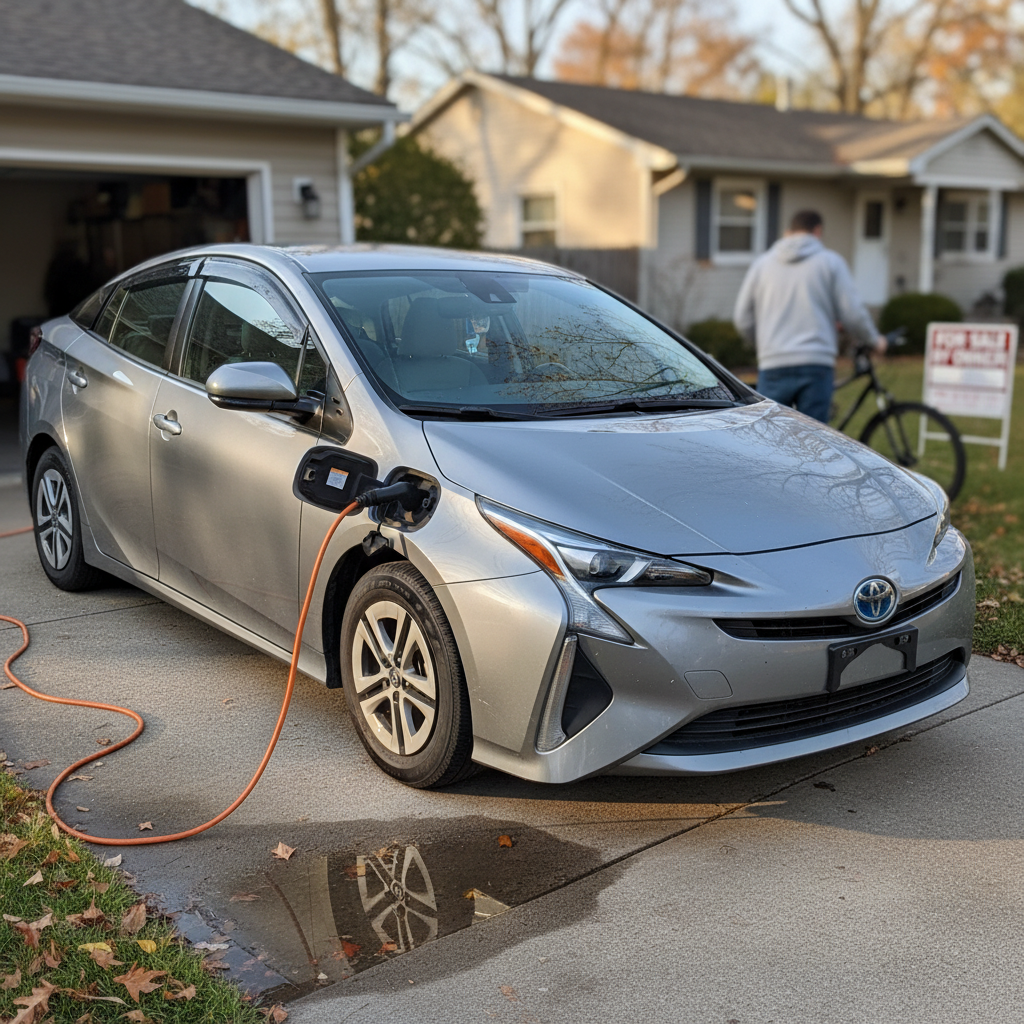
Running an EV cheaply in New Jersey hinges on home charging. The good news is that, even as vehicle incentives have tightened, utility support for Level 2 charging has remained relatively strong, though specific programs and off‑peak credits are evolving through 2026.
Where to look for home charging savings by NJ utility
Exact programs change over time, but these are the main utility players New Jersey EV owners deal with.
| Utility | Typical residential support | What it usually covers | Key fine print to watch |
|---|---|---|---|
| PSE&G | Make‑ready credit + (historically) off‑peak charging credit | Panel upgrades, wiring, meter work; sometimes off‑peak bill credits | Approved smart charger list, enrollment deadlines, and program sunset dates. |
| JCP&L | EV Driven make‑ready | Infrastructure work to get a Level 2 charger installed | Caps by project, may not cover the charger hardware itself. |
| Atlantic City Electric | EVsmart incentives | Level 2 and DC fast charging make‑ready costs | Applies to specific territories; home vs commercial rules differ. |
| Rockland Electric | Charger Ready for Home | Up to several thousand dollars toward utility‑side work | Often focused on utility‑side upgrades, not your charger purchase. |
Always confirm current terms, especially application deadlines and approved charger lists, before you book an electrician.
Off‑peak credits are time‑limited
If you’re buying through Recharged, you can ask an EV specialist to sanity‑check your home setup and utility before you commit to a specific car. That way, you’re not buying a long‑range EV only to realize your panel upgrade will eat half the budget you thought you’d spend on the vehicle itself.
Financing strategies to keep your payment low
Finance terms can easily swing your EV from “great deal” to “budget breaker,” especially now that interest rates have climbed from the ultra‑cheap levels of the late 2010s. In New Jersey, where insurance and registration costs are already high, a thoughtful financing plan is one of the most powerful money‑saving tools you have.
Smarter ways to structure your EV loan
- Shorter term when possible: 60 months usually strikes a better balance than 72–84 months, especially on a used EV.
- Put incentives toward principal: If you receive a rebate after purchase, treat it as a lump‑sum principal payment rather than extra spending money.
- Don’t finance taxes and fees if you can avoid it: Paying interest on sales tax and doc fees adds no value.
Leverage online-first sellers to avoid hidden markups
Traditional dealers often rely on finance office profit to make deals work. Online‑first used EV retailers, like Recharged, tend to publish upfront, no‑haggle pricing and offer competitive financing without pressure add‑ons.
That transparency helps you shop interest rates cleanly, compare against your bank or credit union, and prioritize total cost instead of monthly payment alone.
Consider pre‑qualification before you shop
Step-by-step checklist: buying a money-smart EV in NJ
From idea to driveway: a New Jersey EV savings game plan
1. Define your real range and budget needs
List your weekly driving patterns, parking situation, and how long you plan to keep the car. Set a total budget that includes charger installation, taxes, and insurance, not just the vehicle price.
2. Verify current NJ and federal incentives
Check the official Charge Up New Jersey and IRS guidance pages, or ask a knowledgeable retailer, for up‑to‑date rules. Assume nothing; programs have changed several times since 2024.
3. Decide: new with incentives vs used with discounts
Compare a new EV that might qualify for rebates with a 2–4‑year‑old used EV that’s significantly cheaper upfront. In many New Jersey scenarios, the used car wins on total cost even without a state rebate.
4. Get a battery health report for any used EV
Whether you buy through Recharged or elsewhere, insist on objective battery data, not just a dashboard bar graph. The Recharged Score wraps this into a single, easy‑to‑read report.
5. Lock in home charging and utility benefits
Before you sign, confirm your ability to install Level 2 home charging and what, if any, make‑ready or off‑peak programs your utility currently offers. A cheap EV with expensive charging isn’t really cheap.
6. Pre‑qualify for financing and compare offers
Get rate quotes from at least a bank or credit union and your chosen retailer. Compare total interest paid, not just monthly payment, over the life of the loan.
7. Demand a clean, out‑the‑door offer
Ask for a written quote with every fee and tax listed. Push back on add‑ons you don’t want and make sure any advertised incentives are explicitly reflected in the paperwork.
FAQ: Saving money on EVs in New Jersey
Common New Jersey EV money questions
Bottom line: how to shop smart in New Jersey
New Jersey’s EV incentive story in 2026 is more complicated than it was a few years ago, but the fundamentals haven’t changed: EVs are still incredibly efficient, cheap to run when you have home charging, and increasingly affordable on the used market. The trick is shifting your mindset from chasing headline rebates to optimizing the whole picture, purchase price, sales tax, financing, charging, and long‑term ownership costs.
If you want the simplest path to that outcome, lean into late‑model used EVs, press utilities for every dollar of home‑charging support you qualify for, and be disciplined about financing and fees. Platforms like Recharged exist precisely to make that easier: verified battery health, transparent used‑EV pricing, EV‑savvy support, and digital‑first financing and trade‑in options tailored to shoppers in markets like New Jersey.
Do those things well, and even in a post‑exemption world, you can still come out ahead, driving an EV that fits your life, your climate values, and your New Jersey budget.