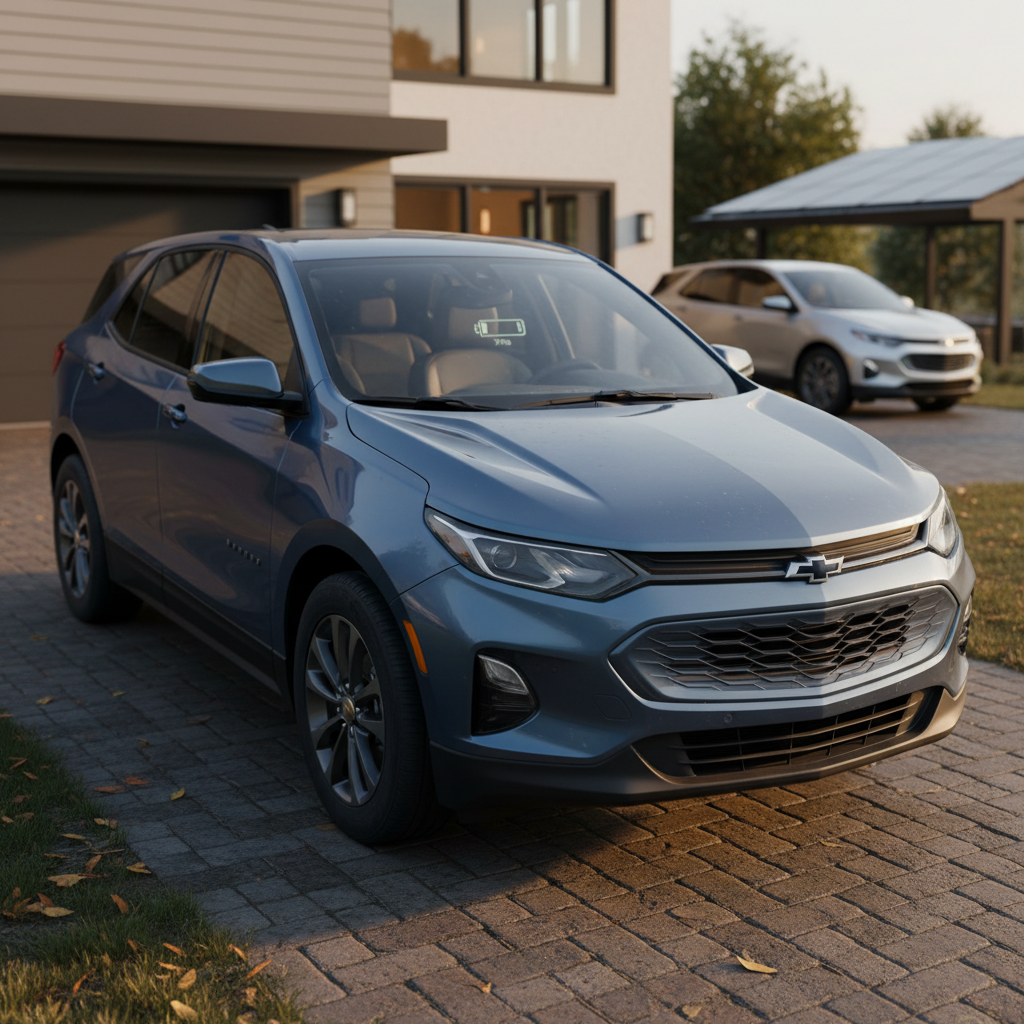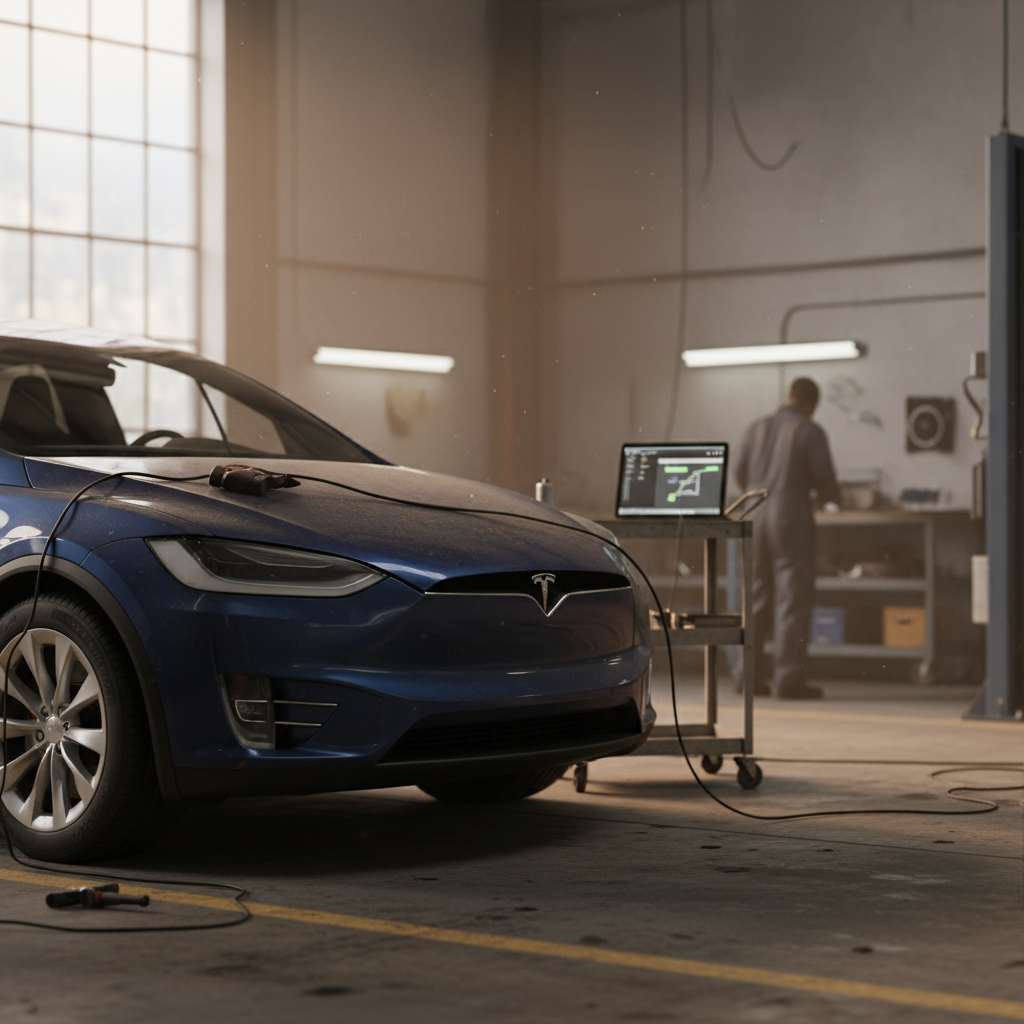
If you’re wondering how to prepare your EV for sale, you’re already ahead of most sellers. With electric vehicles, the way you present battery health, software, and charging equipment can do more to influence value than an extra year of model age. The good news: a few focused steps can help your EV sell faster and for more money, whether you trade it in, consign it, or sell it privately.
EV resale is all about confidence
Why preparation matters more with used EVs
In the current market, many used EVs are listing at deep discounts versus new models, which brings more first‑time EV buyers into the used lane. Those buyers are excited, but they’re also cautious. They’ve heard myths about expensive battery replacements and rapid degradation, even though recent data shows most EV packs are degrading at only around 1–2% per year under typical use. What they’re really buying is peace of mind, and that’s what your prep work should deliver.
What used‑EV buyers scrutinize first
Nail these areas and you immediately stand out from other listings
Battery health & range
Buyers want to know the State of Health (SOH), real‑world range, and whether the pack has ever been replaced or repaired.
Charging & equipment
They look for included home and public charging cables, adapters, and reassurance that the car works with their charging situation.
History & condition
Clean title, no major accidents, complete service records, and a cabin and exterior that look well cared for signal low risk.
Think like a buyer, not an owner
Step 1: Decide how you’ll sell your EV
How you prepare your EV depends partly on where you’re selling it. A buyer who meets you in a parking lot needs different reassurance than a national marketplace with digital inspections and financing. Start by choosing your lane, then tailor your prep to match.
Option A: Private sale
- Pros: Often the highest sale price if you market it well.
- Cons: You handle ads, questions, test drives, paperwork, and fraud prevention yourself.
- Prep focus: Presentation, documentation, and clear explanation of charging and range.
Option B: Trade‑in or EV marketplace
- Pros: Faster, safer, and less hassle. You may apply value directly to your next vehicle or take a cash offer.
- Cons: Sale price can be lower than a top‑dollar private sale, but often higher than you’d net after private‑sale time and risk.
- Prep focus: Honest condition disclosure, complete records, and battery data.
Where Recharged fits in
Ready to find your next EV?
Browse VehiclesStep 2: Get your EV mechanically and digitally ready
EVs don’t need oil changes, timing belts, or spark plugs, but that doesn’t mean you should skip a health check. A handful of inexpensive inspections can prevent last‑minute surprises, give buyers confidence, and help you defend your asking price.
- Schedule a basic inspection with an EV‑experienced shop or dealer, focus on brakes, tires, suspension, and high‑voltage system scans.
- Address inexpensive but obvious items (worn wiper blades, burned‑out bulbs, low tire tread on one corner).
- Top up washer fluid and ensure the HVAC system, seat heaters, and defrosters work as expected.
- Resolve any warning lights or error messages and keep documentation of what was repaired.
- Update the car’s software to the latest version so the infotainment and driver‑assist features work smoothly.
Don’t hide warning lights
Step 3: EV‑specific cleaning and cosmetic checklist

Presentation has always mattered in used cars, and it’s no different for EVs. In fact, because buyers worry about how carefully the battery has been treated, a clean and orderly car can be a powerful signal that the invisible parts were cared for too.
Detailing priorities that move the needle
Think of this as a one‑afternoon facelift for your EV
Exterior refresh
- Wash, clay, and wax or sealant.
- Clean wheels and dress tires.
- Touch up small chips or scratches where reasonable.
Interior reset
- Vacuum carpets and seats; wipe hard surfaces.
- Gently clean touchscreen and digital cluster.
- Remove personal items and neutralize odors.
Charging presentation
- Clean and neatly coil cables.
- Include OEM mobile charger and adapters you’re not keeping.
- Photograph the charging port and gear clearly.
Fix the small stuff, not everything
Step 4: Document battery health and service history
For a gas car, buyers glance at mileage and move on. For an EV, the real question is: How healthy is the battery today? Recent studies on thousands of used EVs show that most packs retain well over 80% of their original capacity even after many years on the road, but only if the seller can prove it. That’s where documentation comes in.
Battery & paperwork buyers expect to see
1. Capture an in‑car battery health snapshot
Many EVs show estimated range at 100% charge. Fully charge the car, photograph the range display, and note temperature conditions. It’s not a lab test, but it gives shoppers a real‑world reference.
2. Consider an independent battery health report
Third‑party tests and marketplace diagnostics can measure <strong>State of Health (SOH)</strong>. At Recharged, every vehicle gets a Recharged Score battery‑health report so both seller and buyer can price the car around actual capacity, not guesses.
3. Gather all service and repair records
Print or save invoices for tire rotations, brake service, cabin filters, software updates, and any high‑voltage work. Organized records are a subtle but powerful trust signal.
4. Verify warranty and its transferability
Most EVs include an 8–10 year/100,000‑mile battery warranty. Confirm how much time and mileage remain and whether coverage automatically transfers to the next owner.
5. Include charging history if available
If your car or app shows DC fast‑charging frequency or lifetime energy use, capture a screenshot. Moderate fast‑charge use and mostly home Level 2 charging reassure informed buyers.
What a Recharged Score adds
Step 5: Set a smart, realistic price
Used EV values have been moving quickly as new‑car incentives change and more late‑model EVs hit the market. Instead of copying another listing and hoping, spend a few minutes pricing your EV the way a savvy buyer, or a professional remarketer, would.
Key factors that should shape your asking price
Use this as a mental scorecard when you look at comparable listings.
| Factor | Stronger Value | Weaker Value | What You Can Do |
|---|---|---|---|
| Battery SOH & range | ≥ 85–90% SOH; real‑world range close to original | < 80% SOH; noticeably reduced range | Invest in a battery report and highlight results. |
| Warranty remaining | Several years and tens of thousands of miles left | Out of HV battery warranty | Show exact in‑service date and coverage end. |
| Software & features | Latest updates; features fully functional | Outdated software; glitchy systems | Update software, reset settings, document features. |
| Cosmetic condition | Clean, minimal wear, no major damage | Curb rash, stains, obvious dings | Address inexpensive fixes, disclose major defects. |
| Charging equipment | OEM mobile charger, Level 2, adapters included | Missing cables or damaged plugs | Replace missing essentials or adjust price. |
If your EV scores strong in most of these areas, you can justify an asking price at the top of the market range.
Anchor your price, but be ready to move
Step 6: Create a listing that EV buyers trust
A strong listing does two things: it answers EV‑specific questions upfront, and it makes your car easy to compare with others. Even if you sell through a marketplace that structures most of the listing for you, the way you fill in the details still matters.
What to include in a compelling EV listing
Think beyond year, make, model, and miles
Clear, honest photos
- Exterior from all corners, plus close‑ups of any flaws.
- Interior, touchscreen, and digital cluster.
- Charging port, cables, adapters, and any home charging equipment included.
Straightforward description
Highlight what matters: battery health indicators, remaining warranty, software features, typical range at highway and city speeds, and where the car was primarily charged (home vs. DC fast charging).
Plain‑English EV explanation
If many local shoppers are new to EVs, briefly explain how charging works, what cable(s) they’ll receive, and what kind of outlet they’ll need at home.
Avoid overselling or guessing
Step 7: Safely handle test drives and closing
When a buyer shows up, they’re not just checking how the car drives. They’re checking how you feel as a counterparty. Calm, organized sellers get smoother deals and fewer last‑minute renegotiations.
Test‑drive & closing best practices for EVs
1. Meet in a safe, public place
Arrange test drives in a busy parking lot or near a bank, ideally during daylight. Bring a friend if possible and avoid sharing personal home details until you’re comfortable.
2. Start with an EV walk‑through
Show the buyer how to start the car, shift into drive, and use regen modes. Explain how to open the charge port, view range, and pull up charging locations on the nav or app.
3. Plan a realistic route
Choose a mix of city and highway driving so the buyer can feel acceleration, braking, and noise levels. Aim for 10–20 minutes, long enough to build confidence, not an all‑day tour.
4. Be transparent about charging behavior
If you mostly charged at home on Level 2 and used DC fast charging only on trips, say so. If your habits were different, explain them honestly and point to your battery‑health documentation.
5. Handle payment securely
Use a cashier’s check verified at the issuing bank, a wire transfer completed before handing over keys, or complete the sale through a reputable marketplace that manages funds and paperwork.
6. Transfer accounts and settings
Factory‑reset the infotainment system, remove the car from your mobile app, and help the buyer add it to theirs if needed. Provide all keys, key cards, and PINs they’ll need.
Protect your data and access
Printable EV sale‑prep checklist
Want a quick reference you can work through in an afternoon or two? Use this high‑level checklist as you get your EV ready for prime time.
High‑level checklist: how to prepare your EV for sale
Confirm your selling path
Decide between private sale, trade‑in, instant offer, or consignment. If you want less hassle and expert EV support, consider working with a specialist marketplace like Recharged.
Complete a health check
Have an EV‑savvy shop or marketplace run diagnostics on tires, brakes, and high‑voltage systems. Clear any warning lights you reasonably can.
Deep‑clean inside and out
Wash, clay, and protect the paint; thoroughly vacuum and wipe the interior; remove personal items; and neatly organize charging equipment.
Compile documentation
Gather the title, registration, lien release (if applicable), all keys, service records, battery‑health or SOH report, and warranty details.
Set your price range
Research comparable EVs, adjust for battery health and warranty, and decide on your asking price and minimum acceptable offer before you list.
Build a confident listing
Write a clear, honest description; upload high‑quality photos; highlight EV‑specific benefits; and be prepared to answer common EV questions.
Frequently asked questions about preparing an EV for sale
EV sale prep: common questions
Preparing your EV for sale isn’t about polishing every inch or pretending it’s new. It’s about presenting clear evidence that the car has been cared for, that its battery is healthy, and that the next owner can step into EV life with confidence. Do that well, and you won’t just attract more buyers, you’ll attract the right buyers, the ones willing to pay fair money for a well‑documented electric vehicle. And if you’d rather have an expert team handle the heavy lifting, from diagnostics to photos to buyer conversations, Recharged is built to make that process simple, transparent, and EV‑smart from start to finish.