If you’re trying to figure out how to finance a used electric car in 2026, you’re not alone. Between changing EV tax rules, fast‑moving technology, and lender caution around battery health, financing a pre-owned EV feels more complex than buying a gas car. The good news: if you understand a few key concepts and shop your financing carefully, you can own a used EV with manageable payments and long‑term value.
Used EV financing is maturing
Why financing a used electric car is different
1. Battery drives value
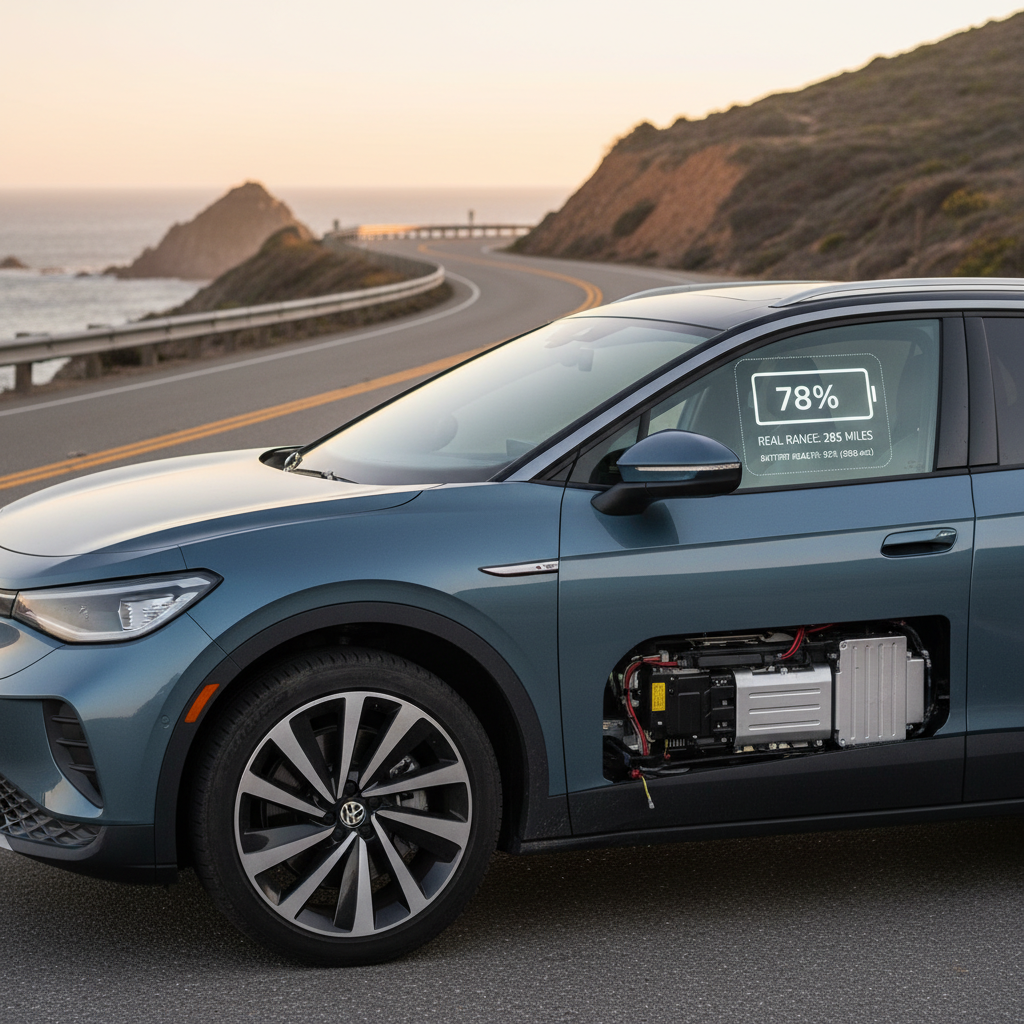
The battery pack is the most expensive component in an EV. Its health has a direct impact on resale value and on how comfortable lenders feel extending a longer‑term loan. Two identical models with different battery health can deserve very different interest rates or loan terms.
2. Incentives and rules are unique
Used electric cars may qualify for a federal Previously Owned Clean Vehicle Credit worth up to $4,000 for eligible buyers, along with state or utility rebates. At the same time, some lenders limit EV age, mileage, or price more tightly than on gas vehicles.
- Technology changes quickly, so lenders watch residual values closely.
- Some banks still don’t finance private‑party used EV purchases at the same terms as dealer or marketplace sales.
- Insurance and maintenance costs are often lower than for gas cars, which can offset a slightly higher payment.
Step 1: Check your budget and credit first
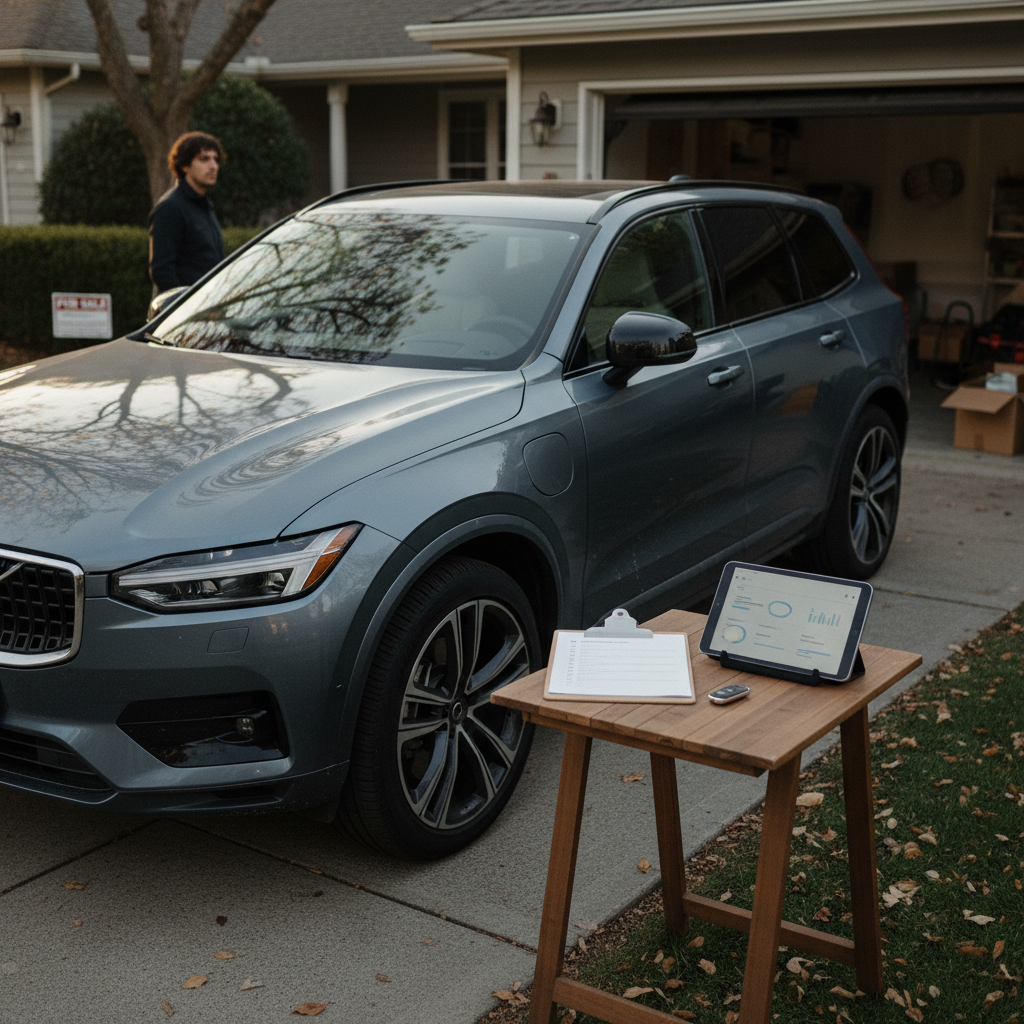
Before you fall in love with a specific used EV, get clear on what you can afford. EV shoppers often focus on the sticker price and forget how much fuel and maintenance savings change the real monthly cost. Lenders, however, still care about the basics: income, debts, and credit history.
Numbers that matter before you apply
Pre‑financing checklist: set yourself up for approval
Review your credit reports
Pull your credit reports from the major bureaus and fix obvious errors before you apply. A few points of score improvement can trim your rate, especially on used financing.
Estimate a realistic payment
As a rule of thumb, keep your <strong>EV payment plus insurance</strong> within a number you can still afford if rates or living costs tick up. Online calculators make this easy.
Plan a down payment
Even 5–10% down shows lenders you have skin in the game and helps offset faster early depreciation on some EV models.
Gather proof of income and residence
Have recent pay stubs, W‑2s or tax returns (for self‑employed), and a utility bill or bank statement ready to speed up underwriting.
Why pre‑qualification matters
Step 2: Understand your used EV loan options
Most shoppers will finance a used electric car with a standard auto loan, but the source of that loan matters. Each option has different rates, requirements, and flexibility, especially for EVs.
Common ways to finance a used electric car
How major lender types typically approach used EV loans in 2026 (your results will vary by credit profile and vehicle).
| Lender type | Typical strengths | Potential drawbacks | Best for |
|---|---|---|---|
| Credit union | Often the lowest rates on used vehicles; member‑friendly policies; more flexible on model age. | May require membership and local footprint; slower, paper‑heavy processes at some branches. | Borrowers with solid credit who want the lowest total interest. |
| Bank | Brand recognition; easy online access; broad approval ranges. | Some still price EVs more conservatively; stricter on mileage and age. | Shoppers who already bank there and value one‑stop service. |
| Online lender/fintech | Fast approvals, fully digital experience, competitive rates for well‑qualified buyers. | Rates can jump sharply for fair credit; not all support private‑party EV sales. | Tech‑savvy buyers who want speed and comparison shopping. |
| Dealer or marketplace financing | Convenient; access to multiple lender partners; potential rate incentives on EVs. | Offers may prioritize rate over total cost; less transparent add‑ons and products. | Buyers who want a seamless, one‑stop experience, especially via a transparent platform like Recharged. |
Use this table as a starting point, then compare real offers for your situation.
Watch for rate “add‑ons”
Step 3: Consider leases, balloons, and other structures
Traditional loans aren’t your only option. Depending on how long you plan to keep the car and how comfortable you are with future EV technology shifts, alternatives like leases or balloon loans might make sense, though they’re less common on used vehicles.
Alternatives to a standard used EV loan
Leasing and flexible structures can lower payments, but know the fine print.
Used EV lease (where offered)
Some captive finance arms and specialty lenders offer used EV leases. These can deliver a lower monthly payment and let you walk away from long‑term tech risk. However, mileage limits and wear‑and‑tear charges still apply, and availability varies widely by brand and state.
Balloon / flexible‑mile loans
A balloon loan keeps payments low with a large amount due at the end, often aligned with the car’s estimated future value. This can work if you’re disciplined about saving for the final payment or plan to trade out before then. Misjudge the market, and you may owe more than the car is worth.
Personal or green loans
Some banks and credit unions market “green” personal loans for eco‑friendly purchases. These are unsecured, so rates are often higher than auto loans, but they can finance older EVs or private‑party deals that don’t meet standard auto‑loan guidelines.
Avoid stretching just to “fit” the car
Step 4: Factor in incentives and tax credits
In 2026, incentives for used EVs are a moving target. Federal rules changed in late 2025, but many buyers can still benefit from the Previously Owned Clean Vehicle Credit created by the Inflation Reduction Act, along with state and utility programs. A smart financing plan treats these as a bonus, not something your monthly payment depends on.
- As of early 2026, eligible buyers may claim up to $4,000 for a qualifying used EV priced at $25,000 or less, subject to income and other IRS rules.
- Income limits for the used‑EV credit remain relatively modest compared with new‑vehicle credits, so many middle‑income buyers qualify.
- Some states and utilities offer stackable rebates or bill credits that can offset purchase price, charging equipment, or electricity costs.
Important tax note
How battery health affects financing and resale
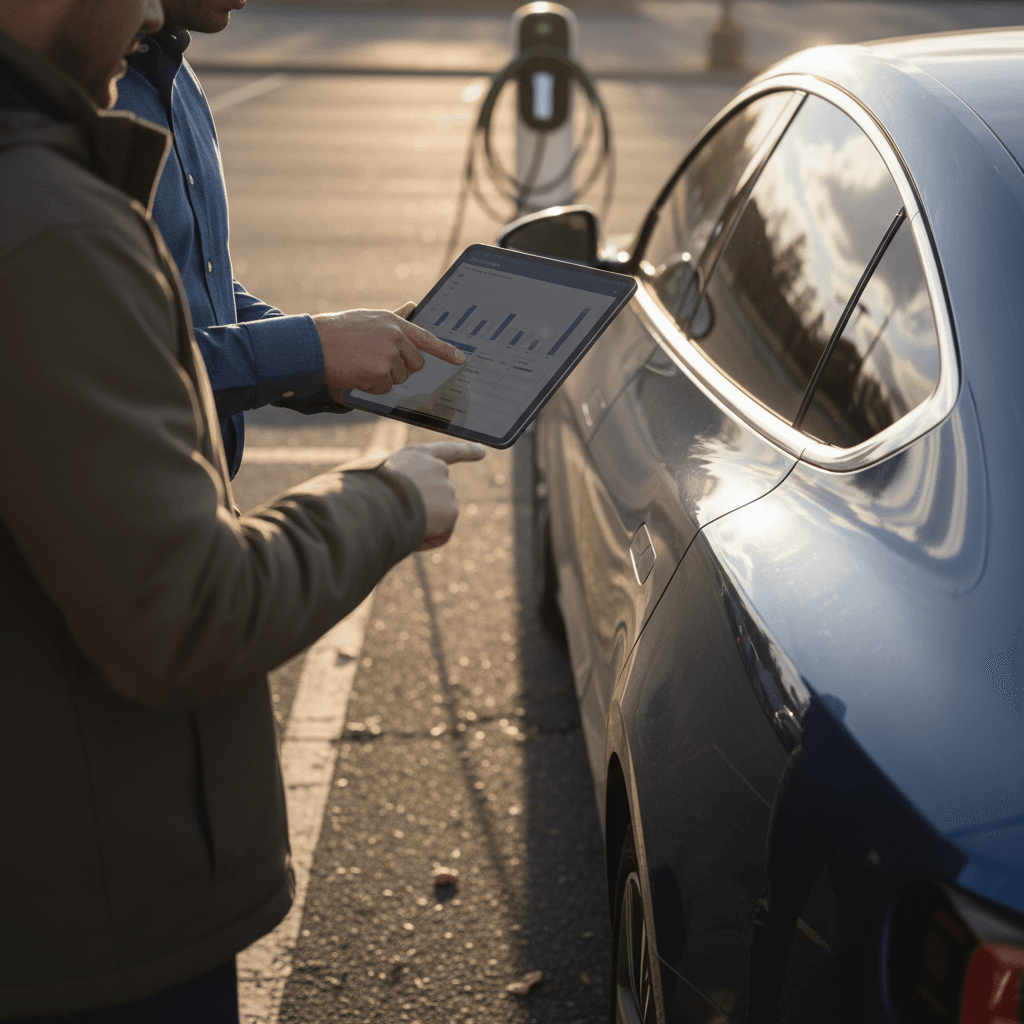
When you finance a used electric car, you and the lender are both making a bet on the vehicle’s future value. That future value depends heavily on one thing: battery health. This is where shopping through a platform built around EVs, not just generic used cars, can save you money over the life of the loan.
Why lenders care about verified battery health
Better data can translate into better terms for you.
Predictable range and usability
A pack that still holds a high percentage of its original capacity should deliver predictable range for years. This supports a normal loan term instead of forcing you into a short, expensive payoff schedule.
Lower risk of major repair
Replacing or remanufacturing a high‑voltage battery is expensive. A diagnostic battery report reduces the unknowns and reassures lenders they’re not financing a car that might need a massive repair in the near term.
Stronger resale value
EVs with documented battery health typically sell faster and for more money. That helps you if you want to trade or sell before the loan ends, and helps the lender if they ever have to resell the vehicle.
How Recharged helps here
How to compare lenders and offers like a pro
Once you’ve narrowed your vehicle list and know your rough budget, the real work begins: comparing actual offers. Don’t stop at monthly payment. To finance a used electric car wisely, you need to compare the whole structure of each offer.
Key numbers to line up side‑by‑side
- APR: The interest rate including certain fees, your best apples‑to‑apples number.
- Term length: 36, 48, 60 months or longer. Shorter terms mean higher payments but less total interest.
- Total interest paid: Look at what you’ll pay in interest over the full term, not just the monthly bite.
- Fees and add‑ons: Document fees, loan origination charges, and optional products like service contracts or GAP insurance.
Questions to ask every lender
- “Is there a prepayment penalty if I pay the loan off early?”
- “How old or high‑mileage can the EV be and still qualify?”
- “Will you honor this rate if I choose a different EV within the same price range?”
- “Can I bring an outside loan check if I find a better offer?”
Leverage approvals against each other
Trade-ins, down payments, and choosing the right term
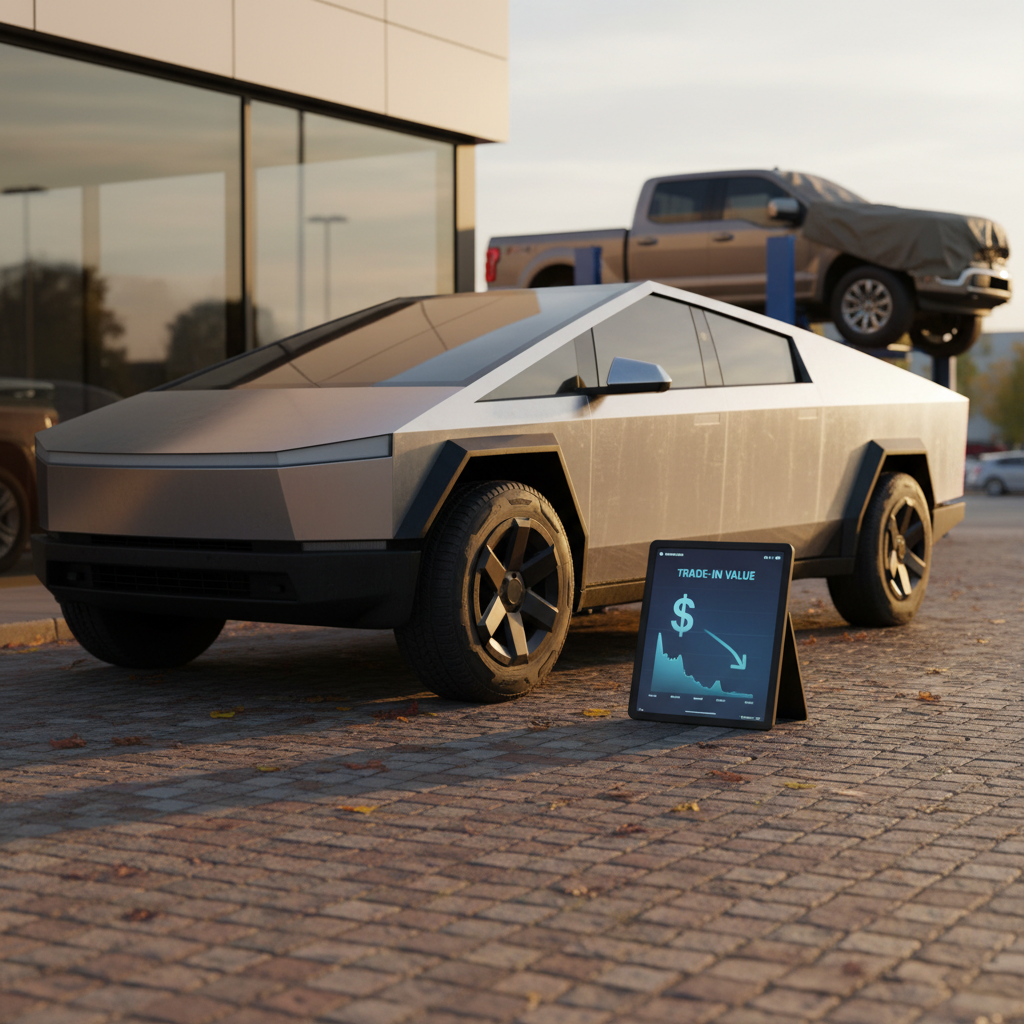
The structure of your deal matters as much as the rate. Trade‑in value, down payment size, and term length determine whether you stay ahead of depreciation, especially important with fast‑evolving EV prices.
How deal structure changes your risk
Three common ways shoppers structure used EV financing, and what each means for your budget and equity position.
| Scenario | Down payment | Term length | Pros | Cons |
|---|---|---|---|---|
| Conservative | 20% down | 36–48 months | Build equity quickly; pay far less interest; easier to sell or trade early. | Higher monthly payment; may limit how much car you can afford. |
| Balanced | 10% down | 60 months | Comfortable payment; reasonable total interest; still on track with typical battery life. | You’ll be slightly slower building equity, especially on models with softer resale. |
| Stretched | 0–5% down | 72–84 months | Lowest monthly payment; easiest way to fit a more expensive EV into today’s budget. | You may be upside‑down for years; high total interest; risky if values drop faster than expected. |
Use this as a guide; your exact numbers will depend on price, rate, and local taxes.
Mind the EV depreciation curve
How Recharged simplifies used EV financing
Financing a used EV doesn’t have to mean juggling half a dozen lender websites and worrying whether you’re overpaying. Recharged is built from the ground up around electric vehicles, which changes the equation for both buyers and lenders.
Financing a used EV through Recharged
What you can expect from a purpose‑built EV marketplace.
Transparent Recharged Score Report
Every vehicle comes with a Recharged Score Report that breaks down battery health, pricing versus the market, and key condition details. That transparency helps you and our lending partners understand the real value of the car.
Digital, guided financing experience
You can browse vehicles, get expert guidance, and complete financing fully online, or visit our Experience Center in Richmond, VA if you’d like in‑person help.
Nationwide delivery and trade‑ins
Recharged supports trade‑ins, instant offers, and consignment, plus nationwide delivery. That makes it simple to roll your existing vehicle into the deal and finance the right used EV, wherever you live.
Ready to find your next EV?
Browse VehiclesPre‑qualify without pressure
Used EV financing checklist
Step‑by‑step: how to finance a used electric car
1. Clarify your monthly budget
Decide what you can comfortably spend on a payment plus insurance and charging, after factoring in fuel and maintenance savings versus your current car.
2. Check your credit and clean it up
Review your credit reports, pay down small revolving balances if possible, and fix any errors before seeking pre‑approval.
3. Get pre‑qualified with at least one lender
Use a credit union, your bank, an online lender, or a marketplace like Recharged to see real numbers before you shop.
4. Shop vehicles with verified battery health
Prioritize used EVs with a clear battery health report, such as the Recharged Score, and avoid cars with missing service history or unclear fast‑charging usage.
5. Collect 2–3 competing offers
Once you’ve picked a specific vehicle, compare offers from multiple lenders on APR, term, total interest, and fees, not just the monthly payment.
6. Choose a deal that fits your timeline
Match your loan term to how long you realistically plan to own the EV, and avoid over‑stretching on term length or down payment just to “make it work.”
7. Review the contract line by line
Before signing, read the retail installment contract and any lease or loan docs. Question dealer add‑ons, double‑check the rate, and confirm there’s no prepayment penalty.
Frequently asked questions about financing a used EV
Used electric car financing FAQ
Key takeaways before you sign
Financing a used electric car in 2026 isn’t just about chasing the lowest monthly payment. It’s about matching the right vehicle, with verifiable battery health and realistic range, to the right loan structure for your budget and ownership plans. When you know your numbers, compare multiple offers, and avoid over‑stretching on term length, a used EV can be one of the smartest, most cost‑effective vehicles you’ve ever owned.
If you’d like a simpler path, Recharged brings together verified battery diagnostics, fair market pricing, expert EV guidance, and integrated financing in one place, with options for trade‑ins, instant offers, and nationwide delivery. Whether you’re shopping entirely online or visiting our Experience Center in Richmond, VA, you’ll have the information and support you need to finance your next used electric car with confidence.