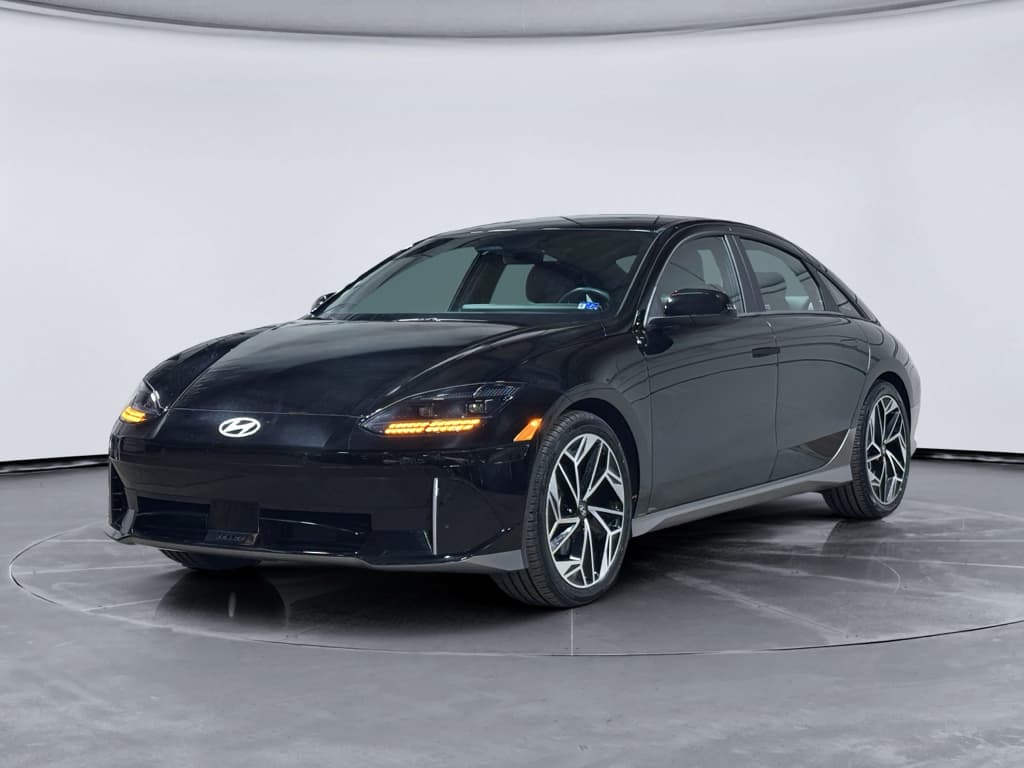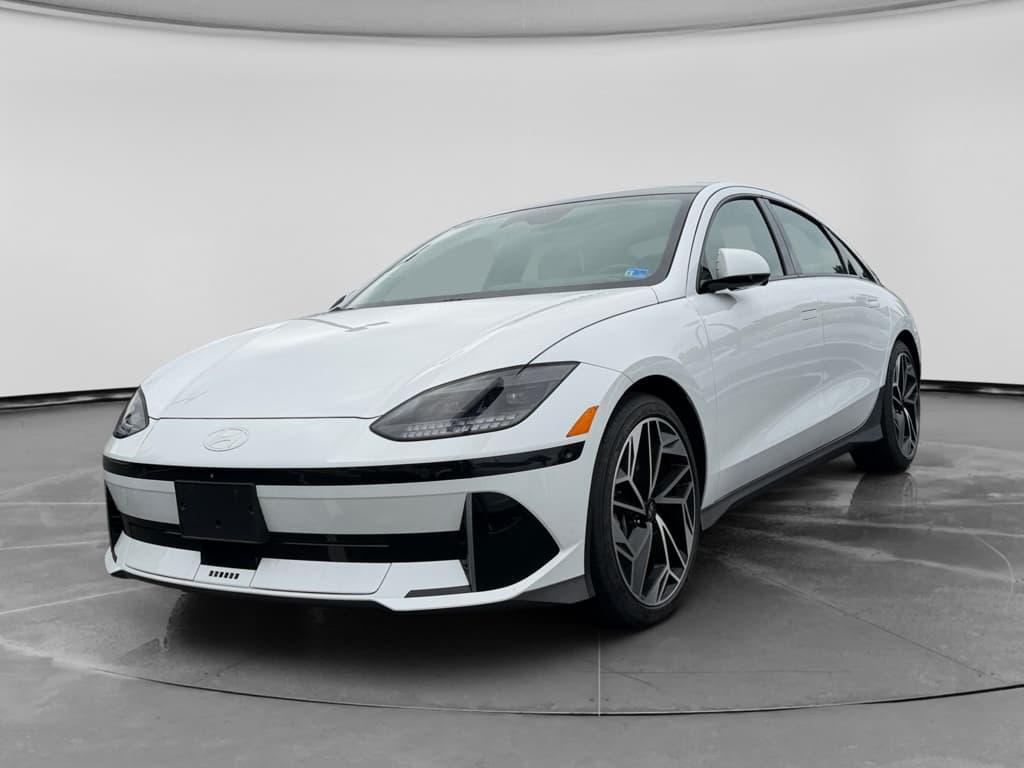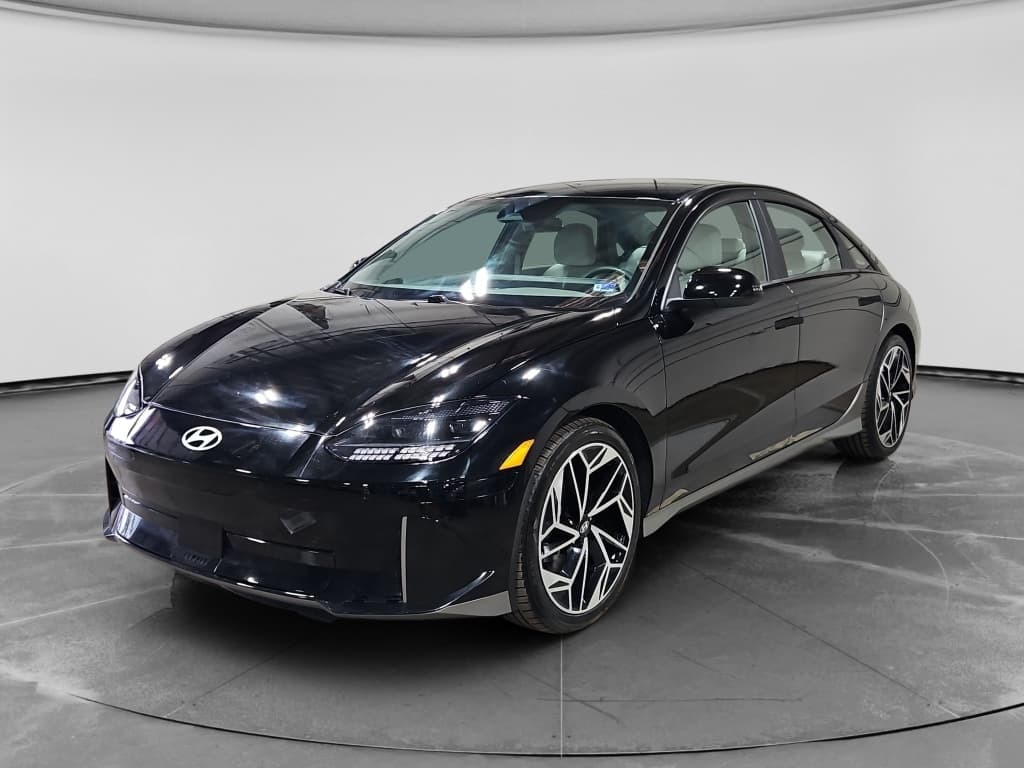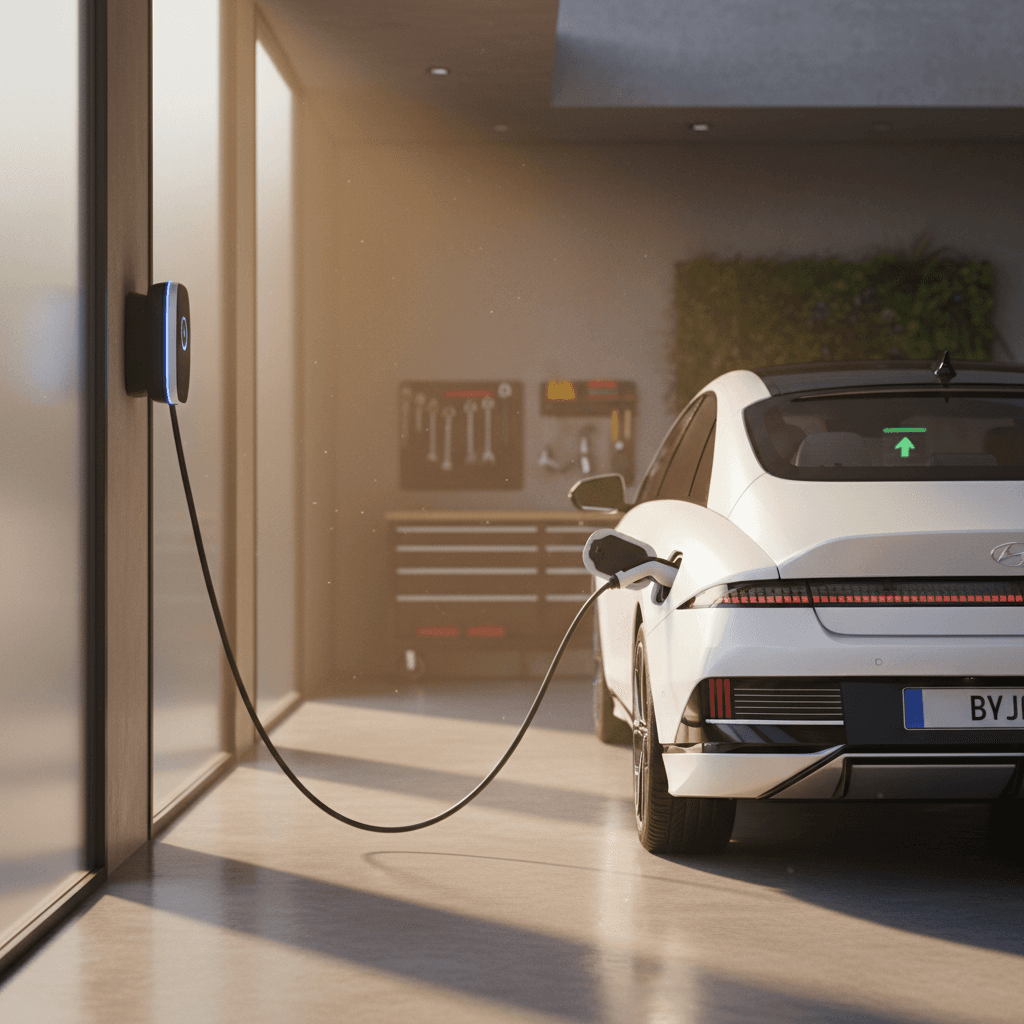
If you’ve just brought home a Hyundai Ioniq 6, the next question hits fast: how do you actually charge this thing at home without turning your life into a science project? The good news is that charging a Hyundai Ioniq 6 at home is straightforward once you understand the difference between Level 1 and Level 2, what equipment you need, and how long it really takes to fill a 53–77.4 kWh battery from your wall.
Quick answer
Hyundai Ioniq 6 home charging basics
Know your battery
The Ioniq 6 has different battery sizes depending on trim and market, but in the U.S. you’ll typically see a 77.4 kWh pack in most long‑range trims and a smaller ~53 kWh pack in Standard Range models. That’s the energy you’re refilling at home.
The bigger the pack, the more range you get – and the longer it takes to charge at the same power level.
Know your onboard charger
The car’s onboard AC charger is rated around 10.9 kW. That’s the maximum AC power the Ioniq 6 can accept from a home or public Level 2 station. If your wallbox can deliver more than that, the car still caps it at roughly 10–11 kW; buy for your home’s wiring and future EVs, not for some imaginary 19 kW dream charge.
Why this matters
What you actually need to charge an Ioniq 6 at home
Four ingredients of a good Ioniq 6 home setup
Think in terms of the whole system, not just “the charger.”
1. Power source
Either a standard 120V household outlet (Level 1) or a dedicated 240V circuit (Level 2), usually 30–60 amps.
2. EVSE / wallbox
The “charger” on the wall is actually an EVSE that safely delivers power. It uses the J1772 plug your Ioniq 6 expects for AC charging in North America.
3. The car
Your Ioniq 6’s onboard charger turns that AC into DC to feed the battery. Its limit (~10.9 kW) sets your real top speed on Level 2.
4. Software & settings
Charging schedules, charge limits, and preconditioning live in the car’s menus and Hyundai app. Set them up once; reap the benefits daily.
Don’t DIY the dangerous part
Level 1 vs Level 2: How fast will an Ioniq 6 charge at home?
Here’s where expectations and physics collide. The Ioniq 6 ships with a portable Level 1 cord for a 120V outlet. It works, but it’s slow. Level 2 at 240V is what makes daily EV life feel effortless.
Typical Hyundai Ioniq 6 home charging times
Approximate times from near‑empty to ~100% in moderate temperatures. Real times vary with driving, temperature, and how full you charge.
| Charging type | Voltage / amps | Power (approx.) | Ioniq 6 battery | Miles added per hour* | Time 10–80% | Time 20–100% |
|---|---|---|---|---|---|---|
| Level 1 (included cord, default setting) | 120V / 6A | 0.7 kW | 77.4 kWh | ~2–3 mi/hr | ~45–50 hours | ~55–60 hours |
| Level 1 (max setting) | 120V / 12A | 1.4 kW | 77.4 kWh | ~4–5 mi/hr | ~24–28 hours | ~32–40 hours |
| Level 2 (low power) | 240V / 16A | 3.8 kW | 77.4 kWh | ~12–14 mi/hr | ~8–9 hours | ~10–12 hours |
| Level 2 (common home setup) | 240V / 32A | 7.7 kW | 77.4 kWh | ~24–28 mi/hr | ~4–5 hours | ~6–8 hours |
| Level 2 (maxing out onboard charger) | 240V / 48A | 11.5 kW (car capped ~10.9) | 77.4 kWh | ~30–35 mi/hr | ~3–4 hours | ~5–6 hours |
| Level 2, Standard Range Ioniq 6 | 240V / 32A | 7.7 kW | ~53 kWh | ~24–28 mi/hr | ~3–4 hours | ~5–6 hours |
Use this table as a planning tool, not a promise, your house wiring and utility rates also play a role.
About those “hours”
Why most Ioniq 6 owners end up with Level 2
Step-by-step: how to charge your Hyundai Ioniq 6 at home
First time plugging in at home
1. Choose your outlet
For your first night, you can use a grounded 120V outlet (Level 1). Avoid power strips, extension cords, or outlets sharing heavy loads like space heaters or air conditioners.
2. Inspect the circuit
Make sure the outlet and plug are in good condition, no discoloration, cracks, or loose fit. A warm plug after an hour is normal; a hot or buzzing outlet is a stop‑everything sign.
3. Plug into the wall first
Connect the portable charger or wallbox to the wall before you plug into the car. The EVSE will self‑check and show ready status (usually a green light).
4. Open the Ioniq 6 charge port
Press the small door on the right rear bumper or use the button on the key fob or inside the car. The Ioniq 6 uses the combined CCS port, but the top J1772 section is all you need for home AC charging.
5. Insert the connector firmly
Push the J1772 plug straight in until you hear or feel a click. The car will lock the connector and show a pulsing green light at the port when charging starts.
6. Verify charging on screen or app
Check the car’s instrument cluster or the Hyundai app to confirm charging speed, estimated finish time, and the targeted charge level. If you see a clock icon, a schedule may be blocking immediate charging.
Everyday routine
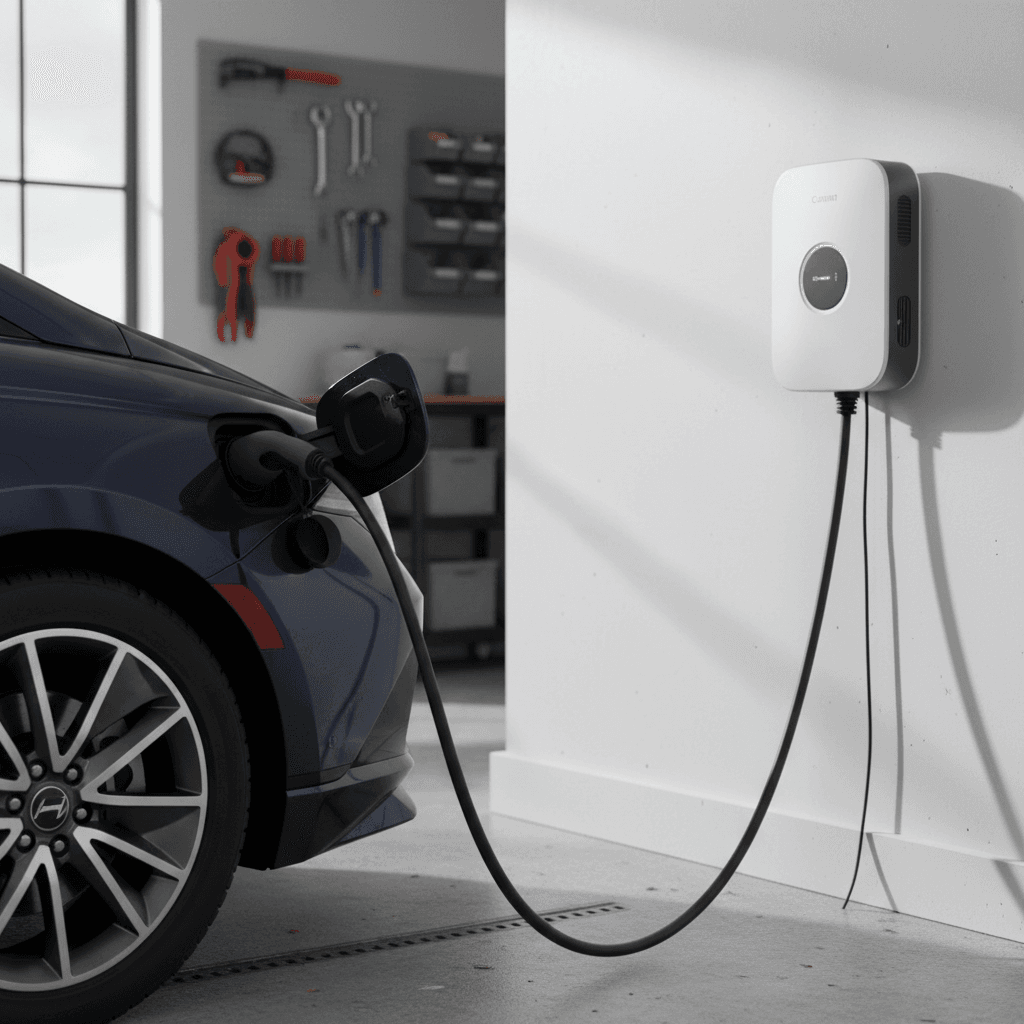
Installing a Level 2 charger for your Ioniq 6
If Level 1 is the emergency donut spare of EV charging, Level 2 is the proper set of summer tires. You don’t technically need it, but after a few weeks of 40‑hour charge sessions, most Ioniq 6 owners start Googling electricians.
Picking the right amperage
- 30A circuit (24A charger): OK for light drivers or apartments where power is limited.
- 40A circuit (32A charger): Great middle ground for most Ioniq 6 owners; plenty for overnight fills.
- 60A circuit (48A charger): Ideal if your panel can support it and you’re future‑proofing for a second EV.
Remember: continuous loads like EV charging are usually limited to 80% of breaker rating, which is why a 40A circuit typically feeds a 32A charger.
Choosing where it lives
- Mount near the Ioniq 6’s right rear corner so the cord reaches comfortably.
- Keep the unit off the floor and away from direct sprinkler spray or deep snow.
- Consider a NEMA plug‑in unit if you want flexibility to swap chargers later.
Good installers think about cord management, parking patterns, and future vehicles, not just the nearest stud.
Panel at capacity? Stop there.
Level 2 install checklist
Confirm service capacity
Have an electrician review your main panel size (often 100A, 150A, or 200A) and typical household loads to see what’s available for EV charging.
Compare hardware options
Look for Energy Star‑rated wallboxes with Wi‑Fi, adjustable amperage, and a J1772 connector. Avoid rock‑bottom no‑name units; this is high‑power hardware that lives outdoors.
Get a written quote
Ask for a line‑item quote that shows breaker size, wire gauge, conduit routing, permits, and whether drywall repair is included.
Pull the permit
Many U.S. jurisdictions require an electrical permit and inspection. Skipping this can bite you when you sell the house, or if something goes wrong.
Test with the Ioniq 6
After install, plug in your car, verify the amperage on the charger and in the car’s screen, and watch a full session to ensure nothing overheats or trips.
If you’re buying a used Ioniq 6, this is a great time to think holistically: not just the car’s price, but the home‑charging setup that makes EV ownership actually convenient. At Recharged, when we place an Ioniq 6 in your driveway, our team can walk you through Level 2 hardware options and what a typical install looks like in your type of home, so there are no surprises after delivery.
Battery health: smart daily charging habits for Ioniq 6 owners
The Ioniq 6’s big lithium‑ion pack is robust, but it likes a certain lifestyle. Treat it well and capacity loss is a slow fade over many years, not a cliff.
Simple rules for keeping your Ioniq 6 battery happy
Less drama, more quiet commuting.
Stay around 20–80%
For daily use, set the car to stop around 80%. Use 100% only when you need the range for a road trip, and aim to drive soon after it finishes.
Charge when it’s cool
Overnight charging is kinder to the battery and kinder to your rates in many utilities. Heat is the enemy of battery life; avoid fast‑charging to 100% on blazing afternoons unless you must.
Plug in regularly, not constantly
It’s fine to leave the car plugged in with a sensible charge limit set. What you want to avoid is living near 0% for long periods or “topping off” to 100% every single night.
Use the car’s charge limit
What home charging will actually cost you
Running an Ioniq 6 on electrons instead of gasoline is like switching from craft cocktails to tap water. There’s still a bill, but it’s not in the same universe as premium unleaded.
Back‑of‑the‑envelope math
The long‑range Ioniq 6 averages roughly 3–4 miles per kWh in mixed real‑world driving. If your home electricity is $0.15/kWh, that’s roughly 4–5 cents per mile.
At 12,000 miles per year, you’re spending on the order of $500–$700/year in electricity, vs. well into four figures for a similarly quick gas sedan. In high‑cost electricity markets, off‑peak time‑of‑use plans can narrow that gap even more.
Let the schedule work for you
- Many utilities offer cheaper overnight rates. Set the Ioniq 6 to start charging after that time begins.
- In the Hyundai app, you can define both a departure time and a maximum charge level, so the car is ready when you are, not hours earlier.
- Use scheduled charging plus Level 2 to avoid large spikes in household demand during dinner time.
It’s worth one call to your utility to ask about EV‑specific programs, rebates on chargers, or lower off‑peak pricing.
Rebates sweeten the deal
Troubleshooting common Ioniq 6 home charging issues
The most common Ioniq 6 home‑charging “problems” aren’t really problems at all, they’re mismatched expectations or one hidden setting buried in a menu. Here’s how to decode the usual suspects.
- “It says 32 hours to full, this can’t be right.” You’re on Level 1 at 120V, probably at the cable’s default low‑amp setting. That is right. If this doesn’t match your life, you need Level 2.
- “The car is plugged in but not charging.” Check for a little clock icon on the dash or in the app, there may be a schedule set. In the app or car, choose "Charge now" or temporarily disable scheduled charging.
- “The charger keeps tripping the breaker.” The circuit may be overloaded or shared with other big loads. Have an electrician inspect it; in the meantime, lower the maximum amperage in the charger’s settings if possible.
- “The outlet or plug feels hot.” Warm is OK; hot or discolored is not. Stop charging and have the outlet, wiring, and EVSE checked. This is where that permit and licensed electrician pay off.
- “The app shows ‘Level 2’ when I’m on a regular outlet.” Don’t worry about the label; the real clue is kW or mi/hr. If you’re only adding 3–5 miles per hour, you’re at Level 1 speeds regardless of what the app calls it.
Don’t ignore weird noises or smells
Hyundai Ioniq 6 home charging FAQ
Frequently asked questions about charging a Hyundai Ioniq 6 at home
Should you buy an Ioniq 6 if you can’t install Level 2 at home?
It depends on your driving and your access to public charging. If you drive modest miles, have reliable public Level 2 or DC fast options nearby, and can plug into a 120V outlet whenever you’re home, you can live with Level 1 longer than most people think. But the Hyundai Ioniq 6 really comes into its own when you give it a proper 240V Level 2 line in the garage, suddenly, your “fuel stops” happen while you sleep.
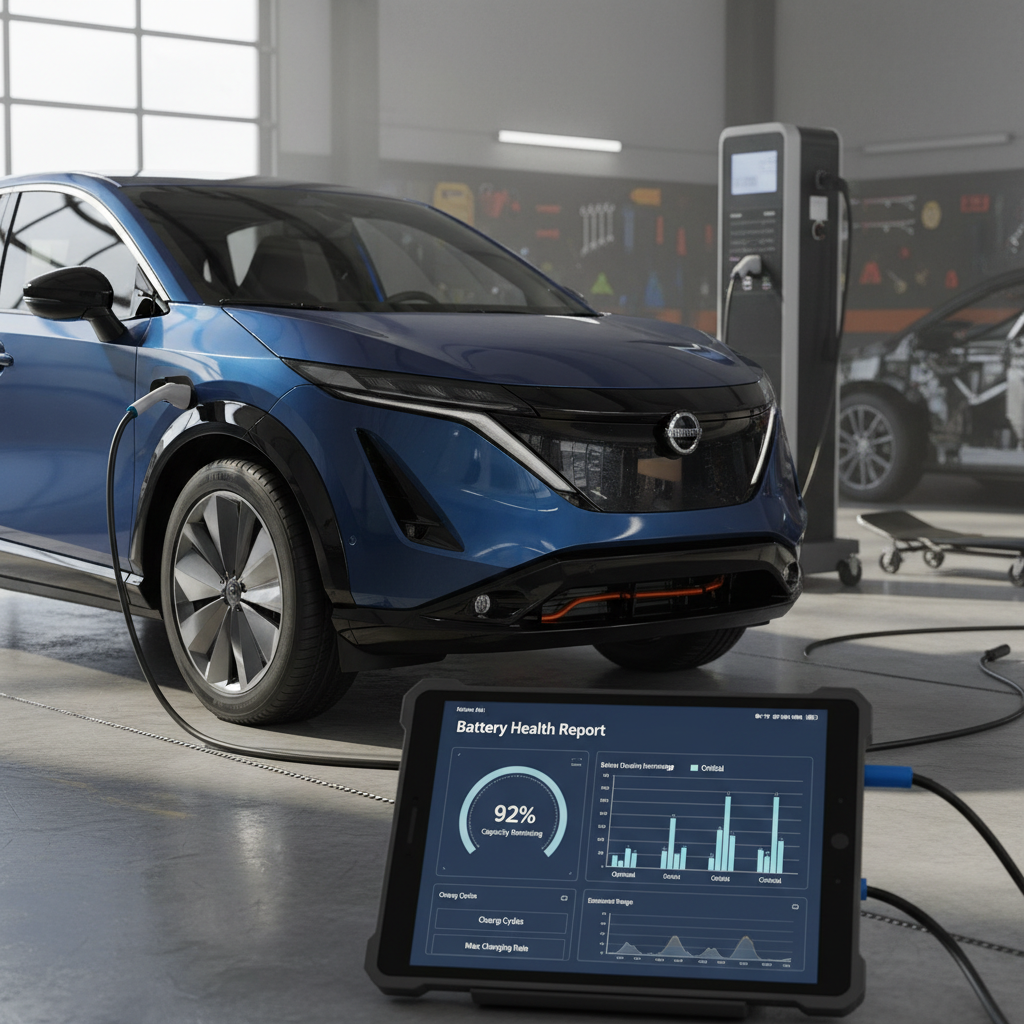
If you’re shopping for a used Hyundai Ioniq 6 and wondering how home charging will fit your life, that’s exactly the conversation Recharged was built for. Along with a transparent Recharged Score battery report, our team can help you map out Level 1 vs Level 2 options, electrician costs, and realistic charge times based on how and where you drive. The car is only half the story; the charging plan is the other half, and when those two line up, the Ioniq 6 is one of the easiest EVs to live with in the real world.