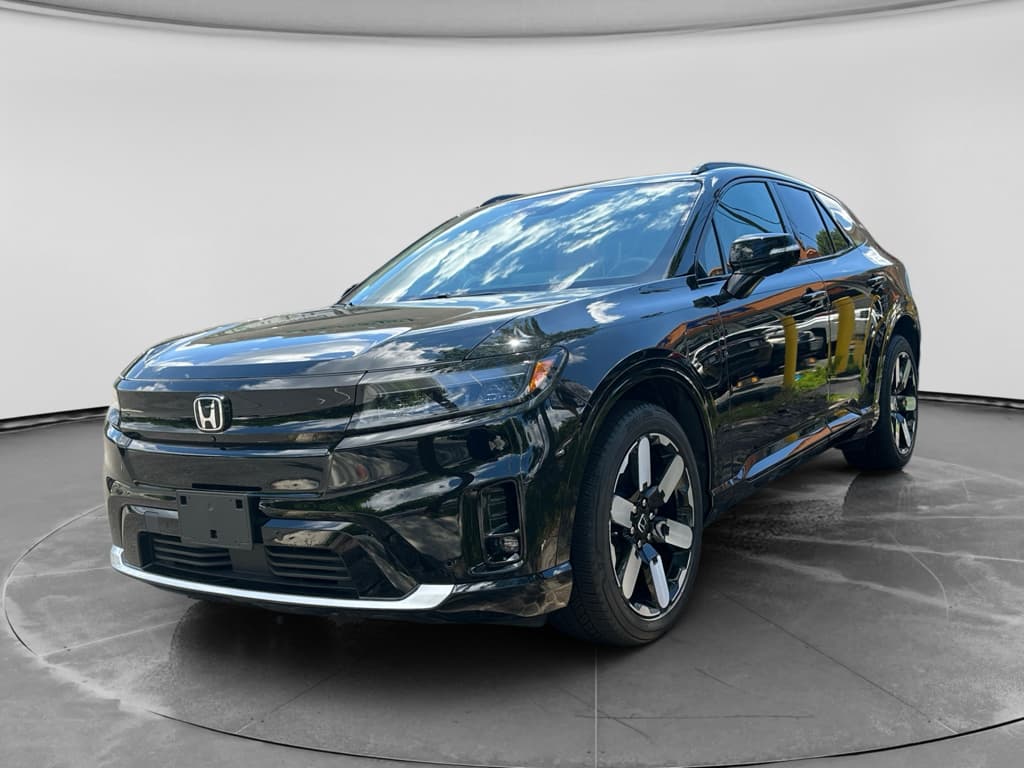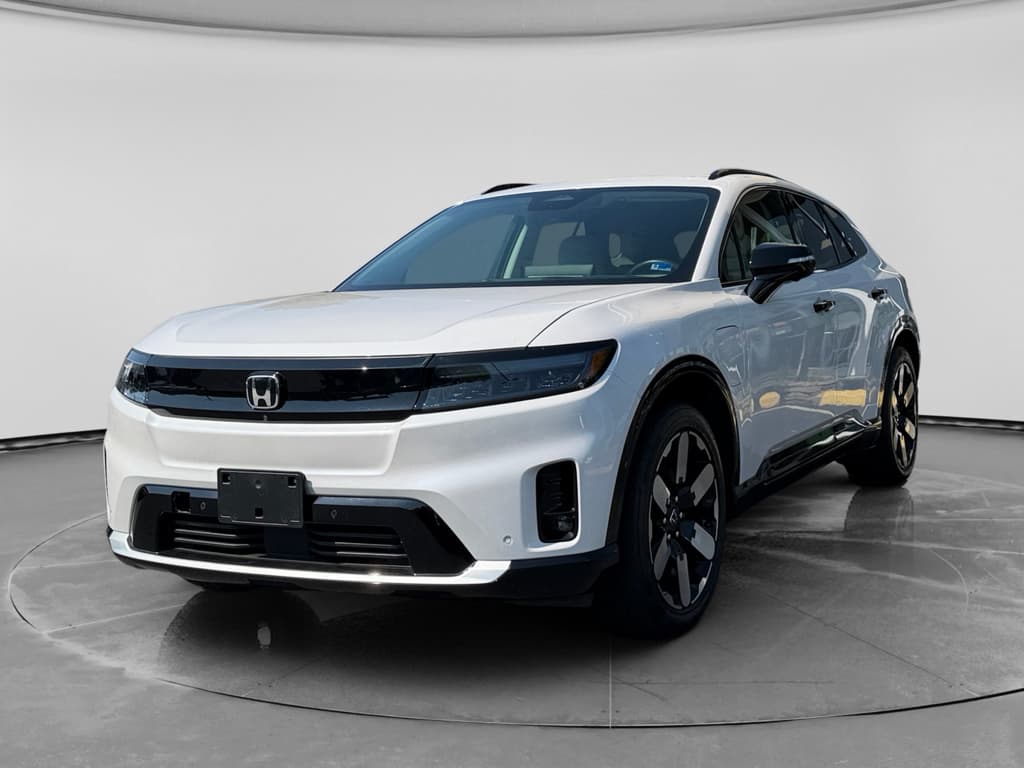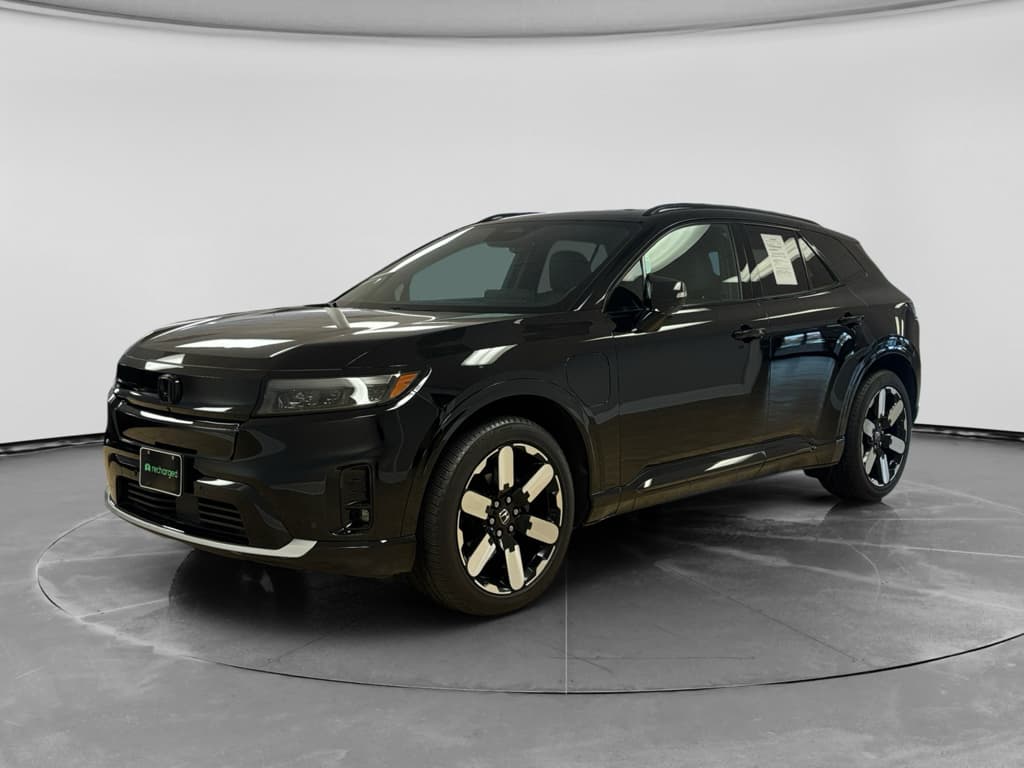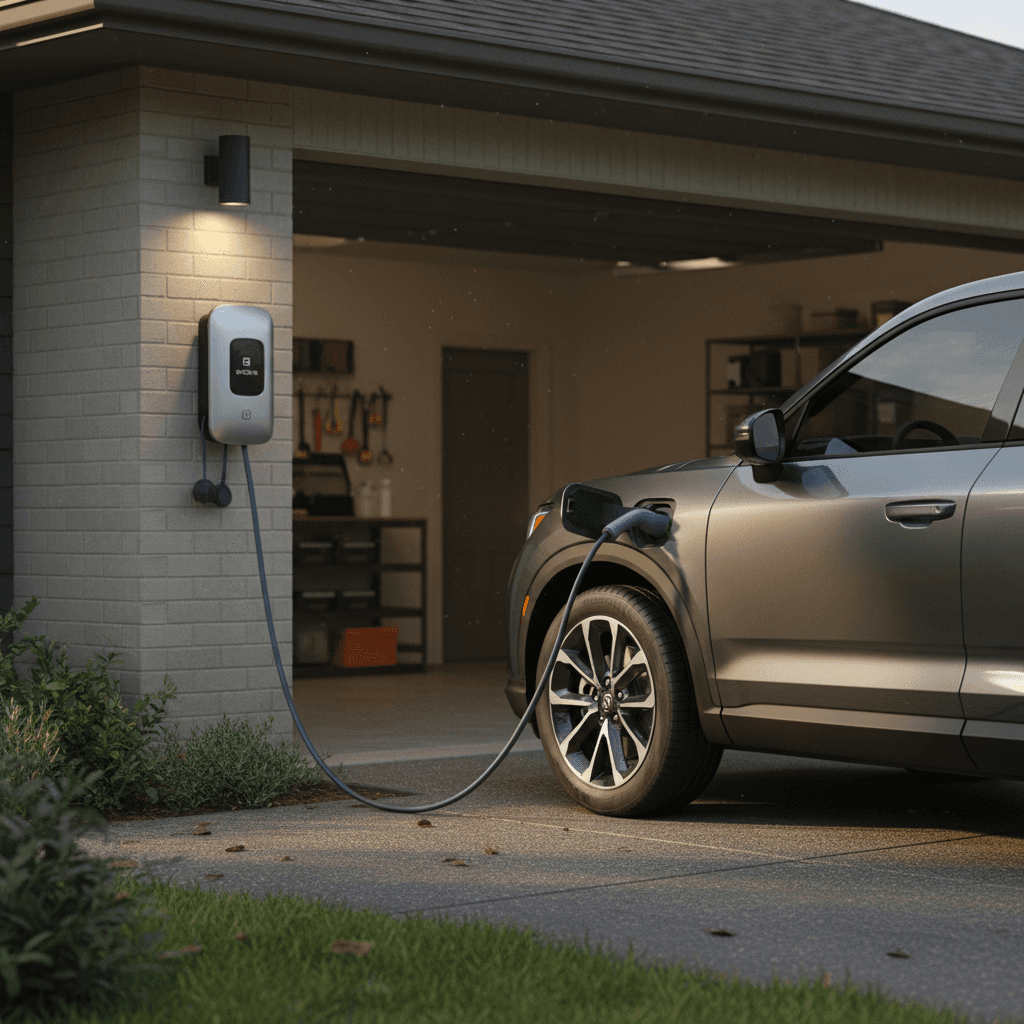
If you just bought or are shopping for a Honda Prologue, figuring out how to charge it at home is one of the most important (and most confusing) parts of EV ownership. The good news: once you understand the basics of Level 1 vs Level 2 charging and choose the right equipment, topping up your Prologue at home can be simple, cheap, and easy on the battery.
Quick answer
Honda Prologue home charging basics
The Honda Prologue is built on GM’s Ultium platform and uses an 11.5 kW onboard AC charger. That number matters because it sets the ceiling for how fast you can charge at home: even if you buy a massive 80‑amp wallbox, the car itself will still top out around 11.5 kW on AC power.
- Battery: roughly 85 kWh pack (around 80–83 kWh usable)
- Onboard AC charger: up to 11.5 kW for home charging
- Public DC fast charging: up to ~150–155 kW (not relevant at home)
- Connector: North American Charging Standard (NACS) inlet on the vehicle, compatible with NACS home chargers and adapters from J1772/CCS EVSE
At home you’re always using AC charging, either through a regular wall outlet (Level 1) or a 240V circuit (Level 2). DC fast chargers at highway stations bypass the onboard charger and feed high‑power DC straight to the pack, which is great for road trips but overkill, and very expensive, for home use.
Think in “miles per hour” of charge
Level 1 vs Level 2: What actually changes on a Prologue?
Every Honda Prologue can use both Level 1 and Level 2 AC charging. The difference is simply how much power you can safely pull from your electrical circuit, not some special hardware in the car.
Level 1 vs Level 2 charging for Honda Prologue
Same car, different circuits and charging speeds
Level 1 (120V household outlet)
Best for: Light commuters, apartment parking with no 240V, or temporary use.
- Uses a standard North American 120V outlet.
- Typically 12 amps continuous (about 1.4 kW).
- Roughly 3–5 miles of range per hour of charging.
- Can add ~30–50 miles if plugged in for 10–12 hours overnight.
If you drive very little most days, Level 1 might be enough, but it leaves you with little margin if you arrive home nearly empty.
Level 2 (240V dedicated circuit)
Best for: Most Prologue owners who drive daily or want consistent overnight full charges.
- Uses a 240V circuit like an electric dryer or range.
- Common EVSE outputs: 24A, 32A, 40A, 48A.
- Real‑world: ~15–35 miles of range per hour, depending on amperage.
- Easily refills a typical daily commute in a couple of hours.
This is the setup that makes an EV feel like it "refuels while you sleep."
Don’t treat Level 1 as a permanent solution if you drive a lot
How fast will my Honda Prologue charge at home?
Because the Prologue’s onboard charger tops out around 11.5 kW, the maximum useful home charging rate is basically a 48‑amp Level 2 charger on a 60‑amp circuit. Anything above that is just leaving money on the table.
Approximate Honda Prologue home charging speeds
Rough estimates for a Prologue with ~80–83 kWh usable battery. Actual times vary with temperature, battery state of charge, and efficiency.
| Setup | Voltage / Amps | Power (approx.) | Miles of range per hour | 0–100% time (approx.) |
|---|---|---|---|---|
| Level 1 – standard outlet | 120V / 12A | 1.4 kW | 3–5 mi/hr | 40–50 hours |
| Portable Level 2 – 16A | 240V / 16A | 3.8 kW | 11–15 mi/hr | 18–22 hours |
| Wallbox Level 2 – 32A | 240V / 32A | 7.7 kW | 22–28 mi/hr | 9–11 hours |
| Wallbox Level 2 – 40A | 240V / 40A | 9.6 kW | 26–32 mi/hr | 7–9 hours |
| Wallbox Level 2 – 48A (maxing onboard charger) | 240V / 48A | 11.5 kW | 30–35 mi/hr | 6–8 hours |
Charging is slower above ~80% state of charge and faster when the battery is low. These are ballpark planning numbers, not promises.
You don’t always charge 0–100%
Equipment options to charge a Prologue at home
Honda and dealers talk about “at‑home charging packages,” but under the skin they’re just EVSE (Electric Vehicle Supply Equipment), smart extension cords that talk to the car. You have three main paths: live with Level 1, use a portable Level 2, or install a wall‑mounted Level 2 charger.
Common home charging equipment setups for Prologue owners
From free and slow to fast and fully‑featured
1. Level 1 with included portable cord
Most Prologues ship with a portable cord that can plug into a 120V outlet.
- Pros: Usually included, no electrician needed, good backup.
- Cons: Very slow; needs a dedicated, properly grounded outlet.
- Best for: Drivers under ~25 miles/day or short‑term situations.
2. Portable Level 2 on a 240V outlet
A dual‑voltage or 240V‑only portable EVSE plus a NEMA 14‑50 or similar outlet.
- Pros: Much faster, flexible if you move or rent, can be cheaper than a wallbox.
- Cons: Cord management, more theft risk outdoors, fewer smart features.
- Best for: Renters, people planning to move, or those on a budget.
3. Hard‑wired Level 2 wallbox
A dedicated 32–48A charger mounted on your wall and wired directly to your panel.
- Pros: Cleanest solution, fully utilizes the Prologue’s 11.5 kW capability, often Wi‑Fi/app features.
- Cons: Requires electrician, higher upfront cost.
- Best for: Long‑term homeowners who want “set it and forget it” convenience.
Where Recharged fits in
Ready to find your next EV?
Browse Vehicles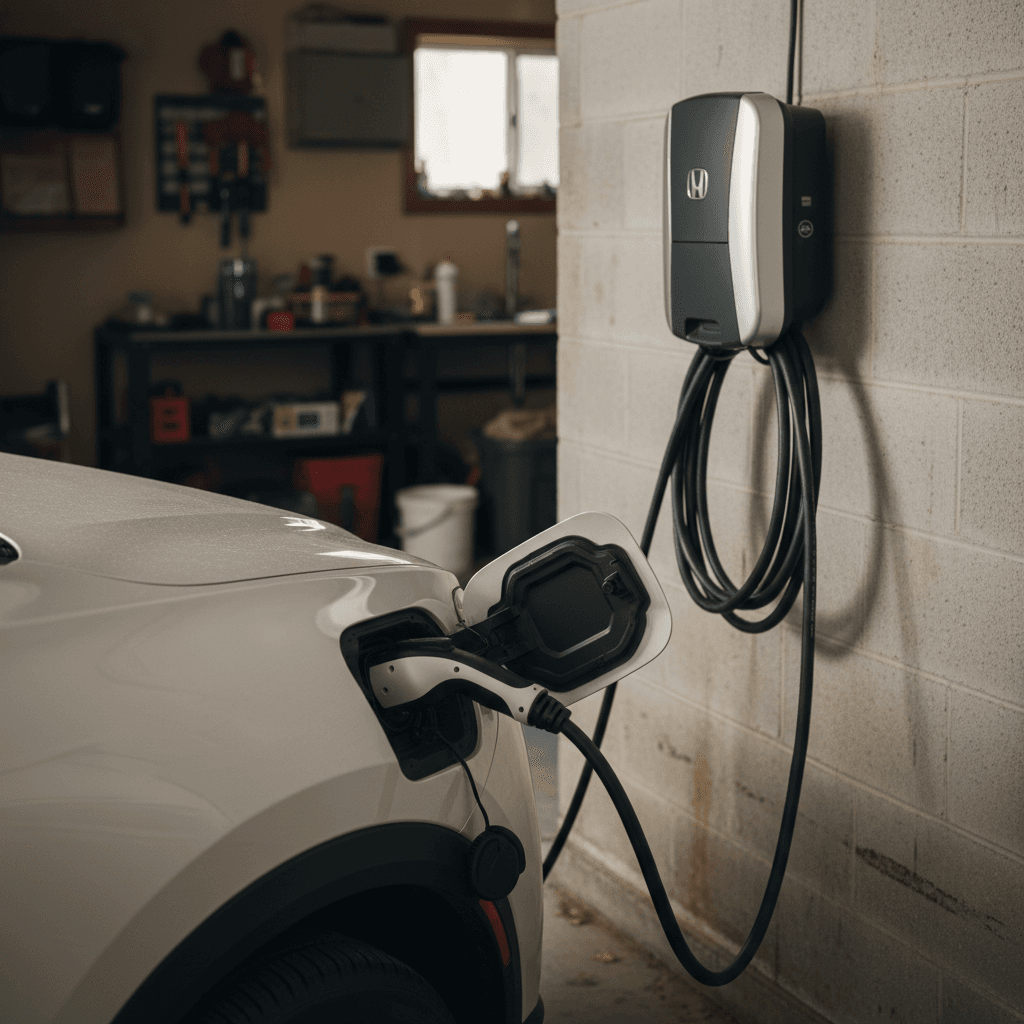
How to choose the right home charging setup
Choosing how to charge your Honda Prologue at home is mostly about matching charging speed to your daily miles and your electrical panel. You don’t need a giant 80‑amp charger if you only drive 30 miles a day, and your panel may not have the capacity anyway.
5 questions to size your home charging for a Honda Prologue
1. How many miles do you drive on a typical day?
If you’re under ~25 miles/day, Level 1 can work, though Level 2 adds comfort. If you’re 25–60 miles/day, a 24–32A Level 2 is usually enough. Above ~60–70 miles/day, aim for a 32–40A Level 2.
2. Do you often arrive home near 0–20%?
If you regularly pull in fairly empty and need to leave early the next day, you’ll appreciate a faster 40–48A setup that can quickly refill that lower portion of the battery overnight.
3. What’s available in your electrical panel?
Open your panel (or have an electrician do it) and look at the main breaker rating and how many spare breaker spaces you have. A full panel or low main rating may limit you to 30–40A EV charging or require an upgrade.
4. Are you renting or planning to move soon?
Renters and short‑timers often prefer a portable Level 2 unit on a NEMA 14‑50 outlet, which you can simply unplug and take with you, leaving behind only a standard receptacle.
5. Do you want smart features?
Some Level 2 chargers add Wi‑Fi, load balancing, and utility integrations for rebates. If you just want reliable overnight charging, a simpler, UL‑listed unit is fine.
Don’t overspend chasing max kW
Installation costs and electrical panel checks
The car side of charging a Honda Prologue at home is plug‑and‑play. The tricky, and expensive, part can be getting 240V power to the right spot in your home. Costs vary a lot based on distance from the panel, wall construction, and whether your panel has spare capacity.
Typical Level 2 installation realities for Prologue owners
Using Honda’s home electrification partner
Honda has promoted home charging packages where their partner coordinates installation of a branded wallbox. The upside is convenience and a charger that’s guaranteed compatible. The downside is that you may pay more than hiring an electrician directly, and options can be limited.
If your lease or purchase included a credit toward a Honda‑branded charger, read the fine print: in many cases you can opt for just the hardware and use your own installer, or take charging credits instead.
Hiring your own electrician
Getting 2–3 quotes from licensed electricians usually gives you the best combination of cost and control. Ask each contractor:
- What amp rating they recommend for your panel and wiring run.
- Whether they prefer a plug‑in (NEMA 14‑50) or hard‑wired EVSE.
- How they’ll route conduit, and whether drywall will be opened.
- What permits and inspections are included in the price.
Once the circuit is in, you can choose any UL‑listed Level 2 charger that plays nicely with the Prologue.
Never DIY beyond the outlet
Step-by-step: how to charge a Honda Prologue at home
Once your electrical side is sorted, actually plugging in the Prologue is straightforward. Here’s the process for both Level 1 and Level 2 charging at home.
Step-by-step home charging for Honda Prologue owners
1. Park and put the Prologue in Park
Pull into your driveway or garage, set the parking brake if needed, and make sure the vehicle is fully in Park. The car won’t start charging if it thinks it’s still in gear.
2. Open the charge port door
Press the button on the driver’s door area or tap the port door (depending on trim/software) to open it. Check that the inlet is clean and free of debris.
3. Verify your outlet or charger status
For Level 1, make sure the 120V outlet is grounded and not sharing a high‑draw appliance. For Level 2, check the wallbox or portable EVSE lights for “ready” status and any error codes.
4. Plug the connector into the car
Align the NACS connector with the Prologue’s inlet and push firmly until you hear or feel the latch click. Don’t force it at an odd angle; that can damage the connector over time.
5. Confirm charging on the dash and charger
The Prologue’s instrument cluster and/or center screen will show charging status and estimated time to completion. Your EVSE should show an active charging indicator. If either shows a fault, stop and investigate before walking away.
6. Set charge limit and schedule (optional)
In the vehicle’s settings, you can set a charge limit (for example 80% for daily use) and enable scheduled charging to take advantage of off‑peak electricity rates if your utility offers them.
Use scheduled charging to chase cheaper rates
Smart charging habits to protect your battery and bill
Charging a modern EV isn’t like nursing an old smartphone, but your habits still matter. With the Prologue’s Ultium pack, good home charging behavior will help preserve range and keep your costs predictable.
- Don’t live on DC fast charging. Road trips are fine, but for battery longevity try to do the vast majority of charging at home on Level 2.
- Aim for a daily 20–80% window. Use the full pack when you need it, but day‑to‑day, there’s no reason to park at 100% for long stretches.
- Plug in regularly instead of doing huge deep cycles. For most people, treating your Prologue like a smartphone, plugging in most nights, works well.
- Use pre‑conditioning when plugged in. In very hot or cold weather, pre‑heat or pre‑cool the cabin while connected so more of your battery is used for driving, not HVAC.
- Keep cables and connectors clean. Wipe down dusty or muddy connectors and avoid running over the cable, which can damage insulation over time.
Why this matters for used Prologues
Troubleshooting common Honda Prologue home charging issues
Home charging problems usually fall into one of three buckets: issues with the outlet/circuit, issues with the EVSE (charger), or something on the vehicle side. Here’s how to triage the most common pain points Prologue owners report.
Quick troubleshooting for Prologue home charging
Start with the cheap and simple checks before calling the electrician
Charger won’t start at all
- Confirm the breaker for that circuit is ON and hasn’t tripped.
- Test the outlet with another device (shop vac, hair dryer) to confirm power.
- Check the EVSE’s indicator lights and error codes; many have a legend on the unit or in the app.
- Try a different outlet (for Level 1) or another EV, if available, to isolate car vs EVSE.
Breaker trips during Level 2 charging
- Make sure nothing else heavy is on that circuit (dryers, welders, space heaters).
- Check if your EVSE allows you to dial down amperage (e.g., from 40A to 32A).
- If trips persist, stop using that setup and call an electrician, this can indicate undersized wiring or a failing breaker.
Car reports charging error
- Inspect the connector and inlet for obvious damage, bent pins, or debris.
- Power cycle the EVSE (flip breaker off/on) and gently re‑plug into the car.
- Verify your Prologue’s software is up to date; some early quirks are fixed with OTA updates.
- If multiple chargers show an error with your car, schedule service with Honda.
When to stop and call a pro
FAQ: Honda Prologue home charging
Frequently asked questions about charging a Honda Prologue at home
Setting up home charging for a Honda Prologue isn’t about buying the fanciest hardware, it’s about matching a safe, right‑sized Level 1 or Level 2 setup to your driving and your electrical panel. Once that’s done, your Prologue simply refuels while you sleep. And if you’re cross‑shopping the Prologue with other used EVs, Recharged’s battery‑health reports and charging guidance can help you choose a car and a home charging plan that actually fit your life, not just the brochure.