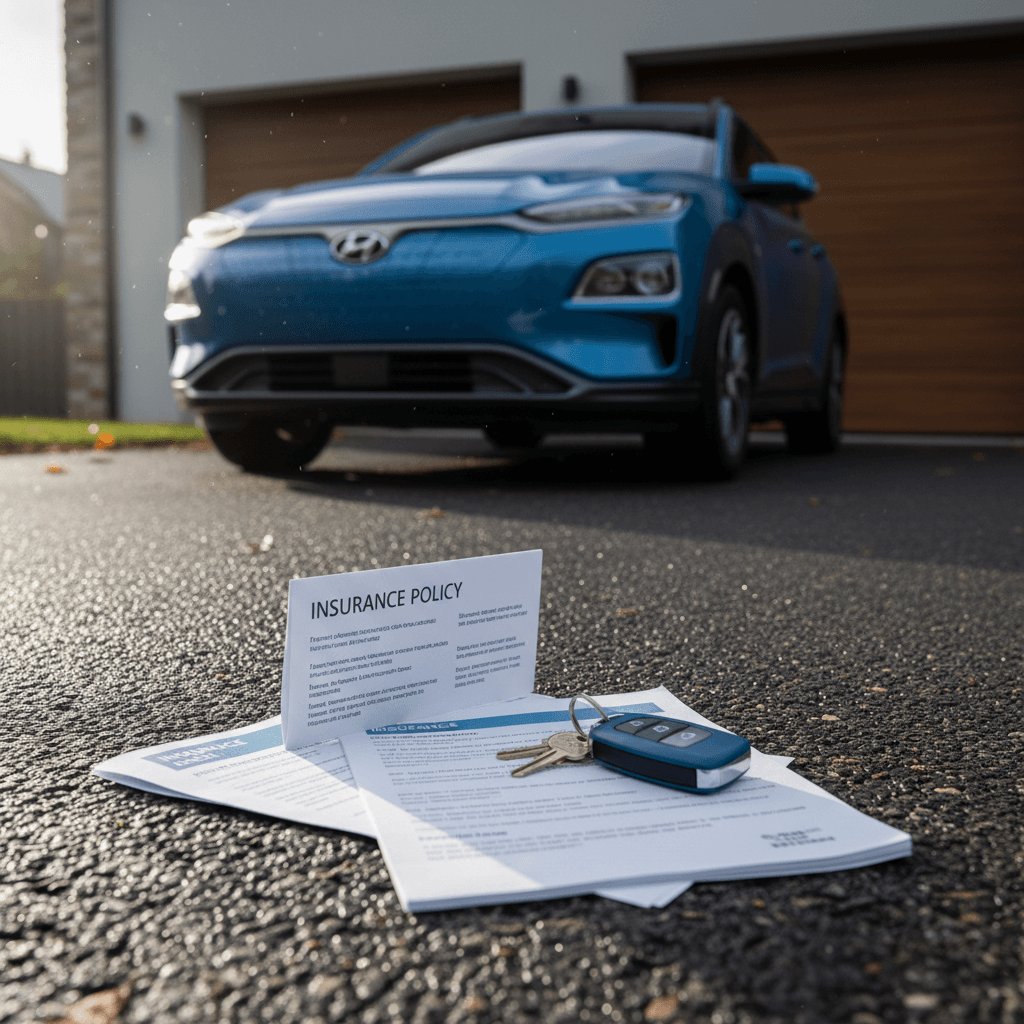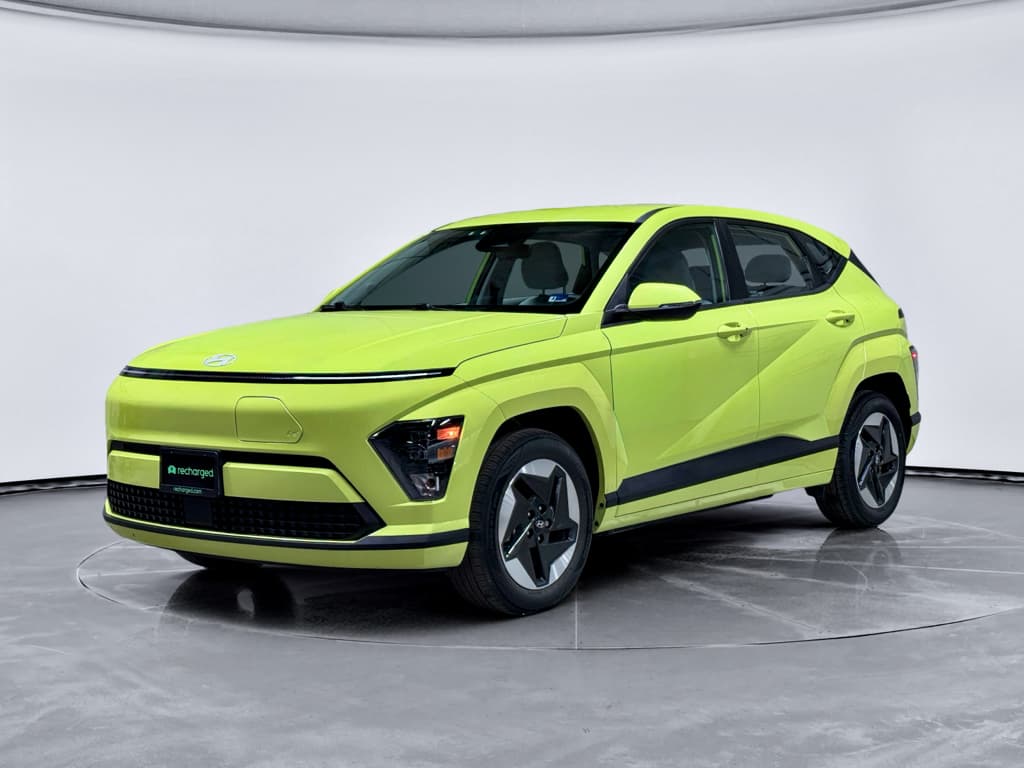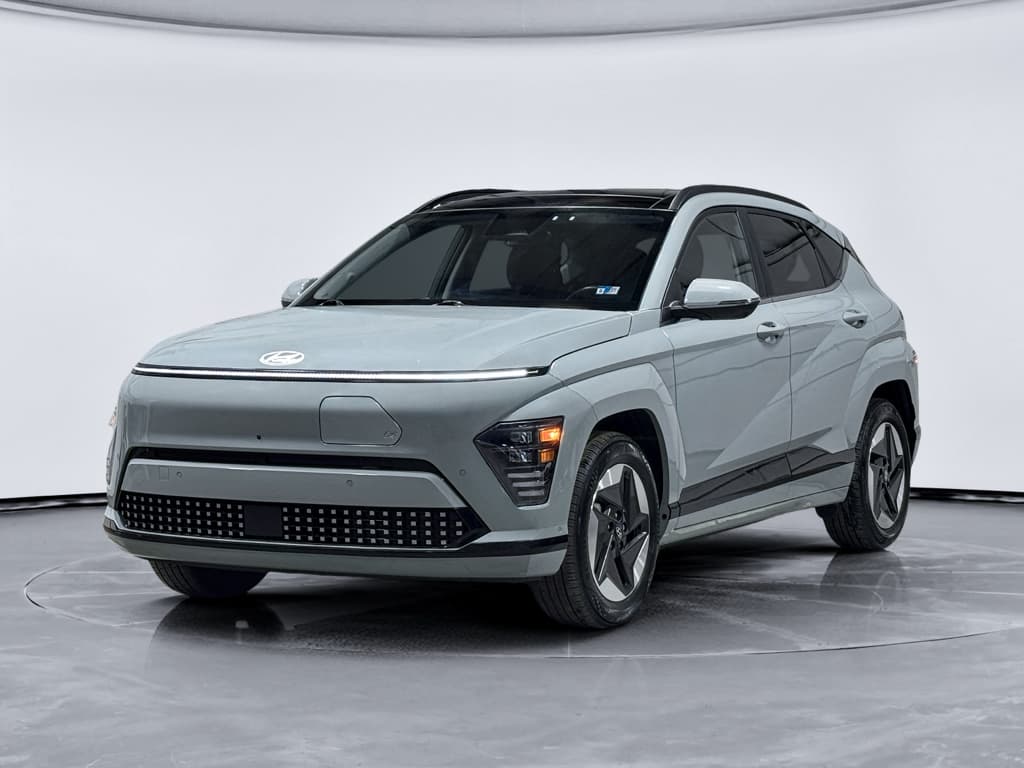
If you’re eyeing a Hyundai Kona Electric or already own one, you’re probably asking a very practical question: how much is insurance on a Hyundai Kona Electric in today’s market? With auto premiums up sharply across the U.S., understanding where the Kona Electric lands, and what you can do about the cost, is just as important as knowing its range or charging speed.
A quick note on numbers
Hyundai Kona Electric insurance at a glance
Where Kona Electric insurance usually lands
Broadly speaking, the Kona Electric tends to sit around the national average or slightly above for full‑coverage car insurance. It’s not in the “cheap like a used Corolla” category, but it’s also nowhere near the sky‑high premiums you see on some luxury EVs and performance crossovers.
So how much is insurance on a Hyundai Kona Electric?
Real‑world estimates (U.S., 2026)
Pulling together recent data on compact SUVs, EVs, and Kona family models:
- National average full coverage runs about $180–$220 per month in 2025–2026.
- Compact SUVs tend to cluster near that average.
- Electric versions usually add a modest premium because of higher repair costs.
For many typical drivers, the Hyundai Kona Electric ends up around $160–$210 per month for full coverage. If your profile is very clean and you live in a lower‑cost state, you could see numbers closer to $120–$150. In high‑cost states or with tickets on your record, $230+ isn’t unusual.
What recent data points suggest
Recent industry analyses show:
- The average cost to insure a small SUV is near the overall national average.
- Electric vehicles, as a group, run noticeably higher than comparable gas cars because parts and labor are more expensive.
- Hyundai’s strong safety performance helps pull Kona Electric closer to the middle of the pack instead of the “expensive to insure” end of the EV spectrum.
All of that lines up with what Kona drivers report anecdotally: not dirt‑cheap, not punishingly expensive, solidly mid‑pack.
Expect big swings by state
Why Kona Electric insurance can be higher or lower than average
What helps, and what hurts, Kona Electric insurance pricing
The vehicle itself gives insurers reasons both to reward you and to charge a bit more.
Strong safety scorecard
The current‑generation Kona line posts strong ratings in major crash tests. Insurers like vehicles that protect occupants and avoid crashes in the first place, and that generally nudges premiums down compared to less safe models.
EV repair complexity
Battery‑electric powertrains are mechanically simple, but collision repairs can be costly. Sensors, battery‑pack inspections, and specialized labor push average claim costs up, which tends to nudge premiums higher than a gas‑only Kona.
Modest performance, sensible class
Insurers also look at how aggressively a vehicle is typically driven. The Kona Electric is a practical compact SUV, not a 500‑hp rocket ship. That helps keep it out of the “performance EV surcharge” zone that hits certain sporty models.
Stack it all together and you end up with a vehicle that’s more expensive to insure than a basic compact gas SUV, but generally cheaper than luxury EVs, high‑performance crossovers, or large electric SUVs. For many households, it’s a comfortable middle ground.
The 7 factors that matter most for your Kona Electric premium
Key levers insurers use to price your Hyundai Kona Electric policy
1. Where you garaged the car
ZIP code is huge. Dense urban areas with high crash frequency, lawsuit risk, and medical costs push Kona Electric insurance higher. Rural or suburban areas with fewer serious claims often see much lower rates for the same driver and car.
2. Your driving record and mileage
A clean history with no at‑fault crashes or major tickets is one of the biggest discounts you can earn. Many carriers will also ask for annual mileage, if your Kona Electric is a low‑mileage commuter or second car, that can work in your favor.
3. New vs. used and trim level
A brand‑new, top‑trim Kona Electric with every tech package and a high sticker price costs more to repair or replace than a three‑year‑old used example. That typically means higher comprehensive and collision premiums on new, loaded models.
4. Coverage limits and deductibles
Higher liability limits, low deductibles, and add‑ons like rental reimbursement or OEM‑parts endorsements improve protection but increase price. Choosing a $1,000 deductible instead of $500, for instance, can trim your payment, just be sure you could actually pay that if needed.
5. Credit‑based insurance score (where allowed)
In most states, insurers are allowed to use your credit‑based insurance score. Stronger credit often correlates with fewer claims, so it can produce meaningful savings. A handful of states restrict or ban this practice.
6. Household drivers and other vehicles
Teen drivers, multiple at‑fault accidents in the household, or pairing the Kona Electric with high‑performance cars can raise your rate. On the flip side, bundling your home or renters policy sometimes produces multi‑policy discounts.
7. Safety and telematics programs
Many insurers offer discounts for advanced safety tech and telematics programs (app‑ or plug‑in‑based monitoring). Given the Kona Electric’s active‑safety suite, you may qualify for savings if you also opt into a “safe‑driver” program and drive consistently, gently, and at low risk times.
Get a quote on the exact VIN
New vs. used Hyundai Kona Electric: insurance differences
If you’re shopping the Kona Electric, you may be deciding between new and used. Insurance costs can tilt that decision more than you’d think, especially over several years of ownership.
How insurance typically compares: new vs. used Kona Electric
Illustrative monthly full‑coverage estimates for a clean‑record driver. Your own quotes may be higher or lower.
| Vehicle | Example age | Est. full coverage / month* | Why it looks like this |
|---|---|---|---|
| Brand‑new Kona Electric | 0–1 year | $180–$230 | High replacement value, possibly financed, lender usually requires robust coverage. |
| Lightly used Kona Electric | 2–3 years | $160–$210 | Still relatively new with strong safety tech, but depreciation has begun to work in your favor. |
| Older Kona Electric | 4–6 years | $140–$190 | Lower vehicle value can reduce comprehensive & collision; some owners choose higher deductibles or adjust coverage. |
New vehicles usually cost more to insure because they cost more to repair or replace. Used EVs can narrow that gap without sacrificing safety.
Shopping used? Factor insurance into the whole package
Recharged focuses on used EVs specifically, so every Kona Electric on the marketplace comes with a Recharged Score report that details battery health, fair‑market pricing, and other ownership costs. That’s the kind of information that helps you choose not just a good car, but a car whose long‑term costs, including insurance, fit your budget.
7 ways to lower your Hyundai Kona Electric insurance cost
Practical steps to keep your Kona Electric premium in check
1. Shop more than one insurer
Different carriers rate EVs and safety tech very differently. Get at least three quotes that all use your actual VIN, identical coverage limits, and the same deductibles so you’re comparing apples to apples.
2. Right‑size your coverage, not just the price
Don’t chase a low premium by gutting important protection. For most EV owners, robust liability limits are non‑negotiable. Look for savings elsewhere first, like telematics programs or multi‑policy bundling, before dropping coverage you’d sorely miss after a serious crash.
3. Consider a slightly higher deductible
If you have a solid emergency fund, nudging your comprehensive and collision deductible from $500 to $1,000 can trim your rate. Just be honest: if you’d struggle to write a $1,000 check after a fender‑bender, keep the lower deductible.
4. Use the Kona Electric’s safety tech
Insurers look at loss history, not just brochures. Use adaptive cruise, lane‑keeping, and automatic emergency braking as intended to avoid crashes. Safer driving over time helps hold your personal rate down and can unlock “safe driver” discounts.
5. Enroll in a usage‑based or telematics program
Many companies now offer app‑based programs that track hard braking, speeding, and nighttime driving. If you’re a smooth, low‑risk driver, these can shave real money off your Kona Electric policy after a few months of good data.
6. Ask about EV‑specific discounts
Some insurers treat EVs as a special risk category, but others offer <strong>green‑vehicle or low‑emissions discounts</strong>. It never hurts to ask your agent or the online chat if there are EV‑oriented savings you’re not seeing on the quote screen.
7. Re‑quote when your life situation changes
Move to a new ZIP code, pay off your loan, add a second car, or remove an at‑fault accident from your record? Those milestones can all justify a fresh round of quotes. Don’t assume the price you got the day you bought your Kona Electric is the best you can do today.
How Kona Electric compares to other EVs on insurance costs
Against luxury and performance EVs
High‑end electric vehicles, large luxury sedans, three‑row SUVs, high‑performance crossovers, can easily run $250–$450 a month or more for full coverage. They’re expensive to buy, complex to repair, and often driven harder.
In that context, the Hyundai Kona Electric looks relatively affordable. For many households cross‑shopping EVs, stepping down from a luxury badge to a Kona‑class compact SUV can mean hundreds of dollars a year saved on insurance alone.
Against other mainstream EVs
Compare the Kona Electric to mainstream electric compacts and crossovers, think Nissan Leaf, Chevy Equinox EV, Kia Niro EV, VW ID.4, and you’ll typically see it land near the middle of the pack.
- Not as cheap to insure as the very least‑expensive EVs on the market.
- Noticeably cheaper than some tech‑heavy or higher‑performance rivals.
- Helped by Hyundai’s strong safety track record and sensible power output.
For shoppers who prize predictable running costs, that middle‑of‑the‑road positioning is a feature, not a bug.
Where a used Kona Electric shines
Where insurance fits in your Kona Electric total cost of ownership
It’s easy to obsess over the insurance line item in isolation, but smart EV buyers look at the whole picture over three to five years. That’s where the Kona Electric often stacks up well.
Biggest cost buckets for a typical Kona Electric owner
Approximate annual costs for many U.S. drivers who buy and insure a Kona Electric.
Depreciation & financing
Your biggest expense on any new or nearly new car is usually depreciation and interest, not insurance. Buying a lightly used Kona Electric, or getting a fair, market‑based purchase price, can shrink this bucket dramatically.
Energy and maintenance
EVs tend to be cheaper to fuel and maintain than similar gas vehicles. Electricity is usually less expensive per mile than gasoline, and you don't pay for oil changes. Those savings help offset a somewhat higher insurance bill.
Insurance
For many Kona Electric owners, full‑coverage insurance ends up as a sizeable but manageable slice of the pie. Think of it as the price of protecting a modern, tech‑heavy vehicle, one that’s also saving you money at the plug every month.
When you step back and add it all up, the Hyundai Kona Electric typically delivers reasonable insurance costs, strong safety, and low day‑to‑day running expenses. The key is making your decision with clear eyes: collect real quotes on the specific car you’re considering, run the numbers over several years, and make sure the total package fits your budget and your driving life.
Use the Recharged Score as your starting point