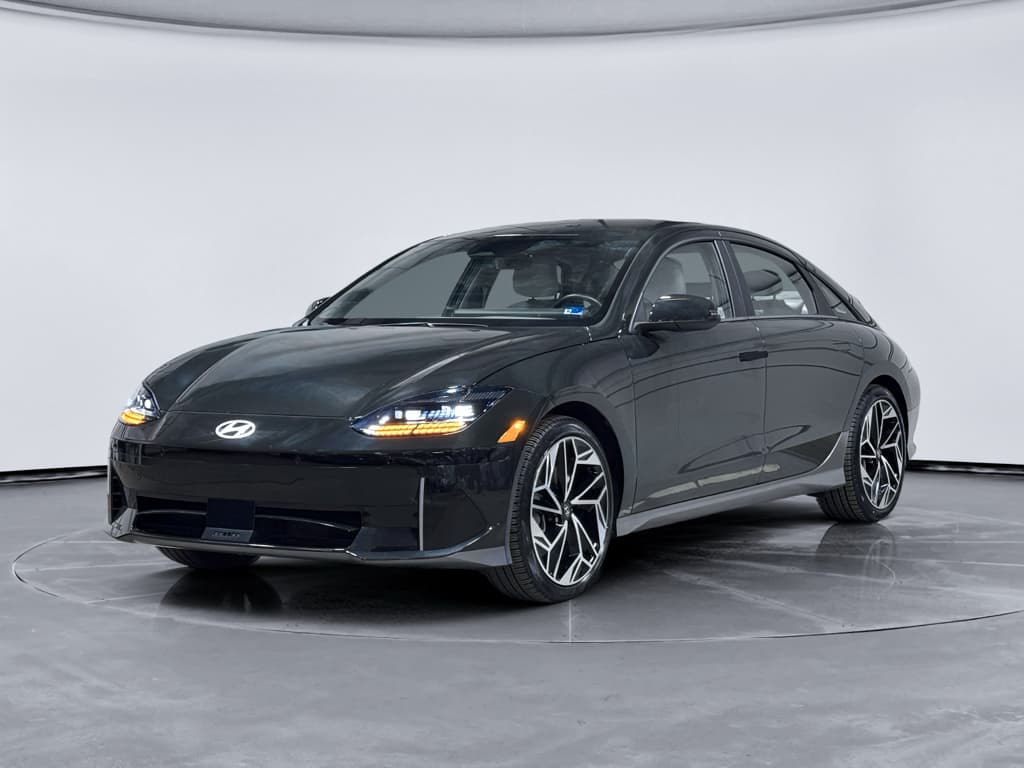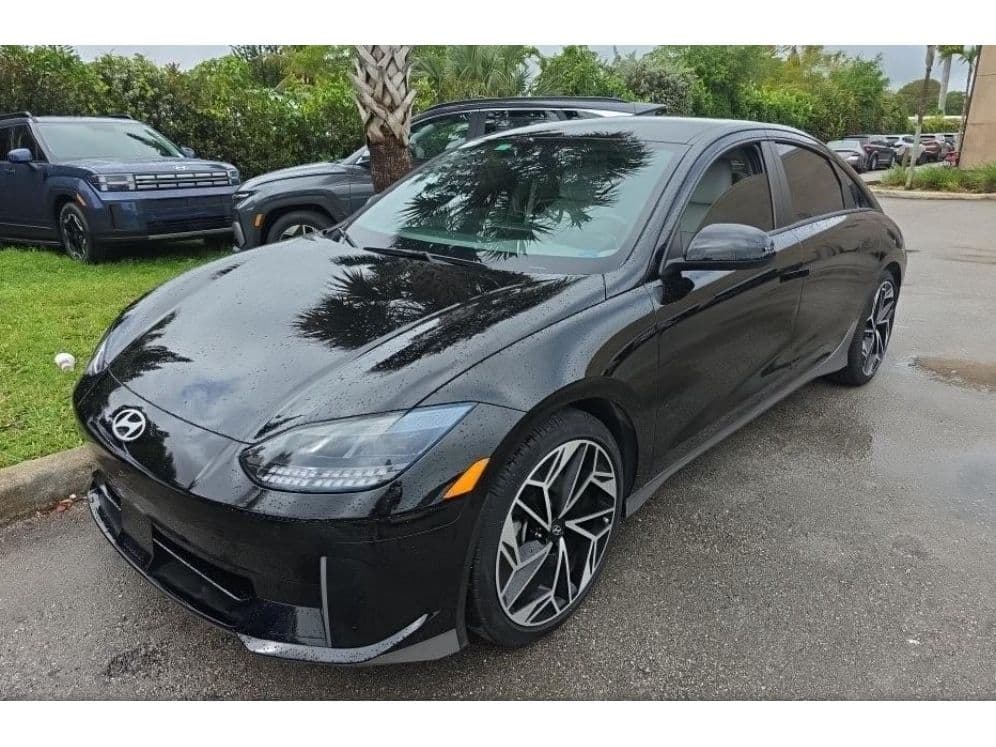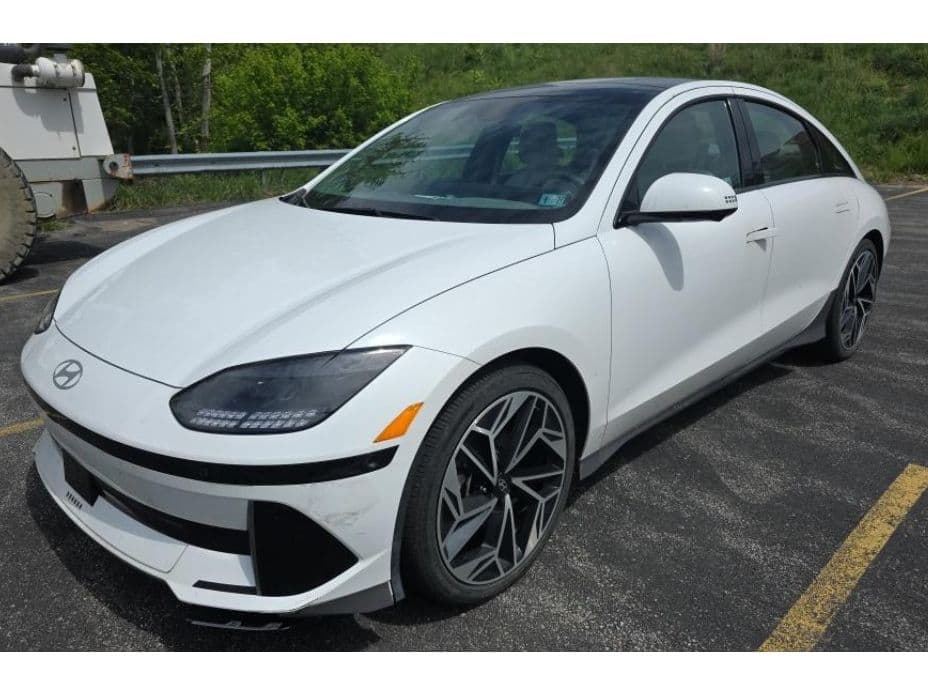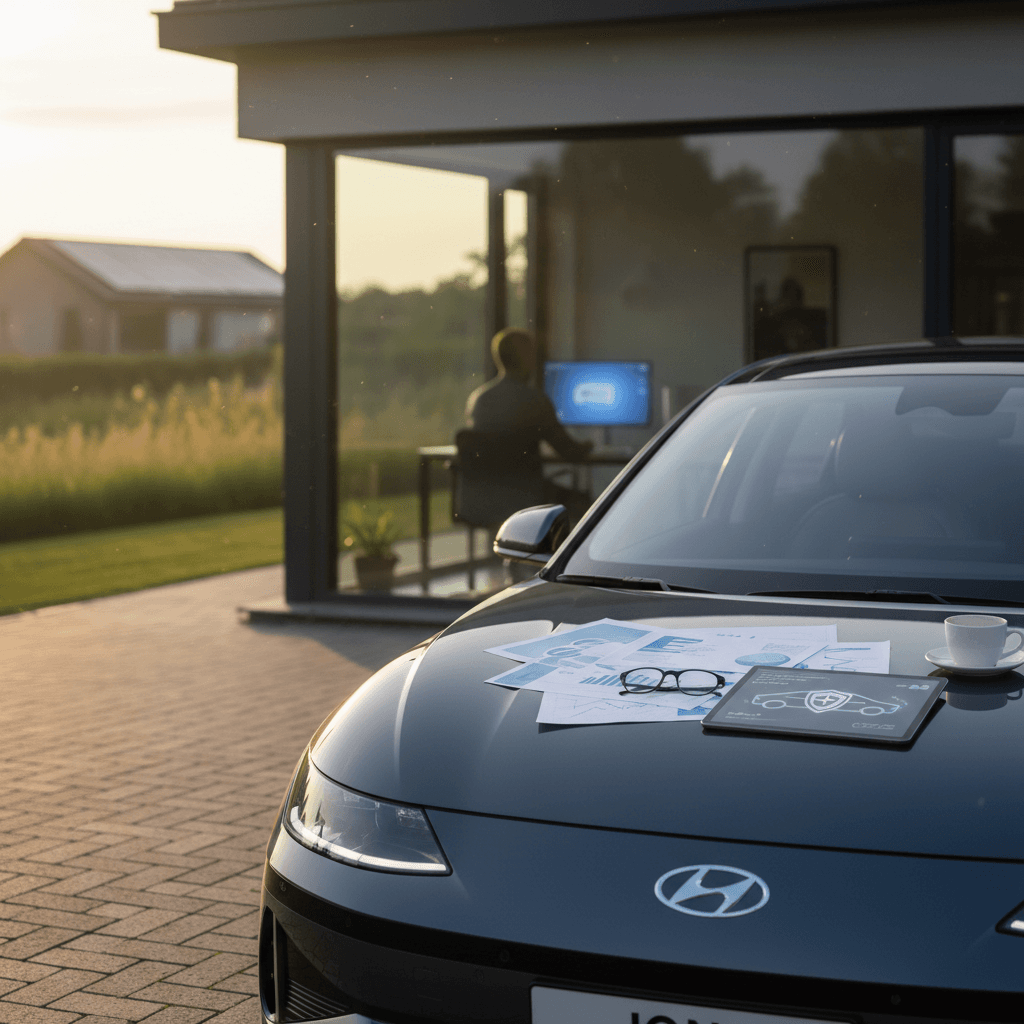
If you’re eyeing a sleek Hyundai IONIQ 6, or already drive one, you’re probably wondering: how much is insurance on a Hyundai IONIQ 6, and is it really higher than a comparable gas sedan? The short answer: expect to pay more than you would for a typical midsize gas car, but there are smart ways to bring that bill down, especially if you shop your policy as carefully as you shop the car.
Quick takeaway
Hyundai IONIQ 6 insurance in a nutshell
Hyundai IONIQ 6 insurance snapshot (2024–2026 data)
Different sources land in a similar ballpark. Some cost‑of‑ownership tools peg annual IONIQ 6 insurance around the low‑to‑mid $2,000s, while individual insurers quote anything from about $1,600 a year for older, safe drivers in low‑risk states to well over $3,000 for young drivers or high‑risk ZIP codes. The big takeaway: it’s not outlier‑expensive for an EV, but it’s rarely cheap.
What does insurance cost for a Hyundai IONIQ 6?
Let’s anchor this in real numbers so you’re not guessing. Pulling together recent U.S. cost‑of‑ownership studies and insurer‑published averages, here’s a realistic view of how much insurance on a Hyundai IONIQ 6 tends to look like for full‑coverage policies:
Typical Hyundai IONIQ 6 insurance ranges (U.S., full coverage)
Approximate annual premiums for a single vehicle with full coverage. Your rate will vary based on age, state, driving history, credit tier, mileage, and insurer.
| Driver profile | Estimated annual premium | Estimated monthly cost | What this usually looks like |
|---|---|---|---|
| Excellent risk (over 35, clean record, good credit, lower‑cost state) | $1,400–$1,800 | $115–$150 | Seasoned driver, suburban or small‑city ZIP code, no claims, chooses reasonable deductibles. |
| Standard risk (late‑20s–40s, clean record, average credit) | $1,900–$2,400 | $160–$200 | Typical IONIQ 6 buyer profile in many states when bundling home/auto or taking a few discounts. |
| Higher risk (younger driver OR recent at‑fault accident or ticket) | $2,500–$3,400+ | $210–$285+ | Drivers in their 20s, denser metro areas, or with recent violations. |
| Very high‑cost markets (e.g., parts of CA, NY, MI, FL) | $3,000–$4,000+ | $250–$335+ | Same driver, different ZIP: local claim patterns and laws can push premiums sharply higher. |
These are directional ranges based on 2024–2026 data from multiple insurance and cost‑of‑ownership sources, not quotes. Always get personalized estimates.
Range, not a quote
If you’re cross‑shopping EVs, it helps to know the IONIQ 6 is typically **roughly in line with other popular midsize EV sedans and crossovers**, more to insure than a compact gas sedan, often less than a premium EV from a luxury brand.
Why EVs like the IONIQ 6 can cost more to insure
The IONIQ 6 benefits from stellar crash‑test scores and modern safety tech, which insurers like. But as a battery‑electric vehicle, it shares some industry‑wide cost drivers that can push premiums higher than an equivalent gas car:
- Repair costs are higher. EVs pack dense electronics, complex battery packs, and advanced driver‑assist sensors behind bumpers and body panels. Even modest collisions can total up to bigger repair bills.
- Parts and trained technicians are still limited. Not every shop stocks IONIQ 6‑specific parts or has technicians certified on high‑voltage systems, and that scarcity shows up in labor rates and cycle times.
- Battery‑related claims are expensive. If a crash damages a high‑voltage pack or its housing, insurers may lean toward total‑loss decisions rather than repair, which raises loss costs in their models.
- EV values are higher up front. A higher MSRP, even when heavily discounted, means more vehicle value at risk, especially in the first two or three years of ownership.
The flip side: safety helps
10 factors that shape your IONIQ 6 insurance rate
Insurers don’t have a single “Hyundai IONIQ 6 rate card.” Instead, they model risk around you, your car, and how you use it. Here are the levers that matter most, and how they tend to move your premium.
The biggest levers on your Hyundai IONIQ 6 insurance
Understand what you can and can’t control before you shop quotes.
1. Driver age & history
2. Where you live & park
3. Annual mileage & commute
4. Coverage limits & deductibles
5. Claim & lapse history
6. Credit‑based insurance score
7. Trim level & options
8. Household drivers & policies
9. EV‑specific factors
10. Chosen insurer
Realistic Hyundai IONIQ 6 insurance cost examples
Numbers are easier to digest in context. These simplified scenarios assume full‑coverage policies (liability, collision, comprehensive) with common limits and deductibles. They’re not quotes, but they reflect what we see in 2024–2026 data from insurers and cost‑of‑ownership tools.
Profile A: Typical buyer in an average‑cost state
Driver: 38‑year‑old, married, clean record, good credit, suburban ZIP.
Vehicle: 2024 IONIQ 6 SEL RWD, around 12,000 miles/year.
Coverage: Full coverage with 100/300 liability, $500 comp/collision deductibles.
- Estimated annual premium: about $1,900–$2,200
- Estimated monthly cost: roughly $160–$185
- What moves the needle: Bundling auto + home, increasing deductibles to $1,000, or adding telematics could push this closer to the low end.
Profile B: Younger driver in a higher‑cost metro
Driver: 26‑year‑old, single, one prior speeding ticket, average credit, major metro in a high‑loss state.
Vehicle: 2025 IONIQ 6 Limited AWD on a lease, 15,000 miles/year.
Coverage: Full coverage with 100/300 liability, $500 deductibles (often required on leases).
- Estimated annual premium: about $2,800–$3,400+
- Estimated monthly cost: roughly $235–$285+
- What moves the needle: Defensive‑driving course, cleaning up violations over time, and shopping aggressively at renewal.
Sanity‑check with a VIN
How coverage choices change your IONIQ 6 insurance bill
Two IONIQ 6 owners with identical cars can pay very different premiums simply because they chose different coverage structures. Here’s how the main levers work, and where you can safely trim versus where you shouldn’t skimp.
How IONIQ 6 insurance coverage choices affect price
Summary of common adjustments drivers make to their policies and how they typically influence premiums and risk.
| Coverage lever | Effect on price | Risk trade‑off for an IONIQ 6 owner |
|---|---|---|
| Liability limits (e.g., 50/100 vs 100/300) | Higher limits = higher premium | Going too low on liability to save a few dollars can be financially devastating in a serious crash, especially in litigious states. |
| Collision & comprehensive deductibles | Higher deductibles = lower premium | Raising from $500 to $1,000 can meaningfully cut cost, but you must be comfortable paying more out of pocket after a claim. |
| Rental reimbursement, gap coverage, extras | Adding endorsements usually raises premium modestly | For a financed or leased IONIQ 6, gap coverage and rental reimbursement are often worth the relatively small bump. |
| Dropping full coverage on older vehicles | Can cut premium sharply | If you buy a used IONIQ 6 and the market value falls, there’s a point where collision/comprehensive may no longer pencil out, but EV values tend to stay higher longer than some gas cars. |
| Usage‑based / telematics programs | Can reduce or increase premium based on driving | Safe, low‑mileage drivers can win big; aggressive driving patterns can do the opposite. |
Work with an agent or online quote tool to model these trade‑offs for your own budget and risk tolerance.
8 ways to lower your Hyundai IONIQ 6 insurance cost
Practical steps to trim your IONIQ 6 insurance bill
1. Shop multiple carriers, every time you renew
The spread between the cheapest and most expensive insurer for the same IONIQ 6 and driver can easily be several hundred dollars per year. Get fresh quotes at every renewal, especially if you’ve had life changes, moved, or added drivers.
2. Bundle home, renters, or umbrella policies
Multi‑policy discounts are often larger than “EV discounts.” If you own a home or carry renters insurance, bundling with your auto policy can knock real dollars off your IONIQ 6 coverage.
3. Right‑size your deductibles
If you maintain a healthy emergency fund, consider bumping your collision and comprehensive deductibles from $500 to $1,000. On late‑model EVs with higher repair costs, this can be one of the cleanest ways to lower your premium without gutting coverage.
4. Enroll in telematics, if you’re a calm driver
Usage‑based programs that track braking, acceleration, and time of day can offer sizable discounts to careful, low‑mileage drivers. If your commute is mostly daytime and you’re not a chronic hard‑braker, it’s worth a look.
5. Take advantage of EV‑specific perks
A growing list of insurers now offers <strong>EV or green‑vehicle discounts, charger‑installation credits, or lower comprehensive rates</strong> for drivers who keep vehicles garaged. Ask every carrier you quote how they treat EVs like the IONIQ 6.
6. Clean up tickets and avoid small claims
Your driving record is one of the most powerful rating factors. Avoiding new violations and resisting the urge to file small cosmetic claims can help your long‑term rate more than any single discount.
7. Verify how your insurer values battery repairs
Some carriers are updating their EV claims playbooks to avoid automatically totaling cars with minor battery‑area damage. Asking how a carrier handles EV collision repair and battery diagnostics can help you avoid those that reflexively total EVs.
8. Consider a used IONIQ 6 with a strong battery report
Buying a used IONIQ 6 at a lower market value and insuring it for its current worth, not inflated MSRP, can trim physical‑damage premiums. A verified <strong>battery‑health report</strong>, like the Recharged Score that comes with every car on Recharged, also helps you match coverage to real‑world risk.
How safety ratings and recalls affect IONIQ 6 insurance
From an insurance perspective, safety is a double‑edged sword. The Hyundai IONIQ 6 brings impressive occupant protection and crash‑avoidance tech to the table, but like any modern EV, it also relies on expensive components when repairs are needed.
- Top Safety Pick+ helps. The IONIQ 6 has earned IIHS’s TOP SAFETY PICK+ designation under more stringent 2025 testing, reinforcing that it protects occupants well in common crash scenarios.
- Advanced driver assistance systems (ADAS). Features like forward‑collision avoidance, lane‑keeping assist, blind‑spot monitoring, and rear cross‑traffic alerts can materially reduce claim frequency, but they’re also expensive to recalibrate or replace after a crash.
- Recalls are part of the picture. Like most modern vehicles, the IONIQ 6 has seen some recalls, including hardware around seat‑belt anchorages and charging components. Staying on top of recall repairs keeps your car safer and can influence future loss patterns insurers watch.
Don’t ignore recall notices
Where insurance fits into IONIQ 6 total ownership cost
Looking at insurance in isolation can be misleading. The better question is how Hyundai IONIQ 6 insurance fits into your total cost of ownership compared with a similar gas sedan.
Costs that tend to be higher for an IONIQ 6
- Insurance: Often 15–25% above a comparable gas sedan due to repair complexity.
- Collision repair: More sensors, specialized body work, and high‑voltage safety procedures.
- Financing: Higher MSRP means more to finance unless you’re in the used market or buying at a discount.
Costs that tend to be lower for an IONIQ 6
- Fuel: Recent research shows roughly 39% fuel‑cost savings versus a comparable gas model, depending on energy prices and charging mix.
- Maintenance: No oil changes, fewer moving parts, and regenerative braking can mean lower routine‑service bills.
- Depreciation (used buys): Buying a used IONIQ 6 after the initial new‑car depreciation hit can dramatically improve your cost‑per‑mile picture.
Where Recharged fits in
Ready to find your next EV?
Browse VehiclesFAQ: Hyundai IONIQ 6 insurance questions, answered
Common Hyundai IONIQ 6 insurance questions
Bottom line: Is Hyundai IONIQ 6 insurance expensive?
Compared with a similar gas sedan, insurance on a Hyundai IONIQ 6 generally runs higher, often by a few hundred dollars per year, because of EV repair complexity and parts pricing. At the same time, you’re saving significantly on fuel and routine maintenance, and you’re driving one of the safest midsize EVs on the road.
If you’re budgeting for an IONIQ 6, especially a used one, plan for roughly $175–$225 per month in full‑coverage insurance as a realistic starting point, then do the real work: collect VIN‑based quotes, fine‑tune your coverage, and see how bundling or telematics programs affect your rate.
And if you’re still deciding which EV to buy, Recharged can help you compare real‑world ownership costs across used models, including insurance expectations, battery health via the Recharged Score, and financing options that fit your monthly budget. That way, your IONIQ 6 payment, charging costs, and insurance all line up with the way you actually live and drive.