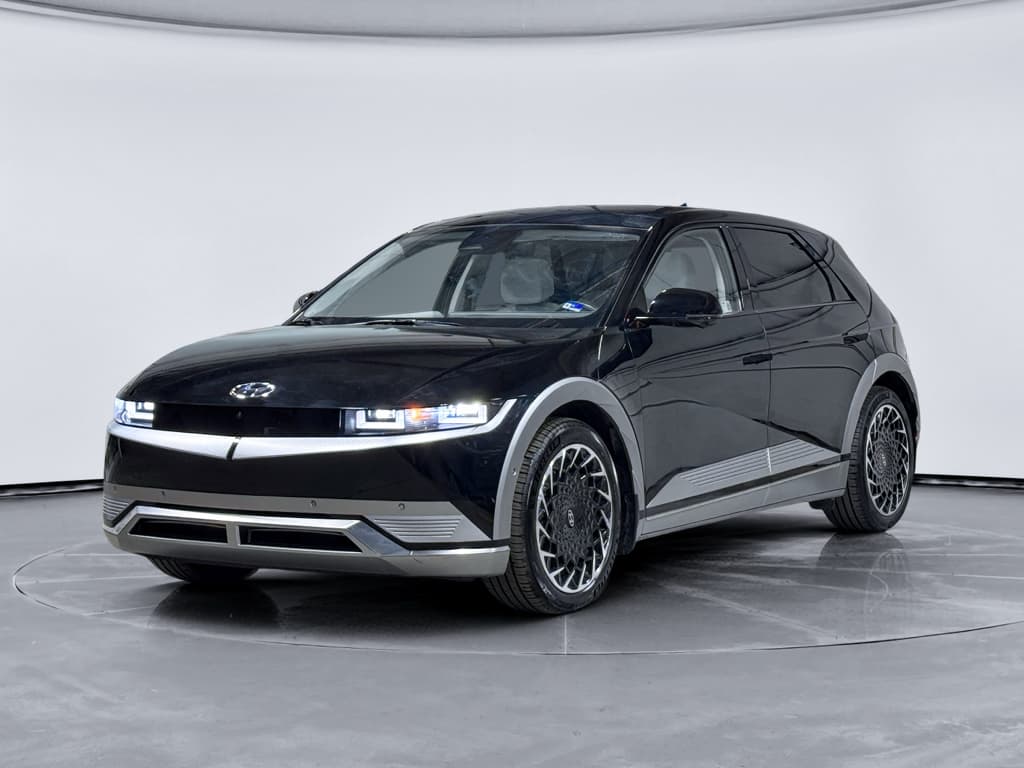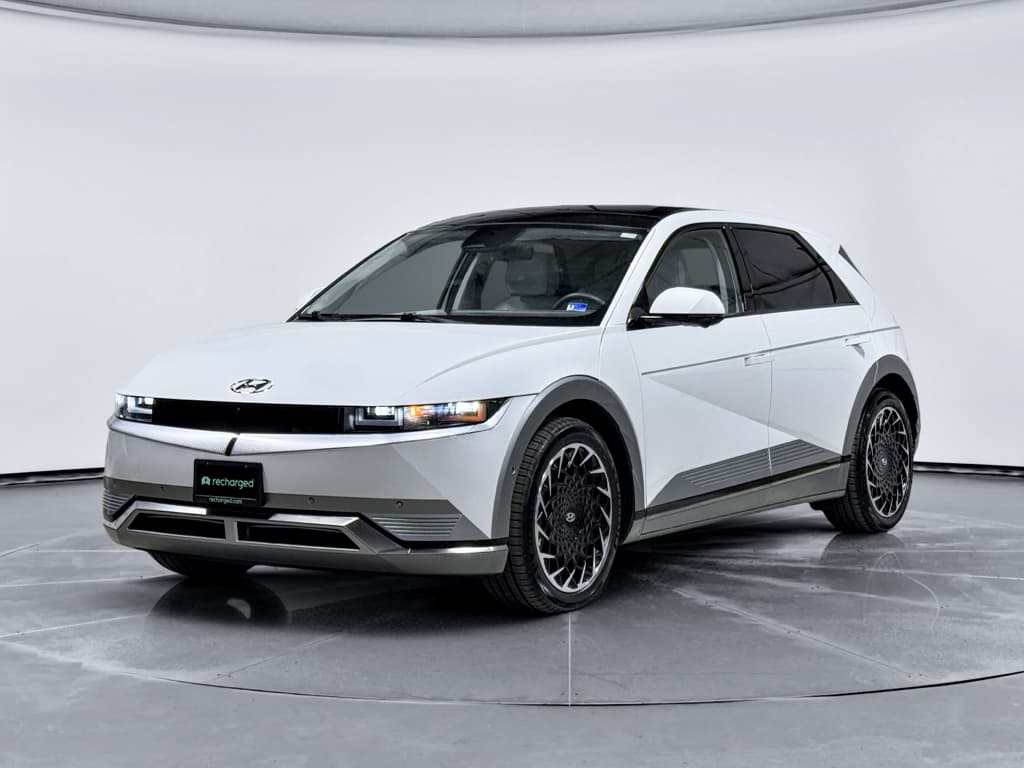
If you’re looking at a Hyundai IONIQ 5, or already own one, the very reasonable question is: how much is insurance on a Hyundai IONIQ 5 in 2025, and is it more expensive because it’s an EV? The short version: it’s not a bargain-basement compact hatchback to insure, but it’s also nowhere near the most painful electric SUV when you look at the full picture.
Context: US averages have jumped
Hyundai IONIQ 5 insurance cost at a glance
Typical 2025 IONIQ 5 insurance costs in the U.S.
Pulling together several insurance studies and real-world quotes, a typical 2024–2025 Hyundai IONIQ 5 full-coverage policy for a clean, middle‑aged driver in the U.S. often falls between $1,800 and $2,400 per year (about $150–$200 per month). Some curated estimates peg the “average” right around $2,000–$2,400 annually for full coverage, while more conservative cost‑to‑own tools show lower figures in the low‑to‑mid $1,000s for certain trims and ZIP codes.
That wide range isn’t a cop‑out; it reflects how sensitive EV insurance is to your state, your driving history, and even your specific trim. In lower‑risk states, or with stacked multi‑car discounts, we regularly see IONIQ 5 drivers land sub‑$1,600 per year. In higher‑risk ZIP codes, or for younger drivers, quotes north of $3,000 per year aren’t unusual.
Beware of cherry‑picking single numbers
Why EV insurance (including the IONIQ 5) is up everywhere
If the IONIQ 5 is one of Hyundai’s cheaper models to insure relative to some gas counterparts, why do EV quotes still feel so steep? A few macro forces are at work that affect nearly all electric vehicles:
Big picture forces pushing EV insurance costs higher
These apply to the Hyundai IONIQ 5 as much as a Tesla or any other modern EV.
Expensive collision repairs
Limited EV‑qualified shops
Industry‑wide rate pressure
The good news for IONIQ 5 owners
What actually drives Hyundai IONIQ 5 insurance rates
Insurers don’t care that your car is “cool” or that everyone on TikTok loves the pixel lights. They care about frequency and severity of claims. For a Hyundai IONIQ 5, here are the levers that meaningfully move your premium:
Key factors that change what you’ll pay to insure an IONIQ 5
Every insurer weights these inputs a bit differently, but this is where most of the money is.
| Factor | How it affects your rate | What you can actually influence |
|---|---|---|
| State & ZIP code | High‑claim, high‑theft or litigation‑heavy states (CA, FL, NY, MI, parts of TX) tend to see much higher IONIQ 5 premiums than lower‑risk states. | You can’t move easily, but you can shop more carriers and tweak coverage to cope. |
| Age & driving history | A 20‑year‑old in an IONIQ 5 can easily pay more than double what a 40‑year‑old with a clean record does. Even a single at‑fault accident or DUI can move the needle thousands per year. | Maintain a clean record, avoid small at‑fault claims, and take defensive driving if your insurer offers a discount. |
| Trim & MSRP | A top‑trim Limited AWD or IONIQ 5 N with more expensive wheels, sensors and options will generally cost more to insure than a base SE Standard Range. | If you’re price‑sensitive on insurance, favor lower‑MSRP trims and avoid ultra‑expensive wheels and accessories. |
| Annual mileage & use | High‑mileage commuters and rideshare drivers are on the road more, so they pay more. A gently used IONIQ 5 that does 6,000 miles/year is cheaper to underwrite than a 20,000‑mile/year road‑warrior. | Accurately report mileage, and opt into telematics/usage‑based programs if you’re a low‑risk driver. |
| Credit‑based insurance score (where allowed) | In many states, insurers legally use credit‑based scores that correlate with claim frequency. Poor credit can significantly increase premiums even with a clean driving record. | Work on credit health and periodically re‑shop your policy as your score improves. |
| Coverage levels & deductibles | More liability coverage and lower deductibles cost more but protect you better. Bare‑bones state minimums are cheaper up front but a big gamble on an EV this expensive. | Dial deductibles to what you could pay from savings, not what gets you the lowest monthly bill. Never skimp on liability coverage. |
| Discounts & bundling | Multi‑car, home/auto, safe‑driver, telematics, and employer/affinity discounts can stack to cut meaningful dollars off your IONIQ 5 premium. | Ask each insurer to quote all eligible discounts; they often won’t surface everything by default. |
Think of this as the checklist underwriter algorithms run every time you request a quote.
Pro move: quote the VIN, not just "IONIQ 5"
How much is IONIQ 5 insurance by driver profile and trim?
To make “how much is insurance on a Hyundai IONIQ 5” feel less abstract, it helps to look at realistic scenarios. These are ballpark ranges drawn from multiple public rate analyses, cost‑to‑own tools, and owner‑reported premiums, your exact numbers will differ, but the patterns are what matter.
1. 35‑year‑old commuter, SE RWD
• Location: Moderate‑cost state (think CO, MN, VA)
• Profile: Clean record, 12,000 miles/year, good credit
• Coverage: Full coverage, $500 deductibles
Typical range: roughly $1,600–$2,000/year ($135–$165/month).
Many owner anecdotes and insurance studies land this kind of driver near or slightly above the U.S. average for compact SUVs.
2. 25‑year‑old urban driver, Limited AWD
• Location: High‑cost metro (parts of CA, FL, NY, TX)
• Profile: Minor speeding ticket, 15,000 miles/year
• Coverage: Full coverage, $500 deductibles
Typical range: $2,600–$3,500+/year ($215–$300+/month).
Here, youth, a ticket, urban risk, and a higher‑MSRP trim all stack to push the premium well beyond the national “average IONIQ 5” figure.
3. 45‑year‑old suburban family, SEL AWD on multi‑car policy
• Location: Lower‑risk suburb
• Profile: Two experienced drivers, multi‑car + home bundle
• Coverage: Robust liability, $1,000 deductibles
Typical range: $1,400–$1,900/year for the IONIQ 5 portion after discounts.
Bundling and mature‑driver discounts can largely offset the EV repair‑cost penalty.
4. Minimum‑coverage play
Some owners carry liability‑only coverage on older or lower‑value IONIQ 5s, especially if they bought the car in cash.
Typical range: $700–$1,200/year depending on state and record.
This can work if you can truly afford to replace or repair the vehicle yourself, but on a modern EV, that’s a serious risk most drivers underestimate.
Think twice before dropping comprehensive and collision
7 ways to lower your IONIQ 5 insurance bill
Practical levers you can pull this week
1. Shop at least 3–4 insurers
Carriers price EV risk very differently. Some heavily penalize battery‑repair uncertainty; others actively court EV drivers. Get fresh quotes when you buy your IONIQ 5 and again at each renewal, especially after a clean driving year.
2. Right‑size your deductibles
Moving from a $500 to a $1,000 deductible can knock a noticeable chunk off your premium. Aim for the highest deductible you could actually cover from savings without financial distress.
3. Max out the easy discounts
Bundle home/renter’s and auto, add vehicles to the same policy, enroll in safe‑driver programs, and make sure your carrier knows about mileage‑limiting or commuter‑rail habits that reduce your time on the road.
4. Consider telematics if you’re truly a safe driver
Usage‑based programs that track your braking, speeding, and time of day can be intrusive, but for cautious drivers who mostly drive in daylight, they can yield double‑digit percentage discounts, even on EVs.
5. Avoid unnecessary cosmetic claims
Small glass, wheel, or parking‑lot scuff claims can raise rates for years. On a relatively new IONIQ 5 that you plan to keep, you’re often better off paying out of pocket for minor cosmetic fixes.
6. Re‑quote after life changes
Marriage, a move to a safer neighborhood, or a big credit‑score improvement can all justify a lower premium. Don’t assume your carrier will automatically hand you that discount, ask and, if needed, shop.
7. Match the car to the driver
If your household includes a teen or high‑risk driver, putting them on an older, cheaper‑to‑repair vehicle and keeping the IONIQ 5 primarily on the seasoned driver’s record can materially lower the bill.
Leaning on total cost of ownership
Shopping a used IONIQ 5? How to factor insurance into the deal
Used IONIQ 5s have become one of the sweet spots in the EV market: mature enough to have real‑world reliability data, new enough to carry strong safety tech, and discounted enough to undercut many new gas SUVs on monthly cost. But insurance can make or break that math if you ignore it.

- Get VIN‑specific quotes for any IONIQ 5 you’re serious about, not just generic model‑year estimates.
- Ask the seller or dealer about prior insurance claims; multiple past claims can influence how some carriers view risk.
- Compare total monthly cost: loan/lease payment + insurance + estimated electricity vs. your current gas + insurance cost.
- On older used IONIQ 5s that you own outright, decide up front whether you’ll carry full coverage or accept the risk of liability‑only.
At Recharged, every used IONIQ 5 we list comes with a Recharged Score Report that details verified battery health, fair‑market pricing, and ownership cost context. It’s the same mindset you should bring to insurance: don’t just chase the lowest payment; understand why a quote is low or high and what that means for your risk.
Bundle financing, trade‑in, and insurance planning
How the IONIQ 5’s safety record affects insurance
From an insurer’s perspective, the IONIQ 5 ticks a lot of boxes that help control injury and liability costs. It has earned top‑tier crash‑test ratings from independent safety organizations, and Hyundai’s E‑GMP EV platform, shared with the IONIQ 6 and Kia EV6, was engineered around crash performance from the start.
Why the IONIQ 5 is an attractive EV from a safety standpoint
These don’t eliminate higher repair bills, but they do help your overall risk profile.
Top crash‑test scores
Robust active safety suite
Strong structural engineering
Safety cuts both ways for insurance
Hyundai IONIQ 5 insurance vs other EVs
Relative to its peers, the IONIQ 5 tends to land in the middle of the EV pack on insurance. It’s usually cheaper to insure than high‑performance or luxury EVs, but often slightly pricier than basic compact crossovers, gas or electric, without as much tech baked in.
How IONIQ 5 insurance typically compares to similar vehicles
Approximate relative cost for full‑coverage policies, assuming the same driver profile and state.
| Vehicle | Relative insurance cost vs IONIQ 5 | What usually drives the difference |
|---|---|---|
| Hyundai IONIQ 5 | Baseline | Strong safety scores offset EV‑specific repair costs; mainstream brand keeps parts pricing more grounded than luxury EVs. |
| Tesla Model Y | Often slightly higher | Higher claim severity and theft rates in some markets, plus pricier branded parts and strong demand keep premiums elevated. |
| Kia EV6 | Similar to slightly higher | Shares platform and repair dynamics with IONIQ 5; sportier variants and wheel/tire choices can push some trims higher. |
| Hyundai Tucson (gas) | Often lower | Cheaper parts, simpler tech, and more body‑shop familiarity make repairs less severe, but you give up EV running‑cost savings. |
| Smaller EV hatch (e.g., Chevy Bolt EUV used) | Often slightly lower | Lower MSRP and smaller footprint can mean cheaper repairs and less total claim severity, but local factors still matter. |
“Baseline compact SUV” refers to a mainstream, non‑luxury gasoline crossover of similar size.
Local markets can flip this script
Frequently asked questions about IONIQ 5 insurance
Hyundai IONIQ 5 insurance: FAQ
Bottom line: Is Hyundai IONIQ 5 insurance expensive?
If you boil everything down, insurance on a Hyundai IONIQ 5 usually sits in the same neighborhood as a well‑equipped compact crossover or entry‑luxury SUV: more than a 10‑year‑old gas hatchback, less than a six‑figure performance EV. For many drivers in 2025, that means roughly $1,800–$2,400 per year for full coverage, with big swings based on state, age, record, and trim.
The key is not to treat insurance as an afterthought. When you’re cross‑shopping new versus used IONIQ 5s, or comparing the IONIQ 5 to a gas SUV, get VIN‑specific quotes, be honest about your driving profile, and stress‑test your budget against a realistic premium. And if you’re browsing used IONIQ 5s on Recharged, use the Recharged Score Report, our financing tools, and your insurance quotes together to build a total cost picture that actually matches how you’ll use the car.