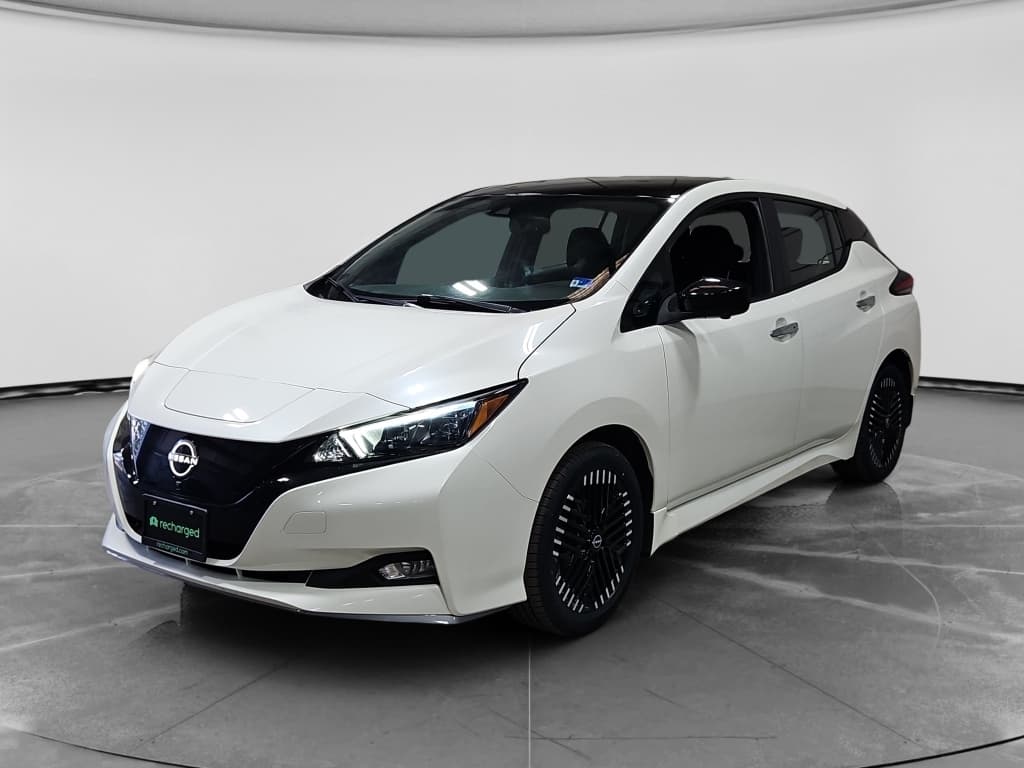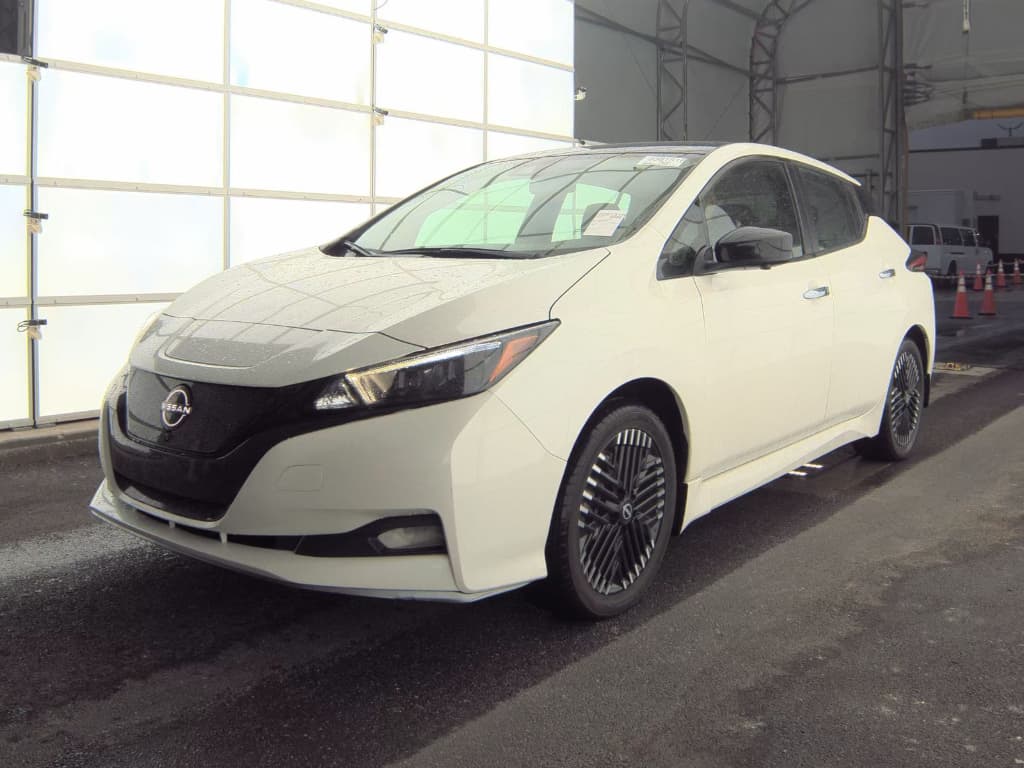
If you’re wondering how much a replacement battery for a Nissan Leaf costs, you’re not alone. For most Leafs, the high-voltage pack is the single most expensive component in the car, and the decision to replace it or move on to a different EV can swing thousands of dollars either way.
Big picture
Nissan Leaf battery replacement cost in 2025: the short answer
Typical Leaf battery replacement ranges (2025, U.S.)
Those ranges match what many EV-focused shops, independent installers, and owners report today. For example, several Leaf specialists quote installed prices around $8,000–$12,500 for 40 kWh upgrades and $12,000–$15,000+ for 62 kWh packs, with smaller 24–30 kWh replacements often falling into the $4,000–$8,000 band when using used or refurbished packs.
Traction pack vs 12‑volt battery
Typical price ranges by Leaf battery size
Nissan has used several different pack sizes in the Leaf since 2011. Here’s what you’re likely looking at in 2025 if the replacement is not covered by warranty. These are ballpark U.S. figures that blend current shop quotes, industry reporting, and owner experiences.
Estimated Nissan Leaf battery replacement cost by pack size (U.S., 2025)
Approximate out-the-door pricing, including parts and labor, assuming your original pack is out of warranty.
| Leaf Battery Size / Model Years | Typical Replacement Type | Estimated Parts Cost | Estimated Labor & Misc. | Estimated Total Cost |
|---|---|---|---|---|
| 24 kWh (2011–2015, some 2016) | Used or refurbished pack | $3,000–$5,000 | $1,000–$2,000 | $4,000–$7,000 |
| 30 kWh (2016–2017) | Used or refurbished pack | $3,500–$6,000 | $1,000–$2,000 | $4,500–$8,000 |
| 40 kWh (2018–present base Leaf) | New OEM or high‑quality aftermarket | $6,500–$10,000 | $1,500–$3,000 | $8,000–$13,000 |
| 60–62 kWh (Leaf Plus / e+) | New OEM or aftermarket upgrade | $8,500–$13,000+ | $2,000–$4,000 | $12,000–$18,000+ |
Your exact cost will depend on pack condition, source (OEM vs used/aftermarket), labor rates, and whether your core battery is retained or taken in on exchange.
Core charge and your old pack
What actually drives Leaf battery replacement cost?
6 main factors that affect what you’ll pay
Two Leafs with the same odometer reading can get very different quotes, here’s why.
1. Model year & pack size
2. New vs used vs refurbished
3. Labor complexity
4. Where you live
5. Upgrade vs like‑for‑like
6. Warranty & risk
Nissan’s own pack pricing also plays a role. As newer Leafs phase in and older pack sizes fall out of production, certain capacities, especially 24 and 30 kWh, can be surprisingly expensive for what they offer, simply because they’re scarce but still in demand for older cars.
Don’t confuse recall work with wear‑and‑tear
OEM vs used, refurbished and aftermarket packs
When you ask, “How much is a replacement battery for a Nissan Leaf?” what you’re really asking is, “Which type of replacement am I buying?” Because a brand‑new Nissan pack and a used salvage battery are very different propositions.
New OEM Nissan pack
- What it is: A factory-new battery from Nissan, typically matching your original capacity (40 or 60–62 kWh on newer Leafs).
- Pros: Maximum expected lifespan, clean history, usually the most straightforward install, backed by Nissan or dealer warranty.
- Cons: Often the most expensive option, commonly five figures installed and, on older cars, may be more than the car’s private-party value.
Used or refurbished pack
- What it is: A pack pulled from a salvage Leaf or reconditioned with tested modules.
- Pros: Lower parts cost; can be a smart way to stretch the life of an older Leaf whose market value is modest.
- Cons: History may be incomplete; shorter warranties (or none); some variability in real-world range versus expectations.
Aftermarket/high-capacity upgrade
- What it is: A new, non-Nissan pack (often 40–62 kWh+) engineered for Leafs by specialist suppliers.
- Pros: Can dramatically increase range, older 24 kWh cars can jump into modern EV territory; often comes with its own warranty.
- Cons: Pricey; relies on a smaller ecosystem of suppliers; long-term support is worth asking about up front.
DIY and module-level repairs
- What it is: Enthusiasts replacing individual modules or doing full swaps themselves.
- Pros: Lowest cash outlay if you have the skills, tools, and time.
- Cons: High-voltage safety risk, no warranty, potential insurance issues. For most owners, this isn’t the right route.
Questions to ask any shop
- Battery type: New OEM, used, refurbished, or aftermarket?
- State of health (SOH): For used/refurbished packs, what’s the documented SOH?
- Warranty: What’s covered, for how long, and is labor included?
- Core policy: Do they keep your old pack or pay you for it?
Labor and shop options: dealer vs EV specialist
Dropping and replacing a Leaf’s battery pack is not a quick Saturday project. The pack is large, heavy, and high‑voltage. Most owners fall into one of three routes: Nissan dealer, independent EV specialist, or general repair shop with EV experience.
Where to have your Leaf battery replaced
Pros and cons of the main shop options
Nissan dealership
- Best for: Warranty replacements, recall work, newer Leafs.
- Pros: Direct access to OEM parts, factory procedures, and software tools.
- Cons: Often the highest labor rate; may steer you only toward new OEM packs, which can be expensive on older cars.
Independent EV specialist
- Best for: Out-of-warranty Leafs, upgrades, creative solutions.
- Pros: Often more flexible on pack sources (used, aftermarket) and deeply familiar with Leaf-specific quirks.
- Cons: Availability is regional; wait lists are common in some markets.
General shop with EV training
- Best for: Supporting roles; some are gaining EV experience, but not all want high-voltage battery jobs.
- Pros: Possible lower labor rates if they take the job.
- Cons: Limited Leaf-specific experience; always confirm high-voltage certification and insurance.
High-voltage safety first
Battery warranty: when Nissan pays (and when it doesn’t)
Before you stress over quotes, it’s worth confirming whether your Leaf is still within its traction battery warranty. Most Leafs sold in the U.S. carry roughly 8 years or 100,000 miles of coverage on the high-voltage pack, whichever comes first.
- Many warranties cover defects in materials/workmanship and sometimes “excessive capacity loss” (for example, if the battery drops below a certain bar count on the dash within the warranty period).
- If your pack qualifies, Nissan will typically repair or replace it at no cost to you.
- Normal degradation outside the warranty period is on you as the owner, even if the car still drives fine but doesn’t meet your range needs anymore.
How to check your Leaf’s battery warranty status
- Look up your in‑service date on your purchase documents or via a Nissan dealer.
- Check your odometer, most battery warranties expire at or around 100,000 miles.
- Call a Nissan dealer with your VIN and ask them to confirm battery warranty coverage and any active campaigns or recalls.
Should you replace the battery or move into a different EV?
Here’s the hard truth: for many owners, especially of early 2011–2015 Leafs, a full battery replacement doesn’t pencil out. When the job costs $8,000–$15,000 and the car might only be worth $5,000–$7,000 with a healthy pack, it’s worth stepping back and running the numbers.
Questions to decide between replacing the battery and switching EVs
1. What’s your current Leaf worth?
Get trade-in and private-party values for your Leaf both as‑is and hypothetically with a healthy battery. If replacing the pack costs more than the car would be worth afterward, think carefully.
2. How much range do you truly need?
If your commute is 20–30 miles a day and you have reliable charging, a modest 24 or 30 kWh replacement may be fine. If you’re dreaming of 200‑mile road trips, it might be smarter to shop for a newer EV built for that.
3. How long do you plan to keep the car?
If you’d happily keep the Leaf for another 5–7 years, a quality pack with a solid warranty is easier to justify. If you’re unsure, tying up five figures in an older car may not be ideal.
4. Are there compelling used EV alternatives?
Used Chevrolet Bolts, newer Leafs, and other EVs sometimes price out close to what a big battery upgrade costs, all while adding modern safety tech and faster charging.
5. What’s your upfront cash vs financing situation?
Some specialty shops want payment in full for battery work. By contrast, financing a newer used EV spreads the cost out over time.
When a replacement makes solid sense
- Own the car outright and like everything about it except range.
- Can get a documented, warrantied pack for a figure that’s comfortably below the cost of switching into a newer EV you’d be happy with.
- Plan to keep the Leaf long enough to “use up” the value of the new pack.
How to budget and shop for a Leaf battery replacement
If you’ve decided that replacing or upgrading your Nissan Leaf battery might be the right move, treat it like any other major automotive repair: do your homework, gather quotes, and stress‑test your assumptions.
Step-by-step: shopping for a Leaf battery pack
1. Get a detailed battery health report
Use an OBD-II dongle and Leaf‑specific app or have a shop run diagnostics to see your current pack’s state of health, cell balance, and error codes. This tells you how urgent a replacement really is.
2. Decide on target capacity
Do you want like‑for‑like (e.g., 24 kWh to 24 kWh) or an upgrade to 40 or 60–62 kWh? Bigger capacity costs more but can transform your daily experience.
3. Collect at least three quotes
Reach out to a Nissan dealer plus one or two EV specialists. Make sure each quote spells out battery type, expected SOH (if used), warranty terms, and whether they keep your old pack.
4. Compare warranties, not just price
A quote that’s $1,000 cheaper but comes with no warranty might not be the best deal. Look at years, mileage limits, and whether labor is included for future claims.
5. Plan how you’ll pay
Some shops offer financing or payment plans. Others expect payment at completion. Make sure the cost fits into your broader EV ownership budget.
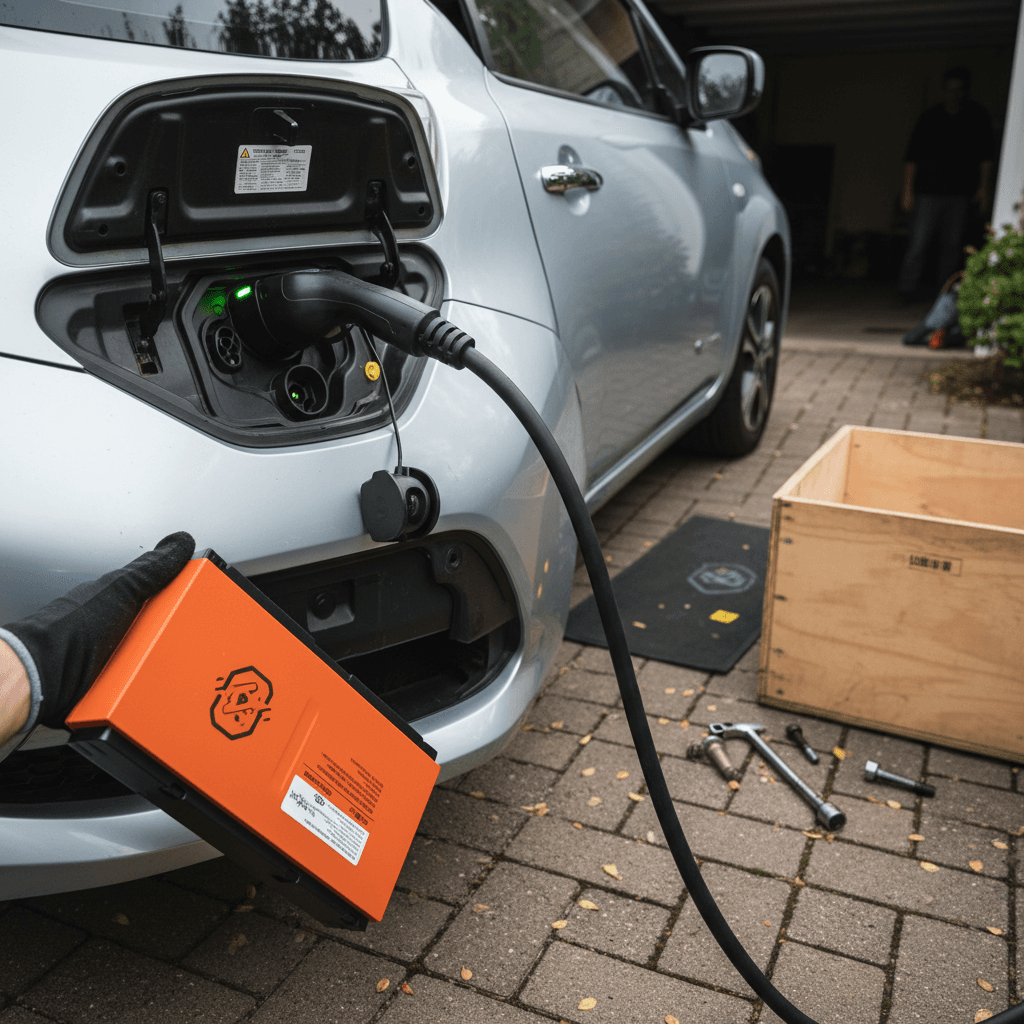
How Recharged can help Leaf owners and shoppers
If you’re staring at a five‑figure Leaf battery quote, it’s natural to wonder whether that money is better spent on a different EV altogether. That’s exactly the kind of crossroads where Recharged can help.
Options if your Leaf battery is on its way out
Use the numbers to decide whether to repair or replace your car
See what your Leaf is worth
Shop used EVs with transparent battery health
Smooth the finances
Visiting the Recharged Experience Center
Nissan Leaf battery replacement FAQs
Frequently asked questions about Nissan Leaf battery replacement
A replacement battery for a Nissan Leaf isn’t cheap, but understanding the true cost, and your alternatives, puts you back in control. Whether you decide to invest in a higher‑capacity pack or move into a different used EV, take the time to get clear quotes, compare options, and think about how long you plan to keep your next car. If you want help running those numbers or exploring used EVs with verified battery health, Recharged is built to make that next step simple and transparent.