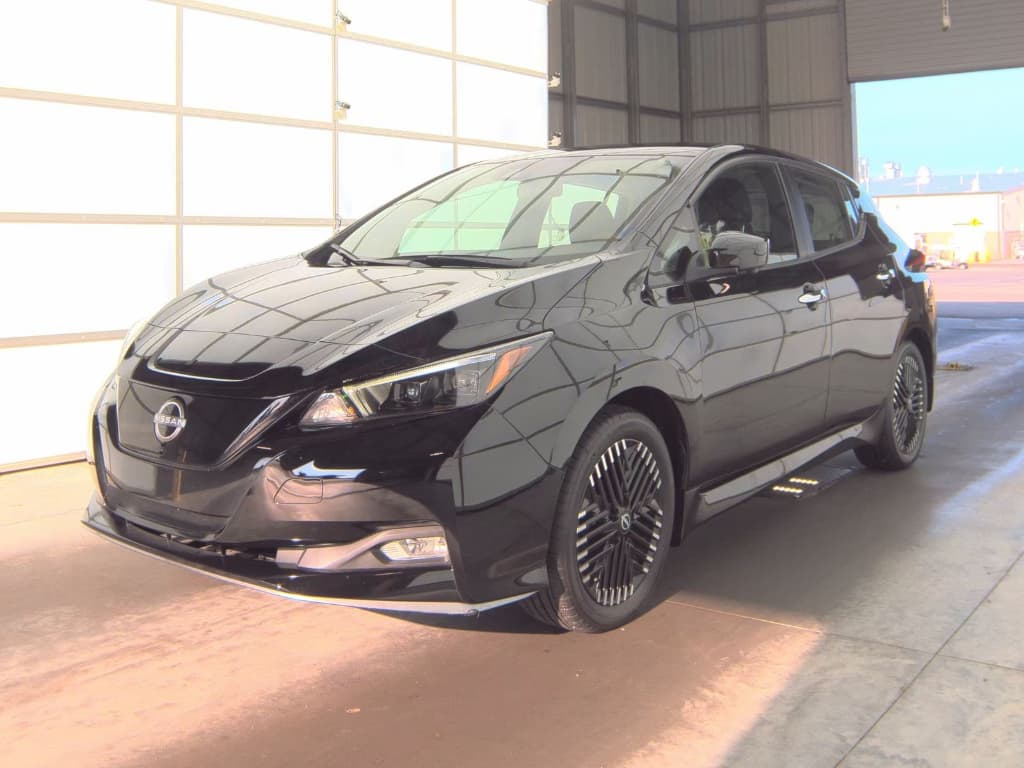
If you own a Nissan Leaf and the range is starting to disappear, you’re probably wondering: how much does it cost to replace a Nissan Leaf battery in 2025, and is it even worth it? The honest answer is that it can range from a few thousand dollars with a used pack to well over $10,000 for a new, high-capacity battery, sometimes more than the car itself is worth. This guide breaks down real-world price ranges, warranty coverage, and how to decide between replacing the pack or moving into a different EV.
First Thing to Know
Nissan Leaf Battery Replacement: The 2025 Reality Check
Since the first 24 kWh Nissan Leaf launched in 2011, owners have learned two things: the Leaf is inexpensive to run when the battery is healthy, and brutal to own if you get stuck paying out of pocket for a replacement pack. In 2025, new OEM Leaf packs and high-quality aftermarket options are available, but they’re not cheap, and pricing varies dramatically by pack size (24, 30, 40, 60–62 kWh), where you live, and whether you go through a Nissan dealer, an independent EV shop, or a salvage-yard solution.
Nissan Leaf Battery Replacement by the Numbers (2025)
Don’t Confuse 12V with Traction Battery
How Much Does It Cost to Replace a Nissan Leaf Battery?
Across recent market data and shop estimates, a full Nissan Leaf traction battery replacement in the U.S. typically falls into these bands in 2025:
Typical Nissan Leaf Battery Replacement Cost (All Generations)
Approximate 2025 U.S. price ranges for full traction battery replacement, including parts and labor.
| Type of Replacement | What It Usually Means | Estimated Parts Cost | Estimated Labor & Other | Total Typical Cost |
|---|---|---|---|---|
| Budget used pack | Used pack from salvage Leaf, limited warranty | $1,500–$4,000 | $500–$1,000 | $2,000–$5,000 |
| Refurbished pack | Reconditioned Leaf pack, modules tested/balanced | $3,000–$7,000 | $500–$1,000 | $3,500–$8,000 |
| Aftermarket upgrade pack | New or upgraded pack from third-party supplier | $4,000–$8,000 | $500–$1,500 | $4,500–$9,500 |
| New OEM Nissan pack | Brand‑new pack ordered through Nissan | $5,500–$13,000+ | $500–$1,500 | $6,000–$14,500+ |
Real quotes will vary by region, pack size, and whether you use OEM, aftermarket, refurbished, or used parts.
Those are broad ranges, but they line up with recent EV battery cost guides and Leaf-specific pricing from independent suppliers. In practical terms, if you walk into a Nissan dealer out of warranty and ask for a new pack installed, it’s reasonable to expect a quote somewhere in the $8,000–$15,000 neighborhood depending on pack size and local labor rates. Independent EV shops and salvage-based solutions can come in much lower, but with more variability and risk.
Costs by Nissan Leaf Battery Size (24–62 kWh)
The Leaf has used several different battery sizes over the years, and that matters because you pay for kWh. Bigger packs cost more to replace, but they also deliver more range and can make an older Leaf much more usable.
- 2011–2017 Leaf: 24 kWh pack
- 2016 Leaf (select trims): 30 kWh pack
- 2018–present standard Leaf: 40 kWh pack
- Leaf Plus (through ~2022): 62 kWh pack
- Later Leaf Plus: 60 kWh pack (similar cost profile to 62 kWh)
Approximate 2025 Leaf Battery Replacement Costs by Pack Size
These are ballpark total costs (parts + labor) for typical U.S. scenarios, assuming you’re out of warranty.
Older Leafs – 24 & 30 kWh
Who this applies to: 2011–2017 models and some 2016 trims.
- 24 kWh packs: Generally around $3,000–$5,000 installed with used or refurbished packs; new OEM can be higher and is increasingly rare.
- 30 kWh packs: Often quoted in the $3,500–$4,500 range for parts alone; installed totals usually land in the $4,500–$6,000 band.
Because these older packs are no longer produced at scale, prices can swing based on salvage availability.
Mainstream Leaf – 40 kWh
Who this applies to: Most 2018+ base Leafs.
- New OEM or high-quality aftermarket replacements are often quoted around $6,000–$7,500 for the pack,
- With labor, programming, and shop fees, many owners see all‑in costs in the $7,000–$9,000 range at independent shops, and sometimes higher at dealers.
This is the most common modern Leaf pack and arguably the sweet spot between cost and usable range.
Leaf Plus – 60–62 kWh
Who this applies to: Leaf Plus models that started around 2019.
- Larger packs are typically quoted in the $8,500–$10,000 range for parts alone.
- Installed costs can reach $9,500–$12,000+, especially through dealers or when pack supply is tight.
At these prices, you’re dangerously close to the value of many used long‑range EVs, which is why a lot of owners choose to switch cars instead of replacing the pack.
Upgrade Swaps (e.g., 24 → 40 kWh)
Who this applies to: Early Leafs upgrading to newer packs.
- Swapping a used 40 kWh pack into an early 24 kWh Leaf can cost $5,000–$8,000 depending on pack source and required electronics.
- Additional components like a CAN bridge or wiring adapters can add several hundred dollars.
Upgrades can transform the car, but they sit in a gray zone where you must compare costs carefully against simply buying a newer EV.
Ask for Out-the-Door Pricing
Labor, Programming, and Hidden Costs
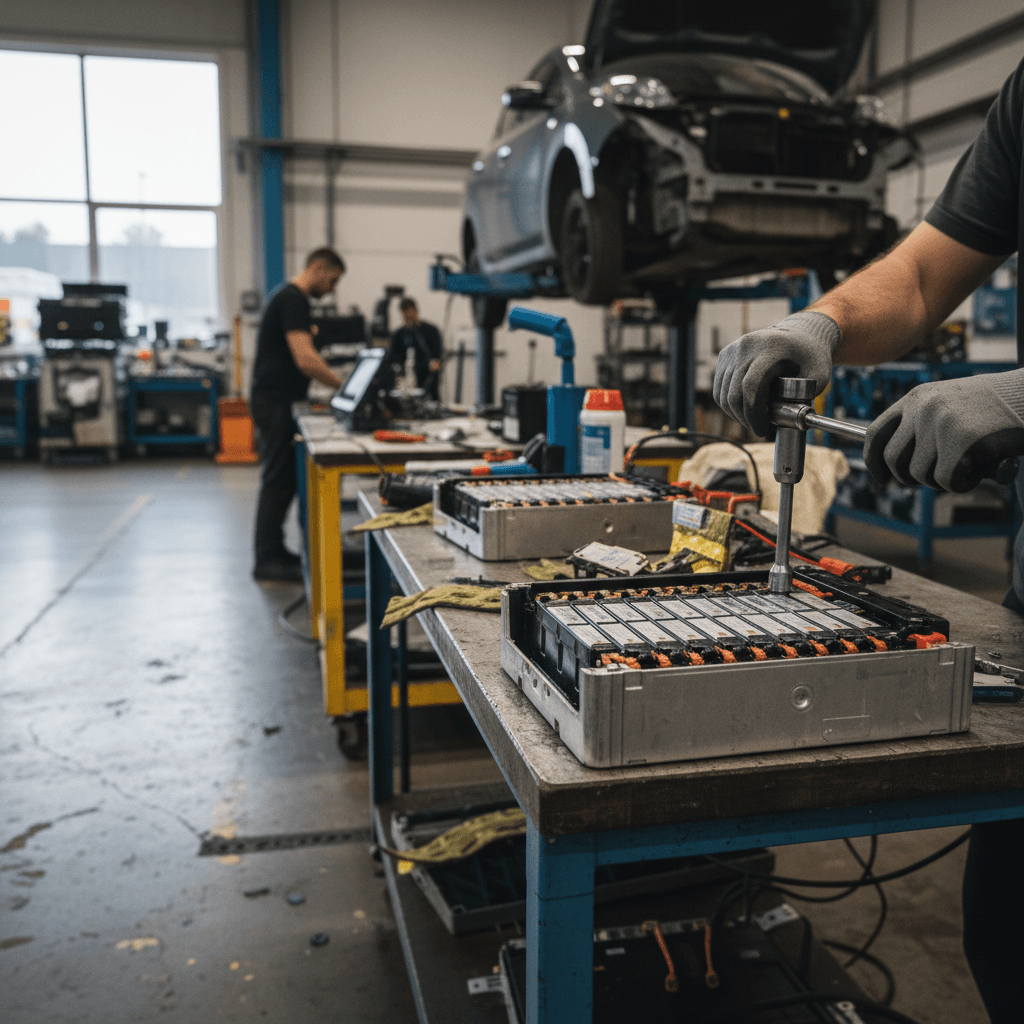
The pack itself is only part of the story. Swapping a Leaf battery requires high‑voltage safety procedures, heavy lifting equipment, and post‑install configuration. That’s why most owners see $1,000–$3,000 in labor and associated costs alone.
What Drives Labor Cost on a Leaf Battery Replacement?
Shop type and hourly rate
Dealers tend to be the most expensive, but they have direct access to Nissan software and support. Independent EV specialists can be cheaper and more flexible with used or aftermarket packs.
Battery size and complexity
Larger 60–62 kWh packs are heavier and sometimes require different procedures or components, which adds time and risk, both priced into labor.
Software, coding, and BMS setup
After installation, the shop may need to update the Battery Management System, clear fault codes, and confirm proper communication with the car’s computers.
Disposal or core charges
Some replacements require returning your old pack as a “core,” which can lower the price. Others include disposal or recycling fees, especially if the pack is damaged.
Shipping and logistics
If the pack is freight-shipped from a distant supplier, you may see separate shipping charges or handling fees in the quote.
High Voltage = No DIY
When Will Nissan Replace the Battery Under Warranty?
Most Nissan Leafs sold in the U.S. include an 8‑year / 100,000‑mile battery warranty. The details vary slightly by model year, but two core protections matter:
- Defect warranty: Covers failures due to manufacturing defects during the warranty period.
- Capacity warranty: On many Leafs, Nissan will repair or replace the pack if it drops below a certain capacity threshold (often defined as fewer than 9 capacity bars on the dash) within the warranty term.
Check Your Specific Warranty
If You’re Still Under Warranty
If your Leaf is under 8 years old and under 100,000 miles, and the capacity bars have dropped below Nissan’s threshold, you may qualify for a no‑cost replacement or repair. This is the ideal scenario, make a warranty claim before you consider paying for a pack yourself.
You may need dealer documentation showing SOH, bar count, and diagnostic codes. It’s worth starting that process early if you’re close to the bar limit.
If You’re Out of Warranty
Once the warranty has expired, Nissan treats a failed or degraded pack like any other wear item. You cover parts and labor. That’s where quotes can easily hit $8,000–$12,000+ on newer, larger packs, often more than the market value of the car.
At that point, it’s critical to compare replacement costs to the value of a newer used EV with a healthy battery.
How Long Does a Nissan Leaf Battery Last?
Real‑world Leaf data shows that most packs make it roughly 8–10 years before degradation becomes a serious day‑to‑day problem for typical drivers in moderate climates. But climate, driving patterns, and charging habits matter a lot.
Key Factors That Affect Leaf Battery Life
Understanding these can help you decide whether to replace or move on.
Heat
High ambient temperatures accelerate degradation. Early Leafs without active thermal management were especially vulnerable in hot states.
Fast charging habits
Frequent DC fast charging puts more stress on the cells. Occasional fast charging is fine; living on Level 3 can shorten battery life.
Mileage and usage
High annual mileage naturally adds more cycles. Short trips with constant charging to 100% can also add wear over time.
Charge levels
Keeping the pack between roughly 20–80% for daily use is easier on the battery than constant 0–100% swings.
Climate & storage
Parking in the sun in Phoenix is harder on the pack than a shaded garage in Portland. Long‑term storage at high state of charge in heat is especially rough.
Driving style
Heavy acceleration and high speeds increase heat and energy throughput, marginally affecting long‑term degradation.
Use SOH, Not Just Range Estimates
Should You Replace the Leaf Battery or Change Cars?
This is the real question. Replacing a Leaf pack can resurrect a car you love, but it can also amount to pouring new‑car money into an old platform. The right choice depends on what you value and how the math works out for your situation.
Replace the Leaf Battery or Move Into Another EV?
High-level comparison of your main options once the Leaf pack is tired.
| Option | Upsides | Downsides | Best For |
|---|---|---|---|
| Install used/refurbished pack | Cheaper upfront, keeps a car you know, can extend life several years | Shorter warranty, unknown pack history, resale value still limited | Owners who love their Leaf and just need a few more years of use |
| Install new or upgraded pack | Maximum range and reliability, fresh warranty, car feels new again | $7,000–$12,000+ cost; resale value may still not match investment | Owners attached to the car who value range and plan to keep it long term |
| Sell or trade and buy a different EV | No long wait or battery logistics, you step into a newer design with better range and features | You’re saying goodbye to the current car; may need financing or cash | Drivers whose out‑of‑warranty battery quote exceeds a large share of the car’s value |
Use this as a starting framework, exact numbers depend on quotes and local used EV pricing.
When Moving On Makes More Sense
How to Shop for a Replacement Leaf Battery
If you decide a replacement is right for you, take the same disciplined approach you would with any major repair or used‑car purchase. There’s a huge difference between a cheap mystery pack and a well-documented, professionally installed battery.
Step-by-Step: Getting the Best Leaf Battery Deal
1. Document your current battery health
Use LeafSpy or dealer diagnostics to record SOH, capacity bars, and any fault codes. This gives you a baseline and protects you in case of disputes later.
2. Confirm warranty status
Check whether you’re still within the 8‑year / 100,000‑mile window and if capacity bars have dropped below Nissan’s threshold. If so, pursue a warranty claim before paying out of pocket.
3. Decide on pack type (used, refurbished, new, aftermarket)
Balance budget, risk, and how long you plan to keep the car. Used packs are cheaper but less predictable; new OEM is pricey but predictable; aftermarket upgrades can be a smart middle ground if well supported.
4. Get multiple itemized quotes
Request written quotes from at least one Nissan dealer and one or two independent EV specialists. Make sure each quote lists pack type, capacity (kWh), labor, fees, and warranty terms.
5. Evaluate warranty and support
Look beyond headline price. A refurb pack with a 2‑year warranty may be a better bet than a bare used pack with a 30‑day guarantee, even at a slightly higher cost.
6. Compare total cost to your alternatives
Put your best battery quote next to the price of a comparable used EV with a verified healthy pack. If the replacement cost is more than half the value of a newer alternative, consider switching cars instead.
Using Recharged to Avoid a Bad Battery Gamble
One of the toughest parts of this decision is uncertainty. You might spend thousands on a new pack and still be left with an aging platform, or you might sell your Leaf and worry that the next used EV has its own hidden battery issues. That’s exactly the pain point Recharged was built to solve.
Why Many Leaf Owners Choose a Different EV Instead of Replacing the Pack
And how Recharged helps you make that jump with confidence.
Verified battery health
Every EV on Recharged comes with a Recharged Score Report that includes verified battery health diagnostics, not just a guess based on range or dash bars.
Fair market pricing
Recharged benchmarks prices against nationwide EV sales data so you’re not overpaying for a car with a mediocre pack or underpricing your trade‑in.
Guided, EV‑specialist support
From financing to trade‑ins or consignment, Recharged’s EV specialists help you compare the true cost of keeping your Leaf (with a new pack) versus moving into a different EV.
Nationwide delivery
Find the right EV for your needs, not just what happens to be on a nearby lot. Recharged offers nationwide delivery plus an in‑person Experience Center in Richmond, VA.
Financing that fits the plan
If you decide to step into a different EV instead of buying a battery, Recharged can help you finance the car rather than sinking cash into a depreciating repair.
Straightforward trade-in options
You can trade your Leaf, get an instant offer, or list it via consignment, often a better use of funds than signing a five‑figure repair order.
Run the Numbers Before You Commit
Ready to find your next EV?
Browse VehiclesNissan Leaf Battery Replacement FAQs
Frequently Asked Questions About Nissan Leaf Battery Costs
Key Takeaways on Leaf Battery Replacement Costs
Replacing a Nissan Leaf battery in 2025 is a big decision. For most owners, a full traction battery replacement will land somewhere between $6,000 and $14,500+, with cheaper options available if you’re comfortable with used or refurbished packs and the trade‑offs they bring. The right choice comes down to warranty status, the true condition of your current pack, how long you plan to keep the car, and whether a newer used EV might deliver more value for the same money.
Before you authorize a five‑figure repair, take the time to get multiple quotes, document your battery health, and compare the math against selling or trading your Leaf. And if you decide a different EV is the smarter move, platforms like Recharged can help you exit your current car, verify the next battery’s health, and finance the upgrade in a way that fits your budget and your range needs.