When you ask, “how much does electric vehicles cost?” you’re almost never just talking about the sticker on the window. You’re really asking what you’ll pay to buy it, charge it, maintain it, insure it, and eventually sell it. In 2025, that answer has changed a lot, especially for used EVs, where prices have fallen sharply.
The short answer
What drivers actually mean by “how much do EVs cost?”
There are really four different “costs” to think about when you’re comparing electric vehicles:
- Purchase price – what you pay to buy or lease the EV (or the monthly payment).
- Running costs – electricity vs gasoline, plus routine maintenance.
- Ownership overhead – insurance, fees, taxes, and home charging equipment.
- Resale value – what the vehicle is worth when you’re ready to sell or trade in.
If you only look at MSRP, many EVs are still more expensive than their gasoline counterparts. But once you bring in tax credits, lower fueling costs, and in some cases lower maintenance, the picture changes. And because used EV prices have dropped faster than used gas cars, the used market has become the sweet spot for a lot of shoppers.
How much do electric vehicles cost to buy in 2025?
Headline EV price stats for 2025
For new vehicles, expect to see a wider spread than in the gas world. Rough ballpark for 2025 in the U.S.:
Typical 2025 new EV price brackets
Approximate before‑incentive MSRPs for popular EV segments.
| Segment | Example vehicles | Typical 2025 MSRP |
|---|---|---|
| Entry / city EV | Nissan Leaf, Mini Cooper SE | $30,000 – $38,000 |
| Compact crossover | Hyundai Kona Electric, Kia Niro EV, VW ID.4 | $36,000 – $48,000 |
| Mid-size crossover | Tesla Model Y, Hyundai Ioniq 5, Ford Mustang Mach‑E | $42,000 – $60,000+ |
| Sedan / liftback | Tesla Model 3, Hyundai Ioniq 6, BMW i4 | $40,000 – $65,000+ |
| Pickup | Ford F‑150 Lightning, Chevy Silverado EV, Rivian R1T | $50,000 – $90,000+ |
| Luxury EV | Mercedes EQE, Porsche Taycan, BMW i5 | $70,000 – six figures |
Individual models can be higher or lower; always check current pricing.
MSRP isn’t the whole story
Used EV prices: where the real deals are
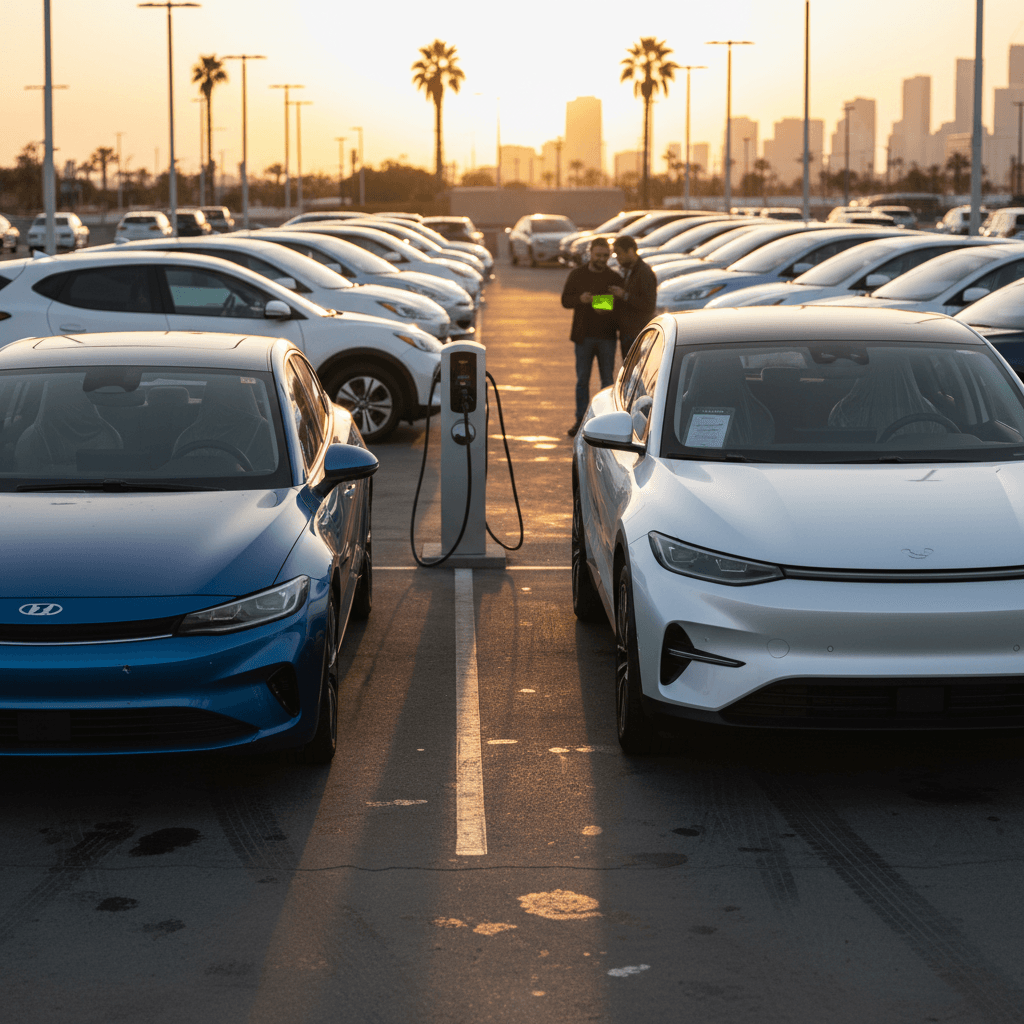
If you’re cost‑conscious, the used market is where electric vehicles suddenly get very interesting. After several years of rapid price cuts on new EVs and a wave of off‑lease vehicles hitting the market, used EVs have become significantly cheaper than comparable used gas cars in many cases.
Used EV market at a glance
Concrete examples of used EV pricing
What you might see shopping late‑2025 in much of the U.S.
Affordable commuter EVs
$15,000–$22,000 can often buy:
- Older Nissan Leaf
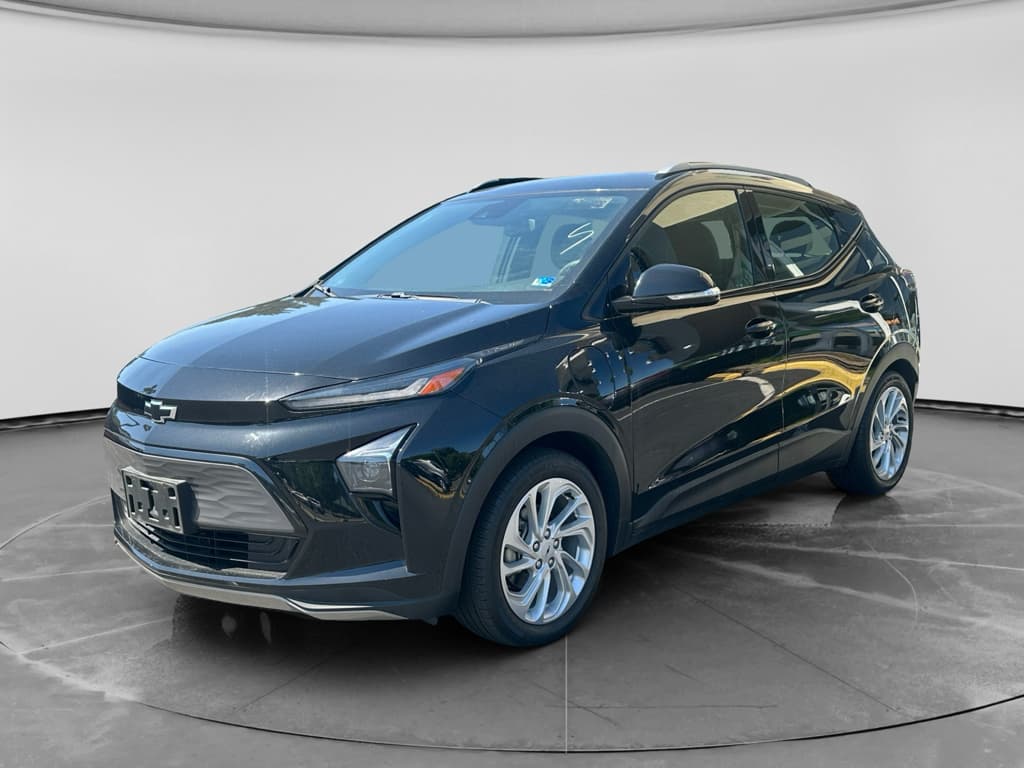
- Chevy Bolt EV
- Early Hyundai Kona Electric
Range is typically 120–250 miles when new; battery health is key.
Mainstream crossovers
$25,000–$35,000 often buys 2–4‑year‑old:
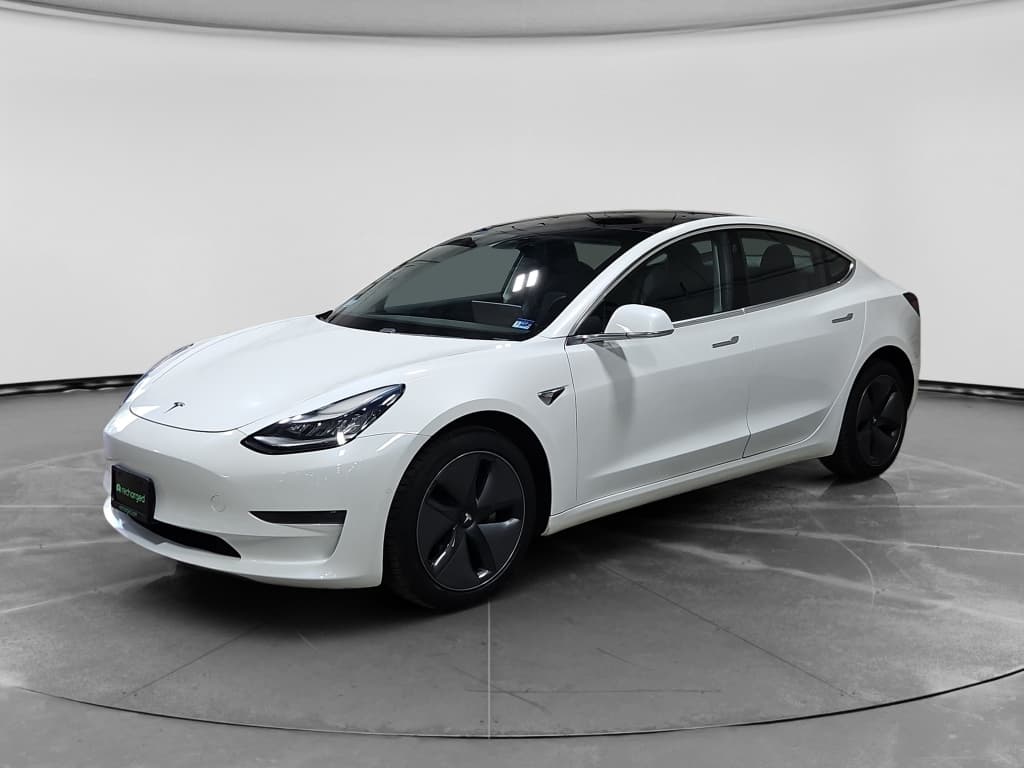
- Tesla Model 3 or Model Y
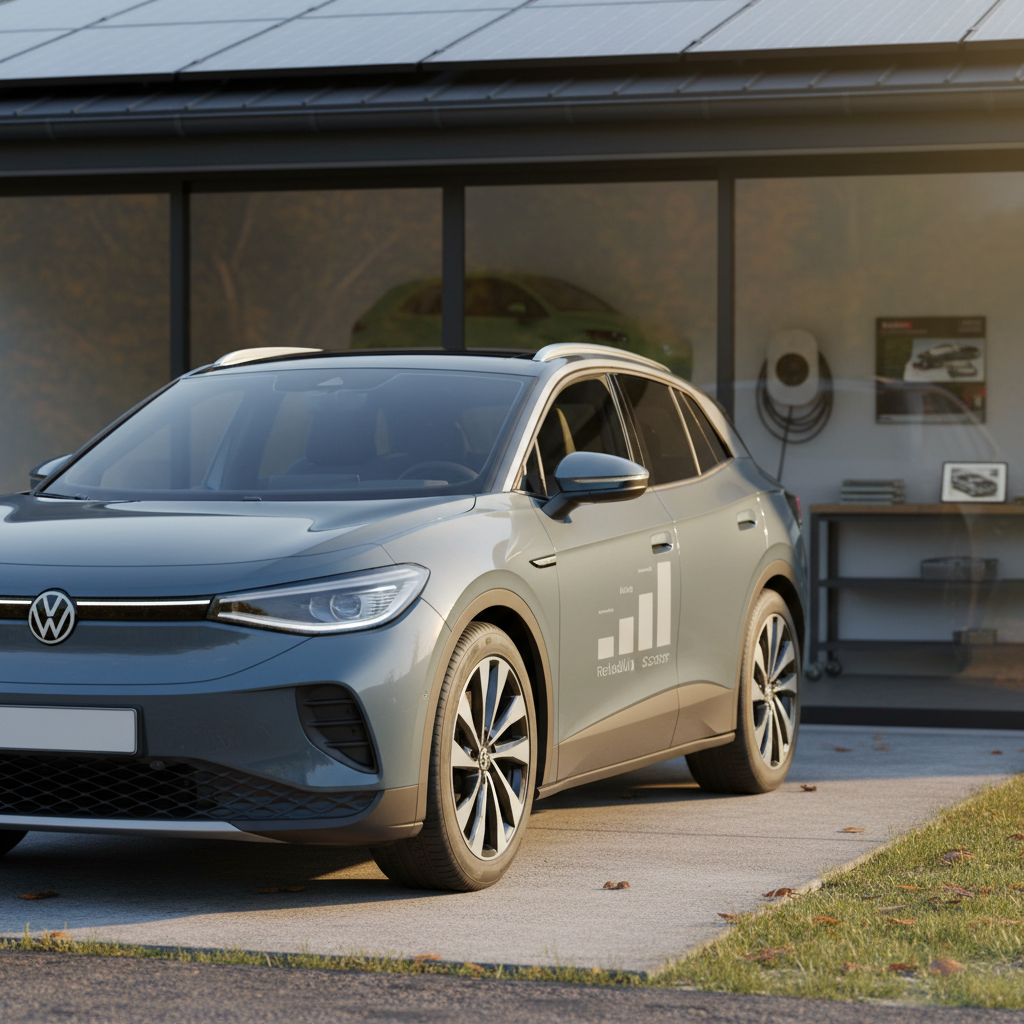
- VW ID.4, Kia Niro EV
- Ford Mustang Mach‑E
These are the sweet spot for many families.
Premium and performance EVs
$40,000–$60,000 may buy:
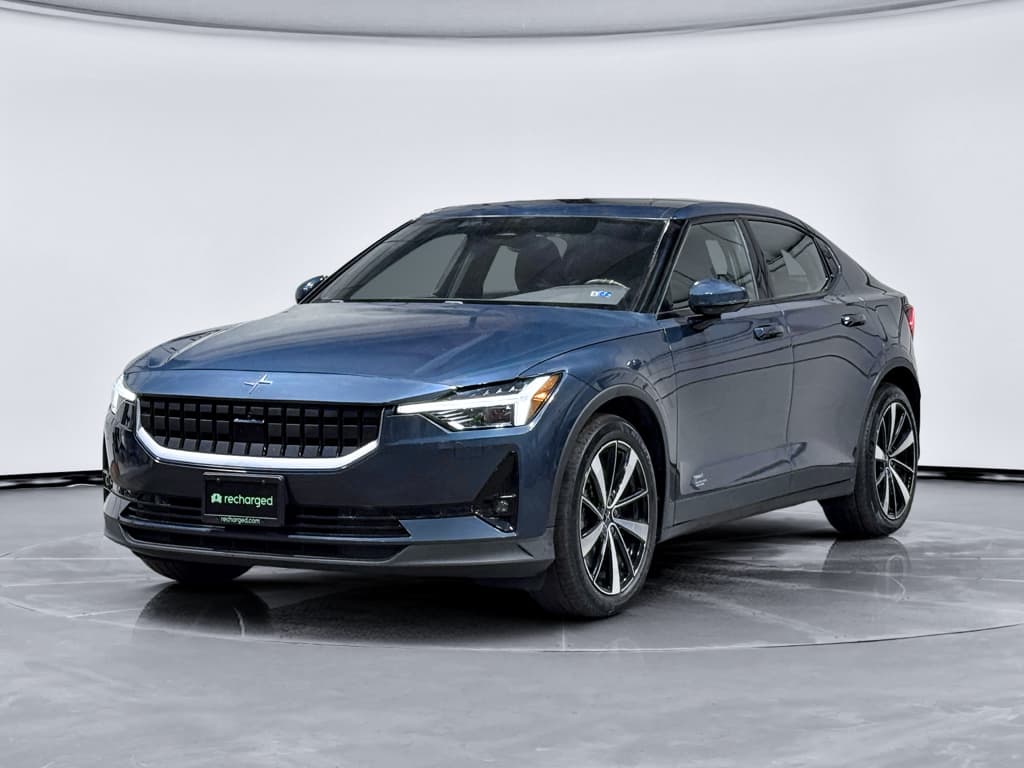
- Porsche Taycan
- BMW i4/iX
- Mercedes EQE, Audi e‑tron
These tended to drop faster from very high MSRPs.
Why used EVs can be such a bargain
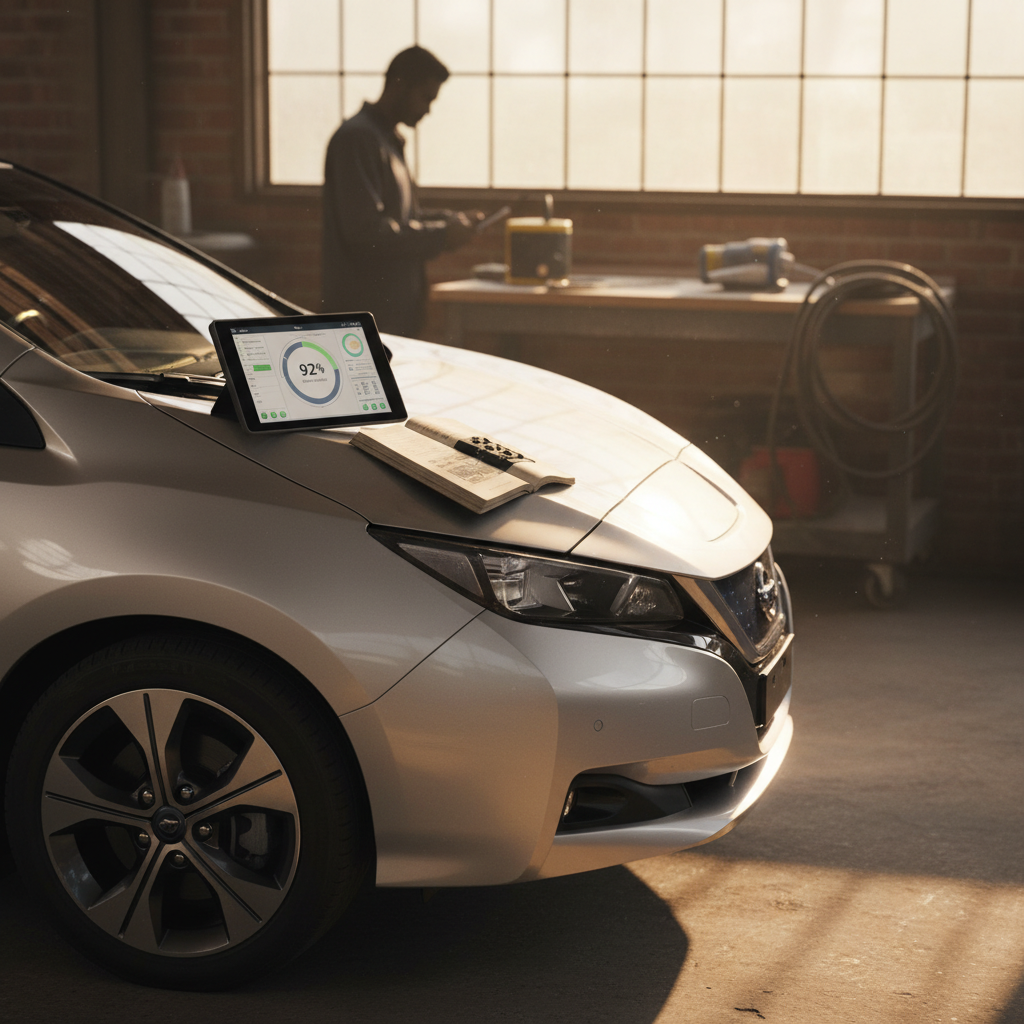
The one thing you can’t afford to ignore with a used EV is battery health. Range and resale value are both tied to how that pack has aged. That’s why every vehicle on Recharged comes with a Recharged Score Report that includes a verified battery health assessment, so you’re not guessing about the most expensive component in the car.
Tax credits and incentives that lower your EV cost
In 2025, federal incentives can still take a big bite out of the price of qualifying EVs, and many states add their own rebates on top. The details change frequently, but the big picture is straightforward: incentives can be worth thousands of dollars if you and the vehicle qualify.
Federal clean vehicle credit
- Up to $7,500 for qualifying new EVs.
- Up to $4,000 (capped at 30% of price) for qualifying used EVs bought from a dealer.
- Now often applied at the point of sale, lowering your down payment or monthly payment.
- Subject to income limits, price caps, and battery/assembly sourcing rules.
If you’re shopping with Recharged, an EV specialist can help you understand which vehicles on the site are likely to qualify under the current rules.
State and local incentives
- Additional rebates or tax credits (sometimes $1,000–$5,000).
- Home charger rebates or utility bill credits.
- Occasional perks like HOV‑lane access or reduced registration fees.
These vary widely by state and even by utility company. Before you buy, check your state’s energy office or ask your utility what EV programs they offer.
Watch the fine print
Charging costs vs gasoline: what you’ll spend to “fuel” an EV
Operating costs are where EVs can shine, especially if you can charge at home at a reasonable electricity rate. Multiple 2024–2025 analyses put typical U.S. EV charging costs at roughly $600–$800 per year for 15,000 miles of driving, compared with $2,000+ per year for gasoline in a similarly sized vehicle.
Typical annual fueling cost: EV vs gas (15,000 miles/year)
Approximate averages using national energy and fuel prices.
| Vehicle type | Assumptions | Estimated annual cost |
|---|---|---|
| Electric vehicle | 30 kWh / 100 miles, $0.15 per kWh, mostly home charging | ≈ $675 |
| Gasoline car | 25 mpg, $3.70 per gallon | ≈ $2,220 |
| High‑efficiency hybrid | 45 mpg, $3.70 per gallon | ≈ $1,230 |
Actual costs depend on your kWh rate, gas price, and driving style.
Home vs public charging
What home charging really costs
1. Level 1: Use an existing outlet
Every EV can charge from a standard 120‑volt household outlet. Hardware cost is effectively zero, but you’ll only add a few miles of range per hour, not enough for many commuters.
2. Level 2: Install a 240‑volt outlet
Having an electrician install a 240‑volt outlet and basic wallbox typically runs from a few hundred dollars to a couple thousand, depending on your panel and wiring. Many utilities and states offer rebates that offset part of this.
3. Choose the right charger
Most home Level 2 chargers cost between <strong>$400 and $800</strong>. Some EVs include a capable portable unit. You don’t always need the highest‑amp model, just one that matches your car and home electrical system.
4. Use off‑peak rates if available
Many utilities have cheaper overnight rates. Scheduling your EV to charge while you sleep can cut your per‑kWh cost significantly and improve the EV’s cost advantage over gas.
Maintenance, insurance, and repairs: the hidden line items
Electric vehicles eliminate oil changes, timing belts, spark plugs, and exhaust systems. They also use regenerative braking, which can extend brake pad life. That’s why several cost‑of‑ownership studies estimate that EVs require roughly 30–50% less routine maintenance than comparable gas cars.
Where EVs save you money, and where they don’t
Areas where EVs are cheaper
- Routine maintenance: No oil changes, fewer fluids, fewer wear items.
- Brake wear: Regenerative braking means pads and rotors often last much longer.
- Fuel system & exhaust: None, no fuel pump, injectors, mufflers, or catalytic converters to replace.
Areas that can cost more
- Insurance: EVs can carry higher premiums due to higher repair costs.
- Collision repairs: Body work on modern EVs can be pricey, especially with ADAS sensors.
- Out‑of‑warranty failures: Major components like battery packs are expensive, though rare.
The big fear: battery replacement
Depreciation and resale value: how much your EV will be worth later
Depreciation, the rate at which your car loses value over time, is where EVs have struggled most. Several analyses in 2024 and 2025 have shown that more than half of current EV models cost more to own over five years than their gas counterparts, largely because of higher purchase prices and faster value loss.
- Mainstream EVs from established brands (Hyundai, Kia, VW, Ford, etc.) are now seeing more normal, manageable depreciation as prices stabilize.
- Certain premium models and earlier‑generation EVs have taken especially large hits, which can be great news for used buyers but painful for original owners.
- Tesla and a few other brands saw particularly sharp value drops from 2023–2024 as new‑car price cuts rippled through the used market. That’s a risk if you buy new, but an opportunity if you buy 2–3 years old at today’s prices.
How depreciation can work in your favor
Real‑world cost scenarios: budget, mainstream, and premium EVs
To make this more concrete, let’s sketch out simplified five‑year cost scenarios. These aren’t quotes, your numbers will vary based on taxes, interest rates, incentives, and local energy prices, but they show how the pieces fit together.
Illustrative 5‑year ownership snapshots
Approximate, rounded numbers for comparison only, assuming 15,000 miles per year and typical U.S. energy/fuel costs.
| Scenario | Vehicle example | Upfront / financed price | Fuel or charging (5 yrs) | Routine maintenance (5 yrs) | Estimated 5‑yr depreciation |
|---|---|---|---|---|---|
| Budget used EV | 4‑year‑old Nissan Leaf or Chevy Bolt EV | $18,000 purchase | ≈ $3,500 electricity | ≈ $2,000 | ≈ $10,000 |
| Mainstream used crossover EV | 3‑year‑old Tesla Model 3/Y, Hyundai Kona, VW ID.4 | $28,000 purchase | ≈ $3,500 electricity | ≈ $2,500 | ≈ $14,000 |
| New gas compact SUV | New gas RAV4/CR‑V equivalent | $35,000 purchase | ≈ $11,000 gasoline | ≈ $3,500 | ≈ $15,000 |
| New mid‑size EV crossover | New Tesla Model Y / Hyundai Ioniq 5 | $50,000 before incentives | ≈ $3,500 electricity | ≈ $2,500 | ≈ $25,000 |
All figures are rough estimates before tax, title, and fees.
How to read this table
How buying a used EV from Recharged changes the math
When you buy any used car, the big questions are, “Am I overpaying?” and “What condition is it really in?” With used EVs, you add, “How healthy is the battery?” That’s exactly where Recharged is designed to simplify things.
Cost advantages of buying your EV through Recharged
Verified battery health
Every vehicle includes a Recharged Score Report with objective battery diagnostics, so you know how much usable range you’re actually paying for, and what that means for future resale value.
Fair‑market pricing and financing
Recharged benchmarks each vehicle against the broader market, so pricing starts fair instead of inflated. You can also arrange EV‑friendly financing online and see your payment before you commit.
Trade‑in and nationwide delivery
If you’re moving from a gas car to your first EV, Recharged can provide an instant offer on your trade, handle paperwork digitally, and ship your EV nationwide. That removes a lot of friction, and hidden costs, from the process.
Ready to find your next EV?
Browse VehiclesYou can shop entirely online or visit the Recharged Experience Center in Richmond, VA, where EV specialists can walk you through charging, range, and cost‑of‑ownership questions in person.
EV cost FAQ: quick answers to common questions
Frequently asked questions about EV costs
Key takeaways: when does an EV make financial sense?
- If you drive a typical amount (10,000–15,000 miles per year) and can charge at home, an EV’s lower fueling and maintenance costs can offset a somewhat higher purchase price.
- In 2025, new EVs are still often pricier than gas equivalents, but used EVs have become aggressively priced, often similar to or cheaper than comparable used gas vehicles.
- Tax credits and state incentives can dramatically change the math; always run the numbers both with and without them so you’re not depending on a rule that might change.
- If you’re worried about resale value, consider buying a 2–4‑year‑old EV that has already taken its biggest depreciation hit and make sure you know the battery’s health.
- Working with an EV‑focused retailer like Recharged, with transparent pricing, financing, trade‑in options, and battery health reporting, can take a lot of the guesswork out of total cost of ownership.
The bottom line: asking “how much does electric vehicles cost” is really asking whether an EV fits your life and your budget over the next five to ten years. For many drivers, especially those shopping used, the answer in 2025 is increasingly yes. If you want help running the numbers on a specific vehicle, you can start by browsing Recharged’s used EV inventory, review each car’s Recharged Score Report, and pre‑qualify for financing online without impacting your credit.