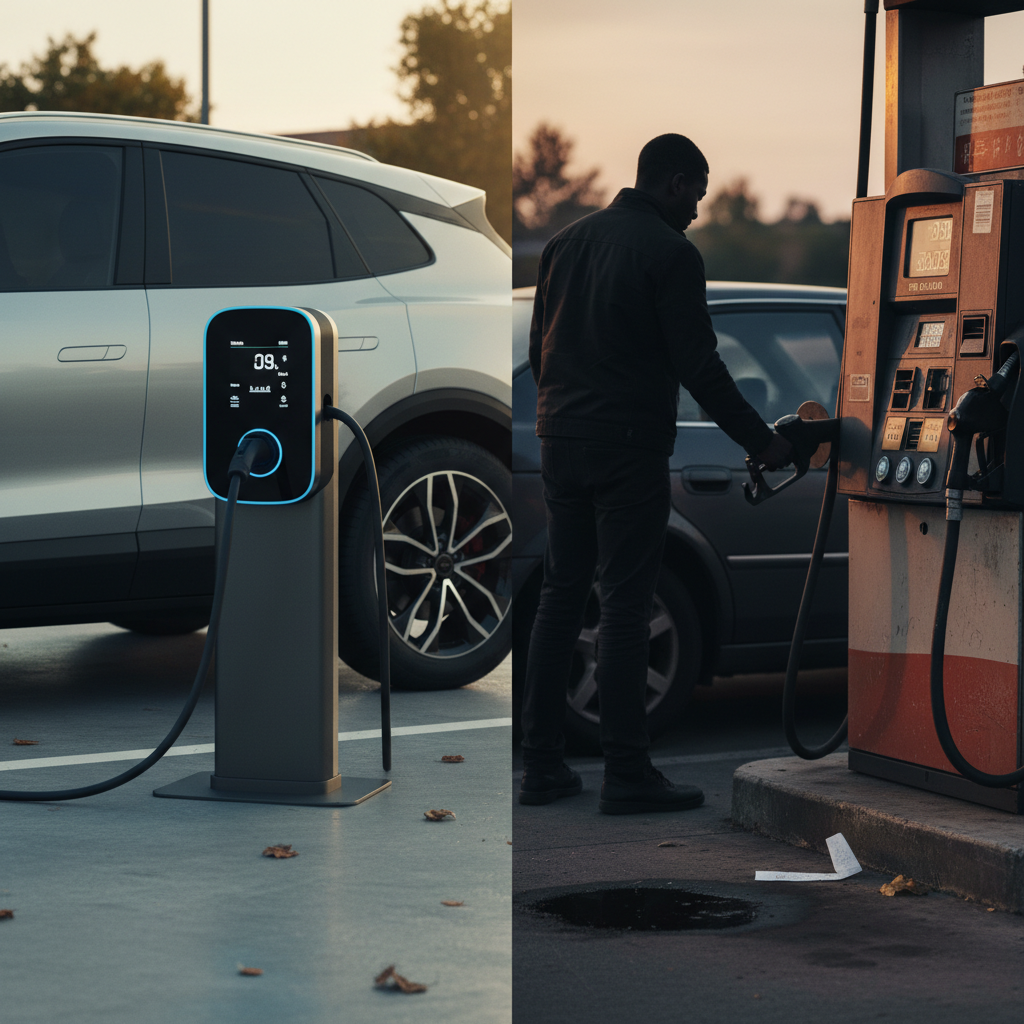
When you ask, “How much does an electric car cost?” you’re really asking about more than a sticker price. In 2025, the true cost of an electric car includes the purchase price (or monthly payment), incentives, charging, insurance, maintenance, and, uniquely, battery health. The good news: if you run the numbers, an EV is often cheaper to own than a comparable gas car, especially when you buy used.
Quick answer
Electric car cost overview in 2025
Electric car costs at a glance (2025, U.S.)
Those ranges are broad because EV costs vary by brand, battery size, features, and whether you buy new or used. To understand what an electric car will cost you, it helps to break it down into components: purchase price, incentives, monthly payment, charging, maintenance, insurance, and resale value.

Sticker price: new vs used electric car costs
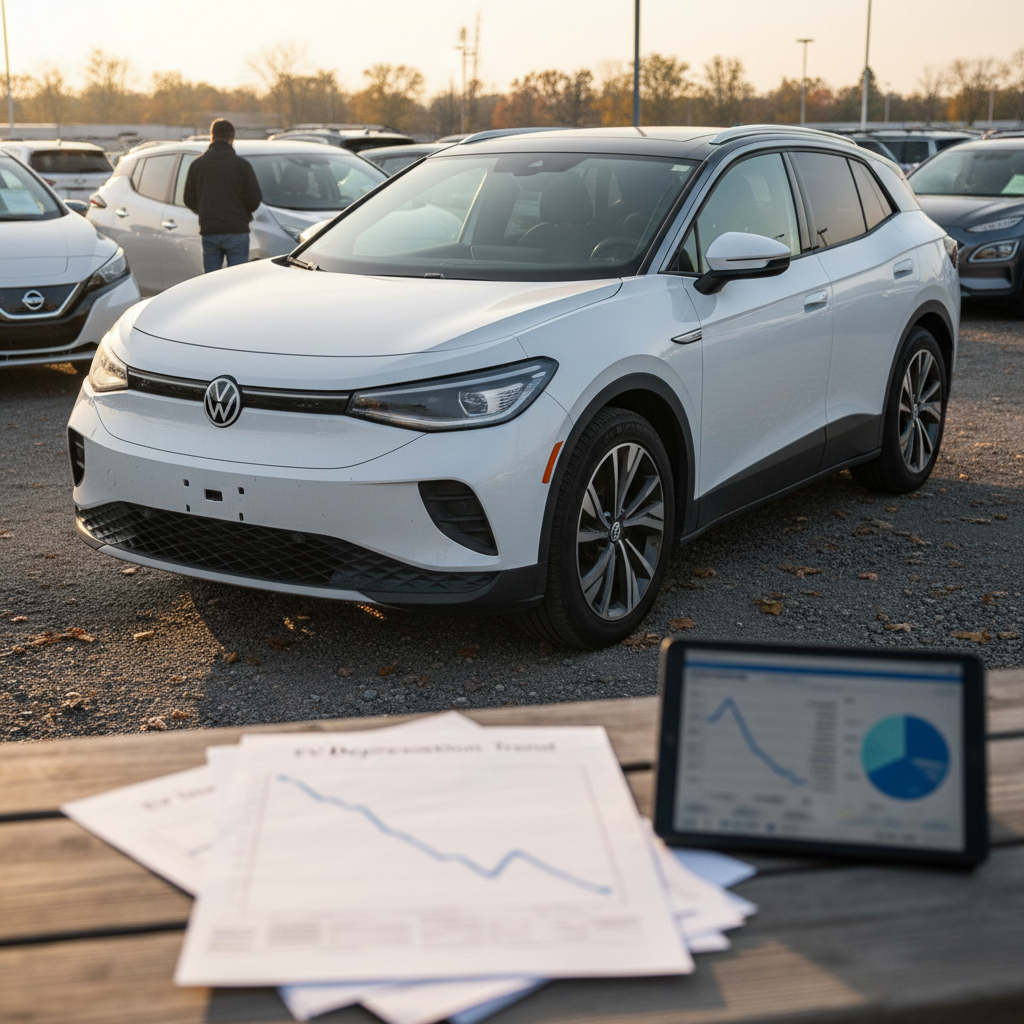
New EV prices have come down compared to the early days, but they still skew higher than comparable gas cars. Used EVs, on the other hand, can be a bargain, especially now that the first big wave of 2018–2022 models is hitting the used market.
Typical EV price ranges in 2025 (U.S.)
These are ballpark transaction price ranges for common electric vehicle segments in late 2025. Specific models and trims may fall outside these bands.
| Segment | Example models (new) | New EV price range | Used EV price range (3–6 years old) |
|---|---|---|---|
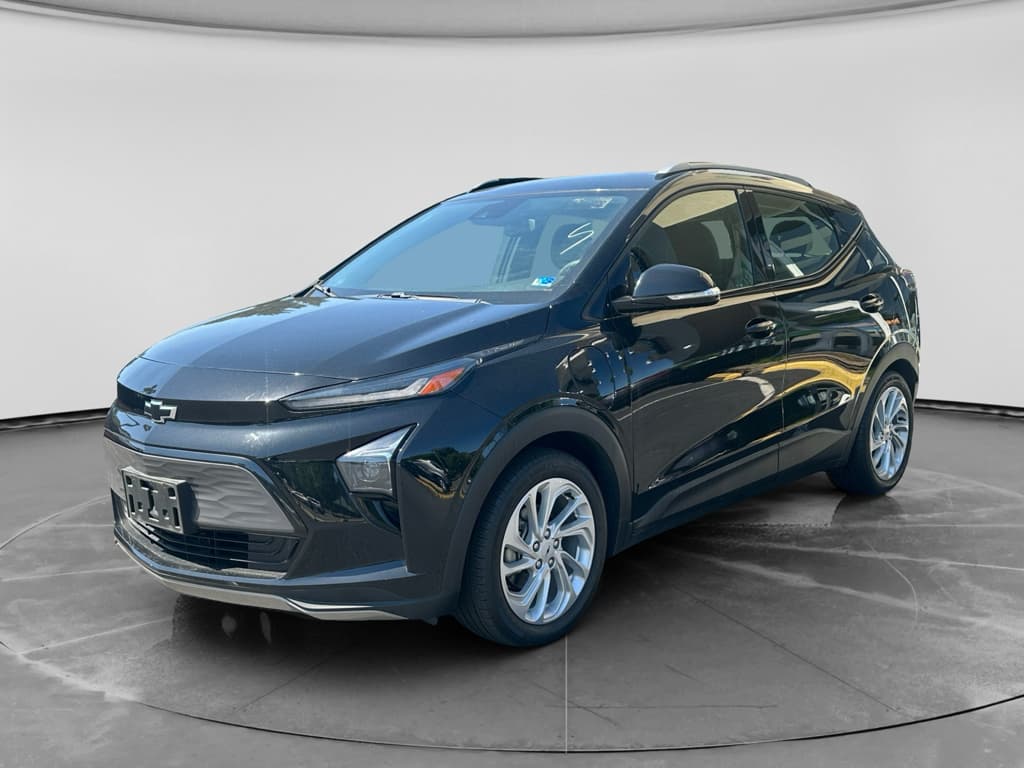
| Affordable compact EV | Nissan LEAF, Chevy Bolt EUV (where available used) | $28,000–$35,000 | $12,000–$20,000 |
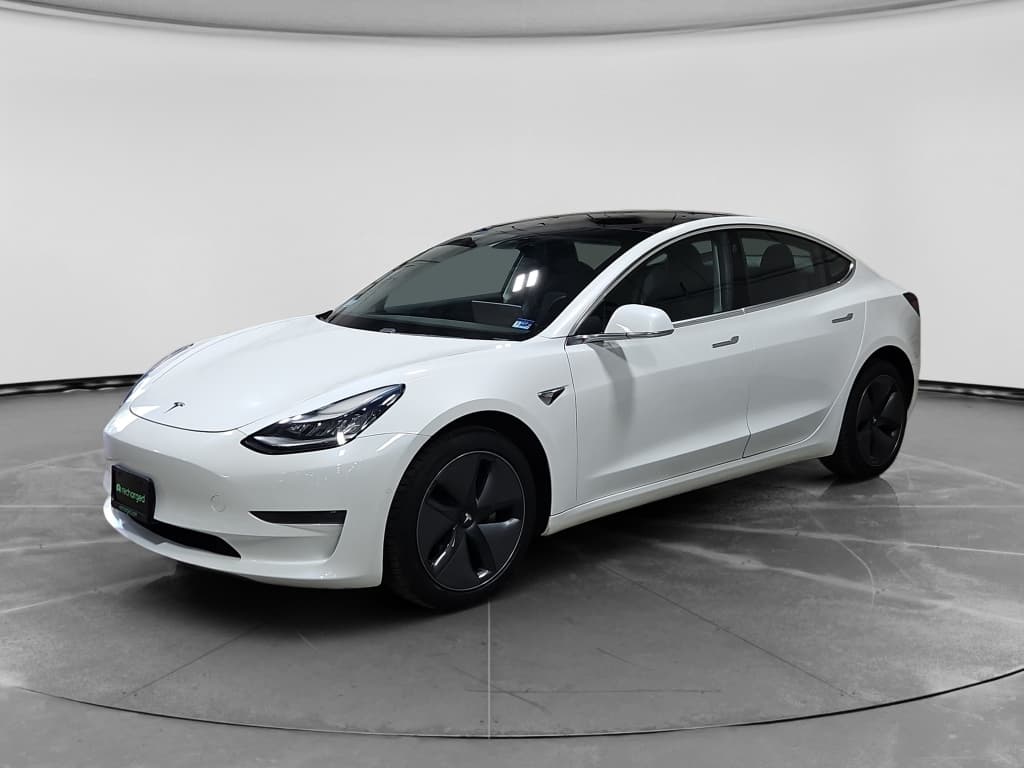
| Mainstream crossover | Tesla Model Y, Hyundai Ioniq 5, VW ID.4, Kia EV6 | $40,000–$55,000 | $24,000–$38,000 |
| Premium sedan/SUV | Tesla Model S/X, Mercedes EQE, BMW iX | $70,000–$100,000+ | $40,000–$70,000 |
| Electric pickup | Ford F‑150 Lightning, Chevy Silverado EV, Rivian R1T | $55,000–$90,000+ | $40,000–$65,000 |
Approximate prices before incentives, taxes, and fees.
Why used EVs can be such a deal
Of course, the concern most people have about used EVs is the battery. That’s exactly why Recharged includes a Recharged Score Report with every vehicle, including verified battery health diagnostics and pricing data, so you’re not guessing how much useful life is left in the pack.
How incentives change what you really pay
Sticker price is just the headline number. Federal and state incentives can lop thousands off what you actually pay for an EV, especially if you’re open to buying used.
Major ways incentives reduce EV costs
Some of these apply to new, some to used, and some to both.
Federal clean vehicle credits
Depending on the vehicle and your income, you may qualify for a federal clean vehicle credit on new EVs, and a smaller credit on eligible used EVs purchased from a dealer.
Many buyers now take this as an instant discount at the point of sale, which directly reduces your down payment or financed amount.
State & local rebates
Many states, utilities, and cities offer extra rebates or bill credits for EV buyers.
- Upfront rebates on purchase price
- Discounts on home charger installation
- Lower off‑peak electricity rates for EV charging
Home charger & rate incentives
Even if you don’t get much help on the car itself, you may get:
- Rebates on Level 2 home charging hardware
- Special EV time‑of‑use electricity rates
- Free nights or weekends of charging from some utilities
Watch the fine print
Recharged’s EV‑specialist team helps buyers understand which incentives they may qualify for and how that impacts their real out‑of‑pocket cost. That can be the difference between a new EV stretching your budget and a used EV fitting comfortably within it.
Monthly payment: what an electric car costs per month
Most shoppers don’t experience “cost” as a lump sum, they experience it as a monthly payment. For an EV, that means your auto loan or lease, plus electricity, insurance, and maintenance spread across the year.
Example: Used EV purchase
Suppose you buy a used electric crossover for $26,000, put 10% down, and finance the rest over 72 months at a competitive rate:
- Price: $26,000
- Down payment (10%): $2,600
- Amount financed: $23,400
- Estimated payment: around $380–$420/month (depending on rate)
If you’re eligible for a used EV incentive and can apply it at the point of sale, your financed amount, and monthly payment, could drop further.
Example: New EV lease
Leasing a new EV around the $40,000–$45,000 mark might land you in the $400–$550/month range, assuming a standard 36‑month term and typical money factor.
Leases often bake in the federal incentive as a capitalized cost reduction, which effectively lowers your monthly payment even if you don’t qualify for the credit directly.
Don’t forget to factor in fuel savings
Charging costs vs gas: what you’ll actually spend
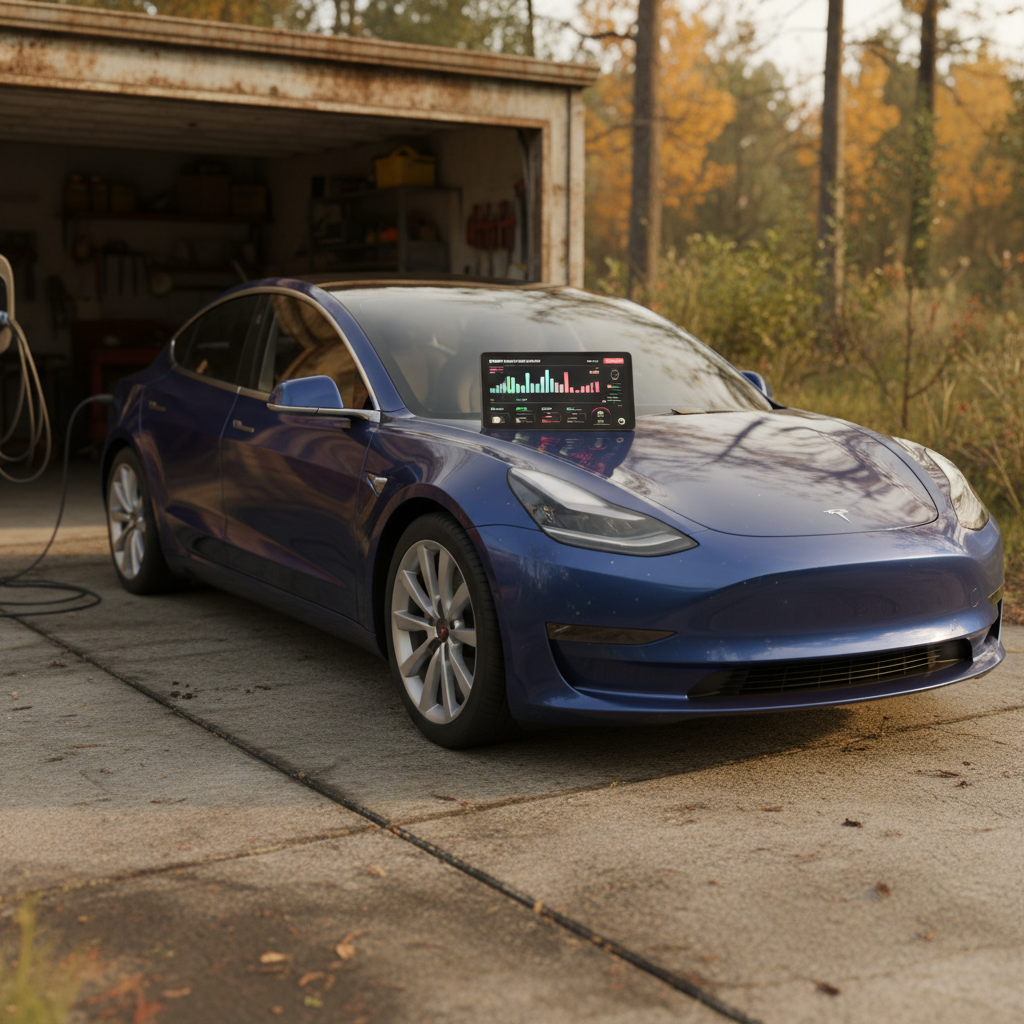
Charging is where the economics of EVs start to bend in your favor. Electricity is usually much cheaper per mile than gasoline, especially if you can charge at home on a reasonably priced utility plan.
Illustrative monthly fueling cost: gas vs electric (U.S. average)
Rough comparison for a driver covering 1,000 miles/month in a reasonably efficient vehicle.
| Scenario | Assumptions | Approx. monthly fuel cost |
|---|---|---|
| Gas car | 30 mpg, gasoline at $3.75/gal | About $125 |
| EV, home charging | 3 mi/kWh, electricity at $0.16/kWh | About $53 |
| EV, mix of home & public DC fast charging | 70% home at $0.16/kWh, 30% fast charge at roughly $0.35–$0.40/kWh | Roughly $70–$90 |
Numbers are rounded and will vary based on your local gas and electricity prices.
Key point on charging costs
Maintenance, repairs, and battery health
EVs have far fewer moving parts than gas cars, no oil changes, no spark plugs, no exhaust system. That usually means less routine maintenance and fewer mechanical surprises. But you do introduce a new variable: the battery pack.
How EV maintenance costs compare to gas cars
Where you save, and where to pay close attention.
Routine service
No oil changes, fewer fluids, and less brake wear (thanks to regenerative braking) generally mean lower routine service bills.
You’ll still need tires, cabin filters, and occasional brake service, just not as often as in most gas cars.
Repairs
EV drivetrains have fewer parts that can fail. But collision repairs on EVs, like modern gas cars, can be costly due to sensors and advanced materials.
Having a repair shop familiar with EVs is important.
Battery health
The battery pack is the single most expensive component in an EV. While most packs lose capacity slowly, abuse or high mileage can accelerate degradation.
That’s why verified battery health matters so much for used EV buyers.
How Recharged derisks used EV batteries
Ready to find your next EV?
Browse VehiclesInsurance, registration, and other ownership costs
Insurance and fees don’t change just because a car is electric, but they do respond to the same factors as any other vehicle: value, repair costs, where you live, and your driving record. Late‑model EVs with expensive components can be more costly to insure than older, simpler gas cars, but that gap tends to shrink as EVs become more common.
- Insurance: Many drivers find EV insurance is similar to a comparable new gas car, sometimes slightly higher due to repair costs. Shopping quotes across multiple carriers is worth the time.
- Registration and taxes: A few states add small annual EV fees to replace lost gas‑tax revenue. Others still offer reduced registration fees for EVs. It’s highly state‑specific.
- Home charging setup: If you want a 240‑volt Level 2 charger at home, budget for the hardware plus potential electrical work. In a simple case with existing capacity, installation can be relatively affordable; panel upgrades or long wire runs can push costs higher.
- Software and connectivity: Some brands charge for connected services after a trial period. It’s not huge money, but it’s worth knowing whether things like remote pre‑conditioning or navigation updates are subscription‑based.
Total cost of ownership: 5‑year examples
To see how all these pieces fit together, it’s helpful to look at total cost over several years rather than just focusing on the monthly payment or sticker price.
Scenario 1: Used EV vs used gas crossover
Let’s say you’re cross‑shopping a used electric crossover and a used gas crossover around the same model year.
- Upfront price: EV is slightly higher, say $26,000 vs $22,000
- Fuel: EV saves you roughly $60–$90/month versus gas
- Maintenance: EV may save you several hundred dollars per year
Over five years, those fuel and maintenance savings can easily add up to $5,000–$7,000 or more, often more than offsetting the higher purchase price.
Scenario 2: New EV vs new gas SUV
Now imagine a new EV at $42,000 versus a similarly equipped gas SUV at $35,000:
- EV qualifies for a federal incentive that effectively knocks several thousand off the price.
- EV saves on fuel and maintenance each year.
- Gas SUV may have slightly lower insurance and simpler repair options in some areas.
Over 5–7 years, the EV can end up with a similar or lower total cost of ownership, despite the higher MSRP on the window sticker.
TCO often favors EVs
How to save money when buying an electric car
Because EV costs are front‑loaded in the battery and incentives, the way you shop has an outsized impact on what you pay over time. You don’t need to chase the latest, longest‑range model to get a good deal.
Smart strategies to bring EV costs down
These levers matter more than haggling over a few hundred dollars on sticker price.
Shop nationwide, not just locally
EV pricing is uneven across local markets. Shopping on a nationwide used EV marketplace and having the car delivered often unlocks better inventory and more competitive pricing than your local dealer lot.
Right‑size your range
Long‑range batteries are great, but they also cost more. If most of your driving is within a metro area and you can charge at home, a slightly shorter‑range EV can be significantly cheaper up front.
Stack incentives & financing
Combine federal, state, and utility incentives with competitive financing or a trade‑in offer. At Recharged, you can finance, trade in, or get an instant offer fully online, and see how each option affects your bottom line before you commit.
Use data, not just gut feel
Checklist: key cost questions to answer before you buy
Cost questions every EV buyer should answer
1. What’s my real budget, including charging setup?
Decide how much you’re comfortable spending not just on the car, but also on a home charging solution if you need one. Include the cost of a Level 2 charger and any electrical work.
2. How many miles do I drive per month?
Knowing your monthly mileage lets you estimate fuel savings and choose an appropriate battery size. A commuter driving 700 miles/month has very different needs from a 2,000‑mile/month road‑warrior.
3. Where will I do most of my charging?
Home, work, or public? The answer determines your fueling cost and whether paying extra for fast‑charging capability is worth it.
4. How long do I plan to keep the car?
If you plan to keep the car 8–10 years, battery health and warranty coverage matter even more. If you’re a 3‑year flipper, resale value and lease options might be higher priorities.
5. What incentives am I realistically eligible for?
Check federal, state, and utility programs based on your location, income, and the specific vehicles you’re considering. Don’t assume you qualify, or that you don’t, without checking.
6. Is the battery health verified on any used EV I’m considering?
For used EVs, insist on <strong>objective battery diagnostics</strong>. A transparent report like the Recharged Score helps you understand whether you’re paying a fair price for the remaining battery life.
FAQ: common questions about electric car costs
Frequently asked questions about electric car costs
Bottom line: are electric cars worth it financially?
When you add it all up, the question “How much does an electric car cost?” doesn’t have a one‑size‑fits‑all answer, but the pattern is clear. You’ll probably pay more attention to battery health and incentives than you ever did with a gas car, but you’ll also spend less on fuel and routine service, and often come out ahead over a 5–10‑year ownership window.
If you’re open to a used EV, the numbers look even better. A 3–6‑year‑old electric car with a healthy battery can deliver modern tech and low running costs at a price that’s competitive with a used gas car. That’s the gap Recharged exists to make transparent: with Recharged Score battery diagnostics, fair‑market pricing, financing, trade‑in options, and nationwide delivery, you can focus on whether the total cost of ownership fits your life, not on whether you’re missing something hidden in the fine print.