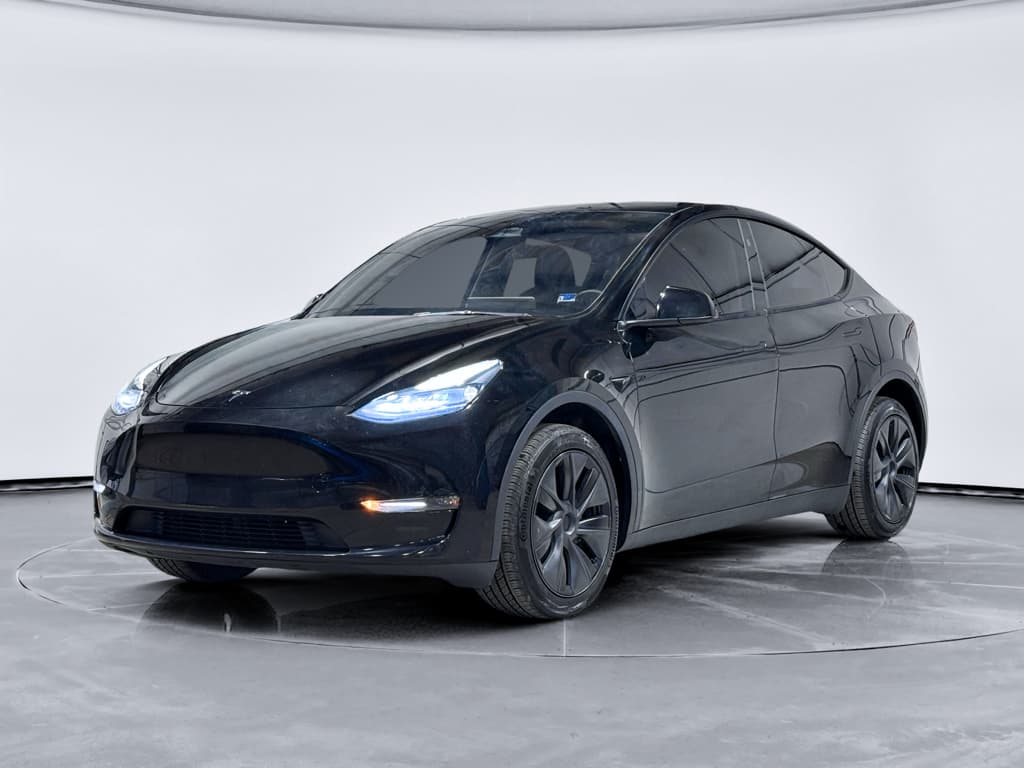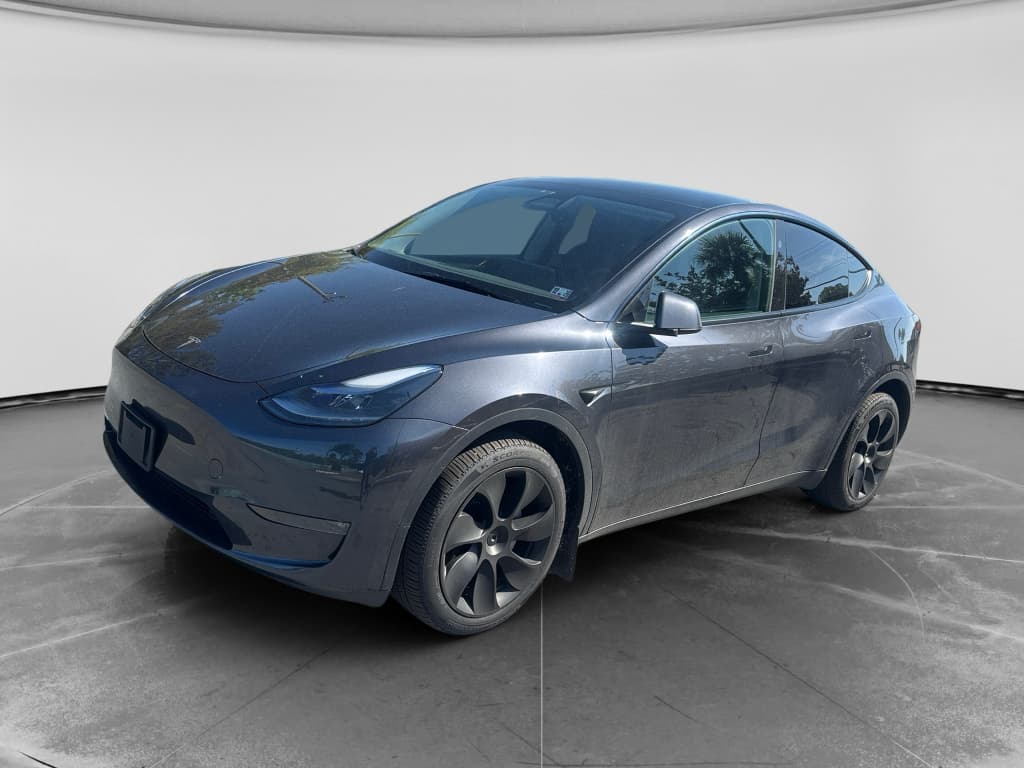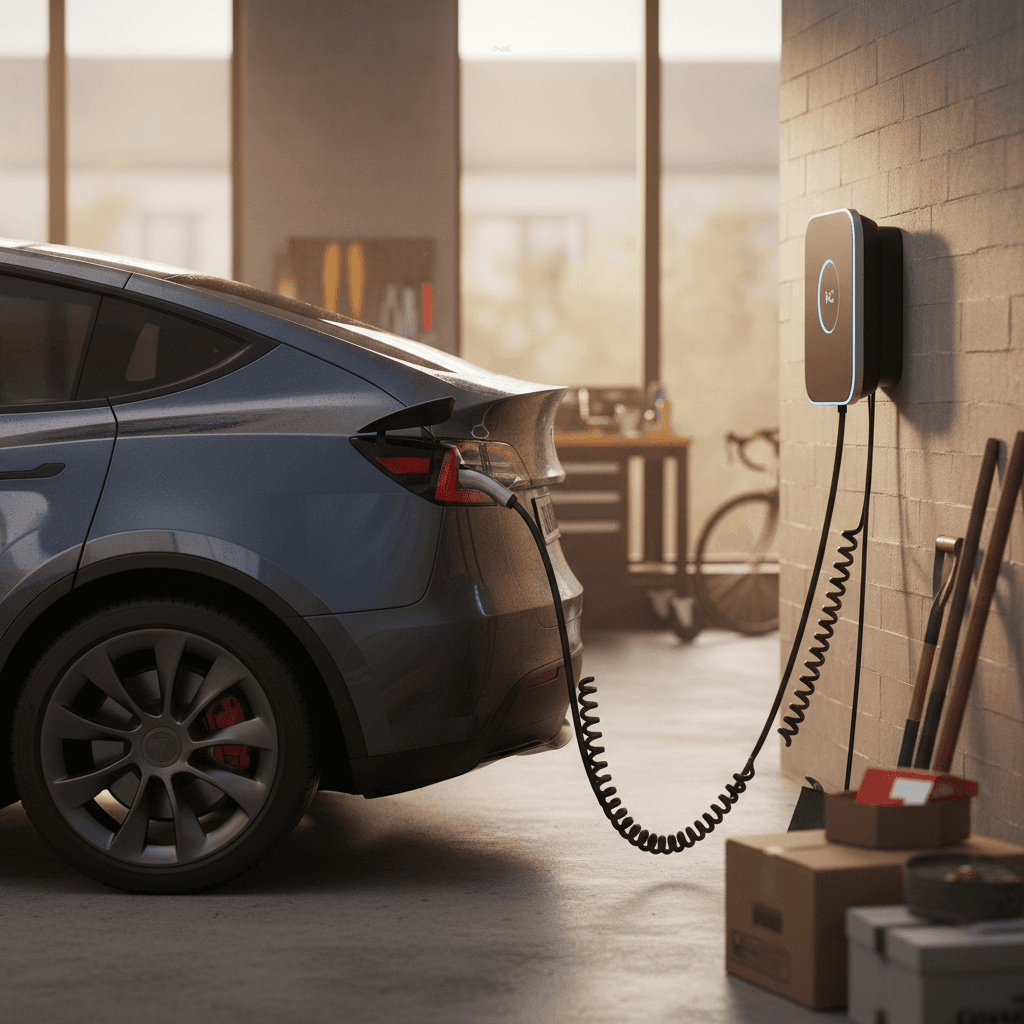
If you’re trying to figure out how long it takes to charge a Tesla Model Y, the honest answer is: “it depends.” A Model Y can take two days on a regular wall outlet or be ready to hit the road again in about 25–35 minutes on a fast Supercharger. The difference comes down to your charger type, battery size, and how full you actually need it.
Quick answer
Tesla Model Y battery and charging basics
Before you talk about charge times, you need to know what’s under the floor of your Model Y and what it can accept from the plug. That’s what really dictates the clock.
- Battery size: Most U.S. Tesla Model Y trims use packs in roughly the mid‑60 kWh to low‑80 kWh usable range. Bigger battery = more miles, but also more energy to refill.
- Onboard AC charger: Model Y uses an AC charger that can draw up to about 11 kW on Level 2 in many trims, which is the ceiling for how fast you can charge at home.
- DC fast charging: Current Model Y variants can accept up to about 225–250 kW peak on a Tesla Supercharger, depending on trim and conditions, but average power over a session is lower because the car tapers as it fills.
- Charging levels: • Level 1 = 120V household outlet • Level 2 = 240V home or public charger • DC fast = Tesla Supercharger or high‑power public fast charger.
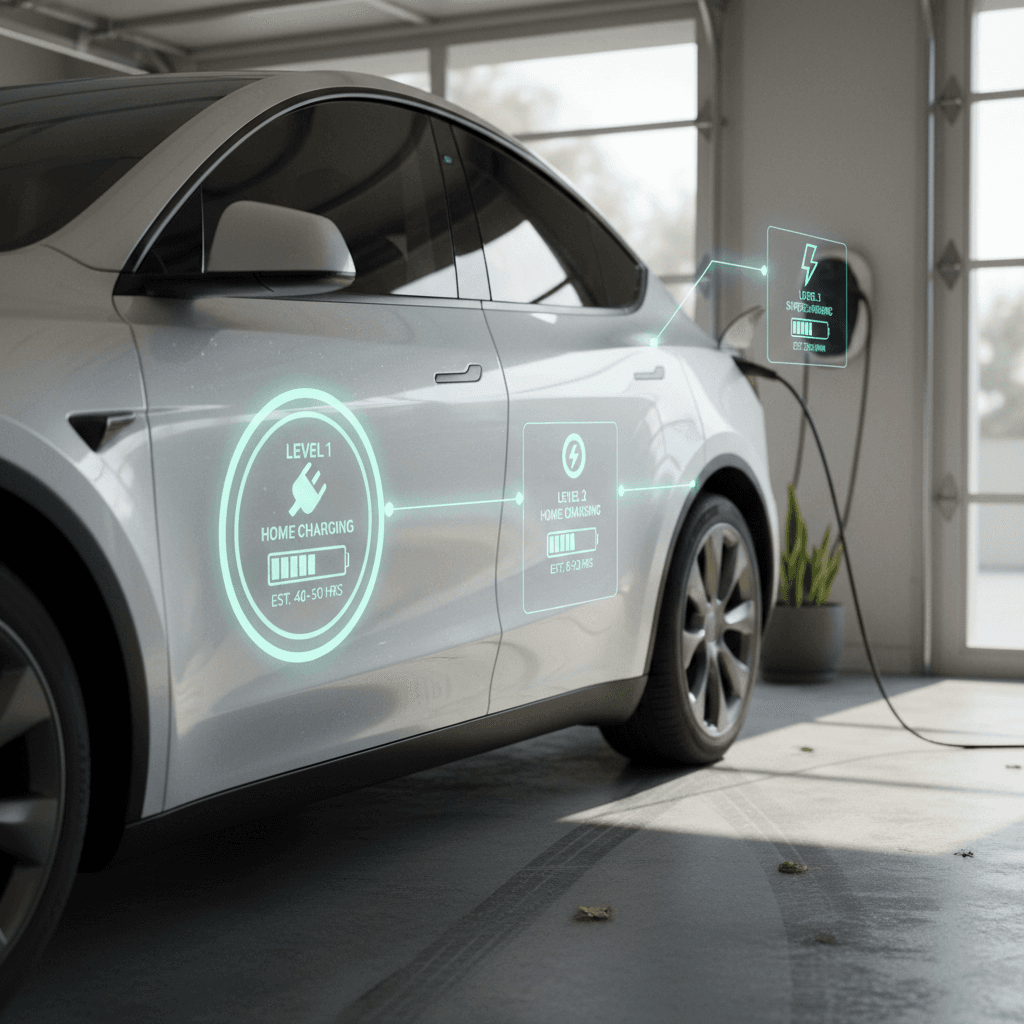
Think in “miles per hour of charge”
Home charging times: Level 1 vs. Level 2
Home is where most Tesla Model Y owners do almost all of their charging. You plug in at night, wake up with range. Here’s how long that actually takes with typical U.S. setups.
Typical Tesla Model Y home charging times
Approximate charge times for a Tesla Model Y from 10–80% (a common daily range) and 0–100% with common home charging options in the U.S. Actual times vary with weather, battery temperature, and exact trim.
| Home charging option | Approx. power | Miles of range per hour | 10–80% (daily top‑up) | 0–100% (full charge) |
|---|---|---|---|---|
| 120V Level 1 (15A circuit) | ~1.4 kW | 2–3 mi/hr | ~24–30 hours | ~40–50 hours |
| 120V Level 1 (20A circuit) | ~1.9 kW | 3–4 mi/hr | ~18–22 hours | ~30–40 hours |
| 240V NEMA 14-30 (24A) | ~5.7 kW | 20–25 mi/hr | ~7–9 hours | ~11–14 hours |
| 240V NEMA 14-50 (32A mobile connector) | ~7.7 kW | 25–30 mi/hr | ~6–8 hours | ~10–12 hours |
| Tesla Wall Connector at 48A (where supported) | ~11.5 kW | 35–44 mi/hr | ~4–6 hours | ~8–10 hours |
Use these numbers as planning tools, not lab‑grade guarantees.
Why 0–100% looks “slow”
For many drivers, a 240V Level 2 setup that adds roughly 25–35 miles of range per hour hits the sweet spot. If you drive 40–60 miles a day, that’s just 2–3 hours of charging overnight. Level 1 (120V) can work if your commute is short, but it becomes painful if you regularly rack up highway miles or live in a cold climate.
Tesla Model Y Supercharger & DC fast charging times
On road trips, you’ll lean on Tesla’s Supercharger network or other DC fast chargers. This is where the numbers get much shorter, and a little more nuanced.
Typical DC fast charging times for a Tesla Model Y
Fast‑charging time depends on three things: the charger’s maximum output, the Model Y’s own limits, and your battery’s state of charge and temperature. From a low state of charge (around 10%), a Supercharger can ramp quickly, hold high power through the middle of the pack, then ramp down sharply as you pass 70–80%.
- 10–50%: Fastest part of the curve. You’ll see the highest kW numbers here.
- 50–80%: Still quick, but power is tapering. Time per added mile begins to rise.
- 80–100%: Slow and inefficient for road trips. Usually better to unplug and drive to the next station.
Road‑trip rule of thumb
Real-world examples of how long charging takes
Specs and tables are useful, but it helps to translate them into real‑world scenarios. Here’s how long it might take to charge a Tesla Model Y in situations owners commonly describe.
How long to charge a Tesla Model Y in everyday scenarios
Four practical charging stories based on typical U.S. setups
1. Commuter with Level 1 only
You drive 25 miles a day and plug into a 120V outlet in your garage.
- Overnight (10–12 hours): gain ~25–35 miles of range.
- Weekend: car can recover from lower state of charge if you leave it plugged in for 24–36 hours.
If your household miles are modest and you can leave the car parked often, Level 1 can work, just with very little margin.
2. Suburban family with 240V dryer plug
You install a NEMA 14‑30 outlet and use the Tesla Mobile Connector at 24A.
- Power: ~5.7 kW, 20–25 mi/hr.
- Evening plug‑in (6 pm to 6 am): adds ~240–300 miles of range.
For many Model Y owners, this is enough to stay topped up without a dedicated wall connector.
3. Wall Connector at 48A
You hard‑wire a Tesla Wall Connector on a 60A circuit and your trim supports 48A AC.
- Power: ~11.5 kW, 35–44 mi/hr.
- Plug in at 20%, schedule to 80%: often 4–6 hours.
This setup gives you ample headroom for heavy weekly mileage, and future‑proofs your garage if you add a second EV.
4. Interstate road trip on Superchargers
You arrive at a Supercharger with 15% remaining.
- Plug in and preconditioned battery: 10–80% in roughly 20–30 minutes in good conditions.
- Add 170–200+ miles of usable highway range before unplugging.
String a few of these stops together and you’ll move across states about as fast as a gas car that stops for food and fuel.
7 factors that change your Tesla Model Y charge time
Two Model Y owners can plug into the same station and see very different times. Here are the variables that usually explain why.
Key factors that speed up or slow down charging
1. Starting and target state of charge
Charging from 10–60% is far quicker than 60–100%. If you routinely run down to single digits or insist on 100% every time, your sessions will feel slow and you’ll stress the battery unnecessarily.
2. Battery temperature and preconditioning
Cold batteries charge slowly. Using navigation to a Supercharger (or scheduled departure at home) lets the car warm the pack ahead of time, cutting DC fast‑charging times significantly, especially in winter.
3. Charger power and sharing
Not all “50 kW” or “250 kW” chargers deliver full power all the time. On some older Superchargers, you share power with the stall next to you. Public non‑Tesla fast chargers may be limited by grid capacity or derating.
4. Your Model Y trim and age
Standard‑range variants may cap DC power a bit lower than Long Range or Performance trims. As the car ages, software and battery health can also subtly affect peak and average charging speeds.
5. Outlet and wiring quality at home
A 240V circuit that’s undersized, shared with other loads, or wired with low‑quality components can force your Model Y to dial back current. Professional installation protects both safety and speed.
6. Climate and seasonal use
In very hot or cold weather, your car spends extra energy heating or cooling the battery. That overhead can lengthen effective charge time or reduce how much usable range you gain per hour plugged in.
7. Your charging habits
Frequent deep discharges and 100% charges aren’t just slower, they’re harder on the pack. Sticking to a daily limit around 80–90% and plugging in whenever you’re home keeps sessions shorter and protects long‑term battery health.
Don’t chase the spec sheet
Home charging setup: how to get the right speed
If you’re buying or already own a Tesla Model Y, your home setup will dictate 90% of your charging experience. Getting this right matters more than squeezing a few minutes off a Supercharger stop.
Good: Standard outlet or basic 240V
- Who it suits: Low‑mileage drivers, apartment/condo residents with limited options, or households with workplace charging.
- Typical solution: 120V outlet or a 240V NEMA 14‑30/14‑50 with a Tesla Mobile Connector.
- Pros: Lower upfront cost, easier to install using existing circuits in some homes.
- Cons: Slower charge times, less margin for unplanned trips or multiple drivers.
Better: Dedicated Level 2 wall unit
- Who it suits: Most suburban families, high‑mileage commuters, and multi‑EV households.
- Typical solution: Hard‑wired Level 2 charger or Tesla Wall Connector on a 50–60A circuit.
- Pros: 30–40+ miles of range per hour, more reliable scheduling, better for future EV additions.
- Cons: Higher installation cost; requires panel capacity and a qualified electrician.
How Recharged can help
Ready to find your next EV?
Browse VehiclesUsed Tesla Model Y: why charge time matters
Charge time isn’t just about convenience; it’s a window into how a used Tesla Model Y has been driven and cared for. While Tesla’s battery management is robust, long‑term fast‑charging patterns and extreme climates can affect how quickly a pack charges compared with new.
- Healthy battery, same hardware: A lightly used Model Y with a well‑cared‑for pack should charge at roughly the same speeds as new when connected to the same equipment.
- Degradation shows up in range more than minutes: Even if a used Model Y has lost a small slice of capacity, that mostly shows as fewer miles per charge, not dramatically longer sessions.
- Charging history matters: Vehicles that lived on DC fast charging every day may see more tapering or slightly lower peak speeds over time.
- Inspection is your friend: A detailed health report like the Recharged Score can give you a data‑driven view of battery condition before you buy.
“For used EV shoppers, charging behavior and home infrastructure are just as important as battery stats. The right setup can make an older pack feel new again in daily use.”
FAQ: how long to charge a Tesla Model Y
Frequently asked questions about Tesla Model Y charging time
Bottom line on Tesla Model Y charging times
How long it takes to charge a Tesla Model Y depends more on where and how you plug in than on the badge on the hatch. A bare‑bones 120V outlet can stretch a full charge into days, while a properly installed Level 2 circuit turns it into an overnight non‑event. On the highway, a well‑timed Supercharger stop often adds hundreds of miles in the time it takes to grab coffee.
If you’re already an owner, the smartest next step is making sure your home setup matches your driving. If you’re shopping, especially for a used Tesla Model Y, pair questions about battery health with honest planning about your charging options at home and on the road. That’s exactly what Recharged is built for: transparent battery diagnostics, fair pricing, and expert guidance so your next EV not only looks good on paper, but feels easy to live with every day.