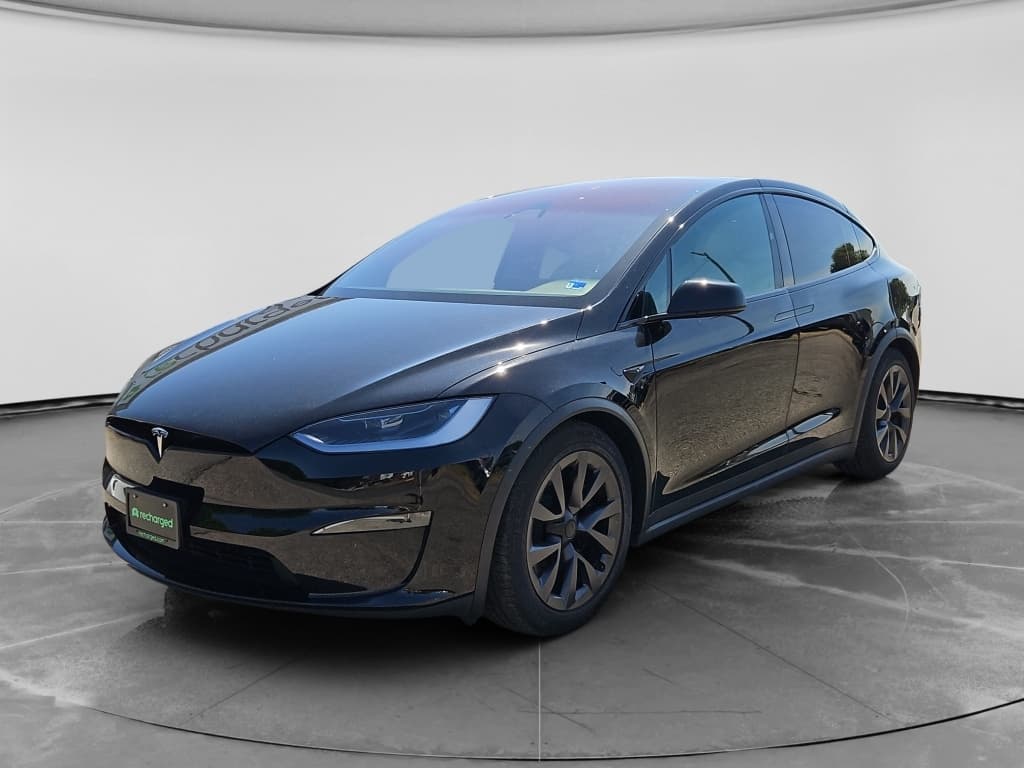
If you’re considering a Tesla Model X, or already own one, the first practical question is simple: how long does it take to charge a Tesla Model X? The honest answer is that it depends on where you’re charging, how full the battery already is, and which version of the Model X you have. This guide breaks down real-world charging times in plain English so you can plan home charging and road trips with confidence.
Quick answer
Model X battery and what it means for charging time
Charging time is really just energy divided by power. Your Tesla Model X battery stores energy in kilowatt-hours (kWh), and the charger delivers power in kilowatts (kW). Bigger battery + slower charger = more time.
Typical Tesla Model X battery sizes
Different trims and years have slightly different usable capacities, but these ballparks are enough for charging time estimates.
Early Model X 75D / 90D
Approx. usable capacity: 70–85 kWh
Early Model X versions had smaller packs, so they charge a bit faster from empty than later long-range models, given the same charger.
Model X 100D / Long Range
Approx. usable capacity: 90–95 kWh
This is the most common configuration you’ll see on the used market and what we’ll use for most of our examples.
Model X Plaid
Approx. usable capacity: ~95–100 kWh
The Plaid’s battery is similar in size to Long Range, but it can pull very high power at DC fast chargers for short bursts.
Rule of thumb
How long to charge a Tesla Model X by charger type
Let’s look at the three main ways you’ll charge a Model X in the U.S.: a standard household outlet (Level 1), a 240V home or public charger (Level 2), and Tesla Superchargers (DC fast charging). Times below assume a roughly 95 kWh battery and ideal conditions.
Tesla Model X charging time by charger type
Approximate times from near empty to a full charge under typical conditions. Real-world results will vary.
| Charger type | Power (kW) | Miles of range per hour* | Time 10–80% | Time 0–100% |
|---|---|---|---|---|
| Level 1 (120V outlet, 12A) | ~1.4 kW | 2–4 mi/hr | ~45–55 hours | 60+ hours |
| Level 2 (240V, 32A) | ~7.7 kW | 20–30 mi/hr | ~9–10 hours | 11–12 hours |
| Level 2 (240V, 48A Tesla Wall Connector) | ~11.5 kW | 30–40 mi/hr | ~6–7 hours | 8–9 hours |
| DC fast (Tesla Supercharger, 72–150+ kW) | Varies with state of charge | Up to ~500+ mi/hr at peak | ~25–40 minutes | Not recommended to charge to 100% regularly |
Charging speeds are rounded for clarity. You rarely need 0–100% in normal use; most owners live in the middle of the pack.
About those numbers
Model X charging time table: common scenarios
Most people are less interested in theoretical 0–100% times and more interested in everyday scenarios, like, “I came home with 20% left; will I be full by morning?” Here’s a practical look at what you can expect.
Real-world Tesla Model X charging scenarios
Assumes a roughly 95 kWh battery. “Hours” are rounded for easy planning.
| Scenario | Charger | Energy added | Approx. time |
|---|---|---|---|
| Top up from 20% to 80% overnight | Level 2, 32A (~7.7 kW) | ~57 kWh | ~7–8 hours |
| Top up from 40% to 80% overnight | Level 2, 32A | ~38 kWh | ~5–5.5 hours |
| Road trip: 10% to 60% | Tesla Supercharger (good conditions) | ~47 kWh | ~15–25 minutes |
| Road trip: 10% to 80% | Tesla Supercharger (good conditions) | ~66 kWh | ~25–40 minutes |
| Apartment dweller: 20% to 80% over weekend | 120V outlet, 12A | ~57 kWh | ~40+ hours (2+ days) |
You’ll notice that overnight Level 2 home charging easily covers typical daily driving needs.
The key takeaway
Factors that make your Model X charge faster or slower
Two Model X owners can plug into the “same” charger and see very different results. That’s because several variables influence charging speed beyond just the advertised kW rating on the station.
What actually controls your Model X charging time?
Think of charging as a negotiation between the charger, your vehicle, and the environment.
1. Charger power & circuit
A Level 2 charger on a 40A circuit usually delivers up to 32A continuously (~7.7 kW), while a 60A circuit can support 48A (~11.5 kW). The lower of the car’s max and the circuit’s capacity wins.
2. State of charge (SOC)
EVs charge fastest in the middle of the pack, roughly 10–60%. Once you get past ~80%, the Model X tapers charging speed aggressively to protect the battery, so the last 20% can take as long as the first 60%.
3. Battery temperature
Cold batteries charge slowly. In winter, the car will use energy to warm the pack before accepting high power, especially at Superchargers. Preconditioning via the navigation system helps a lot.
4. Shared Superchargers
Some Supercharger sites share power between stalls (often labeled A/B). If your paired stall is occupied, you may see lower peak speeds than charts suggest.
5. Battery health & age
Over time, batteries can lose a bit of capacity and may not sustain peak charge rates as long as when new. This doesn’t usually break road trips, but it can shave a few kW off the top.
6. Your charge limit settings
If you routinely charge to 80–90% instead of 100%, you’ll spend more time in the fast part of the curve and less in the slow top end, and your battery will thank you.
Avoid living at 100%
Home charging tips for the Model X
For most owners, home is where 90%+ of charging happens. That’s also where you control the setup, so a few smart decisions can dramatically improve your overall Model X charging experience.
Set up fast, safe home charging for your Model X
1. Step up from 120V if you can
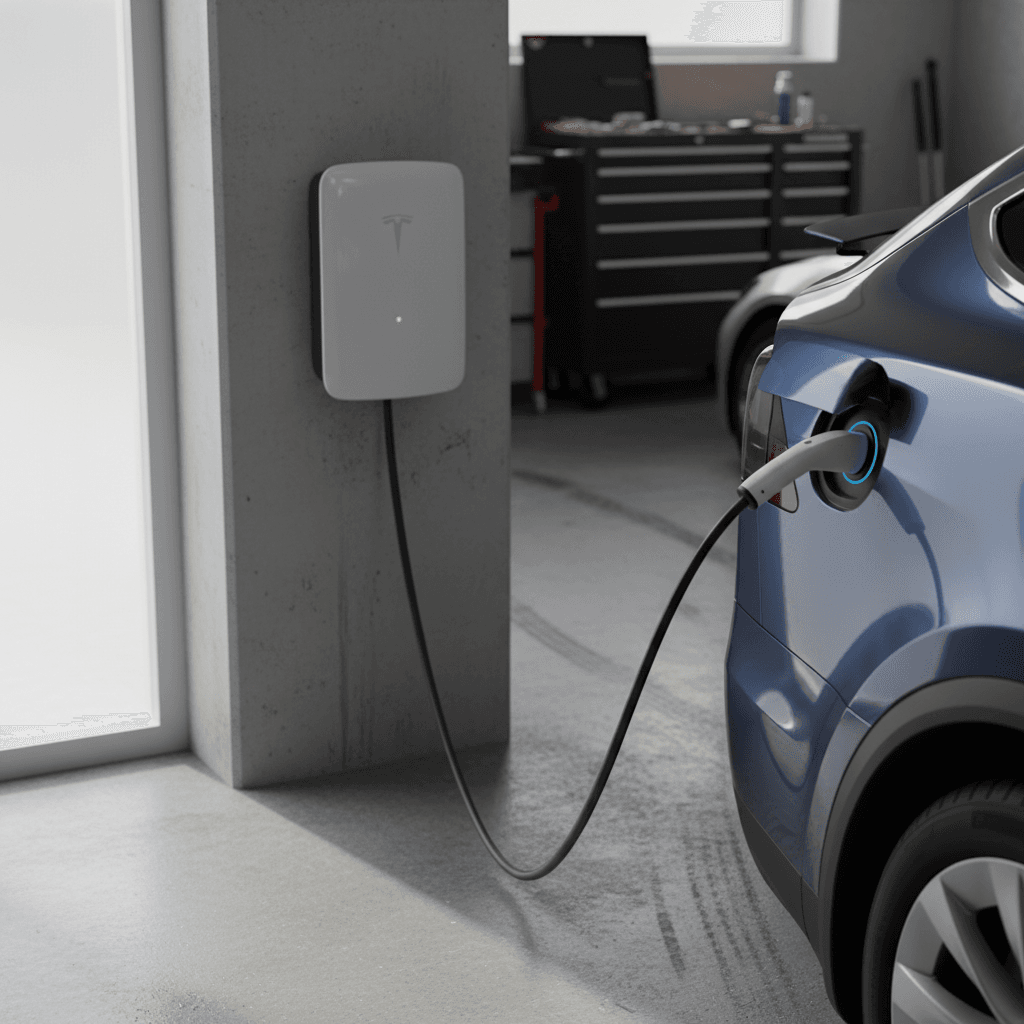
A normal household outlet will technically charge a Model X, but you’re looking at <strong>multi-day</strong> charges from low state of charge. If you own a Model X, a 240V Level 2 setup is worth prioritizing.
2. Size the circuit for your needs
A 40A circuit (32A continuous) is enough for overnight refills for most drivers. If you drive high daily mileage or just want more headroom, a 60A circuit (48A continuous) paired with a compatible wallbox will shorten charge times further.
3. Use scheduled charging
Most utilities have cheaper off-peak rates late at night. Use the Tesla app to schedule charging so your Model X starts pulling power when electricity is least expensive, and still finishes by morning.
4. Mind your extension cords
Avoid running your Mobile Connector through long, undersized extension cords. They can overheat and slow charging or create safety issues. If you must use one temporarily, make sure it’s properly rated and monitor it closely.
5. Keep the garage temperate if possible
A mildly heated garage in winter or shaded parking in summer helps the battery stay in its comfort zone. That means less time warming or cooling and more time actually adding miles.
6. Plan ahead for panel capacity
If your electrical panel is close to maxed out, talk with a licensed electrician. They can recommend load management, panel upgrades, or smart breakers so your Level 2 installation is safe and code-compliant.
Thinking about home charging with a used Model X?
Supercharging a Model X on road trips
On a road trip, your priority isn’t hitting some perfect 0–100% time. It’s getting back on the road quickly without stressing the battery. That’s where understanding how a Model X behaves at Superchargers pays off.
How long will I sit at a Supercharger?
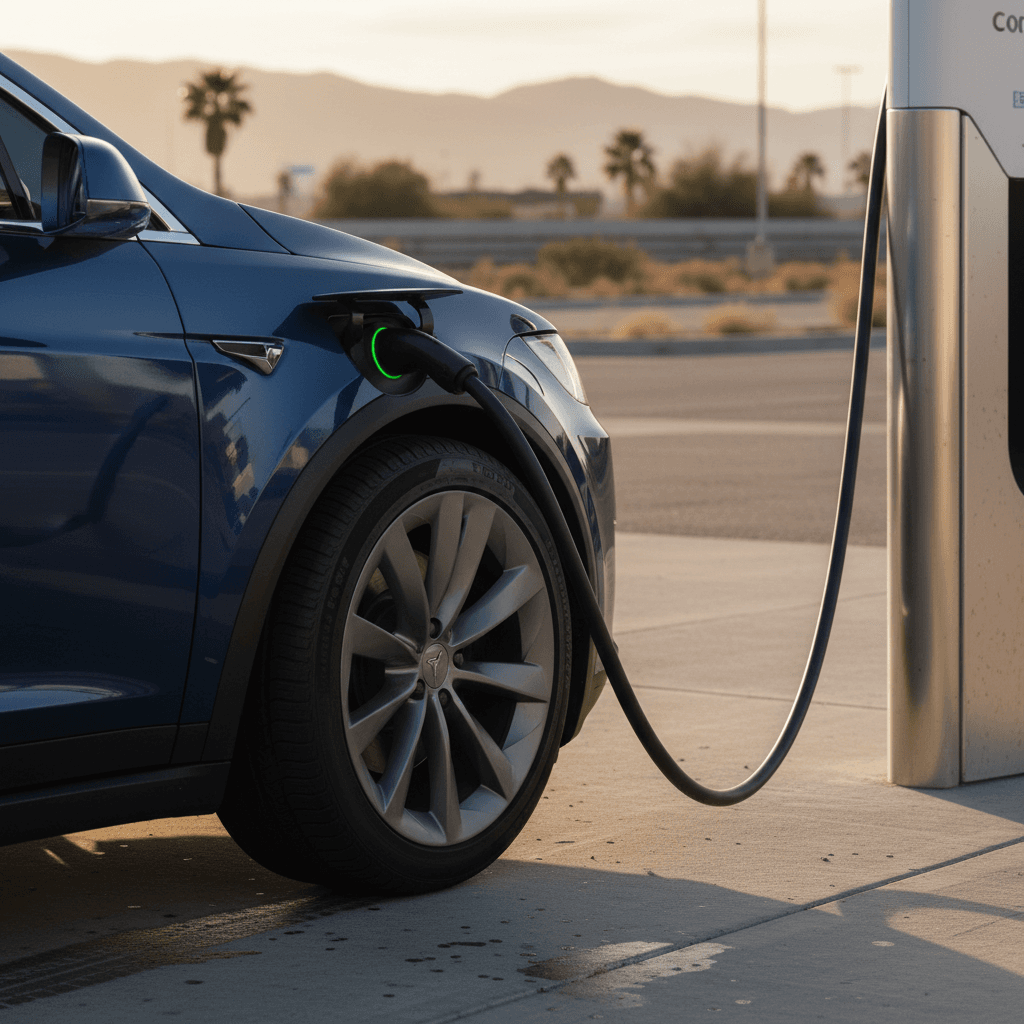
On a typical highway trip, you’ll arrive somewhere between 10–30% and leave around 60–80%. In decent weather, that usually means 15–35 minutes at the plug, just about the time it takes to stretch, use the restroom, and grab a snack.
Early in the session, you may see eye-popping rates (250+ kW on some sites), but they don’t last long. The system naturally tapers power as the battery fills and as it warms up.
Smart habits for faster road trips
- Navigate to the Supercharger in the car’s nav. The Model X will precondition the battery for fast charging.
- Don’t chase 100% unless you must. The time from 80–100% can double your stop with little benefit.
- Think in hops, not marathons. Several 10–60% or 10–70% jumps are usually quicker than fewer 10–95% legs.
- Watch shared stalls. If speeds seem slow, try moving away from a paired stall (like going from 2A to 3A).
Model X vs. smaller Teslas
Charging-time considerations when buying a used Model X
If you’re eyeing a used Tesla Model X, charging time isn’t just about convenience, it’s a window into battery health, software configuration, and how the car was treated. Two used Model X SUVs with the same badge can behave quite differently at the plug.
What to check about charging on a used Model X
These questions can save you time, money, and range anxiety later.
Battery health & capacity
Ask for recent range readings at 90–100% and compare them to what that trim delivered when new. A healthy pack helps maintain solid charging performance and predictable trip planning.
On-board charger rating
Some older Teslas had optional higher-power on-board chargers. Knowing whether the car tops out around 48A vs. 72A on AC can matter if you plan heavy home charging.
Previous owner’s charging habits
A car that mostly lived on home Level 2 charging with occasional Supercharging is generally preferable to one that’s been fast-charged hard every day.
Climate history
Vehicles that spent years in extremely hot climates sometimes show more battery wear. That can slightly affect real-world range and how long your car can sustain high DC charge rates.
Software & charging hardware
Confirm that the charge port, Mobile Connector, and any wallbox included with the sale work properly. Replacing lost or damaged components adds cost right away.
Independent battery report
A third-party battery health report gives you objective data on pack condition and expected range. That’s especially useful on higher-mileage Model X vehicles.
How Recharged helps with used Model X charging confidence
Ready to find your next EV?
Browse VehiclesFAQ: How long to charge a Tesla Model X
Frequently asked questions about Tesla Model X charging times
Bottom line: how long does it take to charge a Model X?
When you boil it down, how long it takes to charge a Tesla Model X comes down to two main choices you control: the type of charger you use most often and how low you let the battery get before you plug in. On a proper home Level 2 setup, you’re looking at a simple overnight refill. On the road, well-managed Supercharger stops usually run under half an hour.
If you’re exploring a used Model X, pay attention to battery health, previous charging habits, and how that fits the way you drive. That’s exactly the sort of real-world detail the Recharged Score Report is designed to surface, so you’re not guessing about range or charging time after you buy. With the right vehicle and a thoughtful charging setup, a Model X can be one of the easiest large SUVs to live with, whether you’re commuting, hauling the family, or heading across the country.