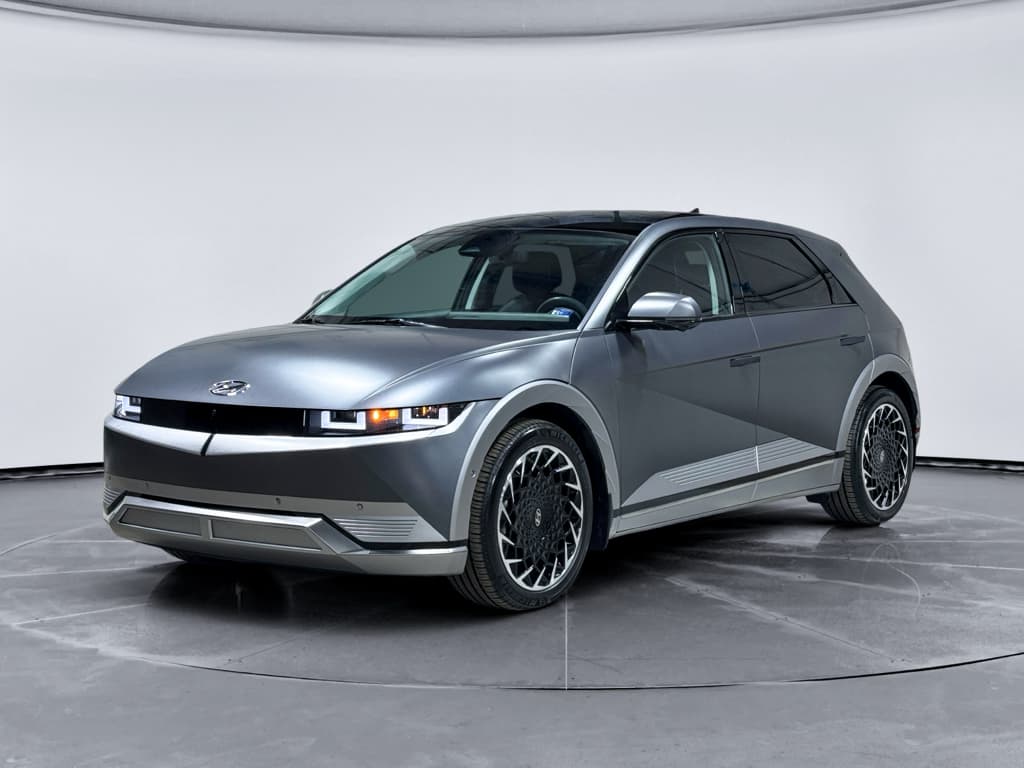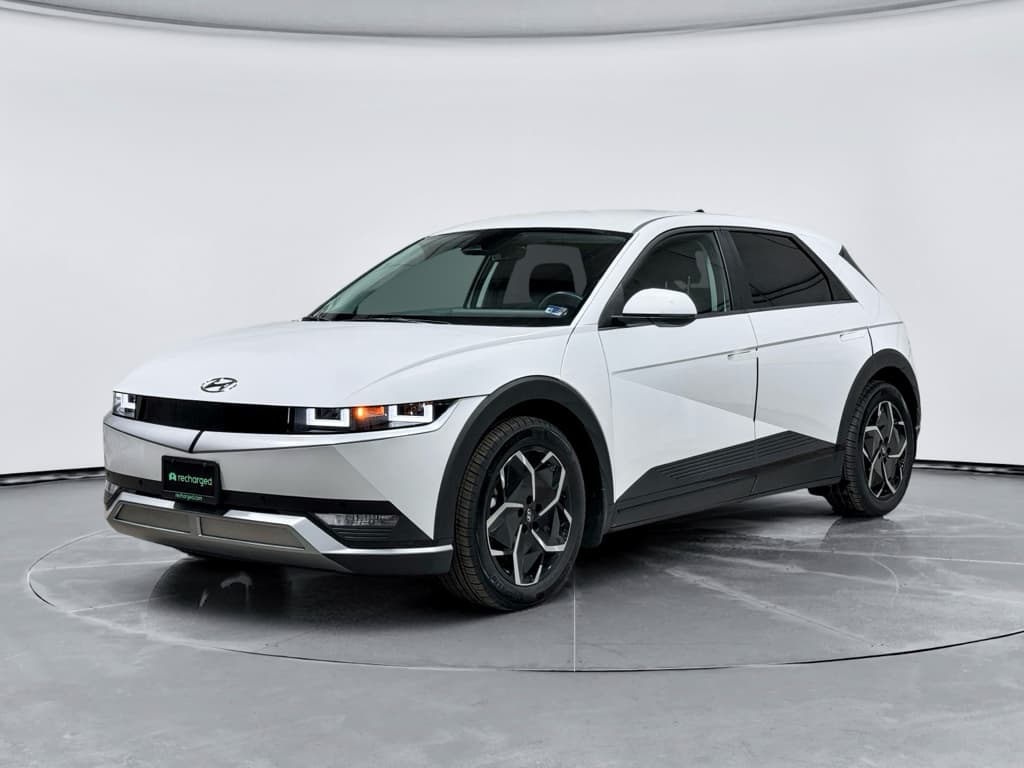
If you’re wondering **“is the 2025 Hyundai Ioniq 5 a good buy?”**, you’re not alone. The Ioniq 5 is one of the most interesting EVs on the market right now: great to drive, ultra-fast charging, award-winning safety, and some real question marks around reliability and resale value. In other words, it’s exactly the kind of car where you want a clear-eyed, numbers-first view before you sign anything.
Context: you’re shopping in 2026
Quick answer: is the 2025 Ioniq 5 a good buy?
Short answer
If you prioritize fast charging, design, comfort, and safety, the 2025 Hyundai Ioniq 5 can be a very good buy in 2026, especially as prices soften and incentives stack up.
But it’s not a set‑and‑forget appliance. You’re trading strong fundamentals and a great driving experience against above‑average depreciation and a mixed reliability story, especially around earlier models’ charging electronics.
The one‑sentence rule of thumb
The 2025 Ioniq 5 is a smart buy if you:
- Plan to keep it through most of the 10‑year battery warranty, or
- Are getting it at a clear discount vs. rivals and have a good plan for warranty coverage.
If you’re obsessed with resale value or need bulletproof long‑term reliability, there are safer bets.
Where Recharged fits in
What’s new for the 2025 Hyundai Ioniq 5?
The 2025 Ioniq 5 is an evolution of the original 2022–2024 model rather than a clean‑sheet redesign. That’s good news: the fundamentals were already strong. For shoppers, the key is understanding how 2025 differs from earlier years you’ll also see on the used market.
2025 Ioniq 5 vs earlier years: what actually changed?
Small but meaningful tweaks on top of a proven E‑GMP platform
Powertrain & range
- Single‑motor RWD and dual‑motor AWD continue.
- Standard‑range battery sees a modest bump; base SE RWD now around the mid‑240‑mile range on paper.
- Long‑range versions remain in the ~260–300‑mile band depending on spec and wheels.
Software & features
- Hyundai keeps expanding OTA (over‑the‑air) updates, driver‑assist tuning, and infotainment polish.
- Digital key and app experience continue to improve, though they still lag Tesla in polish.
Safety & hardware refinement
- Ioniq 5 now meets the much tougher 2025 Top Safety Pick+ criteria from IIHS.
- Running changes target earlier reliability issues (notably the integrated charging control unit) even if Hyundai doesn’t shout about it in marketing.
Don’t overpay for the “new year”
Strengths: where the 2025 Ioniq 5 still shines
Why enthusiasts (and reviewers) still love the Ioniq 5
As a product, the Ioniq 5 still punches above its weight in several areas. This is why, despite depreciation and some reliability headlines, it’s absolutely worth considering.
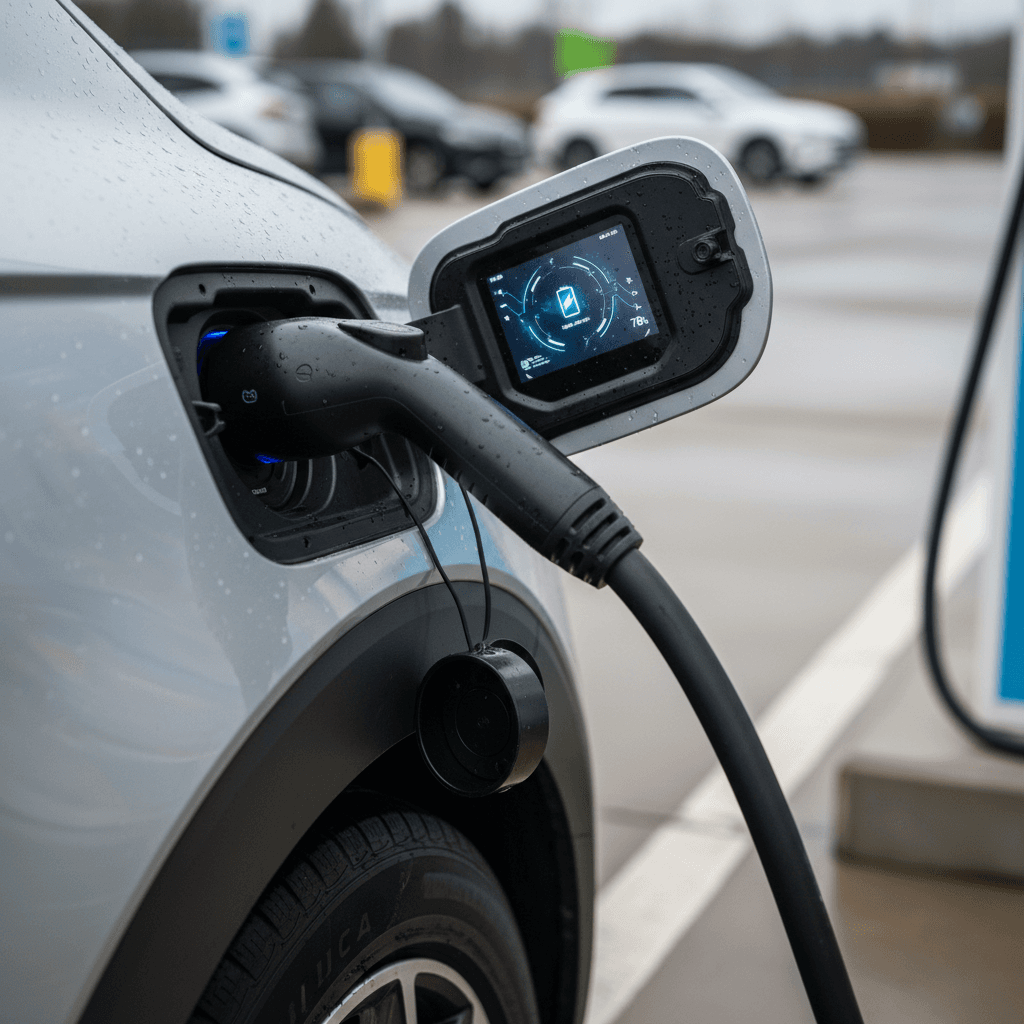
- Charging performance: The 800‑volt E‑GMP platform still delivers some of the quickest DC fast‑charging you can get in a mainstream EV, making road trips far less painful than in many similarly priced rivals.
- Design and interior space: The Ioniq 5 looks like nothing else on the road, and the long wheelbase translates to a genuinely roomy, lounge‑like interior with excellent rear legroom.
- Comfort and refinement: The ride is compliant, cabin noise is well controlled, and the seats (especially in higher trims) are road‑trip friendly.
- Safety and driver assistance: A full active‑safety suite, strong crash performance, and a generally well‑tuned lane‑keeping and adaptive‑cruise experience.
- EV‑first platform: Unlike some ICE‑to‑EV conversions, the Ioniq 5 was built on a dedicated EV architecture from day one, which shows up in packaging and driving dynamics.
When the 2025 Ioniq 5 is a *great* buy
Weak points: reliability, depreciation, and practical constraints
Here’s where we have to take off the fan‑hat and look at the uncomfortable parts of the story: reliability track record, real‑world resale, and day‑to‑day compromises.
Key risks with buying a 2025 Ioniq 5
None of these are deal‑breakers alone, but you need to price them in
High‑voltage reliability story
Heavy depreciation
Practicality quirks
Reality check on reliability data
Hyundai’s long warranty softens the blow, but remember: high‑voltage failures can mean long waits for parts, not just a simple dealer visit. If your household can’t tolerate downtime, this matters more than it would with a simpler ICE car.
Range and charging: is it enough for your use case?
On paper, the 2025 Hyundai Ioniq 5’s range and charging specs look great. The question isn’t “good or bad” in the abstract, it’s whether they’re aligned with how you actually drive and where you can charge.
2025 Hyundai Ioniq 5: approximate EPA ranges by configuration
Exact EPA figures vary slightly by wheel size and options; think in bands, not single numbers.
| Configuration | Drive type | Battery | Approx. EPA range | Best fit for |
|---|---|---|---|---|
| SE Standard Range | RWD | Standard pack | ~240–250 mi | Commuters with easy daily charging who rarely road‑trip |
| SE / SEL / Limited Long Range | RWD | Long‑range pack | ~290–303 mi | Mixed city/highway drivers who want one EV to do it all |
| SE / SEL / Limited Long Range | AWD | Long‑range pack | ~255–270 mi | Snow‑belt drivers or people who value traction more than outright range |
Use this as a directional guide, then verify the exact trim you’re shopping.
Think in winter range, not brochure range
Home charging reality
If you can install a Level 2 charger, the Ioniq 5 is an easy daily driver: you’ll wake up every morning with a full battery and almost never think about public charging.
Apartment dwellers depending on public infrastructure should look closely at local networks and uptime. The Ioniq 5’s 800‑V architecture rewards you when you find a strong DC fast charger, but it doesn’t fix a spotty network.
Road‑trip behavior
On a healthy 150–350 kW DC fast charger, the Ioniq 5 is one of the most road‑trip‑friendly EVs in its segment. Short, aggressive charging sessions from 10–60% or 10–80% are its sweet spot.
If you routinely drive in areas with only older 50 kW chargers, you lose much of that advantage, and a slower‑charging competitor might not feel very different in practice.
Value and depreciation: Ioniq 5 bargain or trap?
The blunt truth: the Ioniq 5 has been one of Hyundai’s worst performers on depreciation. Depending on trim and incentives, five‑year value loss estimates land in the ~55–60% range. That’s painful if you’re the original buyer, but a huge opportunity if you’re the second or third owner.
Ioniq 5 resale snapshot (big picture)
Why depreciation is so rough
If you’re buying new in 2026
- Expect meaningful discounts and possibly lease‑style tax incentives on remaining 2025 inventory as 2026 price cuts roll in.
- Run the numbers on a lease vs. purchase; letting Hyundai’s captive finance arm absorb depreciation isn’t a crazy strategy.
- If you do purchase, plan to keep it at least 5–7 years to amortize the hit.
If you’re buying used in 2026
- Early‑life depreciation is already baked in. Your job is to make sure you’re not inheriting someone else’s high‑voltage problem.
- A car with documented service history, clean high‑voltage diagnostics, and strong battery health is far more important than shaving the last $500 off the price.
- Platforms like Recharged help by combining fair‑market pricing data with a Recharged Score report, so you see both the value story and the battery story in one place.
Safety ratings and driver assistance
From a safety standpoint, the 2025 Hyundai Ioniq 5 is an easy car to recommend. It earns a Top Safety Pick+ rating under the Insurance Institute for Highway Safety’s tightened 2025 criteria, meaning it performs well not just in traditional crash tests, but also in updated side impacts and pedestrian‑protection scenarios.
- Standard active‑safety tech includes automatic emergency braking, lane keeping assist, adaptive cruise control, and blind‑spot monitoring in most trims.
- Higher trims add more advanced features like Highway Driving Assist, improved lane‑centering, and better driver‑monitoring logic.
- LED lighting and good outward visibility contribute to day‑to‑day safety, not just crash‑test performance.
Good news for family buyers
Who should buy a 2025 Hyundai Ioniq 5, and who should pass
Is a 2025 Ioniq 5 right for you?
Match the car’s tradeoffs to your life, not the brochure
Great fit if…
- You value fast charging, comfort, and design more than badge prestige.
- You primarily charge at home and use DC fast charging for occasional road‑trips.
- You’re buying used and letting the first owner eat the hardest depreciation.
- You have access to strong warranty coverage and a competent EV‑savvy service network.
Probably not for you if…
- You absolutely must have rock‑solid long‑term reliability with minimal risk of high‑voltage drama.
- You plan to flip the car in 2–3 years and care intensely about resale.
- Public charging in your area is poor and you can’t install home charging, so every charging session is a potential headache.
- You need maximum cargo space or tow capacity in this size/price class.
Checklist: how to shop a 2025 Ioniq 5 the smart way
2025 Ioniq 5 buyer checklist
1. Decide on RWD vs. AWD based on climate, not fear
If you live in a mild climate, the <strong>RWD long‑range</strong> car gives you more range and efficiency. In true snow‑belt states, AWD may be worth the range hit, but don’t overbuy out of habit if you rarely see snow.
2. Aim for long‑range battery unless your use case is narrow
The standard‑range pack works for short‑distance commuters with easy daily charging. Everyone else is usually happier with the long‑range pack, especially as batteries age and winter arrives.
3. Pull detailed battery and high‑voltage health data
Don’t rely on a dashboard SOC bar. Use tools like the <strong>Recharged Score</strong> to see state‑of‑health estimates, DC fast‑charge history, and any high‑voltage fault codes that might hint at future problems.
4. Verify recall and campaign completion
Ask for a printout of all open recalls and service campaigns on the VIN, especially anything touching the <strong>ICCU, onboard charger, or high‑voltage junction box</strong>. Make sure they’re closed out before you take delivery.
5. Check real‑world charging behavior
If possible, do a supervised DC fast‑charge session during your test drive. Watch whether the car ramps up to expected speeds, holds a strong curve, and avoids unexpected thermal throttling or charge stops.
6. Price in depreciation, and negotiate hard
Use recent used‑sale data rather than MSRP as your anchor. The market has already decided that Ioniq 5s depreciate quickly; your offer should reflect that reality, especially on remaining new 2025 inventory.
7. Plan your exit strategy on day one
Before you buy, decide whether you’re likely to: <strong>(a)</strong> drive it into the ground under warranty, <strong>(b)</strong> trade it while battery health is still excellent, or <strong>(c)</strong> keep it beyond warranty and accept elevated risk. Your choice should influence how much you’re willing to pay today.
FAQ: 2025 Hyundai Ioniq 5 buying questions
Frequently asked questions about buying a 2025 Ioniq 5
Bottom line: is the 2025 Ioniq 5 a good buy in 2026?
The 2025 Hyundai Ioniq 5 is one of those EVs where the market’s anxiety doesn’t fully match the product reality. As a machine, it’s compelling: fast‑charging, comfortable, safe, and genuinely distinctive. As a financial asset, it’s flawed: heavy depreciation and a noisy reliability narrative demand a cautious, data‑driven approach.
If you can buy a 2025, or a similar 2023–2024 Ioniq 5, at a price that fully reflects those risks, and you back that up with solid warranty coverage and real battery/charging‑system diagnostics, then yes: **the 2025 Ioniq 5 can be a very good buy**. If you’re paying near‑new money and counting on rock‑solid resale, there are better bets.
That’s exactly where Recharged is trying to bend the curve in your favor. By combining transparent battery health data, fair‑market pricing, and EV‑literate support, we make it much easier to enjoy what the Ioniq 5 does best, without being blindsided by what it doesn’t. If you’re ready to explore specific cars, start by browsing Ioniq 5 listings and comparing Recharged Scores side by side.