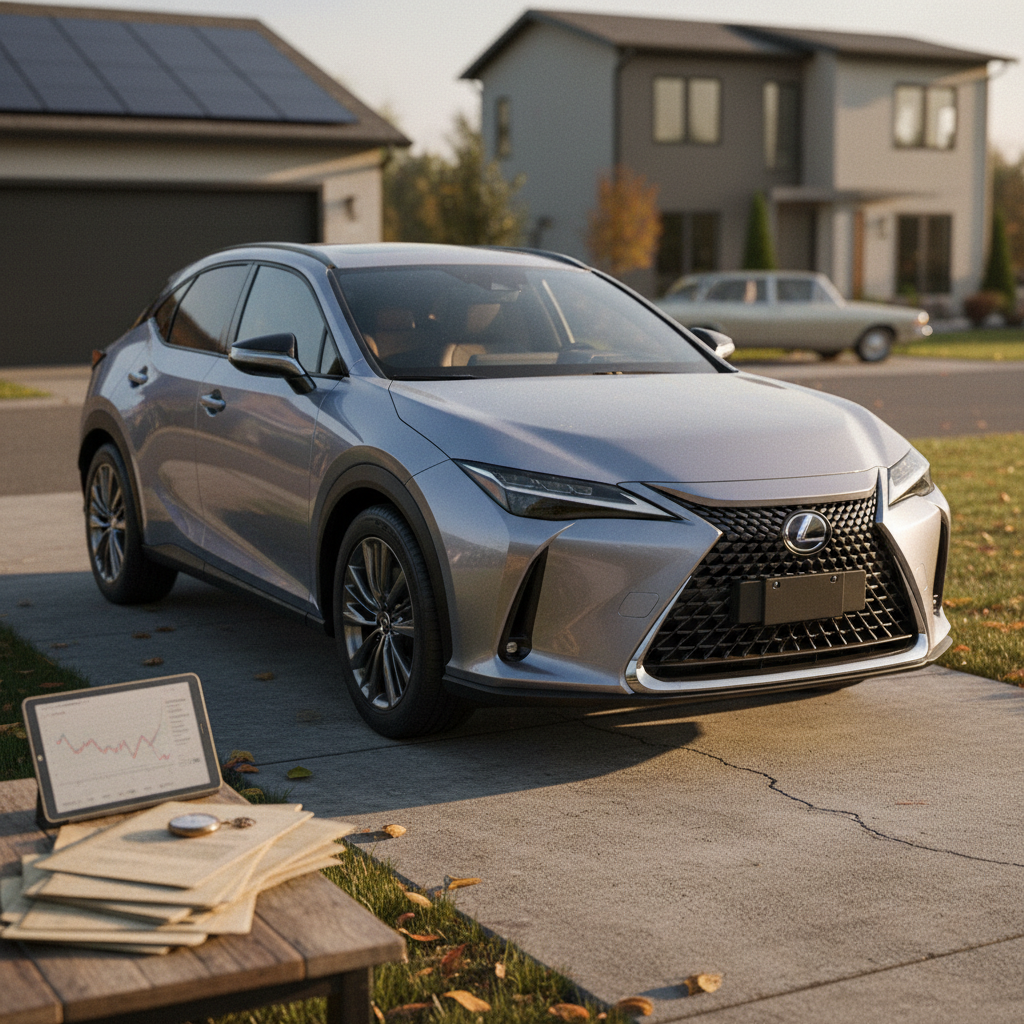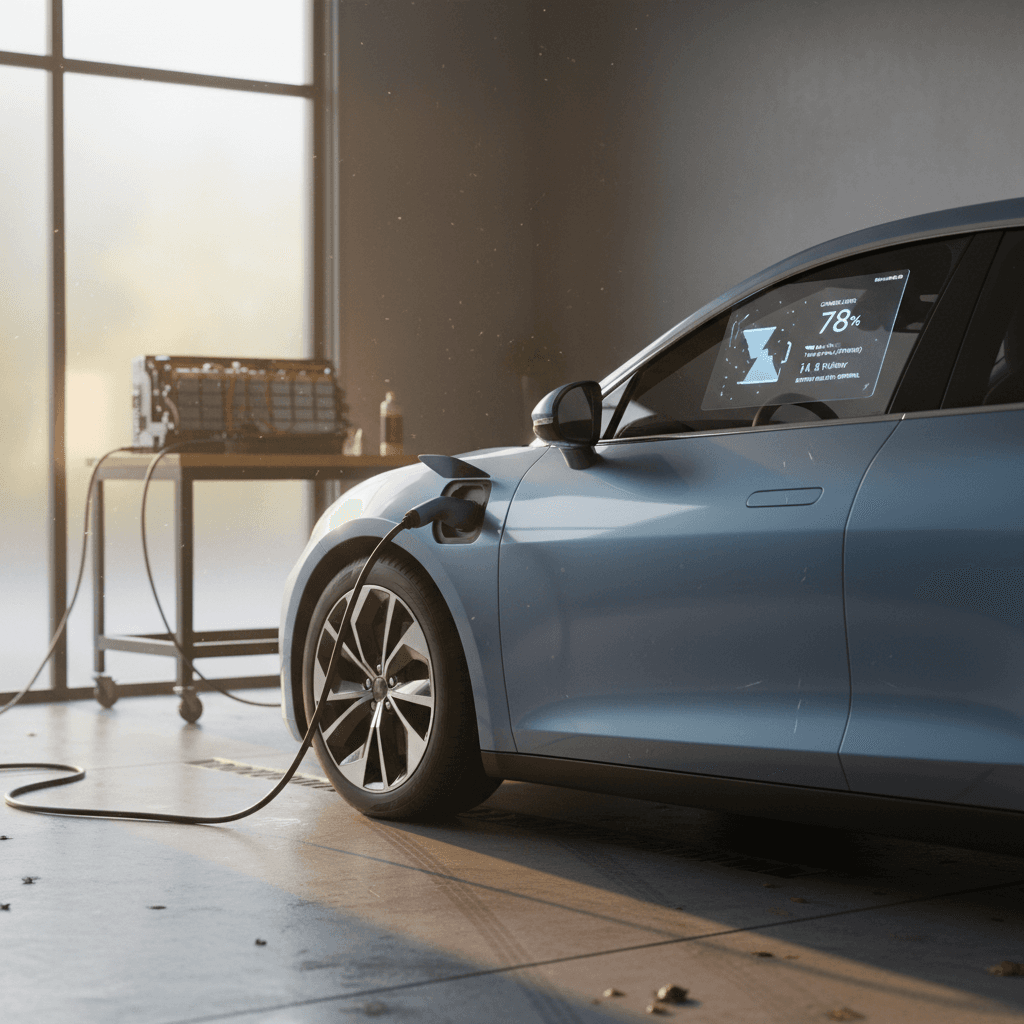
If you’re new to electric cars, it’s natural to worry: how long does an electric car stay charged when it’s just sitting? Are you going to come back from a week‑long trip to a dead battery, or discover your EV has quietly eaten half its range overnight?
The short answer
How long does an electric car stay charged? (Quick overview)
Typical parked battery drain in modern EVs
- State of charge (SoC) when you park
- Ambient temperature (hot or cold extremes both hurt)
- Software features left on (Sentry mode, cabin protection, remote monitoring, etc.)
- Battery size and age
- Whether the car is plugged in and allowed to top itself up
Rule of thumb for peace of mind
What actually drains an EV battery while it’s parked?
Even when it’s off, your EV isn’t a dead hunk of aluminum and lithium. There’s always a little background activity, and that’s what drains the battery over time.
The main sources of parked battery drain
Most of your loss comes from features, not the cells themselves
Onboard computers
Security & cameras
Thermal management
Connectivity & apps
Cabin protection & climate
12V support
When features quietly eat your range
Real‑world parked drain: Teslas vs other EVs
Owners love to compare notes on “vampire drain”, how much charge disappears overnight. While exact numbers vary, some patterns show up across brands.
Typical daily parked loss by popular EVs (with most features off)
Approximate real‑world ranges compiled from owner reports and manufacturer guidance. Actual numbers vary by climate, software version, and settings.
| EV model | Typical daily loss (parked) | Notes |
|---|---|---|
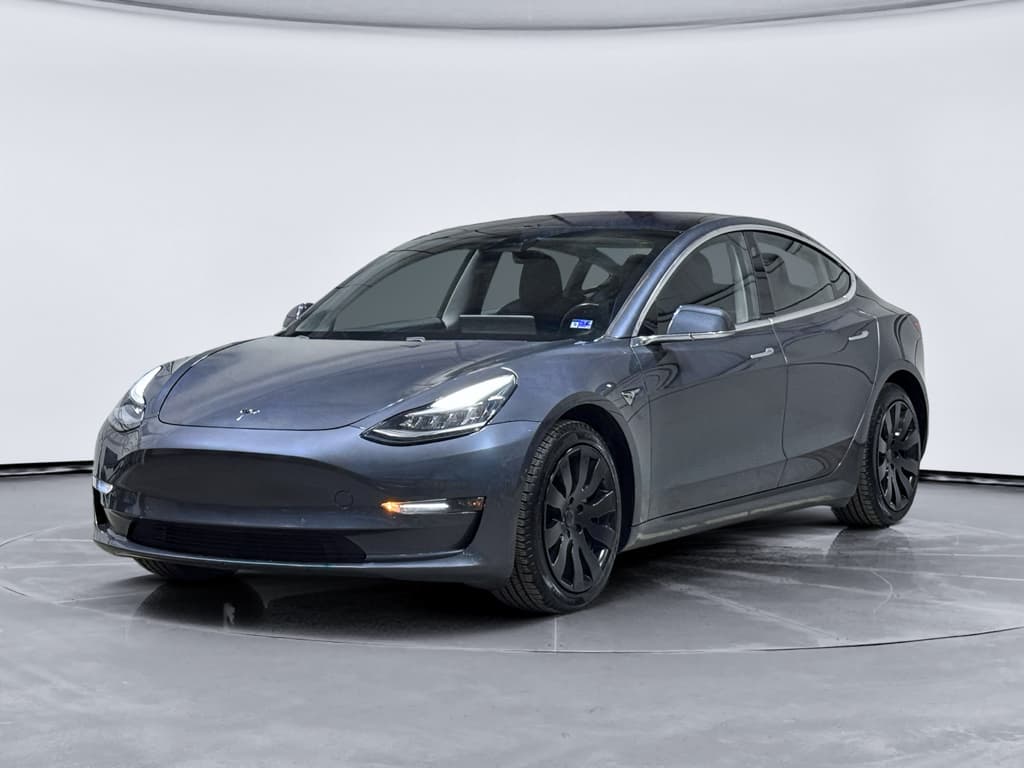
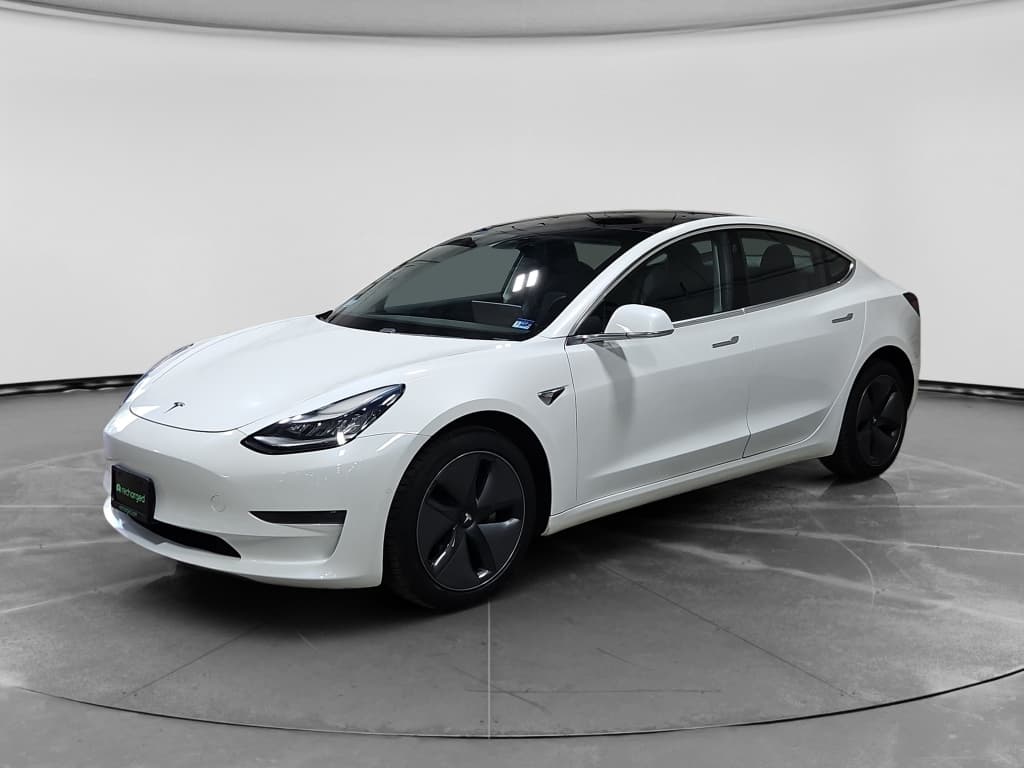
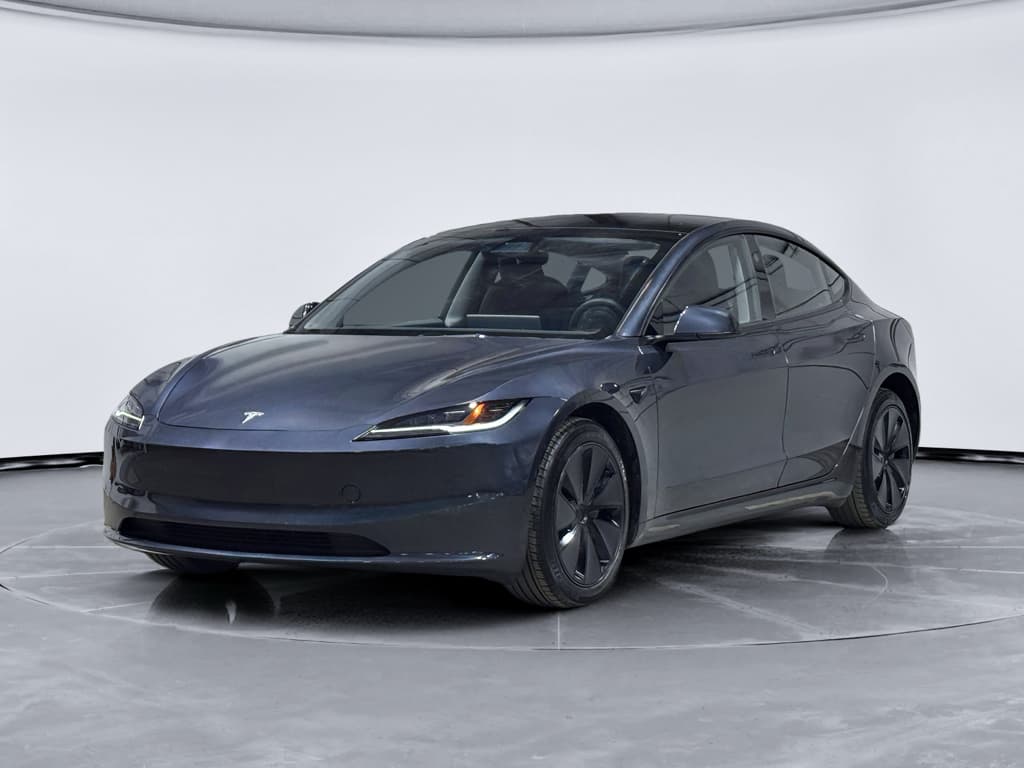
| Tesla Model 3/Y | ~1–2% | Aligns with Tesla’s ~1%/day guidance; Sentry Mode or frequent app checks can push this higher. |
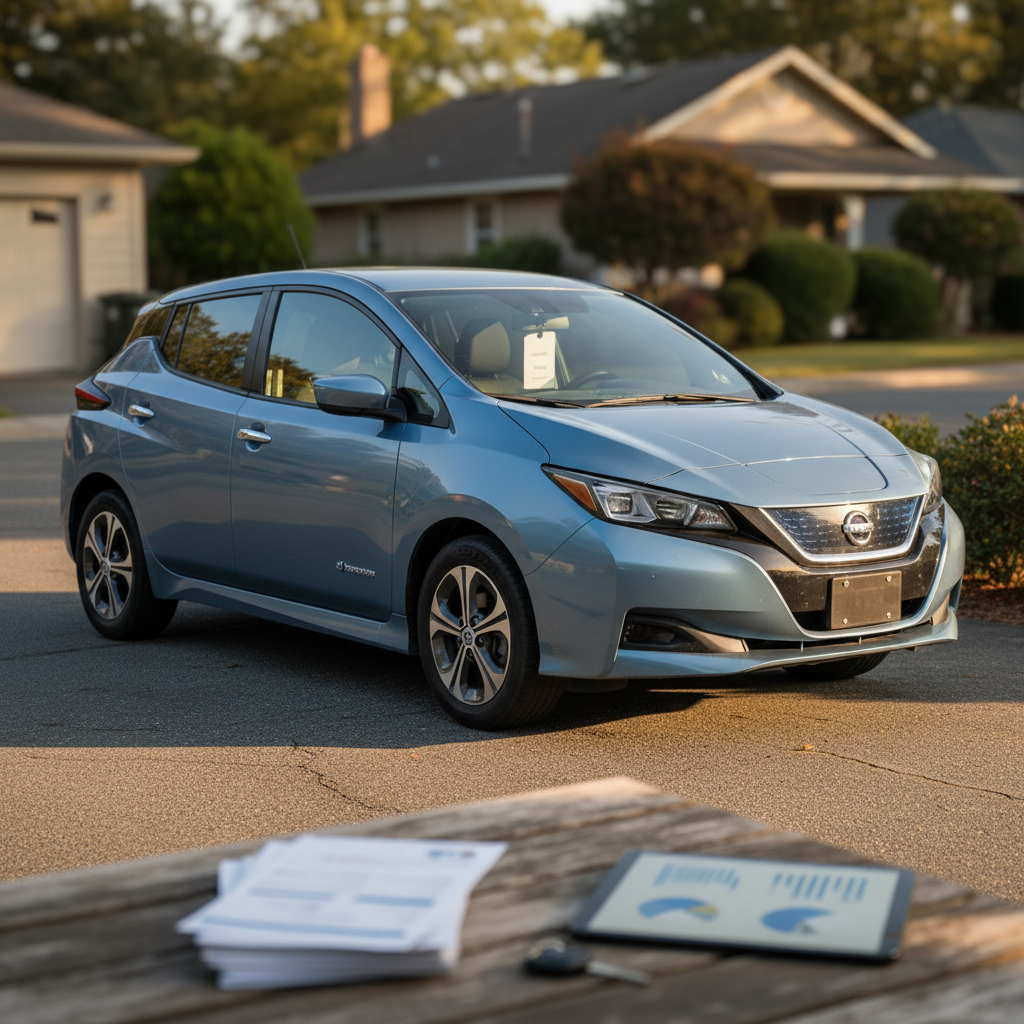
| Nissan Leaf | ~1–1.5% | Simplicity helps: fewer always‑on features often mean lower drain. |
| Hyundai Ioniq 5/6 | ~1–2% | Connected‑car features add some overnight loss; energy‑saving modes help. |
| Ford Mustang Mach‑E | ~1.5–3% | Higher‑end trims with active telematics can sit toward the upper end if not adjusted. |
| Chevy Bolt | ~0.5–1% | Small, relatively simple pack management keeps losses modest. |
| BMW i4 | ~1–2% | Typical for premium EVs with always‑connected features. |
These are ballpark figures; your car may sit near the low end in a cool garage, or the high end in extreme weather.
About these numbers
Short trips, weekends away, and months of storage
Overnight and workday parking
For most daily use, parked drain is a non‑issue. If your EV loses around 1% overnight, that’s only a few miles of range on a 250‑mile car, less than the variation you get from driving style.
What matters more is predictability. If you know your car tends to lose 2–3% over a 24‑hour period, you can plan your morning commute with plenty of cushion.
Vacations and long storage
Flying out for a week? Two? As long as you leave the car with a comfortable buffer and disable power‑hungry features, most EVs can sit for 10–30 days without drama.
For multi‑month storage, think more like storing a battery‑powered tool: put it away at 40–60% charge, keep it cool and dry, and don’t let it sit near 0% or 100% for long stretches.
Airport parking strategy
How weather and battery health change how long charge lasts
Temperature and age don’t just affect how far you can drive on a charge, they change how long that charge lasts when you’re not driving at all.
How conditions change parked battery behavior
Same car, different weather, different results
Cold weather
Extreme heat
Battery age & health
Don’t store your EV at 0% or 100%
Key settings to change before you park
A few tweaks in your settings menu can make the difference between losing 1% per day and wondering where 30% went.
Energy‑saving settings to use before long parking
1. Turn off high‑drain security modes
On Teslas and other EVs with always‑on cameras, disable features like Sentry Mode or 24/7 video monitoring unless you truly need them in that location.
2. Check cabin overheat and climate settings
If your car offers cabin overheat protection or similar features, decide whether you need them. They’re great for safety but can cost substantial range in very hot climates.
3. Enable ‘energy saving’ or ‘deep sleep’ modes
Many brands offer power‑saving modes for long‑term parking. These delay background wake‑ups and reduce connectivity, cutting parked drain significantly.
4. Reduce app polling and third‑party tools
Every time you open the app or a third‑party service pings the car, it wakes up. Disable frequent polling in third‑party apps and resist checking your car every hour on vacation.
5. Set a reasonable charge limit if plugged in
If you’ll leave the car plugged in, set the charge limit around <strong>60–80%</strong>. The car will quietly top itself up to that level and then rest.
6. Park in shade or a garage when possible
A simple covered spot can reduce both thermal management drain and long‑term wear from heat or cold.
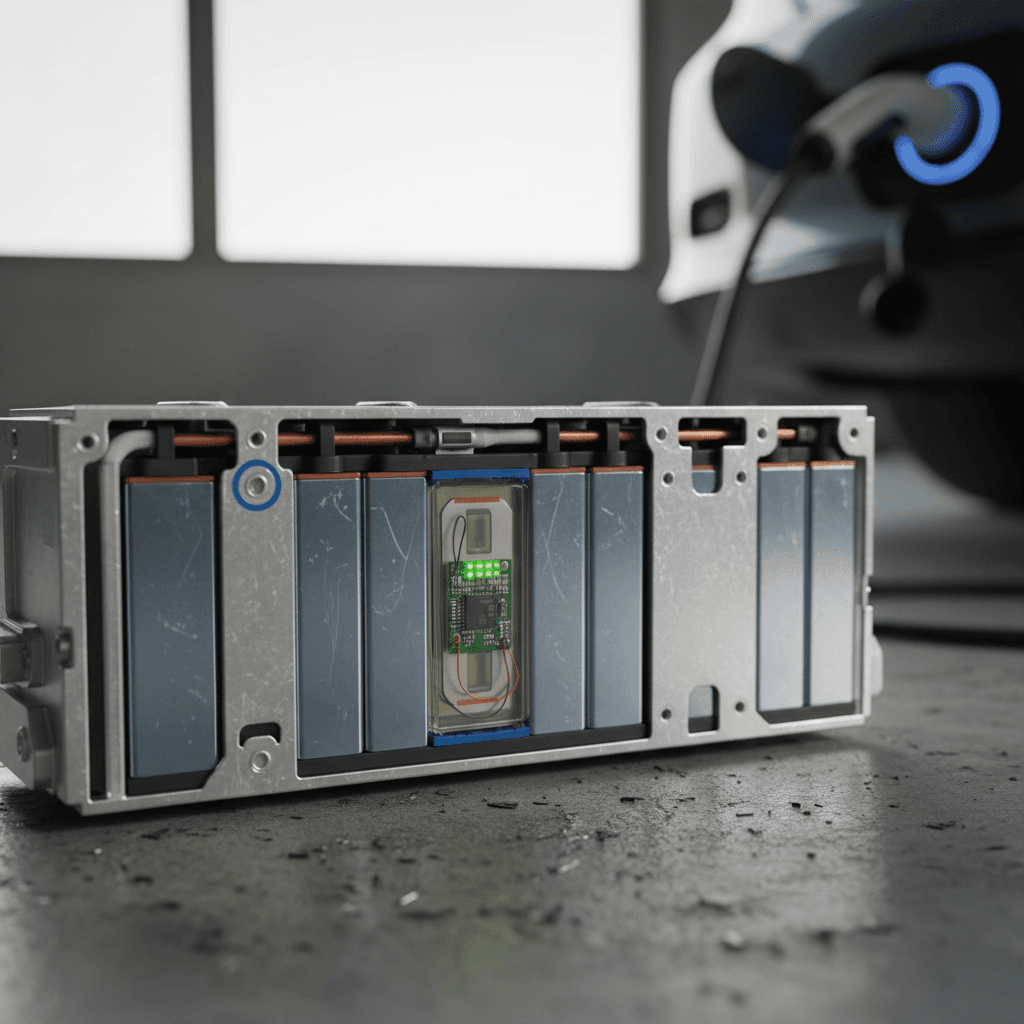
Checklist: Parking your EV for days, weeks, or months
If you’d rather not think in percentages and chemistry, use this practical guide. Pick the scenario that matches your life and follow the steps.
How to set up your EV for different parking periods
Overnight to 3 days
Park between <strong>40–80%</strong> charge.
Leave most features as‑is; just avoid leaving climate on by accident.
Expect maybe <strong>1–3% total loss</strong> on most modern EVs.
If temps are extreme, consider a garage or shaded spot.
Weekend trip (3–7 days)
Arrive home or at the airport with <strong>60–80%</strong> charge.
Turn off high‑drain security and climate features unless absolutely needed.
Avoid checking the car obsessively in the app; once every few days is plenty.
Expect roughly <strong>3–10% total loss</strong>, depending on model and weather.
Two–four weeks
Park around <strong>50–70%</strong> and, if possible, in a cool, covered area.
Turn on any long‑term storage or power‑saving mode your EV offers.
If you can plug in, set a conservative charge limit (around 60–70%).
Plan for about <strong>10–30% total loss</strong>; more if very hot and features stay on.
Several months
Aim to store the car at <strong>40–60%</strong> charge in a temperate, dry space.
Turn off most non‑essential connected features and security cameras.
Consider having someone check the car monthly or use the app sparingly.
If you’re storing for many months, a plugged‑in car with a low charge limit is ideal.
Good news for occasional drivers
When parked battery drain is a problem (and what to do)
A little loss is normal. But if you see your EV dropping 10% or more in 24 hours in mild weather with most features off, something’s not right.
- Charge drops by double‑digits overnight in a garage with mild temperatures.
- The car loses big chunks of range while parked, even after you’ve disabled obvious features.
- You get low‑battery warnings after just a few days of parking at reasonable state of charge.
- The 12V system keeps setting warnings or needing replacement.
Don’t ignore a fast‑dropping parked EV
Steps to take if your EV loses charge too quickly while parked
1. Shut off every non‑essential feature
Temporarily disable Sentry/camera modes, cabin overheat protection, scheduled preconditioning, and third‑party monitoring apps. Then re‑check overnight drain.
2. Try a different parking spot
Park in a cooler area or a different Wi‑Fi/cellular environment. Sometimes a weak, choppy signal makes the car repeatedly hunt for connection and stay awake.
3. Check for software updates and recalls
Make sure your car is on current software and see if your brand has issued any bulletins about abnormal battery drain or telematics issues.
4. Get a diagnostic health report
Schedule a visit with your dealer or an EV‑specialist shop. They can pull logs to see what systems are staying awake or whether the 12V system is struggling.
5. For used EVs, consider a third‑party battery test
If you see odd parked behavior in a newly purchased used EV, a dedicated battery health report, like the <strong>Recharged Score</strong> on every car we sell, adds another layer of confidence.
What parked behavior can tell you about a used EV
If you’re shopping for a used electric car, how it behaves while parked is a quiet but powerful clue to its health. A car that loses only a couple of percent over several days, with normal settings, is usually doing exactly what it should.
Questions to ask the seller
- How quickly does the car typically lose charge if it sits for a week?
- Has it ever been left at 0% or near‑empty for long periods?
- Has the high‑voltage battery or major modules ever been replaced?
- Are there any current warnings related to the battery or 12V system?
How Recharged evaluates used EVs
At Recharged, every vehicle comes with a Recharged Score Report that includes verified battery health, real‑world range estimates, and diagnostic checks. That’s especially reassuring if the car spent time sitting on a driveway, fleet lot, or auction yard before you found it.
If you’re trading in or consigning your EV, that same report helps justify fair market pricing, no mystery about how the battery has aged.
FAQ: How long an electric car stays charged
Frequently asked questions about parked EVs
Bottom line: How long your EV will stay charged
So, how long does an electric car stay charged? In the real world, a modern EV in good health, parked at a sensible state of charge with the right settings, can sit for weeks, often a month or more without charging and still be ready for your next drive. The big swings come from features, climate, and how close you’re parked to the edges of the battery gauge.
Treat your EV the way you’d treat an expensive laptop or phone you rely on: avoid storing it empty or maxed out, protect it from extreme heat or cold, and learn which features quietly sip power in the background. Do that, and parked drain becomes just another quirk you understand, not a reason to fear waking up to a dead car.
And if you’re in the market for a used EV and want extra confidence in how that battery has aged, every car at Recharged comes with a Recharged Score Report, transparent pricing, and EV‑specialist support. That way, the only surprise you get after parking your EV for a week is how easy living with it turns out to be.