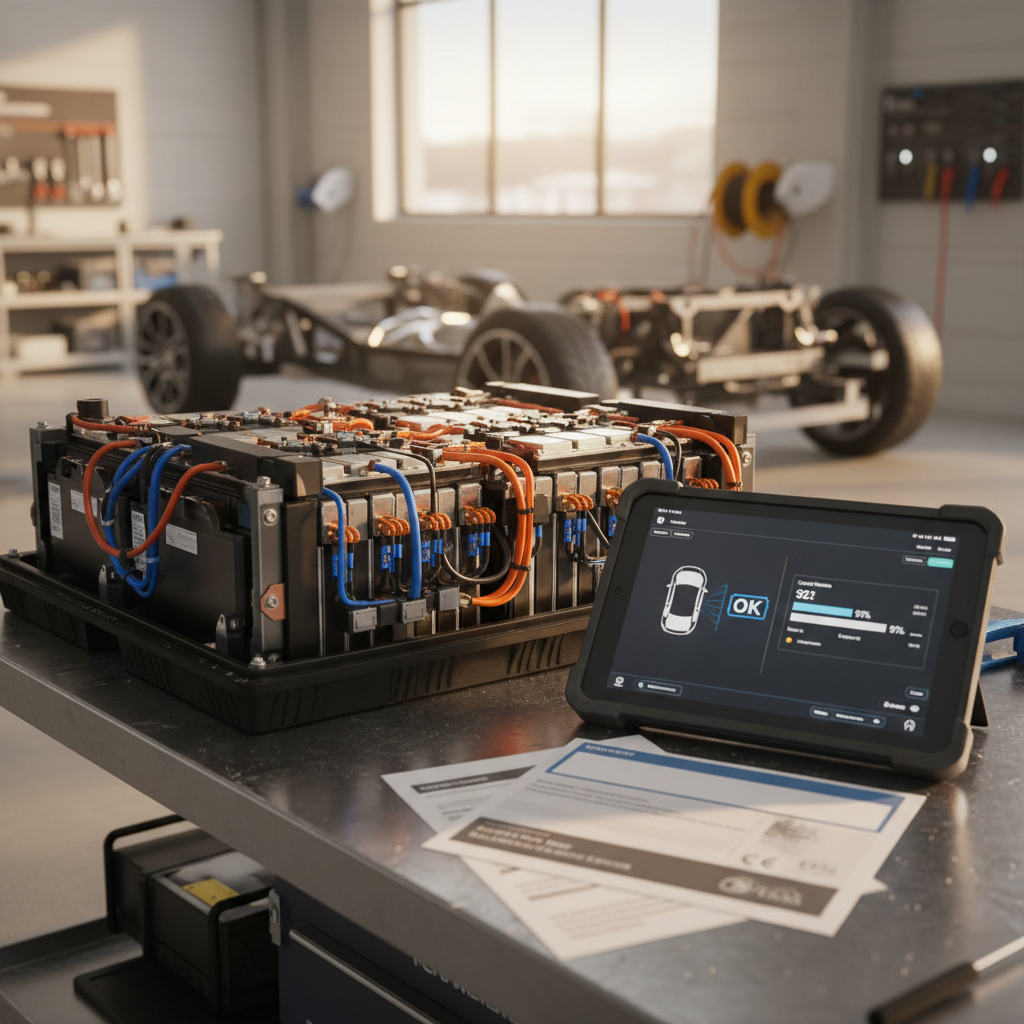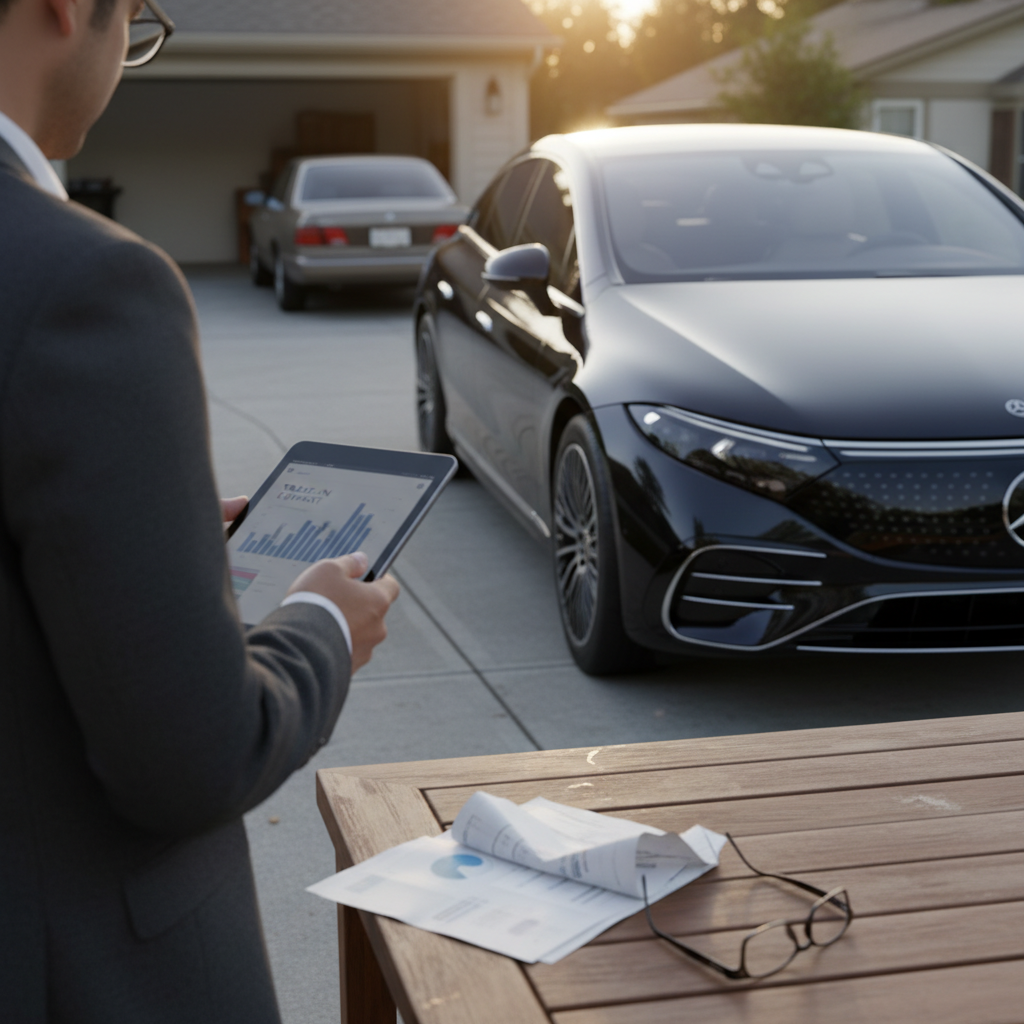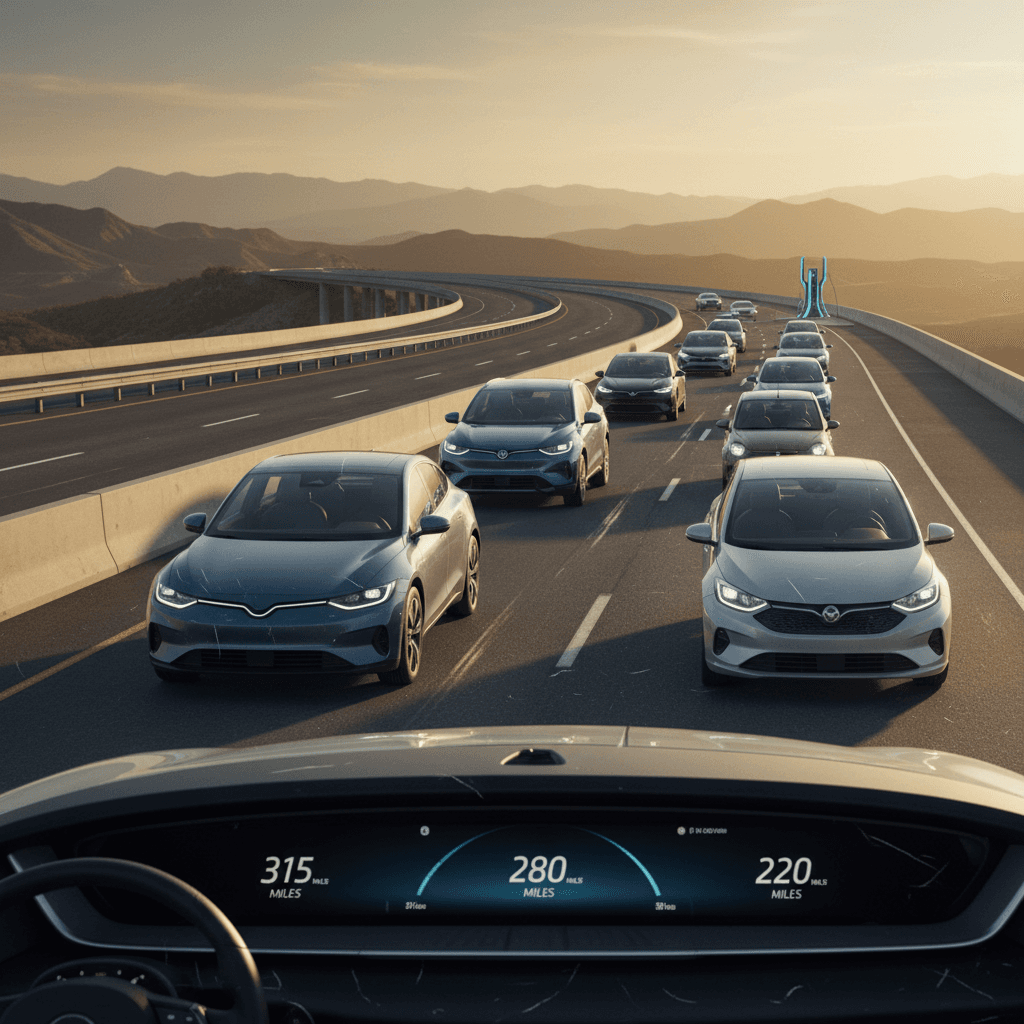
When people ask, “how long does an electric car last on a charge?” they usually mean two things: how many miles they can actually drive in real life, and how that range changes as the car ages. The headline numbers on window stickers are a good starting point, but the usable range you see day-to-day depends heavily on where, how, and what you drive.
The 10‑second answer
Real-world short answer: how long does an EV last on a charge?
Snapshot: EV range in 2024–2025
In the U.S., the median range of new electric cars reached about 283 miles per charge for model-year 2024. That means half of new EVs go farther than that on the EPA test cycle and half go less. In practice, many drivers see something like 70–90% of the EPA number depending on speed, temperature, and driving style.
- A modern long‑range sedan or SUV: roughly 250–350 real‑world miles per charge in mild weather.
- A compact or more affordable EV: often 180–260 real‑world miles.
- Older first‑generation models (think early Nissan Leaf, BMW i3, Fiat 500e): more like 70–120 real‑world miles, and sometimes less if the battery has degraded.
Range is a moving target
Typical EV range by vehicle type and price
How far different EVs go on a charge
Ballpark real-world ranges for U.S. drivers in 2025
Entry-level & compact EVs
Examples: Nissan Leaf, Chevy Bolt EUV (used); newer budget models from Nissan, Hyundai, Kia.
- EPA ratings: ~200–300 miles
- Real-world: ~150–240 miles
- Best for: commuters, city driving, two-car households
Mainstream crossovers & SUVs
Examples: Tesla Model Y, Hyundai Ioniq 5, Kia EV6, VW ID.4.
- EPA ratings: ~250–330 miles
- Real-world: ~200–280 miles
- Best for: families, mixed city/highway, light road trips
Long-range & premium models
Examples: Lucid Air, Tesla Model S/3 Long Range, Mercedes EQE/EQS, Rivian R1T/R1S.
- EPA ratings: 350–500+ miles
- Real-world: ~280–420 miles
- Best for: frequent long drives, towing, heavy highway use
Think in days, not just miles
EPA range vs. real-world EV range
Every new EV sold in the U.S. gets an EPA-estimated range based on standardized lab tests. That’s the big number you see on the window sticker. It’s useful for comparisons, but there are three reasons your actual “how long does an electric car last on a charge” experience can look different:
- Speed: The EPA’s combined rating assumes a mix of city and highway. A steady 75–80 mph highway run will usually cut range 15–30% compared with the label.
- Weather: Cold weather thickens battery chemistry and forces the car to spend energy heating the cabin and the pack. Heat can reduce efficiency too when the A/C is working hard.
- Driving style & load: Aggressive acceleration, big wheels, roof boxes, and towing all increase drag and energy use.
When you might beat the EPA number
- Mild temperatures (60–75°F)
- Mostly city or suburban traffic
- Gentle acceleration, using regenerative braking
- Smaller wheels and aero-efficient tires
Independent tests have shown some EVs beating their EPA range in these conditions by 5–20%.
When you’ll fall short of EPA range
- Highway speeds above 70 mph
- Very cold or very hot weather
- Frequent short trips in winter (lots of cabin pre-heating)
- Heavy cargo, roof racks, or towing
In the worst winter/highway scenarios, losing 30–40% of rated range isn’t unusual.
Real-world testing backs this up
7 factors that change how long a charge lasts
The biggest levers on EV range
What shortens, or extends, how long your EV lasts between charges
1. Speed & aerodynamics
EVs are remarkably efficient in city traffic but air resistance rises with the square of speed. Going 80 mph instead of 65 can easily knock 15–25% off your range.
2. Temperature
Below freezing, the battery needs energy to warm up and your cabin heater is an energy hog. Above ~90°F, the A/C and battery cooling cut into range too.
3. Battery size & chemistry
Bigger batteries go farther, period. Newer chemistries (like high-nickel NCA/NCM or LFP packs) also manage cold and fast charging differently, which can impact usable range day-to-day.
4. Driving style
Hard launches and late braking waste energy you could recapture with regen. Smooth, anticipatory driving can easily add 10–15% to your real-world range.
5. Weight, cargo & towing
Pack the car with people, gear, or hook up a trailer and energy use spikes. Towing a big camper can cut range in half, just like with a gas truck.
6. HVAC and accessories
Heated seats and steering wheels are efficient; resistive cabin heat is not. Big infotainment screens, lights and accessories draw a little, but over long trips it adds up.
Don’t ignore tire pressure
How range changes as an EV ages
Range on day one is one thing; the bigger question is how long an EV keeps most of that range. The good news from large fleet studies is that modern EV batteries degrade more slowly than many drivers expect.
- Recent real-world data across thousands of EVs suggests average battery capacity loss of roughly 1.5–2% per year under typical use.
- That implies an EV that started at 250 miles of range might still offer around 210–220 miles after 10–12 years.
- Most packs are designed to keep at least 70–80% of their original capacity well past the warranty period.
Modern EV batteries are built to last
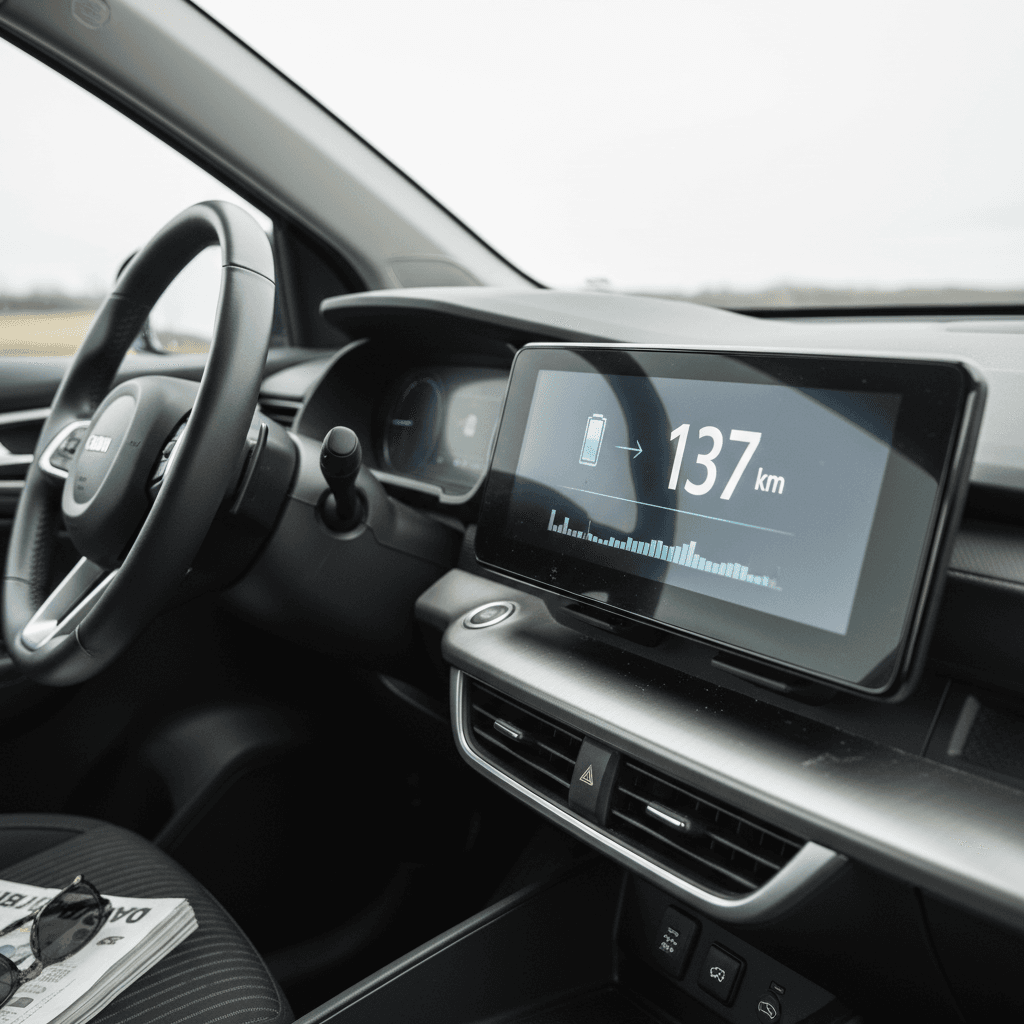
Of course, not all used EVs age the same way. Fast-charging habits, climate, and how high or low the state of charge has been kept over the years all influence current range. That’s why a generic odometer reading isn’t enough when you’re trying to understand how long a specific electric car will last on a charge today.
Used EVs: how much range is “enough”?
If you’re shopping the used market, your real question is, “How long will this particular electric car last on a charge for my lifestyle?” The right answer depends heavily on your daily driving pattern, access to charging, and local climate.
Quick checklist: how much range do you actually need?
1. Log your real daily miles
Look at a typical week, not your worst-case road trip. Many U.S. drivers average 30–50 miles a day. If you’re consistently above 80 miles, prioritize more range.
2. Consider your charging access
If you can charge every night at home or at work, you can live comfortably with less range. If you rely on public chargers, build in a buffer.
3. Factor in winter or extreme heat
In cold or very hot climates, assume you’ll temporarily lose 20–40% of rated range. Make sure the car still covers your worst winter day with margin.
4. Decide how often you want to charge
Some people are fine plugging in nightly; others prefer every 2–3 days. Multiply your daily miles by your preferred interval, then adjust for weather and degradation.
5. Think about future needs
Will your commute change? Planning kids or a move to a different climate? A bit of extra range today can save you from upgrading sooner than you’d like.
Where Recharged fits in
Matching used EV range to your lifestyle
Use this as a rough guide to decide what minimum real-world range will feel comfortable.
| Your driving profile | Suggested minimum real-world range | Who this fits |
|---|---|---|
| City commuter, home charging | 120–150 miles | Short trips, dense charging, mild climates |
| Suburban family, mixed driving | 160–220 miles | Daily school/errand duty plus occasional longer drives |
| Heavy commuter (60–80 mi/day) | 200–260 miles | Frequent highway miles, limited charging flexibility |
| Frequent road-tripper | 250+ miles | Regular long-distance drives, prefers fewer charging stops |
| Towing or hauling often | 250+ miles (plus fast charging) | Trucks/SUVs used for trailers, cargo or adventure gear |
How to make a single charge last longer
Practical ways to squeeze more miles from each charge
Easy habits that can add 10–30% to your usable range
Drive smoother
- Use Eco mode where available.
- Accelerate progressively instead of flooring it.
- Lift early and let regenerative braking slow you.
Use efficient climate control
- Precondition the cabin while plugged in.
- Rely on seat and steering wheel heaters first.
- In summer, start A/C while still connected.
Mind your speed
- Stay closer to the flow of traffic than the left lane.
- Each 5–10 mph faster on the highway can noticeably cut range.
- On very long legs, dropping from 80 to 70 mph saves major miles.
Optimize aerodynamics
- Remove roof boxes and racks when not in use.
- Close windows at higher speeds; use A/C instead.
- Choose smaller, more aero-friendly wheels if possible.
Stay on top of basics
- Keep tires properly inflated.
- Avoid carrying unnecessary heavy cargo.
- Keep software updated for the latest efficiency tweaks.
Smart charging strategy
- Enable automatic trip planning to include fast chargers.
- On road trips, arrive at fast chargers with 10–20% charge for quicker sessions.
- For daily use, a 20–80% charge window balances range and long-term battery health.
Watch your “mi/kWh” or “kWh/100 mi”
Road trips: thinking in charging stops, not miles
On long drives, the more useful question than “how long does an electric car last on a charge?” is, “How often do I need to stop and how long will those stops take?” Modern fast-charging corridors mean many EVs can comfortably handle multi-state road trips, but the pattern is different from a gas car.
Typical modern EV road-trip pattern
- Drive 150–220 miles between fast charges.
- Arrive at ~10–25% state of charge.
- Fast charge back to ~60–80% in 20–35 minutes.
- Repeat every 2–3 hours, synced with food and bathroom breaks.
Because fast charging slows down above ~80%, it’s often faster overall to make more, shorter stops instead of a single long one.
When you’ll want more range
- Sparse charging networks (rural and remote areas).
- Winter highway driving with strong headwinds.
- Towing a trailer or heavy load.
- Trips with passengers who prefer fewer stops.
If you frequently drive in these conditions, shopping for an EV with higher rated range can meaningfully improve your experience.
Plan before you leave
FAQ: Common questions about EV range per charge
Frequently asked questions about how long an electric car lasts on a charge
Key takeaways and how Recharged can help
- Most modern EVs in 2025 realistically deliver around 200–300 miles per charge, with premium long-range models significantly higher and older budget EVs lower.
- Your real-world answer to “how long does an electric car last on a charge?” depends heavily on speed, weather, terrain, and driving style.
- EV batteries typically degrade slowly, on the order of 1.5–2% capacity loss per year, so a well-cared-for used EV can still cover most daily needs comfortably.
- Choosing the right range is about matching the car to your life, not just chasing the largest number on the spec sheet.
- Good planning and a few simple habits can stretch each charge significantly, especially in winter or on long highway trips.
If you’re considering a used EV, you don’t have to guess how long it will last on a charge. Recharged combines verified battery diagnostics, fair market pricing, financing, trade‑in options, and nationwide delivery into a simple, transparent experience. Every vehicle comes with a Recharged Score Report that shows real battery health and estimated range, so you can choose an electric car that comfortably covers your daily life, and still has plenty left in the pack for where you’re headed next.