When people ask, “How long does an electric car battery last per charge?” what they really want to know is, “How far can I actually drive before I’m stuck on the side of the road?” That’s range, and it’s where lab numbers, weather, driving style, and battery health all collide. Let’s sort out the marketing from the miles so you know what to expect from a new or used EV.
Quick answer
How far can an electric car go on one charge?
The honest answer: it depends on the car, and how you drive it. Today’s EVs roughly fall into three buckets for real-world driving range per charge:
Typical real-world EV range per charge
Where most modern electric cars actually land on a full battery
Everyday commuter EVs
Real-world: 140–200 miles
Smaller batteries and efficient platforms designed for city and suburban use. Think compact hatchbacks and entry-level crossovers.
Mainstream all-rounders
Real-world: 200–260 miles
The heart of the market. Crossovers and sedans sized for families, road trips, and daily commuting.
Long-range leaders
Real-world: 260–320+ miles
Large battery packs and efficient drivetrains. Great for frequent highway trips and sparse charging corridors.
That “real-world” qualifier matters. A car with a 300-mile EPA rating might give you 240–260 miles in everyday use, more in mild weather, less in winter snow with a roof box and a lead foot. The point: don’t just memorize the brochure number; understand what shapes it.
Range per charge at a glance
Think in miles you’ll actually use
How EV range is measured: EPA vs real life
In the U.S., the range you see on the window sticker is the EPA-estimated range. It’s based on standardized tests that mix city and highway driving, run in controlled conditions. Useful for comparisons, but it’s still a lab.
- Speeds are moderate, not 80 mph into a headwind.
- Temperatures are mild, not freezing January mornings.
- Cars are tested without roof racks, cargo boxes, or trailers.
- Accessories like heated seats or AC aren’t blasting full-time.
Real life is messier. You drive faster, carry people and stuff, run climate control, and deal with weather. That’s why you’ll hear seasoned EV drivers talk about a “personal range”, the number they actually trust based on their commute and habits, not just the EPA label.
Don’t compare preconditioning to cheating the test
What really affects how long a battery lasts per charge?
When you ask how long an electric car battery lasts per charge, you’re really asking what drains or stretches that stored energy. The big factors are surprisingly familiar if you’ve ever watched a fuel gauge plummet in a headwind.
6 biggest factors that change your range per charge
Control these, and you control how far you go
Speed
Above about 60–65 mph, aerodynamic drag skyrockets. Cruising at 75–80 mph can easily shave 15–25% off your range compared with sticking near the right lane.
Temperature
Batteries are like people: happiest in mild weather. Cold slows the chemical reactions inside the pack and heating the cabin uses extra energy, both cutting range.
Hills and terrain
Climbing long grades eats energy quickly. You earn some of it back on the way down through regenerative braking, but rarely all of it.
Vehicle shape & size
A sleek sedan simply slices the air more efficiently than a tall brick of an SUV. Bigger, heavier vehicles generally get fewer miles per kWh.
Weight & cargo
Passengers, tools, bikes, and a loaded cargo area all add pounds. More weight means more work for the battery every time you accelerate.
Climate control & accessories
Cabin heat, AC, defrost, off-road modes, and big infotainment screens all nibble away at your range. Heat is usually the biggest power hog.
The one you control instantly: your right foot
City vs highway driving: why EVs behave differently
Gas drivers are used to highway driving being more efficient than stop-and-go city trips. EVs flip that script. Around town, they get to show off their secret weapon: regenerative braking.
City driving
- Frequent slowing and stopping lets the car recapture energy when you lift off the accelerator.
- Speeds are lower, so you’re fighting much less aerodynamic drag.
- Electric motors are very efficient at partial power, perfect for urban traffic.
Net result: your battery often lasts longer per charge in city driving than on the interstate.
Highway driving
- Higher, steady speeds create serious aerodynamic drag, like pushing a bigger hole through the air nonstop.
- Fewer opportunities for regen; you’re on the accelerator most of the time.
- Crosswinds and headwinds can quietly knock more miles off your expected range.
Net result: that 280-mile rating might look more like 210–230 miles if you’re hustling along at 75 mph.
If range matters, set your own speed limit
Battery size and efficiency: how to estimate your range
Underneath the floor of your EV is a battery pack measured in kilowatt-hours (kWh). Think of that as the size of your fuel tank. How long it lasts per charge depends on how efficiently your car uses each kWh, measured in miles per kWh.
Battery size vs rough real-world range
Approximate ranges you might see in everyday driving, assuming moderate speeds and mild weather.
| Battery size (kWh) | Typical efficiency (mi/kWh) | Estimated real-world range |
|---|---|---|
| 50 kWh | 3.0 | ~150 miles |
| 60 kWh | 3.2 | ~190 miles |
| 75 kWh | 3.3 | ~240 miles |
| 82 kWh | 3.4 | ~275 miles |
| 100 kWh | 3.1 | ~310 miles |
Actual range varies by model, speed, weather, and driving style.
To make your own estimate, multiply the usable battery size by a realistic efficiency number for your car. If a crossover averages about 3.0 mi/kWh and has 70 kWh usable, you’re looking at roughly 210 miles per charge in everyday conditions.
Watch “battery size” vs “usable capacity”
How long does an electric car battery last per charge in winter?

Cold weather is when you really feel the gap between EPA range and reality. At freezing temperatures, many drivers see their per-charge range drop by 15–30%, and short trips can suffer even more because the car keeps re-warming the cabin and battery.
- The battery can’t accept or deliver energy as efficiently when it’s cold.
- Heated cabins, steering wheels, and seats all draw significant power.
- Snowy, slushy roads increase rolling resistance, your car works harder to move.
- If you skip preconditioning, the first miles are spent just bringing the pack up to temperature.
Winter range survival kit
Used EVs: how much range do you lose?
So far we’ve talked like every EV is fresh off the showroom floor. In the real world, you may be shopping used. The big question is how much battery degradation, and therefore range loss, you’re facing.
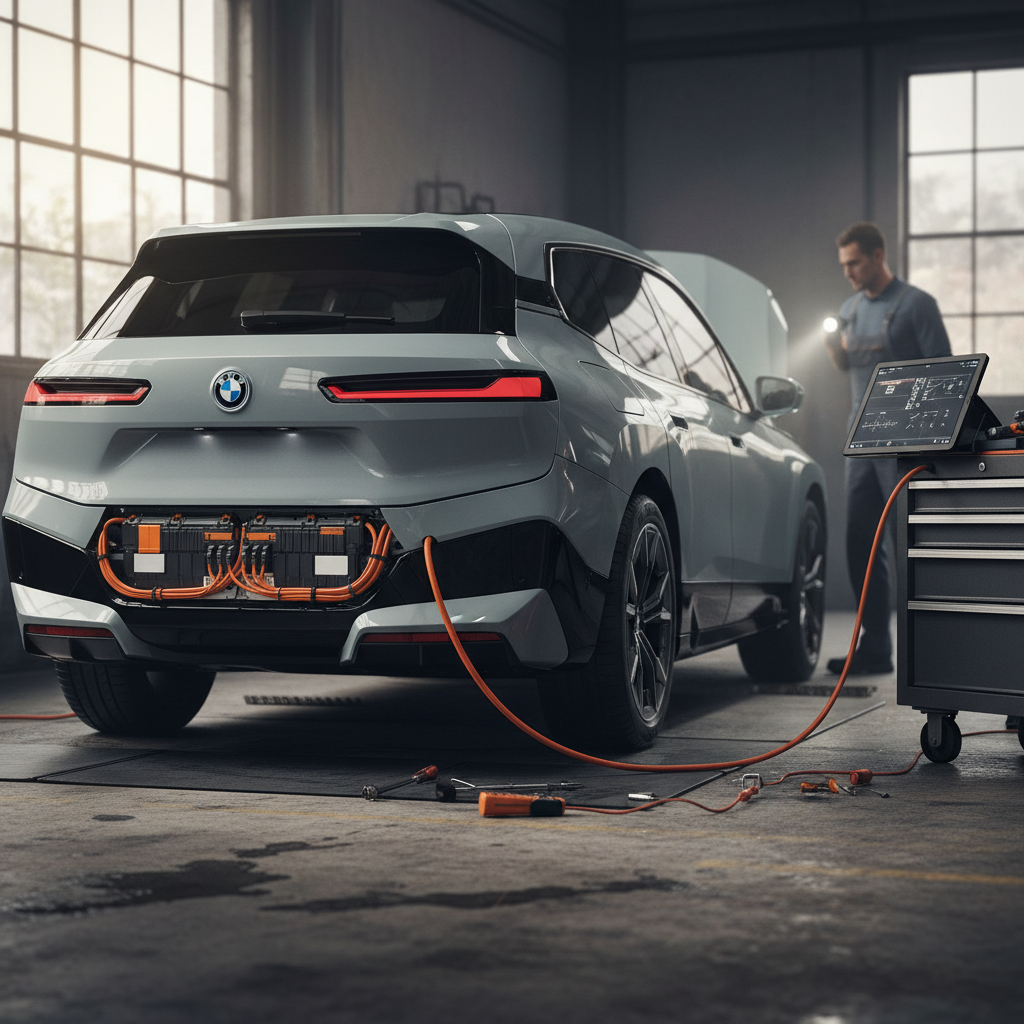
Most modern EVs hold up better than early skeptics predicted. It’s common to see roughly 5–15% loss in usable range over the first 5–8 years, assuming the car hasn’t been abused or fast-charged nonstop. That means a car that started at 250 miles new might realistically deliver 210–230 miles today.
Why degradation isn’t linear
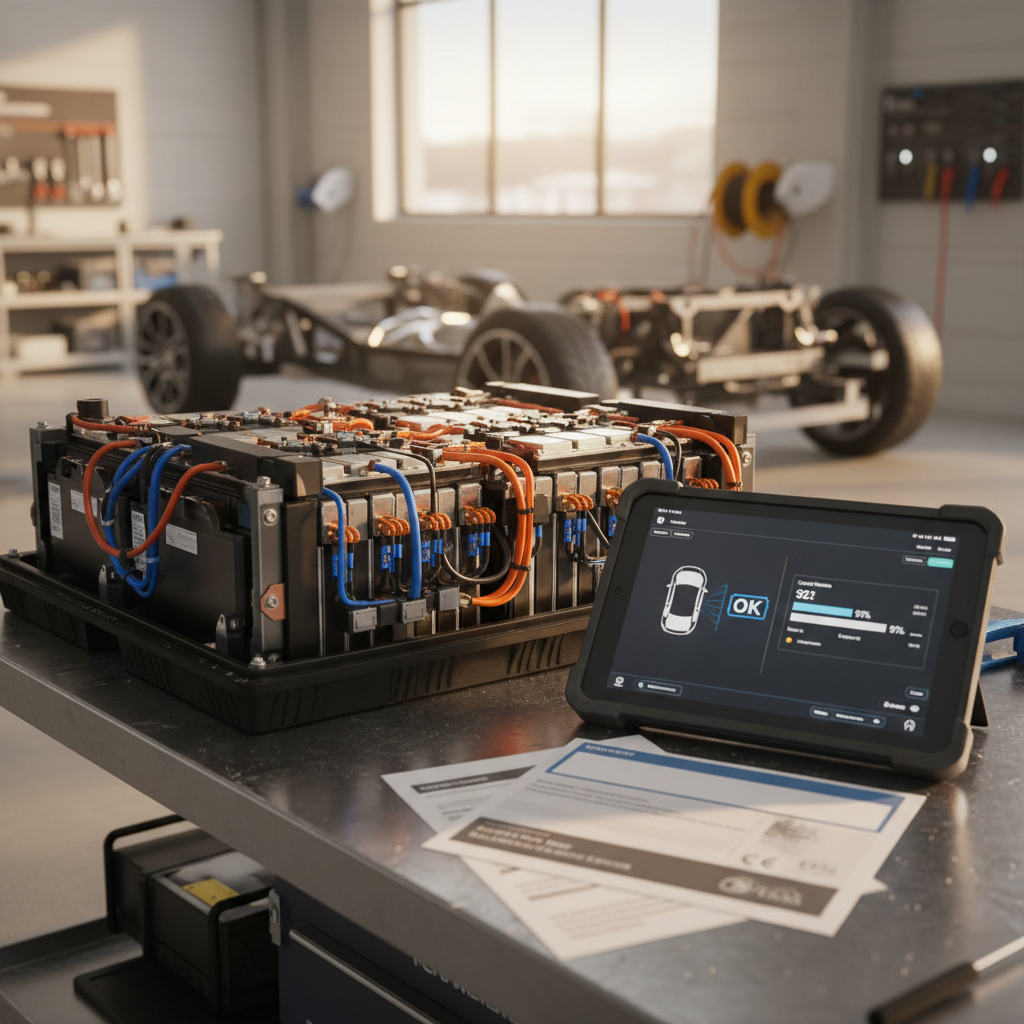
The challenge is that you can’t eyeball battery health from a glossy listing photo. This is exactly why Recharged builds every used EV sale around a Recharged Score Report, which includes verified battery diagnostics and real-world range estimates rather than just repeating the original EPA number. You see how long that specific car’s battery is expected to last per charge, not how it performed on a test track years ago.
How Recharged de-risks used EV range
- A Recharged Score with battery health data and range insights
- Fair market pricing that reflects actual, not hypothetical, range
- EV specialist guidance so the numbers make sense for your commute and road trips
Ready to find your next EV?
Browse VehiclesStretching every charge: practical range-boosting tips
Simple habits that make your battery last longer per charge
1. Slow down a notch
Highway speed is a range killer. Dropping from 75 to 65 mph can save enough energy to skip or shorten a charging stop on longer drives.
2. Use Eco or efficiency mode
Most EVs offer a more efficient drive mode that softens throttle response and optimizes climate control to stretch every kWh.
3. Precondition while plugged in
Warm or cool the cabin and battery while you’re still connected to the charger so that energy comes from the grid, not your battery.
4. Travel light on the roof
Cargo boxes and bike racks can dramatically increase drag. If you don’t need them for a given trip, take them off to reclaim some range.
5. Rely on seat and wheel heaters
They use less power than heating a whole cabin full of air. You stay comfortable while using fewer electrons per mile.
6. Check tire pressure regularly
Underinflated tires add rolling resistance and quietly shave miles off every charge. A quick gauge check pays off in range.
Don’t chase 0%
Planning trips with a lower-range EV
Not every EV needs 300 miles of range. If your car offers 150–200 miles per charge, it can still be a great road-trip partner, you just plan a bit differently, the way we once did with smaller fuel tanks and paper maps.
Know your true usable range
- Use a few weeks of driving to learn your real-world range at highway speeds.
- Plan legs that use no more than 60–70% of that range between fast chargers.
- Give yourself extra buffer in winter, mountains, or strong winds.
Let the apps do the math
- Use your car’s native trip planner or third-party apps to route from charger to charger.
- Filter by connector type and minimum power level so you’re not stuck on a slow plug mid-trip.
- Build charging stops around meals and breaks, you’re stopping anyway.
Buying with trips in mind
FAQ: electric car battery range per charge
Frequently asked questions about how long EV batteries last per charge
The bottom line: how long an EV battery lasts per charge
If you strip away the marketing, “How long does an electric car battery last per charge?” comes down to three things: the size of the battery, how efficient the car is, and how, and where, you actually drive. For most people in the U.S., that means 200–260 honest miles per charge from a modern EV, a bit more in gentle weather and a bit less in the dead of winter or at high speeds.
The good news is that you have more control than you might think. A slightly lighter right foot, smarter use of climate control, and a bit of trip planning can turn a nerve-wracking 10% warning into a relaxed arrival. And if you’re looking at a used EV, you don’t have to accept guesswork: tools like the Recharged Score give you battery health data and range expectations tailored to the actual car you’re buying.
Get clear on how far you really need to go between charges, then choose the EV that fits that reality, not someone else’s lab test. When range expectations match your life, an electric car stops being a question mark and becomes just another vehicle you trust to get you where you’re going.