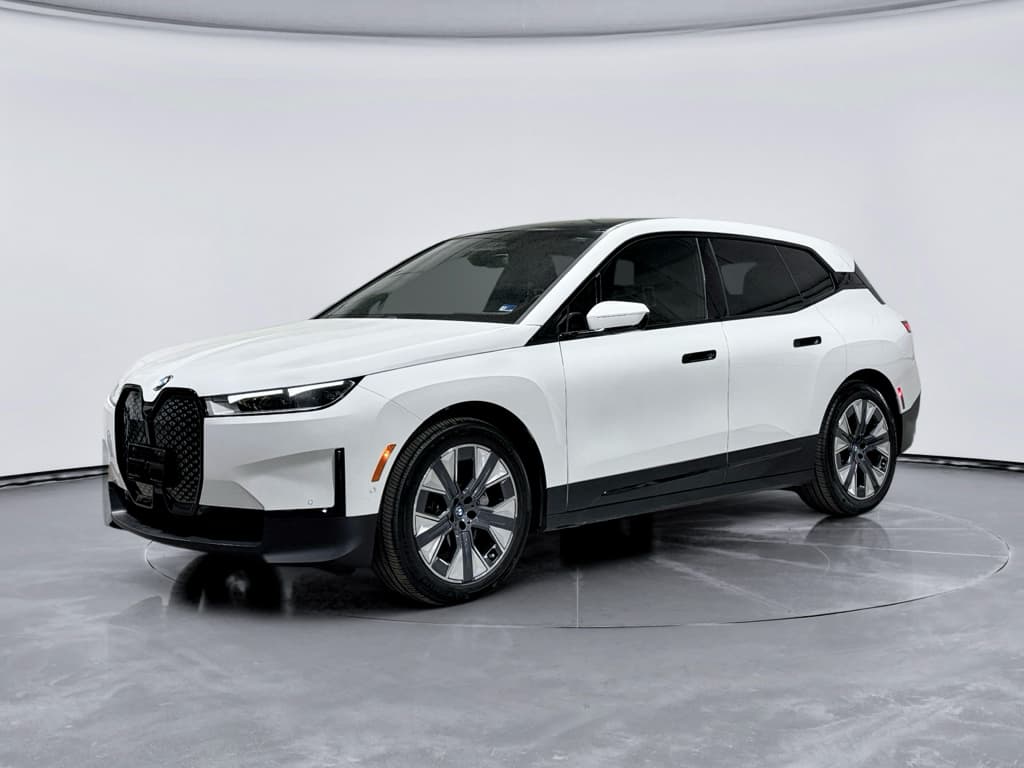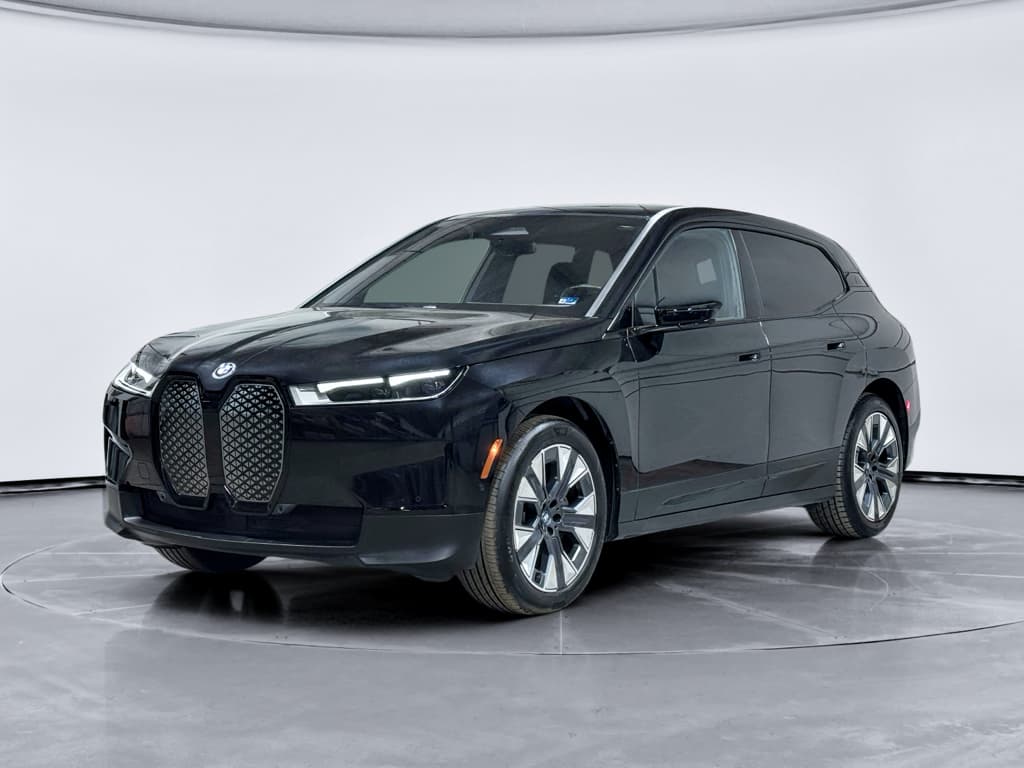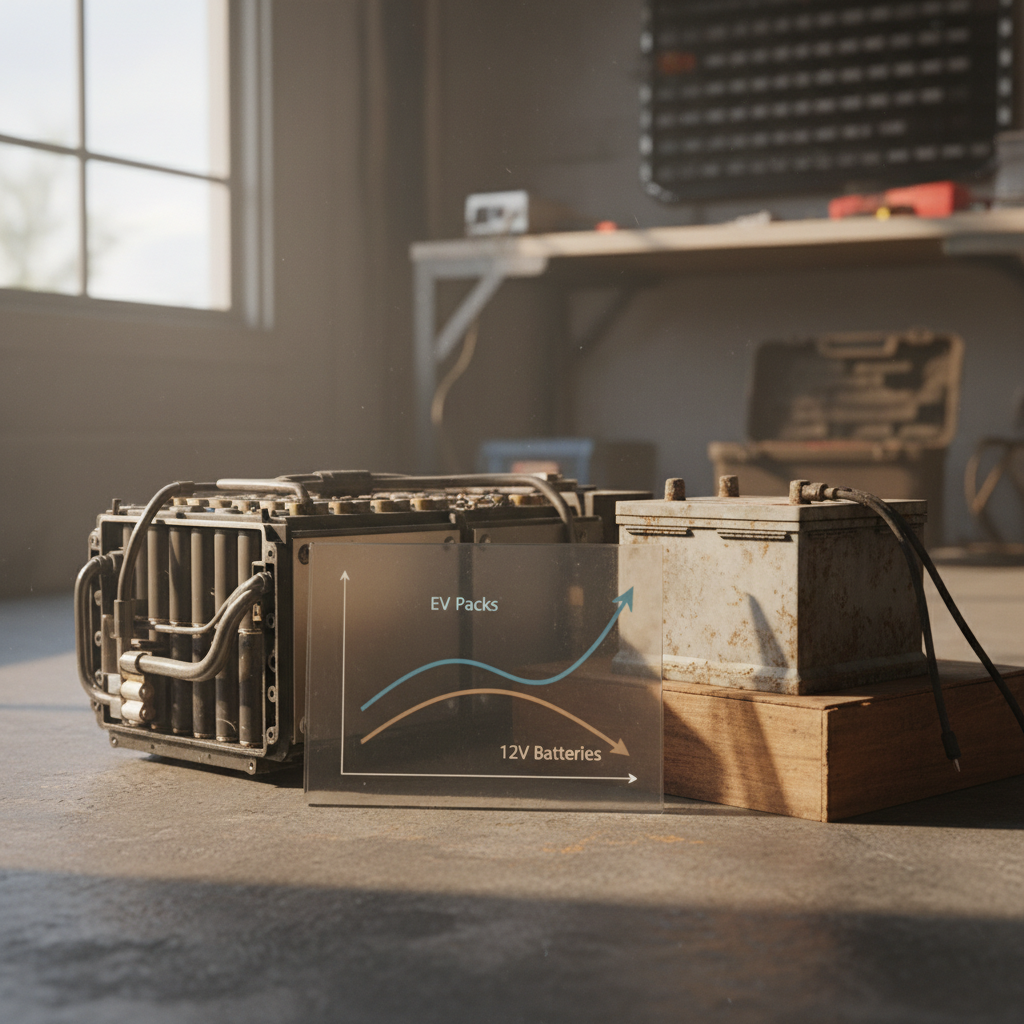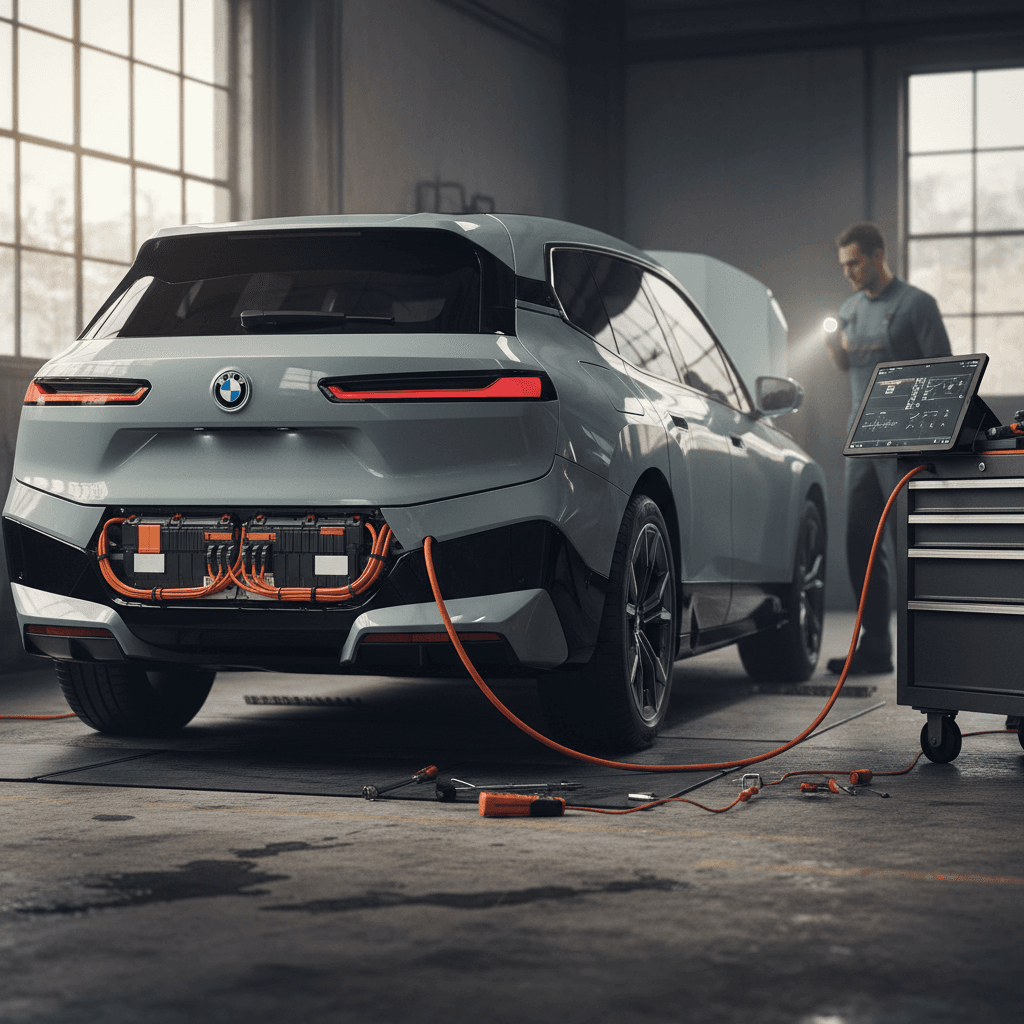
If you own or are considering a used BMW iX, you’ve probably heard about battery‑related recalls and may be wondering how serious they are. This guide pulls together the most important items into a clear BMW iX recalls list, explains what each recall actually means in real life, and walks you through how to protect yourself as an owner or shopper.
Quick context: recalls vs. reliability
BMW iX recalls overview
Since its U.S. launch for the 2022 model year, the BMW iX has been subject to several safety recalls. Most of them fall into two buckets: high‑voltage battery issues (including rare fire‑risk and power‑loss scenarios) and software problems that can cause the drive system to shut down. A few smaller campaigns address items like airbags and other hardware. Importantly, every recall repair is performed free of charge at a BMW dealer.
BMW iX recalls at a glance (U.S., 2022–2025)
Key risk themes for the iX
BMW iX recall timeline by year
BMW iX recalls by model year (high level)
This table summarizes the major U.S. recall campaigns that have involved the BMW iX so far. Individual VIN eligibility always depends on build date and options.
| Model year iX | Key recall themes | Typical remedy | Notes |
|---|---|---|---|
| 2022 | High‑voltage battery fire risk; HV battery power‑loss misdiagnosis; later power‑loss software update | Battery pack replacement in limited cases; battery‑electronics reprogramming; drive‑unit software update | Some early 2022 iX were under a temporary stop‑drive and "park outside" order until packs were replaced. |
| 2023 | Continuation of HV battery power‑loss campaign; battery short‑circuit fire‑risk campaign overlaps; power‑loss software update | Battery diagnostics or replacement; software update (often OTA) | Many 2023 iX share the same campaigns as late‑build 2022 cars. |
| 2024 | 2022–2024 iX included in large power‑loss software recall | Software update to electric drive motor control unit | Most 2024 vehicles can be updated over‑the‑air; dealers can also perform the fix. |
| 2025 (early builds) | Small batch HV battery module assembly defect (battery failure / fire‑risk) | Replacement of high‑voltage battery cell modules in affected packs | This campaign covers a tiny number of iX built through early 2024 but registered as 2022–2025 model years. |
Always run a VIN check, your specific iX may or may not be included in a given campaign.
Tip for used‑iX shoppers
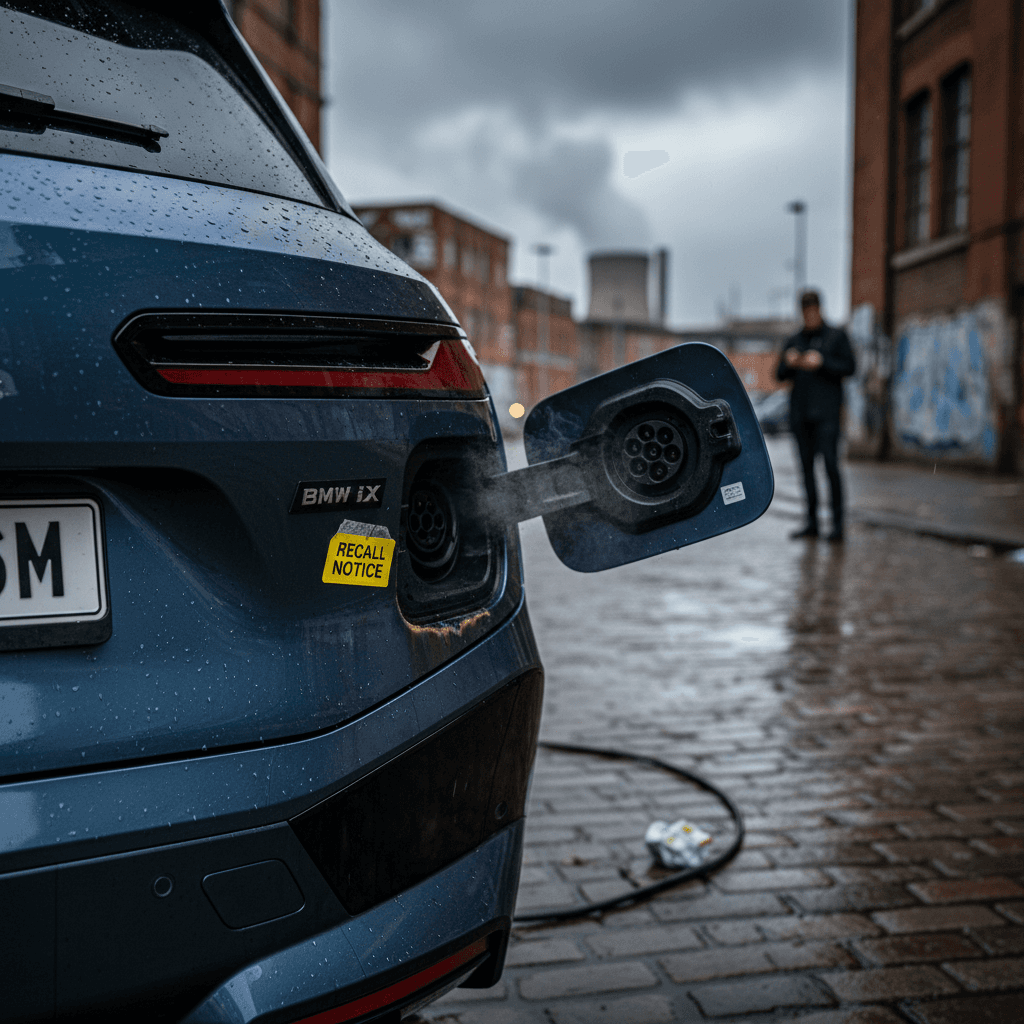
Detailed BMW iX recalls list
Below is a plain‑English breakdown of the major BMW iX recalls that matter most for current and future owners. Exact campaign numbers can vary, and there are sometimes overlapping bulletins, so think of this as a guide to the issues rather than a legal document.
1. High‑voltage battery short‑circuit & fire‑risk recall (2022–2023 iX)
One of the first serious iX recalls involved a potential short circuit inside the high‑voltage battery pack on a limited number of early vehicles. Manufacturing defects in some supplied cells meant internal damage could lead to an electrical short. In the rare worst case, that short could trigger a thermal event (fire). Affected owners were told not to drive or charge their vehicles and to park them outside until BMW inspected and, if necessary, replaced the pack.
- Models: 2022–2023 BMW iX xDrive50 and iX M60 (plus some 2022 i4 variants).
- Risk: Internal battery short circuit → potential fire risk, even when parked.
- Symptoms: In many cases, none before failure; this recall is more about statistical risk than obvious warning signs.
- Remedy: BMW dealers run special diagnostics and replace the entire high‑voltage battery pack if the vehicle is flagged.
Why this one matters so much
2. High‑voltage battery power‑loss recall (misdiagnosis in battery electronics)
Another early campaign covered a flaw in the battery‑management electronics. The control unit could misinterpret internal signals and reset itself unexpectedly. When that happens, the system can briefly or completely cut high‑voltage power, leading to a sudden loss of propulsion. That’s less dramatic than a fire, but it can still be dangerous if it happens in traffic.
- Models: Primarily 2022–2023 iX, along with i4 and i7 built in the same period.
- Risk: Sudden loss of drive power while driving, increasing crash risk.
- Symptoms: Warning messages, limp‑home behavior, or complete shutdown in some cases.
- Remedy: Reprogramming or replacing the high‑voltage battery electronics; this is a dealer‑performed software/hardware update.
3. Battery‑module assembly defect recall (small batch, 2022–2025 iX)
In 2025, BMW launched a very small‑population campaign covering roughly 136 EVs, including select 2022–2025 iX models. During manufacturing of the battery modules, the force used to compress individual cells into a module may have exceeded specifications. Over time and repeated cycling, that extra stress can cause the module frame to fail, which again risks a shutdown of the high‑voltage system or, in rare cases, a thermal event.
- Models: A tiny subset of 2022–2025 BMW iX, 2022–2023 i4, and 2023–2024 i7 built in specific date windows.
- Risk: Loss of propulsion and increased fire risk if the module frame fails.
- Symptoms: Often none until failure; this is a preventive recall based on manufacturing traceability.
- Remedy: Replacement of affected high‑voltage battery cell modules at a BMW dealer. Owners are contacted by mail.
Good news about this recall
4. Drive‑system software power‑loss recall (large 2022–2024 iX population)
A more recent high‑profile campaign isn’t about the battery hardware at all, but the electric drive motor software. A bug in the control software can cause the high‑voltage system to shut down unexpectedly, shutting off drive power even though the battery itself is healthy. BMW has recalled more than 70,000 EVs in the U.S. over this, including a large number of iX units.
- Models: 2022–2024 BMW iX, along with certain i4, i7 and i5 models.
- Risk: Sudden loss of drive power due to software error; increased crash risk if it happens at speed.
- Symptoms: In some cases, warning messages or a brief loss of power; in others, the vehicle may simply coast to a stop.
- Remedy: Software update to the motor control unit, often delivered over‑the‑air (OTA), or by a dealer visit if OTA isn’t available or fails.
OTA fixes are a double‑edged sword
5. Other BMW iX recalls and service campaigns
Beyond the big battery and software items, the iX has been swept up in smaller campaigns that may include things like airbag trim and other components shared with BMW’s broader lineup. These typically aren’t EV‑specific, but they still matter for safety and resale value.
- Side‑impact or airbag‑related campaigns affecting certain B‑pillar or curtain‑airbag components.
- General BMW software and control‑unit updates that also apply to the i4/i7 families.
- Service bulletins (TSBs) that address customer complaints but don’t rise to recall status, such as infotainment bugs or charging quirks.
Check for TSBs, not just recalls
How to check if a BMW iX has open recalls
The nice thing about recalls is that they’re binary: your specific car either has an open recall or it doesn’t. Here’s how to get a clear answer for any BMW iX in the U.S., whether you already own it or are considering a used one.
Step‑by‑step: check a BMW iX for open recalls
1. Locate the full 17‑character VIN
You can find the Vehicle Identification Number on the registration, insurance card, driver’s‑side windshield base, or inside the driver’s‑side door jamb. For a pre‑purchase check, ask the seller to provide it upfront.
2. Run the VIN through the NHTSA recall lookup
Go to the official U.S. government recall site and enter the VIN. You’ll see all open safety recalls that have not yet been completed on that specific iX. Print or save the results.
3. Cross‑check with BMW’s own recall lookup
BMW’s website and customer service line can confirm whether any BMW‑initiated campaigns (including some service actions) are outstanding. This is especially useful if the car was previously registered in another country.
4. Call a BMW dealer’s service department
Provide the VIN and ask for a "key read" or full campaign history. Dealers can see both completed and open recalls, relevant TSBs, and sometimes warranty or goodwill repairs.
5. Ask for documentation from the seller
A responsible seller should be willing to share BMW service records showing that recall work was performed. Look for line items that mention high‑voltage battery diagnostics, software updates, or pack replacement.
6. Re‑check close to purchase or delivery
Campaigns can be added over time. If you’re buying from a distance or scheduling delivery through a marketplace like <strong>Recharged</strong>, run the VIN again shortly before you take possession.
How Recharged handles recall checks
What these recalls actually mean in daily driving
Put bluntly, the iX has experienced the same growing pains we’ve seen with other new‑generation EVs: complex high‑voltage hardware built at scale, and software that’s now as central to safety as any mechanical part. That doesn’t automatically make it a bad bet, especially if recall work is up to date, but you should go in with your eyes open.
When recalls are already completed
If an iX has had all relevant recall work done, your day‑to‑day experience shouldn’t be much different from any other premium EV. Battery replacement campaigns remove suspect packs from circulation, and updated control software can actually improve driveability and diagnostics.
- Confirm completion dates in the service history.
- Test‑drive the car on the highway and around town.
- Watch for any warning lights or driveability issues.
When recalls are still open
Driving an iX with an open recall is a spectrum of risk. A minor software update that improves diagnostics is one thing; a stop‑drive, park‑outside fire‑risk campaign is another.
- Read the exact campaign description, don’t rely on the label alone.
- Ask a BMW dealer whether the car is safe to drive while you wait for parts or an appointment.
- Factor the inconvenience into your purchase decision and price expectations.
Heed stop‑drive and park‑outside instructions
BMW iX recalls and used EV shopping
From a buyer’s perspective, recalls can actually create opportunities. When a model like the iX earns a reputation for battery recalls, prices sometimes soften even after the underlying issue has been fixed. That can be a chance to get a lot of EV for the money, if you’re disciplined about verification.
How to factor BMW iX recalls into a used‑EV purchase
Balance risk with value by asking the right questions.
1. Treat recall proof like title and Carfax
For any iX, especially 2022–2023 models, recall documentation should sit right next to the title and history report in your checklist. If a seller can’t or won’t provide it, assume you’ll be doing extra legwork, or move on.
2. Use open recalls as a price lever
If an otherwise‑clean iX still has a non‑critical open recall, you can sometimes negotiate a lower price and then schedule the fix yourself. Just make sure you understand whether the vehicle is safe to drive in the meantime.
3. Look beyond recalls to battery health
Recalls deal with specific defects. An older iX can be recall‑free and still have a tired battery if it’s been fast‑charged aggressively. That’s where an independent battery health report becomes invaluable.
Where Recharged fits in
Ready to find your next EV?
Browse VehiclesBMW iX maintenance and battery health beyond recalls
Even with every recall handled, long‑term iX ownership still comes down to how the previous owner treated the battery and how you plan to use the vehicle. High‑voltage packs age based on time, temperature, and charging behavior more than odometer mileage alone.
- Favor Level 2 charging at home or work over frequent DC fast‑charging, especially in very hot or very cold weather.
- Avoid letting the battery sit at 0% or 100% charge for long periods; aim to park around 30–70% when possible.
- Use the BMW app’s charging schedules and preconditioning features to warm or cool the pack before fast‑charging in extreme temperatures.
- Stay current on software updates, many include refinements to battery management and thermal control.
Range vs. longevity trade‑offs
BMW iX recalls FAQ
Frequently asked questions about the BMW iX recalls list
Bottom line on the BMW iX recalls list
The BMW iX isn’t recall‑free, and that’s worth taking seriously, especially when we’re talking about high‑voltage batteries and software that controls propulsion. But recalls are also evidence that problems are understood and backed by a formal fix. If you verify that campaigns have been completed and pair that with a solid battery health assessment, the iX can still be a compelling, comfortable long‑range EV, especially on the used market, where perception often lags reality.
If you’re weighing different used EVs or trying to make sense of recall history on a specific BMW iX, you don’t have to navigate it alone. Recharged combines VIN‑level recall checks with our Recharged Score battery diagnostics and EV‑specialist support to help you buy with confidence, whether you complete everything online or visit our Experience Center in Richmond, VA.