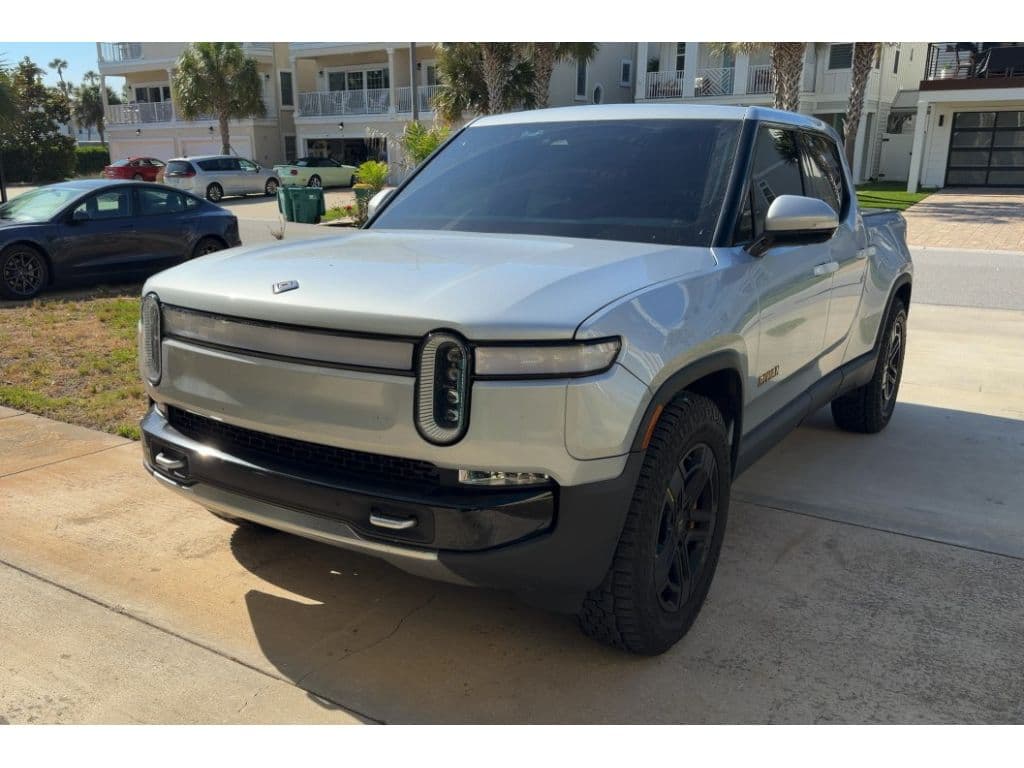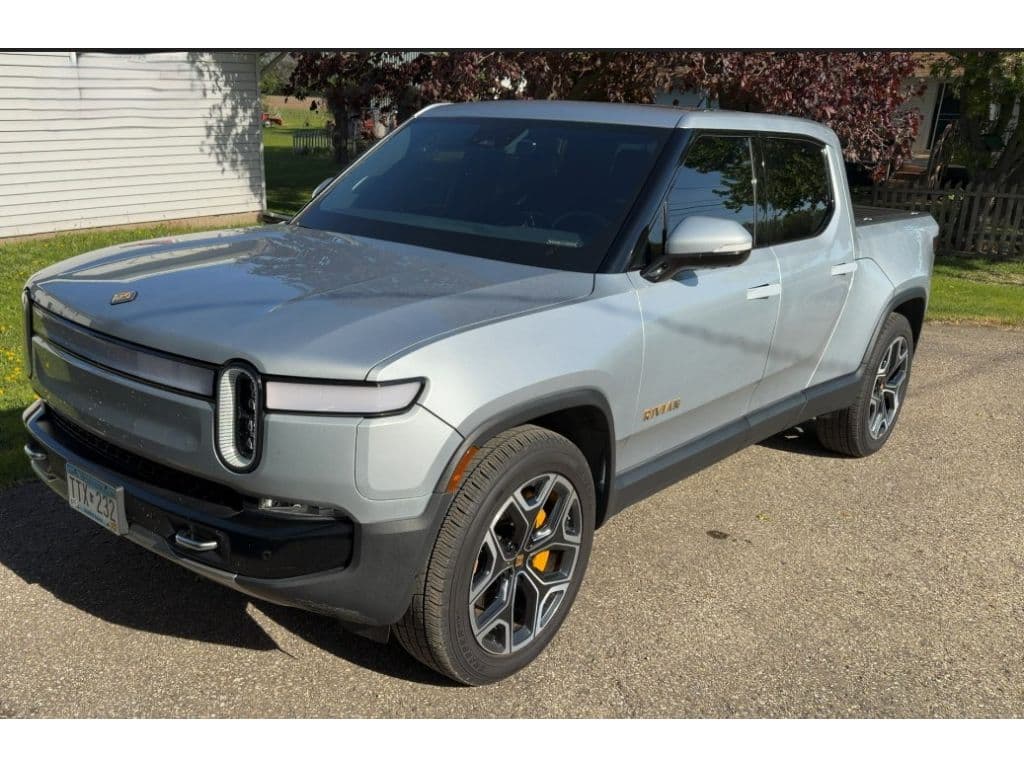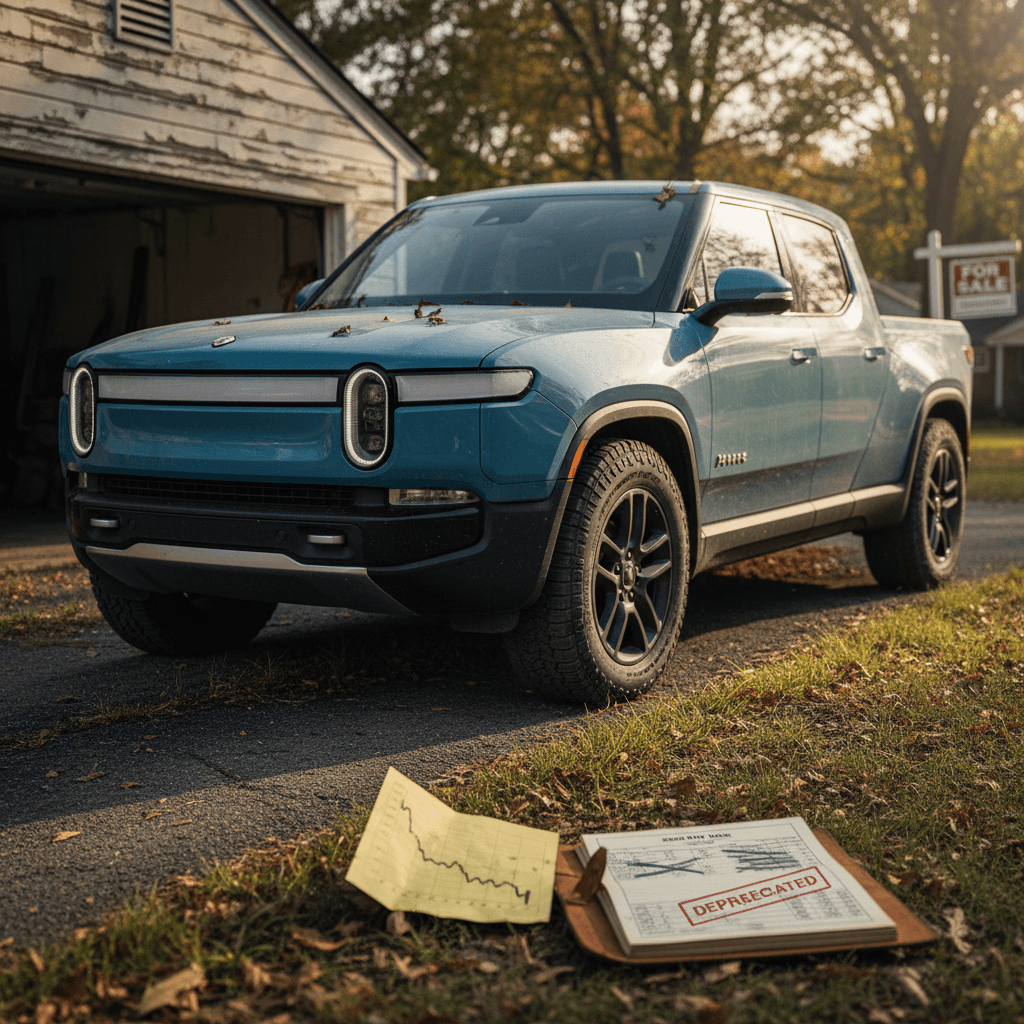
If you’re looking at a Rivian R1T, you already know it’s not a cheap truck. What you may not know is **how fast the Rivian R1T depreciates** compared with other electric pickups and what that means for your wallet over the next 3–5 years. In a market where some EVs are losing value in a hurry, Rivian’s story is more nuanced, and, in some ways, surprisingly strong.
Depreciation in one sentence
Why Rivian R1T depreciation matters in 2026
Depreciation is simply **how much value your truck loses over time**. For an $80,000+ electric pickup like the R1T, even a few extra percentage points can translate into five‑figure swings when you go to sell, trade, or refinance. With EV incentives changing, interest rates still elevated compared with the late 2010s, and more used Rivians hitting the market each month, understanding depreciation isn’t just academic, it’s central to your total cost of ownership.
Because Rivian is still a young brand and the **R1T only launched in late 2021**, we don’t yet have neat 10‑year charts. What we *do* have is a growing pool of real‑world used sales, auction results, and third‑party forecasts that let us draw a credible picture of how fast the truck is losing value, and how that’s likely to evolve as Rivian ramps R2 and future models.
Quick answer: How fast does the Rivian R1T depreciate?
Rivian R1T depreciation at a glance
Those are averages. Individual trucks can do better or worse depending on **how you bought it, which options you chose, and how the broader EV market behaves**. Still, it’s fair to say that the R1T is depreciating more like a premium gas truck than like many early‑generation EVs that are now deeply discounted.
Watch the “phantom” depreciation
How Rivian R1T depreciation compares to other EVs and trucks
R1T vs. other EVs
- Recent analyses show **EVs overall losing close to 60% of value in five years**, much faster than the market average.
- The R1T is an outlier: early two‑ to three‑year data points cluster around a **~29–32% loss**, where many luxury EVs fall much harder.
- That means the R1T is one of the **stronger‑retaining electric vehicles**, especially among high‑priced models.
R1T vs. gas and other trucks
- Well‑equipped full‑size gas pickups might lose **45–50%** over five years. The R1T’s projected low‑50% range is in the same ballpark.
- Some electric trucks, especially models that have seen big new‑vehicle price cuts, are on track to lose **more than half** their value in five years.
- Put simply, the R1T isn’t the depreciation disaster some feared; in truck terms, it’s closer to the middle of the pack.
What “better than average” really means
What drives Rivian R1T depreciation in 2026
Key forces behind R1T depreciation
Why some Rivians lose more, or less, than the averages
Brand age & risk
Rivian is still building its track record. That **perceived risk** is baked into resale values, especially for buyers who remember other EV startups that didn’t make it.
Battery & tech pace
New software, larger packs, and range improvements can make older builds look outdated. Fortunately, the R1T benefits from **over‑the‑air updates**, which soften this effect.
Incentives & pricing swings
Tax credits, lease support, and list‑price changes can instantly reset what “a good deal” looks like, sometimes wiping out thousands in paper value for earlier buyers.
Truck demand
Unlike some low‑slung EV sedans, the R1T plays in a **high‑demand truck segment**. That built‑in utility and outdoor appeal helps stabilize used prices.
Charging & usability
As public charging improves and more R1Ts get access to large DC fast‑charging networks, **range and road‑trip anxiety fall**, which supports resale value.
Macro factors
Interest rates, gas prices, and overall EV sentiment move the market. A spike in negative headlines or high borrowing costs can drag on R1T values short term.
Look at the *used* market, not just MSRP
Real-world used Rivian R1T prices today
As of early 2026, used Rivian R1Ts are no longer unicorns. You’ll find a spectrum of prices that reflect **model year, motor/battery combo, options, mileage, and how aggressively a seller wants to move it**.
Typical used Rivian R1T asking prices (early 2026 snapshot)
These are broad retail asking‑price bands for clean‑title trucks with normal mileage. Individual vehicles can sit above or below these ranges based on options and condition.
| Model year & type | Common configuration examples | Typical retail asking band* | Notes |
|---|---|---|---|
| 2022 R1T | Launch/Adventure, quad‑motor, Large pack | $48,000–$60,000 | Early builds, often with higher MSRP; some now dipping below $50k. |
| 2023 R1T | Adventure, dual‑ or quad‑motor, Large or Max pack | $52,000–$65,000 | Most plentiful in the used market; prices hinge heavily on options. |
| 2024–2025 R1T | Adventure/All‑Terrain, newer dual/quad‑motor | $60,000–$75,000 | Late‑model, lower‑mileage trucks; heavily optioned examples still command a premium. |
Price ranges are directional and will vary by region, trim, and equipment.
Remember transaction price, not just sticker
Depreciation timeline: 1-, 3-, and 5-year value
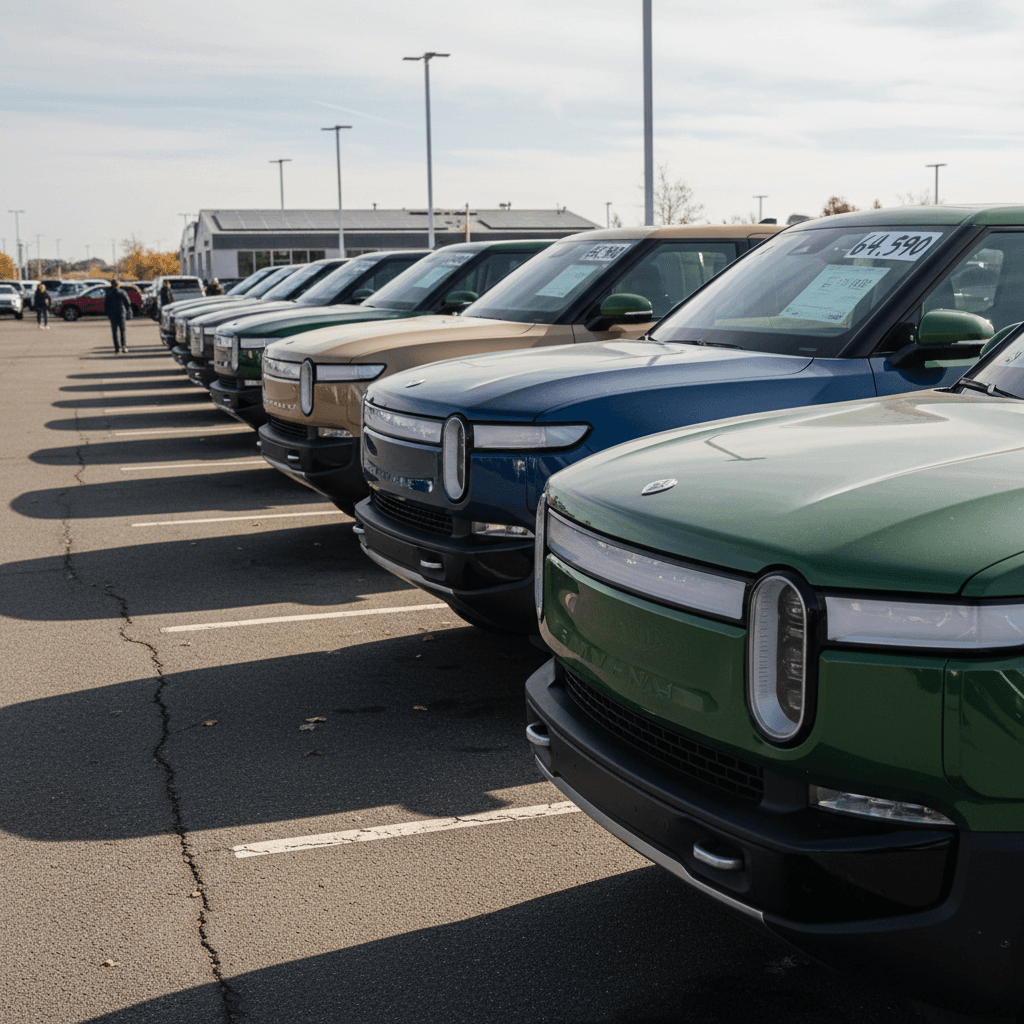
Depreciation isn’t linear. Trucks usually take the biggest hit in the **first 2–3 years**, then the curve flattens as the market settles on what the vehicle is “really” worth. The Rivian R1T is following that general pattern, though with less of a cliff than some EVs that faced sudden price cuts.
Illustrative Rivian R1T depreciation over time
Example based on an $80,000 new purchase price. These are rounded, directional numbers built from current resale data and forecasting tools, not guaranteed future values.
| Ownership year | Estimated value | Approx. % of original price | What’s happening |
|---|---|---|---|
| After 1 year | $64,000–$68,000 | ~85–80% | Early drop as the truck transitions from “new” to “used,” especially if newer configurations or incentives appear. |
| After 3 years | $54,000–$58,000 | ~68–72% | Market has more real‑world data; depreciation totals roughly 28–32% from new for many R1Ts. |
| After 5 years | $37,000–$40,000 | ~47–50% | Assuming current forecasts hold, total five‑year loss lands around half the original price, similar to a high‑end gas truck. |
Actual results will vary by trim, mileage, region, and broader EV market conditions.
Why these are estimates, not promises
Which R1T configurations hold value best?
R1T trims and options that typically support resale
What today’s used market seems to reward
Clean, well‑equipped Adventure
The **Adventure** trim with popular packages (all‑terrain tires, premium audio, key driver aids) tends to sit in the sweet spot between price and desirability.
Dual‑motor sweet spot
Quad‑motor trucks are thrilling, but dual‑motor R1Ts often look better on a cost‑to‑performance basis in the used market, especially as insurance and tire costs rise.
Practical wheel/tire setups
Extreme wheel and tire combos can hurt efficiency, range, and ride quality. The market often pays more consistently for **balanced, everyday‑usable builds**.
Timeless colors
Neutrals, white, black, silver, gray, plus Rivian’s signature greens and blues typically see **broader demand** than highly niche colors.
Moderate mileage & use
Trucks used as true expedition rigs with heavy off‑road miles or modifications can be a tougher retail ask than **lightly used, stock examples**.
Documented service & battery health
Complete records and a verified **battery‑health report** give buyers confidence, often translating to quicker sales and firmer pricing.
How Recharged helps here
How to reduce your R1T depreciation hit
Practical ways to protect Rivian R1T value
1. Buy at the right point in the curve
If you’re depreciation‑sensitive, strongly consider buying **lightly used**. Let the first owner take the steepest 1–2 year drop, then step in around years 2–3 when prices stabilize.
2. Focus on widely desired specs, not unicorn builds
Trucks with mainstream colors, popular wheels, and comfort/safety options are easier to sell. Ultra‑niche specs might thrill you but shrink the future buyer pool.
3. Keep mileage and wear in check
Staying close to **12,000–15,000 miles per year** and avoiding obvious cosmetic or interior wear helps you tap into mainstream buyer expectations and pricing tools.
4. Protect the battery and charging habits
Favor **Level 2 home or workplace charging**, avoid leaving the pack at 100% for long stretches, and reserve back‑to‑back DC fast‑charging for trips. Healthier batteries support higher resale.
5. Maintain documentation
Keep digital or paper records of **software updates, service visits, and any recall or campaign work**. Buyers of a newer brand are especially reassurance‑hungry.
6. Choose how you sell carefully
Trade‑in is convenient but often lowest on price. An **instant offer or consignment model**, like what Recharged offers, can split the difference between ease and strong value.
Using Recharged to capture more value
Ready to find your next EV?
Browse VehiclesShould you buy a used Rivian R1T now?
For shoppers, the current depreciation curve actually makes the **used R1T story compelling**. Early trucks that once sold over MSRP are now trading in price territory that overlaps with loaded gas half‑tons, but with vastly different driving character and operating costs.
Upsides of buying used now
- Much of the initial depreciation is **already baked in**, especially for 2022–2023 builds.
- You can often find heavily optioned trucks for the price of a new, more basic EV or gas pickup.
- Real‑world reliability and ownership feedback is in, making the risk profile clearer than in 2022.
Risks to keep in mind
- Rivian is still scaling and investing heavily. A major stumble could pressure used values.
- Future tax‑credit changes or aggressive pricing on Rivian’s upcoming R2 and R3 could reset expectations again.
- Insurance, tire, and repair costs on a high‑performance EV truck can still surprise first‑time owners.
Start with a clear market view
FAQ: Rivian R1T depreciation
Common questions about Rivian R1T depreciation
Bottom line on Rivian R1T depreciation
The Rivian R1T was never going to be a depreciation‑proof truck. It’s a high‑dollar vehicle from a young automaker in a segment where incentives and technology move quickly. Yet the evidence from the first few years is encouraging: **R1T depreciation has been noticeably milder than the worst EV headlines**, and closer to what you’d expect from a premium gas pickup than from a science‑project sedan.
If you already own an R1T, you can tilt the odds in your favor by **protecting the battery, keeping great records, and choosing the right way to sell** when the time comes. If you’re shopping, especially on the used side, current pricing means you can often capture much of the truck’s capability after the heaviest part of the depreciation curve has already passed.
Either way, going in with clear expectations, and real market data, beats guessing. When you’re ready to **buy, sell, or trade a Rivian R1T**, Recharged can back you up with verified battery health, fair‑market pricing, EV‑savvy financing, and specialist guidance so depreciation becomes something you manage, not something that blindsides you.