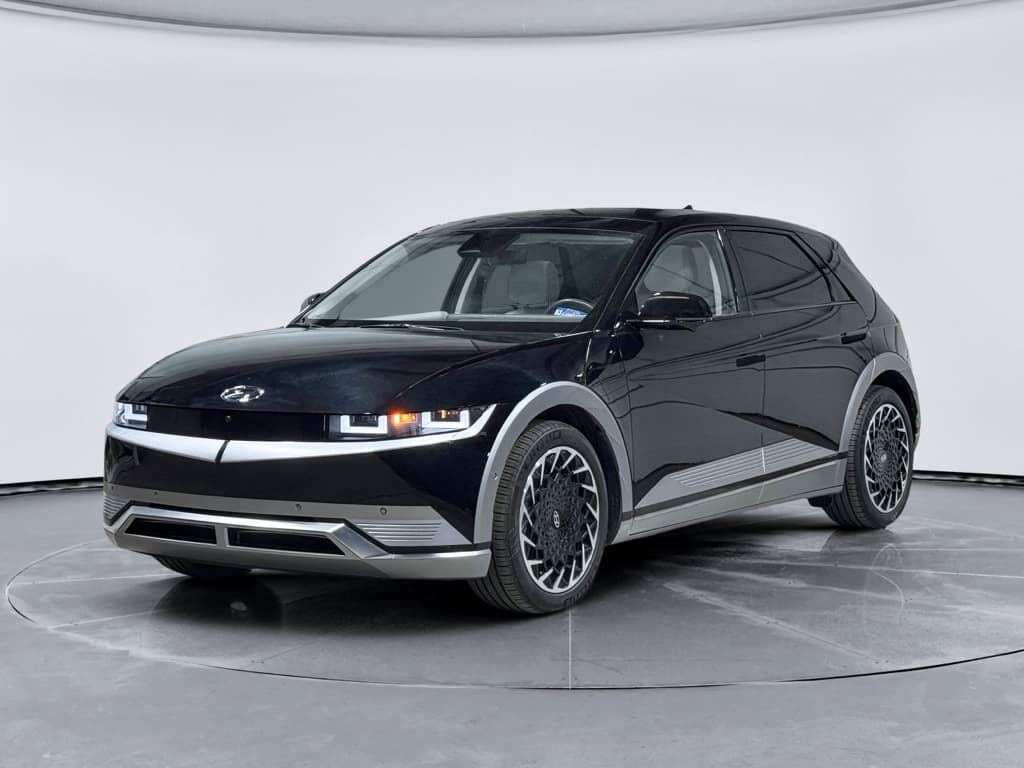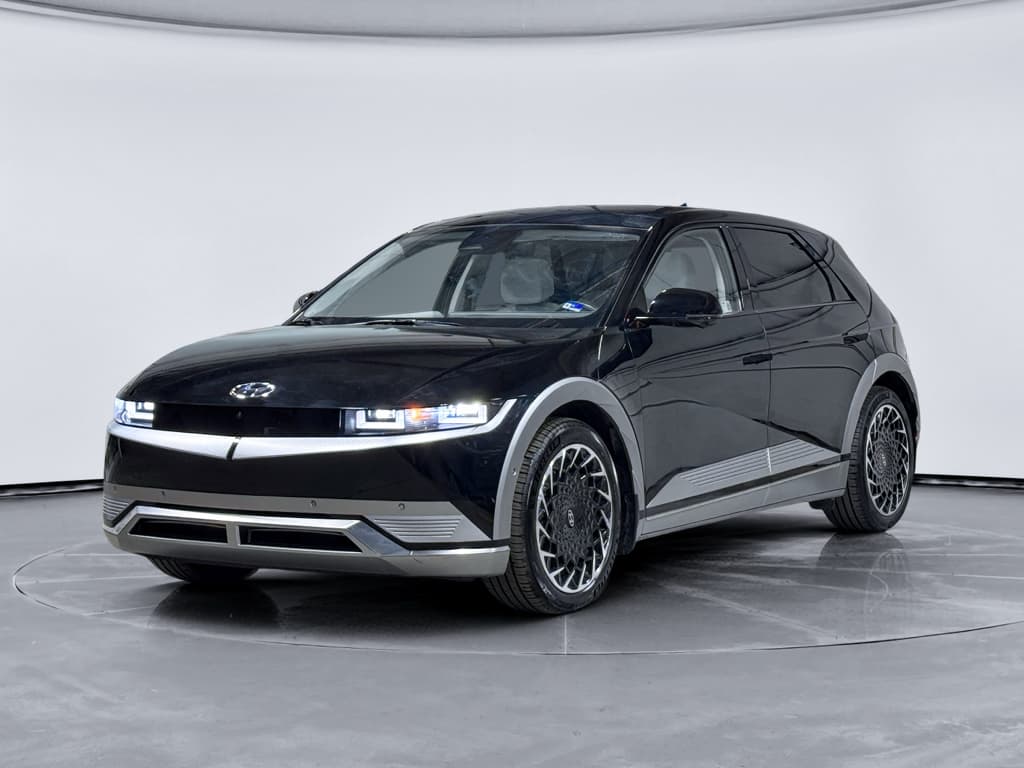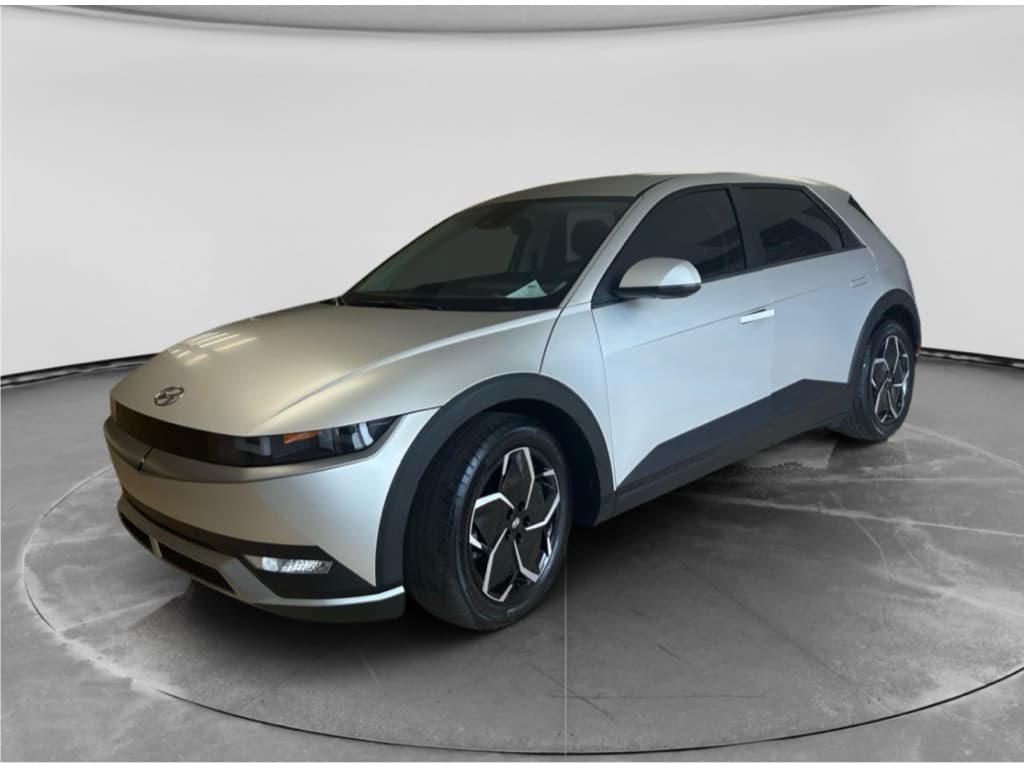
If you own, or are thinking about buying, a Hyundai IONIQ 5, depreciation is probably one of your biggest questions. How fast does the Hyundai IONIQ 5 actually depreciate in the real world, and what does that mean for you if you plan to keep it, trade it, or sell it in the next few years?
Depreciation vs. value loss
Hyundai IONIQ 5 depreciation at a glance
Real‑world Hyundai IONIQ 5 depreciation snapshot (2022–2025)
The headline: the Hyundai IONIQ 5 depreciates quickly in its first 3–4 years, faster than a typical gas crossover, but not catastrophically so compared with other modern EVs. Incentive-heavy leasing, rapid tech updates, and shifting EV demand all push values down, while strong design and usable range keep them from totally falling off a cliff.
Why EVs, and the IONIQ 5, depreciate differently from gas cars
Why EVs depreciate faster (so far)
- Rapid tech cycles: Charging speed, range, and driver‑assist tech improve quickly. Newer EVs can feel like a big step up, which drags on used prices.
- Price cuts and incentives: Aggressive factory discounts, tax credits, and lease subventions on new EVs reset price expectations for used examples.
- Battery anxiety: Many buyers still worry about long‑term battery life and replacement cost, even if real‑world data is better than the perception.
- Policy swings: Incentives and regulations change faster than for gas vehicles, which adds uncertainty to future demand.
What’s specific to the IONIQ 5
- Strong leasing push: Hyundai has leaned heavily on subsidized leases with high sticker prices and big discounts. That props up residuals on paper but pushes real‑world used values down.
- Shared platform with Kia EV6: Plenty of similar vehicles in the used market means more price competition.
- Fast feature updates: Early IONIQ 5s lack some updates seen on later U.S.-built models (NACS port, improved range, software tweaks), which widens the gap between old and new.
- Perceived brand strength: Hyundai is still building long‑term EV brand equity in the U.S., so it doesn’t enjoy the same residual “halo” as premium badges.
Sticker shock vs. transaction reality
Year by year: how fast the Hyundai IONIQ 5 depreciates
Let’s walk through a typical depreciation curve for a Hyundai IONIQ 5 bought new around $45,000 MSRP. These are realistic market ranges in early 2026, not guarantees for any specific car.
Approximate Hyundai IONIQ 5 depreciation timeline
Illustrative value curve for a well‑kept IONIQ 5 that originally stickered around $45,000. Wide local variation is normal.
| Age | Mileage (typical) | Expected value range | Approx. value lost | Key drivers at this stage |
|---|---|---|---|---|
| 1 year | 12,000–15,000 mi | $30,000–$34,000 | 25–35% | Big hit from initial drive‑off plus new‑EV discounts and tax credits crowding used prices. |
| 2 years | 24,000–30,000 mi | $26,000–$30,000 | 35–45% | Supply of off‑lease EVs grows; newer model years add features and range. |
| 3 years | 36,000–45,000 mi | $23,000–$28,000 | 45–55% | Battery health and trim level matter more; buyers compare against fresh discounts on new IONIQ 5s and rivals. |
| 5 years | 60,000–75,000 mi | $18,000–$23,000 | 55–65% | Depreciation slows as the car becomes a value play, assuming the pack is healthy and charging speeds remain competitive. |
Use this as a directional guide only. Your actual values will depend on incentives you received, mileage, condition, and battery health.
In short, the IONIQ 5 loses value fastest in the first 2–3 years. After that, the curve starts to flatten, especially if the battery still charges quickly and holds range well. That’s when a well‑documented used example can look very attractive to value‑oriented buyers.

Factors that make your IONIQ 5 hold or lose value
What really moves the needle on IONIQ 5 resale value
Trim, battery health, and charging tech matter more than paint color.
Battery health & DC fast charging
For a used EV, usable range and charging speed are everything. An IONIQ 5 with strong battery health and consistent 800V fast‑charging performance will command a premium.
On Recharged, every car includes a Recharged Score battery report, so buyers can see how your pack is actually performing, not just guess from the dash gauge.
Trim level & options
SEL and Limited trims, especially AWD, tend to hold value better than base SE Standard Range models. Features like ventilated seats, upgraded audio, and full Highway Driving Assist are in demand.
Shoppers will pay more for a car that feels “fully loaded,” particularly in a crowded used market.
Mileage & usage profile
EV shoppers are more mileage‑sensitive than gas‑car buyers. A 3‑year‑old IONIQ 5 with 20,000 miles sends a very different signal than one with 60,000+.
High miles aren’t a death sentence if battery health is strong, but they do force pricing to be sharper.
Maintenance & repair history
Clean Carfax, no major collision repairs, and proof of software updates or warranty work all help resale.
Because EV buyers are still building trust in the tech, documentation and transparency carry outsized weight.
Charging standard & future‑proofing
Later U.S.-built IONIQ 5s with a native NACS (Tesla) port are likely to hold value better than early CCS‑only models as the market settles on Tesla’s connector.
If you own an earlier car, having a reputable NACS adapter on hand can still make your listing more attractive.
Local demand & incentives
State incentives, local electricity vs. gas prices, and HOV lane rules all influence what your IONIQ 5 is worth in your ZIP code.
Some markets see deep discounts on new EVs, which forces used prices down. Others have tight supply and surprisingly strong resale.
Use battery health to differentiate your car
Lease residuals vs. real market values on the IONIQ 5
If you leased your IONIQ 5, you’ve probably noticed something unsettling: your buyout (residual) number is often much higher than what similar cars are selling for in 2026. That’s not your imagination, it’s a structural issue across a lot of modern EV leases.
Why many IONIQ 5 residuals are above market in 2026
1. Residuals were set before the EV price reset
Lease residuals were originally calculated when EV prices were higher and discounts smaller. When new‑EV prices fell and incentives stacked up, used values followed, but residual formulas didn’t instantly update.
2. Manufacturers prioritized low payments, not resale accuracy
Hyundai and others used aggressive money factors and incentives to make monthly payments look attractive. Residual risk, the chance values would come in low, was part of the bargain.
3. Off‑lease supply hit just as demand cooled
A wave of 2022–2023 IONIQ 5s and peer EVs is hitting the used market now, at the same time that some shoppers are hesitating on EVs. More supply than demand equals softer resale.
4. Tech moved faster than expected
Improved range, NACS ports, and software on newer EVs make 2–4‑year‑old cars feel dated quicker than traditional vehicles, which the original residual models under‑estimated.
The practical takeaway: don’t assume buying out your lease is automatically a good deal. Compare your residual to real‑world retail and trade‑in offers for similar IONIQ 5s. If the market is thousands below your buyout, it may make more sense to hand the car back, then shop the used market, or a fresh subsidized lease, on your terms.
How Recharged can help lease‑end owners
Ready to find your next EV?
Browse VehiclesHow IONIQ 5 depreciation compares to other EVs
On a spectrum from EV “winners” to “losers” in resale, the Hyundai IONIQ 5 sits squarely in the middle. It’s not the bargain‑basement outlier some disgruntled owners on forums make it out to be, but it’s also not a depreciation champion.
IONIQ 5 vs. other popular EVs on depreciation sentiment
High‑level comparison based on available market data, lease residuals, and used‑listing behavior in early 2026.
| Model | Perceived 3–4 yr depreciation | Key reasons |
|---|---|---|
| Tesla Model 3/Y | High but stabilizing | Big price cuts in 2023–2024 crushed early owners, but strong brand and Supercharger access help later model years. |
| Hyundai IONIQ 5 | Moderately high | Heavy incentives on new cars and fast tech turnover weigh on values, but good design and range support used demand. |
| Kia EV6 | Similar to IONIQ 5 | Shared platform and similar pricing/incentive behavior; brand positioning nudges values slightly higher in some markets. |
| Chevy Bolt EV/EUV | Very high | End of production and fire‑related recall history pushed many cars into distressed pricing, though later units with fresh packs are attractive buys. |
| Premium German EVs | Mixed | High MSRPs and frequent leases can mean deep depreciation, but some trims hold value due to badge cachet and interior quality. |
These are directional comparisons, not exact percentages. Market behavior can shift quickly as incentives and new models change.
Middle‑of‑the‑pack isn’t always bad
How to slow down depreciation and maximize your IONIQ 5 resale value
You can’t fight market forces, but you can absolutely influence where your IONIQ 5 lands within the wide value range for any given year and mileage. Think of it as playing defense against depreciation rather than trying to beat it entirely.
7 practical ways to protect your Hyundai IONIQ 5’s value
1. Keep DC fast‑charging behavior healthy
Avoid living at 100% or 0% state of charge, and don’t abuse DC fast charging as a daily habit. The IONIQ 5’s 800V architecture is robust, but treating the pack kindly today protects your range, and resale, tomorrow.
2. Document everything
Save service invoices, software‑update notes, and any high‑voltage system repairs. A complete paper trail builds buyer confidence, especially for shoppers new to EVs.
3. Fix cosmetic issues before selling
Curb‑rashed wheels, dents, and interior wear give buyers excuses to hammer your price. A few hundred dollars in cosmetic reconditioning can often return more than its cost at sale time.
4. Mind your tires
EVs are heavy and hard on tires. A set of correct‑spec tires with good tread is a meaningful signal that the car has been maintained properly and is road‑trip ready.
5. Time your sale around demand spikes
Used EV interest is typically stronger in spring and early summer, and in periods when gas prices are high. If you’re flexible, listing your IONIQ 5 then can mean a faster sale and stronger offers.
6. Highlight charging flexibility
If your IONIQ 5 has native NACS or you’re including a reputable adapter, Level 2 home charger, or portable EVSE in the sale, call that out. It shrinks perceived hassle for the next owner.
7. Sell on an EV‑specialist marketplace
Selling through a platform that understands EVs, like Recharged, means buyers see a <strong>verified battery‑health report</strong>, accurate pricing, and expert support. That transparency often translates directly into better realized value for sellers.
So… is the Hyundai IONIQ 5 a bad investment?
It depends on what you expect from a car. If your benchmark is a lightly optioned compact gas sedan that quietly loses 45% of its value over 5 years, the IONIQ 5 will look expensive on a pure depreciation basis. If you compare it to its real peers, aero‑optimized EV crossovers loaded with tech, the story is more nuanced.
- It depreciates faster than most mainstream gas crossovers, but in line with many similarly priced EVs.
- Owners who paid close to sticker in the pre‑discount days feel the pinch more than those who leased with big incentives.
- From a total cost of ownership perspective, lower fueling and maintenance costs offset some of the steeper paper depreciation, especially if you charge mostly at home on a reasonable electricity rate.
- For buyers entering the market in 2026, a used IONIQ 5 can be a strong value precisely because the first owner already absorbed the big hit.
The smarter way to think about the Hyundai IONIQ 5 isn’t “Is depreciation terrible?” but rather “How do I position myself on the right side of that curve?” If you buy carefully, mind battery health, and sell through a channel that highlights your car’s strengths, the IONIQ 5 can deliver a lot of EV for the money without leaving you underwater when it’s time to move on.