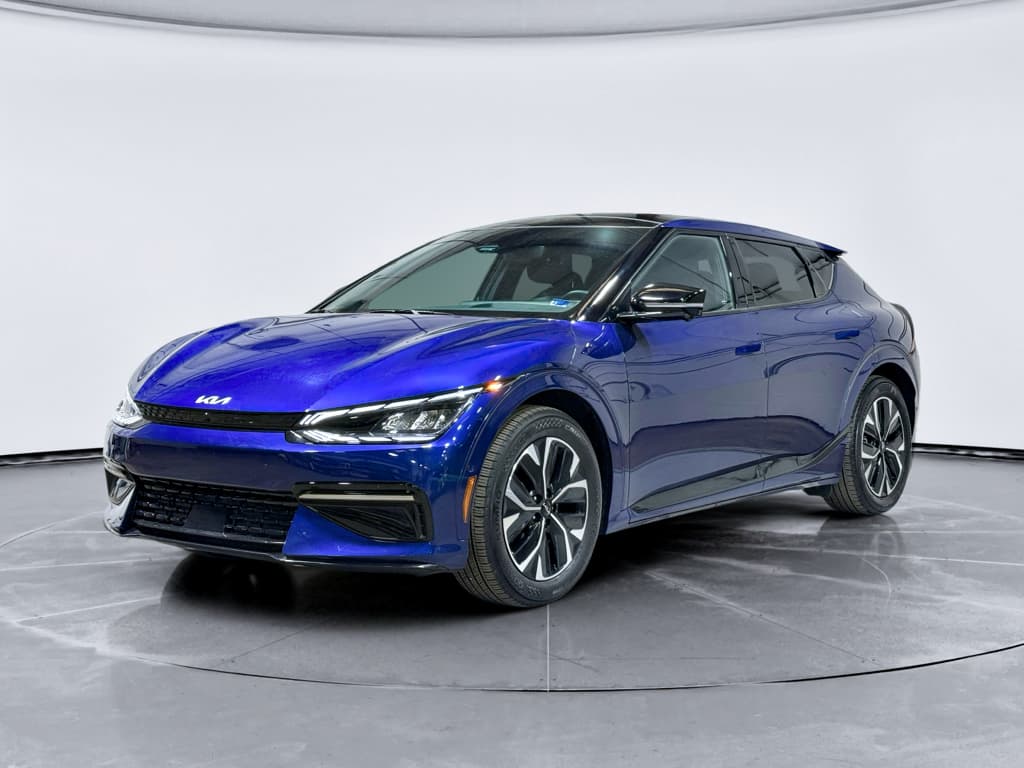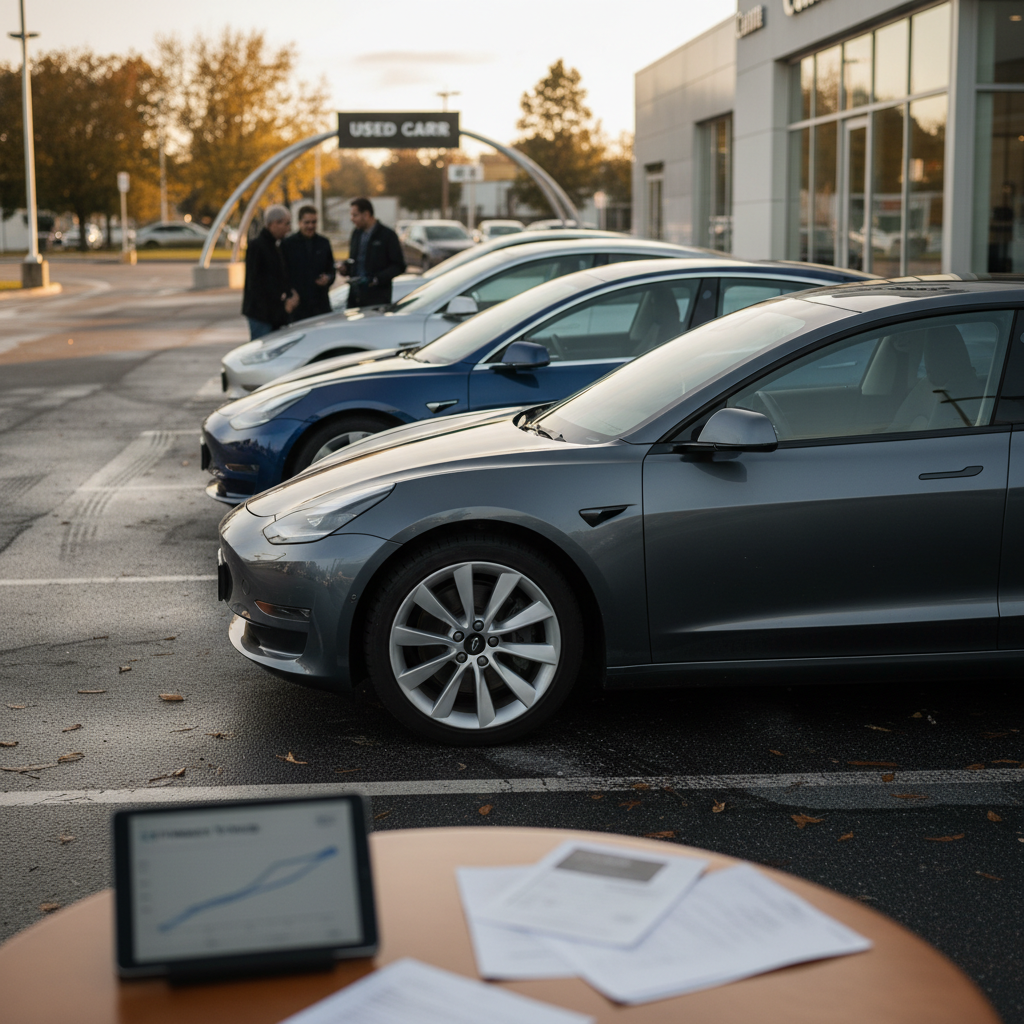
If you’re eyeing a Genesis Electrified GV70, you’re probably wondering not just how it drives, but how fast the Electrified GV70 depreciates. With luxury EVs, the sticker shock often isn’t the purchase price, it’s how quickly that price melts away in the first few years. The good news: the Electrified GV70 is shaping up to be one of the better-behaved luxury EV SUVs on the resale side, but you still need to understand where the value drops hardest.
Why depreciation matters more for EVs
Electrified GV70 depreciation at a glance
Early Electrified GV70 depreciation snapshot
Let’s translate those percentages into something more tangible. On a well‑equipped Electrified GV70 that stickered around $65,000–$70,000, early data suggests you might see it trading in the low‑ to mid‑$40,000s after the first couple of years, and drifting into the low‑$30,000s by the five‑year mark, assuming average mileage and normal market conditions.
So how fast does the Electrified GV70 actually depreciate?
Because the Electrified GV70 is still a relatively new model, the sharpest real‑world data comes from 2023–2024 examples. Valuation tools like Kelley Blue Book show a 2023 Electrified GV70 down roughly 24% from its original value after around three years on the road, with an average annual loss on the order of a few thousand dollars. That’s solid for a luxury EV SUV, remember, a lot of rivals bleed 50% or more by year three.
Illustrative Electrified GV70 depreciation curve
Approximate value retention for a typical U.S.-spec Electrified GV70 based on early resale data and industry EV depreciation trends. These are rough, educational estimates, not price guarantees.
| Vehicle age | Approx. % of original MSRP | Estimated value on $68,000 MSRP | What this usually looks like |
|---|---|---|---|
| Brand new | 100% | $68,000 | Sticker price on a new Electrified GV70 at a Genesis retailer. |
| 1 year old | ≈75–80% | $51,000–$54,000 | Early depreciation plus the reality that few people pay full sticker once incentives and discounts are factored in. |
| 3 years old | ≈60–70% | $41,000–$47,500 | Most of the steep drop is behind you; still current‑generation tech and styling. |
| 5 years old | ≈45–50% | $30,500–$34,000 | Typical 5‑year residual range forecast for luxury EV SUVs in this segment. |
| 7+ years old | ≈30–40% | $20,000–$27,000 | Battery health, warranty remaining, and new‑EV price wars dominate resale outcomes. |
Example assumes a $68,000 original MSRP and average mileage. Real‑world values depend on trim, region, condition, and incentives at time of sale.
These numbers are directional, not promises
1–5 year Electrified GV70 value curve (illustrative)
Years 0–1: The big hit
The steepest drop for a Genesis Electrified GV70, like most luxury EVs, tends to come in the first 12–18 months. Once early demand cools, incentives change, and nearly-new used examples appear, that shiny MSRP is no longer the reference point.
- Expect something in the low‑20% range off original MSRP in the first year.
- Heavier option loads (Prestige, unusual colors) can exaggerate the dollar loss, even if the percentage looks similar.
- If you’re depreciation‑sensitive, this is the phase you want to let someone else pay for.
Years 2–5: Smoother, still steeper than gas SUVs
Once you’re past the initial drop, depreciation usually moderates. From years two through five, you’re watching the Electrified GV70 behave more like a typical luxury EV SUV:
- Years 2–3: Values generally settle around 60–70% of original MSRP.
- Years 4–5: Forecasts for comparable luxury EVs point to 45–50% residuals.
- Battery health, warranty remaining, and overall EV market conditions have an outsized influence versus a gas GV70.
Sweet spot for value shoppers
Why a luxury EV like the Electrified GV70 depreciates this way
Main forces behind Electrified GV70 depreciation
Some factors you can’t control, others you can lean into when you buy used.
Fast-moving tech
High original MSRP
EV-specific market swings
- Brand strength and awareness: Genesis still doesn’t have the same built‑in resale halo as Mercedes or Tesla, which can nudge depreciation higher early on, but also creates better deals for second owners.
- Fuel and electricity prices: When gas prices spike and electricity stays relatively affordable, EV operating‑cost advantages can support stronger resale values.
- Interest rates and financing: Higher rates compress what many buyers can finance, putting pressure on high‑MSRP used vehicles first.
Electrified GV70 vs. gas GV70
How the Electrified GV70 compares to other luxury EV SUVs
Big picture, luxury EVs as a group have seen steeper 3‑ and 5‑year depreciation than comparable gas SUVs. Marketwide analyses often show 3‑year luxury EV drops pushing 50% or more, with 5‑year totals well into the 60–70% range. Against that backdrop, the Electrified GV70’s early data, mid‑20s percent down after roughly three years, actually looks relatively restrained.
Luxury EV SUV depreciation: Electrified GV70 in context
Directional comparison using typical 3‑ and 5‑year depreciation behavior for luxury EV SUVs, based on a mix of industry data and early Electrified GV70 valuations.
| Model / segment | Original price ballpark | Typical 3‑year depreciation | Typical 5‑year depreciation | Notes |
|---|---|---|---|---|
| Genesis Electrified GV70 | Mid‑$60k | ≈25–35% (early data) | ≈50–55% (forecast) | Early numbers suggest slightly better-than-average holding power for a luxury EV, helped by awards for residual value. |
| Mainstream luxury EV SUV pack | $60k–$90k | ≈40–50% | ≈60–70% | Includes many German and American luxury EVs that took large hits during the 2022–2025 reset. |
| High‑end flagships (EQS, i‑Pace, early Audi/Q8 e‑tron) | $90k+ | ≈45–55%+ | ≈65–75% | Thin used‑buyer pool and rapid tech obsolescence mean big percentage losses and very big dollar losses. |
Numbers are generalized ranges to show how the Electrified GV70’s trajectory sits within the broader luxury EV SUV market.
A positive resale signal
Warranty and battery health: how they shape resale value
For any used EV, depreciation is really a story about two things: remaining warranty coverage and verified battery health. The Electrified GV70 benefits from Genesis’s relatively generous EV warranties and roadside support, but buyers and sellers still need to understand the fine print.
Key Electrified GV70 warranty concepts (U.S. market, typical terms)
Always verify specifics by model year and VIN, but here’s the general picture.
New-vehicle & EV system coverage
- Basic limited warranty for several years / tens of thousands of miles.
- EV system and high-voltage components covered longer, often close to a decade.
- Complimentary maintenance and roadside assistance in the early years.
Exact terms vary by year and region. Check the factory warranty booklet or Genesis owner portal for the VIN you’re considering.
High-voltage battery warranty
Don’t assume full warranty transfers
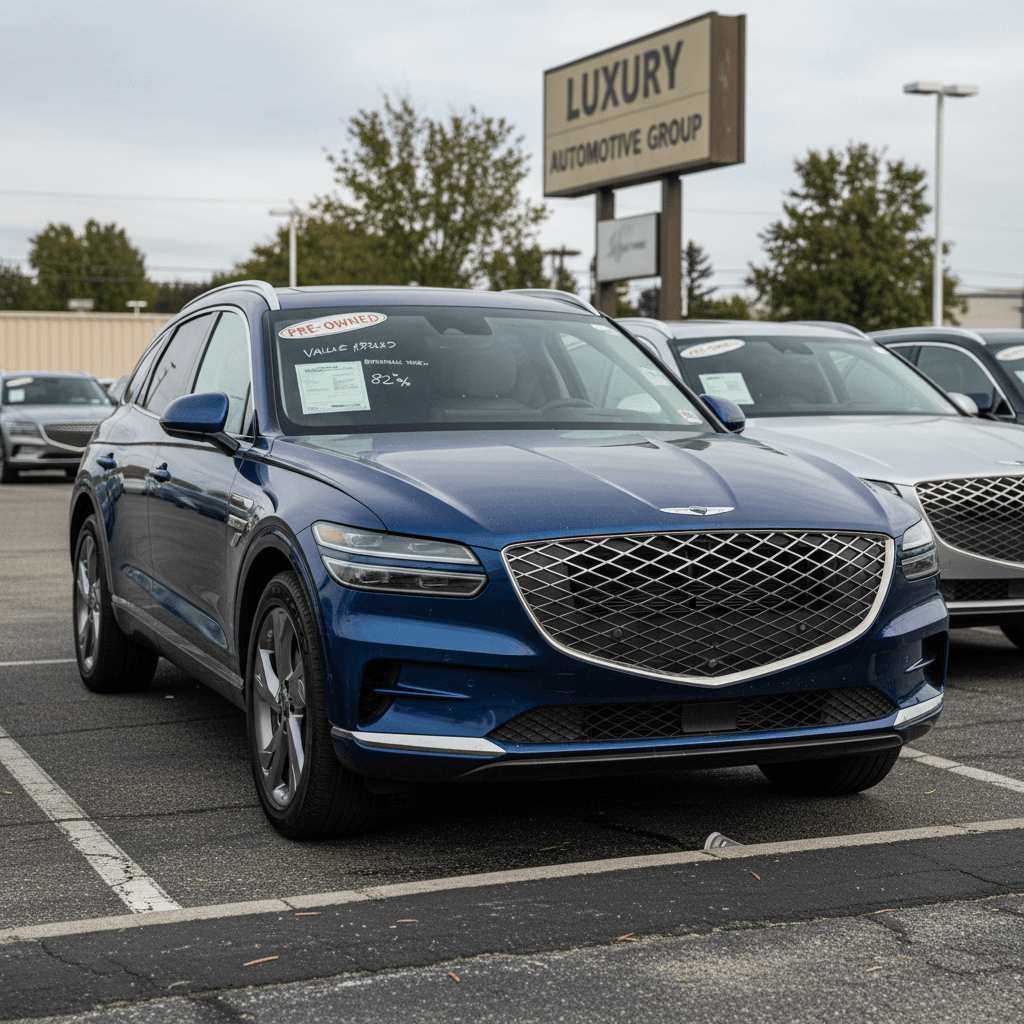
Battery health checks that protect your resale value
Document a recent battery health report
A professional high‑voltage battery health test, like the <strong>Recharged Score battery diagnostic</strong>, tells you and future buyers how much usable capacity remains compared with new.
Verify DC fast-charging history
Heavy DC fast‑charging isn’t automatically bad, but an unusually high DC ratio can raise questions about long‑term degradation. Ask for charging history data when you can.
Confirm software updates are current
EVs live and die on software. Make sure the Electrified GV70 has the latest updates for battery management, charging, and driver‑assist systems.
Check for collision or flood history
Major accidents or water damage near the battery pack can spook future buyers even if repairs were done. A clean history report supports stronger resale.
Buying strategies: use Electrified GV70 depreciation to your advantage
Depreciation isn’t just something that happens to you; it’s something you can position yourself around. With the Electrified GV70, the goal is simple: let someone else absorb the worst of the drop, while you capture most of the remaining useful life, especially of the battery and tech.
Three smart ways to time your Electrified GV70 purchase
Which approach fits your budget and risk tolerance?
Strategy 1: Nearly new (0–1 years)
Strategy 2: Early used (2–3 years)
Strategy 3: Value play (4–6 years)
How Recharged fits in
Lease vs. buy for the Electrified GV70
When leasing makes sense
If you’re nervous about where EV values will be in 3–4 years, leasing a new Electrified GV70 can push that risk back onto the captive finance arm instead of your balance sheet.
- You’re effectively paying for predicted depreciation plus interest and fees.
- If market values collapse faster than expected, you can walk away at lease end.
- If values hold better than expected, you may have an opportunity to buy out the lease below market.
When buying used is smarter
If your goal is long‑term cost of ownership rather than always having the latest thing, a 2–4‑year‑old Electrified GV70 can deliver a lot of luxury EV for the money.
- You avoid the initial 20–30% drop.
- You still get several years of factory EV coverage in most cases.
- With good financing and today’s used prices, your total 5‑year cost can undercut leasing new.
Watch the money factor, not just the payment
Common questions about Electrified GV70 depreciation
Electrified GV70 depreciation FAQs
Bottom line: is the Electrified GV70 a good used buy?
If you’re asking how fast the Genesis Electrified GV70 depreciates, the honest answer is: fast enough that you don’t want to be the one driving it off the showroom floor unless you plan to keep it a long time, but not so fast that it’s a bad bet as a used buy. Early data suggests it’s actually one of the better‑behaved luxury EV SUVs on resale, especially given its equipment and comfort levels.
The strategy that makes the most economic sense in 2026 is straightforward: target a 2–4‑year‑old Electrified GV70 with a clean history, verified battery health, and solid remaining EV warranty. That’s exactly the part of the curve where the worst depreciation is behind you but the vehicle still feels modern. If you want help finding that sweet‑spot example, and pressure‑testing the asking price against real battery data, Recharged’s digital marketplace and Recharged Score battery health diagnostics are built to do just that.