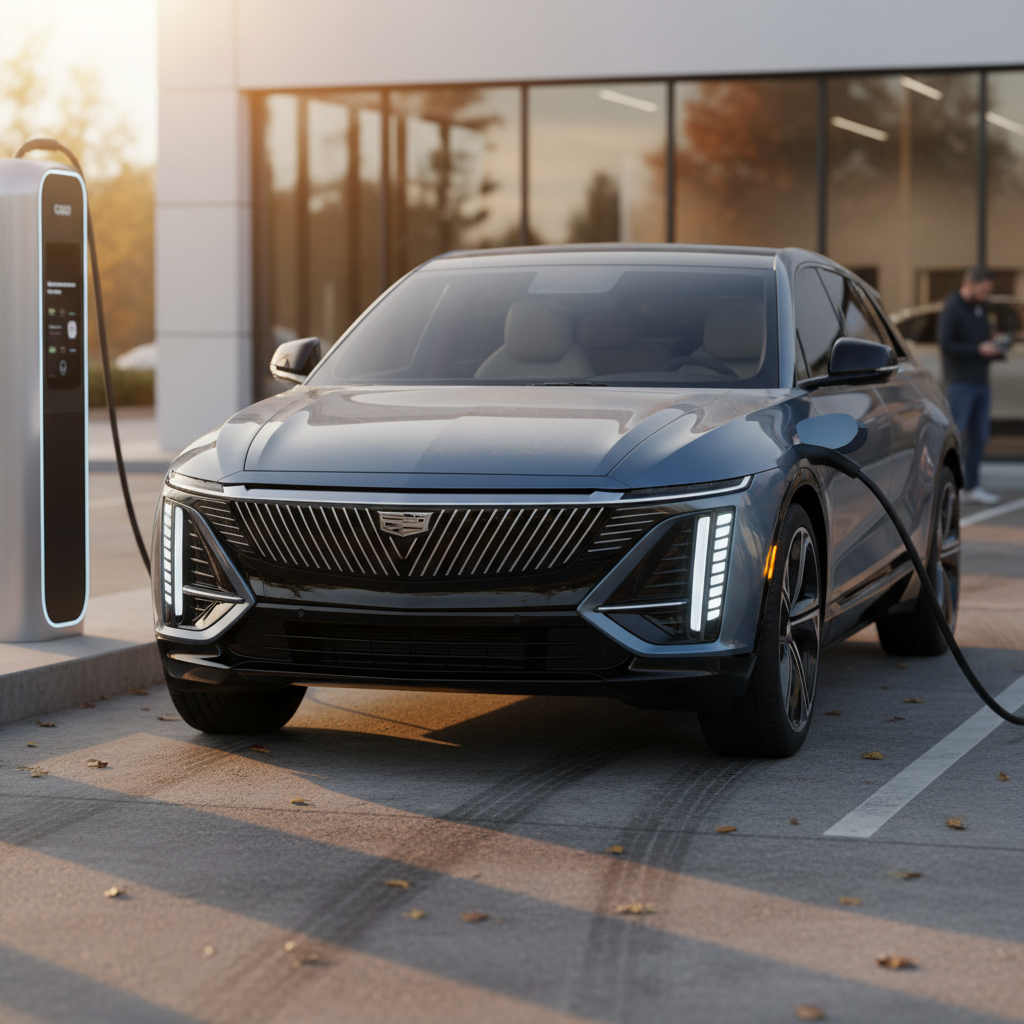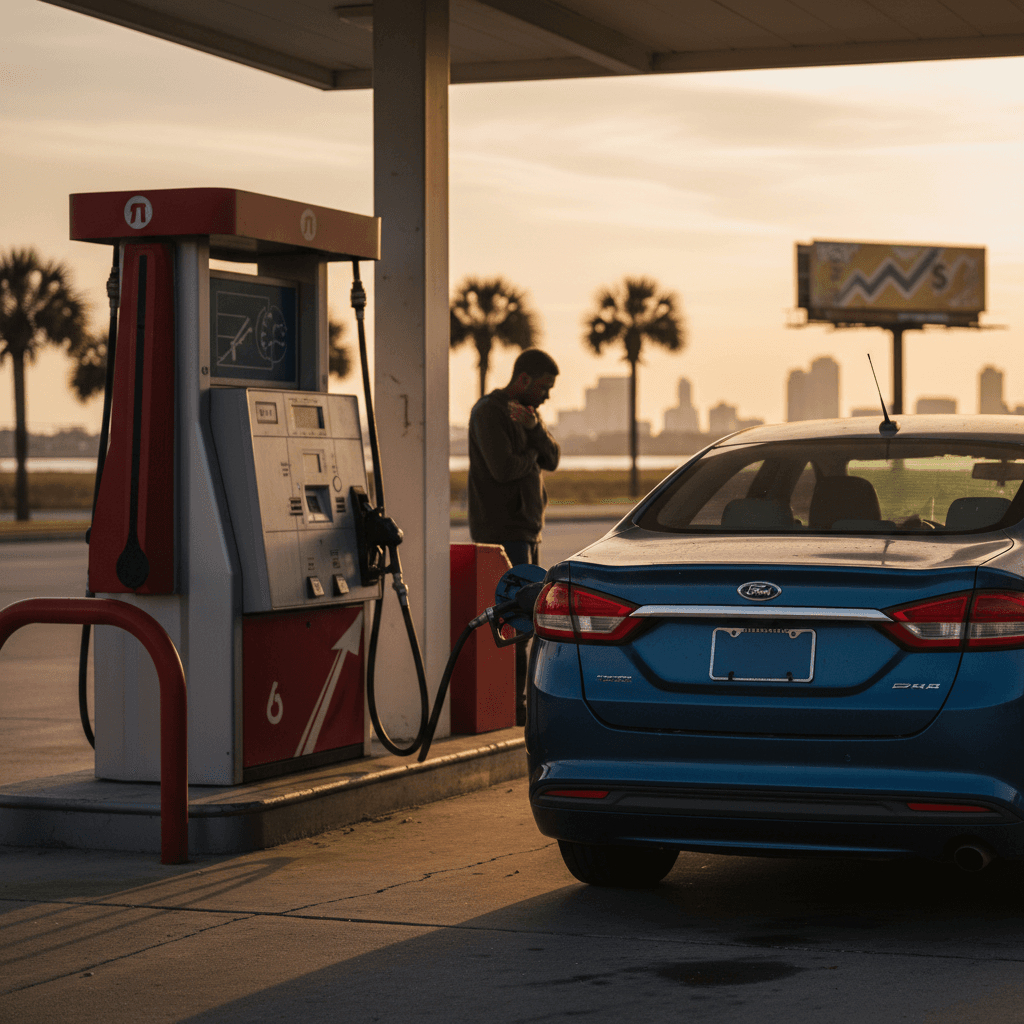
Gas prices in South Carolina in 2026 are no longer the bargain they used to be. After several years of volatility, the state is still cheaper than the national average, but regular unleaded has climbed into the mid‑$3 to low‑$4 range in early 2026, with some weeks pushing even higher as global events shake oil markets. If you commute across the Midlands, Upstate, or Lowcountry, those extra cents per gallon add up fast, and they’re a big reason more South Carolinians are running the numbers on electric vehicles.
Key point for 2026
South Carolina gas prices in 2026: quick snapshot
Gas prices in South Carolina, early 2026
Even with lower taxes, South Carolina’s pump prices move with national and global markets. When crude oil prices jump, as they did after the 2026 conflict in the Middle East, regular unleaded in the Palmetto State can swing by **20–40 cents per gallon in a matter of weeks**. Drivers who fill up two or three times a week feel that almost immediately in their budgets.
Why gas is more expensive in South Carolina in 2026
What’s pushing South Carolina gas prices higher?
Local taxes matter, but global forces matter more.
Global oil shocks
Events overseas, like the 2026 Iran conflict, drive crude oil prices higher. Gas stations in South Carolina pay more for fuel, and those costs show up at the pump within days.
Refining & supply bottlenecks
Many Southern states depend on Gulf Coast refineries and pipelines. Hurricanes, maintenance outages, or shipping disruptions can temporarily push prices up across the Southeast.
Local competition & demand
Busy interstate exits around Columbia, Greenville, or Charleston often see higher prices than rural towns. Stations with less competition have more room to raise prices when demand is strong.
In other words, you can’t assume cheap gas in South Carolina just because the state has a relatively low tax rate. **Market shocks now play a bigger role than state policy**, which is why many households are looking for ways to reduce or eliminate their dependence on gasoline entirely.
Why 2026 feels different
South Carolina gas tax, fees, and how much goes to roads
South Carolina’s pump price is a mix of wholesale fuel cost, station markup, and taxes. The **Motor Fuel User Fee**, the state’s per‑gallon gas tax, has been locked in at **28 cents per gallon since July 1, 2022**, following a multiyear phase‑in. When you include small inspection and environmental fees, the state burden adds up to roughly **28.75 cents per gallon** on gasoline, plus the federal **18.4‑cent** tax.
What’s in a gallon of gas in South Carolina?
Approximate breakdown of regular gasoline pricing components in 2026.
| Component | Approximate share of final price | What it covers |
|---|---|---|
| Crude oil cost | 45–55% | Price of oil on global markets, driven by supply, demand, and geopolitics. |
| Refining & distribution | 15–25% | Turning crude into gasoline and shipping it to South Carolina terminals. |
| Retail markup | 5–15% | Station overhead, labor, and profit. |
| SC Motor Fuel User Fee | ~28¢/gal | State tax that funds road maintenance and infrastructure. |
| Federal gas tax | 18.4¢/gal | Federal highway and transportation funding. |
Actual amounts fluctuate with oil markets and local competition, but the tax line items are relatively stable.
EVs and road funding in SC
What South Carolina drivers actually pay each month
Scenario 1: Typical commuter on gas
Let’s say you drive 1,200 miles per month in a gasoline sedan that averages 28 mpg.
- Fuel used: ~43 gallons
- Price per gallon (early 2026): ~$3.70
- Monthly gas cost: about $160
If prices spike to $4.10, that same commute jumps closer to $175 per month with no change in your driving habits.
Scenario 2: Same miles in an EV
Now take a used EV with similar range, charged mostly at home at ~13¢/kWh off‑peak.
- Energy used: ~360 kWh (0.30 kWh/mile)
- Monthly charging cost: ~$45–$50
- Public fast charging adds some cost, but many SC drivers still land under $70 total.
The result: your **fuel bill becomes predictable**, and big global oil swings barely affect your monthly budget.
Use your own numbers
How 2026 gas prices compare with recent years
To understand why 2026 feels expensive, it helps to zoom out. After the 2022 price surge, South Carolina saw a period of relative relief in 2023 and early 2024 before prices crept back up in 2025. By late 2025, statewide averages were hovering in the **upper‑$2s to low‑$3s**. Then global tensions and supply disruptions in early 2026 yanked national and state averages sharply higher.
Recent average regular gas prices – South Carolina vs U.S.
Illustrative statewide averages to show trend direction; local station prices vary.
| Year | SC average (approx.) | U.S. average (approx.) | What drivers remember |
|---|---|---|---|
| 2022 | $3.80–$4.20 | $4.00+ | Peak post‑pandemic and Ukraine‑related shock; painful summer prices. |
| 2023 | Around $3.30 | Around $3.55 | Noticeable relief vs. 2022, but still higher than pre‑2020 norms. |
| 2024 | Low–mid $3s | Upper $3s | Bumpy but manageable; many SC drivers got used to $3‑something gas. |
| 2025 | About $3.20–$3.30 | Just over $3.30 | Felt like a break, until prices started climbing again late in the year. |
| Early 2026 | Mid‑$3s to low‑$4s | Just over $4.00 | Price spikes tied to global conflict and supply uncertainty. |
South Carolina typically tracks 20–30 cents below the national average but follows the same peaks and valleys.
Rising gas prices and EV adoption in South Carolina
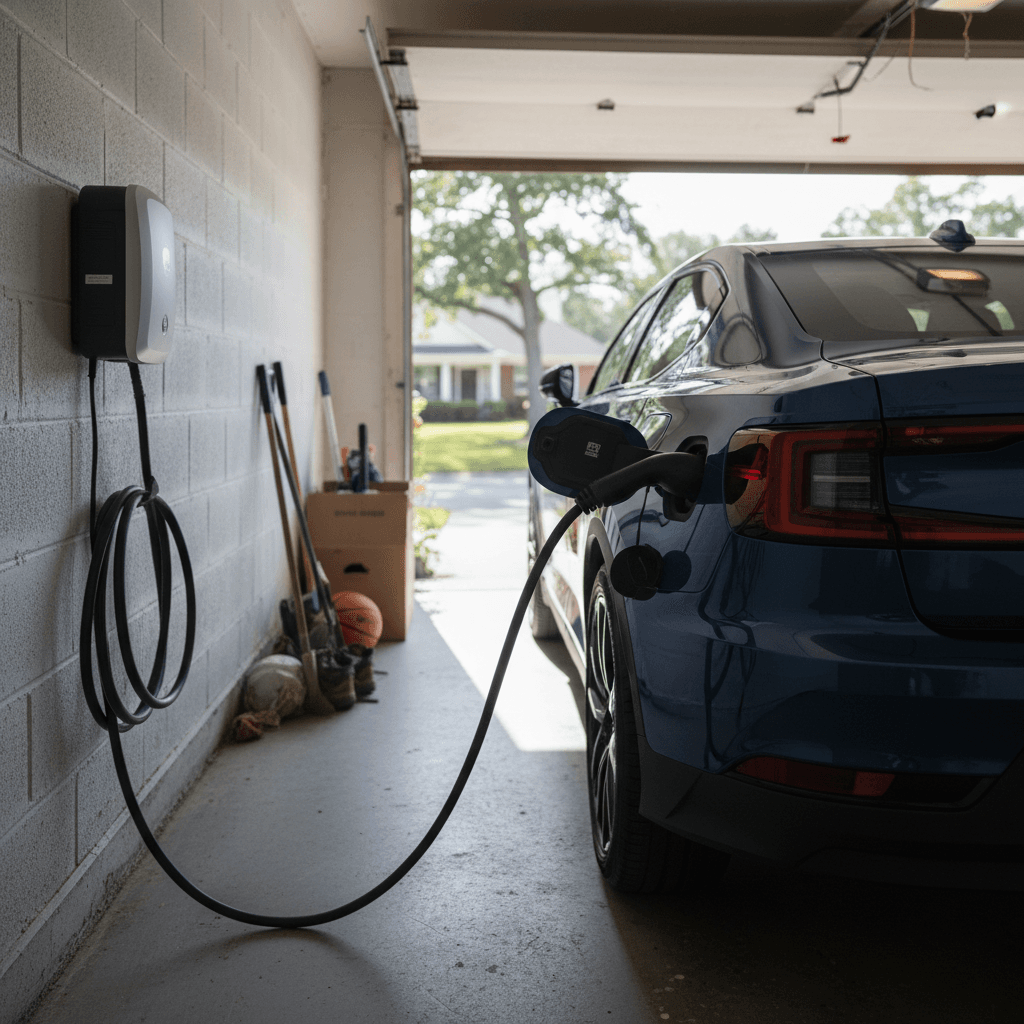
South Carolina is still a strongly gasoline‑oriented state, but the shift has started. By mid‑2024, the state had passed **20,000 registered plug‑in vehicles**, and EVs made up roughly **4–5% of new light‑duty vehicle sales in early 2025**. That’s modest compared with California, but it’s a noticeable jump from just a few years ago.
- More models: Nearly every major automaker now offers at least one EV that’s either sold in or can be brought into South Carolina, including popular crossovers and trucks.
- Growing charging network: Public DC fast‑charging coverage along I‑26, I‑20, I‑77, and I‑95 continues to improve, with more stations funded by federal and utility programs.
- Cost anxiety shifts: Instead of asking, “Will an EV work here?” more households are quietly asking, “Can I afford to keep feeding a gas tank every month?”
Why used EVs are gaining traction
When does an EV make financial sense in South Carolina?
3 situations where a used EV beats paying for gas
Based on South Carolina gas prices and typical driving patterns in 2026.
You drive 15,000+ miles a year
High‑mileage commuters feel fuel price spikes the most. Saving even $80–$120 per month on gas can outweigh a slightly higher car payment on a used EV.
You can charge at home
A simple Level 2 home charger (or even a standard outlet for overnight top‑ups) lets you access stable, lower electricity rates instead of volatile pump prices.
You keep cars 5+ years
The longer you own the vehicle, the more years you have to harvest fuel and maintenance savings, especially as gas prices in South Carolina keep trending upward in fits and starts.
Many prospective EV buyers worry most about **battery health** and **resale value**. That’s where transparent data matters. Every vehicle sold through Recharged, for example, includes a Recharged Score Report with verified battery diagnostics and fair‑market pricing, so you’re not guessing about how much usable life is left in the pack.
Quick checklist: Is a used EV right for your South Carolina commute?
1. Add up your true fuel costs
Include gas, oil changes, and extra maintenance driven by high mileage. Compare that total to what you’d spend charging at home and occasionally on the road.
2. Look at your daily route
If most of your driving is around Columbia, Greenville, Spartanburg, Charleston, or Myrtle Beach, you’re near the bulk of South Carolina’s charging infrastructure.
3. Check home charging options
Do you have off‑street parking or a garage? A basic 240‑volt outlet can support Level 2 charging and dramatically improve the EV ownership experience.
4. Factor in long trips, not just commutes
If you regularly drive I‑95 or head to the mountains, make sure your EV of interest has compatible fast‑charging options along your routes.
5. Use total cost of ownership, not just sticker price
Compare the full 5‑year cost, payments, fuel, maintenance, and registration fees, for a gas car and a used EV you’re seriously considering.
How Recharged can help
How to protect yourself from fuel price spikes
Short‑term moves (if you’re staying on gas for now)
- Use price apps: Tools like GasBuddy or AAA can help you avoid overpriced stations, especially near interstates.
- Adjust driving habits: Smoother acceleration and lower highway speeds can improve mpg by 5–15%.
- Maintain your car: Proper tire pressure and timely tune‑ups keep fuel economy from degrading.
- Avoid last‑minute fills: Don’t wait until you’re on E at an expensive exit. Fill up where you know prices are lower.
Long‑term strategy: Reduce your exposure
- Plan your next car around fuel risk: If you’ll buy in the next 12–24 months, include used EVs and high‑efficiency hybrids in your research.
- Consider a household mix: Many families keep one gas vehicle for long trips and add one EV for commuting and errands.
- Leverage digital shopping: Platforms like Recharged let you compare used EV options across the country and arrange nationwide delivery without leaving home.
- Think in 5‑year totals, not weekly gas bills: A slightly higher car payment can still be a win if it comes with much lower, more predictable energy costs.
Don’t ignore the trend line
FAQ: Gas prices in South Carolina in 2026
Frequently asked questions
Gas prices in South Carolina in 2026 are sending a clear message: you can’t count on cheap gasoline to keep your cost of driving in check. The state’s relatively low gas tax softens the blow, but it doesn’t shield you from global shocks that push prices higher with little warning. If you’re tired of budgeting around the pump, this is a good moment to run a true **total‑cost‑of‑ownership comparison** between the gas vehicles you’ve always driven and the growing pool of used EVs now available. With transparent battery‑health reporting, fair pricing, and EV‑savvy support from platforms like Recharged, it’s easier than ever to decide whether your next car should sip gas, or skip it altogether.