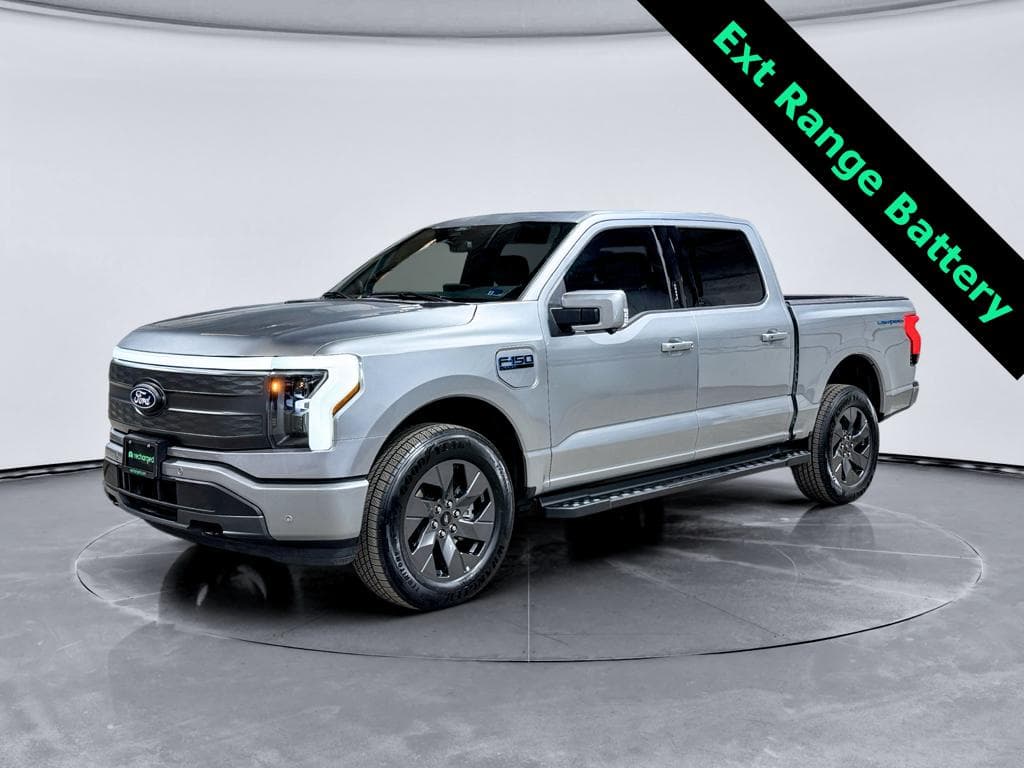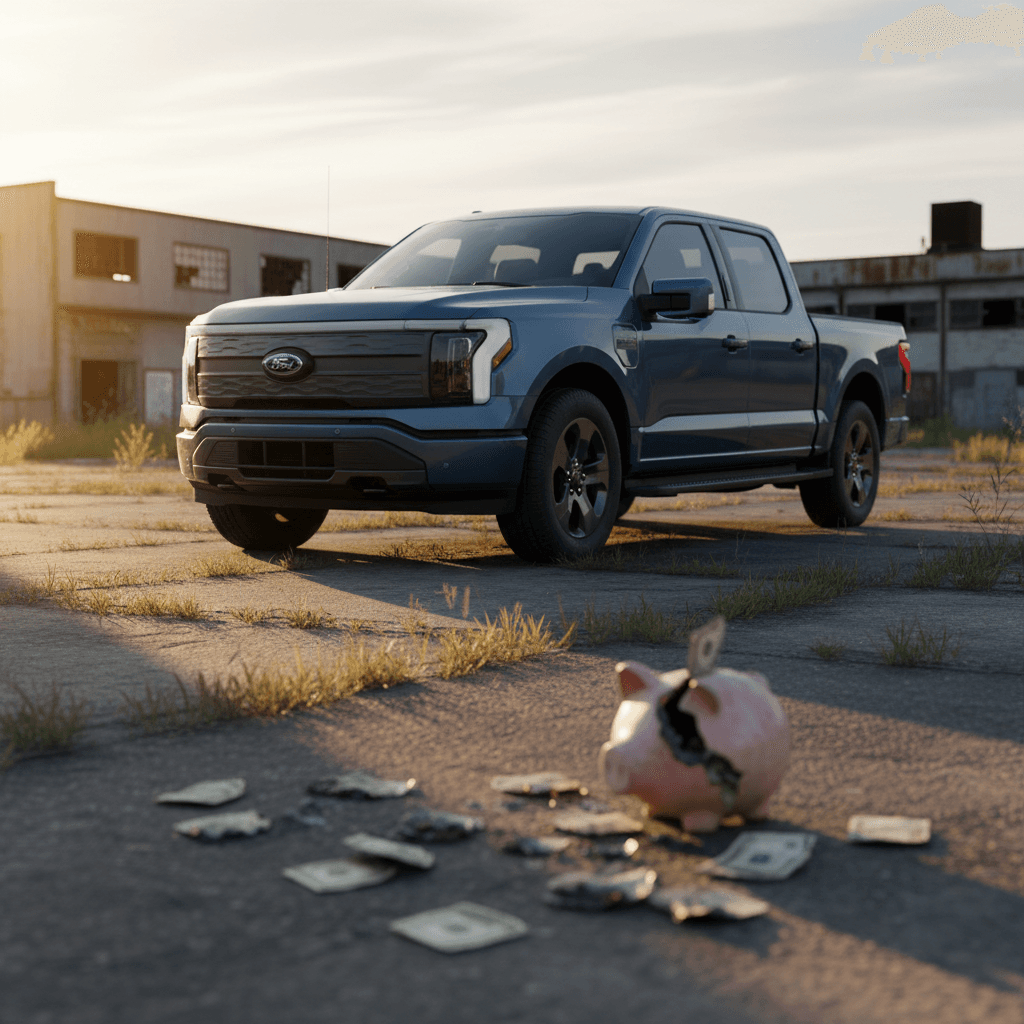
If you’ve watched Ford F-150 Lightning prices over the last few years, you’ve seen a wild ride. Early buyers paid eye‑watering MSRPs; by 2025, many of those same trucks are selling used for barely half of their original sticker. So how fast does the Ford F-150 Lightning actually depreciate, and what does that mean if you own one or want to buy used?
Quick answer
Overview: How fast does the F-150 Lightning depreciate?
Ford F-150 Lightning depreciation at a glance (2025 market)
Those headline numbers can sound brutal, especially if you were an early adopter. But there’s important context: Ford slashed new‑truck pricing, dealers piled on incentives, and the entire EV market repriced in 2023–2024. Depreciation for the F-150 Lightning hasn’t been a smooth, gentle curve; it’s been more like a step‑down staircase with a big drop in the first few years and a gentler slope after.
Why did Ford F-150 Lightning values fall so fast?
Four forces behind steep early F-150 Lightning depreciation
Understanding the “why” makes the numbers a lot less mysterious.
1. Big MSRP cuts and incentives
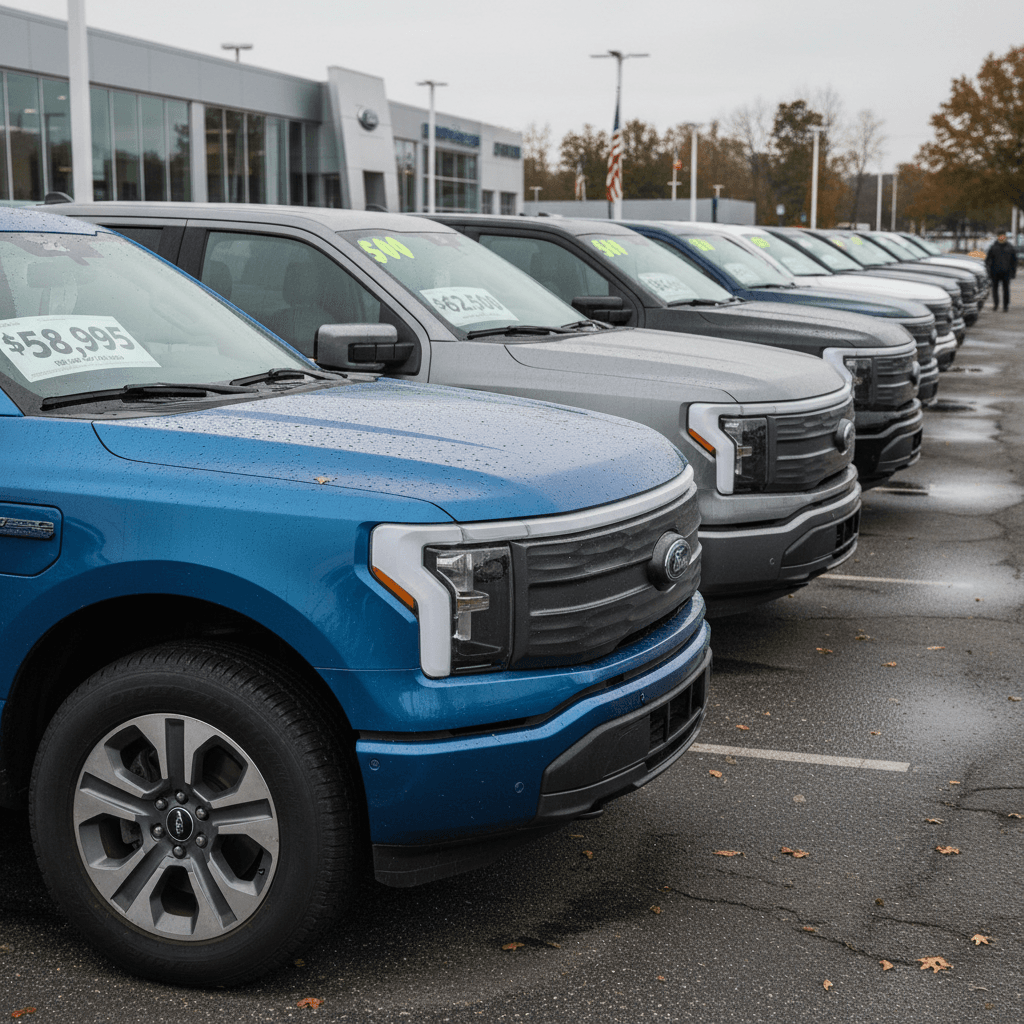
Ford cut Lightning prices by thousands of dollars between 2023 and 2024, and dealers layered on rebates, finance deals, and fleet incentives. A truck that once stickered around $80,000 could suddenly be bought new in the $60,000s, or less, making used trucks priced near old MSRPs instantly uncompetitive.
2. Rapid EV market repricing
Across the EV world, used values slid as new EV prices fell and more supply hit the market. The Lightning launched into a super‑hot, low‑inventory market; by 2024–2025, inventory and incentives looked very different, and values reset accordingly.
3. Range, towing, and cold‑weather concerns
Real‑world reports of range loss when towing or in winter scared off some traditional truck buyers. Even though many owners are happy, perceived risk about range and battery life pushes resale values down faster than for a familiar gas F‑150.
4. Production swings and supply
Ford ramped up Lightning production quickly, then scaled plans back when demand cooled. Those waves of supply, especially the 2022–2023 surge, created a lot of relatively similar trucks hitting the used market at once, which increases competition and drives prices down.
Think like a market, not a victim
3‑year and 5‑year Ford F-150 Lightning depreciation
Let’s turn the “how fast does it depreciate” question into rough timelines. Every truck is different, but market data for 2022–2024 model years gives us a useful pattern.
Illustrative Ford F-150 Lightning depreciation curve
Approximate value retention for mainstream trims based on early‑2025 used asking prices and market forecasts.
| Age of truck | Approx. value retained vs original MSRP | Approx. depreciation |
|---|---|---|
| Year 1 | 70–75% | 25–30% drop |
| Year 3 | ≈52% | ≈48% drop |
| Year 5 (projected) | ≈44% | ≈56% drop |
These are ballpark percentages for clean‑title, average‑mileage trucks; your exact numbers depend on how much you actually paid after discounts and incentives.
The key is that a big chunk of the Lightning’s depreciation is front‑loaded. Trucks that are two to three years old have already taken much of the hit from early price cuts and EV market repricing. From that point onward, the value curve is expected to look more like a traditional truck: slower, more predictable declines each year instead of cliff‑like drops.
Beware of “new MSRP vs used price” traps
Ford F-150 Lightning vs gas F-150 depreciation
What gas F-150s normally do
Historically, well‑equipped gas F‑150s are resale champs. It’s common to see popular trims holding 60%+ of their value after three years and staying comfortable in the 50s at five years, especially on desirable configurations and in truck‑centric regions.
Five‑year value retention in the mid‑50% range has been a typical benchmark for strong‑resale half‑ton pickups.
Where the Lightning sits today
The F-150 Lightning’s early data points to ≈52% 3‑year value retention and projected mid‑40s at five years. In plain English: it’s depreciating faster than the gas F‑150 so far, but not disastrously for an all‑new, first‑generation EV truck.
Think of the Lightning as a truck whose resale performance currently sits between a rock‑solid gas F‑150 and a more niche or luxury EV truck.
Different buyers, different math
F-150 Lightning depreciation vs other electric trucks
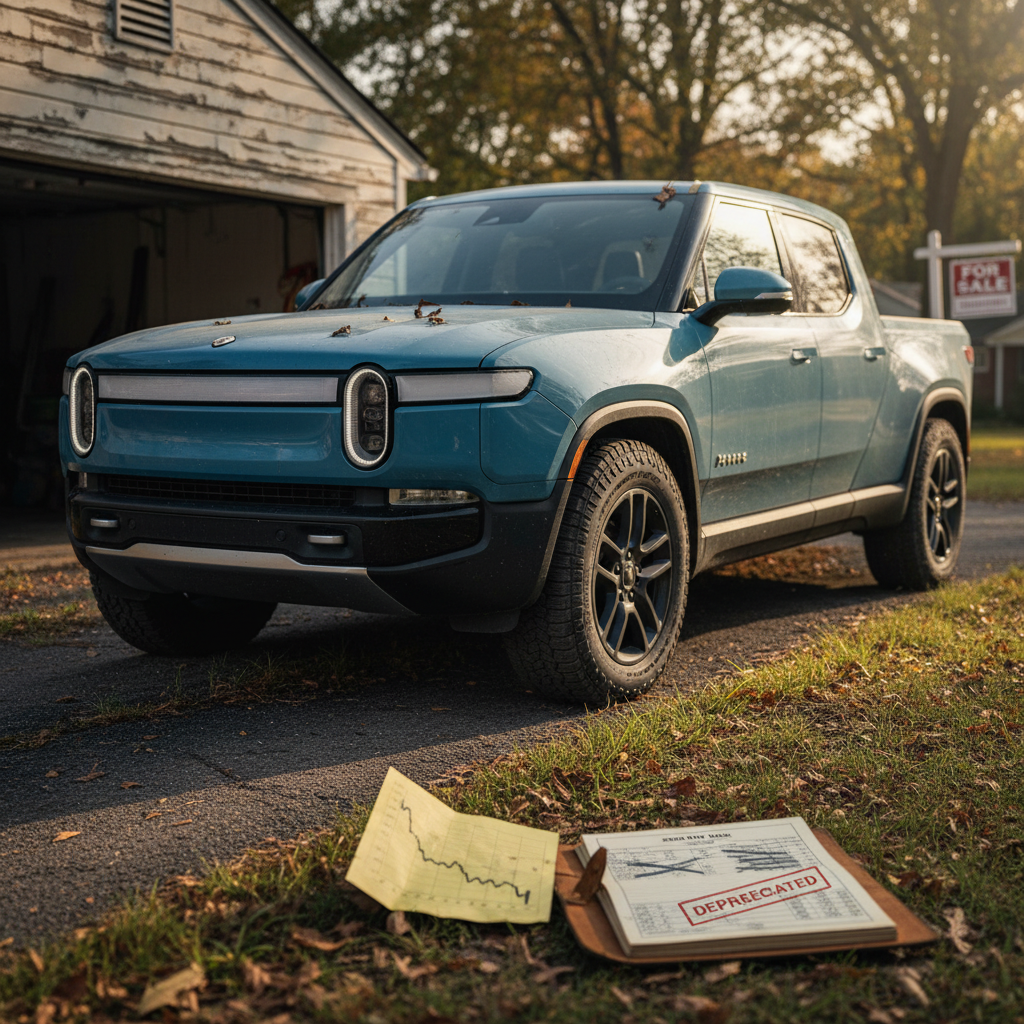
The Lightning isn’t the only electric pickup fighting steep early depreciation. Rivian’s R1T, GMC’s Hummer EV pickup, and early Cybertrucks are all navigating the same reality: brand‑new segment, limited buyer base, and fast‑moving tech.
How the Lightning stacks up against other EV trucks
High‑level value trends from early market data.
Ford F-150 Lightning
- Large supply, mainstream brand, lots of trims.
- Steep early drops, then moderating.
- Strong appeal for fleets and work use as prices fall.
Rivian R1T
- High initial MSRPs and niche, adventure‑focused buyers.
- Used prices have also come down sharply from launch.
- Smaller buyer pool than Ford, which can amplify swings.
GMC Hummer EV & others
- Very high original prices and limited supply.
- Resale influenced as much by hype and rarity as by math.
- Lightning feels more like a normal work truck, which generally supports steadier long‑term demand.
Why that matters to you
Trim, battery, and options: what holds value best?
Not all Lightnings depreciate equally. Two trucks that look similar from 20 feet away can have very different value stories once you look at trims, battery packs, and options.
How configuration changes F-150 Lightning depreciation
Flash, XLT, and Lariat are the used sweet spot
Mid‑level trims with good equipment but without ultra‑luxury price tags tend to hold value better in percentage terms because they start from a more reasonable MSRP and appeal to a wider pool of second owners.
Extended‑range battery vs standard‑range
Bigger batteries add cost up front, and buyers do like the extra range, especially for towing. But if the option pushed MSRP into the stratosphere, that extra spend doesn’t always come back dollar‑for‑dollar at resale.
Towing and work packages
Pro Power Onboard, spray‑in bedliner, tow packages, and practical accessories generally help value, especially for buyers replacing a traditional work truck with an EV.
Luxury and appearance packages
Big wheels, premium audio, and cosmetic packages look great when new, but can be the first things buyers are willing to compromise on to save thousands on a used truck.
Commercial vs retail spec
Fleet‑spec trucks may have lower MSRPs but can see more wear and less desirable options. A clean, privately owned XLT or Lariat often commands a stronger price than a harder‑used work truck.
Software and tech features
OTA update support, BlueCruise availability, and newer infotainment revisions can reassure second owners that the truck will stay modern longer, which helps long‑term value.
How price cuts and incentives skew your personal depreciation
When people ask how fast the F-150 Lightning depreciates, they often look at MSRP on their original window sticker and compare it to today’s used prices. That can be misleading for two big reasons.
- Ford lowered Lightning MSRPs on 2023–2024 trucks by several thousand dollars and reshuffled trims, effectively resetting the market’s reference point.
- Dealers added (and then removed) markups, rebates, and very aggressive discounts at different times, so what buyers actually paid varied wildly even for identical trucks.
Example: the $80k truck that was never really $80k
This is why two owners of nearly identical Lightnings can tell very different depreciation stories. The truck that was bought with big discounts from day one may actually be holding value reasonably well, while the early MSRP‑plus‑markup purchase feels like a disaster.
What this depreciation means if you own an F-150 Lightning
If you already own a Lightning, resale value is only part of the equation. The real question is how depreciation fits into your total cost of ownership alongside fuel savings, maintenance, and how much you actually use the truck.
Owner playbook: making peace with Lightning depreciation
Three strategies that put you back in control.
1. Plan to keep it longer
The more years you spread that early price hit over, the less painful it feels. If you love the truck, keeping it 7–10 years, especially if your battery health stays strong, can make the math work out just fine.
2. Count your fuel and maintenance savings
Compared with a similar gas F‑150, Lightning owners often save thousands on fuel and routine maintenance over several years. Those savings effectively offset some of the extra depreciation when you run the numbers all the way out.
3. Be strategic about trade‑in timing
If you do plan to exit, avoid panicking during moments of big new‑truck incentives that temporarily crush used values. Getting multiple appraisals, and exploring consignment options, can help you capture more of your truck’s remaining value.
How Recharged can help Lightning owners
How to shop smart for a used Ford F-150 Lightning
Here’s the upside to all this: the same fast depreciation that stung early owners has created some of the best electric‑truck deals on the used market. If you’re shopping for a Lightning now, you can let someone else eat that early drop, if you do your homework.
Used F-150 Lightning buying checklist
1. Focus on 2–3‑year‑old trucks
Look for 2022–2023 examples with mileage that matches your expectations. These trucks have already taken the steepest depreciation hit but still feel nearly new in tech and features.
2. Compare against original and current pricing
When you find a truck, look up its original window sticker and compare it to today’s asking price <em>and</em> to what similar new trucks are actually selling for. You’re aiming for a meaningful discount versus both.
3. Prioritize verified battery health
Battery condition is central to any used EV’s value. A truck with documented, third‑party battery‑health data, like a <strong>Recharged Score battery diagnostic</strong>, is easier to trust and easier to resell later.
4. Check charging history and usage pattern
Frequent DC fast‑charging, heavy towing, or extreme climates can accelerate battery wear. Ask sellers how they charged the truck and where it lived; a predominantly home‑charged commuter may be a better bet than a hard‑used work truck.
5. Test real‑world efficiency on your route
On a test drive, watch energy consumption on your typical roads and speeds. That tells you more about how this specific truck will perform for you than the EPA sticker ever will.
6. Get competing offers for your trade
If you’re swapping out of a gas truck or older EV, don’t accept the first number you hear. Getting offers from multiple buyers, and exploring consignment through platforms like Recharged, can easily swing your net cost by thousands.
Why shop used with Recharged
Ready to find your next EV?
Browse VehiclesFAQ: Ford F-150 Lightning depreciation questions
Common questions about F-150 Lightning depreciation
Bottom line: Should depreciation stop you from buying a Lightning?
The Ford F-150 Lightning has absolutely depreciated faster than many buyers expected, particularly those who bought at early, high MSRPs before the EV market reset. But that doesn’t make it a bad truck, or even a bad financial decision, if you zoom out. For owners who keep the truck longer and factor in fuel and maintenance savings, the total cost of ownership can still compare well to a gas F‑150. And for used shoppers stepping in now, the steep early drop is precisely what makes the numbers so compelling.
If you’re evaluating a Lightning, don’t fixate on scary percentage drops in isolation. Focus on your real costs: what you’ll pay today, how you’ll use the truck, how long you’ll keep it, and how confident you are in its battery and charging fit for your life. That’s where Recharged comes in, combining verified battery health, transparent pricing, financing, trade‑in options, and EV‑savvy support to help you navigate the Lightning’s depreciation story with clear eyes and a solid plan.