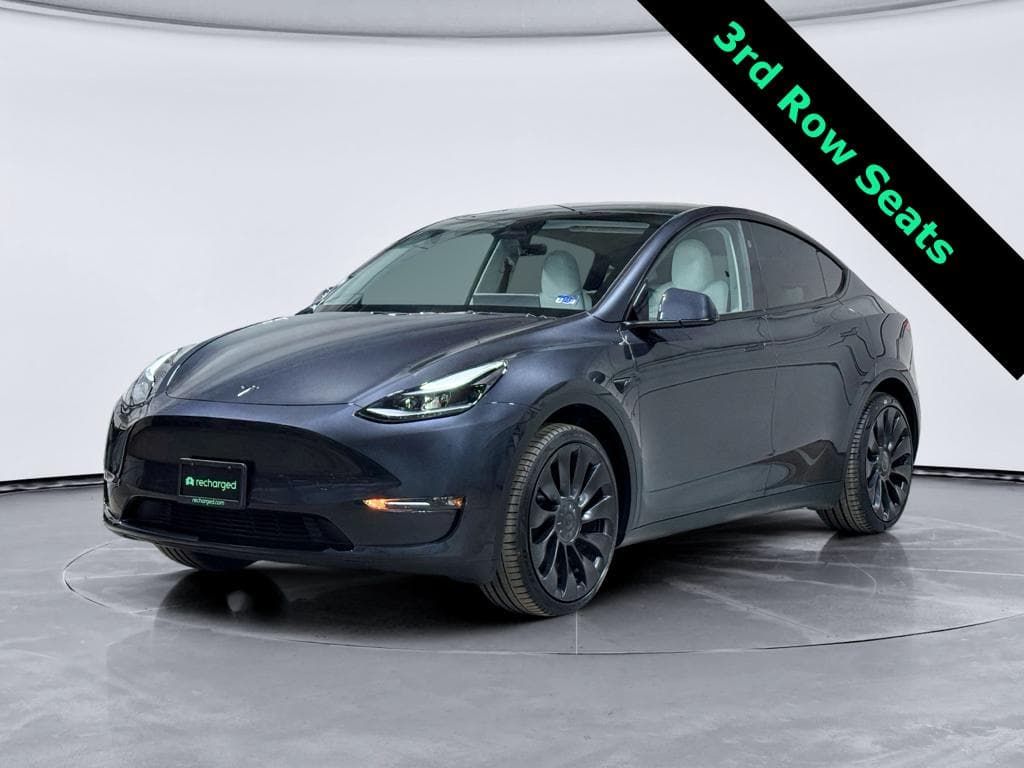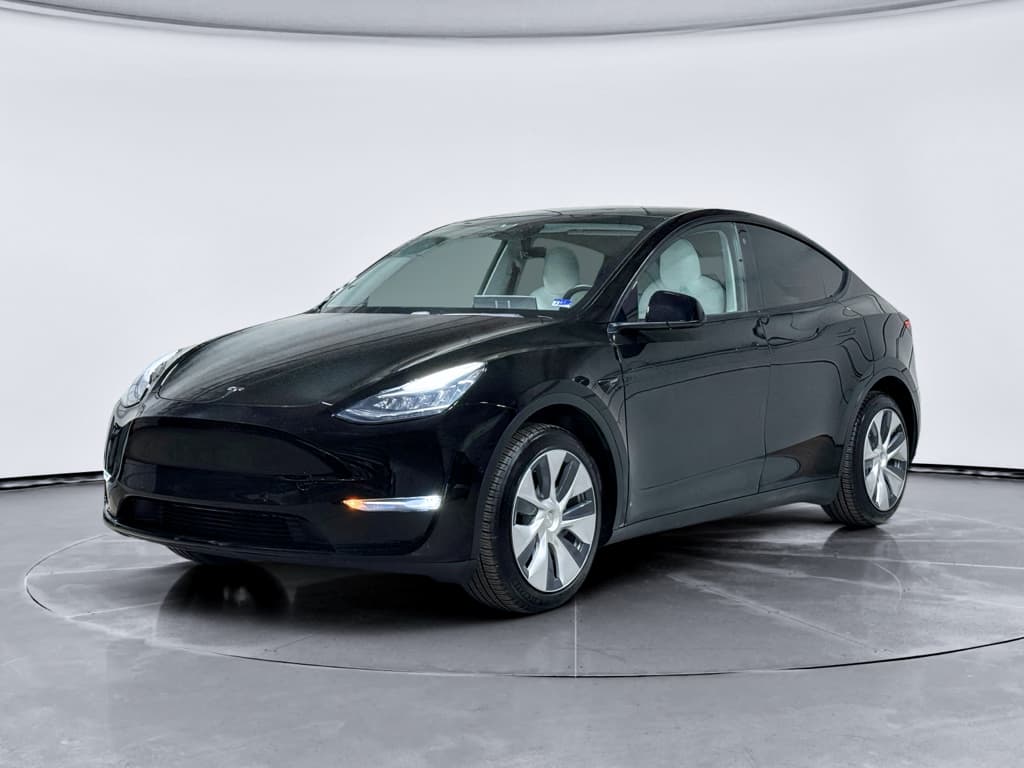
The 2023 Tesla Model Y is the year when Tesla’s best-selling SUV really hit its stride: strong range, brutal acceleration if you want it, and access to the Supercharger network in a compact family package. In this 2023 Tesla Model Y review, we’ll break down trims, real-world range, charging, reliability, ownership costs and what you should watch for if you’re shopping used.
Where the 2023 Model Y fits
2023 Tesla Model Y overview
By 2023, the Model Y had become the default EV for a lot of U.S. households. It rode on years of over‑the‑air improvements, a maturing Supercharger network and aggressive price cuts that made it far more attainable than early Teslas. For used shoppers in 2026, that combination of scale and maturity makes the 2023 cars a sweet spot, new enough to benefit from Tesla’s latest engineering, old enough that the steepest depreciation is already behind you.
2023 Tesla Model Y: key numbers at a glance
Heads up on incentives
2023 Model Y trims, range and key specs
Tesla shuffled naming and pricing several times around 2023, but the basic lineup was straightforward: a single‑motor Rear‑Wheel Drive, plus dual‑motor all‑wheel‑drive variants with more power and range. When you’re shopping used, it’s critical to understand which one you’re looking at, because range and performance vary a lot.
2023 Tesla Model Y trim comparison
Approximate EPA ranges and performance for the main 2023 trims. Exact figures can vary slightly by wheels and options.
| Trim (2023) | Drivetrain | Approx. EPA range | 0–60 mph (est.) | Original MSRP* |
|---|---|---|---|---|
| Model Y RWD | Single-motor RWD | ≈260 mi | ~6.6 s | $43,990+ |
| Model Y AWD | Dual-motor AWD | ≈279 mi | ~5.0 s | $47,000+ |
| Model Y Long Range AWD | Dual-motor AWD | ≈330 mi | ~4.8 s | $48,990+ |
| Model Y Performance | Dual-motor AWD | ≈303 mi | ~3.5 s | $52,000–$55,000+ |
Use this table as a quick reference when decoding listings for used 2023 Model Ys.
Decoding a listing
- Body style: 5‑door compact crossover SUV
- Seats: 5 standard; some 2023s have an optional 7‑seat third row (tight, kid‑only)
- Battery: roughly 81 kWh usable pack on most trims
- Drive: Rear‑wheel drive or dual‑motor all‑wheel drive
- Towing: up to 3,500 lb when equipped with factory tow package
Driving impressions: performance, comfort and handling
Even in base form, the 2023 Tesla Model Y feels quick compared with most gas SUVs. The dual‑motor cars in particular deliver that instant EV shove that makes on‑ramps and passing effortless, and the Performance trim will embarrass a lot of sports cars. Steering is light but accurate, with Tesla’s typical focus on a planted, confident feel rather than razor‑sharp feedback.
On‑road character of the 2023 Model Y
What you’ll notice after the first week of driving
Strong acceleration
Efficient cruising
Ride and noise
Wheel size matters
Compared with other compact EV SUVs, the Model Y’s driving experience leans more toward efficiency and straight‑line punch than playful handling. The steering ratio and stability control tune make it feel secure rather than lively. If you’re coming from a traditional crossover, that’s probably a welcome trade; if you’re an enthusiast, the Performance trim’s lowered suspension and stickier tires are the ones to hunt for, just be realistic about the ride over broken pavement.
Charging, battery and real-world range
On paper, a 2023 Tesla Model Y Long Range AWD with about 330 miles of EPA‑rated range looks like the obvious pick. In the real world, your usable range will generally be lower once you factor in cold weather, highway speeds and the fact that most owners avoid charging to 100% every day to preserve battery health.
Home charging
For most owners, the Model Y is at its best when you can plug in at home. With a 240V Level 2 charger on a 40–48 amp circuit, a 2023 Model Y can typically add 30–40 miles of range per hour, fully recharging overnight from typical daily driving.
If you live in a multi‑unit building, confirm that you can install a charger or at least access a dedicated circuit. That will have a bigger impact on your ownership experience than squeezing out an extra 20 miles of EPA range.
Public & road‑trip charging
One of the 2023 Model Y’s biggest advantages is access to Tesla’s Supercharger network, which remains the most reliable fast‑charging network in North America. A healthy 2023 pack can typically go from about 10–80% in ~25–30 minutes on a high‑power Supercharger.
By 2026, more non‑Tesla EVs have started using Tesla’s NACS plug, but the Model Y still enjoys the smoothest end‑to‑end integration between car, charger and payment.
Battery longevity
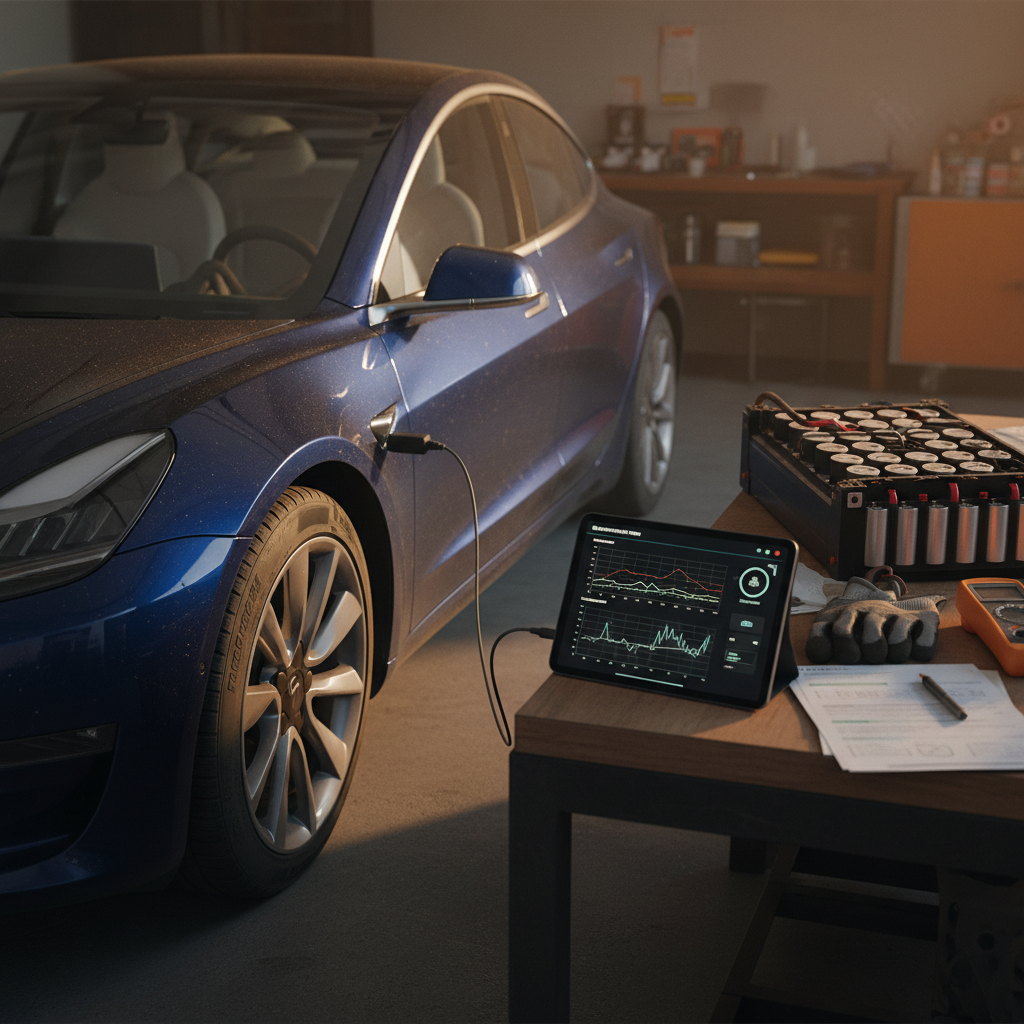
If you’re evaluating a specific used 2023 Model Y, look at typical energy use rather than just the headline range. Many owners see around 250–280 Wh/mile in mixed driving. In colder climates or mostly highway use, expect less. Tools like the car’s built‑in energy graph, or an independent report like the Recharged Score battery health diagnostic, can give you a realistic sense of remaining range instead of relying on guesses.
Interior, cargo space and tech experience
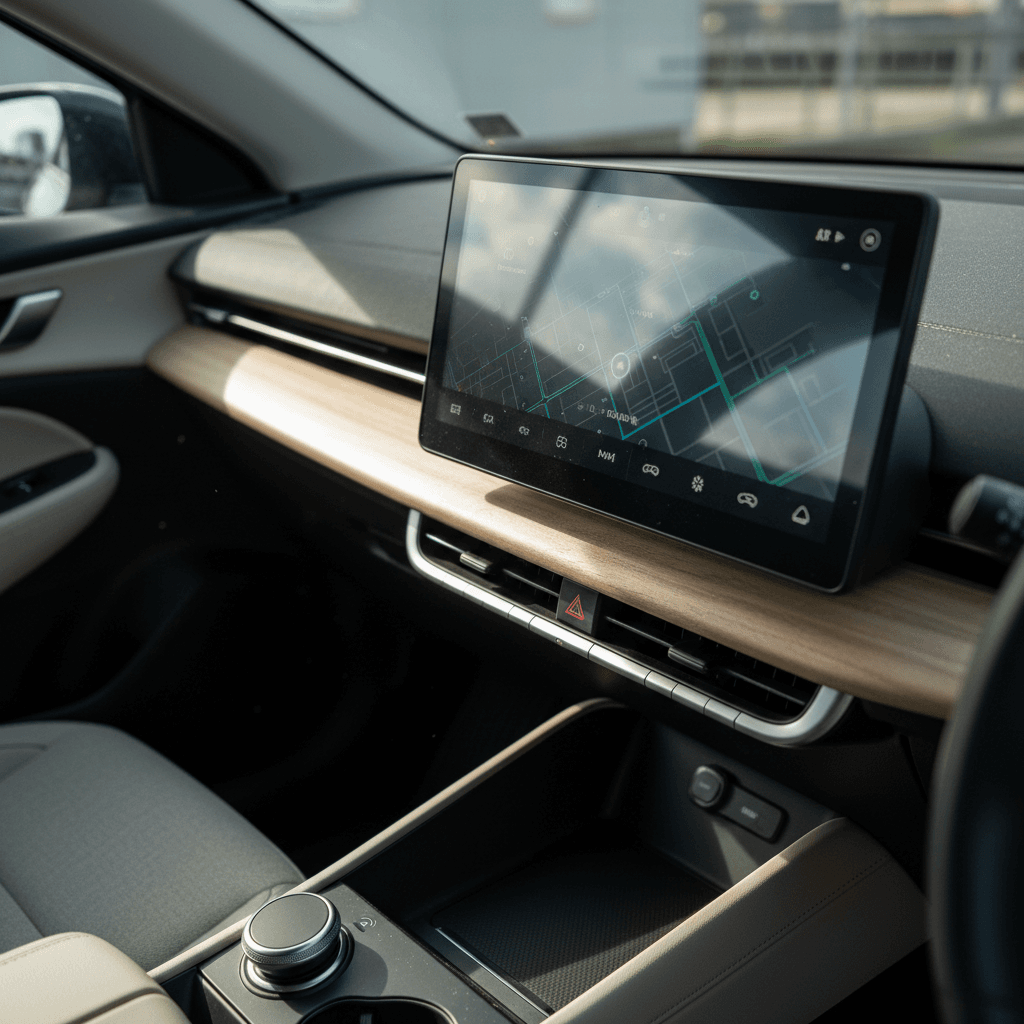
Open the door of a 2023 Model Y and you’re greeted by a minimalist cabin dominated by a single touchscreen. There’s no traditional gauge cluster, few physical buttons, and a huge glass roof on many cars. Some people love the clean aesthetic and feeling of space; others miss conventional controls and a more traditional dash.
Interior strengths and weaknesses
What stands out when you live with a 2023 Model Y
Excellent space efficiency
Screen‑centric controls
Fit, finish and comfort
Cargo space is a strong point. The Model Y’s deep rear well and under‑floor storage, combined with a front trunk, make it feel more like a small wagon than a conventional crossover. Families will appreciate the wide hatch opening and split‑folding rear seats, though the optional third row, if equipped, is really for kids or emergency use only.
Third row or no third row?
Reliability, safety and day-to-day ownership
The 2023 Model Y sits at an interesting crossroads for reliability. In U.S. owner surveys, it tends to score better than earlier Teslas, and many drivers report trouble‑free ownership beyond routine service like tires and cabin filters. At the same time, technical inspection data from Europe shows higher‑than‑average defect rates for 2–3‑year‑old Model Ys, especially for things like suspension, brakes and build‑quality‑related issues.
Common trouble spots
- Paint and trim: Chipping, inconsistent panel gaps and loose interior panels are recurring themes. Cosmetic rather than catastrophic, but they matter at resale time.
- Wind noise & rattles: Door seals and hatch alignment can cause whistles or creaks at highway speeds.
- Suspension and tires: Heavier EVs and sticky tires mean faster wear. Expect to replace tires more often than on a light gas crossover.
What usually holds up well
- Battery and drive units: Serious failures are rare relative to the number on the road, and Tesla’s long warranty adds a safety net.
- Brakes: Regenerative braking means pads and rotors often last a long time, though infrequent use can lead to surface rust in wet climates.
- Software: Over‑the‑air updates fix bugs and add features, though they can also change behavior in ways you may or may not like.
Don’t ignore recall history
On safety, the Model Y does well where it counts: crash‑test scores and active safety features. 2023 cars include automatic emergency braking, lane‑keeping assist and adaptive cruise control as standard. Tesla’s Autopilot and optional Full Self‑Driving features remain controversial, and they’re driver‑assist systems, not autonomous driving. Treat them as such, particularly on a used vehicle where camera calibration and tire condition may no longer be exactly as new.
How the 2023 Model Y compares to other EV SUVs
If you’re cross‑shopping, the 2023 Model Y lives in a crowded but still relatively young segment. Ford’s Mustang Mach‑E, Hyundai’s Ioniq 5, Kia’s EV6 and Volkswagen’s ID.4 all offer compelling alternatives. The Model Y’s defining advantages are charging access, efficiency and software polish; its weaknesses are ride comfort and inconsistent build quality.
2023 Model Y vs key EV SUV rivals
High‑level snapshot rather than a full comparison test
Charging ecosystem edge
Software & user experience
Ride & refinement
Value as a used buy
Buying a used 2023 Tesla Model Y
Three years on, the 2023 Model Y is squarely in the used market’s sweet spot. Depreciation has softened prices, but the hardware and software are still current enough that you won’t feel like you’re buying an obsolete EV. The key is separating a well‑cared‑for car from one that’s lived a hard life on harsh roads, in ride‑hail service or under multiple owners.
How Recharged helps
Ready to find your next EV?
Browse Vehicles- Aim for cars with a documented service history and minimal accident damage.
- Consider how much range you really need; a Long Range AWD is great, but a well‑priced RWD might be plenty if you mostly commute locally.
- Factor wheels and tires into total cost, Performance cars on 21‑inch wheels can chew through rubber quickly.
- If Autopilot or Full Self‑Driving is important to you, verify whether the software package transfers with the car under current Tesla policies.
Checklist: what to look for in a used Model Y
Used 2023 Tesla Model Y inspection checklist
1. Verify battery health and fast‑charging history
Request a battery health report (for example, the Recharged Score) and review recent range at 100% and 80%. Heavy DC fast‑charging use isn’t a deal‑breaker, but all else equal, a car that lived mostly on home Level 2 is a safer bet.
2. Inspect panel gaps, paint and glass
Walk around the car slowly. Look for mismatched paint, overspray, misaligned doors or hatch and chips around the wheel arches. Check the glass roof for cracks or chips and the windshield for pitting.
3. Listen for wind noise and rattles on a test drive
On a highway test, pay attention to whistle from mirrors or seals and rattles from the hatch or dash. Some noise is normal; loud whistles or persistent rattles may indicate poor alignment or prior repairs.
4. Check tires, wheels and suspension feel
Uneven tire wear can hint at alignment or suspension issues. On the drive, the car should track straight and feel tight, not floaty or crashy over bumps. Budget for near‑term tires if tread is low, especially on Performance models.
5. Scan the touchscreen for alerts and service history
Look for any persistent warning lights, Autopilot camera calibration messages or charging issues. In the car’s menus, you can see recent service visits if the previous owner left that history intact.
6. Confirm charger, cables and accessories
A good used sale should include the portable charging cable and any adapters the car originally came with. Replacing them after the fact isn’t cheap, so factor missing items into your negotiations.
2023 Tesla Model Y FAQ
Frequently asked questions about the 2023 Tesla Model Y
Bottom line: should you buy a 2023 Tesla Model Y?
If you want an efficient, tech‑forward electric SUV with excellent charging support, the 2023 Tesla Model Y remains one of the most compelling choices on the used market. It’s not perfect, the ride can be firm, build quality is variable and some reliability data gives pause, but no other EV in this class blends range, software and charging ecosystem quite as effectively.
The key is buying intelligently. Decide how much performance and range you actually need, prioritize documented battery health and service history, and scrutinize the individual car in front of you rather than the Tesla mythos around it. Working with an EV‑focused retailer like Recharged, with battery diagnostics and a transparent Recharged Score Report, can take a lot of the guesswork out of that process. Do that, and a well‑chosen 2023 Model Y can be an efficient, future‑ready daily driver for years to come.