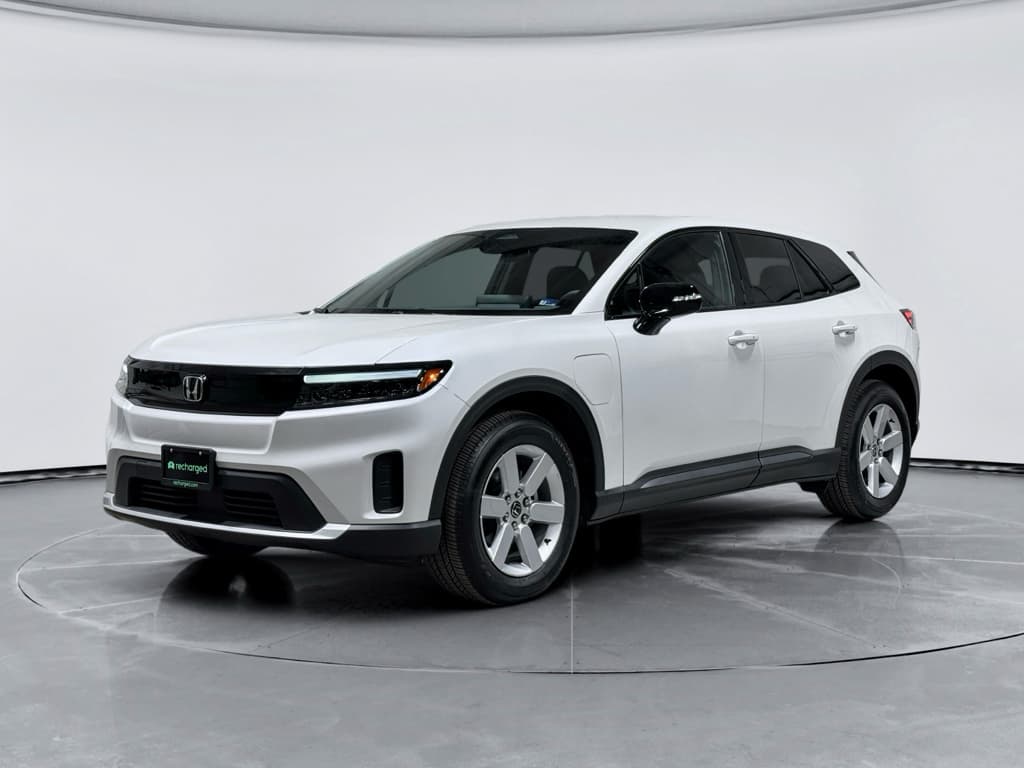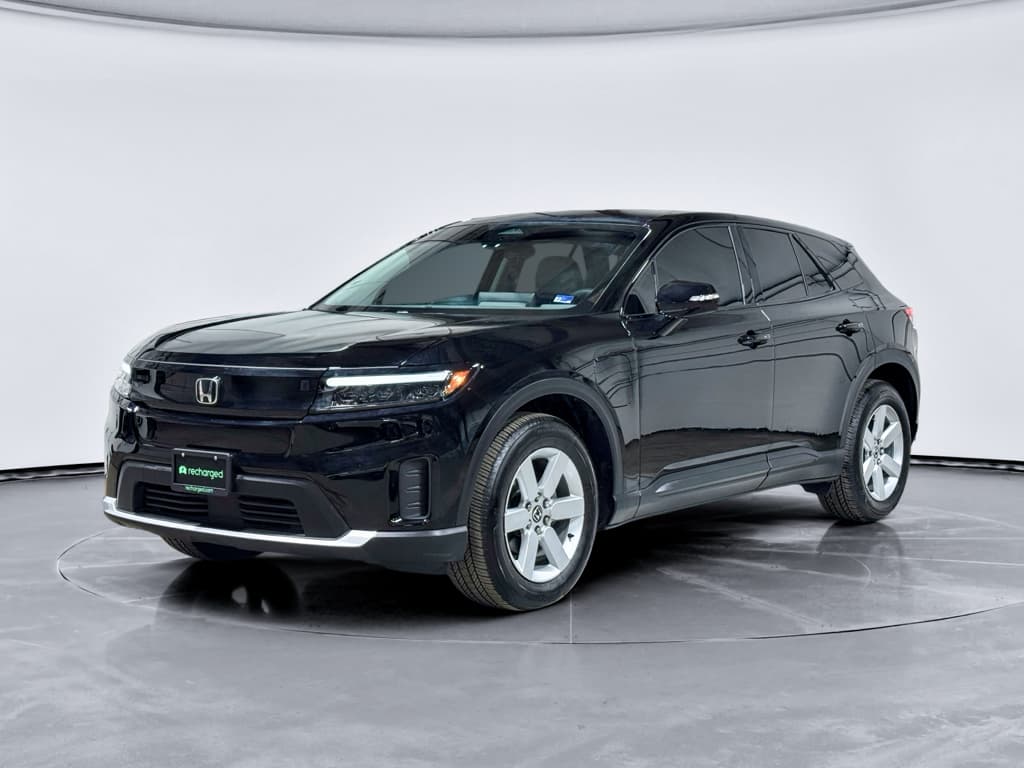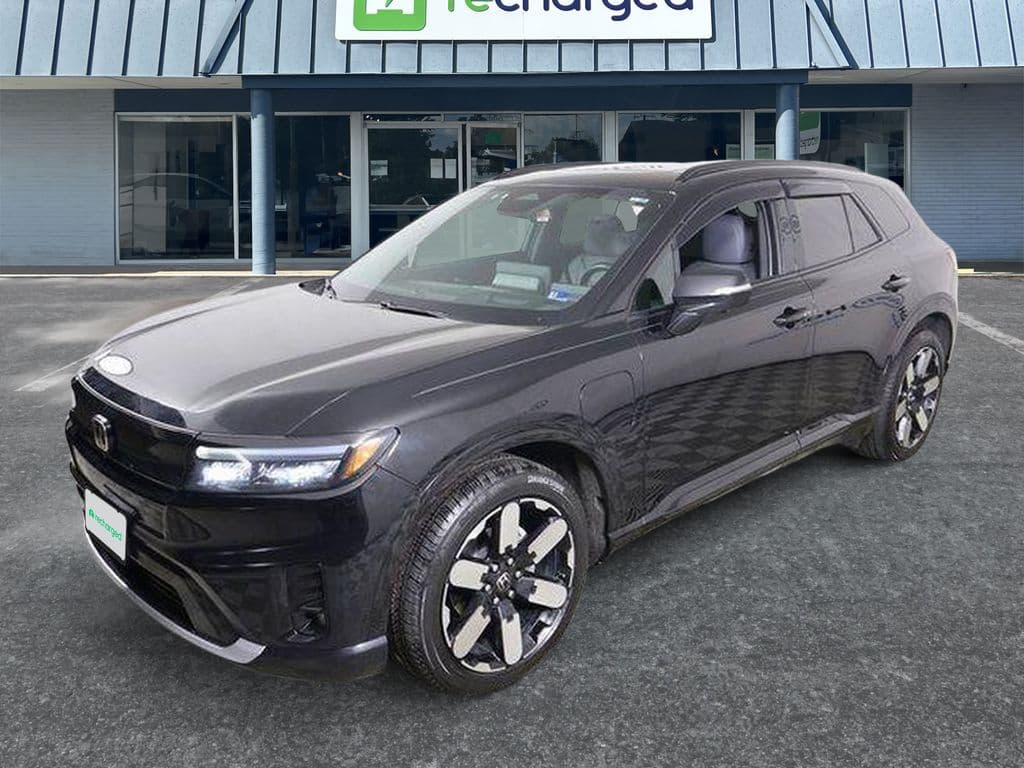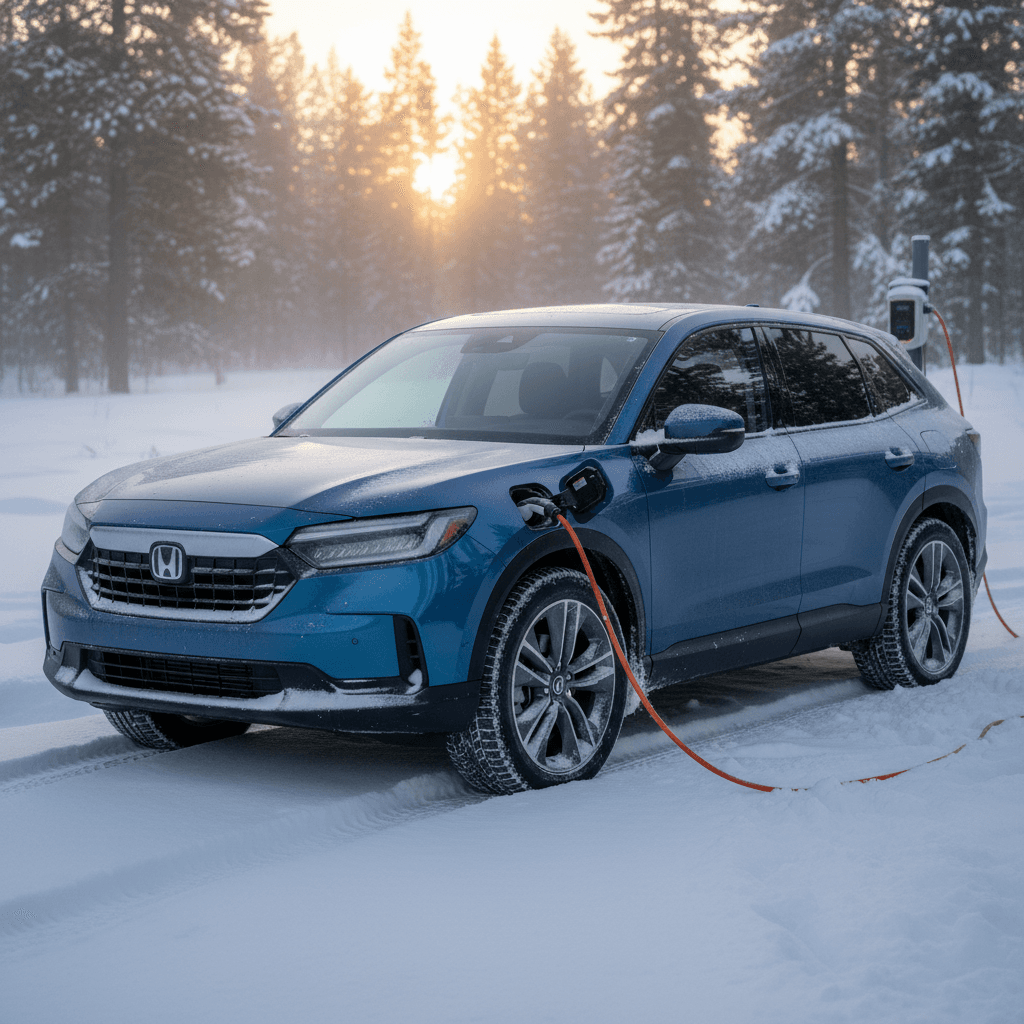
If you live where winters are cold, the question isn’t *if* your Honda Prologue will lose range in winter, it’s **how much**. Most EVs see noticeable cold‑weather losses, and the Honda Prologue is no exception. Understanding realistic Honda Prologue winter range loss percentage numbers will help you plan trips, choose the right trim, and avoid white‑knuckle drives home in January.
Key takeaway up front
Honda Prologue winter range loss: the short answer
Honda Prologue winter range: quick reference
Honda’s own materials and independent testing put the Prologue’s **EPA range between the mid‑260s and just over 300 miles**, depending on model year, drivetrain, and wheels. In real‑world winter driving, you won’t see that full number. Like other EVs on the Ultium platform, the Prologue generally gives you **around three‑quarters of its rated range in typical winter use**, sometimes less if conditions are extreme or driving is mostly at high speed.
Don’t plan winter trips to 0%
EPA range vs. real-world winter range in a Honda Prologue
To talk about winter range loss intelligently, you first need a baseline. For the 2024–2026 Honda Prologue, EPA‑rated range roughly looks like this across common trims (numbers rounded for simplicity):
Approximate EPA range by Honda Prologue configuration
Representative EPA combined range estimates for U.S.‑market Prologue trims. Always verify the exact rating on the Monroney label for the vehicle you’re considering.
| Model year & trim | Drivetrain | Wheels | Approx. EPA range |
|---|---|---|---|
| 2024 Prologue EX / Touring | FWD (single motor) | 19–20 in | ~296–300 mi |
| 2024 Prologue Elite | AWD (dual motor) | 21 in | ~273–281 mi |
| 2025 Prologue EX / Touring | FWD (single motor) | 19–20 in | ~308 mi (best case) |
| 2025 Prologue Elite | AWD (dual motor) | 21 in | Mid–high 270s mi |
| 2026 Prologue (typical) | Mix of FWD & AWD | Varies | Roughly 260–300 mi across trims |
Use these as ballpark figures; winter conditions will reduce them substantially.
On paper, a front‑wheel‑drive Prologue EX or Touring can go just over **300 miles** on a full charge, while heavier **AWD Elite** trims on big wheels are closer to the **high‑200s**. That’s in standardized EPA testing at moderate temperatures with careful speed control. Real‑world winter driving is messier:
- Colder air thickens and increases drag, especially at highway speeds.
- The battery chemistry itself is less efficient when cold.
- The cabin heater and battery conditioning systems pull significant power.
- Snow, slush, and winter tires add rolling resistance.
Put that together and you start to see why a Prologue that looks like a 280–300‑mile SUV in September can behave more like a 180–220‑mile SUV in January.
What percentage of range does the Prologue lose in winter?
There’s no single magic number, because winter driving conditions vary wildly. But between owner reports, broader EV studies, and what we know about the Ultium platform, we can outline realistic bands for Honda Prologue winter range loss percentage.
Typical Honda Prologue winter range loss bands
Use these as planning ranges, not guarantees.
Cool weather (40–55°F)
Expected loss: 5–15%
- Light jacket weather, wet roads
- Mixed city/highway, moderate heater use
- FWD Prologue may still achieve 250+ miles from a 300-mile EPA rating
Cold winter (20–35°F)
Expected loss: 20–35%
- Typical U.S. winter day
- Regular heater use, some highway
- 300-mile EPA Prologue behaves like 195–240 miles
Harsh cold (0–15°F)
Expected loss: 35–45%+
- Single digits, strong winds, or long highway stints
- Heavy defrost and cabin heat
- 300-mile EPA Prologue can feel like 165–195 miles
How this compares to other EVs
Owner anecdotes from cold‑weather regions describe seeing Prologue winter range trimmed by roughly a third in sustained cold, with some especially harsh scenarios approaching 40–45% loss. At the same time, mild winter days or slower commuting can keep that hit closer to the low‑20% range.
Why cold weather hurts EV range (including the Prologue)
1. Battery chemistry slows down
All lithium‑ion batteries are less efficient in the cold. Internal resistance rises as temperatures fall, so the pack has to "work harder" to deliver the same power. That translates into more energy consumed per mile.
The Prologue’s Ultium battery is designed for durability and strong DC‑fast‑charge performance, but it follows the same chemistry rules as every other EV when the mercury drops.
2. Heat is a range hog
In a gas car, cabin heat is essentially free waste heat. In an EV, especially a larger SUV like the Prologue, cabin heating can easily pull several kilowatts. Run that for an entire highway trip and you’ve burned a noticeable chunk of your battery just staying warm.
Short trips are hit hardest, because you constantly re‑heat a cold cabin and a cold pack without ever settling into an efficient steady state.
- Higher air density at cold temperatures increases aerodynamic drag, especially above ~60 mph.
- Snowpack, slush, and winter tires add rolling resistance, further raising consumption.
- Frequent preconditioning, fast charging, and short hops keep the battery in less efficient temperature windows.
Preheat smart, not just more
Trim, battery, and wheels: how they change winter range
Not every Prologue is affected the same way. The underlying 85‑kWh‑class Ultium pack is shared, but **weight, drivetrain, and wheel size** all nudge winter efficiency up or down.
How your Prologue spec affects winter range
Same battery, different behavior.
FWD vs. AWD
FWD (single motor) trims are lighter and more efficient, especially at steady speeds. In winter, they typically retain a slightly higher percentage of EPA range than AWD models.
AWD (dual motor) adds weight and drivetrain losses, so expect a few more percentage points of loss on identical routes.
Wheel & tire choice
Big 21‑inch wheels and aggressive all‑season or winter tires look great, but they cost range, more so in winter when rolling resistance matters.
If winter efficiency is a priority, look for Prologues on smaller wheels and narrow‑profile winter tires.
Driving environment
Hilly terrain, sustained 70+ mph speeds, and heavy use of defrost will punish winter range no matter what trim you drive.
A Prologue doing suburban commutes at 35–55 mph in cold weather may see far less percentage loss than one doing freeway service only.
Real owner examples of Prologue winter range
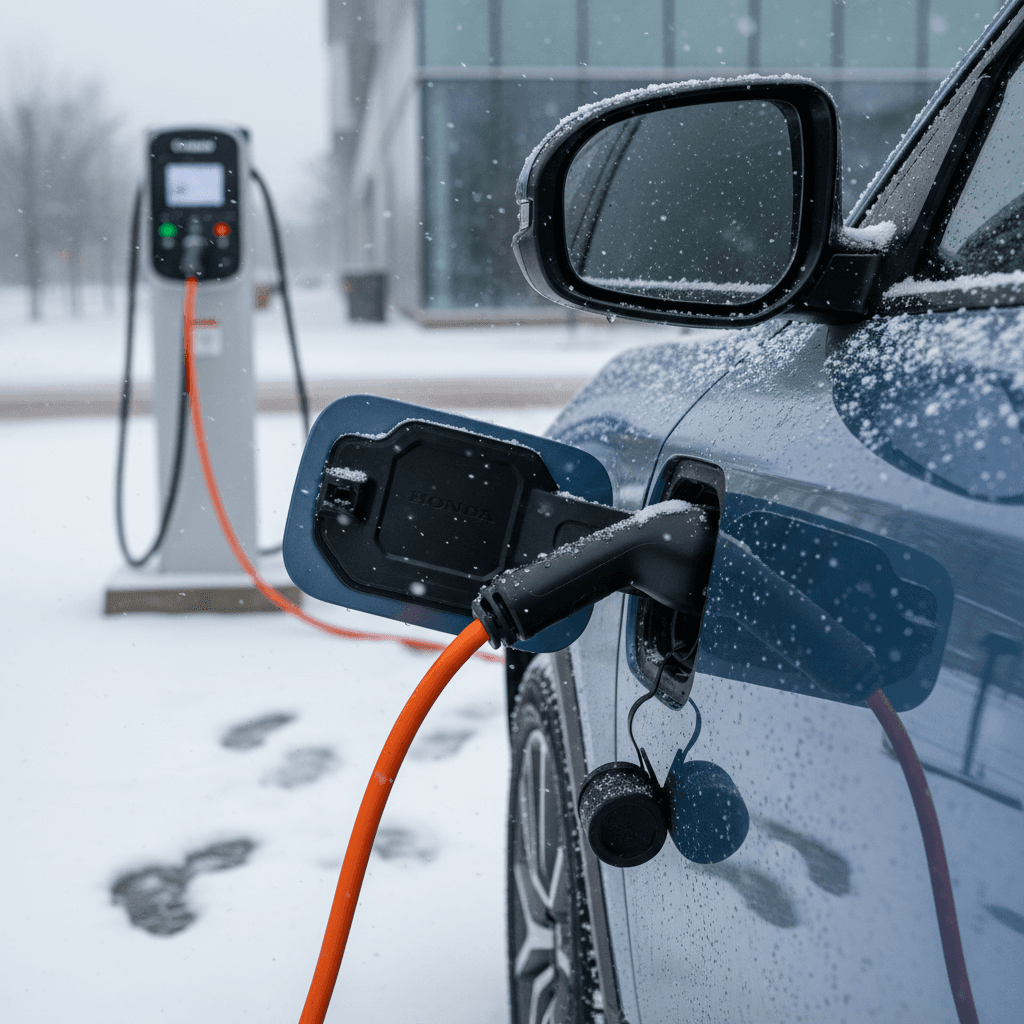
While hard, model‑specific winter test data for the Prologue is still limited, early owners in cold states and provinces have painted a fairly consistent picture. Here’s how their experiences line up with the percentages above.
- Owners in upper‑Midwest and Northern Plains climates report **high‑20s to mid‑30s percent range loss** around 10–25°F, especially on 65–75 mph highways with the heater working hard.
- Some Prologue Elite AWD drivers on 21‑inch wheels have seen practical winter ranges in the **160–190‑mile** band on harsh days, starting from EPA ratings in the high‑270s, that’s roughly a **30–40% cut**.
- Milder coastal or mid‑Atlantic winters (30s/40s, shorter trips) tend to knock range down by **15–25%**, especially when drivers rely more on seat and wheel heaters and less on blasting cabin heat.
- Drivers who religiously precondition, use Eco/Normal drive modes, and keep speeds near 60 mph often report winter consumption closer to the low end of the range‑loss bands.
How this translates for a typical AWD Prologue
How to cut winter range loss in your Honda Prologue
Practical steps to shrink winter range loss
1. Always precondition while plugged in
Use the Honda app or in‑car schedule so the cabin and battery warm up on shore power, not from the drive battery. This has an outsized effect on short trips and the first 15–20 minutes of any drive.
2. Use seat and wheel heaters first
Seat and steering‑wheel heaters use far less energy than blasting cabin air. Set the cabin temperature a bit lower and let the surfaces keep you comfortable.
3. Slow down on the highway
Aerodynamic drag rises rapidly with speed, and cold, dense air makes it worse. Dropping from 75 to 65 mph can claw back a surprising number of miles in winter.
4. Avoid repeated short trips on a cold pack
Several 3–5 mile hops with cooldowns in between are brutal on winter efficiency. When possible, chain errands into one longer outing so the pack and cabin stay warm.
5. Check tire pressure regularly
Tire pressure drops roughly 1 psi for every 10°F temperature drop. Underinflated tires increase rolling resistance and can easily cost a few percentage points of range.
6. Keep the pack out of the deep freeze
A garage, heated or even unheated, helps. Parking outside overnight in sub‑freezing temps means your Prologue starts every drive with a cold, less efficient battery.
What “good” winter range looks like
Winter range planning tips for road trips
Where winter range loss really matters is on the open road, especially in rural areas where DC fast chargers are spaced farther apart. Here’s how to translate the percentage numbers into real‑world planning for your Prologue.
Step 1: Pick a conservative winter range
Start from your EPA rating and apply a winter haircut:
- Mild winter (above freezing): use 80–85% of EPA.
- Typical cold (20–35°F): use 65–75% of EPA.
- Harsh cold (single digits): use 55–65% of EPA.
On a 280‑mile‑rated AWD Prologue in normal winter cold, that puts you in the 180–210 mile planning band to a low state of charge.
Step 2: Layer in a safety buffer
From that conservative range, subtract a buffer of at least 15–20%. That accounts for:
- Unexpected headwinds or rain/snow
- Slow or busy fast chargers
- Detours or traffic delays
If your planning number is 200 miles, treat 160–170 miles as your "must charge by" distance, not the moment you hit 0%.
Use multiple apps, not just one
Used Honda Prologue & winter range: what to look for
If you’re shopping the used market, winter performance should be on your checklist, especially if you live in the Snow Belt. A Prologue that’s been fast‑charged hard or run at high states of charge constantly may show slightly more battery degradation, which stacks on top of normal winter loss.
Evaluating a used Honda Prologue for winter duty
Questions and data points that matter more when it’s cold.
Questions to ask the seller
- How was the car primarily charged (home Level 2 vs. DC fast)?
- Any winter road‑trip history in very cold climates?
- What range do they typically see at 70–80% charge in winter?
- Has the car ever shown battery or thermal‑system warnings?
Data to review
- Battery health metrics and any documented degradation
- Lifetime efficiency (mi/kWh) vs. EPA combined figures
- Service history related to HVAC or battery conditioning systems
- Wheel/tire setup (big wheels and aggressive tires cost range)
How Recharged can help
FAQ: Honda Prologue winter range loss percentage
Common questions about Honda Prologue winter range
Bottom line: what to expect from Prologue winter range
The Honda Prologue is a roomy, comfortable electric SUV with competitive EPA range numbers. In winter, though, that paper range turns into something more like **65–80% of the sticker value** for most drivers, depending on temperature, speed, and how you use the heater. That’s normal, not a defect, and it’s something you can plan around.
If you assume a **20–35% winter range loss percentage** for everyday use, keep speeds reasonable, precondition smartly, and leave yourself a helpful buffer, the Prologue can be a confident cold‑weather partner. And if you’re evaluating a used Prologue, leaning on tools like the Recharged Score Report gives you a clear picture of battery health and realistic winter range before you sign anything, so the only surprise you get next January is how nice it is to skip gas stations in the snow.