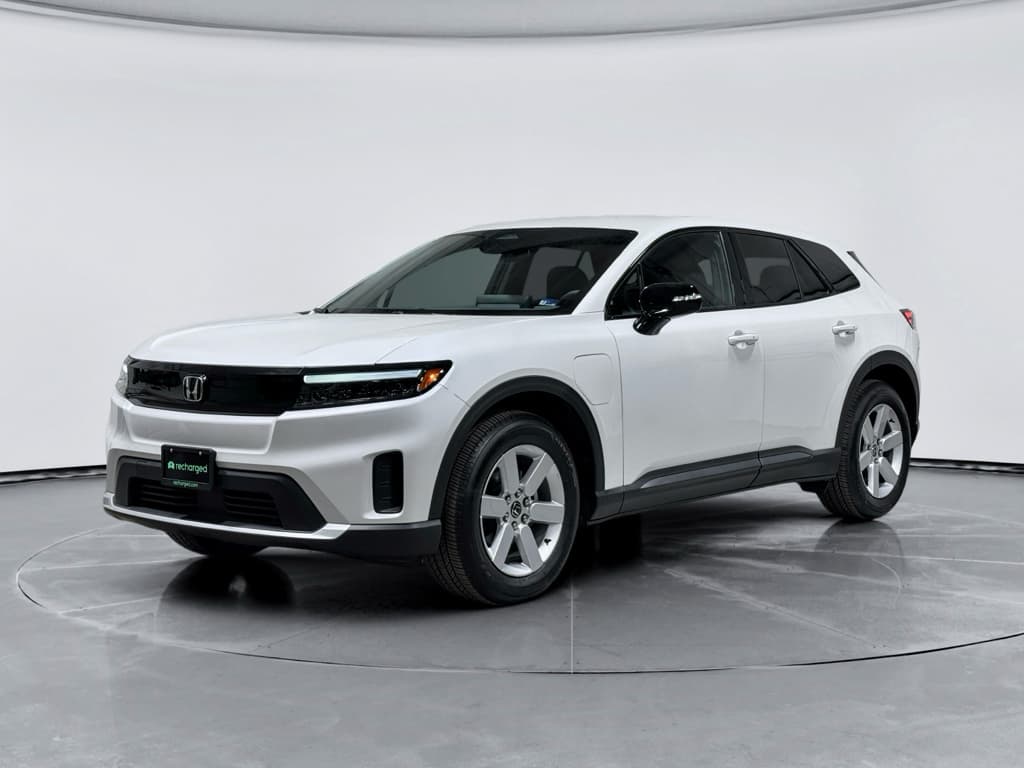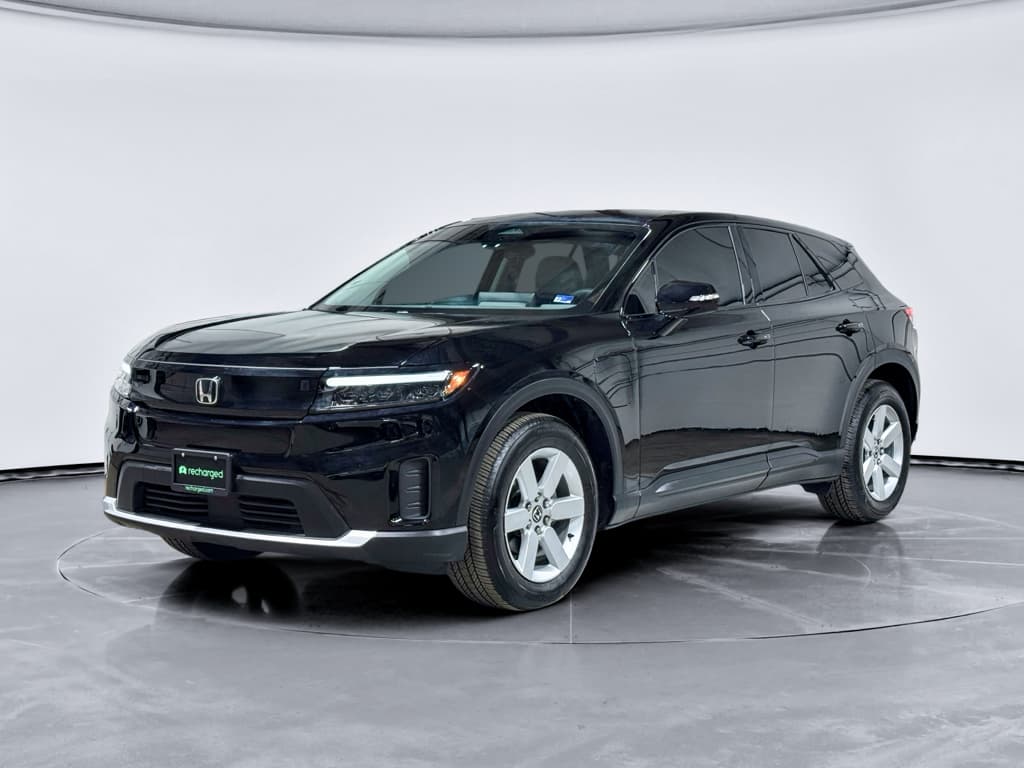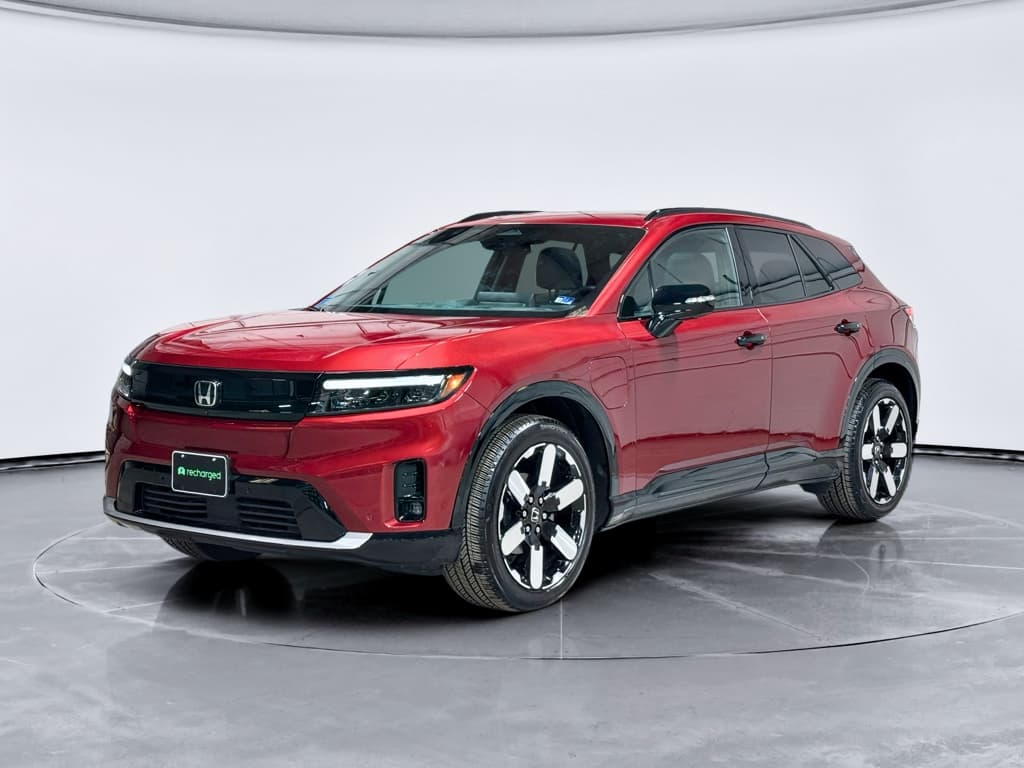
If you’re eyeing a Honda Prologue, or you already have one, winter range loss is probably high on your worry list. The Prologue’s EPA range looks great on paper, but you’ve heard stories of EVs losing big chunks of range once temperatures dip below freezing. Let’s unpack how Honda Prologue winter range loss really plays out, and what you can do so cold weather doesn’t catch you off guard.
Key takeaway in one glance
Honda Prologue range & winter basics
Honda Prologue range & battery at a glance
For 2025, the Honda Prologue uses an ~85 kWh Ultium battery pack and, in its most efficient front‑wheel‑drive configuration, is EPA‑rated at about 308 miles of range. Dual‑motor all‑wheel‑drive trims sit a bit lower, in the high‑200‑mile range, thanks to extra weight and more aggressive tires.
Those numbers are based on standardized test cycles in mild temperatures, typically around 70°F. Winter throws that lab‑perfect world out the window. Batteries are colder, air is denser, roads may be slushy, and your HVAC is working overtime to keep you warm. That’s why understanding winter range loss matters more than memorizing the EPA sticker.
EPA range is not a winter promise
Why the Honda Prologue loses range in cold weather
- Colder battery chemistry – Lithium‑ion cells don’t move ions as efficiently when cold. Internal resistance rises and the pack can’t deliver as much usable energy, especially in the first part of a trip.
- Cabin heating load – Unlike gas cars that use waste engine heat, EVs spend real battery energy to warm the cabin and sometimes the battery itself. That’s routinely 3–7 kW on a frigid morning.
- Thicker air & rolling resistance – Cold, dense air and winter tires or snow‑covered pavement add drag and rolling resistance, nudging consumption higher.
- Short, stop‑and‑go trips – Repeatedly heating a cold battery and cabin for 10–15 minute hops is the worst case. You don’t give the pack time to come up to ideal temperature, so efficiency never really stabilizes.
Multiple large‑scale studies of mixed EV fleets, from compact hatchbacks to SUVs, now converge around the same picture: between mild spring weather and a genuine winter day, most EVs see about 20–35% lower range in regular use, with extreme cold and repeated short trips pushing losses toward 40–50% in the ugliest scenarios.
Ultium in the cold: what we can infer
How much Honda Prologue winter range loss to expect
Let’s turn the general EV data into Honda Prologue‑specific planning numbers. We’ll assume a 2025 Prologue EX FWD with the 308‑mile EPA rating. If you drive an AWD trim with lower range, you can scale the same percentages down.
Estimated Honda Prologue range loss by temperature band
These are planning ranges for a 308‑mile EPA‑rated Prologue driven in mixed conditions, with normal cabin heat and no extreme hypermiling.
| Outside Temp | Typical Range Loss | Estimated Usable Range | When This Applies |
|---|---|---|---|
| 50–65°F (cool, not cold) | 0–10% | 275–305 mi | Fall/spring highway trips, light heater use |
| 32–45°F (around freezing) | 20–30% | 215–245 mi | Typical winter day, mixed city/highway |
| 15–32°F (cold winter) | 25–35% | 200–230 mi | Cold snaps, steady highway with cabin heat |
| 0–15°F (deep freeze) | 35–45% | 170–200 mi | Very cold days, snow, heavy heater use |
| Below 0°F | 40–50%+ | 150–185 mi | Arctic blasts, short trips, cabin roasting |
Use this as a conservative planning guide, not a guarantee. Your exact results will vary based on speed, elevation, wind, tires, and how heavily you use the heater.
How to read these numbers
If you live somewhere like Minnesota, where 0°F mornings are a fact of life, you’ll want to build your winter routine around that 35–45% loss row of the table. In a milder climate that hovers around freezing, you’ll probably live in the 20–30% band most of the winter.
City vs. highway: winter driving in a Prologue
City & suburban driving
- Lower speeds mean less aerodynamic drag, which helps offset winter losses.
- Stop‑and‑go lets the Prologue recover energy through regenerative braking.
- But many short trips force the battery and cabin to re‑heat repeatedly, which can be brutal for efficiency.
If most of your winter driving is errands under 15–20 minutes, expect your effective range to skew toward the lower end of the table, especially on very cold days.
Highway driving
- Higher speeds amplify cold‑weather drag and rolling resistance.
- Once the battery is fully warmed and you’re cruising, efficiency stabilizes but heat use continues.
- Snow, slush, and winter tires all nudge consumption higher again.
On a long winter highway trip at 70 mph, planning for 30–40% loss versus the EPA number is wise, particularly below freezing.
Beware the “10 minutes to the store” trap
Charging your Honda Prologue in cold weather
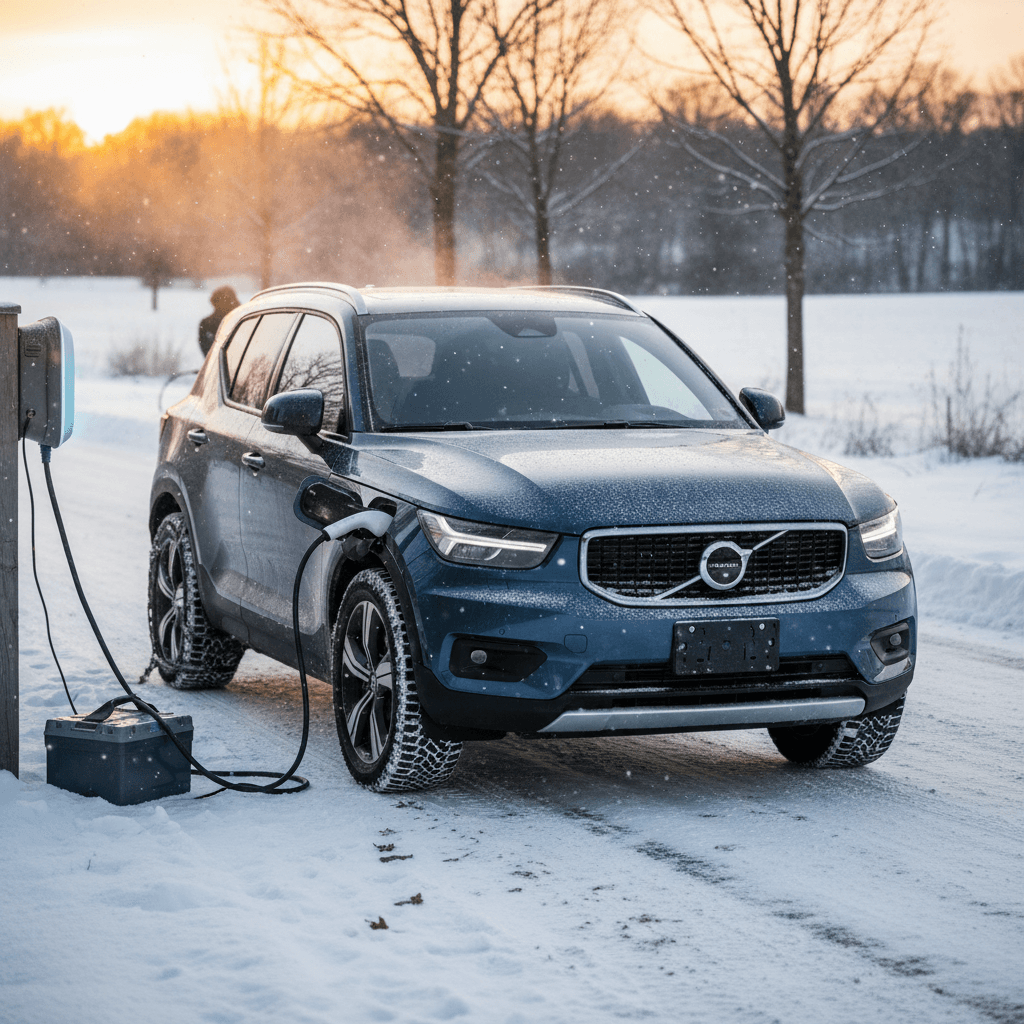
Cold affects not just how far you can drive, but how quickly you can recharge your Honda Prologue. The Ultium pack can accept up to roughly 150 kW on a DC fast charger in ideal conditions, but you’ll rarely see that in the dead of winter unless the battery is already warm.
- Cold battery = slower fast charging. Until the pack warms up, the Prologue’s software will limit charge rate to protect the cells. It might start at a modest 40–60 kW before ramping up.
- Arrive at the charger with a warm battery. Driving 20–30 minutes before fast charging, especially at highway speeds, lets the pack warm and improves charge speed.
- Use built‑in route planning and preconditioning. As software updates roll out, expect the Prologue to get smarter about pre‑warming the pack when you navigate to a DC fast charger, similar to what we see in other Ultium‑based EVs.
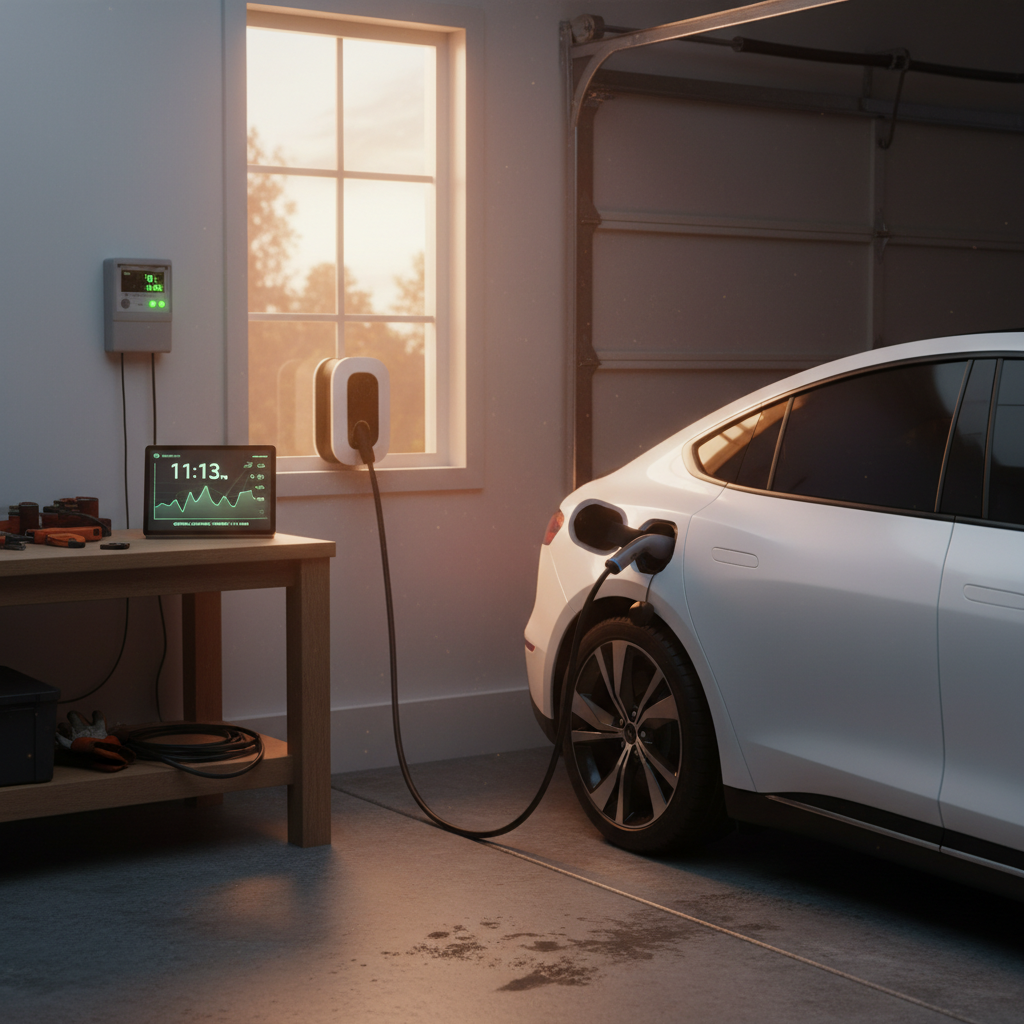
- Level 2 at home is your best friend. Overnight 240V charging (11.5 kW onboard AC charger) tops off your Prologue gently and is far less sensitive to cold than DC fast charging.
Don’t judge your EV by a frozen fast‑charge
Practical tips to cut Honda Prologue winter range loss
Seven high‑impact habits for winter Prologue driving
1. Precondition while plugged in
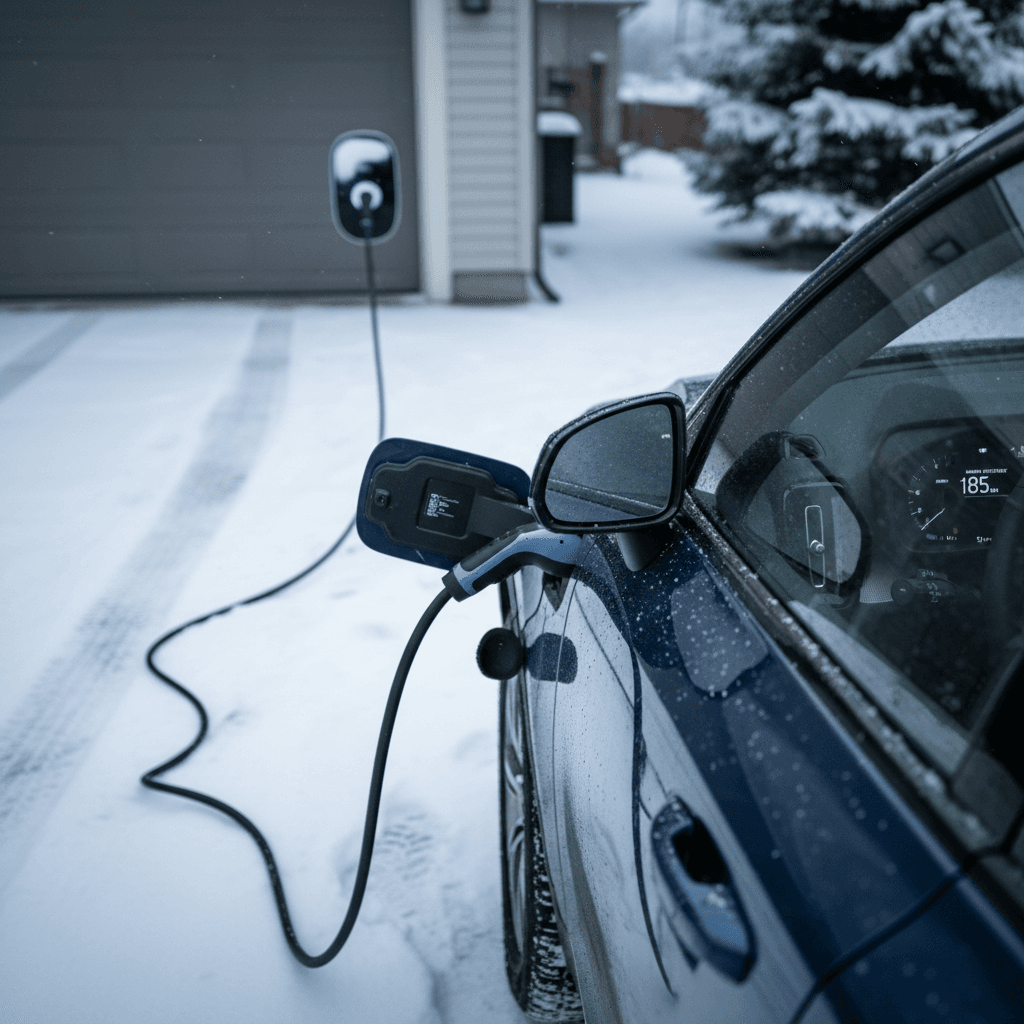
Use the Prologue’s app or in‑car schedule to warm the cabin and battery before you leave, while you’re still on shore power. That shifts several kilowatt‑hours of heating off the battery and onto the grid, often clawing back 10–20% of otherwise lost winter range.
2. Favor seat and wheel heaters
Heated seats and steering wheel use much less energy than blasting hot air. Set the cabin a bit cooler, say 68°F instead of 74°F, and let the contact heaters keep you comfortable.
3. Plan conservative range buffers
In true winter, treat the EPA number as theory. For a 308‑mile Prologue, plan legs more like 200–220 miles and aim to arrive with 10–20% charge remaining, not 1–2%.
4. Keep speeds reasonable
Aerodynamic drag climbs with speed, and even more so in cold dense air. Dropping from 75 mph to 65 mph on the highway can make a surprisingly big difference in winter range, often 10–15%.
5. Check your tire pressure
Cold air drops tire pressures. Under‑inflated tires add rolling resistance and can shave even more miles off your winter range. Check pressures at least monthly and set them to the door‑jamb spec when tires are cold.
6. Limit unnecessary roof racks & cargo
A loaded roof box or ski rack increases drag and hurts efficiency. If you’re not using it this trip, pull it off. Inside the vehicle, clear out heavy “just in case” cargo that doesn’t need to live in the back all winter.
7. Use Eco/normal drive modes
Aggressive Sport modes sharpen throttle response and can encourage energy‑hungry driving. In snow and cold, Eco or Normal modes make it easier to drive smoothly and conserve battery without thinking about it.
Good news: habits beat hardware
Real-world winter range planning examples
Three Honda Prologue winter scenarios
How the same Prologue behaves very differently depending on the day and your habits
Mild winter commute (best case)
Conditions: 40°F, mostly dry roads, light traffic.
- 20‑mile each‑way commute, garage‑parked, preconditioned while plugged in.
- Cabin set moderately, heated seats on, speeds mostly under 60 mph.
- Expected loss: ~15–20% vs. EPA.
- Prologue behaves like: ~245–260 miles of usable range.
Snowy errands day (tough case)
Conditions: 20°F, snow showers, wet roads.
- Five short 8–10 mile trips with the Prologue parked outside between each stop.
- Cabin heat cranked each time, little time for the pack to fully warm.
- Expected loss: 35–45% vs. EPA.
- Prologue behaves like: 170–200 miles of effective range.
Interstate ski trip (manageable)
Conditions: 28°F, mostly dry, some slush near the resort.
- 180‑mile highway leg at 70 mph, then a climb into the mountains.
- Preconditioned at home, use of Eco mode and seat heaters.
- Mid‑trip DC fast charge with warm battery.
- Expected loss: 25–35% vs. EPA.
- Prologue behaves like: 200–230 miles of usable range per charge.
In winter, your EV doesn’t suddenly become a 150‑mile car. It becomes a 300‑mile car that you wisely treat as a 200‑mile car so the weather can’t surprise you.
Thinking about a used Honda Prologue? Winter checks to make
Because the Prologue is still a new model, most examples on the market over the next few years will be low‑mileage, first‑owner vehicles. That’s good news, but if you’re shopping used, it’s still smart to ask specifically about winter performance and battery health.
- Ask how the car was stored. A Prologue that lived in a garage and mostly charged overnight will typically see gentler winter stress than one parked outside 24/7 and repeatedly fast‑charged from near‑empty.
- Ask about winter road‑trip behavior. Did the previous owner notice dramatic slow‑downs at DC fast chargers in the cold? That can point more to usage patterns (arriving with a cold pack) than to a defect, but it’s worth understanding.
- Check tire type and age. Old, hard all‑seasons or aggressive snow tires can both hit winter range. Factor a fresh, efficient tire set into your budget if needed.
- Look for software updates. Modern EVs often improve cold‑weather behavior via software. Make sure the Prologue is up to date before you judge its range or charging speed.
How Recharged can help with winter confidence
FAQ: Honda Prologue winter range loss
Common questions about Honda Prologue winter range
Bottom line: What winter with a Prologue really feels like
Living with a Honda Prologue through winter isn’t about babying a fragile battery, it’s about understanding that your 300‑mile EV behaves more like a 200‑plus‑mile EV when temperatures drop, and planning accordingly. Once you internalize that, range anxiety tends to fade into the background, just like learning how far a gas car really goes on a tank in January.
Give the Prologue a warm start when you can, keep your speeds reasonable, lean on seat heaters, and use realistic planning bands instead of chasing the EPA number. Whether you buy new or shop a used Prologue with a Recharged Score Report, you’ll be equipped to handle snow days, ski trips, and frozen‑morning commutes with confidence, and with plenty of miles left in the pack when you pull back into the driveway.