If you’ve gotten a quote on a high-end electric car lately, you already know: some of the most expensive EVs to insure can rival exotic gas cars for insurance cost. Premiums north of $4,000–$5,000 a year aren’t unusual for certain luxury models, yet other EVs are surprisingly reasonable. Understanding why the gap exists is the first step to keeping your total cost of ownership under control, especially if you’re considering a used EV.
Big picture: EV insurance in 2025
Why EV insurance can be so expensive
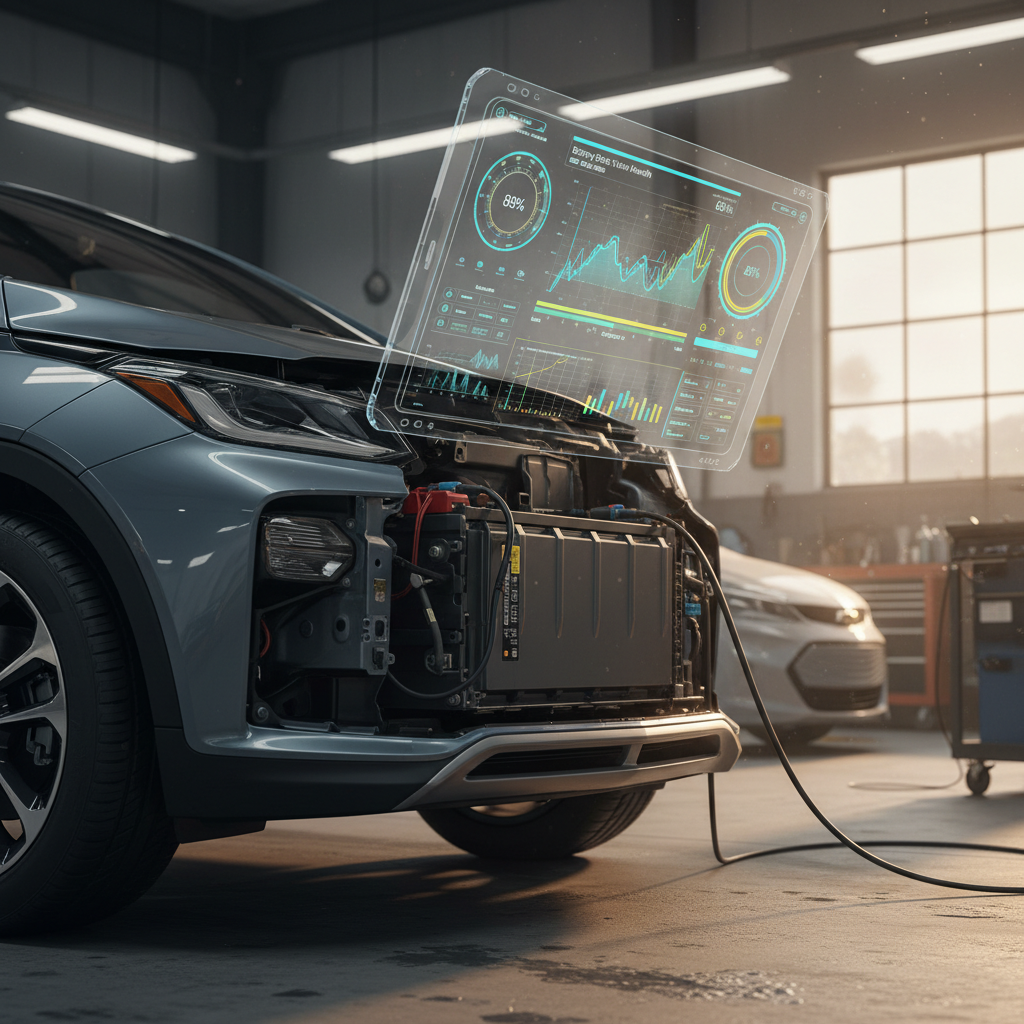
Insurance pricing ultimately reflects expected claim cost. For EVs, several structural factors push those costs up. Batteries are the single priciest component on the vehicle, often running into the five figures, and in many designs they’re still difficult to repair or replace in modules. Advanced driver-assistance and sensor suites add more high-value parts to the front and rear crash zones, exactly where low-speed collisions are most common.
On top of parts costs, many body shops still lack certifications, tooling, and high-voltage training to safely work on EVs. That limited capacity means longer cycle times and higher labor rates. Put it together and the average EV claim is significantly more expensive than a comparable gas vehicle claim, which shows up in your premium.
It’s not just about being electric
Most expensive EVs to insure in 2025: top models
Ranking the absolute most expensive EVs to insure will vary slightly by source, driver profile, and state, but recent nationwide rate data is remarkably consistent on which models sit at the top. For a 35-year-old driver with a clean record and full coverage, these EVs tend to carry some of the highest average annual premiums in the U.S. market right now.
Most expensive EVs to insure (approximate national averages, full coverage)
Representative 2025 national average premiums for popular high-cost electric vehicles, based on Insurance.com and other aggregated rate studies. Actual quotes vary by state, driving record, and coverage choices.
| Rank | Model | Estimated annual premium | Why it’s pricey |
|---|---|---|---|
| 1 | Mercedes-AMG EQS | $5,600+ | Ultra-luxury sedan with AMG performance, complex body structure, and very high parts costs. |
| 2 | Audi e-tron GT | $5,500+ | Low-roof performance EV on a premium platform; expensive collision repairs and limited volume. |
| 3 | BMW i7 | $5,400+ | Flagship BMW sedan with dense electronics, large battery, and high MSRP. |
| 4 | Tesla Model S | $5,000+ | High-performance variants, aluminum-intensive construction, and pricey sensors push claim costs up. |
| 5 | Porsche Taycan / Taycan Cross Turismo | $5,000+ | Performance-focused EV; low ride height and complex cooling systems make crash repairs costly. |
| 6 | Tesla Model X | $4,800+ | Large, powerful SUV with complex Falcon Wing doors and big glass; repairs are rarely cheap. |
| 7 | Mercedes-Benz EQS / EQS SUV | $4,700+ | Six-figure luxury models with dense tech and limited repair network experience. |
| 8 | GMC Hummer EV (truck & SUV) | $4,100–$4,500 | Extreme weight, massive battery, and off-road hardware translate to big-dollar claims. |
| 9 | Audi SQ8 e-tron | ~$4,000 | Sporty luxury SUV with dual motors and high-end interior content. |
| 10 | BMW iX / i5 / i4 | $3,700–$3,900 | Premium BMW EVs with expensive body panels and sensors; still niche in volume. |
Luxury flagships and heavyweight performance EVs dominate the list of most expensive electric vehicles to insure.
Use rankings as a directional guide
How much more do EVs cost to insure than gas cars?
EV vs. gas insurance: 2025 snapshot
Most recent national studies of insurance quotes show EVs costing anywhere from single‑digit percentages up to about 25% more to insure than comparable gas cars. That spread reflects different mixes of vehicles, if your “EV” sample is heavy on Teslas and luxury flagships, the gap looks worse than if it’s dominated by Leafs, Konas, and Bolts.
The trajectory, though, is encouraging. As more mid-priced EVs hit the road and more shops become EV-certified, we’re seeing premiums for mainstream electric models inch closer to parity with gas vehicles, even as the highest-end EVs remain outliers on cost.
Factors that make some EVs especially pricey to insure
What actually drives EV insurance costs up?
These factors show up again and again when you look at the most expensive EVs to insure.
Vehicle price & trim
The higher the sticker price, the higher the potential payout for a total loss. Top trims with performance packages, big wheels, and premium interiors almost always cost more to insure than base models.
Battery & repairability
A damaged battery pack can turn a repairable crash into a total write‑off. Models with less modular battery designs or limited parts availability are especially vulnerable here.
Performance & risk profile
High-horsepower EVs with sub‑4‑second 0–60 times are statistically more likely to be driven hard, which correlates with more severe claims even for responsible owners.
Repair network limitations
Fewer certified shops, long parts lead times, and specialized tooling all push up labor costs and rental-car days, costs insurers have to price in.
Safety tech complexity
Advanced driver-assistance systems reduce some crashes, but when a camera- and radar-laden bumper or windshield is hit, the bill adds up quickly.
Where and how it’s driven
Urban congestion, theft or vandalism risk, and high medical or legal costs in your state can overshadow vehicle choice. A Model 3 in rural Maine may cost less to insure than a compact gas hatchback in downtown Miami.
Heavier EVs, bigger consequences
Insurance costs for popular EVs
Luxury flagships aren’t the only EVs with elevated premiums. High-volume models like the Tesla Model 3 and Model Y sit in a weird middle ground: not exotic, but far from cheap to insure compared with similarly sized gas cars.
Typical 2025 full-coverage premiums for popular EVs
Approximate annual costs for a 35‑year‑old driver with a clean record and good credit. Your own quotes may be higher or lower depending on location and coverage.
| Model | Approx. annual premium | Cost tier |
|---|---|---|
| Nissan Leaf | $1,400–$2,600 | Among the cheapest EVs to insure; modest price and simple repairs help. |
| Chevrolet Bolt EV | $1,700–$2,000 | Generally affordable, especially for older model years. |
| Hyundai Kona Electric | $1,500–$1,600 | Low-to-mid range; compact size and good safety scores help. |
| Ford Mustang Mach-E | ~$2,000–$2,100 | Moderate; less than many performance gas SUVs but above non-performance crossovers. |
| Tesla Model 3 | ~$1,900–$3,400+ | Ranges widely; often flagged among the most expensive mass-market cars to insure. |
| Tesla Model Y | ~$2,200–$3,400+ | Compact SUV with strong demand and rising premiums in many states. |
| Tesla Model S | ~$3,000+ | Luxury/performance tier with elevated claim severity. |
| Tesla Model X | ~$2,400–$4,300+ | One of the most expensive SUVs to insure thanks to weight and complexity. |
Mainstream EVs like the Nissan Leaf sit at the affordable end, while Tesla’s lineup skews higher than average.
“When you combine high vehicle values, costly electronics, and still-maturing repair networks, it’s not surprising to see some EVs at the very top of the insurance-cost rankings.”
How to lower insurance costs on an expensive EV
If you already own, or really want, an EV that lands on the “most expensive to insure” lists, you’re not powerless. You can’t change the vehicle’s fundamentals, but you can control how you shop coverage, how much risk you retain, and even which version of a given model you buy.
Practical ways to tame a high EV insurance bill
1. Get quotes before you buy
Insurance costs can easily swing by $1,000+ per year between trims and models. Before you fall in love with a specific EV, run real quotes for the exact year, trim, and mileage you’re considering.
2. Consider a used EV instead of new
A three-year-old luxury EV with a lower actual cash value often costs less to insure than a brand‑new one, even if the MSRP was similar when new. Buying used can soften both your payment and your premium.
3. Adjust deductibles thoughtfully
Raising comprehensive and collision deductibles can cut premiums, but don’t push them beyond what you could comfortably pay out of pocket after a loss.
4. Optimize coverage, don’t just cut it
You may not need rental coverage at $60/day or ultra-low liability limits that leave you exposed. Work with your agent to rebalance coverages instead of blindly stripping them away.
5. Ask about EV and safety discounts
Many insurers now offer discounts for advanced safety tech, low annual mileage, or using the car’s telematics. These can be especially valuable on already pricey EVs.
6. Shop carriers, not just prices
Some insurers are still learning EV risk; others have years of data and better repair partnerships. Quotes can differ dramatically for the same car and driver.
Where Recharged fits in
Shopping for a used EV? Insurance checklist
Insurance is often an afterthought in the used-car search, but with EVs it really shouldn’t be. A quick insurance check can be the difference between a deal that fits your budget and one that quietly blows it up.
Questions to ask your insurer upfront
- How does this specific VIN rate? Quotes can vary by trim, options, and even wheel size.
- Are there EV-specific surcharges or discounts? Some carriers still add load factors for certain brands or models.
- What repair network will you use? Ask if they have preferred EV-certified shops nearby.
- How are total losses handled? Clarify whether they use actual cash value, agreed value, or another formula.
How Recharged can help you compare
Because Recharged specializes in used EVs, each listing includes detailed specs, battery size, trim, options, and verified battery health via the Recharged Score. That granularity makes it easier to compare insurance quotes across multiple vehicles.
- Share the Recharged listing or Score Report with your agent.
- Get side‑by‑side quotes on two or three contenders.
- Factor insurance into your total monthly budget, not just the payment.

When paying more for EV insurance still makes sense
There are situations where it’s rational to accept a higher insurance bill in exchange for the strengths of a particular EV. If you drive high annual mileage, the fuel and maintenance savings from an efficient EV can outweigh a few hundred dollars of extra premium a year. If you rely on advanced driver-assistance features or over-the-air updates that keep the car feeling fresh, that value may justify a higher cost to insure.
The key is to look at five-year total cost of ownership, not just this year’s insurance bill. Add up payment (or cash price), charging costs, maintenance, expected depreciation, and insurance. When you do that math honestly, a used EV with slightly elevated premiums can still pencil out better than a comparable new gas SUV, especially if you buy right and avoid overpaying for a badge.
Luxury badge vs. balanced budget
FAQ: EVs and insurance costs
Frequently asked questions about expensive EV insurance
Key takeaways
- The most expensive EVs to insure in 2025 are ultra-luxury and performance models like the Mercedes-AMG EQS, Audi e-tron GT, Porsche Taycan, GMC Hummer EV, and Tesla Model S/Model X.
- Across the market, EVs still tend to cost more to insure than comparable gas cars, but the gap is shrinking as repair networks mature and more mid-priced EVs hit the road.
- High vehicle value, battery repair costs, complex safety tech, limited repair networks, and aggressive performance are the main factors that push specific EVs to the top of the insurance-cost charts.
- You can manage insurance costs by shopping quotes before you buy, considering used EVs, adjusting deductibles carefully, and taking advantage of EV and safety discounts.
- Buying a used EV through Recharged adds an extra layer of transparency, thanks to the Recharged Score Report on battery health and pricing, so you can weigh insurance costs against the car’s true condition and long-term value.
Insurance is just one line item in EV ownership, but ignoring it can turn an otherwise smart purchase into a budget headache, especially with the most expensive EVs to insure. If you treat premiums as part of the total deal, shop quotes as carefully as you shop the car, and lean on transparent used-EV marketplaces like Recharged, you can enjoy the benefits of driving electric without getting blindsided by the bill that shows up every six months.