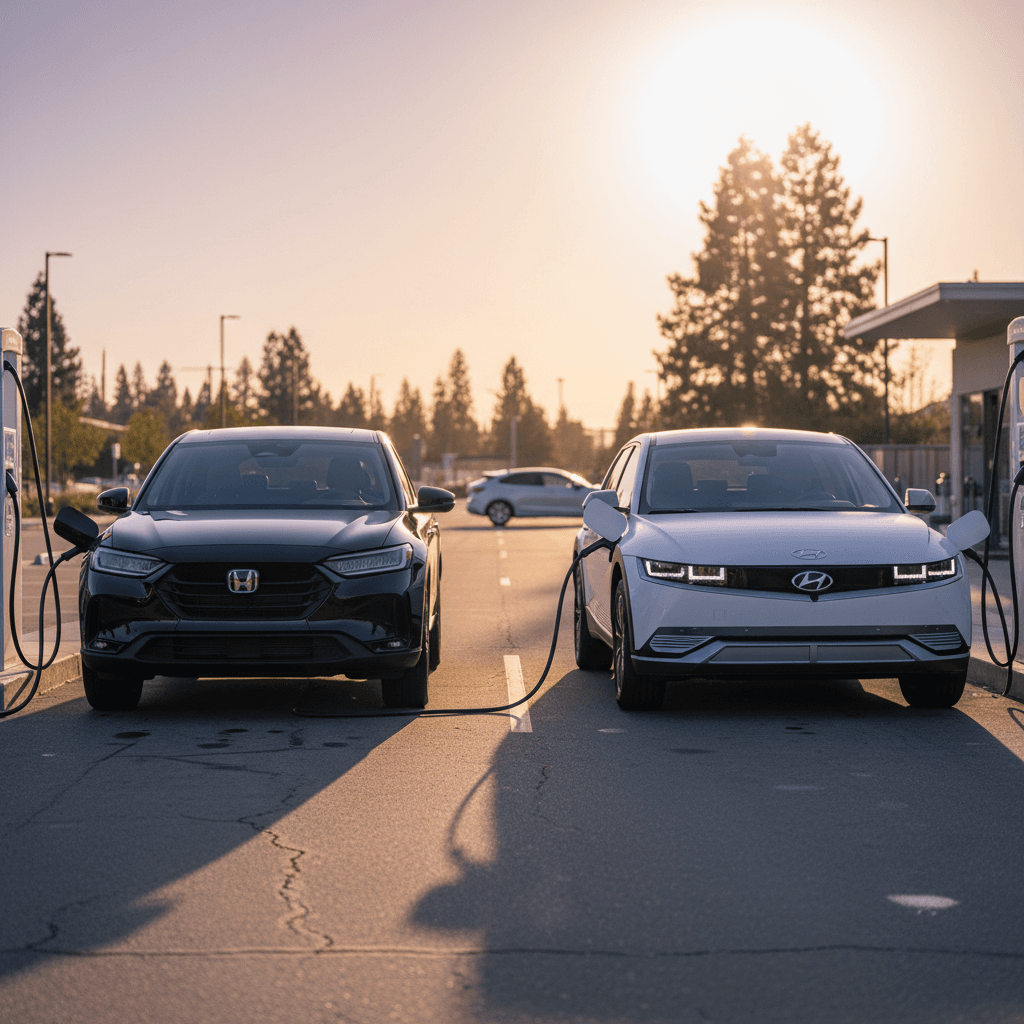
Shopping electric SUVs and torn between the Honda Prologue and the Hyundai Ioniq 5? You’re not alone. Both target the same family-EV sweet spot, but they take very different approaches to range, charging, and tech. In this guide, we’ll unpack Honda Prologue vs Hyundai Ioniq 5 in plain language so you can decide which one actually fits your life, not just the spec sheet.
Two very new but very different EVs
Overview: Honda Prologue vs Hyundai Ioniq 5
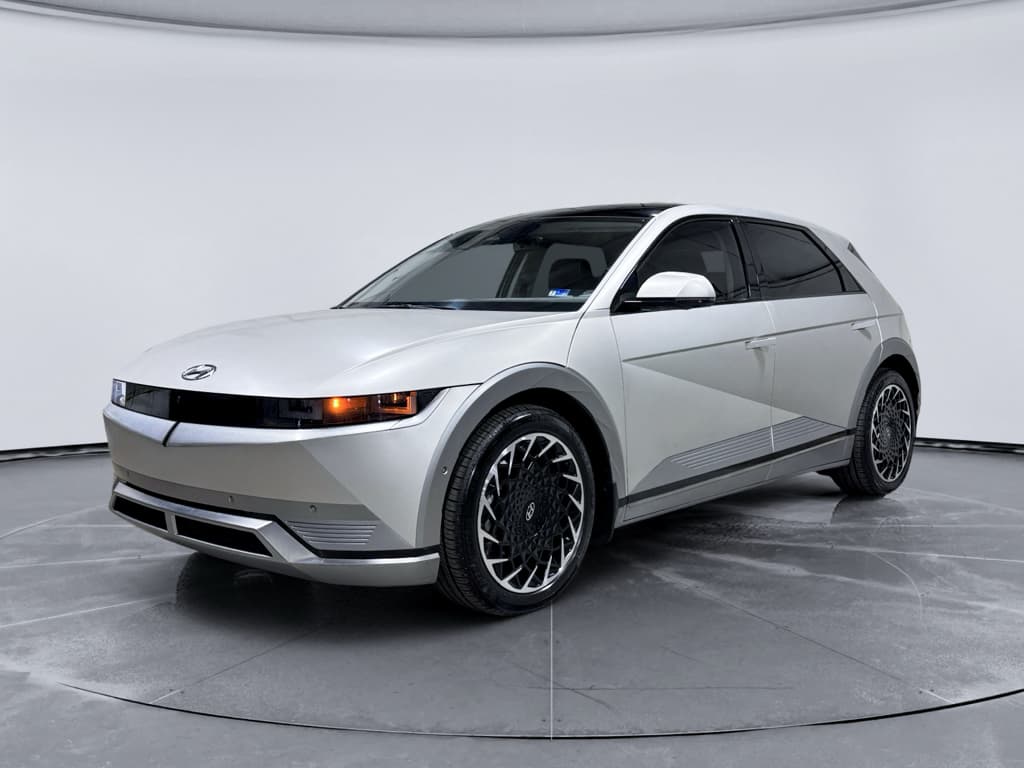
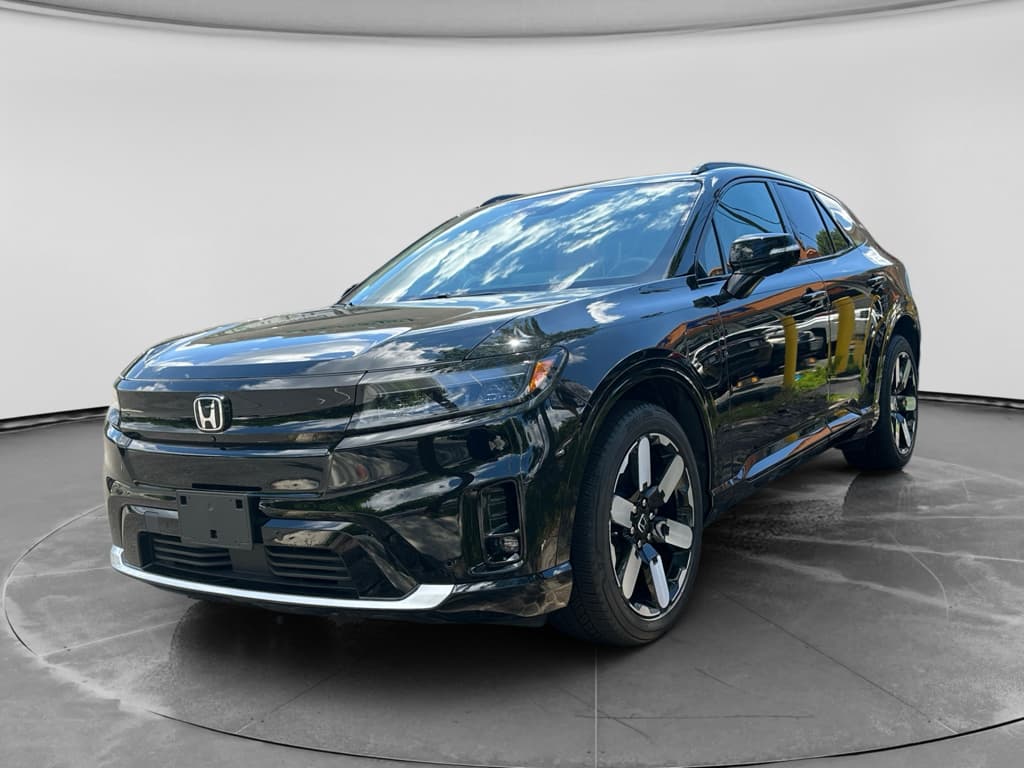
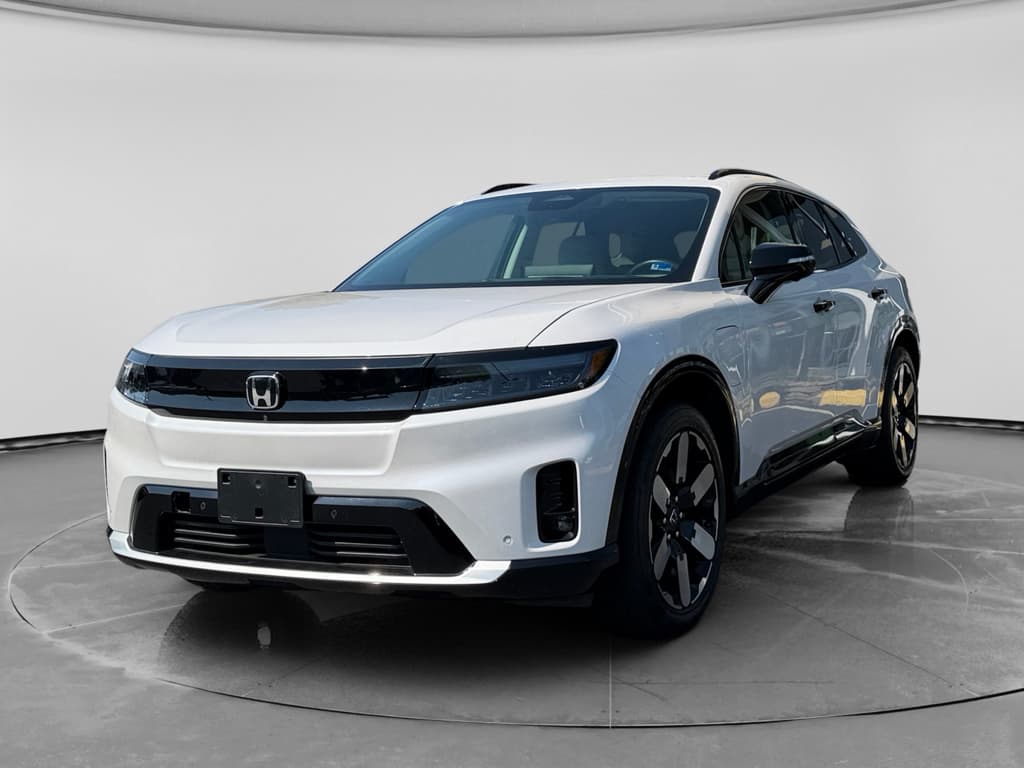
At a high level, Honda Prologue leans into simplicity: one big battery (about 85 kWh usable), straightforward trims, and a familiar Honda driving feel. The Hyundai Ioniq 5 offers more configurations, ultra‑fast DC charging, and bolder styling with a slightly smaller footprint. Both deliver real‑world range in the mid‑200s to low‑300s and can comfortably serve as a one‑car household solution in the U.S.
Honda Prologue in a sentence
- Big, roomy SUV footprint
- Single ~85 kWh battery pack across trims
- DC fast charging peaks around 150–155 kW
- Conservative but functional tech and UX
- Built on GM Ultium hardware, tuned by Honda
Hyundai Ioniq 5 in a sentence
- More compact exterior with excellent packaging
- Battery options (standard and larger pack, depending on year/trim)
- Ultra‑fast 800V DC charging (10–80% in ~18 minutes in ideal conditions)
- Design‑forward interior and UI
- Native North American Charging Standard (NACS) port on newer models, plus CCS on older ones via adapter
Quick Specs: Prologue vs Ioniq 5 at a Glance
Core Specs Comparison
Key numbers for typical U.S. configurations of Honda Prologue and Hyundai Ioniq 5. Exact figures vary by trim and model year.
| Spec | Honda Prologue | Hyundai Ioniq 5 |
|---|---|---|
| Battery capacity (usable, approx.) | ~85 kWh | Approx. 63–84 kWh depending on year/trim |
| EPA range (representative) | Around low‑ to mid‑300 miles FWD; mid‑200s to ~300 AWD | Roughly mid‑200s to low‑300s depending on battery and drive |
| DC fast‑charge peak | ~150–155 kW | Up to ~230+ kW on 800V system |
| 10–80% DC charge time (ideal) | ~30–35 minutes | ~18–20 minutes on a 350 kW charger |
| Onboard AC charger | Up to ~11.5 kW Level 2 | About 10.5–11 kW Level 2 |
| Drivetrain options | Single‑motor FWD, dual‑motor AWD | RWD or dual‑motor AWD |
| Length | Mid‑size SUV (roughly 192 in) | Compact‑mid SUV (around 182–184 in) |
| Seating | 5 passengers | 5 passengers |
| Rated towing (approx.) | 0–1,500 lb, depending on spec (limited tow focus) | Up to around 2,000 lb on many trims (check specific model) |
EPA ranges are for representative trims; always verify exact numbers for the specific vehicle you’re considering.
Specs vary by year and trim
Range and Efficiency
Both the Honda Prologue and Hyundai Ioniq 5 land in the same broad range neighborhood: mid‑200s to low‑300s miles of EPA range depending on trim, battery, and drive layout. But they get there in slightly different ways.
Range: How Far Will You Actually Go?
What typical U.S. shoppers can expect in day‑to‑day driving.
Honda Prologue range
Honda fits a roughly 85 kWh battery across the Prologue line. In U.S. testing, FWD versions generally land in the low‑ to mid‑300‑mile EPA range, while AWD versions sit somewhat lower, typically in the 270–300 mile neighborhood depending on wheels and trim.
That big pack plus Honda’s conservative efficiency tuning makes the Prologue feel like a traditional gas SUV in terms of how far you can go between stops.
Hyundai Ioniq 5 range
The Ioniq 5 uses smaller batteries overall but is very efficient. Earlier U.S. models offered a 58 kWh pack at around 220 miles EPA and a larger pack that pushed RWD models above 300 miles and AWD models into the mid‑200s. Updated 2025+ Ioniq 5s stretch those numbers further, with some single‑motor models advertised in the high‑200s to low‑300s.
In practice, many owners report that the Ioniq 5 meets or slightly beats its EPA rating at highway speeds if you’re reasonable with climate and speed.
Real‑world range rule of thumb
Charging Speed and Network Access
Charging is where the Honda Prologue vs Hyundai Ioniq 5 comparison gets interesting. The Hyundai leans on an 800‑volt architecture and very fast DC charging. The Honda counters with a bigger pack and respectable, but not class‑leading, fast‑charge performance.
Charging Snapshot
DC fast charging: road‑trip friendliness
On a strong DC fast charger, a Hyundai Ioniq 5 can add a huge chunk of range in roughly the time it takes you to use the restroom and grab a coffee. Under ideal conditions, going from 10% to 80% in about 18 minutes is realistic. In cold weather or on lower‑power stations, that stretches out, but the 800V hardware still gives the Ioniq 5 an edge over most competitors.
The Honda Prologue peaks at around 150–155 kW and tends to taper earlier in the state‑of‑charge window. At a high‑quality 150–350 kW station with a warm, pre‑conditioned battery, 10–80% in the 30–35 minute range is a reasonable expectation. Many owners see lower numbers on real‑world public infrastructure, which is more of an indictment of today’s charging networks than of the car itself.
DC charging speeds are heavily caveated
Home and workplace charging
For daily use, both Honda Prologue and Hyundai Ioniq 5 behave similarly. Each offers an onboard AC charger around 10.5–11.5 kW, which means with a typical 40–48A Level 2 charger at home you can comfortably recover a full battery overnight. From a nearly empty pack, that’s roughly 8–10 hours for the Prologue and slightly less for most Ioniq 5 configurations.
Think in miles per hour, not kW
Access to Tesla Superchargers and NACS
Network access is a moving target in 2026. Newer Hyundai Ioniq 5 models in North America are shipping with a NACS (Tesla‑style) charge port, giving you native access to a large chunk of the Supercharger network, plus CCS public chargers via adapter. Pre‑NACS Ioniq 5s can still access many Superchargers with the right adapter as Tesla opens its network more broadly.
The Honda Prologue uses a CCS port on earlier builds and is transitioning to NACS via adapters and future port changes, following the broader industry shift. On the used market, it’s crucial to check whether a given Prologue includes a Tesla‑compatible adapter and which networks it has activated in the app ecosystem you plan to use.
Space, Comfort, and Practicality
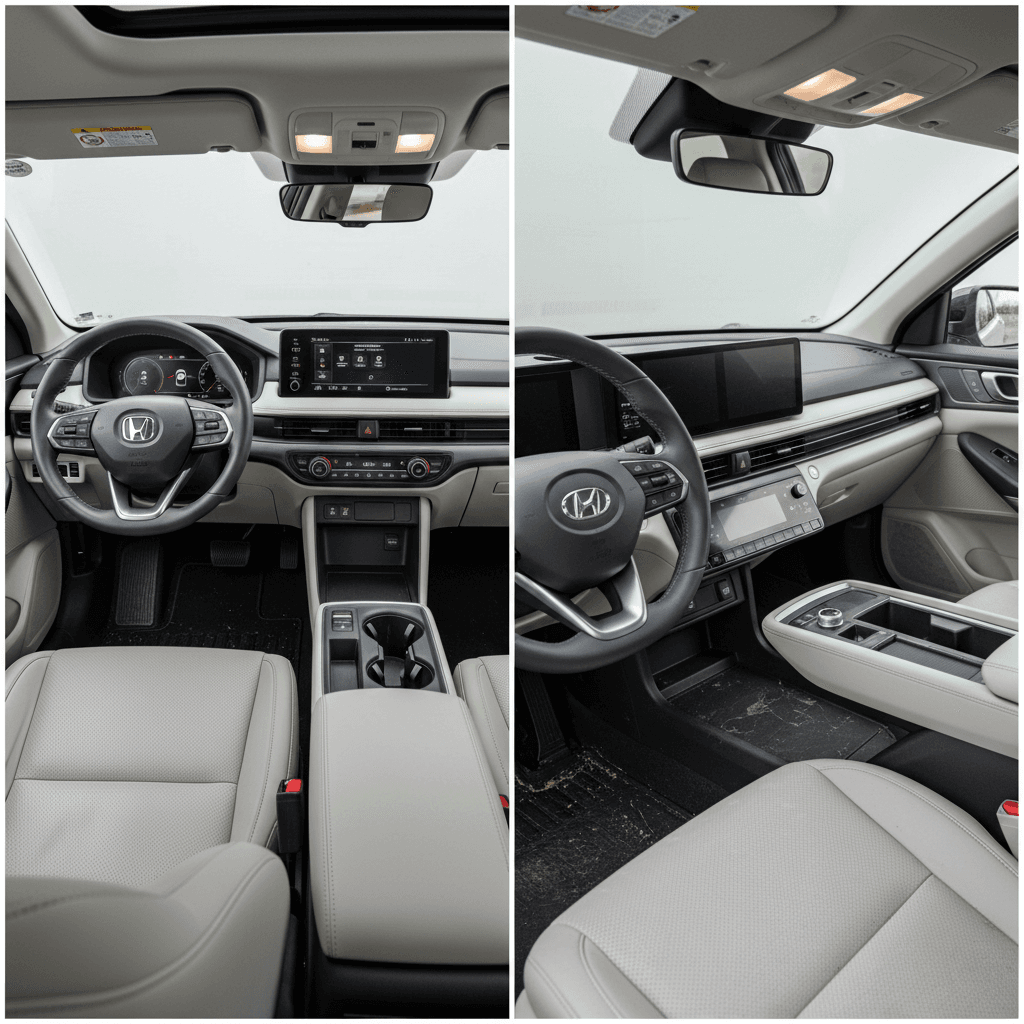
If you’re cross‑shopping Honda Prologue vs Hyundai Ioniq 5, there’s a good chance you care about space: kids, dogs, strollers, Costco runs. Here the Prologue leans toward traditional mid‑size SUV territory, while the Ioniq 5 is more of a cleverly packaged compact‑mid crossover.
Interior Space and Cargo
How they handle real family duty.
Honda Prologue: big‑SUV vibes
- More overall length and wheelbase translate to generous rear legroom and a more upright seating position.
- Cargo area is wide and practical, especially with the rear seats folded flat.
- Cabin design will feel familiar if you’re coming from a CR‑V or Pilot, simple controls, straightforward ergonomics.
- If you routinely carry tall adults in back or bulky gear, the Prologue’s extra size is noticeable.
Hyundai Ioniq 5: clever and flexible
- On paper, it’s shorter than the Prologue, but the long wheelbase and flat floor give it surprisingly roomy rear seating.
- Sliding rear bench lets you trade rear legroom for cargo space on the fly.
- Cargo volume is competitive for the class but not as cavernous as the Prologue.
- Design‑forward interior with more open floor space between front seats creates a "living room" feel rather than a traditional SUV cabin.
Practical takeaway
Performance and Driving Experience
Neither of these EVs is trying to be a sports car, but both are plenty quick for American traffic. They just express that competence differently.
Honda Prologue driving character
- Single‑motor FWD versions deliver smooth, predictable acceleration, plenty for daily use.
- Dual‑motor AWD trims add more punch; think brisk, not brutal.
- Ride quality is tuned for comfort, with a focus on feeling like a traditional Honda SUV, just quieter.
- Steering and braking feel familiar if you’ve driven recent Honda crossovers, no learning curve.
Hyundai Ioniq 5 driving character
- Single‑motor RWD versions feel light and responsive, with instant torque off the line.
- Dual‑motor AWD trims can be genuinely quick, especially in their earlier, higher‑output configurations.
- Ride is composed but a bit firmer and more "European" than the Prologue, especially on larger wheels.
- Multiple levels of regenerative braking, including one‑pedal style modes, give you more control over how the car feels.
Test‑drive both back‑to‑back if you can
Tech, Safety, and Driver Assistance
Both Honda Prologue and Hyundai Ioniq 5 come loaded with safety and driver‑assistance tech, this is table stakes in the EV SUV segment now. The differences are more about user interface and philosophy than raw feature lists.
Infotainment and Driver Assistance
How the screens and software feel day to day.
Infotainment UX
Prologue uses a Google‑built interface on a central touchscreen with integrated Google Maps, Assistant, and Play apps. It’s clean and familiar to Android users, with wireless Apple CarPlay/Android Auto support (availability may vary by model year).
Ioniq 5 relies on Hyundai’s own software with twin widescreen displays. It offers a lot of customization, but some menus can feel nested. CarPlay/Android Auto are widely available, though historically wired on some trims.
Safety suites
Both SUVs offer robust active‑safety suites: automatic emergency braking, lane‑keeping assistance, blind‑spot monitoring, and more. Expect top‑tier crash‑test performance from both, though you’ll want to check IIHS and NHTSA scores for the exact model year you’re considering.
Hands‑on driver assistance
Honda Prologue uses an evolution of Honda Sensing, with lane‑centering and adaptive cruise that work well on highways when lane lines are clear.
Hyundai Ioniq 5 offers Highway Driving Assist (HDA/HDA II depending on year), which combines adaptive cruise and lane‑centering with a polished steering assist feel.
EV buyers are no longer choosing between safety and innovation, both of these SUVs bring strong tech suites. The key is whether you prefer a "Google in your car" experience or Hyundai’s more curated approach.
Pricing, Incentives, and Used Market Outlook
MSRPs move constantly in today’s EV market, so let’s focus on the patterns. As of 2026, both the Honda Prologue and Hyundai Ioniq 5 tend to slot into the heart of the mainstream EV‑SUV price band, with well‑equipped trims often ending up in the mid‑$40,000s to low‑$50,000s new before incentives.
- Honda Prologue launches later and in smaller volumes than the Hyundai, which may initially keep used prices firmer but could also mean more aggressive lease programs as Honda pushes EV adoption.
- Hyundai Ioniq 5 has been on sale longer, so there’s already a healthy used inventory across trims, from entry‑level standard‑range cars to loaded AWD models.
- Both models may qualify for federal or state incentives depending on assembly location, battery sourcing, and your tax situation, rules are evolving under the Inflation Reduction Act, so always verify current eligibility before you buy.
Depreciation and the used EV sweet spot
Which EV SUV Is Right for You?
Match the EV to Your Life
1. You prioritize road‑trip speed and charging
If you regularly drive interstate distances and care about minimizing stop time, the Hyundai Ioniq 5 has a clear edge with its 800V charging and shorter 10–80% DC sessions. The newer NACS‑equipped models also make accessing Tesla Superchargers simpler.
2. You want maximum cabin and cargo space
If your life looks like car seats, sports gear, and big Costco runs, the Honda Prologue’s larger footprint and more conventional SUV packaging will likely feel more comfortable, especially for taller rear‑seat passengers.
3. You care about a familiar driving feel
Drivers coming out of a Honda CR‑V, Pilot, or Accord may feel more at home in the Prologue’s steering, braking, and ride tuning. If you’d rather your first EV feel as normal as possible, that’s a real advantage.
4. You love design and tech flair
If you like cars that look and feel a bit futuristic, the Ioniq 5’s pixel‑themed exterior, lounge‑like interior, and snappy charge curve will probably make you smile every day.
5. You’re shopping primarily used
Today, you’ll simply find more used Ioniq 5s in different configurations, price points, and option packages. Used Prologues are emerging but still rare; that will change over the next 1–3 years as lease returns hit the market.
A simple rule of thumb
How Recharged Helps You Shop Prologue and Ioniq 5 Smarter
Comparing Honda Prologue vs Hyundai Ioniq 5 on a spec sheet is one thing. Comparing real, individual used vehicles, with different mileage, battery history, and pricing, is where most shoppers get stuck. That’s exactly the problem Recharged was built to solve.
Why Use Recharged for Used Prologue and Ioniq 5 Shopping?
Data, transparency, and EV‑specific support.
Recharged Score battery health diagnostics
Fair pricing and financing support
Trade‑in and delivery made easy
Ready to find your next EV?
Browse VehiclesThe right choice between Honda Prologue and Hyundai Ioniq 5 depends less on who "wins" on paper and more on how you drive, where you charge, and what you value in daily use. Once you’ve sketched out which direction fits you better, browsing real used inventory with objective battery health and fair pricing data is the fastest way to turn that decision into the right car in your driveway.