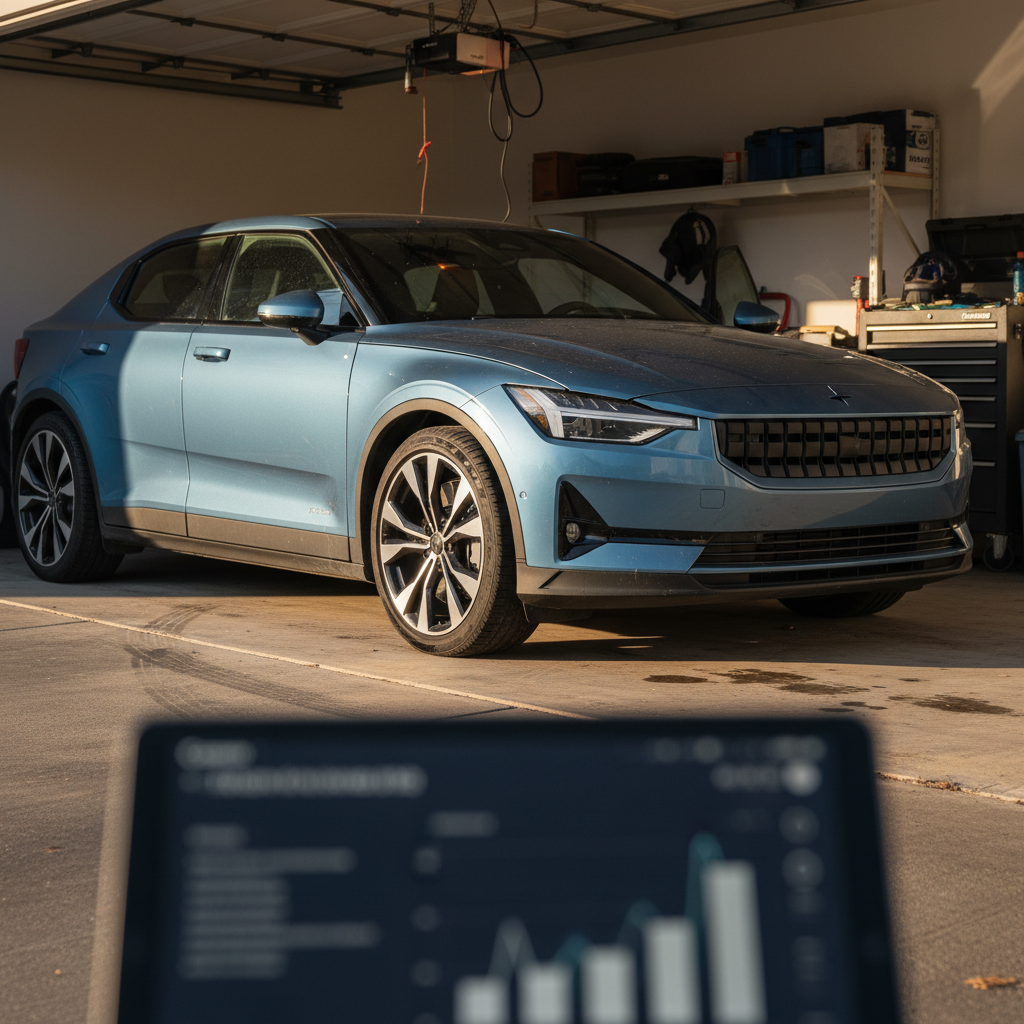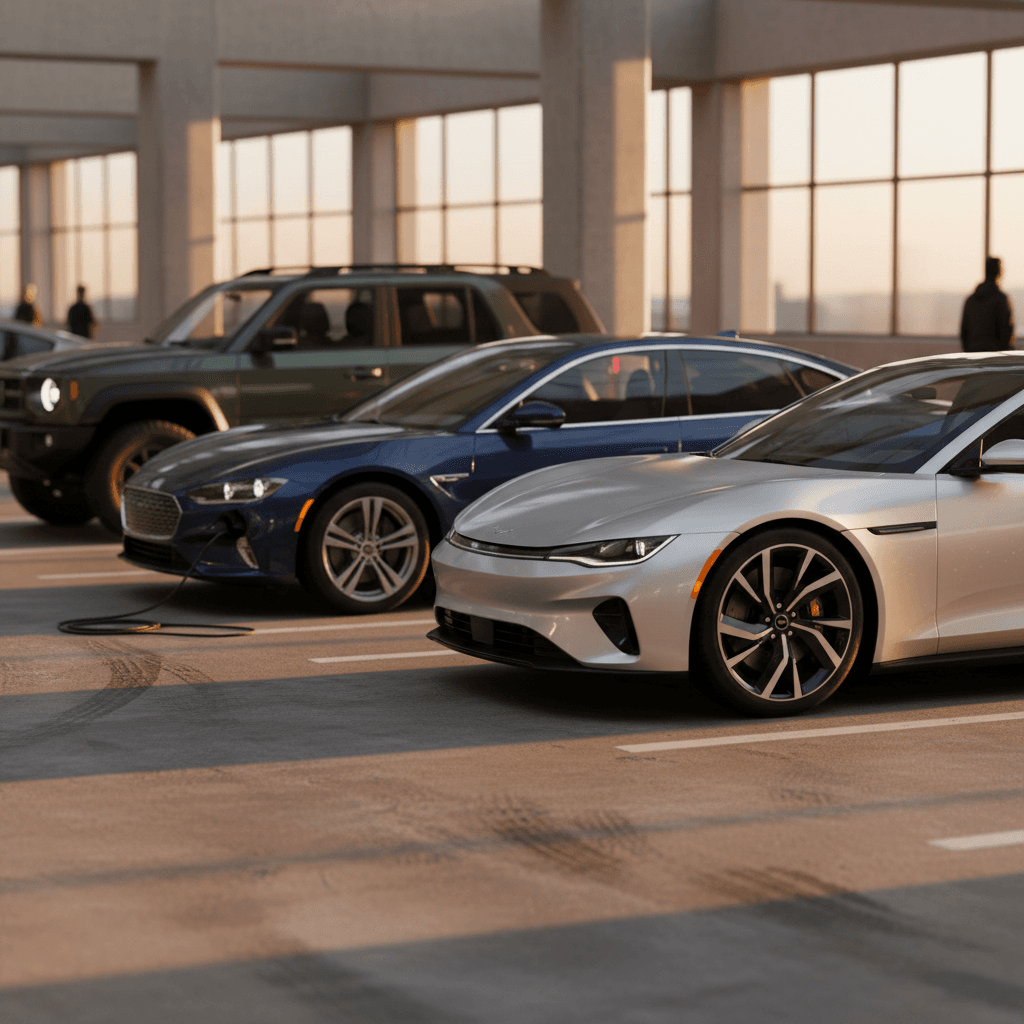
If you care about how a car feels to drive, the **best electric car with RWD** is almost certainly going to be more fun than its front‑wheel‑drive equivalent, and often cheaper and more efficient than an AWD version. The challenge is that there are a lot of rear‑wheel‑drive EVs on the market now, especially on the **used EV** side, and not all of them are equally compelling.
Quick takeaway
Why RWD matters in an electric car
In a traditional gas car, rear‑wheel drive mainly shows up in sports cars and trucks. In EVs, **RWD is increasingly the default** for single‑motor setups, because it uses the physics of an EV to your advantage: when you accelerate, weight transfers to the rear, pressing the driven wheels into the pavement and improving traction.
- Better traction under acceleration: with the heavy battery pack low and between the axles, the rear tires are pushed into the road when you launch, making RWD naturally grippy.
- Cleaner steering feel: the front wheels just steer; the rear wheels handle propulsion, which usually means more precise, natural steering feedback.
- Higher efficiency than AWD: a second motor adds weight and losses. For the same battery, a single‑motor RWD EV generally delivers more range.
- Lower purchase cost: RWD trims are almost always the price leader in a model lineup, and that gap is even more attractive on the used market.
What about winter driving?
RWD EVs in today’s market
Best RWD electric cars at a glance
Below is a quick comparison of standout **rear‑wheel‑drive EVs** that balance performance, practicality, and pricing, especially as used buys. Specs are approximate U.S. figures for single‑motor RWD trims.
Headline specs for top RWD EVs
Approximate specs for popular rear‑wheel‑drive EVs, focused on trims commonly found in the U.S. new and used markets.
| Model (RWD) | Body style | EPA range (mi) | 0–60 mph (sec, approx.) | DC fast charge peak | Notable strengths |
|---|---|---|---|---|---|
| Tesla Model 3 RWD | Compact sedan | ~272 | ~5.8 | ~170 kW | Efficiency, software, charging network access |
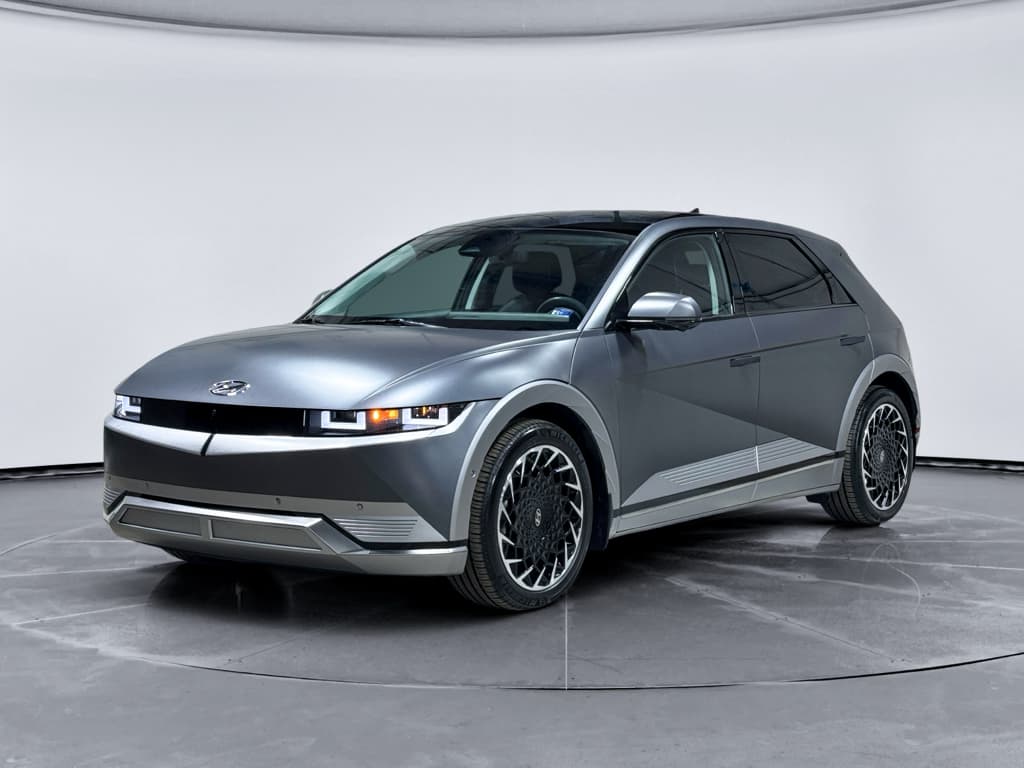
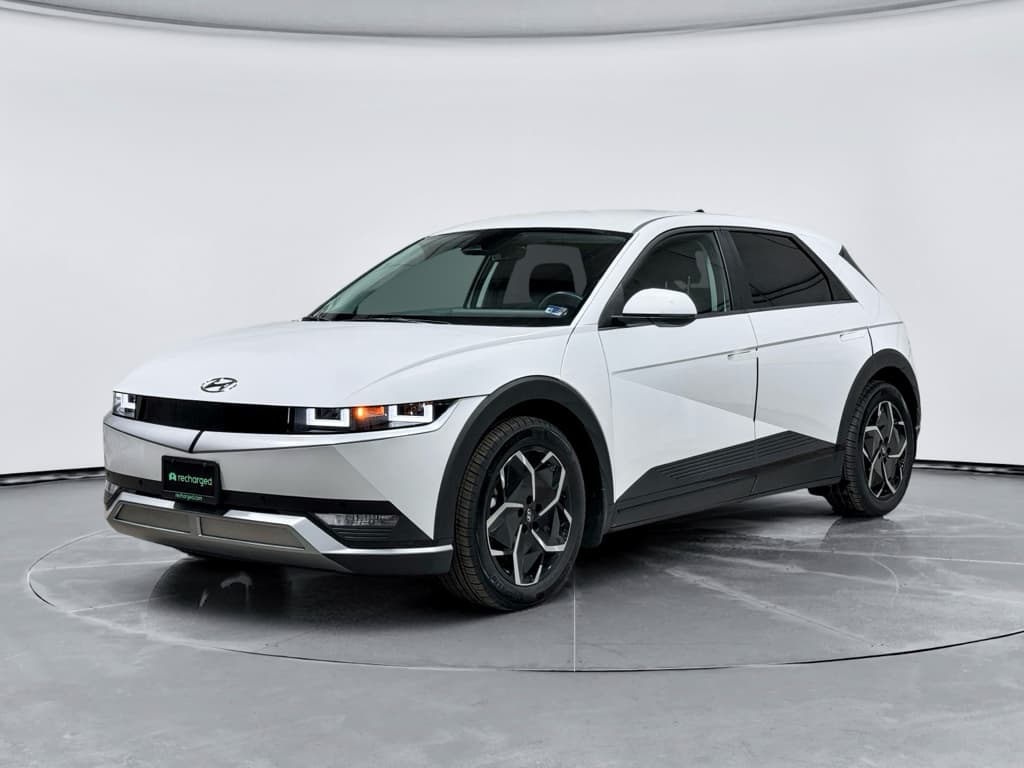
| Hyundai Ioniq 5 RWD (Long Range) | Compact SUV | ~303 | ~7.4 | ~235 kW | Ultra‑fast charging, lounge‑like cabin |
| Kia EV6 Long Range RWD | Sporty crossover | ~310 | ~7.1 | ~240 kW | Driver engagement, real‑world range |
| Volkswagen ID.4 Pro RWD | Compact SUV | ~291 | ~7.5 | ~175 kW | Space, comfort, value on used market |
| Ford Mustang Mach‑E RWD (Extended Range) | Sporty SUV | ~300 | ~6.1 | ~150 kW | Fun to drive, distinctive styling |
Always confirm exact range and charging specs for the specific year and trim you’re considering.
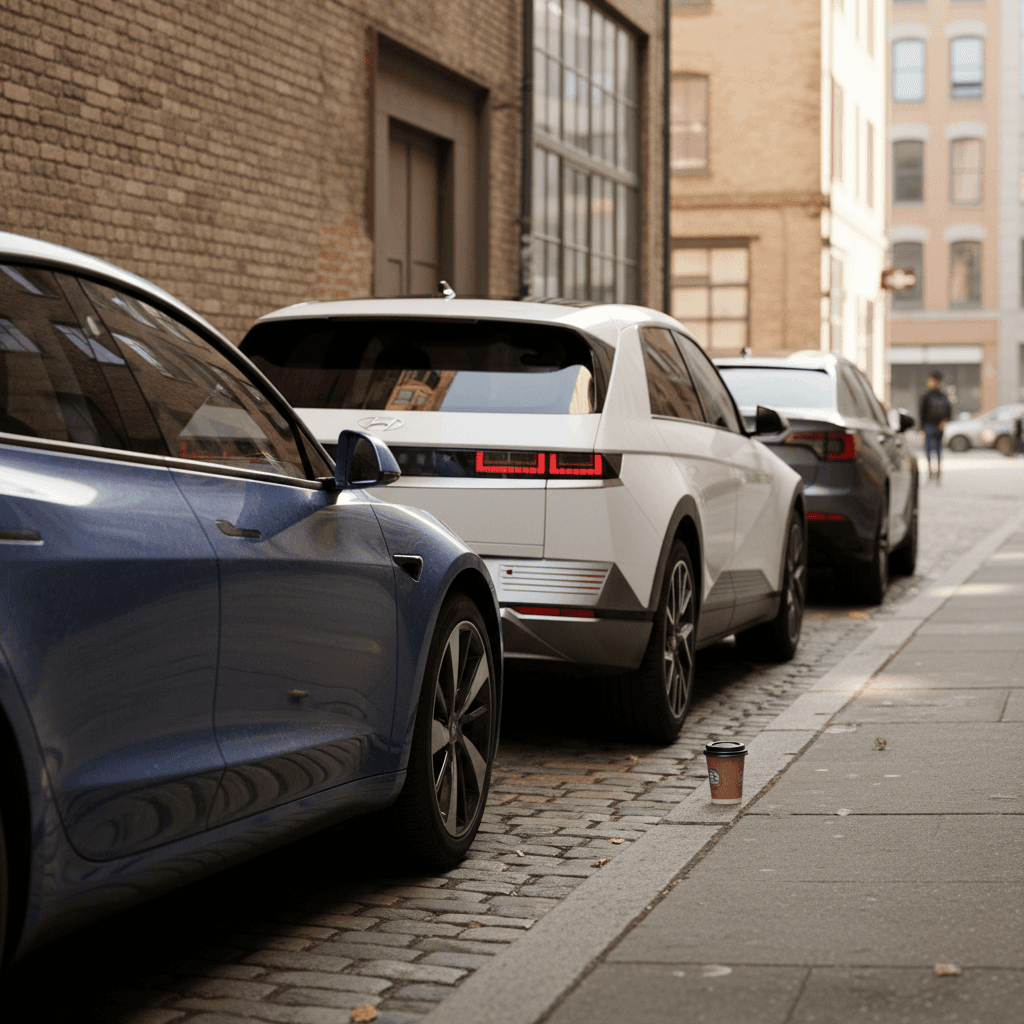
Best affordable RWD EV: Tesla Model 3 RWD
If you’re hunting for the **best electric car with RWD** on a budget, it’s hard to ignore the **Tesla Model 3 RWD**. The current rear‑wheel‑drive trim delivers around 272 miles of EPA‑rated range, strong efficiency, and the tightest integration with Tesla’s still‑dominant Supercharger network.
Tesla Model 3 RWD: why it stands out
Strong all‑rounder if you value efficiency and software
Pros
- Best‑in‑class efficiency: squeezes impressive real‑world miles from a relatively small battery.
- Fast, natural steering feel: RWD layout and low center of gravity make it genuinely fun to hustle.
- Supercharger access: still the simplest, most reliable DC fast‑charging experience for most U.S. drivers.
- Used pricing is rationalizing: as more Model 3s hit the used market, values have become much more approachable.
Cons
- Firm ride: some drivers find the suspension a bit stiff over broken pavement.
- Minimalist interior: love‑it‑or‑hate‑it; almost everything runs through the central screen.
- Build quality can vary: on a used car, panel alignment and interior squeaks are worth checking closely.
Used Model 3 RWD tip
Best RWD EV for comfort & style: Hyundai Ioniq 5
The **Hyundai Ioniq 5 RWD** has become a sweetheart of the EV world because it feels more like a modern lounge than a tech gadget. Single‑motor rear‑wheel‑drive long‑range trims offer roughly 300 miles of EPA range, ultra‑fast 800‑volt charging, and a relaxed, quiet ride that makes road‑trip miles melt away.
Why it works so well as RWD
- Smooth, predictable handling: the rear motor gives a gentle push rather than a tug, which pairs nicely with the soft suspension tuning.
- Range first: compared with AWD Ioniq 5s, the RWD version usually delivers noticeably more real‑world range.
- Better value on the used lot: many Ioniq 5s were leased early on, so there’s a growing supply of off‑lease RWD cars at attractive prices.
Where it’s less ideal
- No performance pretensions: 0–60 mph is quick enough, but not “wow” quick. If you crave hard launches, the EV6 or AWD variants will feel more exciting.
- Big exterior, modest cargo floor: styling eats a bit of usable hatch height compared to a more conventional SUV shape.
Great for family life
Best RWD EV for drivers: Kia EV6 Long Range RWD
The **Kia EV6 Long Range RWD** is one of those cars that quietly wins every comparison test. Officially rated around **310 miles of range** on its long‑range RWD trim, it combines a big battery with strong efficiency and very quick DC fast‑charging, up to roughly **200–240 kW** on a suitable charger. That makes it an outstanding pick if you care about both **driver engagement and long‑distance usability**.
Real‑world charging advantage
- Handling: slightly firmer and more tied‑down than an Ioniq 5, with a lower roofline that feels more like a sporty hatchback than an SUV.
- Range: long‑range RWD trims deliver some of the best highway range in the segment when driven reasonably.
- Cabin: a bit tighter than some rivals in the back seat, but still practical for most families.
Best RWD EV for space: Volkswagen ID.4 Pro RWD
If you’re trying to replace a compact SUV with an EV and want **maximum room and value**, the **Volkswagen ID.4 RWD** belongs on your short list. Single‑motor Pro trims offer high‑200‑mile range, a calm ride, and a very usable cargo area that feels more traditional than the Ioniq 5’s design‑forward layout.
Volkswagen ID.4 RWD highlights
A practical, comfortable RWD EV for real life
Space
Comfort
Value
Infotainment caveat
Best SUV with RWD dynamics: Ford Mustang Mach‑E
The **Ford Mustang Mach‑E** might be polarizing in name, but in rear‑wheel‑drive form it’s one of the more genuinely fun EV crossovers to drive. Owners and comparison tests consistently praise RWD Mach‑Es for their balance, steering feel, and confident highway behavior.
Why enthusiasts like it
- Sharp steering and chassis: the Mach‑E feels more like a big hot hatch than a soft crossover.
- RWD balance: the rear‑drive layout lets you feel the car rotate more naturally through sweepers compared with FWD‑biased rivals.
- Good used availability: lots of former lease cars are now hitting the secondary market at prices that undercut many new compact crossovers.
What to watch for used
- Early build quality and software quirks are worth checking on a test drive.
- Fast‑charging performance is good but not best‑in‑class; factor that into your road‑trip expectations.
Best used RWD EVs to buy in 2025–2026
From a value perspective, the **best electric car with RWD** is very often **a used one**. Prices on many 2021–2023 single‑motor EVs have dropped sharply as new incentives, NACS adoption, and an influx of new models reshuffle the market.
Standout used RWD EV buys
Models that tend to offer particularly strong value as used RWD purchases in the U.S. as of 2025–2026.
| Model (RWD) | Typical used price band* | Why it’s a deal |
|---|---|---|
| Tesla Model 3 RWD (2019–2023) | ≈ low‑ to mid‑$20k | Huge production volume means lots of choice, plus efficient powertrain and Supercharger access. |
| Hyundai Ioniq 5 RWD (2022–2023) | ≈ mid‑$20k to low‑$30k | Fast charging, comfortable ride, and plenty of off‑lease inventory. |
| Kia EV6 Long Range RWD (2022–2023) | ≈ upper‑$20k to low‑$30k | Excellent driver’s car character with big‑battery range. |
| Volkswagen ID.4 Pro RWD (2021–2023) | ≈ low‑ to mid‑$20k | Spacious, comfortable, and often priced aggressively compared with Korean rivals. |
| Ford Mustang Mach‑E RWD (2021–2023) | ≈ mid‑$20k to low‑$30k | Sporty drive and distinctive styling, with improving software support. |
Exact pricing varies by mileage, condition, and market, but these models frequently undercut comparable new EVs while still offering modern tech.
How Recharged can help
RWD vs AWD in an EV: which should you buy?
Choosing the **best electric car with RWD** often comes down to whether you *really* need all‑wheel drive. On paper, AWD gives you more traction and quicker acceleration; in practice, the trade‑offs are more nuanced.
RWD vs AWD in electric cars
How they compare in daily use
When RWD makes more sense
- You mostly drive on paved roads in moderate climates.
- You want maximum range per kWh and lower upfront cost.
- You value a more natural steering feel without torque tugging at the front wheels.
- You prefer replacing a second set of winter tires with just one good all‑season or winter set on RWD.
When AWD is worth paying for
- You regularly deal with deep snow, steep driveways, or unplowed roads.
- You want the quickest 0–60 times available in a given model.
- You tow frequently and want extra traction when pulling a trailer up ramps or on gravel.
- You’re comfortable trading a bit of range and efficiency for peace of mind in bad weather.
Don’t rely on drivetrain alone for safety
How to choose the right RWD EV for you
RWD EV buying checklist
1. Start with your daily range needs
Look at your true daily mileage, not worst‑case scenarios. Many RWD EVs with 250–300 miles of rated range leave plenty of margin for commuting plus errands without daily fast‑charging.
2. Decide how much performance you really use
Single‑motor RWD EVs are already quicker than most gas cars. If you rarely floor it or pass on two‑lane roads, AWD performance trims may be overkill.
3. Think honestly about winter
If you live in a place with occasional snow but well‑plowed roads, RWD plus a good set of winter tires is usually fine. In mountain towns or rural areas, AWD may buy you meaningful peace of mind.
4. Prioritize cabin and cargo that fit your life
Compare seats‑up cargo volume, rear‑seat legroom, and door openings. An ID.4 or Ioniq 5 may fit strollers, pets, or sports gear better than a Model 3 sedan.
5. Evaluate charging behavior, not just peak kW
Look at real‑world charging curves and how long the car sustains high power. An EV6 or Ioniq 5 that holds 200+ kW for much of the session may save more time than a car with a similar nominal peak but a weaker curve.
6. Use data, not vibes, on a used EV
Ask for a battery health report, service history, and any records of software updates. On Recharged, the Recharged Score distills this into a single, easy‑to‑compare rating so you can shop by real condition, not just odometer and photos.
The magic of rear‑wheel‑drive in an EV isn’t tail‑out antics; it’s the way it quietly combines efficiency, stability, and steering feel in everyday driving.
FAQ: Rear‑wheel‑drive electric cars
Frequently asked questions about RWD EVs
Bottom line: picking the best RWD electric car
If you’re not chasing maximum horsepower or battling extreme winter conditions every week, a **rear‑wheel‑drive EV** is usually the smartest way to go electric. You get better range per dollar, engaging but predictable dynamics, and, in many cases, much more inventory to choose from on the used market.
For most shoppers, a **Tesla Model 3 RWD**, **Hyundai Ioniq 5 RWD**, **Kia EV6 Long Range RWD**, **Volkswagen ID.4 Pro RWD**, or **Ford Mustang Mach‑E RWD** will cover the vast majority of use cases, from commuting to family road trips. The right choice for you comes down to body style, ride comfort, charging behavior, and how often you really need AWD.
If you’re ready to explore specific cars, Recharged can help you compare used RWD EVs side by side with transparent Recharged Score battery health reports, fair pricing, trade‑in options, financing, and even **nationwide delivery**. That way, you can focus on choosing the RWD EV that actually fits your life, not just what’s sitting on a local lot this week.