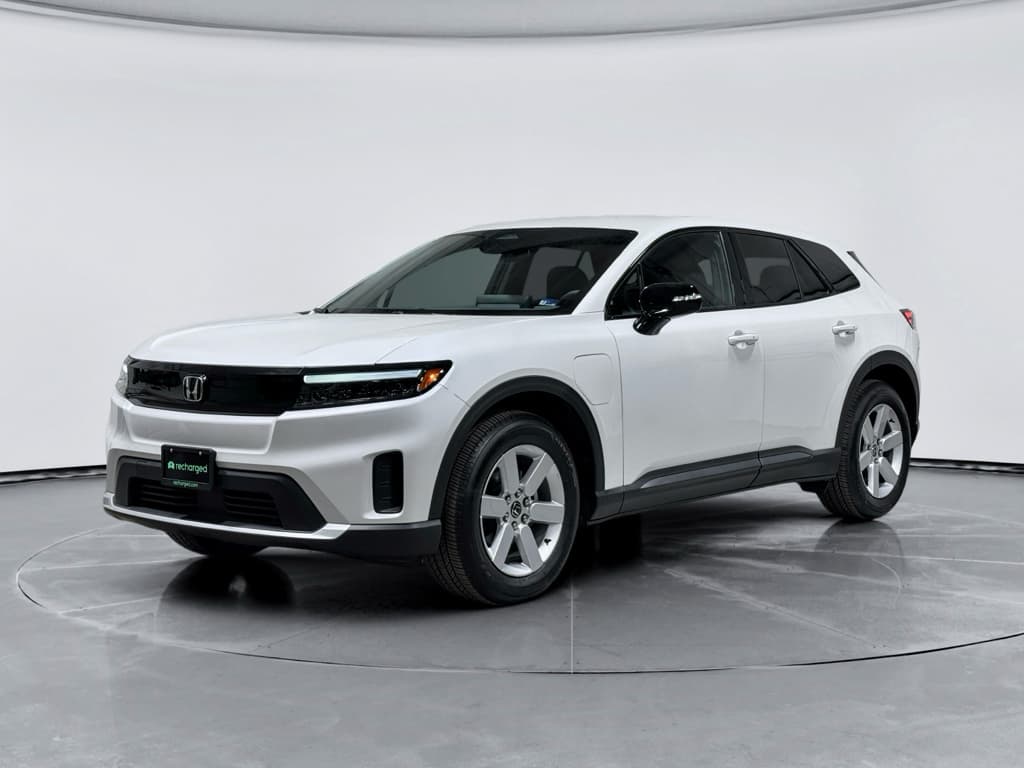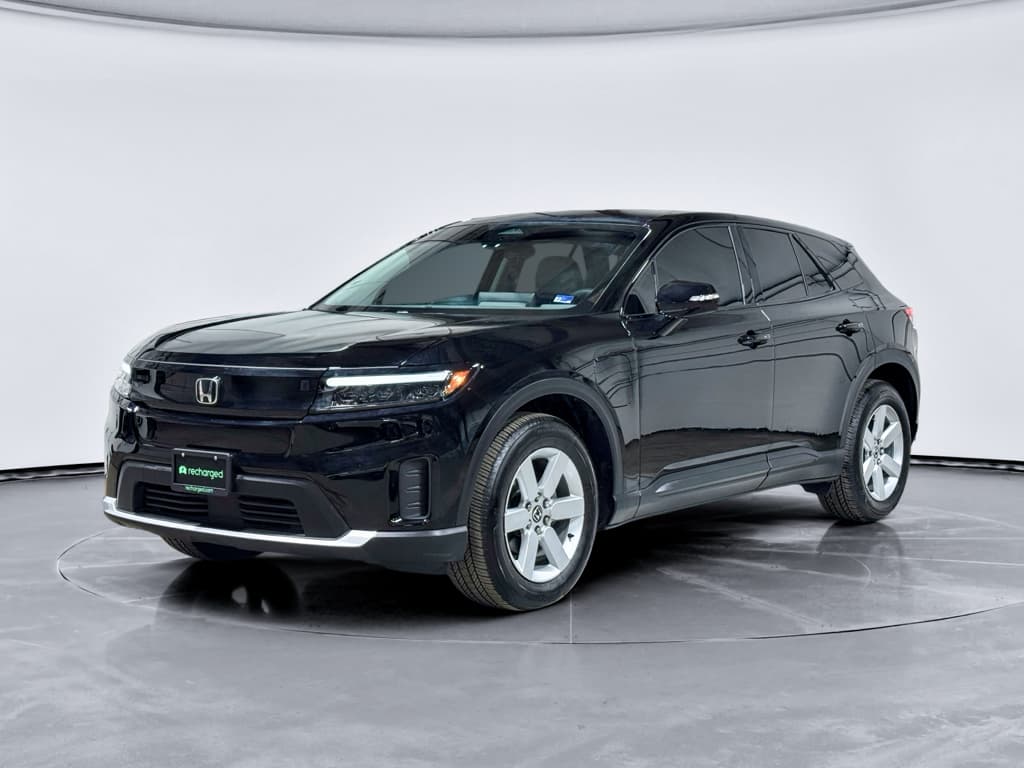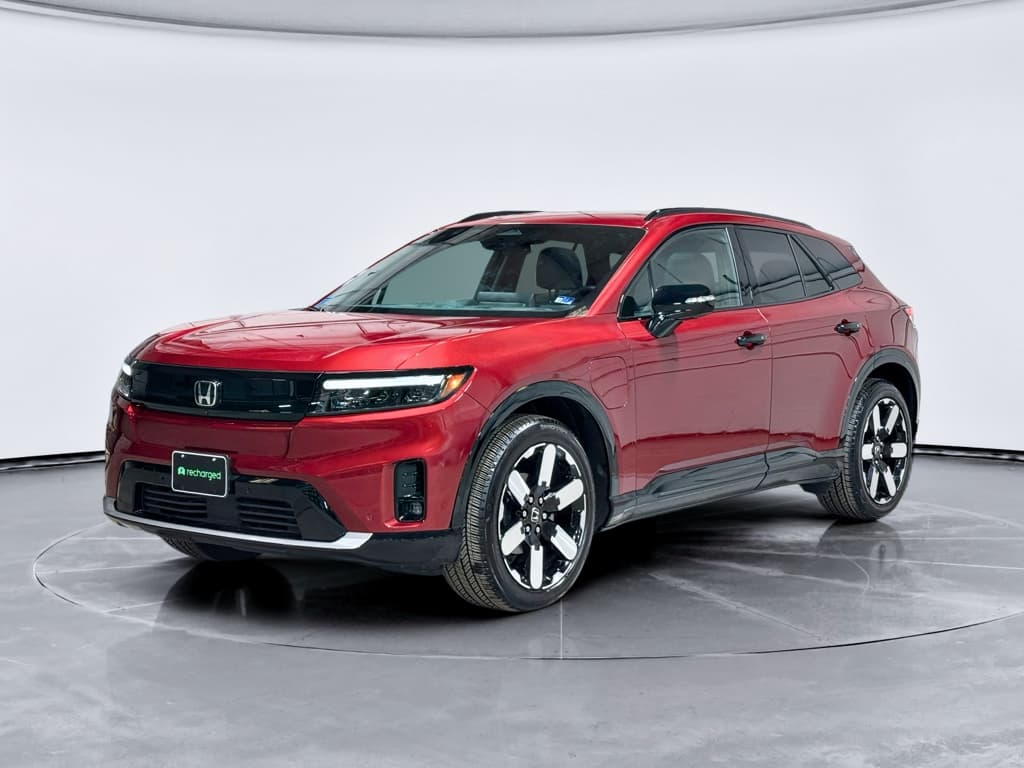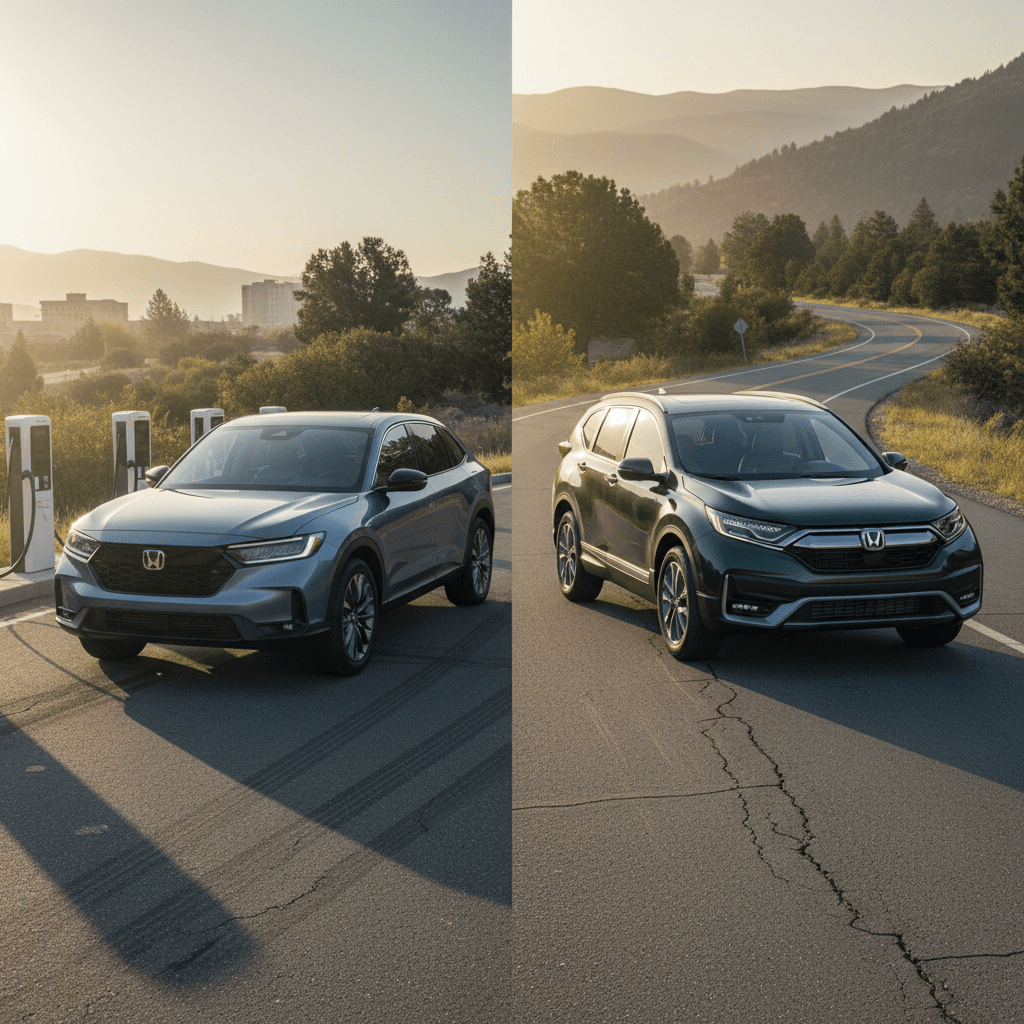
If you’re cross‑shopping the all‑electric Honda Prologue against a Honda CR‑V (including the Hybrid), you’re really picking between two different philosophies: going fully electric now, or sticking with a familiar gas‑hybrid SUV. This guide breaks down Honda Prologue vs Honda CR‑V so you can decide which to buy based on your budget, commute, charging options, and how long you plan to keep the car.
Quick takeaway
Overview: Honda Prologue vs CR-V at a Glance
Honda Prologue vs Honda CR‑V: Key Specs Snapshot
High‑level comparison of drivetrain, range, mpg, and starting prices for new models in the U.S. as of 2025.
| Model | Powertrain | EPA Range / MPG (approx.) | Drivetrain | New Starting Price (MSRP) | Typical Use Case |
|---|---|---|---|---|---|
| Honda Prologue | All‑electric, 85‑kWh battery | Up to ~296 miles range (FWD), ~270–280 miles (AWD) | FWD or AWD | Around $48,000 before destination and incentives | Daily commuting, suburban families ready for full EV |
| Honda CR‑V (gas) | 1.5L turbo gas | ~29 mpg combined (FWD) | FWD or AWD | Low $30Ks | Simple, lower‑priced family SUV |
| Honda CR‑V Hybrid | 2.0L hybrid gas‑electric | Up to ~40 mpg combined (FWD) | FWD or AWD | Mid‑$30Ks | Max fuel efficiency without plugging in |
Exact pricing and incentives vary by trim, region, and whether you buy new or used.
New vs used matters
Who the Prologue and CR-V Are Really For
Ideal Buyers: Honda Prologue vs Honda CR‑V
Think about your daily reality, not just the spec sheet.
Honda Prologue is best if…
- You own a home or have predictable access to overnight charging (driveway or garage).
- Your typical daily driving is under 150 miles, with only a few long road trips per year.
- You want to cut gasoline out of your budget and lock in mostly electricity costs.
- You like a smoother, quieter drive and modern tech like Google built‑in and over‑the‑air updates.
- You’re open to buying used EV to offset higher MSRP with a lower transaction price.
Honda CR‑V / CR‑V Hybrid is best if…
- You can’t install home charging (apartment, street parking, strict HOA).
- You take frequent long road trips or drive in regions with sparse fast‑charging.
- You want the lowest perceived risk and maximum dealership familiarity.
- You’re watching your budget and prefer a lower starting price even if fuel costs are higher.
- You plan to keep the SUV for a decade and value Honda’s long track record with CR‑V.
Early Prologue reality check
Price, Incentives, and Total Cost of Ownership
On paper, a new Honda Prologue costs noticeably more than a new CR‑V or CR‑V Hybrid. But that’s only half the story. Incentives, fuel savings, and the quickly developing used‑EV market compress that gap over a few years of ownership.
Approximate New Pricing: Prologue vs CR‑V
High‑level starting prices for 2024–2025 U.S. models; exact MSRPs vary by trim and destination charges.
| Model / Trim | Ballpark New MSRP (before fees) | Notes |
|---|---|---|
| Honda Prologue EX (FWD) | ≈ $47,000–$49,000 | Single‑motor, longest‑range configuration, well‑equipped by default. |
| Honda Prologue Elite (AWD) | ≈ $57,000–$59,000 | Dual‑motor, more equipment, slightly lower range. |
| Honda CR‑V LX (gas) | ≈ $31,000–$32,000 | Base engine, no hybrid system, lowest entry price. |
| Honda CR‑V Hybrid Sport | ≈ mid‑$30,000s | Hybrid powertrain with significantly higher mpg, popular value pick. |
Always check current local pricing and incentives; EV pricing has been especially volatile since 2024.
Federal EV tax credit & leasing
Total Cost of Ownership: Big Picture
Example: 12,000 miles/year commuter
If you drive about 12,000 miles per year, a CR‑V Hybrid at roughly 40 mpg burns around 300 gallons of fuel annually. At $3.50/gal, that’s about $1,050/year in gas.
A Prologue using mainly home charging might average around 0.30–0.35 kWh per mile. At $0.15/kWh, you’re in the ballpark of $540–$630/year in electricity. Over five years, that gap can cover several thousand dollars of the Prologue’s higher purchase price.
Example: Low‑mileage, city driver
If you only drive 6,000–8,000 miles per year, fuel savings are smaller. In that case, the lower up‑front price of a CR‑V might win out, especially if you can’t easily install a Level 2 charger at home.
This is where a lightly‑used Prologue from a retailer like Recharged can be compelling: you get EV running costs without paying brand‑new EV money.
Gas vs Electricity: What You’ll Actually Spend
The biggest long‑term financial difference between a Honda Prologue and a Honda CR‑V is what you pay to move them down the road: gasoline vs electricity. The spread varies wildly by state, but a few rules of thumb hold in most of the U.S.
- In many regions, home EV charging is equivalent to paying $1–$2 per gallon of gas, sometimes less if you have off‑peak rates or rooftop solar.
- Public DC fast‑charging is usually more expensive than home charging, and in some areas approaches (or exceeds) gas‑equivalent pricing.
- The CR‑V Hybrid’s 40‑ish mpg combined puts it near the top of the non‑plug‑in SUV pack, but you’re still fully exposed to future gasoline price spikes.
Run your own numbers
Range, MPG, and Real-World Usable Distance
Range anxiety is real for first‑time EV buyers, but it’s also often misunderstood. The Prologue’s EPA range numbers look generous on paper; the CR‑V Hybrid’s mpg numbers are less dramatic but easier for most people to live with on a long road trip.
Range and Efficiency Comparison
EPA ratings are laboratory figures; expect lower real‑world range in cold weather, sustained high‑speed driving, or when heavily loaded.
| Model | EPA Range / MPG (approx.) | What that means day‑to‑day |
|---|---|---|
| Honda Prologue FWD | Up to ~296 miles | Plenty for typical daily use and weekend trips with an overnight charge; you’ll likely charge every 2–4 days at home. |
| Honda Prologue AWD | ~270–280 miles | Still strong range, but snow‑belt drivers should expect more winter variation. |
| Honda CR‑V gas | ~29 mpg combined | Comfortable highway range with a standard fuel tank; very few worries about finding gas. |
| Honda CR‑V Hybrid | Up to ~40 mpg combined | Long highway legs and far fewer fill‑ups, especially if you do a lot of stop‑and‑go urban driving. |
Think in terms of how often you need to go more than 200 miles in a day without a good charging plan.
Cold‑weather caveat for EVs
Space, Comfort, and Family Practicality
For most families, both the Prologue and CR‑V check the big boxes: two rows of comfortable seating, easy‑access rear doors, and a cargo area that can swallow strollers, sports gear, or a Costco run. The differences are more subtle than you might expect.
Practicality Highlights
Where each Honda SUV quietly shines in daily use.
Interior space
Cargo & hauling
Kids & car seats
Good news: size isn’t the deal‑breaker
Charging vs Refueling: How Each Fits Into Daily Life
From a pure convenience standpoint, the Prologue can actually be easier to live with than a CR‑V, if you have the right home setup. The pain point is flipped: in an EV, daily driving is effortless and road trips require planning; in a CR‑V, daily gas station stops are minor annoyances while road trips are nearly frictionless.
Living with a Honda Prologue
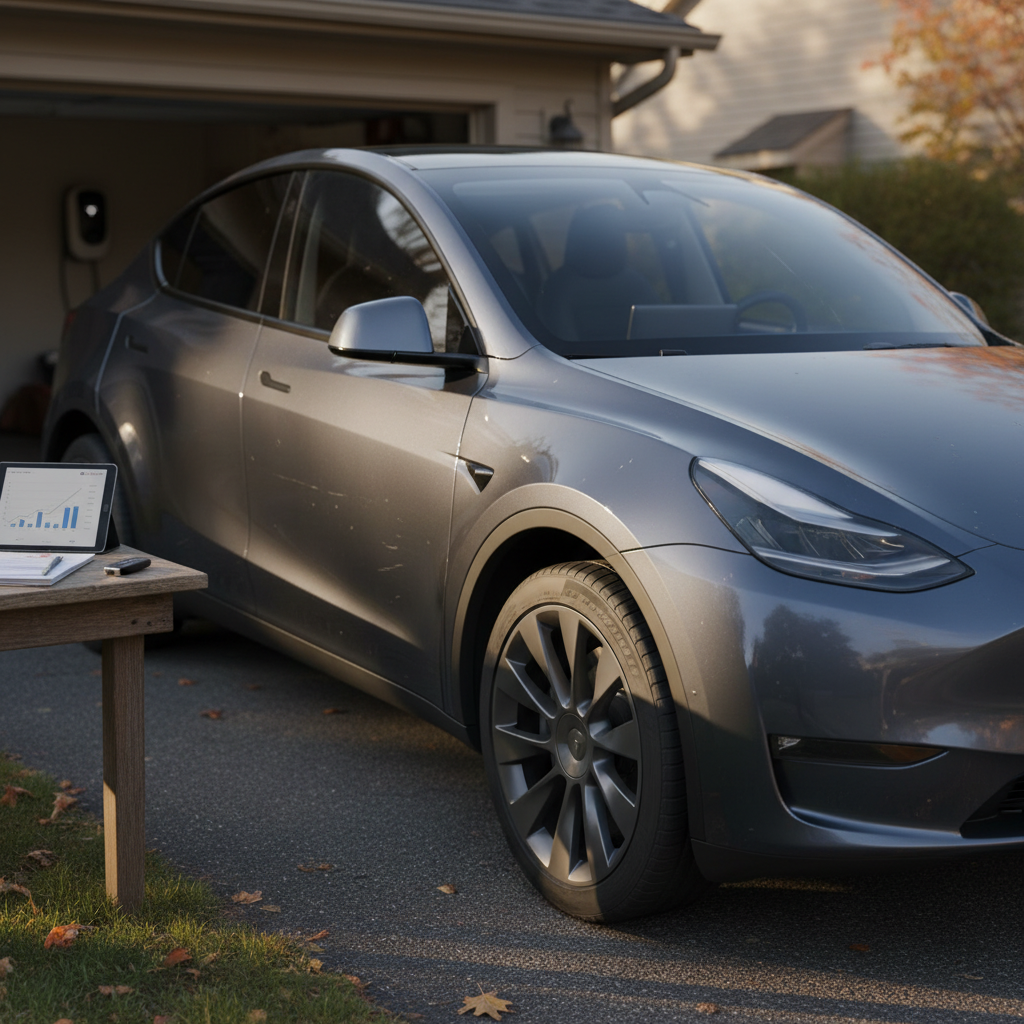
- Home Level 2 charger is close to mandatory. Plugging in overnight turns every morning into a “full tank” day. Without home charging, public infrastructure friction goes up quickly.
- Public fast‑charging is a backup, not your primary plan. Network quality still varies by region, and session speeds rarely match the numbers on the brochure.
- Apartment dwellers need a clear plan. If your building offers reliable Level 2 charging or you have workplace charging, the Prologue can still work, just don’t assume public fast‑charging alone will feel convenient.
Living with a Honda CR‑V / CR‑V Hybrid
- Refueling is predictable and fast. Five minutes at any gas station, anywhere, and you’re done.
- No new behavior required. If you’re coming from another gas SUV, the CR‑V feels instantly familiar.
- Hybrid sweet spot for city dwellers. In stop‑and‑go traffic, the hybrid’s electric assist really pays off, without ever needing a plug.
Don’t buy a Prologue without a charging plan
Reliability, Battery Life, and Resale Value
Honda’s reputation for reliability is built largely on vehicles like the CR‑V, which regularly run well past 150,000 miles with basic maintenance. The Prologue, as Honda’s first modern mass‑market EV in the U.S., doesn’t yet have that track record, but it does have some structural advantages and some unknowns.
Long‑Term Ownership Considerations
Where each SUV shines, or raises questions, over 8–10 years.
Mechanical complexity
Battery & EV hardware
Resale value
“The biggest shift isn’t just powertrain, it’s depreciation. Early buyers of new EVs are subsidizing the used market, where value can be extraordinary if you know what you’re looking at, especially around battery health.”
How Recharged derisks used EVs
Decision Checklist: Should You Buy a Prologue or CR-V?
Step‑by‑Step: Honda Prologue vs Honda CR‑V
1. Confirm your home charging situation
Can you reliably install or access a 240V Level 2 charger where you park most nights? If yes, the Prologue immediately becomes more compelling. If no, lean strongly toward the CR‑V or CR‑V Hybrid unless your workplace offers reliable charging.
2. Map your typical and edge‑case trips
Write down your usual weekly mileage plus your longest regular trips. If 95% of your driving is under ~150 miles a day and you road‑trip only a few times a year, the Prologue’s range is more than enough. If you routinely do 400‑mile days in rural areas, the CR‑V is less stressful.
3. Run a 5‑year fuel vs electricity cost comparison
Compare expected gas spend in a CR‑V or CR‑V Hybrid with electricity costs for the Prologue in your state. Don’t forget to factor in any EV tax credits, employer charging perks, or time‑of‑use electricity rates that could tilt the math.
4. Decide how long you’ll keep the SUV
If you trade every 3–4 years, the Prologue’s faster early depreciation is a bigger concern. If you’re a 7‑ to 10‑year keeper and can buy a Prologue at a good price, especially used, the lower running costs become more important than resale.
5. Consider your tech comfort level
The Prologue leans harder into software, over‑the‑air updates, and integrated Google services. If you love that ecosystem, it’s a plus. If you’d rather avoid new‑tech quirks, the CR‑V’s more mature platform will feel calmer.
6. Test‑drive both back‑to‑back
Many shoppers are surprised how much they prefer the <strong>smoothness and quiet</strong> of the Prologue once they drive it. Others find the CR‑V’s familiarity reassuring. A same‑day test drive of each will usually make your gut answer obvious.
Where a Used Honda Prologue From Recharged Fits In
Because new EVs like the Prologue have seen aggressive discounting and incentives, their used values drop faster than comparable CR‑Vs. That sounds like bad news if you bought new, but it’s exactly why the Prologue is starting to look very attractive in the used market.
Why a used Prologue can be a sweet spot
- First owner absorbs the biggest depreciation hit.
- You still get modern range (around 270–300 miles when new) and DC fast‑charging capability.
- Honda’s interior quality and ergonomics age gracefully compared to some early EV competitors.
How Recharged reduces EV buyer anxiety
- Every Prologue comes with a Recharged Score battery health report, so you’re not guessing about degradation.
- Our pricing tools benchmark each car against the broader EV market, so you can see whether you’re getting a fair deal.
- EV‑specialist advisors can walk you through charging basics, home‑charging options, and incentives before you commit.
When a used Prologue beats a new CR‑V
FAQ: Honda Prologue vs Honda CR-V
Frequently Asked Questions
Bottom Line: Honda Prologue vs Honda CR-V – Which to Buy
When you strip the marketing away, the Honda Prologue vs Honda CR‑V decision comes down to one core question: are you ready to build your life around charging instead of gas stations? If you can say yes, and you have reliable home or workplace charging, the Prologue offers a quieter, cleaner, and potentially cheaper‑to‑run experience, especially if you buy it used. If you can’t say yes, or if you prize maximum flexibility on long trips with zero planning, the CR‑V or CR‑V Hybrid remains one of the most rational family SUVs you can buy.
If you’re leaning electric but want to avoid the guesswork, browsing used Prologues and other EVs on Recharged is a smart way to test the waters. You’ll see verified battery health, transparent pricing, and can talk to EV‑savvy specialists who live and breathe this transition every day, so you don’t have to.