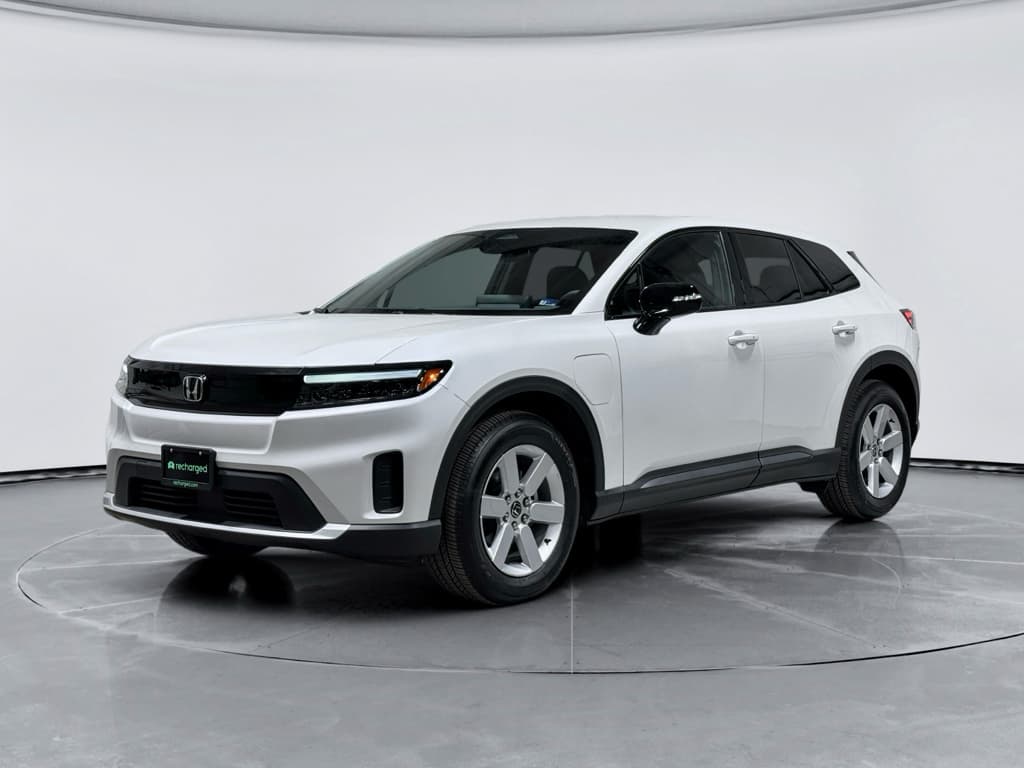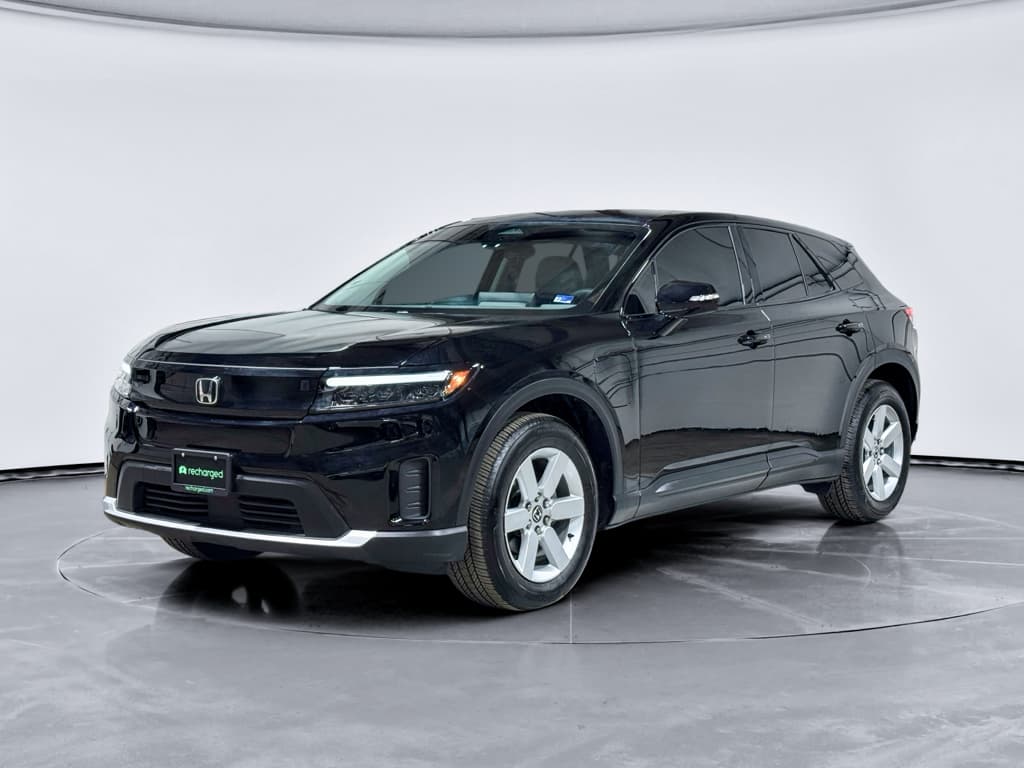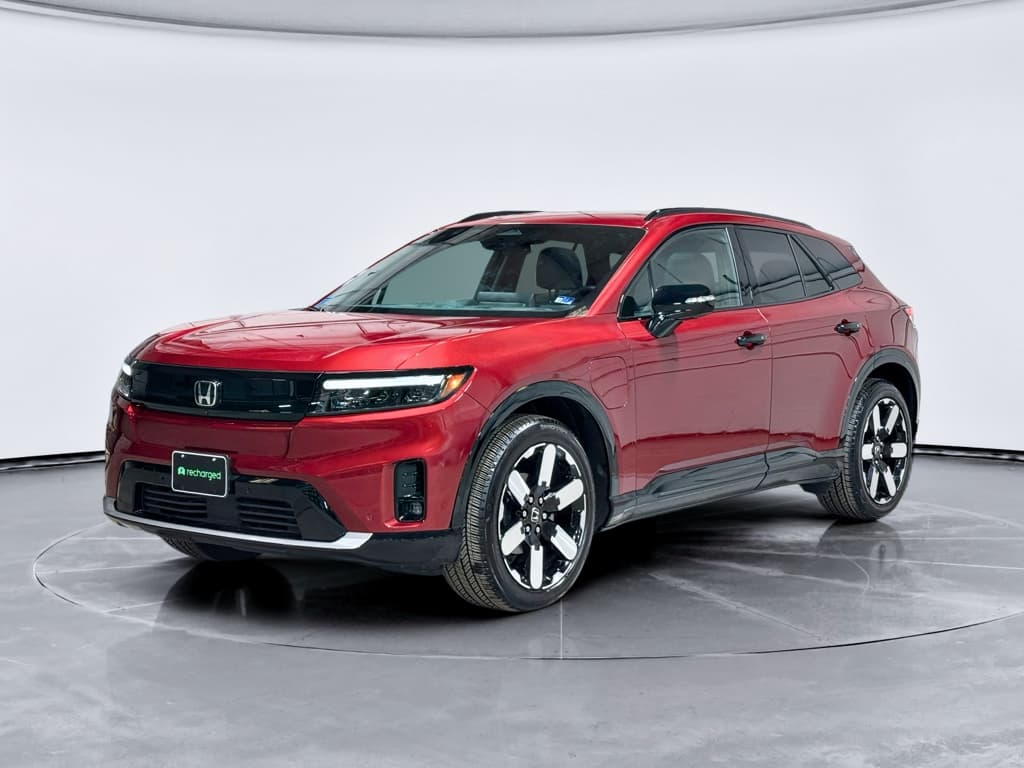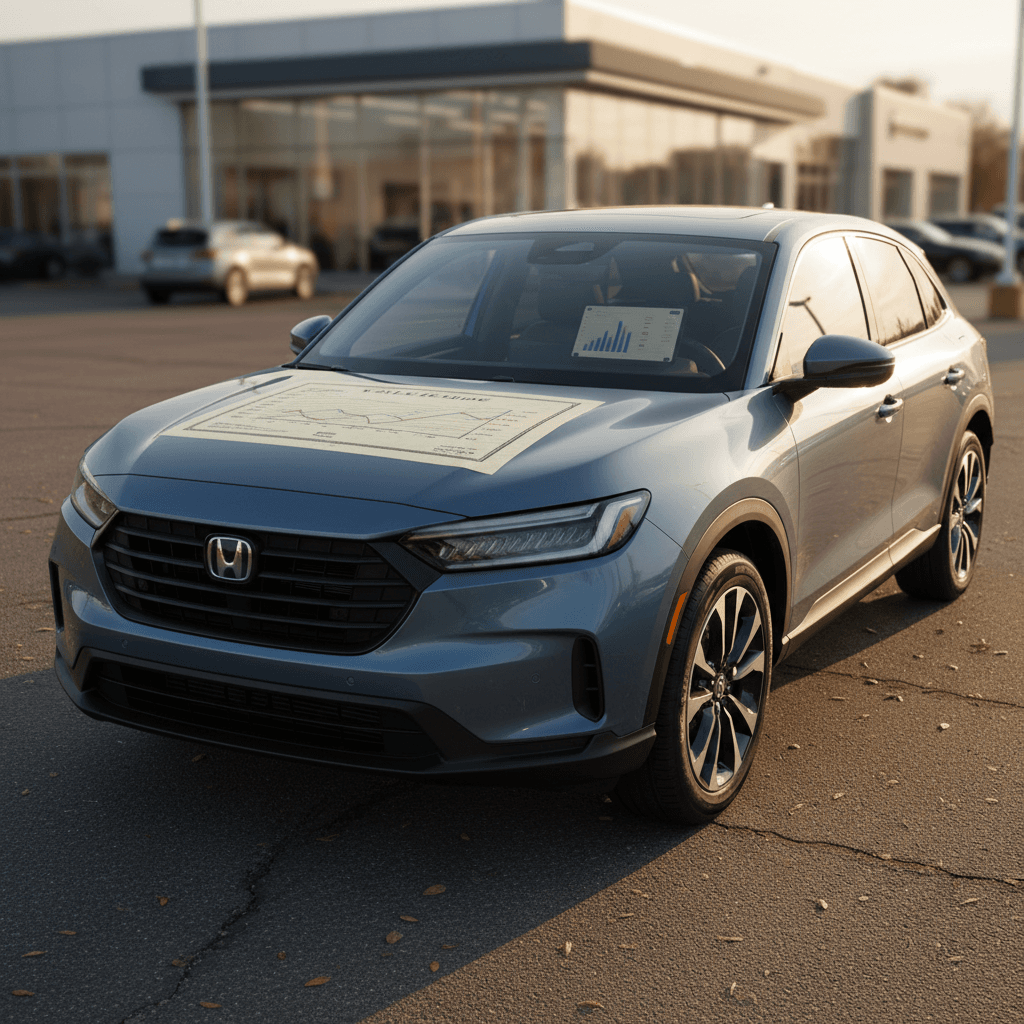
If you’re trying to figure out your Honda Prologue trade in value in 2026, you’re not alone. Early Prologues have seen some of the steepest price swings in the EV world, with big incentives on new models and aggressive lease programs reshaping what these SUVs are actually worth on a dealer’s lot.
The short version
Overview: Honda Prologue trade‑in value in 2026
The first retail Prologues hit U.S. showrooms in 2024, and Honda followed with updated 2025 pricing and then a major 2026 Prologue price cut of roughly $7,500 off MSRP on many trims. That means the used market in 2026 is dealing with three overlapping realities:
- Some 2024 Prologues that were sold or leased at near‑original MSRP and then dropped in value very quickly.
- 2025 Prologues that benefitted from factory incentives and dealer discounts from day one.
- New 2026 Prologues that are simply cheaper to buy than early models ever were, putting a ceiling on used values.
Honda Prologue value snapshot in 2026 (big picture)
Your specific Honda Prologue trade‑in value in 2026 depends on the basics, trim, mileage, condition, accident history, and battery health, plus a few EV‑specific twists we’ll unpack below. Think of national pricing guides as a starting point; actual offers follow the local market, incentives on new Prologues, and how comfortable a buyer is with used EVs.

What your Honda Prologue is worth in 2026: Real‑world scenarios
Because the Prologue is still a young nameplate, data is thinner than it is for long‑running models. But by 2026 we do see clear patterns across model years and use cases. Here’s how value typically shakes out in dollars and cents terms, using rough, directional numbers rather than promises.
Typical 2026 Honda Prologue value scenarios
These examples assume clean history reports and average U.S. mileage for each age.
Scenario 1: 2024 EX FWD, 24–30K miles
Original MSRP: Roughly high‑$40Ks / low‑$50Ks, depending on options.
- 2026 dealer trade‑in: Commonly in the high‑teens to low‑$20Ks.
- Private‑party sale: Often a few thousand higher than trade‑in if marketed well.
Heavy early incentives and 2026 price cuts on new models cap what dealers can realistically offer.
Scenario 2: 2025 Touring AWD, 15–25K miles
Original MSRP: Low‑ to mid‑$50Ks, with many buyers receiving stacked incentives.
- 2026 dealer trade‑in: Roughly low‑ to mid‑$20Ks is common when miles are moderate.
- Private sale: Possibly mid‑$20Ks if you find a buyer who values the trim and AWD.
Higher trims hold a bit more, but they also started higher, so percentage depreciation is still steep.
Scenario 3: Nearly new 2026 Prologue, under 10K miles
Original MSRP: Now thousands lower than earlier years after 2026 cuts.
- Same‑year trade‑in: Typically 10–20% below transaction price, depending on local demand.
- Lease turn‑in buyout: May or may not pencil out versus buying another discounted new Prologue.
The lower 2026 sticker helps future residuals, but a brand‑new EV still pays an early‑years depreciation penalty.
Don’t chase someone else’s number
Why Honda Prologue values dropped so fast
If you’re looking at your payoff or residual amount and wondering how your Prologue could have lost so much value by 2026, the answer is part EV market math, part Honda strategy, and part timing.
- Big early MSRPs, bigger later discounts. The first 2024 Prologues launched with pricing squarely in premium‑EV territory. As competition intensified and EV demand cooled, Honda and many dealers responded with deep discounts and stacked incentives on 2024–2025 units, and then factory price cuts for 2026. That instantly pulled used values down.
- Rapid EV depreciation is normal (for now). Many newer EVs see front‑loaded depreciation as technology improves quickly and tax credits amplify the gap between new and used asking prices.
- Platform perceptions. Because the Prologue shares bones with the Chevy Blazer EV, early recall news and brand‑loyalist chatter around that platform also weighed on perceived value, even when the specific Prologue in front of a dealer was clean and trouble‑free.
- Lease math vs. reality. Aggressive residuals used to push leases made sense when automakers assumed strong demand. But the real‑world used market in 2026 has often come in below those optimistic projections, especially for 2024 models.
What this means for your wallet
How dealers calculate Honda Prologue trade‑in value
Traditional tools like Kelley Blue Book, Edmunds, Black Book, and auction data still anchor most offers. But when a dealer appraises a Honda Prologue in 2026, they’re quietly running through a different checklist than they would on a Pilot or CR‑V.
What’s really behind your Honda Prologue trade‑in offer
1. Auction & guidebook baselines
Most stores start with wholesale figures, auction results for similar Prologues, and cross‑check them against KBB/Edmunds trade‑in ranges. That gives them a safe number they think they could get if your SUV went straight to auction.
2. Local EV demand & incentives
If your region is flush with state EV rebates or strong public‑charging infrastructure, used Prologues tend to pull more money. In markets where EVs are still slow movers, dealers price in extra risk with lower bids.
3. Battery health & fast‑charging history
A Prologue with a healthy high‑voltage battery, normal degradation for its age, and no history of chronic fast‑charging abuse will be easier to retail. Dealers increasingly use scan tools and diagnostic reports to verify this.
4. Trim, options, and colors
Touring and Elite trims with desirable colors, panoramic roofs, and popular tech packages tend to move faster on the used lot. Odd color combos or base‑trim builds move slower and often bring softer values.
5. Reconditioning & warranty runway
Cosmetic repairs, tires, brakes, and software updates all cost money. If the dealer expects a big recon bill, or if the factory warranty is nearly tapped out, they’ll reflect that in the offer number.
6. Their exit strategy
Some stores feel confident retailing a used Prologue; others only want it if they can flip it at the next EV‑friendly auction. The more paths they see to getting out of the car, the better your trade‑in number usually looks.
Bring real EV data to the table
Lease residuals vs. real market value on the Prologue
Many Prologues on the road in 2026 are leased, and a lot of owners are staring at residual values that now look high next to current used‑EV prices. That’s not unique to Honda, but the quick slide from early MSRPs to 2026 discounts has made the gap more obvious.
When your residual is higher than market value
If your lease contract says your 2024 Prologue will cost $27,000 to buy at the end of term, but similar units with your miles are selling around $22,000–$24,000, buying it out just to flip it doesn’t make sense.
- Best move: In many cases, simply turn it in and move on.
- Exception: If you absolutely love the vehicle and plan to keep it long‑term, paying a slight premium to buy it out can still be rational.
When your residual is lower than market value
Because EV incentives and price cuts moved fast, some Prologue leases do have residuals that undercut 2026 market value.
- Best move: Consider buying the vehicle at the residual and then selling it or trading it, effectively keeping the spread as equity.
- Watch for: Brand‑specific rules on third‑party buyouts, some captives restrict sales to outside dealers.
Read your lease fine print before you plan your exit
Steps to get the best Honda Prologue trade‑in offer
You can’t control the broader EV market, but you can absolutely control how prepared you are when you ask for a number. Here’s a practical playbook for maximizing your 2026 Honda Prologue trade‑in value.
Step‑by‑step: Getting top dollar for your Prologue in 2026
1. Get a realistic value range before you visit a dealer
Use a mix of tools, KBB, Edmunds, and instant‑offer sites, to get a <strong>range</strong> for your Prologue. Focus on “trade‑in” and “instant cash offer” numbers, not optimistic private‑party prices.
2. Pull your title, payoff, and lease info
Know exactly what you owe, what your residual is (if leased), and whose name is on the title. Dealers can move faster, and sometimes sharper, when the paperwork picture is clean.
3. Clean, repair, and document
Small fixes can move a Prologue from “fair” to “good” in a buyer’s book. Get a wash, vacuum the interior, fix cheap cosmetic issues, and bring service records and any recall letters or software‑update notes.
4. Gather battery and charging history
If you can access data on your typical state‑of‑charge habits and fast‑charging usage, bring it along. A Prologue that hasn’t been hammered with daily DC fast charging is a more attractive used‑EV prospect.
5. Get at least three real offers
Request appraisals from: (1) the Honda store you’d buy from, (2) a large used‑car chain, and (3) an EV‑focused marketplace like <strong>Recharged</strong>. Treat those offers as data points, not insults.
6. Negotiate the trade and purchase separately
Ask to see the <em>actual</em> number the store is putting on your Prologue, independent of rebates or discounts on the next car. It’s easier to spot funny math when trade and purchase are separated on the worksheet.
Where Recharged fits in
Ready to find your next EV?
Browse VehiclesShould you trade in, sell private, or sell to an EV specialist?
Once you know your approximate Honda Prologue trade‑in value in 2026, the next question is how to turn that into cash, or equity in your next EV, with the least stress and the least money left on the table.
Ways to sell your Honda Prologue in 2026
How the main options stack up for most owners.
| Option | Typical Price vs Trade‑In | Time & Effort | Pros | Cons |
|---|---|---|---|---|
| Dealer trade‑in | Baseline | Low | Fast, convenient; can roll equity (or negative equity) into next deal. | Usually the lowest dollar amount; less transparency on how they priced your Prologue. |
| Instant cash offer / online buyer | + $500–$2,000 | Low–Medium | Quick quotes; easy to compare; many will pick up from home. | Numbers can be revised after inspection; not all buyers understand EV battery health. |
| Sell to EV specialist marketplace | + $1,000–$3,000 | Medium | Buyers specifically shopping for used EVs; better alignment with Prologue’s strengths; expert support. | Takes a bit more time than a straight trade‑in; may depend on regional demand. |
| Private‑party sale | + $2,000–$4,000 | High | Often the highest price if you find the right buyer. | You handle advertising, test drives, paperwork, and may need to educate buyers on EV ownership. |
Use this as a directional guide. Your local market and personal risk tolerance ultimately drive the right answer.
Match the channel to your situation
Protecting your Prologue’s value going forward
Whether you keep your Honda Prologue for a few more years or plan to swap it in 2027, you still have levers to protect what’s left of its value. The used‑EV market is maturing, and buyers are getting smarter about what to look for beyond a shiny paint job.
Five ways to keep more value in your Prologue
Simple habits now that pay off at appraisal time later.
1. Baby the battery
Avoid living at 100% state of charge or running down to 0% regularly. Use scheduled charging to cap daily charging around 80–90% unless you truly need the range.
2. Balance fast charging with home charging
Using DC fast charging on every trip may shave time today but can hurt long‑term battery health. Lean on Level 2 home or workplace charging when you can.
3. Stay current on recalls and software
Keep documentation of completed recalls and software updates. A fully up‑to‑date Prologue is easier for the next owner to trust, and for a buyer to price confidently.
4. Maintain tires, brakes, and alignment
EVs are heavy, and neglect shows quickly in uneven tire wear. Staying on top of basics reduces the reconditioning hit a dealer has to build into your offer.
5. Keep a clean paper trail
Neatly organized records for service, charging equipment, and any bodywork reduce uncertainty for buyers and can nudge your Prologue into a better condition tier.
6. Think like the next owner
Small upgrades, a quality Level 2 charger included in the sale, clean all‑weather mats, or fresh detail work, make your EV stand out in listings and on a lot.
What hurts Prologue value the most
FAQ: Honda Prologue trade‑in value in 2026
Frequently asked questions about Honda Prologue value in 2026
The bottom line: your Honda Prologue trade in value in 2026 is shaped by more than a single book number. It reflects a fast‑moving EV market, Honda’s pricing decisions, your local demand, and the story your particular SUV tells on paper and in person. Do your homework, gather multiple offers, and lean on EV‑savvy buyers, whether that’s a local dealer that lives and breathes electrics or a digital marketplace like Recharged. The more transparent and data‑driven the process, the closer you’ll land to the true market value of your Prologue.