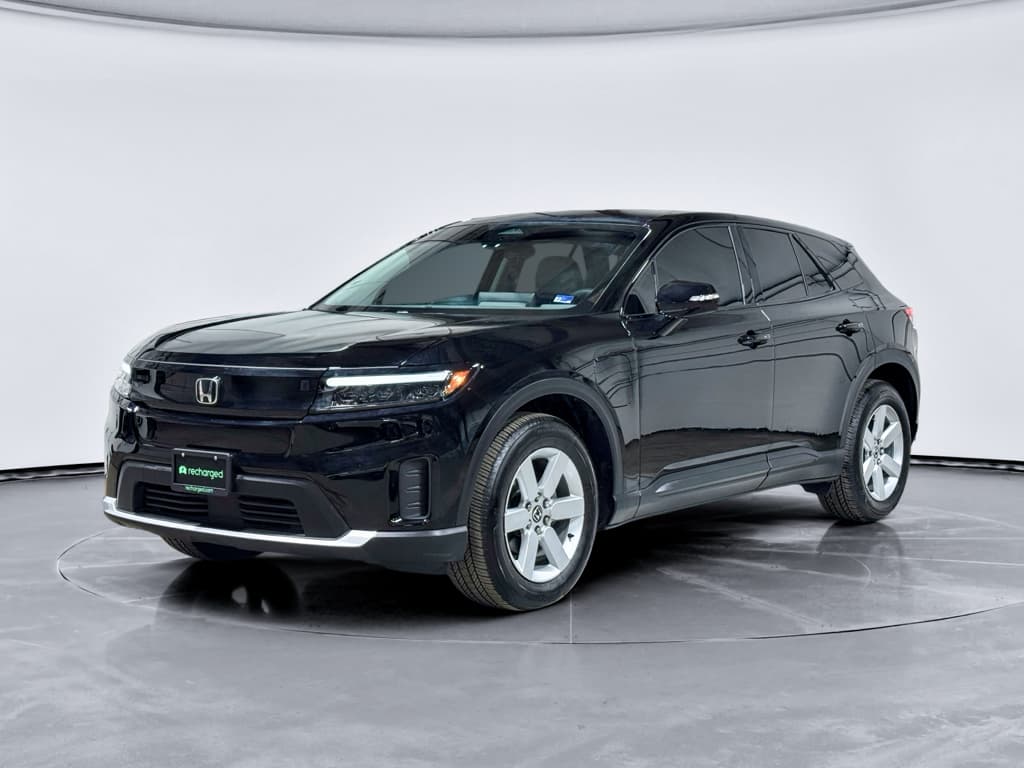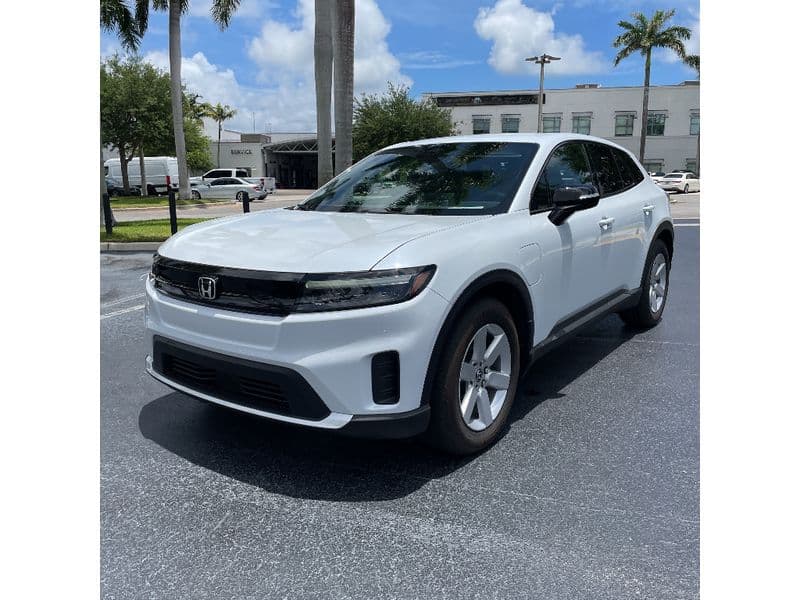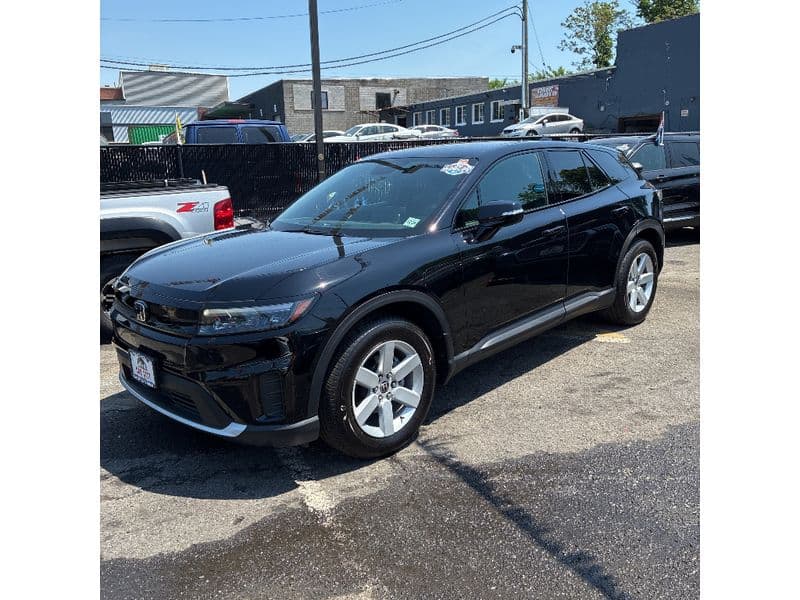
If you’re eyeing the Honda Prologue as your first electric SUV, you’re not alone. It’s Honda’s first mass-market EV for North America, and searches like “Honda Prologue things to know before buying” are booming. But this is also a vehicle born from an unusual partnership: Honda design and tuning on top of General Motors’ Ultium electric platform. Before you sign a 6‑year note, or even a 3‑year lease, there are a few hard questions worth asking.
What this guide covers
Should you buy a Honda Prologue at all?
Let’s start where most glossy brochures don’t: should you buy this vehicle at all in 2026? The Prologue is spacious, comfortable, and carries Honda’s familiar, unfussy vibe. It also rides on GM’s Ultium hardware, shares a lot with the Chevy Blazer EV, and competes in a brutally crowded segment with Tesla Model Y, Hyundai Ioniq 5, Kia EV6, Ford Mustang Mach‑E, and others.
- If you value Honda’s dealership network and brand familiarity, the Prologue will feel like a safe, conservative choice.
- If you’re chasing cutting‑edge charging speeds or class‑leading efficiency, you’ll find better options for the money.
- If you’re budget‑sensitive, a lightly used EV with verified battery health can undercut a new Prologue by tens of thousands of dollars.
Start with your use case, not the badge
1. Prologue basics: platform, power, range
Honda Prologue at a glance (2024–2025 U.S. models)
All U.S. Prologues ride on GM’s BEV3 Ultium platform with an 85‑kWh battery. Honda tunes the suspension, steering, and interior; GM provides the hard‑core EV plumbing underneath. Front‑wheel‑drive models use a single motor; all‑wheel‑drive trims add a rear motor for more traction and power.
Honda Prologue trims, power, and range
Approximate EPA ratings for 2024–2025 U.S. models; always confirm exact numbers for your configuration.
| Trim | Drive | Horsepower (est.) | EPA range (mi) | Notable notes |
|---|---|---|---|---|
| EX | FWD or AWD | ~212 / 288 hp | 296 / 281 | Value play; cloth + essentials |
| Touring | FWD or AWD | ~212 / 288 hp | 296 / 281 | Adds comfort and tech features |
| Elite | AWD only | 288 hp | 273 | Most features, least range |
FWD models offer the longest range; Elite is AWD‑only with slightly lower range.
Mind the range label on the window sticker
2. Charging: on paper vs real-world experience
On paper, the Honda Prologue’s charging story is respectable: an 11.5‑kW onboard AC charger for Level 2, and up to roughly 150–155 kW on DC fast charging using a CCS connector. Honda quotes about 65 miles of range in 10 minutes for some trims at a high‑power DC station under ideal conditions.
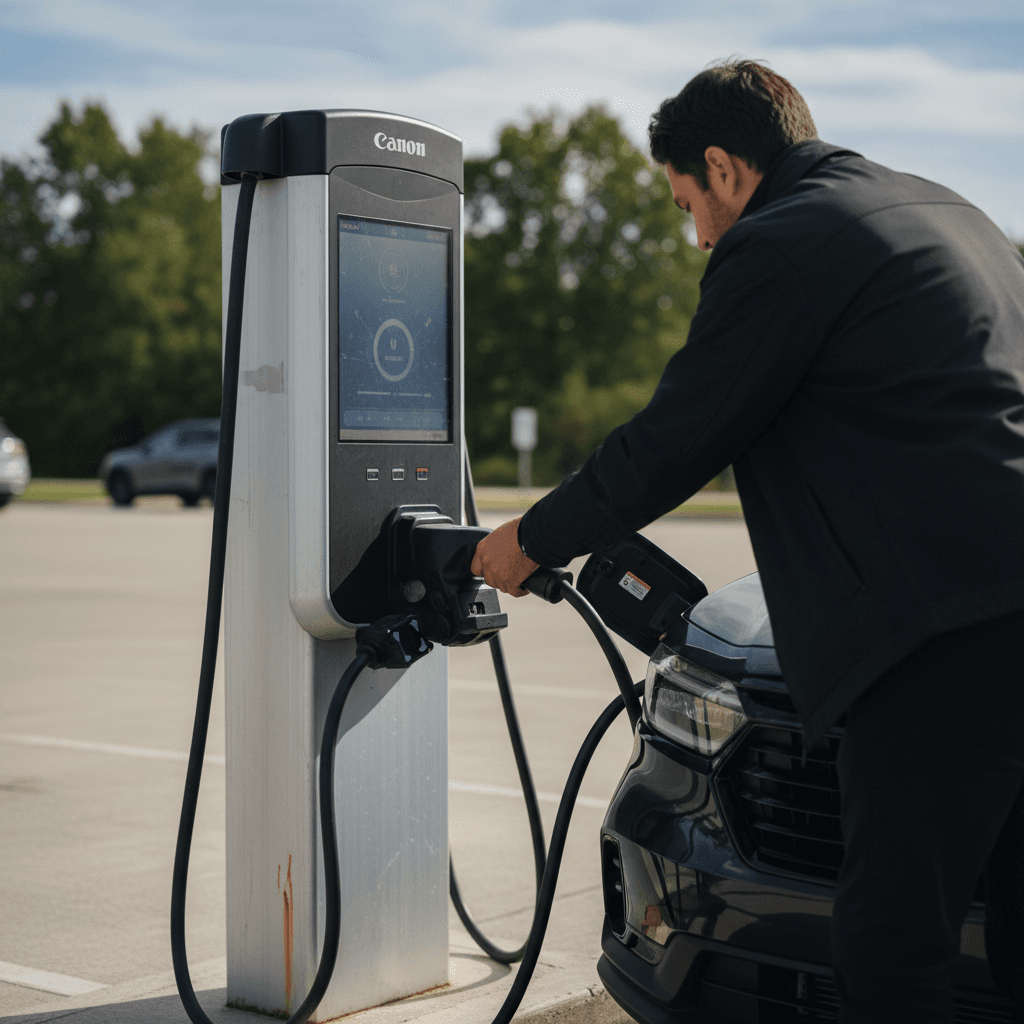
Reality, however, is more nuanced. Owner reports paint a mixed picture: some see triple‑digit kW peaks when the battery is warm; others struggle to get above 60–100 kW, especially on lower‑rated chargers or in cold weather. That’s not unique to Honda, it’s how modern battery management systems protect longevity, but it does mean you shouldn’t plan your life around the absolute best‑case numbers.
- The Prologue uses CCS1 for DC fast charging (not NACS/Tesla from the factory).
- Peak rates are advertised around 150–155 kW, but your average session will be lower over time.
- Charging slows dramatically above ~80% state of charge, as with most EVs.
- Battery preconditioning via the in‑car settings can materially improve your starting speed on DC fast chargers.
If road trips are your life, test‑charge before you buy
3. What you’ll need for home charging
Living with a Prologue is easy if you can charge at home. The 11.5‑kW onboard charger means that, on a typical 240‑volt Level 2 setup, you can comfortably add 30–40 miles of range per hour, easily refilling the battery overnight.
Home charging options for Honda Prologue owners
Think about cost, convenience, and whether you rent or own.
Standard 120V outlet
Level 1, slow but simple.
- Great for low‑mileage drivers.
- Typically adds 3–5 miles per hour.
- Works best if you drive under ~30 miles per day.
240V Level 2 charger
Best everyday solution.
- Requires a 240V circuit (often 40–60 amps).
- Pairs well with Prologue’s 11.5‑kW onboard charger.
- Common choice for homeowners.
No home charging
Proceed with caution.
- You’ll live on public DC and Level 2.
- Factor in time, cost, and charger reliability.
- In this case, a plug‑in hybrid or used EV with better fast‑charge support might fit better.
Don’t DIY a 240V circuit
4. Pricing, trims, and tax credits
Honda positions the Prologue as a mid‑size, near‑premium EV SUV. New 2024–2025 models in the U.S. have started roughly in the high‑$40Ks to high‑$50Ks MSRP range depending on trim, drive type, and options. Destination fees and dealer markups, or discounts, will move that real‑world number.
Typical new Honda Prologue pricing bands (U.S.)
Approximate starting MSRPs; check current offers and your local dealer for up‑to‑date numbers.
| Trim | Drive | Ballpark starting MSRP | Who it suits |
|---|---|---|---|
| EX | FWD | High $40Ks–low $50Ks | Budget‑minded, just want an honest EV SUV |
| EX | AWD | Low–mid $50Ks | Snow‑belt or gravel‑road drivers |
| Touring | FWD/AWD | Mid–high $50Ks | More comfort and tech, still mainstream |
| Elite | AWD | Upper $50Ks+ | Buyers who’d otherwise be cross‑shopping luxury brands |
FWD trims open the door; AWD and Elite can climb close to luxury‑EV money.
Federal tax credits and leasing workarounds
At Recharged, we constantly see how much value shoppers can unlock by looking one or two model years back. A lightly used EV loses a big chunk of depreciation up front, while battery health often remains excellent. That’s why every EV on Recharged includes a Recharged Score Report with verified battery diagnostics and fair‑market pricing, so you’re not guessing what you’re getting for your money.
5. Honda badge, GM bones: what that means
Here’s the strange truth: under the Prologue’s clean Honda sheetmetal lives a Chevy. The SUV is closely related to the Chevrolet Blazer EV; they share the Ultium platform, battery, and much of the underlying hardware. Honda handles design, tuning, and interface decisions; GM builds the underlying EV skeleton.
What you get from Honda
- Familiar cabin ergonomics and physical controls where they matter.
- Honda Sensing driver‑assist suite on every trim.
- Dealer and service network that many buyers already trust.
- A more restrained, timeless design than some shouty EVs.
What you get from GM
- Ultium platform with 85‑kWh pack and dual‑motor AWD option.
- Shared components with Blazer EV, Equinox EV, Cadillac Lyriq.
- CCS fast‑charging support and growing compatibility with NACS/Tesla via adapters.
- Some of the same early‑production hiccups we’ve seen in GM’s first‑wave Ultium EVs.
Is that a bug or a feature?
6. Space, comfort, and daily use
The Prologue is sized right in the heart of the American crossover market, think two kids, a dog, and a Costco run. It offers generous rear‑seat legroom and competitive cargo space with the rear seats up or folded. Ride quality is tuned for comfort over canyon carving, with a quiet cabin and relaxed steering.
Where the Prologue shines as a daily driver
It’s not a performance EV; it’s a family appliance in the best sense.
Rear-seat comfort
Adults can sit behind adults without knees in dashboards. The flat EV floor helps, too.
Cargo room
Plenty of space for family life, strollers, sports gear, bulk groceries, though some rivals squeeze out a bit more volume.
Ride quality
Comfort‑biased tuning means the Prologue shrugs off broken pavement and long highway days without drama.
Bring your family and gear to the test drive
7. Winter range and climate considerations
Like every EV, the Prologue’s real‑world range drops in cold weather, often by 20–40% depending on temperature, speed, and how warm you like your cabin. Early owners of Ultium‑based SUVs have reported noticeable winter losses, especially on short trips where the pack and cabin never fully warm up.
- Plan around roughly 60–70% of EPA range as your winter baseline if you live in a cold climate.
- Use scheduled departure and preconditioning while plugged in to warm the battery and cabin before you drive.
- Heated seats and steering wheel are more energy‑efficient than cranking the cabin heater.
- If you routinely drive 200+ miles in sub‑freezing temps, consider a bigger‑range rival or adjust your charging expectations.
Cold weather doesn’t just hit range, it hits charging, too
8. Software and tech: Google Built‑In, apps, chargers
The Prologue leans heavily on Google Built‑In, that means native Google Maps, Assistant, and Play Store apps, plus wireless Apple CarPlay® and Android Auto™ in most trims. This is good news if you already live in the Google ecosystem and bad news if you want something more old‑school.
Tech highlights
- Large central touchscreen with Google Built‑In navigation and EV‑aware routing.
- Digital driver display with energy and range info.
- Wireless phone integration and available wireless charging pad.
- Over‑the‑air update capability for certain software systems.
Potential annoyances
- Occasional lag or bugs, especially on early software builds.
- Some EV‑specific features (charging curves, trip planning) feel less polished than Tesla or Hyundai/Kia.
- App ecosystem and remote‑control features still evolving compared with pure‑play EV brands.
Bring your phone, and your patience, to the demo
9. Reliability, recalls, and early-owner complaints
Being an early adopter always carries some risk. GM’s first Ultium SUVs had high‑profile hiccups, from software bugs to charging issues and even sales pauses for the Blazer EV. The Prologue has been spared some of that drama so far, but owner forums already report inconsistent DC fast‑charging speeds and occasional error messages that require dealer visits.
- Remember that you’re buying into first‑generation Honda EV hardware backed by GM’s EV experience, warts and all.
- Honda’s reliability reputation is strong, but this is not a Civic with a battery; it’s a complex, shared‑platform EV.
- Extended warranties and service plans may be worth a look if you plan to keep the vehicle beyond the 8‑year/100k‑mile battery warranty (check exact terms).
Service reality check
10. How the Prologue compares to rivals
The Prologue isn’t a bad EV by any stretch; it’s just entering a very tough neighborhood. Here’s the quick‑and‑dirty context against some common cross‑shops.
Honda Prologue vs key rivals (high level)
Generalized comparison; exact specs and pricing vary by trim and model year.
| Model | What it does better than Prologue | Where Prologue still competes |
|---|---|---|
| Tesla Model Y | Supercharger access, efficiency, resale value, charging network integration | More traditional interior, Honda dealer network, simpler ownership for non‑Tesla fans |
| Hyundai Ioniq 5 | 800‑V architecture with very fast DC charging, distinctive design | Prologue offers more conventional styling and familiar brand for cautious buyers |
| Kia EV6 | Sportier driving feel, fast charging, bold styling | Prologue is roomier and more comfort‑oriented |
| Ford Mustang Mach‑E | Available performance trims, wide dealer network, decent range | Prologue matches or beats cabin space and offers Honda’s driver‑assist tuning |
| Chevy Blazer EV | More performance‑oriented options, sometimes more range in certain trims | Prologue wraps Ultium guts in Honda’s quieter, more restrained suit |
Think of the Prologue as a comfortable middle‑lane cruiser, others sprint harder or go farther.
Use rivals to calibrate your expectations
11. Leasing vs buying, and why a used EV might win
With any first‑gen EV, there’s a strong argument for leasing instead of buying. A 3‑year lease lets you enjoy the Prologue while Honda and GM iterate on software, charging performance, and tax‑credit eligibility, then hand the whole experiment back if you’re not thrilled.
New Honda Prologue vs used EV: which makes sense?
Think in terms of risk, depreciation, and how long you like to keep vehicles.
Leasing a new Prologue
- Access to the latest tech and safety features.
- Leasing company can often apply the $7,500 credit regardless of vehicle eligibility.
- You’re insulated from long‑term battery‑degradation worries.
- Downside: you’re paying new‑car money for a tool that’s still maturing.
Buying a used EV instead
- Huge savings versus new, EVs depreciate quickly in the first 3–4 years.
- You can choose models with known long‑term track records.
- With Recharged, every car includes a Recharged Score Report with verified battery health and fair‑market pricing.
- Downside: you may miss the very latest styling or software features.
How Recharged fits in
Ready to find your next EV?
Browse VehiclesHonda Prologue pre-purchase checklist
Essential checks before you buy (or lease) a Prologue
1. Confirm your home charging plan
Do you have (or can you install) a 240V outlet or Level 2 charger? If not, map out how often you’d rely on public chargers and whether that’s acceptable long‑term.
2. Test DC fast charging yourself
On a test drive or rental, take the battery from roughly 10–60% at a reputable DC station. Note average kW, not just the peak number on the screen.
3. Check real EPA range for that VIN
Look at the actual Monroney label for your chosen vehicle. Confirm whether it’s FWD or AWD and what the <strong>official range rating</strong> is, not what the salesperson remembers.
4. Drive key competitors
Schedule back‑to‑back drives with at least one rival (Tesla Model Y, Ioniq 5, EV6, Mach‑E, Blazer EV). Use the same route and driving style for a fair comparison.
5. Ask the dealer about EV expertise
How many Prologues has this store sold and serviced? Do they have EV‑certified techs? How long is the wait for EV service appointments?
6. Run the numbers vs a used EV
Compare your out‑the‑door price and monthly payment on a new Prologue to a <strong>Recharged‑verified used EV</strong> with similar space and range. Factor in tax credits, fuel savings, insurance, and depreciation.
Honda Prologue buying FAQ
Frequently asked questions about buying a Honda Prologue
Bottom line: who the Honda Prologue really suits
The Honda Prologue is a sensible, comfort‑oriented electric SUV wrapped in a familiar badge and underpinned by GM’s ambitious Ultium platform. It delivers honest space, competitive range on paper, and a driving experience that won’t scare anyone raised on CR‑Vs and Accords. It does not deliver bleeding‑edge charging, Tesla‑grade efficiency, or the kind of personality that makes you detour through the parking lot just to look at it again.
If you want a straightforward, quietly competent family EV and you’re comfortable with first‑gen hardware plus GM DNA under the skin, the Prologue deserves a test drive, preferably back‑to‑back with its toughest rivals. If you’re more price‑sensitive or wary of early‑cycle quirks, a Recharged‑certified used EV with a strong battery score and transparent pricing might offer a better blend of value and peace of mind. Either way, taking the time to understand these 15 key points before buying will pay off every time you plug in.