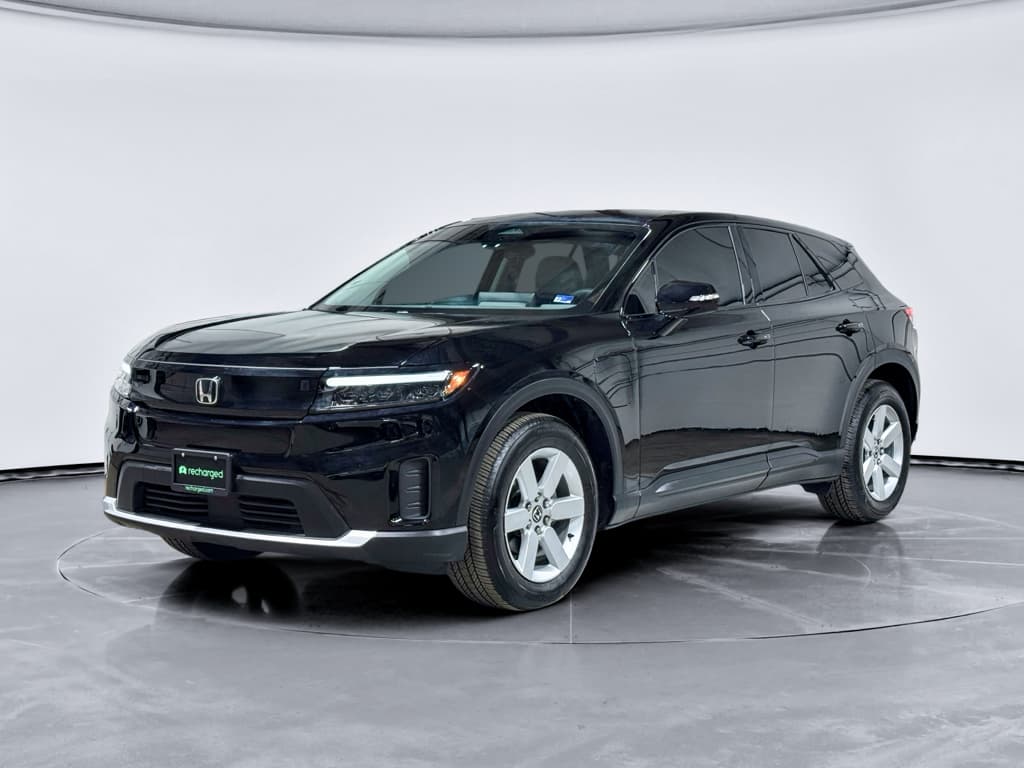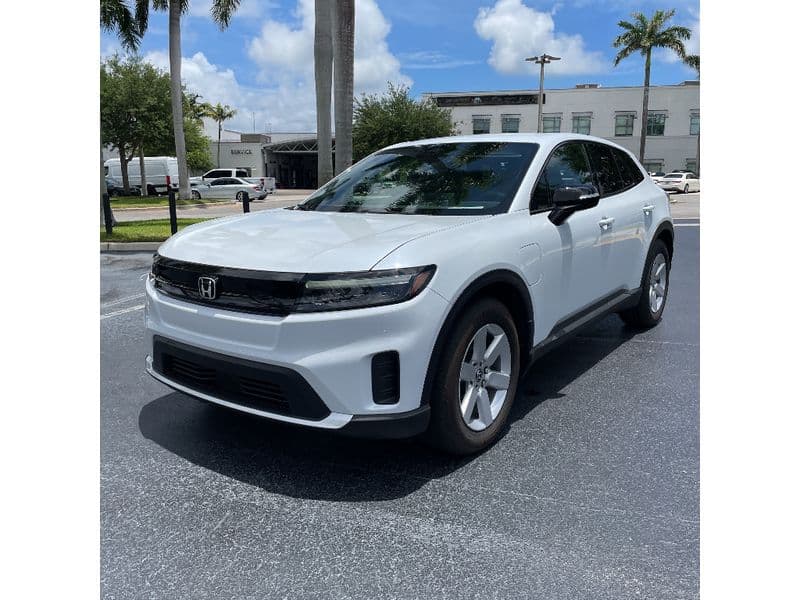
If you’re eyeing a Honda Prologue, you’re probably wondering whether this all‑electric SUV will deliver the long‑term reliability Honda is famous for, or if its GM‑sourced EV guts make it a risk. The truth is messy: the Honda Prologue’s long‑term reliability picture is still forming, but we already have useful clues from early owners, GM’s Ultium platform history, and Honda’s own warranty strategy.
Short answer
Honda Prologue long‑term reliability at a glance
Early reliability snapshot (through early 2026)
On paper, the Prologue looks like a typical Honda crossover that just happens to be electric. Underneath, it’s a joint‑venture science experiment riding on GM’s Ultium architecture. That combination explains why early reliability hasn’t matched the bulletproof reputation of a CR‑V or Pilot, and why your long‑term experience will depend heavily on how you acquire and care for the car.
How new is the Prologue, and why that matters for reliability
The Honda Prologue went on sale in North America in spring 2024, with the 2025 and 2026 model years following quickly. That means every Prologue on the road today is at most about two years old. There is **no 8–10 year real‑world data set yet**, no high‑mileage taxis, no third‑owners, no long‑term rust stories. When people talk about “long‑term reliability” for this model in 2026, they’re really talking about two things:
- How often early‑build Prologues are visiting dealers, and for what kinds of problems
- How confident we can be that the battery, motors, and electronics will age gracefully past the warranty window based on platform history
New model, higher risk
GM Ultium platform: what Honda borrowed, and the baggage that comes with it
Mechanically and electrically, the Prologue is far closer to a Chevrolet Blazer EV than a CR‑V. It rides on GM’s Ultium BEV platform, uses Ultium battery modules, and shares inverters, motor hardware, and a lot of software plumbing with GM’s EVs. Honda provides the design, tuning, and user experience, but the bones are GM’s.
What Ultium brings to the table
- Modular battery pack that can be serviced or replaced in sections.
- Competitive DC fast‑charging speeds (up to about 150 kW in the Prologue).
- Shared component pool with other GM‑based EVs, which should help parts availability long‑term.
Where Ultium has stumbled
- Early GM Ultium vehicles have seen loss‑of‑propulsion issues, high‑voltage battery faults, and recalls related to pack integration and cooling.
- Over‑the‑air software updates have sometimes fixed one issue while triggering another warning light.
- Owners report long parts wait times when a pack or cooling component needs replacement.
Because the Prologue is built on this same architecture, it inherits both the strengths and the growing pains. Honda’s dealer network is excellent at customer handling, but many service departments are still gaining hands‑on experience with Ultium‑based repairs. If a battery module or coolant component fails, the fix can be straightforward in theory, but you’re still at the mercy of parts pipelines and specialist technicians.
Early owner reports: the good, the bad, and the ugly
Scroll through owner forums and you’ll see a split personality. Many Prologue drivers report smooth, quiet miles and low operating costs. Others describe cars parked at the dealer for weeks or months awaiting high‑voltage battery parts or cooling system repairs. That’s not the pattern you expect from Honda’s traditional lineup.
Common early‑life Prologue reliability themes
What we’re seeing from the first 1–2 years in the field
What’s going right
- Most owners report solid day‑to‑day driving once software is up to date.
- Quiet, refined ride and strong acceleration.
- Routine service (tire rotations, cabin filters) is simple and relatively inexpensive.
Annoying issues
- Random warning lights for the high‑voltage system that require dealer visits.
- “Dead” 12‑volt batteries after the car sits for several days.
- Air‑conditioning or battery‑cooling quirks that interrupt fast‑charging.
Serious problems
- A minority of owners need full high‑voltage battery replacements in the first year or two.
- Driveline issues like front axle replacements on low‑mileage vehicles.
- Weeks‑long downtime while waiting on specialized Ultium components.
Why severity matters more than frequency

Battery longevity and warranty coverage
When people ask about long‑term reliability on any EV, they’re usually talking about the battery. Honda knows that, which is why the Prologue’s battery coverage is more generous than the basic bumper‑to‑bumper warranty.
Honda Prologue warranty basics
How the major pieces are covered from the factory
| Component | Coverage | What it Means |
|---|---|---|
| New‑vehicle (bumper‑to‑bumper) | 3 years / 36,000 miles | Covers most non‑wear items: electronics, interior, many drivetrain parts. |
| Powertrain | 5 years / 60,000 miles | Traditional Honda coverage for engine/transmission equivalents, adapted for EV components. |
| High‑voltage battery | 8 years / 100,000 miles | Dedicated coverage for the main traction battery pack against defects. |
| Corrosion/perforation | 5+ years (varies) | Structural rust‑through on body panels. |
Always confirm exact terms on your specific VIN and state, but this is the general layout for new Prologue coverage in the U.S.
Honda also offers optional Honda Care EV service contracts specifically for Prologue that can extend coverage on many components past the factory window, though the high‑voltage battery itself is usually excluded because it already has its own 8‑year warranty. That’s a clue: even Honda expects the pack to last at least that long without major capacity loss or failure, or it would be staring down a lot of expensive claims.
How to read the battery warranty
What consumer predictions say about Prologue reliability
Independent rating agencies and buyer’s guides already publish predicted reliability scores, even though there isn’t a decade of history yet. For 2026 buying‑guide editions, the Honda brand as a whole still ranks near the top for reliability, but the Prologue itself usually lands in the “below average” or “uncertain” band among new models.
- Limited sample size: only a small number of early owners have responded to long‑term surveys so far.
- Platform risk: analysts are cautious because of GM’s broader Ultium growing pains, not just Honda’s execution.
- Severity weighting: high‑impact failures like a full battery pack replacement count more heavily than small annoyances.
Remember the context
Long‑term costs: depreciation, repairs, and downtime
Reliability isn’t just about whether the car breaks. It’s about what that does to your wallet and schedule. Early Prologues have already taken a noticeable hit in resale value thanks to factory incentives and cautious shoppers, and that curve will shape your long‑term cost of ownership.
Three pillars of Prologue long‑term costs
Think beyond the sticker price
Depreciation
EV SUVs typically lose value faster than similar gas crossovers, especially in the first 3 years. The Prologue has also seen price cuts and lease subsidies, which push used values down.
Out‑of‑warranty repairs
After year 3–5, you’ll pay out of pocket for many electronics and driveline issues. Major Ultium components can be expensive without coverage, even if labor times are reasonable.
Downtime
EVs don’t need oil changes, but when they do fail, they can be out of service for weeks waiting on specialized parts or technicians. That hidden cost can be huge if you rely on one car.
From a pure numbers perspective, the Prologue looks more attractive as a short‑ to medium‑term lease than as a car you plan to keep for 10–12 years. You sidestep the steepest depreciation and most of the scary, uncovered repair years.
Should you lease or buy a Honda Prologue?
Who should consider leasing
- You want to limit your reliability risk to the warranty window.
- You like driving the latest tech and don’t need to own long‑term.
- Your local dealer is offering strong lease support or tax credit pass‑through.
- You want a built‑in exit if early reliability doesn’t improve.
Who might still buy
- You’re comfortable with some risk and plan to buy an extended EV service contract (excluding the battery) for peace of mind.
- You’re getting a steep discount on a lightly used Prologue that already took the initial depreciation hit.
- You have access to another vehicle and won’t be stranded if the Prologue spends time in the shop.
How Recharged can help you time it right
Ready to find your next EV?
Browse VehiclesHow to “baby” your Prologue for better long‑term reliability
You can’t change the platform your Prologue is built on, but you can stack the odds in your favor. EVs respond especially well to gentle habits around charging and storage.
Owner habits that support long‑term Prologue health
1. Stay current on software updates
Schedule dealer visits promptly if you see update notices or repeated warning messages. Many early issues are triggered, or solved, by software.
2. Treat DC fast‑charging as a tool, not a lifestyle
Rely more on Level 2 home or workplace charging, and save frequent DC fast‑charging for road trips. High‑heat, high‑power charging is harder on any battery pack.
3. Avoid long parking stretches at 100%
For day‑to‑day use, charge to a comfortable level (70–90%) and avoid letting the car sit fully topped off for days. Likewise, don’t store it near empty.
4. Drive it regularly
Short, frequent drives help keep both the traction battery and the 12‑volt support battery in a happier state than letting the car sit for a week at a time.
5. Log issues and repairs
Keep a simple notebook or digital log of warning lights, dates, and dealer visits. If you ever need to argue a warranty claim or pursue a buyback, documentation is gold.
6. Preemptive inspections before warranty expiry
Have the dealer check the high‑voltage system, cooling, and suspension thoroughly just before your 3‑year and 8‑year milestones, while major coverage is still active.
Shopping used Honda Prologue: what to look for
Over the next few years, more Prologues will land on the used market, many of them lease returns with relatively low miles but unknown histories. If you’re considering a used Honda Prologue as a long‑term play, diligence matters more than with a conventional gas Honda.
Key checks for a used Honda Prologue
Questions to answer before you sign for a used Prologue
| Area | What to Check | Why it Matters |
|---|---|---|
| Battery health | State‑of‑health estimate, DC fast‑charge history, remaining HV warranty | Gives you a sense of remaining useful life and big‑ticket risk. |
| Service history | Records of software updates, battery or cooling system work, driveline repairs | Shows whether early bugs have already been addressed, or are just starting. |
| Warning lights | Any current or recent high‑voltage or propulsion warnings | Even intermittent faults can foreshadow expensive repairs. |
| Charging behavior | How it responds to Level 2 and DC fast‑charging on a test drive | Slow or interrupted charging can point to thermal or pack issues. |
| Ownership pattern | Single owner vs. multiple, private vs. commercial use | Harder use and many hands usually mean more wear and tear. |
Whenever possible, bring an EV‑savvy independent shop or a retailer like Recharged into the process for third‑party validation.
Leverage independent battery diagnostics
FAQ: Honda Prologue long‑term reliability
Frequently asked questions
Bottom line: is the Honda Prologue a safe long‑term bet?
If you line up a Honda badge, a handsome crossover body, and a zero‑emissions powertrain, it’s tempting to assume the Prologue will be a slam‑dunk long‑term buy. Reality is more complicated. In 2026, the Honda Prologue’s long‑term reliability story is still being written, and the early chapters include more serious issues than we’re used to seeing from this brand.
For now, the safest play is to treat the Prologue as an excellent candidate for a well‑priced lease or a carefully vetted used purchase backed by strong warranty coverage and independent battery‑health data. If you’re willing to trade some uncertainty for the driving experience and technology, that can be a perfectly rational choice, especially when you partner with an EV‑focused retailer like Recharged that lives and breathes this stuff.
If, on the other hand, you want a near‑certain 10‑ to 15‑year workhorse with minimal drama, you may be happier with a more mature EV platform, or with one of Honda’s proven hybrid or gas models, until the Prologue has a longer history under its belt.