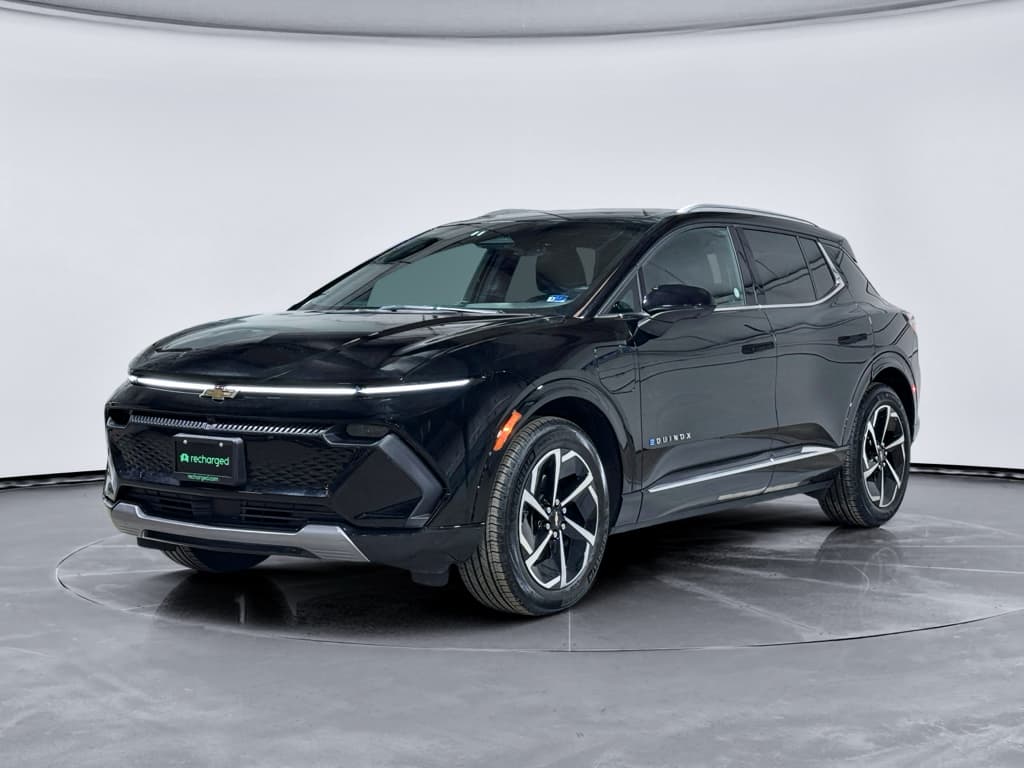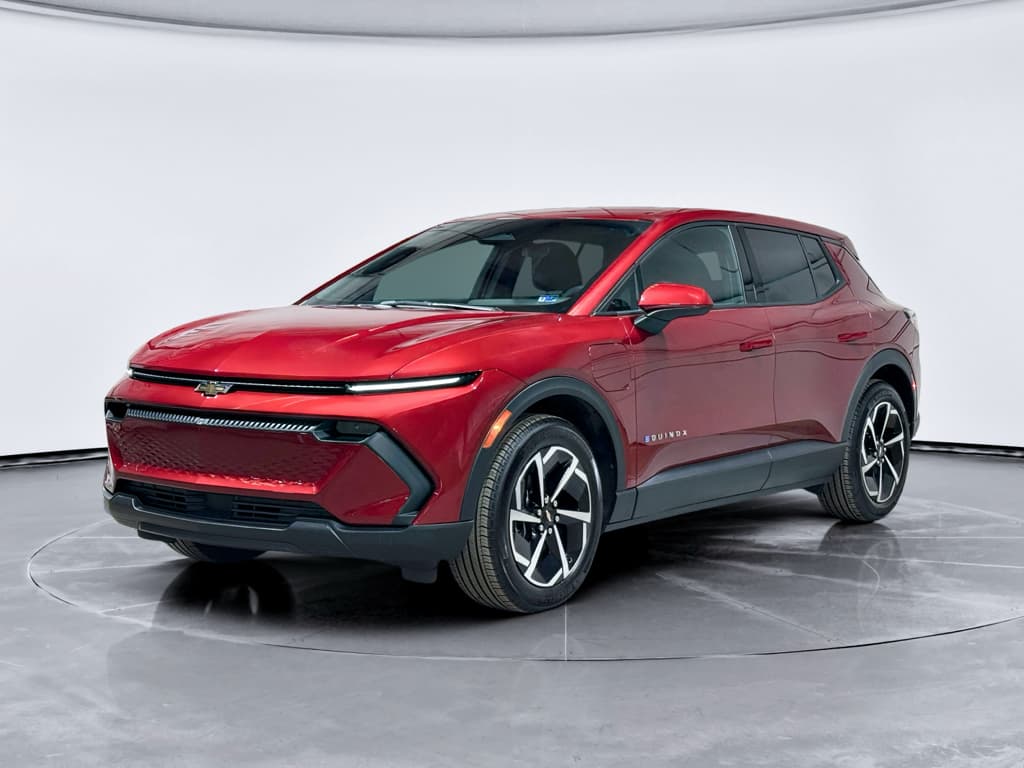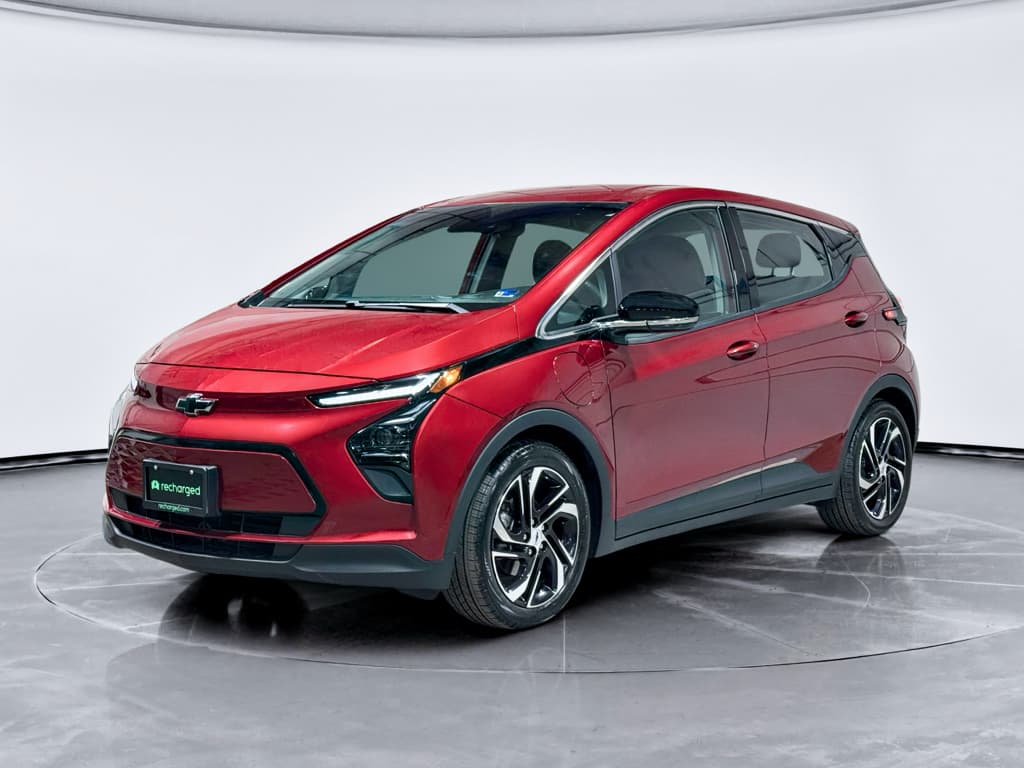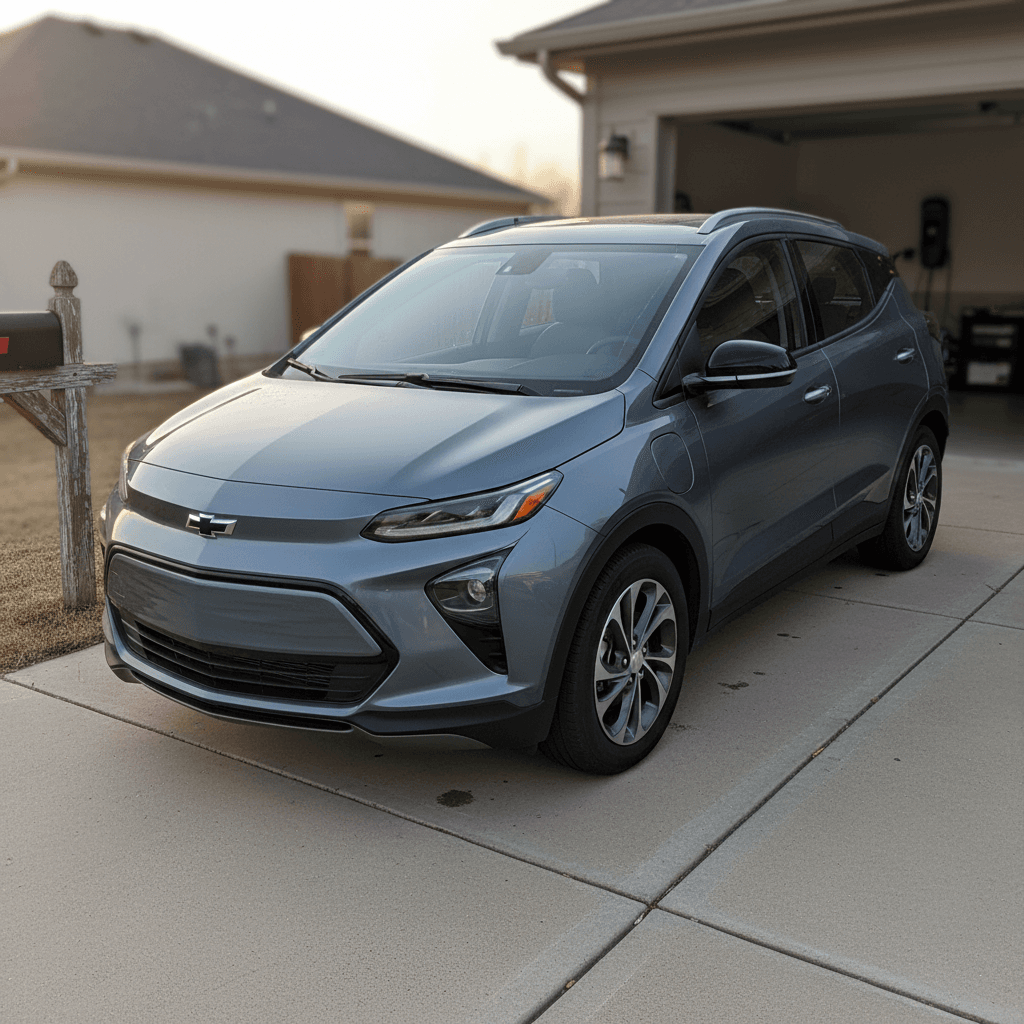
If you’re considering a 2023 Chevy Bolt EUV, reliability is probably at the top of your list. The good news: the 2023 Bolt EUV has largely **escaped the battery drama** that affected earlier Bolt model years and is scoring well with owners. But like any used EV, you still need to understand real‑world trouble spots, battery health, and how much warranty protection you have left before you buy.
Quick Take
Is the 2023 Chevy Bolt EUV Reliable?
Viewed purely as a used‑car bet, the **2023 Chevy Bolt EUV reliability picture is encouraging**. By 2023, GM had already worked through the earlier Bolt battery recall, updated pack designs, and software, and the EUV was in its second model year. That usually leads to fewer surprises than a brand‑new platform.
2023 Chevy Bolt EUV Reliability Snapshot
Owner feedback and independent ratings paint a consistent story: the 2023 Bolt EUV isn’t trouble‑free, but **serious failures are rare** and satisfaction is high, especially when buyers prioritize value, efficiency, and low running costs over luxury.
Owner and Expert Reliability Scores
How the 2023 Bolt EUV Scores on Reliability
Owner satisfaction and industry data tell a similar story.
Owner Reviews
On major owner‑review sites, the 2023 Bolt EUV scores around 4.5–4.7 out of 5 stars, with reliability and value consistently called out as strengths.
J.D. Power
J.D. Power assigns the Bolt EUV an overall score in the low 80s out of 100, with a Quality & Reliability sub‑score of 79/100, labeled "Average", respectable for a budget EV.
Consumer Reliability
Consumer‑focused testing organizations report the 2023 Bolt EUV as more reliable than the average new vehicle for its model year, with no major systemic weak spots emerging so far.
How to Read These Scores
The Bolt EUV’s reliability reputation is helped by what it doesn’t have: no turbocharged engine, no multi‑speed automatic transmission, and a relatively straightforward electric drivetrain. Fewer moving parts can translate into fewer things to go wrong over a 10‑year ownership window.
Common Issues Reported on the 2023 Bolt EUV
Even solidly reliable cars have trouble spots. For the 2023 Bolt EUV, early data and owner reports suggest that **most issues are minor and fixable under warranty**. Here are the patterns that show up most often so far:
- Infotainment glitches: occasional freezing, lag, or Apple CarPlay / Android Auto connection issues that resolve with software updates or a reset.
- Interior squeaks and rattles: some owners report minor buzzes from trim panels or the cargo area over rough pavement.
- Climate‑control quirks: intermittent blower fan noise or inconsistent cabin temperature; typically handled via warranty diagnosis.
- DC fast‑charging inconsistency: charge rates that don’t always match expectations at public fast chargers, often due to station behavior rather than the car itself.
- Tire wear: like many EVs, the Bolt EUV’s instant torque and weight can shorten front‑tire life if you drive it hard or skip rotations.
Watch for Abuse on Former Rentals
Crucially, there is **no widespread pattern of electric‑motor, power‑electronics, or battery‑pack failures** on 2023 cars at this stage. When an individual battery is replaced under warranty, it’s typically a one‑off manufacturing defect rather than a sign of a flawed design year.

Battery Health, Range and Recall History
If you’ve followed EV news, you probably remember the **Chevy Bolt battery fire recalls** that affected 2017–2022 Bolt EV and early EUV models. GM replaced or monitored many packs and implemented strict charging limits until they were confident in the fix.
Good News for 2023 Buyers
On paper, the 2023 Bolt EUV delivers an EPA‑rated **247 miles of range**, plenty for most daily use. In the real world, you can expect:
- Around 220–250 miles in mild weather with mixed driving.
- Closer to 180–210 miles in cold winter conditions, especially at highway speeds.
- Slightly better than rated range if you mainly drive in the city and use one‑pedal driving aggressively.
Cold‑Weather Reality Check
Has My 2023 Bolt EUV’s Battery Been Recalled?
Because 2023 cars use the updated pack, most will show **no open battery recalls** when you run the VIN through GM’s recall lookup. That’s what you want to see.
If a 2023 does have a replacement pack documented in the service history, treat it as a positive: you’re getting a newer pack with a fresh warranty clock.
How to Check Battery Health in Practice
- Fully charge the car and note the projected range in "Normal" mode.
- Compare it to 247 miles; modest variation is normal based on driving history.
- Take a long test drive and watch for sudden, unexplained drops in state‑of‑charge.
- On platforms like Recharged, review the battery‑health data in the Recharged Score to see an objective assessment before you buy.
Warranty Coverage: How Protected Are You?
Most used 2023 Bolt EUVs you’ll see in 2025–2027 will still be covered by at least some factory warranty. Understanding the details turns a reliability question into a risk‑management exercise.
Typical 2023 Chevy Bolt EUV Warranty Coverage
Always confirm exact dates and mileage with the VIN and service records.
| Coverage | Term | What It Covers | Why It Matters |
|---|---|---|---|
| Bumper‑to‑Bumper | 3 years / 36,000 miles | Most components other than wear items | Catches early build defects and electronic issues. |
| Powertrain | 5 years / 60,000 miles | Electric drive motor and related components | Protects against rare but expensive drive‑unit failures. |
| High‑Voltage Battery | 8 years / 100,000 miles | Battery pack and related high‑voltage components | Shields you from the biggest potential repair bill on an EV. |
| Corrosion | 6 years / 100,000 miles (perforation) | Rust‑through body corrosion | Useful in road‑salt regions over the long term. |
For a 2023 Bolt EUV first sold in mid‑2023, much of this coverage will still apply in the mid‑to‑late 2020s.
Used‑Car Tip
If you buy through a specialist used‑EV retailer like Recharged, you’ll often see **warranty status clearly spelled out**, plus optional protection plans designed around EV components rather than generic gas‑car coverage.
Maintenance and Running Costs
One of the 2023 Bolt EUV’s biggest strengths is **how little it asks of you in day‑to‑day upkeep**. With no engine, fuel system, or conventional transmission, there’s simply less to service or break.
What You’ll Actually Maintain
Less complexity usually means lower long‑term cost.
Brakes
Regenerative braking means pads and rotors can last far longer than on similar gas crossovers. Many EV owners see 60,000+ miles on original pads with gentle driving.
Tires
Instant torque and heavier curb weight mean you should budget for quality tires and regular rotations every 5,000–7,500 miles.
Fluids & Checks
No oil changes. You’ll mainly handle cabin air filters, brake fluid at long intervals, and the occasional coolant service per the maintenance schedule.
Don’t Ignore Tire Quality
Insurance and registration vary by state, but as a rule, the Bolt EUV’s modest price and safety tech help keep total ownership costs low, especially if you can charge at home on a discounted electricity rate.
2023 Bolt EUV Reliability vs. Other Used EVs
When buyers cross‑shop a used 2023 Bolt EUV, they often look at **Nissan Leaf, Hyundai Kona Electric, Kia Niro EV, Volkswagen ID.4**, and sometimes older Tesla Model 3s. Each has its own reliability profile.
Where the Bolt EUV Shines
- Simpler than many rivals: No dual‑motor AWD system, no air suspension, no complex driver‑assist hardware to maintain.
- Post‑recall battery design: You avoid the high‑profile fire‑risk campaign that affected many earlier Bolts.
- Excellent value: Used pricing is often significantly lower than comparable‑range Teslas and many Korean competitors.
Where Rivals May Do Better
- DC fast‑charging speed: Some rivals charge faster on road trips than the Bolt EUV, which tops out at modest DC rates.
- Ride and noise: Competitors like the ID.4 can feel more refined and quieter at highway speeds.
- Brand‑perceived reliability: Tesla and Toyota‑aligned products sometimes benefit from stronger brand reputation, though individual model reliability varies.
Think Total Package, Not Just a Score
What to Check on a Used 2023 Bolt EUV
Reliability isn’t just about the design, it’s also about how a specific car was treated. Here’s a focused checklist to evaluate a used 2023 Bolt EUV before you sign anything.
Pre‑Purchase Checklist for a 2023 Bolt EUV
1. Run the VIN for Recalls and History
Use GM’s recall lookup and a vehicle‑history report to confirm there are **no open recalls** and to check for accident or flood damage. A clean history is the foundation of long‑term reliability.
2. Verify Battery Warranty Dates
Ask for documentation of the original in‑service date and current mileage. Confirm how many **years and miles of battery coverage** remain so you understand your downside risk.
3. Review Battery Health Data
On platforms like Recharged, review the **Recharged Score Report** for objective battery‑health metrics and range projections. On a private sale, use a full charge plus a long test drive as your proxy.
4. Inspect Tires, Brakes, and Suspension
Uneven tire wear, pulsing brakes, or clunks over bumps can hint at alignment issues or hard use, especially on ex‑rental cars. Budget for immediate maintenance if you see red flags.
5. Test All Electronics and Charging Functions
Cycle the infotainment system, cameras, Bluetooth, climate controls, and both AC and DC charging. Minor glitches may be software‑fixable, but you don’t want **mystery errors** on day one.
6. Confirm Charging Equipment Included
Make sure the original portable charge cord or equivalent is present and working. Replacing it later adds cost you might not have budgeted for.
How Recharged Helps
Ready to find your next EV?
Browse Vehicles2023 Chevy Bolt EUV Reliability FAQs
Frequently Asked Questions About 2023 Bolt EUV Reliability
Bottom Line: Is a Used 2023 Bolt EUV a Good Bet?
If you’re looking for an affordable, efficient EV with a strong reliability outlook, the **2023 Chevy Bolt EUV deserves to be on your short list**. By this model year, GM had addressed the earlier battery‑pack issues, owner satisfaction was high, and the basic hardware had a couple of years to mature. Most issues showing up today are small, fixable annoyances, not the sort of problems that strand you on the side of the road.
As with any used EV, the key is to buy the car in front of you, not just the model on paper. Verify remaining warranty coverage, scrutinize service and history reports, and insist on objective battery‑health information. If you’d like that legwork done for you, shopping a 2023 Bolt EUV through Recharged adds an extra layer of confidence with a Recharged Score Report, EV‑specialist support, and a simple, transparent buying process.