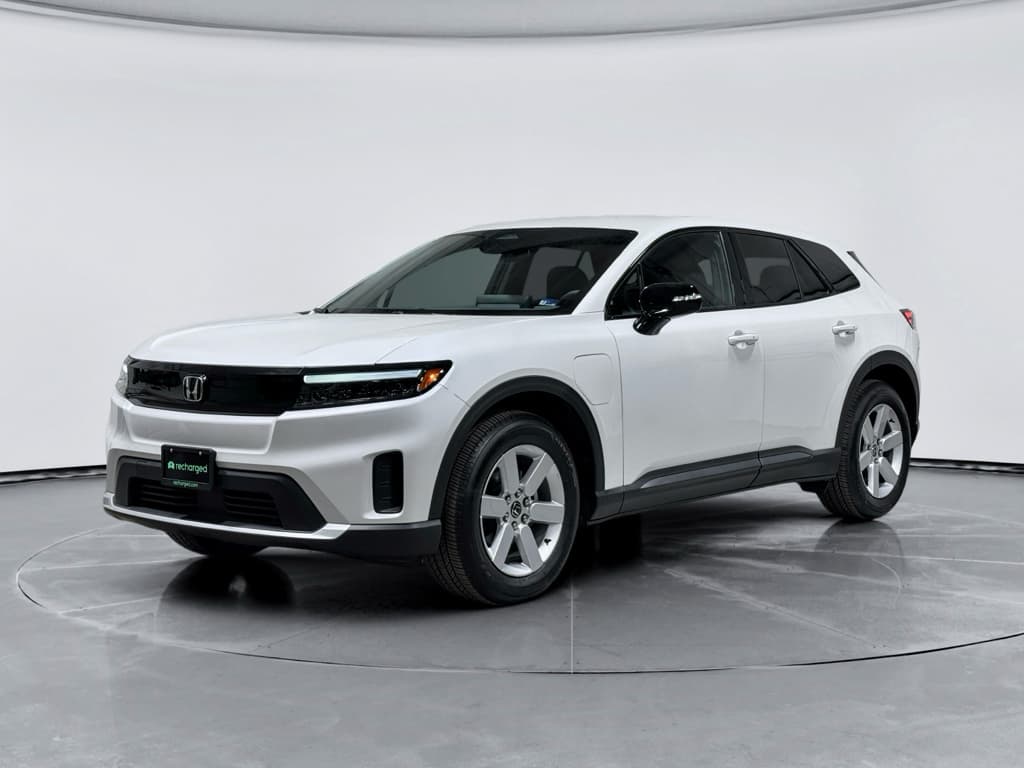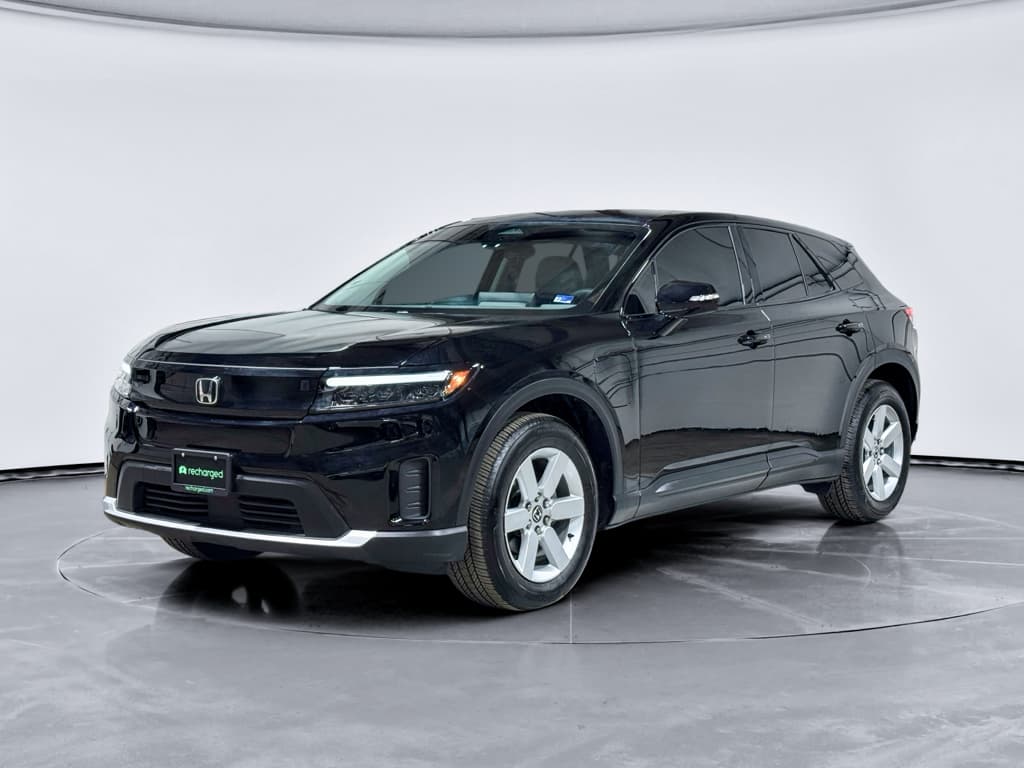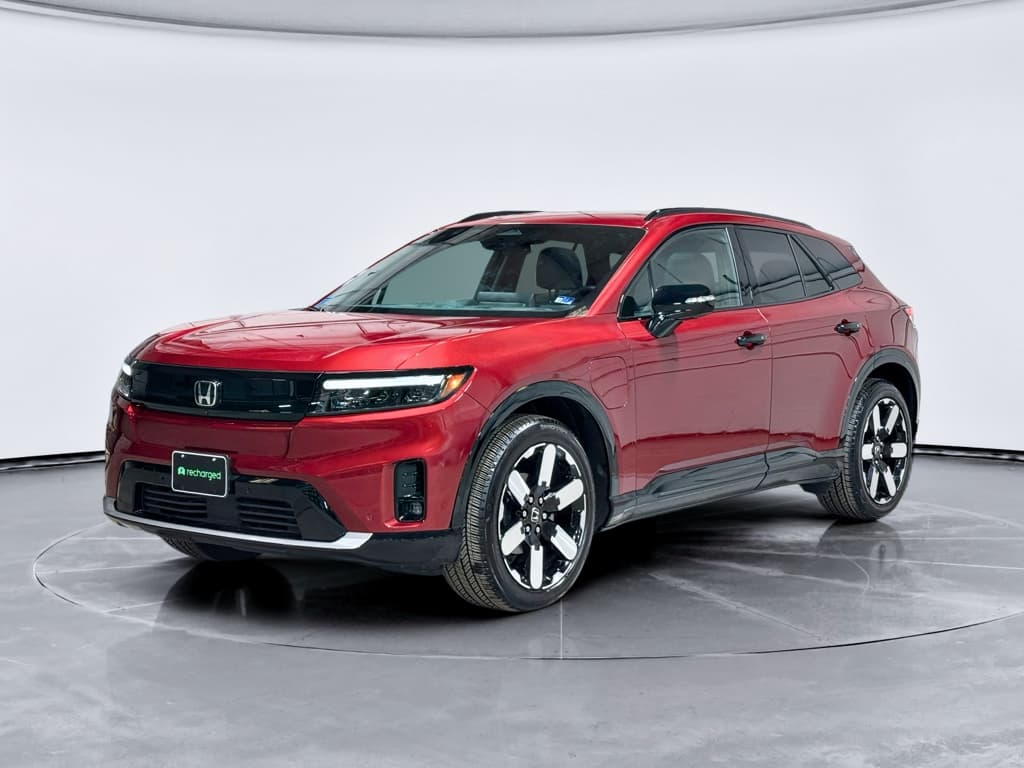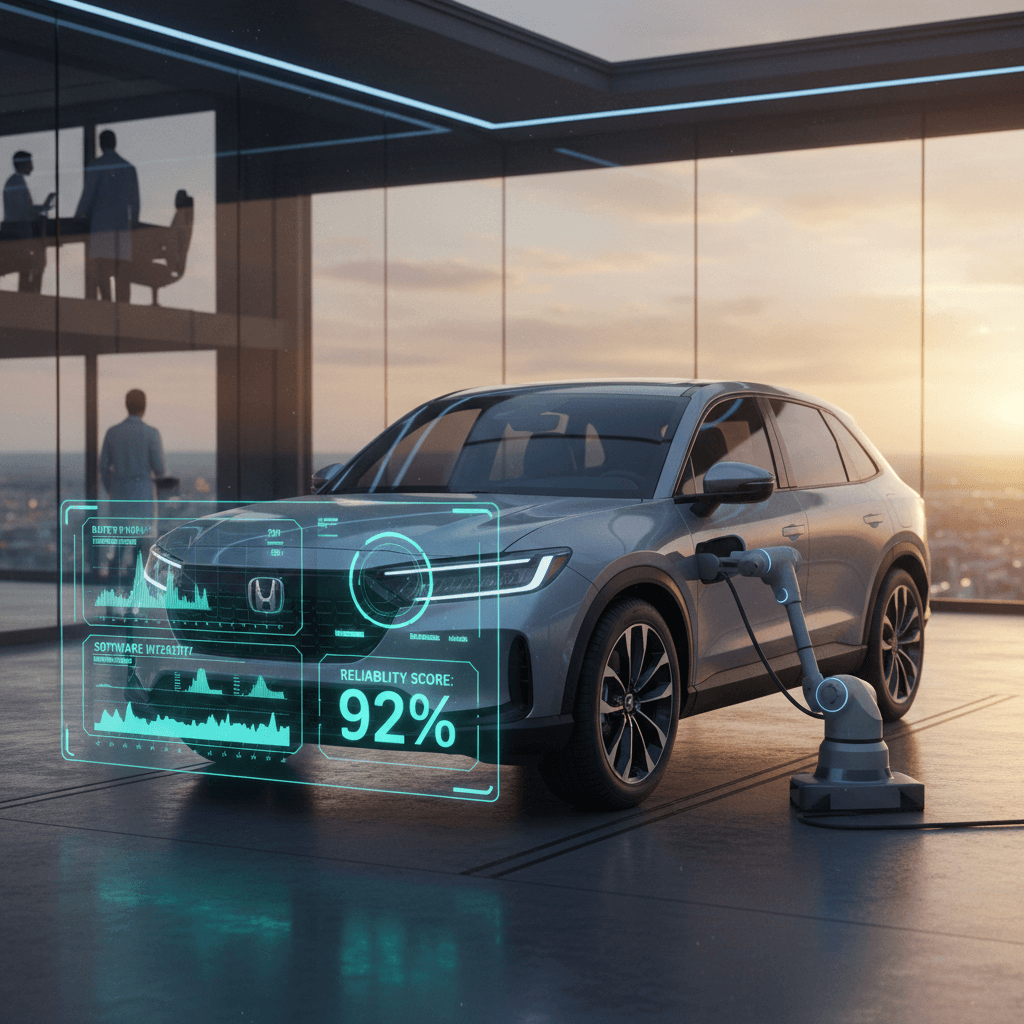
If you’re looking at a Honda Prologue in 2026, whether new on a lot or as a used EV, reliability is probably your biggest question mark. The Prologue is Honda’s first modern battery‑electric SUV, built on GM’s Ultium platform and launched for 2024, so there isn’t a decade of data to lean on. But there **is** now enough real‑world experience, owner complaints, and recall activity to paint an honest picture of Honda Prologue reliability in 2026.
Context: a brand‑new EV experiment
Quick take: Is the Honda Prologue reliable?
Honda Prologue reliability snapshot for 2026
Compared with Honda’s long‑standing reputation for bulletproof CR‑V and Civic reliability, the **Prologue lands in the “question mark” zone**. Early surveys and owner forums show a clear pattern: - More problems than a typical Honda, especially in its **first model years (2024–2025)**. - Many issues are **software or electronics‑related**, sometimes fixed via updates but occasionally stranding owners. - A subset of vehicles show **hard‑part failures**, front axles, suspension components, and in rare cases high‑voltage battery or charging faults. At the same time, there are plenty of owners quietly racking up miles without drama. That wide spread is common for **new EV programs**, especially when two companies are sharing responsibilities like Honda and GM are here.
Who should be cautious
Honda Prologue background: platform and timing
Timeline and positioning
- Production start: January 2024 at GM’s Ramos Arizpe plant in Mexico.
- US deliveries: Began spring 2024 as a 2024 model‑year vehicle.
- Segment: Two‑row midsize electric SUV, think Tesla Model Y, Hyundai Ioniq 5, Chevy Blazer EV.
- Powertrain: GM Ultium battery and motors; FWD and AWD variants.
Strategic role for Honda
- Bridge product until Honda’s in‑house "0 Series" EVs arrive starting 2026.
- Built heavily on GM hardware/software to shorten time to market.
- Sold strongly through 2025 with help from the now‑ended federal EV tax credit, then saw a steep sales drop in late 2025 and early 2026.
- Reports in early 2026 suggest Honda may end the Prologue after this generation, though Honda officially says it remains in the lineup.
This context matters for reliability. The Prologue is effectively a **GM Ultium EV wearing Honda sheet metal and tuning**, launched into a fast‑moving market just as incentives and consumer sentiment were shifting. That’s not necessarily a recipe for disaster, but it does mean you should judge it differently than a mature, Honda‑engineered platform like a CR‑V.
Early reliability data: what we know so far
How 2024–2025 Prologues are holding up
Pulling together survey data, recalls, and owner reports
Survey & magazine data
Consumer Reports’ 2026 guide classifies the Honda Prologue’s predicted reliability as below average among new vehicles, based on early owner surveys across powertrain, electronics, and build quality.
Owner forums & reviews
Edmunds and Cars.com user reviews, plus Honda‑specific forums and Reddit, show a mix of satisfied owners and frustrated early adopters. Complaints skew toward software bugs, charging faults, strange suspension noises, and long repair waits for parts.
Regulators & recall docs
NHTSA filings and Honda owner letters show multiple 2024 Prologue software‑related campaigns, plus a broader Ultium software recall that includes the Prologue, Acura ZDX and some GM siblings.
Small sample, loud signals
Common issues reported by Prologue owners
Patterns are starting to emerge in 2024–2025 Prologue complaint data. You won’t see all of these on every vehicle, many owners see none, but they’re the themes to screen for if you’re shopping a Prologue in 2026.
Typical 2024–2025 Honda Prologue problem areas
Summarizing the issues that show up repeatedly in owner reviews and early reliability surveys.
| System / Area | Typical symptom | When it shows up | Why it matters |
|---|---|---|---|
| Front suspension & axles | Popping, clunking, or thumping noises on turns or over bumps; in some cases axle replacement under warranty | Often within the first few thousand miles, especially in cold weather | Could indicate premature wear; parts have been on backorder for some owners, leading to long shop stays. |
| High‑voltage battery / charging | Error messages like “battery unable to charge,” failure to DC fast charge, or car refusing to go into Drive after charging | Intermittent; sometimes triggered after software updates or high‑power DC fast‑charging sessions | A charging or battery fault can strand you and may require complex diagnostics or module replacement. |
| Software & infotainment | Black screens, system reboots, frozen cameras, or warning lights after OTA or dealer updates | Common across Ultium‑based vehicles, not unique to Honda | Most resolve with updated software, but some owners report their car becoming undriveable until reflashed at a dealer. |
| ADAS / emergency braking | Overly sensitive collision warnings; unexpected automatic braking with no clear obstacle | Can appear from day one; sometimes improved after calibration or updates | False positives are more than annoying, they can be a safety risk if they trigger hard braking in traffic. |
| Charging equipment / communication | Public DC fast chargers failing to initiate a session, or stopping unexpectedly | Highly dependent on charger brand, software version, and climate | Not always the car’s fault, but Prologue owners do report more “handshake” issues than typical Hondas simply because this is a new EV ecosystem for Honda. |
| Parts & dealer expertise | Long waits for specific EV components; some dealers learning Ultium diagnostics on the fly | Most acute for early 2024 builds and in non‑EV‑dense regions | Even fixable problems become painful if your local dealer doesn’t see many Prologues and parts have to ship from GM’s supply chain. |
Not every Prologue has these problems, but if you’re test‑driving or inspecting one, this is where to look and listen.
Red‑flag combo to watch for
Recalls and software updates to know about
By April 2026, multiple campaigns have touched the Prologue, mostly centered on software rather than physical parts. That’s not surprising in an EV era where code controls everything from battery cooling to brake boost.
- A 2024 Prologue software recall addressing potential issues that could lead to loss of drive power or incorrect warning lights, requiring a dealer update.
- An Ultium‑wide software campaign covering certain Honda Prologue, Acura ZDX and GM EVs to reduce the risk of battery‑management mis‑calibration.
- Additional service bulletins (TSBs) for things like suspension noises, HVAC quirks, and driver‑assist calibration, which aren’t formal recalls but still relevant to your ownership experience.
How to check a specific VIN
How Ultium platform history informs Prologue reliability
The Prologue’s reliability isn’t happening in a vacuum. It shares its Ultium bones with vehicles like the Chevy Blazer EV, Cadillac Lyriq, and GMC Hummer EV. Those models have faced their own waves of software glitches, charging bugs, and production hiccups as GM has ramped the platform up.
What’s encouraging
- GM has poured enormous resources into the Ultium ecosystem, and many early problems are software‑centric, which can be fixed.
- Later‑build Ultium vehicles often show fewer issues as firmware matures and suppliers stabilize.
- When hardware issues do surface, they’re usually caught by recalls or TSBs relatively quickly.
What’s concerning
- Ultium launches have repeatedly shown teething problems, from charging failures to electronic gremlins.
- The Prologue relies on a two‑company support chain: Honda dealers plus GM‑sourced parts and software. That adds complexity when something goes wrong.
- Long‑term battery durability data (8–10+ years) simply doesn’t exist yet, only early‑life performance, which so far is mixed but not catastrophic.
Think in probabilities, not guarantees
Prologue vs typical Honda reliability: the gap
Honda consistently scores near the top of long‑term reliability rankings with its gasoline and hybrid models. The Prologue is the clear outlier in that portfolio, built elsewhere, engineered on someone else’s platform, and saddled with the usual first‑generation EV complexity.
How Prologue reliability compares inside Honda’s lineup
High‑level contrast for 2026 shoppers
CR‑V / Accord Hybrid
Maturity: Long‑running platforms with millions of units in the wild.
Typical issues: Minor electronics, wear‑and‑tear items.
Reliability tier: Historically above average to excellent.
Prologue (2024–2025)
Maturity: First‑generation EV, small fleet, shared Ultium hardware and software.
Typical issues: Software, charging, suspension/axle noise, ADAS behavior.
Reliability tier: Early data points to below‑average versus other Hondas.
Future Honda 0 Series EVs
Maturity: Honda‑engineered EV architecture rolling out from 2026 onward.
Expectation: Better integration with Honda’s dealer tooling and quality systems, but also brand‑new tech with its own learning curve.
Where the Prologue still feels like a Honda
Leasing vs buying a Honda Prologue in 2026
Because the Prologue is a first‑wave EV on a shared platform with a mixed track record, **how you structure the deal matters almost as much as which vehicle you pick**. In 2026, incentives and resale uncertainty tilt the scales toward leasing for many shoppers.
How to decide between leasing and buying a Prologue
1. Prioritize a short, warranty‑backed window
A 3‑year lease keeps you within the factory warranty period, which is where you want to be on an early‑run EV platform. If the car turns out to be trouble‑free, great; if not, you hand it back.
2. Factor in tax credit passthrough
Even though point‑of‑sale EV tax credits have changed since 2025, many leasing companies can still pass incentives through as lower monthly payments. Ask explicitly how much of that benefit you’re seeing.
3. Consider resale and model‑future risk
There’s credible reporting that Honda may not do a second‑generation Prologue. If the model quietly disappears, residual values could weaken. Leasing shifts that risk to the captive finance company instead of you.
4. Evaluate your tolerance for dealer visits
If frequent software updates and occasional service visits would drive you nuts, leasing gives you a cleaner escape route. If you’re comfortable managing issues and plan to keep the car long term, a deeply discounted purchase <em>might</em> make sense.
5. Compare against more mature rivals
Always cross‑shop alternatives like the Tesla Model Y, Hyundai Ioniq 5/6, or a used Mustang Mach‑E. Even if you end up with a Prologue, those comparisons will anchor your expectations on range, charging, and reliability.
When buying can still work
Checklist: evaluating a used Honda Prologue
If you’re shopping a used 2024–2025 Prologue in 2026, you want to separate the quiet, trouble‑free examples from the problem children. Use this checklist as a starting point:
Used Prologue inspection checklist
1. Run a full VIN history
Pull a vehicle history report and check for buybacks, lemon‑law repurchases, multiple owners in a short time, or frequent service visits for “electrical” or “no start” complaints.
2. Verify recall and campaign completion
Ask for a dealer service printout showing all recalls and software updates completed. Pay extra attention to any high‑voltage battery or powertrain‑related campaigns.
3. Test drive with ears open
On your test drive, find a rough road and a tight parking lot. Listen for pops, clunks, or thumps from the front suspension when turning or going over bumps, these can foreshadow axle or bushing work.
4. Stress‑test charging
At minimum, plug into a Level 2 charger and confirm the car charges normally, disconnects cleanly, and goes into Drive without warnings. If you can, do a short DC fast‑charge session to look for errors or dramatic charging‑speed drop‑offs.
5. Exercise all ADAS features
On a clear road, gently test adaptive cruise, lane‑keeping, and automatic emergency braking. You’re looking for unwanted phantom braking, constant beeping, or error messages that hint at calibration issues.
6. Inspect battery health data critically
The Prologue’s on‑screen range estimate and state‑of‑health numbers are only part of the story. You want real‑world range on a mixed drive and, ideally, independent battery diagnostics rather than just trusting the dashboard.
7. Gauge dealer competence
Ask the seller which Honda dealer has serviced the vehicle and how many Prologues they see. An EV‑savvy dealer with Ultium experience is worth its weight in gold when something goes wrong.
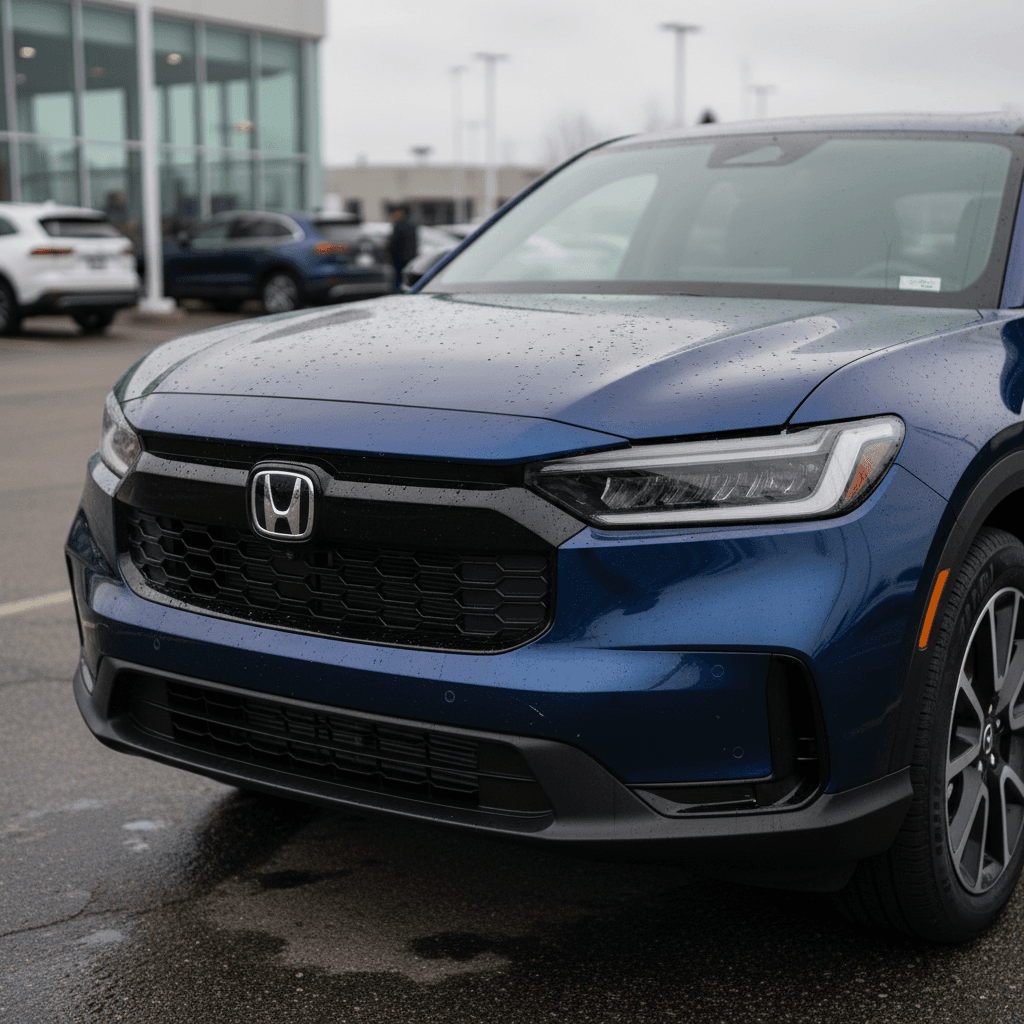
How Recharged evaluates Prologue battery and reliability
Because the Honda Prologue is still a young, evolving EV, due diligence matters even more than usual. At Recharged, every Prologue we list, now or in the future, goes through our EV‑specific evaluation process rather than the generic used‑car checklist you’d see at a traditional dealer.
What’s different about a Recharged Prologue
How we try to de‑risk early‑generation EVs for buyers
Recharged Score battery diagnostics
We don’t just read the dash. Our technicians pull detailed battery data where possible and cross‑check it against real‑world range testing, giving you a clearer picture of pack health than a simple “100%” icon.
EV‑specific mechanical inspection
We spend extra time on known Prologue trouble spots: front axles and suspension, high‑voltage cabling, charge ports, onboard chargers, and cooling systems. Any red flags are called out in the Recharged Score Report.
Transparency on history & campaigns
Every Recharged vehicle includes a history report plus documentation of completed recalls, TSBs, and software updates, so you’re not guessing which version of the Ultium software stack you’re inheriting.
Ready to find your next EV?
Browse VehiclesEnd‑to‑end EV‑specialist support
FAQ: Honda Prologue reliability in 2026
Frequently asked questions about Honda Prologue reliability
Bottom line: should you consider a Prologue?
In 2026, the Honda Prologue occupies a strange place in the EV landscape. It wears one of the most trusted reliability badges in the business, but underneath, it’s a first‑generation Ultium EV built and engineered with GM. Early data says it’s **not a disaster**, but it’s also **not the kind of set‑and‑forget appliance Honda buyers are used to**.
If you value comfort, a familiar Honda‑like interior, and can secure a strong lease deal that keeps you in warranty, the Prologue can make sense, especially as a way to dip a toe into EVs without committing to a decade‑long ownership experiment. If, on the other hand, your top priority is rock‑solid long‑term reliability, minimal software drama, and bulletproof resale, you may be better off with a more mature rival or waiting for Honda’s next‑generation 0 Series EVs.
Whichever route you choose, treat Prologue reliability as a **vehicle‑by‑vehicle question**, not a simple brand story. Look closely at history, software campaigns, and real‑world behavior, and if you’re shopping used, lean on EV‑specialist marketplaces like Recharged, where every vehicle comes with a battery‑health backed Recharged Score Report, fair market pricing, and expert guidance from test‑drive to delivery.